Quick Answer: Your bearded dragon may be sleeping excessively due to brumation (a natural hibernation-like state), incorrect tank temperatures, inadequate UVB lighting, illness, parasites, or simply because it’s a baby that needs more rest. Normal adult bearded dragons sleep 8-12 hours nightly, but sleeping all day or showing lethargy signals a problem that requires immediate attention to husbandry or veterinary care.
Key Takeaways
- Adult bearded dragons typically sleep 8-12 hours per night, while babies may sleep 12-14 hours
- Brumation is a natural seasonal dormancy lasting weeks to months, usually occurring in fall/winter
- Tank temperatures below 95°F on the basking spot or above 85°F at night disrupt normal sleep patterns
- Inadequate or incorrect UVB lighting (wrong bulb type, expired bulbs, or improper distance) causes lethargy
- Sudden excessive sleeping combined with weight loss, lack of appetite, or unusual feces indicates illness
- Parasites, respiratory infections, and metabolic bone disease commonly cause abnormal sleep patterns
- Bearded dragons sleeping with eyes open may indicate dehydration, stress, or neurological issues
- Veterinary care is necessary when excessive sleep accompanies other symptoms or lasts beyond normal brumation periods

The Light Dome with heat resistant ceramic socket can accommodate either reptile heat lamp or reptile basking bulb and ceramic heat emitter (Max. 150W).

Enhances UVB & Light Reflection: The reptile light fixture focuses the light emitted by the bulb, ensuring even distribution across the entire illumination area. The polished interior surface greatly enhances light reflection, minimizing losses of both light and UVB. This reflective effect optimizes the efficiency of the light source, promoting the health and growth of reptiles
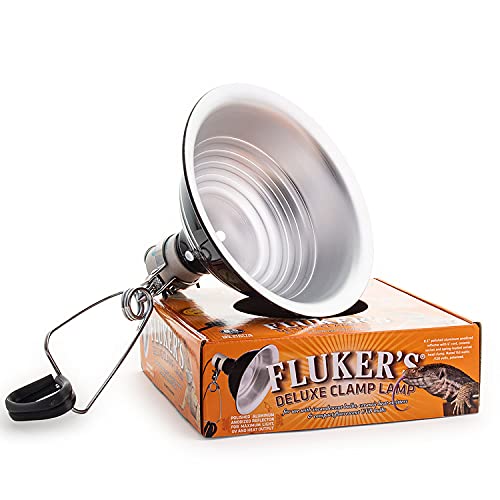
Optimal Heating for Reptiles: Fluker's Repta-Clamp Lamp is a UL/CUL approved 8.5 inch heating clamp designed to create the perfect basking environment for your reptiles.
How Many Hours a Day Should a Bearded Dragon Sleep Normally?
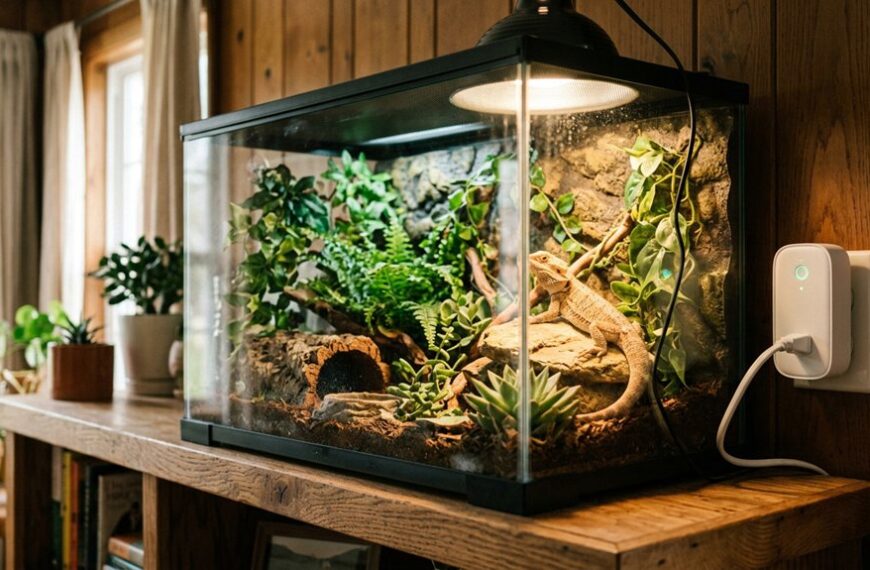
Healthy adult bearded dragons sleep 8-12 hours per night when kept on a proper light cycle. They’re diurnal reptiles, meaning they’re active during daylight hours and sleep when it’s dark, mirroring natural sunrise and sunset patterns.
Baby and juvenile bearded dragons often sleep 12-14 hours daily because growth requires significant energy. They may also take short naps during the day between feeding sessions, which is completely normal for dragons under six months old.
Normal sleep patterns include:
- Going to sleep within 30 minutes of lights turning off
- Waking naturally when lights turn on in the morning
- Staying alert and active during daylight hours
- Finding a comfortable sleeping spot (often on branches or in hides)
- Maintaining normal body posture while sleeping
If your bearded dragon consistently sleeps beyond these hours or shows daytime lethargy, investigate environmental factors first, then consider health issues. A dragon that sleeps 16+ hours daily or refuses to wake for food needs immediate attention.
What Temperature Should a Bearded Dragon Tank Be to Prevent Lethargy?
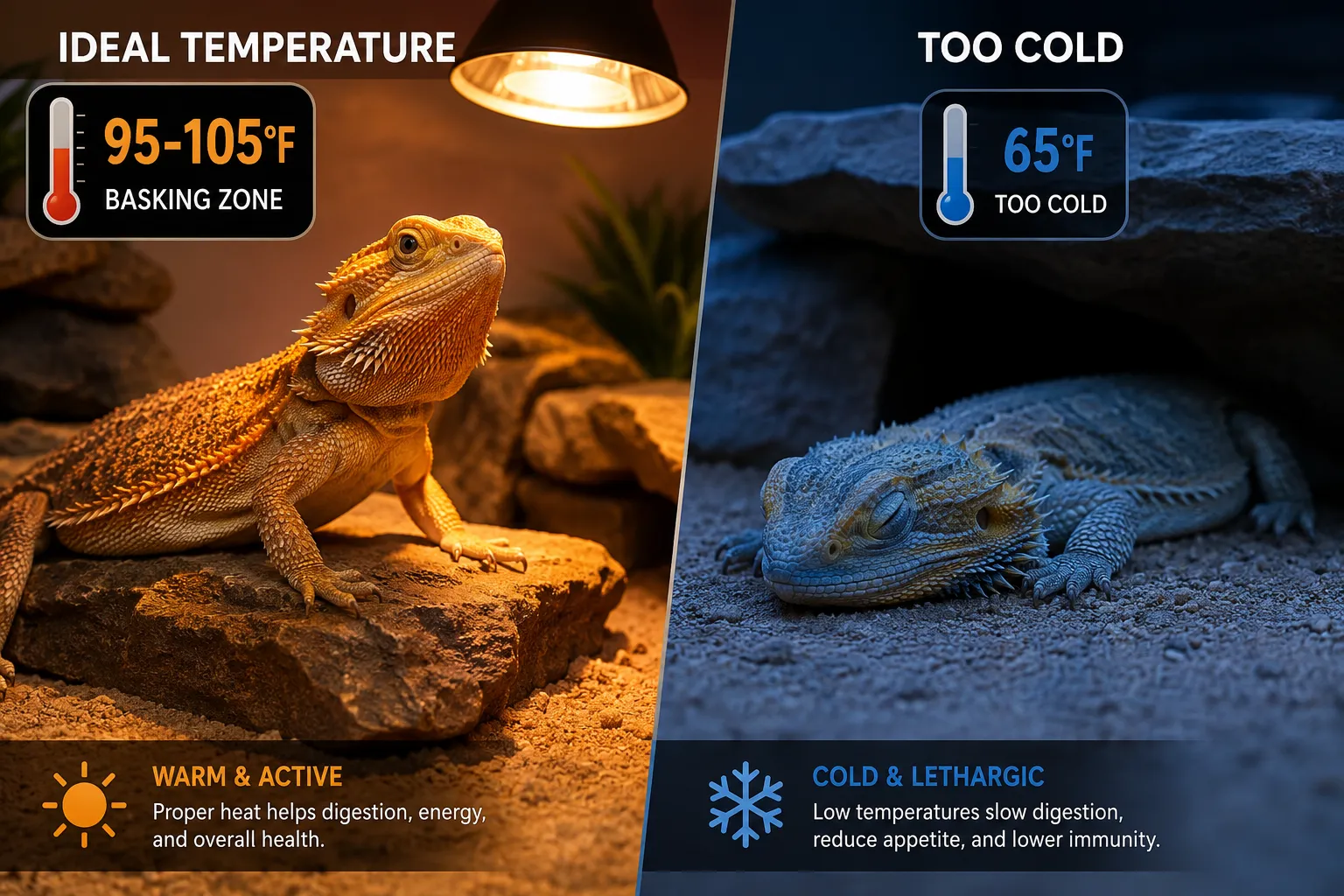
Bearded dragon tanks require a basking spot of 95-105°F for adults (105-110°F for babies), a cool side of 75-85°F, and nighttime temperatures of 65-75°F to maintain healthy activity levels. Temperatures outside these ranges directly cause excessive sleeping and lethargy.
When the basking spot drops below 95°F, bearded dragons cannot properly thermoregulate, digest food, or maintain normal metabolism. They’ll become sluggish and sleep more as their body tries to conserve energy. Conversely, nighttime temperatures above 85°F prevent restful sleep and cause daytime exhaustion.
Critical temperature zones:
- Basking spot: 95-105°F (adults), 105-110°F (babies)
- Cool side: 75-85°F during the day
- Nighttime: 65-75°F throughout the tank
- Temperature gradient: At least 20°F difference between basking and cool spots
Use a temperature gun or digital thermometer with probes to measure actual surface temperatures, not ambient air. Stick-on dial thermometers are notoriously inaccurate. Check temperatures at dragon level, not at the top of the tank where heat accumulates.
Common temperature mistakes that cause excessive sleep:
- Using only one heat source without creating a proper gradient
- Placing the tank near windows or air conditioning vents
- Not adjusting heat sources seasonally as room temperature changes
- Using heat rocks (which can burn) instead of overhead basking lights
- Keeping nighttime heat lamps on, which disrupts the natural day/night cycle
Can Incorrect UVB Lighting Make Bearded Dragons Sleep More?
Yes, inadequate UVB lighting is one of the most common causes of lethargy and excessive sleeping in captive bearded dragons. Without proper UVB exposure (10-12 hours daily of appropriate spectrum light), dragons cannot synthesize vitamin D3, leading to metabolic bone disease, depression, and abnormal sleep patterns.
Bearded dragons require UVB bulbs that emit 10-12% UVB radiation, positioned 12-18 inches from their basking spot. Compact coil UVB bulbs often provide insufficient coverage, while tube-style fluorescent or LED UVB fixtures offer better full-spectrum exposure across the tank.
UVB lighting problems that increase sleep:
- Using expired bulbs (UVB output degrades after 6-12 months even if the bulb still glows)
- Placing UVB lights outside screen lids (screens block up to 50% of UVB)
- Positioning lights too far from basking areas (UVB strength decreases rapidly with distance)
- Using incorrect UVB percentage (5% desert bulbs are too weak; 10-12% is required)
- Not providing 10-12 hours of UVB exposure daily
Replace UVB bulbs every 6-12 months depending on manufacturer recommendations, even if they appear to work. Mark the installation date on the bulb with a permanent marker. Dragons deprived of adequate UVB become lethargic, lose appetite, and sleep excessively as their bodies struggle with calcium metabolism.
Bearded Dragon Brumation vs Sick: How to Tell the Difference
Brumation is a natural hibernation-like state where healthy bearded dragons sleep for extended periods (weeks to months) during fall and winter, while illness causes abnormal lethargy accompanied by other symptoms like weight loss, discharge, or abnormal feces. Distinguishing between the two is critical for proper care.
Healthy brumation typically begins gradually in dragons over 12 months old, usually between October and March. The dragon slowly reduces food intake, becomes less active, and eventually sleeps most of the day. A brumating dragon maintains normal body weight, has clear eyes and nostrils, and will occasionally wake to drink water.
Signs of healthy brumation:
- Gradual decrease in activity over 1-2 weeks
- Reduced appetite before sleeping increases
- Normal body weight and muscle tone
- Clear eyes, nose, and vent
- Occasional waking to drink water
- Occurs during fall/winter months
- Dragon is over 12 months old
Signs of illness, not brumation:
- Sudden lethargy with no gradual transition
- Rapid weight loss or visible bone structure
- Discharge from eyes, nose, or mouth
- Abnormal feces (runny, bloody, or foul-smelling)
- Gasping, wheezing, or open-mouth breathing
- Swollen limbs or abdomen
- Refusing water when offered
- Occurs in dragons under 12 months old
If your dragon shows illness symptoms, don’t assume it’s brumation. Schedule a veterinary exam immediately. Young dragons (under one year) rarely brumate and should be evaluated if they become excessively sleepy.
Is My Bearded Dragon Sleeping Too Much or Going Into Brumation?
Your bearded dragon is likely entering brumation if it’s over 12 months old, gradually reducing activity during fall or winter, maintaining body weight, and occasionally waking to drink. It’s sleeping too much due to a problem if the lethargy appeared suddenly, occurs during spring/summer, or accompanies other symptoms.
Brumation is triggered by seasonal changes in temperature and daylight hours, even in captivity. Some dragons brumate annually, others skip years, and some never brumate at all. All patterns are normal as long as the dragon appears healthy.
Decision checklist:
Choose brumation if:
- Dragon is 12+ months old
- Behavior changed gradually over 1-2 weeks
- It’s October through March
- Dragon maintains weight
- No discharge, abnormal feces, or breathing issues
- Occasionally wakes to drink
Choose illness/husbandry problem if:
- Dragon is under 12 months old
- Lethargy appeared suddenly (within 1-3 days)
- It’s April through September
- Dragon is losing weight
- Any discharge, abnormal feces, or respiratory symptoms present
- Tank temperatures or UVB are incorrect
You can allow natural brumation or prevent it by maintaining summer temperatures and light cycles year-round. Both approaches are acceptable. If allowing brumation, reduce feeding as appetite decreases, maintain access to water, and check on your dragon weekly.
Bearded Dragon Suddenly Sleeping All Day: What’s Wrong?
When a bearded dragon suddenly starts sleeping all day, the most common causes are incorrect tank temperatures, UVB bulb failure, illness, or acute stress from environmental changes. Sudden lethargy (appearing within 1-3 days) is never normal and requires immediate investigation.
Start by checking your husbandry setup with fresh eyes. Measure basking spot temperature with a temperature gun, verify your UVB bulb isn’t expired, and confirm your timer is functioning correctly. Many “sudden” sleep problems trace back to a burned-out bulb or failed heating element.
Immediate troubleshooting steps:
- Measure temperatures at basking spot and cool side with accurate thermometer
- Check UVB bulb age and verify it’s turning on (some bulbs fail suddenly)
- Verify light timer is working and providing 12-14 hours of light
- Examine your dragon for discharge, swelling, abnormal feces, or labored breathing
- Review recent changes (new substrate, tank mate, moved location, diet changes)
- Offer water via dropper or bath to check for dehydration
If husbandry is correct and your dragon shows any illness symptoms, schedule a veterinary appointment within 24-48 hours. Sudden lethargy combined with weight loss, lack of appetite for more than 3 days, or abnormal feces indicates illness requiring professional diagnosis.
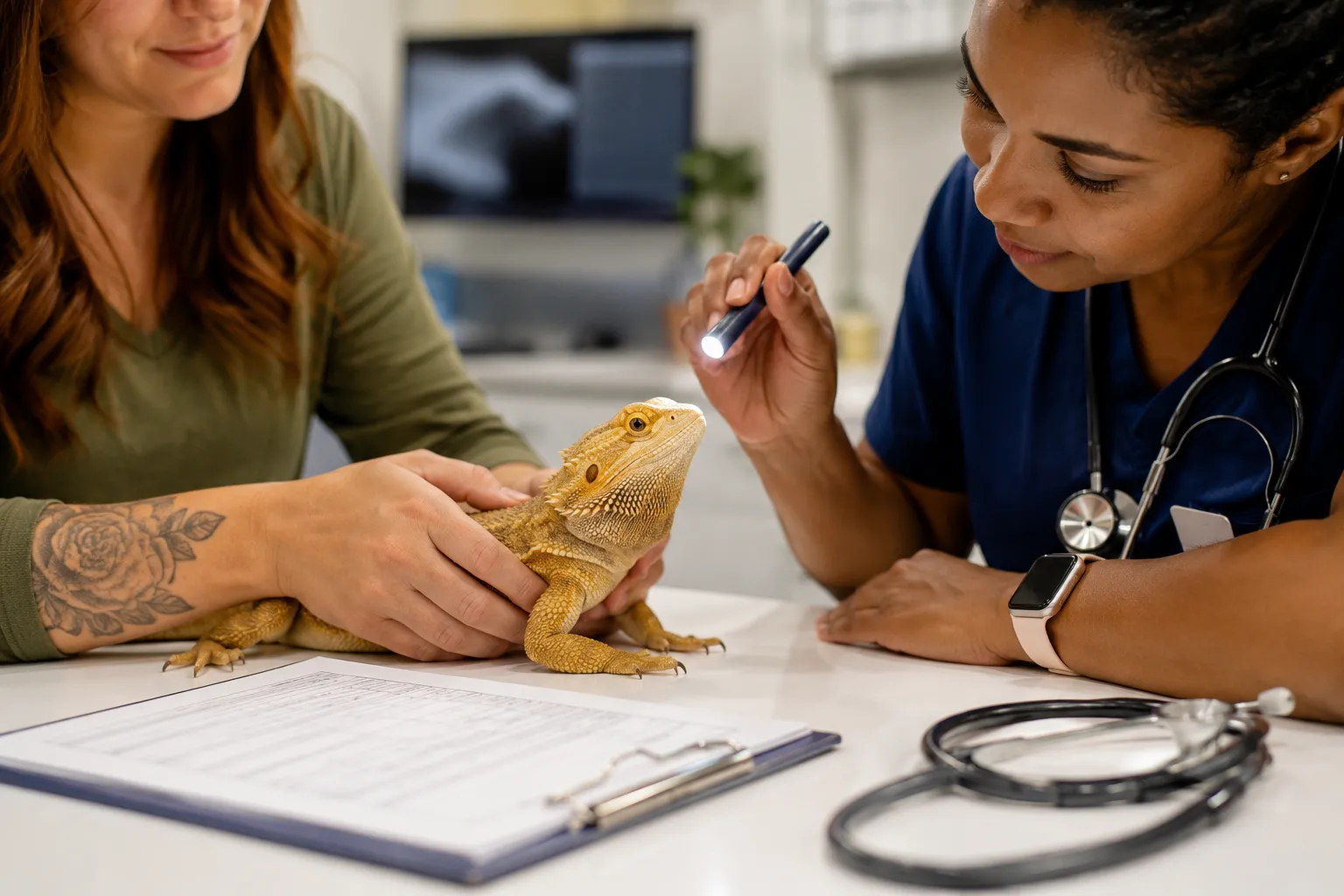
Do Baby Bearded Dragons Sleep More Than Adults?
Yes, baby bearded dragons (0-6 months) sleep 12-14 hours daily and often take short daytime naps, which is 2-4 hours more than healthy adults. This increased sleep supports rapid growth, with babies growing from 3-4 inches to 10-16 inches in their first six months.
Juvenile dragons (6-12 months) gradually transition to adult sleep patterns, typically sleeping 10-12 hours nightly with fewer daytime naps. By 12 months, most dragons maintain consistent adult sleep schedules of 8-12 hours per night.
Age-based sleep expectations:
- 0-3 months: 12-14 hours plus 2-3 short daytime naps
- 3-6 months: 12-14 hours with 1-2 daytime naps
- 6-12 months: 10-12 hours with occasional daytime rest
- 12+ months: 8-12 hours nightly, awake all day
Even though babies sleep more, they should still be alert and active during waking hours. A baby dragon that won’t wake for food, shows no interest in movement, or sleeps 16+ hours daily has a problem. Baby dragons are particularly vulnerable to incorrect temperatures and UVB, so double-check husbandry if your young dragon seems excessively sleepy.
Signs of Illness in Bearded Dragons Besides Sleeping
Excessive sleeping rarely appears alone when a bearded dragon is sick. Watch for these accompanying symptoms that indicate your dragon needs veterinary care rather than simple husbandry adjustments.
Respiratory symptoms:
- Open-mouth breathing when not basking
- Wheezing, clicking, or gasping sounds
- Mucus or bubbles around nostrils
- Puffed-up throat or labored breathing
Digestive symptoms:
- Runny, bloody, or foul-smelling feces
- Constipation lasting more than 7 days
- Vomiting or regurgitation
- Bloated or sunken abdomen
Physical symptoms:
- Rapid weight loss or visible spine/hip bones
- Swollen limbs, jaw, or tail
- Discharge from eyes, nose, or vent
- Darkened or discolored skin patches
- Twitching, tremors, or seizures
Behavioral symptoms:
- Refusing food for more than 5-7 days (outside brumation)
- Inability to lift body off the ground
- Dragging back legs or limping
- Glass surfing or frantic behavior
- Aggression or unusual irritability
Any combination of excessive sleep plus these symptoms requires veterinary attention within 24-48 hours. Reptile illnesses progress quickly, and early intervention significantly improves outcomes.

☀️☀️Increased Brightness. Hygger Zoo uvb light is brighter than other UVB bulbs because of evenly distributed fluorescent powder and a high-tech circuit board. And the uva uvb reptile light bulb can simulate natural sunlight, your reptile pets will enjoy natural light in the comfort of their own home and feel like they are in the wild.

【 UVB Light for Reptiles 10.0 with Free Test Card】Stop guessing if your bulb is working! GREENPAW includes a UV sensor card to verify UV presence instantly. A purple glow confirms the bulb is emitting UVB, providing a visual "with/without" status. Since UVB degrades while light stays visible, our indicator ensures your chameleon or turtle gets necessary UVB light for reptiles. Note: Card detects presence, not exact levels. Replace the UVB reptile light every 6-12 months for optimal health.

💡💡Higher UVB Output Value. The UVB light has shown higher UVB output in experiment test, which can provide more UVB for your reptiles’ growth, and promote the synthesis of vitamin D3 in your reptiles’ body. And the UVA UVB reptile light bulb also can help promote the absorption of calcium and phosphorus, to promote reproductive behavior and boost immunity.
How to Wake Up a Lethargic Bearded Dragon Safely
To safely wake a lethargic bearded dragon, gently increase ambient light, offer a warm bath (95-100°F water), and allow 15-30 minutes for natural waking. Never shake, flip, or forcefully handle a sleeping dragon, as this causes stress and can lead to injury.
If your dragon won’t wake despite proper lighting and temperature, it may be in deep brumation or experiencing a medical emergency. A healthy dragon should respond to light and gentle stimulation within 30 minutes.
Safe waking procedure:
- Turn on tank lights and wait 10-15 minutes
- Gently touch the dragon’s back or tail (avoid the head)
- Offer a warm bath in 95-100°F shallow water
- Present favorite food near the dragon’s nose
- Allow time for natural waking (up to 30 minutes)
Never do these things:
- Shake or flip your dragon over
- Spray with cold water
- Make loud noises to startle them awake
- Remove them from their tank while deeply asleep
- Force-feed a lethargic dragon
If your dragon won’t wake after 30 minutes of gentle stimulation and proper lighting, or if it wakes but immediately falls back asleep, contact a reptile veterinarian. This level of lethargy indicates either deep brumation (which is normal if seasonal) or a serious health problem requiring professional evaluation.
Bearded Dragon Sleeping in Cold Spot Instead of Basking
When a bearded dragon consistently sleeps in the cool area instead of basking, it indicates the basking spot is too hot (over 110°F), the dragon is sick and cannot thermoregulate properly, or it’s entering brumation. Healthy dragons instinctively seek appropriate temperatures for their needs.
Measure your basking spot temperature immediately with a temperature gun. Surface temperatures above 110°F can burn bearded dragons and cause them to avoid the area entirely. The ideal basking spot for adults is 95-105°F, measured at the surface where the dragon’s belly would rest.
Reasons for avoiding basking spots:
- Basking spot too hot: Over 110°F causes discomfort and burns
- Illness or infection: Sick dragons often seek cooler temperatures
- Brumation preparation: Dragons cool down before entering dormancy
- Stress or fear: New environments may cause temporary avoidance
- Digestive issues: Dragons with impaction avoid heat
Troubleshooting steps:
- Measure basking spot temperature at dragon level (not air temperature)
- Adjust heat bulb wattage or distance if temperature is incorrect
- Verify the dragon has a proper temperature gradient (20°F+ difference)
- Check for signs of illness (lethargy, weight loss, abnormal feces)
- Ensure the basking platform is stable and comfortable
A dragon that avoids basking for more than 2-3 days while showing other symptoms needs veterinary evaluation. Proper thermoregulation is essential for digestion, immune function, and overall health.
When Should I Take My Bearded Dragon to the Vet for Excessive Sleeping?
Take your bearded dragon to a reptile veterinarian within 24-48 hours if excessive sleeping is accompanied by weight loss, abnormal feces, discharge, labored breathing, or refusal to eat for more than 5-7 days outside of brumation season. Sudden lethargy in dragons under 12 months old also warrants immediate veterinary attention.
Schedule a non-emergency appointment (within 1-2 weeks) if your dragon is sleeping more than usual but maintaining weight, eating normally, and showing no other symptoms. The vet can perform a fecal test to rule out parasites and assess overall health.
Seek immediate veterinary care (within 24 hours) if:
- Dragon is unresponsive or won’t wake with gentle stimulation
- Labored breathing, gasping, or open-mouth breathing present
- Bloody or black feces appear
- Sudden weight loss (visible bones or sunken eyes)
- Seizures, twitching, or inability to move limbs
- Dragon is under 6 months old and suddenly lethargic
Schedule routine appointment (within 1-2 weeks) if:
- Sleeping increased gradually but dragon still eats
- No other symptoms but sleep exceeds 14 hours daily
- You suspect parasites (gradual weight loss, appetite changes)
- Dragon hasn’t had a wellness check in over 12 months
- You’re unsure if behavior is normal brumation
Bring a fresh fecal sample (less than 24 hours old) to your appointment. Write down when symptoms started, any husbandry changes, and your current temperature and lighting setup. This information helps veterinarians diagnose problems quickly.
Can Parasites Cause Bearded Dragons to Sleep Too Much?
Yes, internal parasites commonly cause excessive sleeping in bearded dragons by depleting nutrients, causing anemia, and triggering systemic inflammation. Parasitic infections often develop gradually, with lethargy appearing alongside weight loss despite normal eating, changes in fecal appearance, and decreased activity levels.
Common parasites affecting bearded dragons include coccidia, pinworms, hookworms, and protozoans. Many dragons carry low parasite loads without symptoms, but stress, poor husbandry, or immune suppression can allow populations to explode, causing illness.
Parasite symptoms beyond excessive sleep:
- Weight loss despite maintaining appetite
- Runny, foul-smelling, or discolored feces
- Visible worms in feces (rare but possible)
- Gradual decrease in energy over weeks
- Poor growth in juvenile dragons
- Dull or darkened skin color
Parasites are diagnosed through fecal examination by a veterinarian. Bring a fresh sample (less than 24 hours old, refrigerated) to your appointment. Treatment typically involves antiparasitic medications administered over 1-3 weeks, with follow-up testing to confirm elimination.
Parasite prevention:
- Annual fecal exams for adult dragons
- Quarantine new dragons for 60-90 days with fecal testing
- Clean and disinfect tank monthly
- Wash hands before and after handling
- Feed insects from reputable sources
- Remove feces daily to prevent reinfection
Never attempt to treat parasites with over-the-counter medications or home remedies. Incorrect treatment can worsen infections or harm your dragon. Professional diagnosis and prescription medications are essential for safe, effective parasite elimination.
Difference Between Healthy Sleep and Lethargy in Bearded Dragons
Healthy sleep occurs during nighttime hours (8-12 hours) with the dragon waking alert and active when lights turn on, while lethargy is characterized by excessive daytime sleeping, difficulty waking, lack of response to stimuli, and inability to maintain normal activity levels even when awake.
A healthy sleeping dragon maintains normal body posture, breathes regularly, and wakes naturally with environmental cues. A lethargic dragon appears weak, may sleep in unusual positions, shows little interest in food or movement when awake, and often has accompanying symptoms.
Healthy sleep characteristics:
- Occurs primarily at night (after lights turn off)
- Dragon wakes naturally when lights turn on
- Alert and responsive when awake
- Normal body posture (not flat or limp)
- Regular, quiet breathing
- Maintains normal weight and appetite
Lethargy warning signs:
- Sleeping during daylight hours despite proper lighting
- Difficulty waking or immediate return to sleep
- Weak, unresponsive, or slow movements when awake
- Flat body posture or inability to lift head
- Labored or irregular breathing
- Weight loss or refusal to eat
The key distinction is responsiveness and timing. A dragon that sleeps 12 hours at night but is active all day is healthy. A dragon that sleeps 16+ hours including daytime, won’t wake for food, or shows weakness when awake is lethargic and needs intervention.
My Bearded Dragon Is Sleeping With Eyes Open: Is That Normal?
Bearded dragons sleeping with eyes open is abnormal and typically indicates dehydration, neurological problems, severe stress, or eye injury. Healthy dragons close their eyes completely during sleep, and any deviation from this pattern warrants investigation.
Some dragons may appear to sleep with eyes partially open due to incomplete eyelid closure from vitamin A deficiency, eye infections, or neurological damage. This prevents restful sleep and can lead to eye damage from dryness.
Possible causes of open-eye sleeping:
- Dehydration: Sunken eyes prevent proper eyelid closure
- Neurological issues: Brain injury or metabolic bone disease affecting nerves
- Eye infection or injury: Swelling or pain preventing closure
- Vitamin A deficiency: Affects eyelid function and eye health
- Severe stress: Prevents deep, restful sleep
- Metabolic bone disease: Advanced cases affect all muscle function
Immediate actions:
- Offer a 15-20 minute warm bath (95-100°F) to address potential dehydration
- Examine eyes for discharge, swelling, or cloudiness
- Check for other MBD symptoms (weak limbs, swollen jaw, tremors)
- Review UVB lighting and calcium supplementation
- Schedule veterinary appointment within 24-48 hours
Never attempt to manually close your dragon’s eyes or apply over-the-counter eye drops without veterinary guidance. Eye problems in reptiles progress quickly and can lead to permanent vision loss without proper treatment.
FAQ
How long can a bearded dragon sleep during brumation?
Bearded dragons can brumate for 1-4 months, typically sleeping most of each day with occasional brief waking periods to drink water. Brumation usually occurs between October and March in dragons over 12 months old.
Can stress make my bearded dragon sleep more?
Yes, stress from environmental changes, improper handling, tank mates, or loud noises can cause increased sleeping as a coping mechanism. Address stressors and provide a quiet, stable environment for recovery.
Should I wake my bearded dragon to eat?
Only wake your dragon for feeding if it’s not brumating and has missed meals for 3+ days. Brumating dragons should not be force-fed. Offer food when they naturally wake, but don’t force eating.
Is it normal for bearded dragons to sleep more in winter?
Yes, many bearded dragons naturally sleep more in winter even with consistent tank temperatures and lighting, as they respond to subtle seasonal cues. This is normal unless accompanied by illness symptoms.
Can too much heat make a bearded dragon lethargic?
Yes, basking spots above 110°F or ambient temperatures above 90°F cause heat stress, leading to lethargy, panting, and avoidance of the warm area. Reduce heat source wattage or distance immediately.
How do I know if my bearded dragon is just lazy or sick?
Healthy “lazy” dragons still respond to food, maintain body weight, and show alertness when approached. Sick dragons show progressive lethargy, weight loss, and additional symptoms like abnormal feces or discharge.
Can incorrect humidity cause excessive sleeping?
Yes, humidity above 60% can cause respiratory infections leading to lethargy, while humidity below 20% causes dehydration and stress. Maintain 30-40% humidity for optimal health.
Do bearded dragons sleep more as they age?
Senior dragons (8+ years) may sleep slightly more than young adults, but dramatic increases in sleep indicate health problems. Age-related changes should be gradual and not interfere with eating.
Can lighting schedule changes affect my bearded dragon’s sleep?
Yes, inconsistent lighting schedules disrupt circadian rhythms and cause sleep problems. Maintain a consistent 12-14 hour light cycle using a timer to prevent stress and lethargy.
What’s the difference between sleeping and being unresponsive?
Sleeping dragons wake with gentle stimulation within 5-10 minutes, while unresponsive dragons don’t react to touch, light, or sound. Unresponsiveness is a medical emergency requiring immediate veterinary care.
Can diet cause my bearded dragon to sleep more?
Yes, nutritional deficiencies (especially calcium and vitamin D3) cause metabolic bone disease and lethargy. Overfeeding also causes obesity and decreased activity. Feed age-appropriate portions with proper supplementation.
Should I adjust temperatures if my dragon is sleeping too much?
First verify temperatures are correct (95-105°F basking, 75-85°F cool side). If temperatures are accurate but your dragon is still lethargic, the problem is likely medical rather than environmental.
Conclusion
Understanding why your bearded dragon is sleeping so much requires careful evaluation of both environmental factors and health indicators. Start by verifying your husbandry setup meets proper standards: basking temperatures of 95-105°F, appropriate UVB lighting (10-12% bulbs replaced every 6-12 months), and a consistent 12-14 hour light cycle. These foundational elements prevent the majority of sleep-related issues in captive bearded dragons.
If your husbandry is correct but excessive sleeping persists, distinguish between natural brumation and illness. Healthy brumation occurs gradually in dragons over 12 months old during fall and winter, with the dragon maintaining body weight and occasionally waking to drink. Illness-related lethargy appears suddenly, occurs at any time of year, and accompanies other symptoms like weight loss, abnormal feces, or discharge.
Take action now:
- Measure your tank temperatures with an accurate thermometer today
- Check your UVB bulb installation date and replace if over 6-12 months old
- Monitor your dragon’s weight weekly using a kitchen scale
- Document sleep patterns, appetite, and feces consistency for 3-5 days
- Schedule a veterinary appointment if symptoms persist beyond one week or worsen
Remember that sudden lethargy, excessive sleeping in dragons under 12 months old, or sleep accompanied by other symptoms always warrants professional veterinary evaluation. Early intervention prevents minor issues from becoming serious health crises. Your bearded dragon depends on you to recognize when normal sleep crosses into problematic territory and to respond appropriately with either husbandry corrections or medical care.

Precision Health Guardian: Your reptile pets are very sensitive to temperature and humidity, and small changes can affect their comfort and even their health. This humidity thermometer utilizes a built-in high-precision measurement chip that monitors the environment with 0.9°F accuracy, ensuring you are always aware of the actual conditions in your animal's tank. It's not just a matter of caring, it's a consideration for your pet's long-term health.

Timer thermostat for reptiles, 3 plugs outlet can work independently. Integrated design with day/night temperature and timing control, which can meet the physiological needs of temperature, and lighting for reptiles, amphibians, or plants.
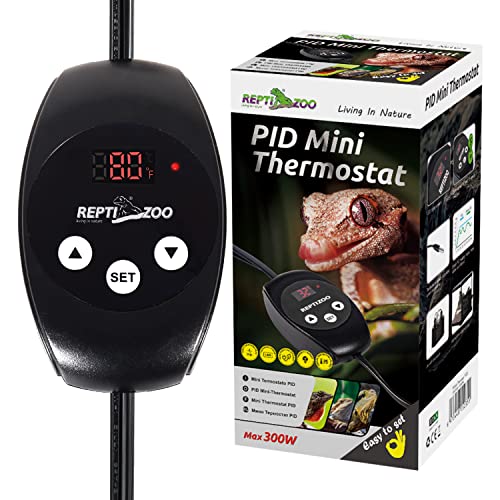
【Dimming Reptile Thermostat】The dimming thermostat is a very accurate temperature control method. It's designed specifically for controlling heat lamps, smart PID heating mode is more stable and efficient which can improve bulb lifetime. Although it’s perfect for heat bulbs, it’s also suitable for almost any heaters. (DO NOT use it with sunlamp)