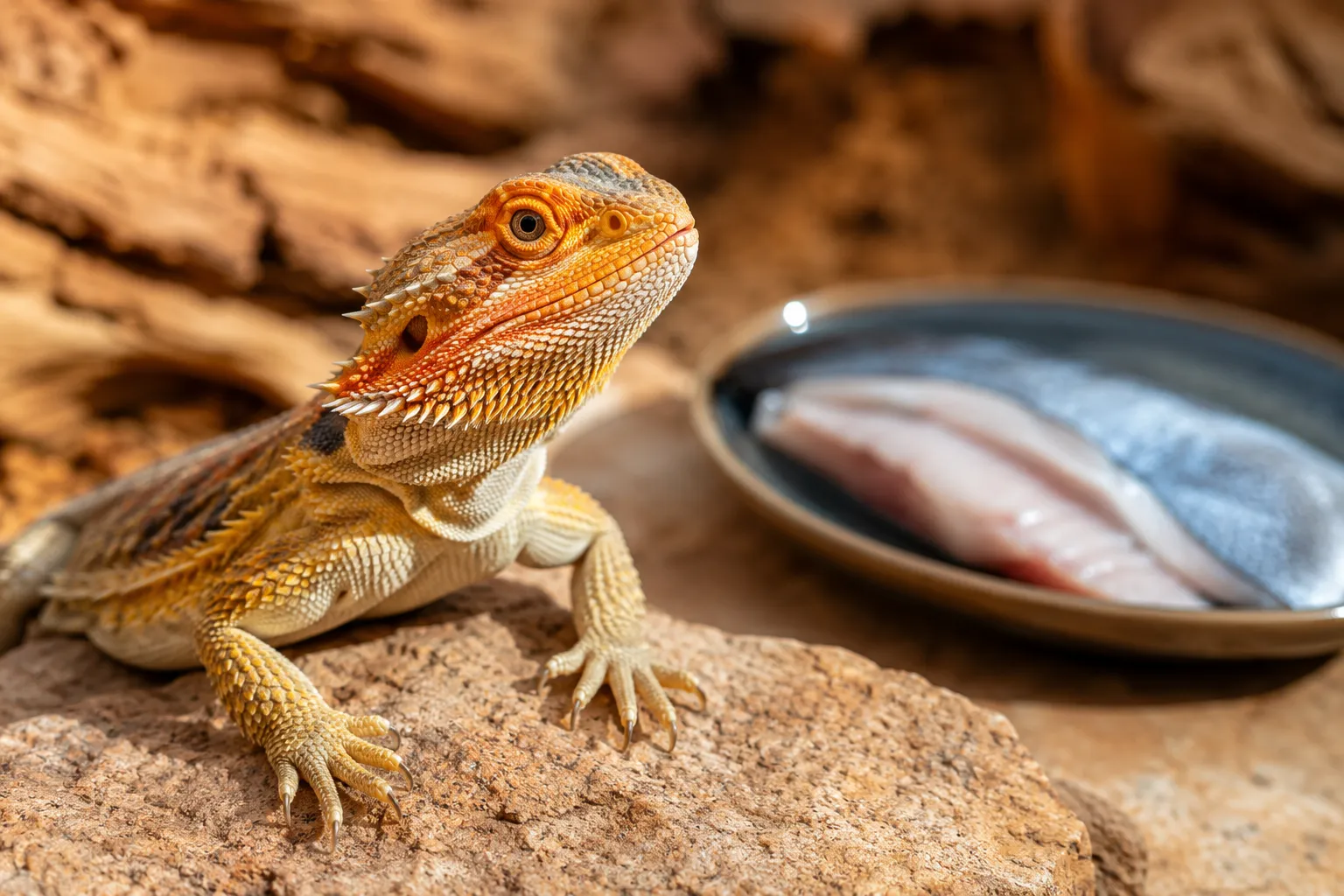
Quick Answer: Bearded dragons should not eat fish as a regular part of their diet. While fish isn’t immediately toxic, it offers poor nutritional value for bearded dragons and can cause digestive issues, thiaminase enzyme problems, and potential parasite exposure. Stick to insects, vegetables, and greens that match their natural desert diet.
Key Takeaways
- Fish is not recommended for bearded dragons because it lacks proper calcium-to-phosphorus ratios and contains thiaminase
- Bearded dragons are naturally insectivores and herbivores from arid Australian environments, not fish-eaters
- If a bearded dragon accidentally eats fish, monitor for digestive upset but don’t panic, one-time exposure rarely causes serious harm
- Both raw and cooked fish pose risks including parasites, bacteria, and enzyme interference with vitamin B1 absorption
- Safe protein alternatives include dubia roaches, crickets, black soldier fly larvae, and occasional superworms
- Baby bearded dragons need 70-80% protein from insects, not fish, to support rapid growth
- Fish oil supplements are generally unnecessary and can cause vitamin imbalances in bearded dragons
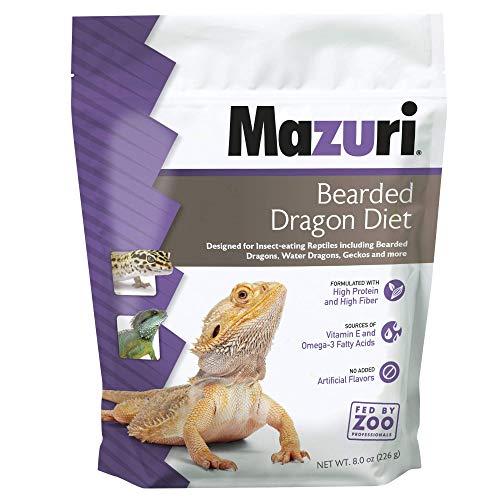
Great source of omega-3 fatty acids and Vitamin E.

New Fluker's Crafted Cuisine Bearded Dragon Diet (6.75 oz.)

Package Dimensions: 12.953 H x 7.62 L x 7.62 W (centimeters)
Can Bearded Dragons Eat Fish Safely?
No, bearded dragons cannot safely eat fish as part of their regular diet. Fish poses multiple health risks including improper nutrient ratios, thiaminase enzymes that destroy vitamin B1, potential parasite transmission, and digestive complications. Bearded dragons evolved in the arid regions of Australia eating insects, vegetation, and occasional small vertebrates, never fish.
The digestive system of a bearded dragon is designed for processing insects with hard exoskeletons and fibrous plant matter, not the soft, oily flesh of fish. Their gut flora and enzyme production are optimized for their natural diet. Introducing fish disrupts this balance and provides nutrients in forms their bodies aren’t equipped to handle efficiently.
Choose fish alternatives if: You want high-quality protein that supports healthy growth, proper calcium absorption, and matches their evolutionary diet. Choose appropriately-sized insects dusted with calcium powder instead.
What Happens If a Bearded Dragon Eats Fish?
If a bearded dragon eats fish, it may experience digestive upset including diarrhea, bloating, or loss of appetite within 12-48 hours. The high fat content in most fish can overwhelm their digestive system, while thiaminase enzymes begin breaking down thiamine (vitamin B1) stores. Most bearded dragons will pass the fish without severe complications, but repeated exposure can lead to nutritional deficiencies.
Short-term effects typically include:
- Loose or watery stools
- Reduced appetite for 1-2 days
- Lethargy or decreased activity
- Possible regurgitation in severe cases
Long-term or repeated fish consumption can cause more serious problems like thiamine deficiency (leading to neurological symptoms), calcium-phosphorus imbalance (contributing to metabolic bone disease), and fatty liver disease from excessive oils.
Common mistake: Assuming that because a bearded dragon will eat fish, it must be safe. Bearded dragons are opportunistic eaters and will consume many things that aren’t healthy for them.
Is Fish Toxic to Bearded Dragons?
Fish is not acutely toxic to bearded dragons in the way that avocado or rhubarb would be, but it contains compounds that cause harm over time. The primary concern is thiaminase, an enzyme found in many raw fish species that destroys thiamine (vitamin B1). Thiamine deficiency leads to serious neurological problems including seizures, loss of coordination, and in severe cases, death.
Additionally, fish contains:
- Improper calcium-to-phosphorus ratios (often 1:10 or worse, when bearded dragons need 2:1)
- High fat content that their livers struggle to process
- Potential parasites and bacteria including Salmonella and various fish-borne parasites
- Heavy metals like mercury in some species (tuna, salmon)
While a single small piece of fish won’t immediately poison your bearded dragon, it provides no nutritional benefit and introduces unnecessary risks. The cumulative effect of these compounds makes fish unsuitable for any reptile that didn’t evolve eating aquatic prey.
Can Bearded Dragons Eat Tuna or Salmon?
Bearded dragons should not eat tuna or salmon. Both fish are particularly problematic because they contain high levels of thiaminase, significant fat content, and potential mercury accumulation. Tuna especially ranks among the worst fish choices due to its position as a large predatory fish that bioaccumulates toxins throughout its lifespan.
Salmon poses additional concerns:
- Very high fat content (10-15% depending on species) that can cause digestive distress
- Thiaminase presence in raw salmon that destroys vitamin B1
- Parasite risk including anisakis worms if fed raw
- Poor calcium content with excessive phosphorus
Tuna problems include:
- Mercury accumulation from its position high in the food chain
- Strong thiaminase activity in raw tuna
- Extremely high protein that stresses reptile kidneys
- Zero calcium with high phosphorus levels
Even cooked versions of these fish remain inappropriate because cooking doesn’t fix the fundamental nutritional mismatch. Your bearded dragon needs insects and vegetables, not seafood.
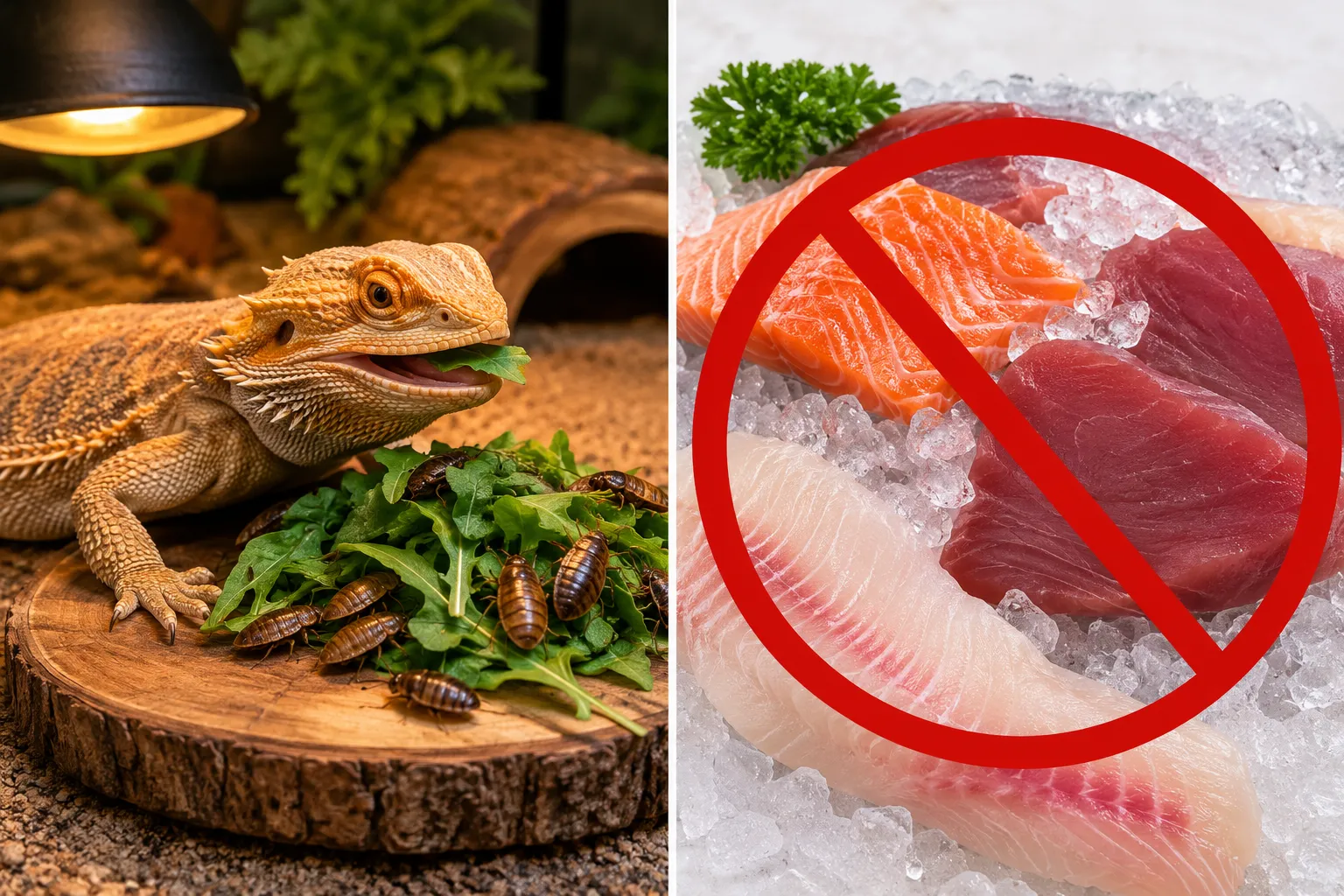
Best Protein Sources for Bearded Dragons Instead of Fish
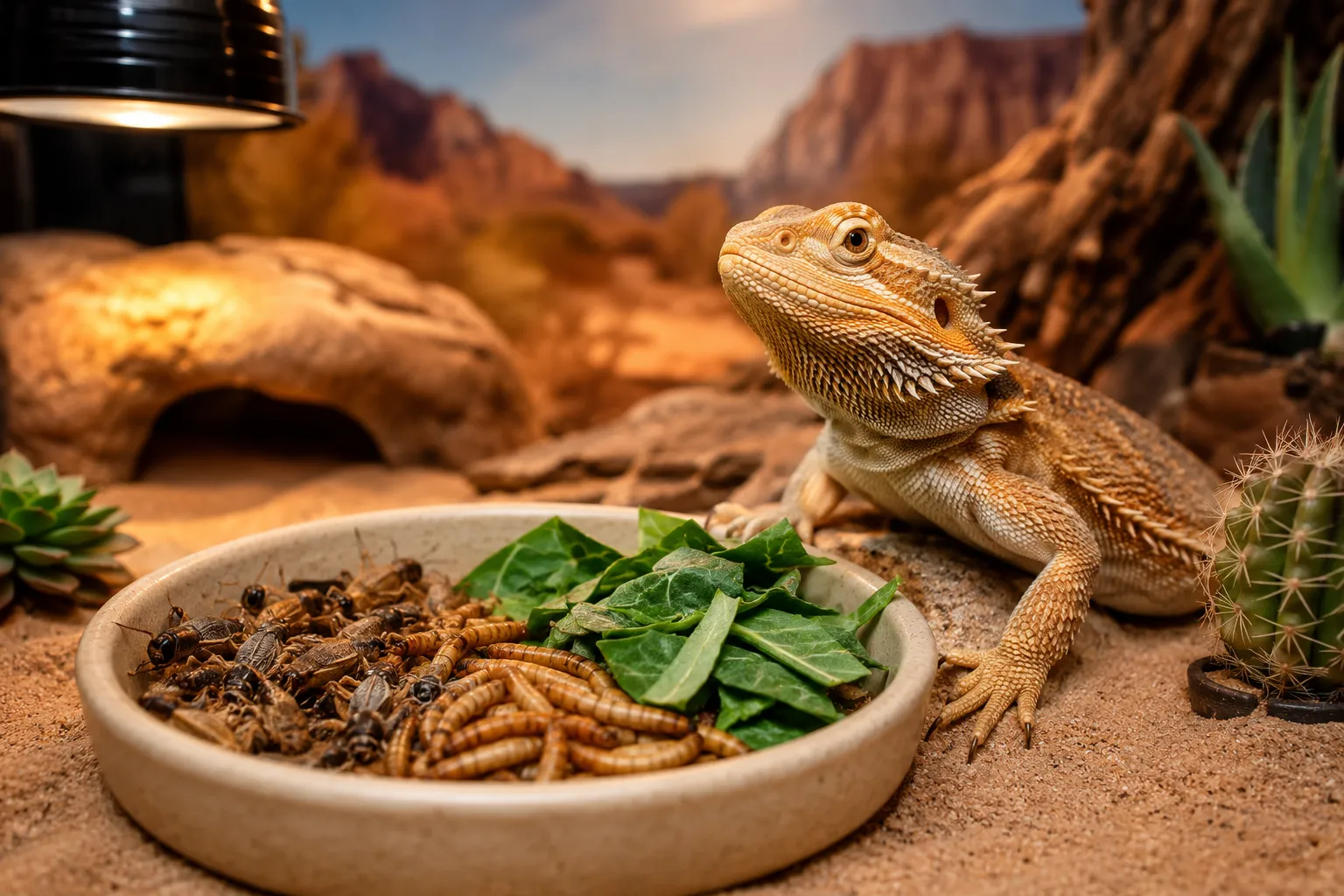
The best protein sources for bearded dragons are appropriately-sized insects that provide proper nutrition, calcium content, and digestible protein. These feeder insects match what bearded dragons would naturally hunt in their Australian habitat and support healthy growth without the risks associated with fish.
Top protein choices by life stage:
For adult bearded dragons (12+ months):
- Dubia roaches (ideal staple, high protein, good calcium, easy to digest)
- Black soldier fly larvae (excellent calcium-to-phosphorus ratio of 1.5:1)
- Crickets (good variety option, gut-load before feeding)
- Superworms (occasional treat only, high fat)
- Hornworms (hydrating, low protein, good for variety)
For juvenile bearded dragons (3-12 months):
- Small dubia roaches (nothing wider than the space between their eyes)
- Appropriately-sized crickets (1/4 to 3/8 inch)
- Black soldier fly larvae
- Small phoenix worms
- Silkworms (highly nutritious, excellent for growth)
Feeding guidelines:
- Dust insects with calcium powder (with D3) 3-4 times weekly for juveniles, 2-3 times for adults
- Gut-load insects 12-24 hours before feeding with nutritious vegetables
- Feed juveniles 70-80% insects, 20-30% vegetables
- Feed adults 20-30% insects, 70-80% vegetables
- Remove uneaten insects after 15-20 minutes
Choose dubia roaches if: You want the single best staple feeder, they’re nutritious, don’t smell, can’t infest your home, and bearded dragons love them.
How Often Can Bearded Dragons Have Fish If at All?
Bearded dragons should not have fish at any frequency, not weekly, monthly, or even as a rare treat. There is no safe interval for feeding fish because it provides no nutritional benefit while introducing multiple health risks. Unlike occasional treats such as waxworms or fruits that can be offered sparingly, fish offers nothing positive to justify even infrequent feeding.
Some reptile owners mistakenly believe that “variety” means offering every possible food, but appropriate variety means rotating among foods that suit the animal’s digestive system and nutritional needs. For bearded dragons, variety means:
- Rotating among 3-4 different feeder insect species
- Offering 5-6 different vegetables and greens
- Providing occasional safe fruits (10% of diet maximum)
- Varying feeding times and enrichment methods
The zero-fish rule applies because:
- No nutritional gap exists that fish would fill
- Safer alternatives provide all necessary nutrients
- Even occasional fish contributes to thiamine depletion
- Risk-to-benefit ratio is entirely negative
If you’re looking to add variety, try rotating collard greens, mustard greens, butternut squash, bell peppers, and different feeder insects instead. These provide genuine nutritional diversity without compromising health.
Do Bearded Dragons Need Fish in Their Diet?
Bearded dragons do not need fish in their diet at all. Fish provides no essential nutrients that cannot be obtained more safely and appropriately from insects, vegetables, and greens. In the wild, bearded dragons in Australia never encounter fish, they inhabit arid and semi-arid regions far from aquatic environments where fish would be available.
Complete nutrition without fish includes:
Protein and amino acids: Provided by feeder insects (dubia roaches, crickets, black soldier fly larvae)
Calcium: From calcium-dusted insects, calcium-rich greens (collard, mustard, turnip greens), and occasional calcium supplementation
Vitamins: From varied vegetables (squash, bell peppers, carrots) and multivitamin powder 1-2 times weekly
Fiber: From leafy greens and vegetables that support digestive health
Hydration: From fresh vegetables, occasional misting, and a shallow water dish
The idea that bearded dragons need fish likely stems from confusion with other reptile species. Some aquatic and semi-aquatic turtles do eat fish as part of their natural diet, but bearded dragons are terrestrial desert lizards with completely different nutritional requirements.
Edge case: Even bearded dragons with specific health conditions (kidney issues, metabolic bone disease, parasites) do not benefit from fish. Veterinary treatment protocols for these conditions never include fish in the dietary recommendations.
Can Baby Bearded Dragons Eat Fish?
Baby bearded dragons should absolutely not eat fish. Juveniles are even more vulnerable to the negative effects of inappropriate foods because they’re in a critical growth phase requiring precise nutrition. Fish can cause severe digestive upset in baby bearded dragons and interfere with the calcium absorption necessary for proper bone development.
Baby bearded dragons (0-6 months) need:
- 70-80% protein from appropriately-sized insects (nothing larger than the space between their eyes)
- 20-30% finely chopped vegetables high in calcium
- Daily calcium supplementation with D3
- 2-3 feedings per day of as many insects as they’ll eat in 10-15 minutes
The rapid growth rate of juvenile bearded dragons means nutritional mistakes have amplified consequences. A thiamine deficiency from fish consumption can cause developmental problems, neurological damage, and stunted growth that may be irreversible.
Feeding schedule for babies:
- Morning: Calcium-dusted insects (small dubia roaches, 1/4-inch crickets)
- Midday: Fresh finely-chopped greens (collard, mustard, turnip greens)
- Evening: More calcium-dusted insects
Common mistake: Thinking baby bearded dragons need “softer” protein like fish. In reality, they’re perfectly equipped to eat appropriately-sized insects with hard exoskeletons, which provide beneficial chitin for digestion.

Calcium supplement without Vitamin D3 is

Calcium is essential to reptiles for the prevention of metabolic bone disease

What Fish Are Safe for Bearded Dragons to Eat?
No fish species are truly safe or appropriate for bearded dragons to eat. While some fish contain lower levels of thiaminase than others, all fish share the fundamental problem of being nutritionally inappropriate for a desert-dwelling insectivore. Even fish with relatively better nutrient profiles still lack proper calcium content and contain fats that bearded dragon livers aren’t designed to process efficiently.
Why even “better” fish options remain problematic:
Fish sometimes mentioned as “less harmful” (though still not recommended):
- Tilapia: Lower fat than salmon but still has poor calcium-to-phosphorus ratio (1:7)
- Cod: Leaner than most fish but contains thiaminase and zero calcium
- Catfish: Lower mercury but high phosphorus and inappropriate protein structure
All of these still present the same core issues:
- Calcium-to-phosphorus ratios of 1:5 to 1:10 (bearded dragons need 2:1)
- Protein structures optimized for mammalian/avian predators, not reptiles
- Fat content and composition unsuitable for reptile metabolism
- No evolutionary adaptation for fish digestion in bearded dragons
The bottom line: Instead of searching for a “safe” fish, invest that energy in sourcing high-quality feeder insects and fresh vegetables. Your bearded dragon will be healthier, and you’ll avoid the complications that come from feeding inappropriate foods.
Why Is Fish Bad for Bearded Dragons?
Fish is bad for bearded dragons because it creates multiple interconnected health problems that compound over time. The primary issues stem from evolutionary mismatch, bearded dragons simply didn’t evolve to digest, process, or derive nutrition from aquatic prey, so their bodies lack the specialized adaptations needed to handle fish safely.
Key reasons fish harms bearded dragons:
1. Thiaminase enzyme destruction
Raw fish contains thiaminase, which actively breaks down thiamine (vitamin B1) in the digestive system. Thiamine deficiency causes neurological symptoms including loss of coordination, tremors, seizures, and potentially death. Even if you feed fish rarely, each exposure depletes thiamine stores.
2. Catastrophic calcium-to-phosphorus ratios
Bearded dragons require a 2:1 calcium-to-phosphorus ratio for proper bone health and metabolic function. Most fish provides ratios of 1:5 to 1:10, the exact opposite of what they need. This imbalance contributes directly to metabolic bone disease, the most common serious health condition in captive bearded dragons.
3. Inappropriate fat content and composition
Fish oils are omega-3 rich fats that benefit humans but overwhelm reptile livers. Bearded dragons process fats slowly and inefficiently compared to mammals. High-fat foods like fish can cause fatty liver disease, digestive upset, and obesity.
4. Parasite and pathogen risk
Raw fish carries parasites (anisakis worms, tapeworms) and bacteria (Salmonella, Vibrio species) that can infect bearded dragons. While cooking kills these organisms, it doesn’t fix the nutritional problems.
5. Heavy metal accumulation
Larger predatory fish (tuna, salmon, swordfish) accumulate mercury and other heavy metals throughout their lives. Reptiles are particularly sensitive to heavy metal toxicity, which causes kidney damage and neurological problems.
Can Bearded Dragons Eat Cooked Fish vs Raw Fish?
Bearded dragons should not eat either cooked or raw fish. While cooking does eliminate some risks associated with raw fish (parasites, bacteria, and partially deactivates thiaminase), it does not address the fundamental nutritional problems that make fish inappropriate for bearded dragons. Cooked fish still has terrible calcium-to-phosphorus ratios, excessive fat content, and provides no nutritional advantage over proper feeder insects.
Raw fish problems:
- Active thiaminase enzymes destroying vitamin B1
- Live parasites (anisakis, tapeworms, flukes)
- Bacterial contamination (Salmonella, Listeria, Vibrio)
- Highest levels of problematic compounds
Cooked fish problems:
- Still has 1:5 to 1:10 calcium-to-phosphorus ratio (needs 2:1)
- Fat content remains unchanged by cooking
- Protein structure still inappropriate for reptile digestion
- No calcium content regardless of preparation method
- Cooking may create advanced glycation end products (AGEs) that stress kidneys
Neither preparation method makes fish suitable because:
The core issue isn’t food safety, it’s nutritional appropriateness. You could prepare fish in the most sterile, perfect way possible, and it would still lack the nutrients bearded dragons need while providing compounds they can’t process efficiently. It’s like trying to fuel a diesel engine with gasoline, even “clean” gasoline is still the wrong fuel.
Better approach: Use that cooking time to gut-load feeder insects with nutritious vegetables, which actually benefits your bearded dragon’s health.
Common Feeding Mistakes with Bearded Dragons
Many well-intentioned bearded dragon owners make feeding mistakes that compromise their pet’s health. Understanding these common errors helps you avoid nutritional problems, metabolic bone disease, and digestive issues that can shorten your bearded dragon’s lifespan or reduce quality of life.
Top feeding mistakes to avoid:
1. Feeding too many mealworms or superworms
These high-fat insects should be occasional treats only (once weekly maximum). Their hard exoskeletons can cause impaction, and excessive fat leads to obesity and fatty liver disease. Choose dubia roaches or black soldier fly larvae as staples instead.
2. Skipping calcium supplementation
Even with calcium-rich foods, bearded dragons need calcium powder dusted on insects 3-4 times weekly for juveniles, 2-3 times for adults. Without supplementation, metabolic bone disease is almost inevitable.
3. Feeding inappropriate vegetables
Spinach, kale, and lettuce are poor choices. Spinach and kale contain oxalates that bind calcium, making it unavailable. Lettuce provides almost no nutrition. Stick to collard greens, mustard greens, turnip greens, butternut squash, and bell peppers.
4. Offering food that’s too large
Insects and vegetable pieces should be no larger than the space between your bearded dragon’s eyes. Larger food causes choking hazards and impaction. This is especially critical for juveniles.
5. Not gut-loading feeder insects
Insects are only as nutritious as what they’ve eaten. Feed your crickets, dubia roaches, and other insects high-quality vegetables 12-24 hours before offering them to your bearded dragon.
6. Feeding wild-caught insects
Wild insects may carry parasites, pesticides, or other toxins. Always use commercially-raised feeder insects from reputable suppliers.
7. Inconsistent feeding schedules
Juveniles need 2-3 feedings daily. Adults need daily vegetables with insects 3-4 times weekly. Irregular feeding disrupts digestion and metabolism.
8. Leaving uneaten insects in the enclosure
Crickets especially will bite bearded dragons, causing stress and injury. Remove uneaten insects after 15-20 minutes.
Bearded Dragon Ate Fish by Accident, What to Do
If your bearded dragon accidentally ate fish, stay calm and monitor closely for the next 48-72 hours. A single small exposure to fish rarely causes life-threatening problems, though digestive upset is common. Most bearded dragons will pass the fish without intervention, but you should watch for warning signs that require veterinary attention.
Immediate steps after accidental fish consumption:
1. Remove any remaining fish immediately
Prevent additional consumption and clean the enclosure of any fish residue.
2. Provide fresh water
Ensure your bearded dragon has access to clean water. You can also offer a shallow bath (water level to mid-forearm) to encourage hydration and help digestion.
3. Monitor for digestive symptoms (24-48 hours)
Watch for:
- Diarrhea or unusually loose stools
- Loss of appetite
- Lethargy or reduced activity
- Bloating or visible discomfort
- Regurgitation
4. Return to normal diet
Offer regular foods (appropriately-sized insects and vegetables) at the next scheduled feeding. Don’t force-feed, but make food available.
5. Watch for delayed symptoms (48-72 hours)
Thiamine deficiency symptoms take time to develop and include loss of coordination, head tilting, tremors, or seizures. These require immediate veterinary care.
When to call a reptile veterinarian:
- Severe diarrhea lasting more than 24 hours
- Complete loss of appetite for more than 48 hours
- Neurological symptoms (loss of coordination, tremors, seizures)
- Visible distress or pain behaviors
- Regurgitation or inability to pass stool
What NOT to do:
- Don’t try to induce vomiting (dangerous for reptiles)
- Don’t give human medications
- Don’t withhold water
- Don’t panic, one-time exposure is usually manageable
Prevention for the future: Keep fish and other inappropriate foods completely separate from your bearded dragon’s feeding area. Educate family members about safe foods.
Is Fish Oil Supplement Safe for Bearded Dragons?
Fish oil supplements are not recommended for bearded dragons and are generally unnecessary. While omega-3 fatty acids benefit humans and some mammals, bearded dragons have different fatty acid requirements based on their evolutionary diet of insects and plants. Adding fish oil can create vitamin imbalances, particularly with fat-soluble vitamins A, D, and E, and may cause digestive upset.
Why fish oil supplements are problematic:
Vitamin imbalance risk
Fish oil is rich in fat-soluble vitamins that can accumulate to toxic levels in reptiles. Bearded dragons already receive vitamin D3 from UVB lighting and calcium supplements. Adding fish oil can push vitamin levels into dangerous ranges, causing hypervitaminosis.
Inappropriate fatty acid profile
Bearded dragons evolved eating insects with different fatty acid compositions than fish. Their digestive systems and metabolism are optimized for insect-based fats, not marine oils.
Digestive complications
The high fat content in fish oil can cause diarrhea, reduced appetite, and liver stress in bearded dragons. Their livers process fats much more slowly than mammals.
No documented benefit
Unlike in mammals where omega-3 research is extensive, there’s no scientific evidence that bearded dragons benefit from fish oil supplementation. Their natural diet provides all necessary fatty acids.
Better alternatives for skin and overall health:
- Proper UVB lighting (10-12 hours daily with appropriate UVB percentage)
- Regular misting for hydration and shedding support
- Varied diet of insects and vegetables
- Appropriate humidity levels (30-40% for most of enclosure)
- Standard reptile multivitamin 1-2 times weekly
Exception: If a reptile veterinarian specifically prescribes fish oil for a diagnosed medical condition, follow their guidance. However, this is rare and should never be done without professional direction.
Frequently Asked Questions
Can bearded dragons eat goldfish or feeder fish?
No, bearded dragons should not eat goldfish or any feeder fish. Goldfish contain high levels of thiaminase, have poor nutritional value, and can carry parasites. Feeder fish pose the same risks as any other fish species and provide no benefits over appropriate insect prey.
What should I do if my bearded dragon seems to like fish?
Just because a bearded dragon will eat something doesn’t mean it’s healthy. Bearded dragons are opportunistic eaters and will consume many inappropriate foods. Stick to their proper diet of insects and vegetables regardless of their apparent preferences.
Can bearded dragons eat fish food or fish flakes?
No, fish food is formulated for the nutritional needs of fish, not reptiles. Fish flakes lack proper calcium, contain inappropriate protein sources, and offer no nutritional value for bearded dragons. Use species-appropriate foods only.
Are there any reptiles that can safely eat fish?
Yes, some aquatic and semi-aquatic turtles (red-eared sliders, painted turtles) naturally eat fish as part of their diet. However, bearded dragons are terrestrial desert lizards with completely different dietary requirements and should never be fed fish.
Can bearded dragons eat shrimp or other seafood?
No, shrimp and other seafood pose similar problems to fish including poor calcium-to-phosphorus ratios, thiaminase content, and inappropriate nutritional profiles. Stick to land-based insects and vegetables.
How can I add variety to my bearded dragon’s diet without fish?
Rotate among different feeder insects (dubia roaches, crickets, black soldier fly larvae, hornworms, silkworms), offer 5-6 different vegetables and greens, and provide occasional safe fruits like berries or melon. This provides genuine nutritional variety.
What if my bearded dragon refuses to eat anything but fish?
This is extremely rare and usually indicates a feeding mistake was made early on. Gradually transition back to appropriate foods by offering insects and vegetables consistently. Most bearded dragons will eat proper foods once inappropriate options are removed. Consult a reptile veterinarian if refusal continues beyond 3-4 days.
Can bearded dragons eat canned tuna or salmon?
No, canned fish has the same nutritional problems as fresh fish, plus added sodium and preservatives that are harmful to bearded dragons. The canning process doesn’t improve the poor calcium-to-phosphorus ratio or eliminate other concerns.
Is fish ever used in commercial bearded dragon food?
Reputable commercial bearded dragon foods do not contain fish as an ingredient. If you see fish listed in a reptile food, it’s likely formulated for aquatic species, not bearded dragons. Always check ingredient lists and choose foods specifically designed for bearded dragons.
What’s the best protein source for a bearded dragon with allergies?
True food allergies are rare in bearded dragons. If your dragon has a confirmed allergy to common feeders, work with a reptile veterinarian to identify safe alternatives. Options might include black soldier fly larvae, silkworms, or specific roach species. Fish is never the answer.
Can bearded dragons eat fish eggs or roe?
No, fish eggs share the same problems as fish flesh including poor calcium content, inappropriate fats, and no evolutionary basis in the bearded dragon diet. Stick to appropriate insect and plant-based foods.
How do I know if my bearded dragon has thiamine deficiency from eating fish?
Thiamine deficiency symptoms include loss of coordination, head tilting, tremors, seizures, loss of appetite, and lethargy. These symptoms require immediate veterinary attention. Prevention is much easier than treatment, simply never feed fish.
Conclusion
Bearded dragons should never eat fish, whether raw, cooked, or in any other form. Fish provides no nutritional benefits while introducing serious health risks including thiamine deficiency, calcium-phosphorus imbalances, digestive problems, and potential parasite exposure. These desert-dwelling reptiles evolved eating insects and vegetation, not aquatic prey, and their digestive systems simply aren’t equipped to process fish safely or efficiently.
The good news is that providing proper nutrition for your bearded dragon is straightforward when you stick to appropriate foods. High-quality feeder insects like dubia roaches, crickets, and black soldier fly larvae provide all the protein your dragon needs. Calcium-rich vegetables such as collard greens, mustard greens, and butternut squash round out a complete diet. With proper calcium supplementation, UVB lighting, and varied appropriate foods, your bearded dragon will thrive without ever needing fish.
Take action now:
- Remove any fish or seafood from your bearded dragon’s diet immediately
- Stock up on appropriate feeder insects from a reputable supplier
- Establish a consistent feeding schedule with proper calcium supplementation
- Educate family members about safe and unsafe foods for your bearded dragon
- Consult a reptile veterinarian if your dragon has consumed fish regularly or shows any concerning symptoms
Your bearded dragon’s health depends on species-appropriate nutrition. By avoiding fish and focusing on their natural diet, you’re setting your pet up for a long, healthy, and active life.

All Natural: 100% all-natural and preservative-free
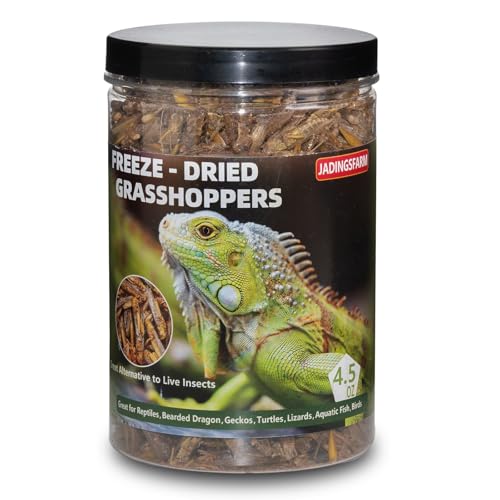
High Protein Nutrition: Whole animal proteins, calcium, and essential amino acids. Freeze dried grasshoppers provide nutritional treats for beard dragon Lizards, Reptiles, Birds, Fish, Hedgehogs and other reptiles.

4 OZ GOURMET BLEND FOR BEARDED DRAGONS – T-Rex Bearded Dragon Gourmet Blend is a convenient dry formula that expands to about 1 pound of hydrated food, providing approximately 28 servings per jar. Made with carefully selected vegetables, greens, and dried insects, this blend makes daily feeding simple and practical while offering a flavorful, natural option for your bearded dragon’s diet.