Quick Answer: Brumation is a dormancy period in reptiles similar to hibernation in mammals, triggered by cooler temperatures and shorter daylight hours. During brumation, reptiles drastically reduce their activity, metabolism, and appetite for weeks or months, typically between late fall and early spring. Unlike hibernation, reptiles may occasionally wake to drink water or bask briefly before returning to their dormant state.
Key Takeaways
- Brumation is a natural dormancy cycle in cold-blooded reptiles that helps them conserve energy during cooler months
- Common signs include reduced appetite, increased sleeping, lethargy, hiding more often, and darker coloration
- Duration varies by species: bearded dragons typically brumate 1-4 months, while some snakes may brumate 4-6 months
- Temperature triggers brumation when ambient temps drop below 60-70°F consistently, combined with reduced daylight
- Not all reptiles brumate, tropical species and very young reptiles often skip this cycle entirely
- Brumation differs from hibernation because reptiles wake periodically and don’t enter true deep sleep
- Captive reptiles may or may not brumate depending on their environment and individual biology
- Health checks before brumation are critical to ensure your reptile isn’t sick or underweight

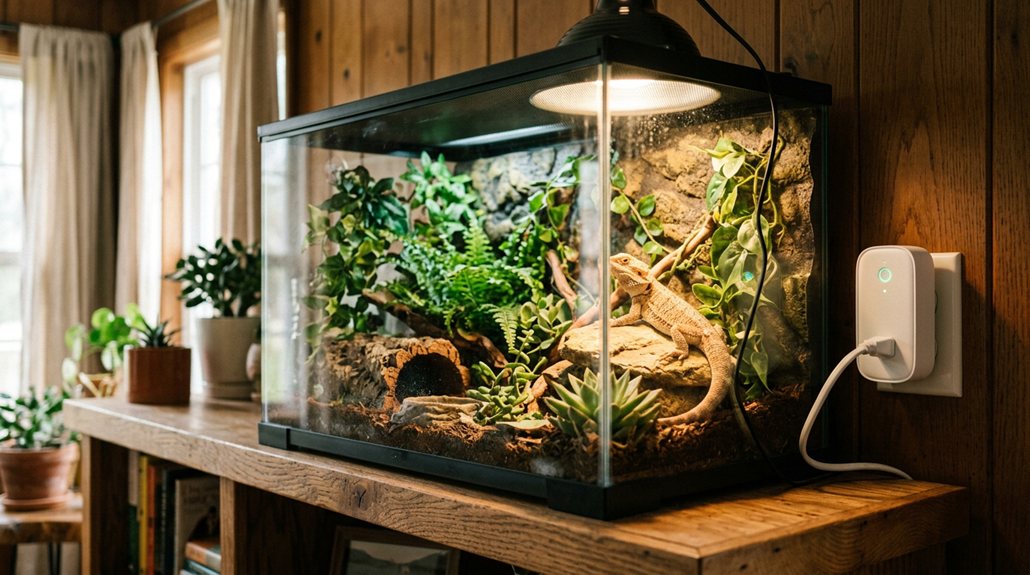
The Light Dome with heat resistant ceramic socket can accommodate either reptile heat lamp or reptile basking bulb and ceramic heat emitter (Max. 150W).

Directs heat and light toward a specific area for basking reptiles.Controller type:Push Button
What Is Brumation in Reptiles?
Brumation is the reptile equivalent of hibernation, a period of dormancy where cold-blooded animals slow their metabolism and activity to survive cooler temperatures and scarce food. Unlike mammals that hibernate, reptiles remain somewhat responsive to their environment and may wake occasionally to drink water or reposition themselves.
This biological process is triggered by environmental cues rather than an internal clock. When temperatures drop and daylight hours shorten (typically in fall and winter), a reptile’s body naturally begins to shut down non-essential functions. Their digestive system slows dramatically, heart rate decreases, and they seek out cool, dark places to rest.
Key characteristics of brumation:
- Body temperature drops to match the environment (ectothermic response)
- Metabolism slows by 70-90% compared to active periods
- Immune function decreases, making pre-brumation health crucial
- Breathing rate and heart rate slow significantly
- Reptiles may lose 10-20% of body weight during extended brumation
In the wild, brumation serves an important survival function. It allows reptiles to conserve energy when food is scarce and temperatures are too low for effective hunting or digestion. For captive reptiles, brumation may or may not occur depending on whether their environment mimics seasonal changes.
Choose to allow brumation if: Your reptile is healthy, over one year old, and you can provide safe cool temperatures. Prevent brumation if: Your reptile is underweight, sick, very young, or you cannot monitor conditions properly.
What’s the Difference Between Brumation and Hibernation?
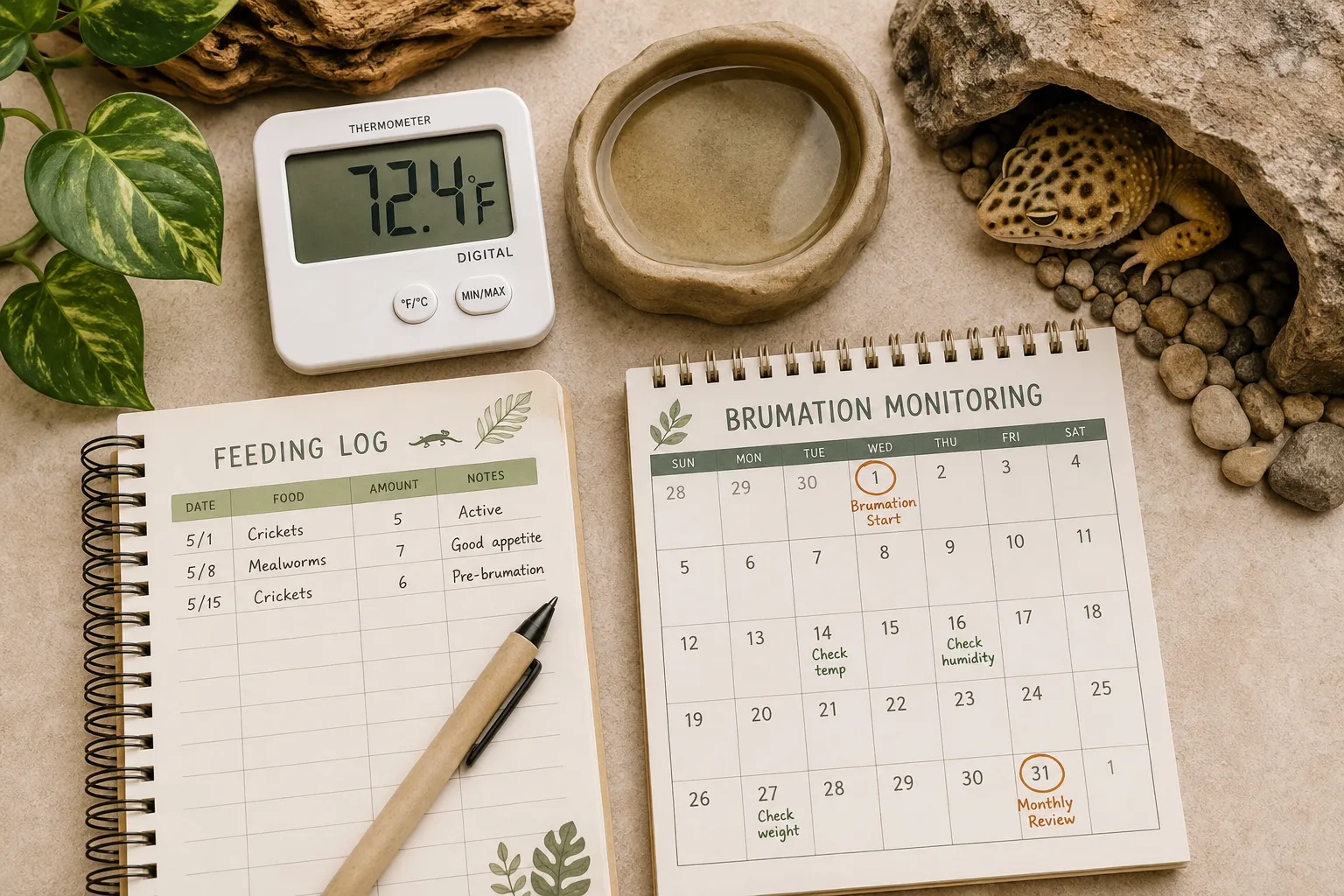
Brumation and hibernation are both dormancy states, but they work differently because reptiles and mammals have fundamentally different metabolisms. Hibernating mammals enter a deep sleep with dramatically lowered body temperature and heart rate, waking only rarely. Brumating reptiles remain in a lighter state and wake more frequently.
Key differences:
| Feature | Brumation (Reptiles) | Hibernation (Mammals) |
|---|---|---|
| Body temperature | Matches environment (ectothermic) | Maintained above freezing internally |
| Sleep depth | Light, easily disturbed | Deep, difficult to wake |
| Waking frequency | Every few days to weeks | Rarely, maybe once per month |
| Water needs | Wake to drink regularly | Rarely drink |
| Duration | 1-6 months typically | 3-7 months typically |
| Metabolism drop | 70-90% reduction | 95%+ reduction |
The most important practical difference is that brumating reptiles need access to water. A hibernating bear can go months without drinking, but a bearded dragon in brumation should wake every 1-2 weeks to hydrate. This is why completely sealing a reptile away for winter (as you might imagine with hibernation) can be dangerous.
Another key distinction: mammals prepare for hibernation by building fat stores and then maintaining a minimum safe body temperature. Reptiles simply match whatever temperature surrounds them, which means they can freeze to death if temperatures drop too low. Safe brumation requires careful temperature monitoring.
Signs Your Bearded Dragon or Reptile Is Going Into Brumation
Recognizing brumation signs early helps you distinguish between natural dormancy and illness. The transition into brumation typically happens gradually over 1-3 weeks as temperatures and daylight naturally decrease in fall.
Primary behavioral signs:
- Reduced or stopped eating, appetite decreases significantly or disappears entirely
- Increased sleeping, spending 18-22 hours per day sleeping instead of the usual 12-14
- Seeking cooler areas, moving away from basking spots to the cool end of the enclosure
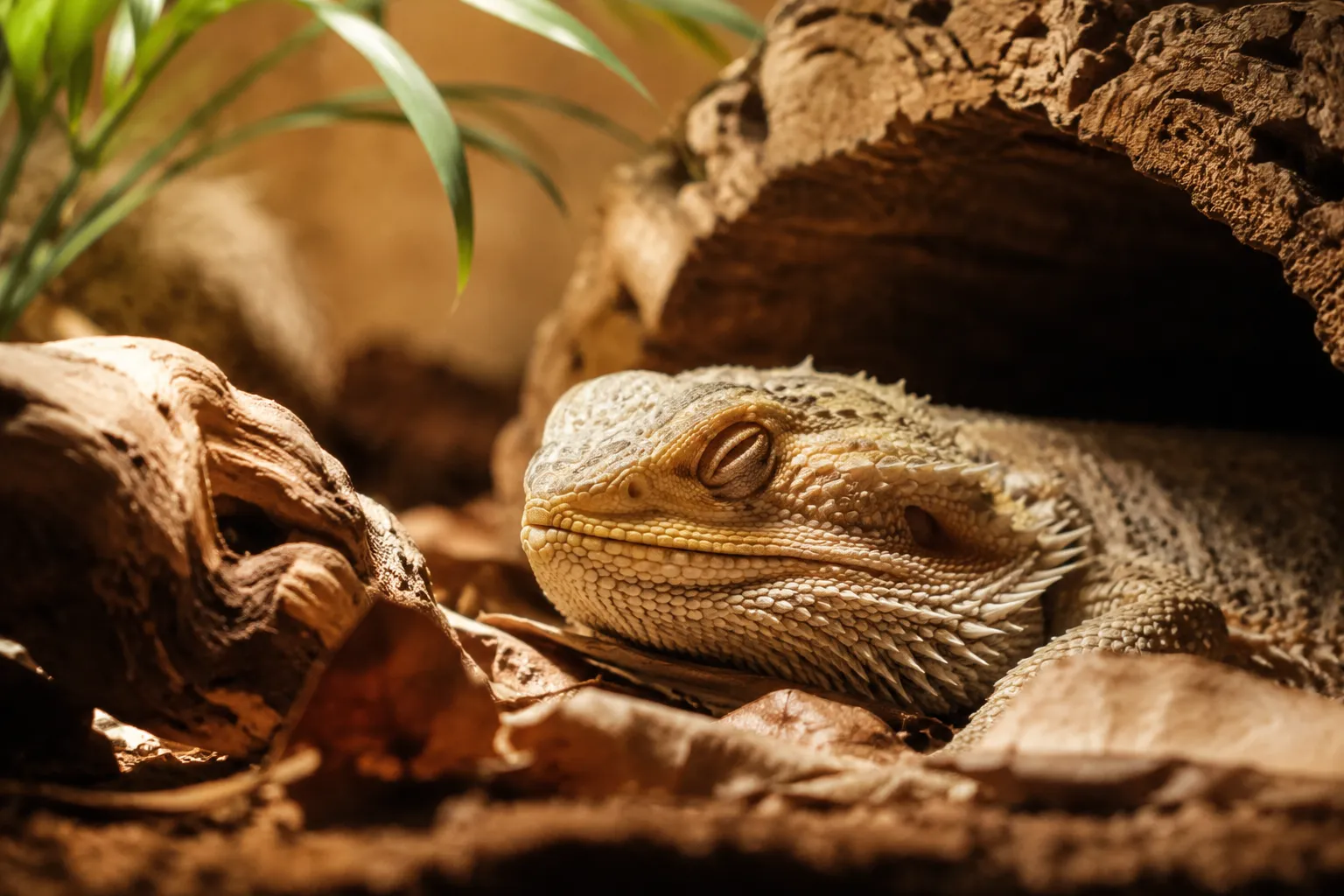
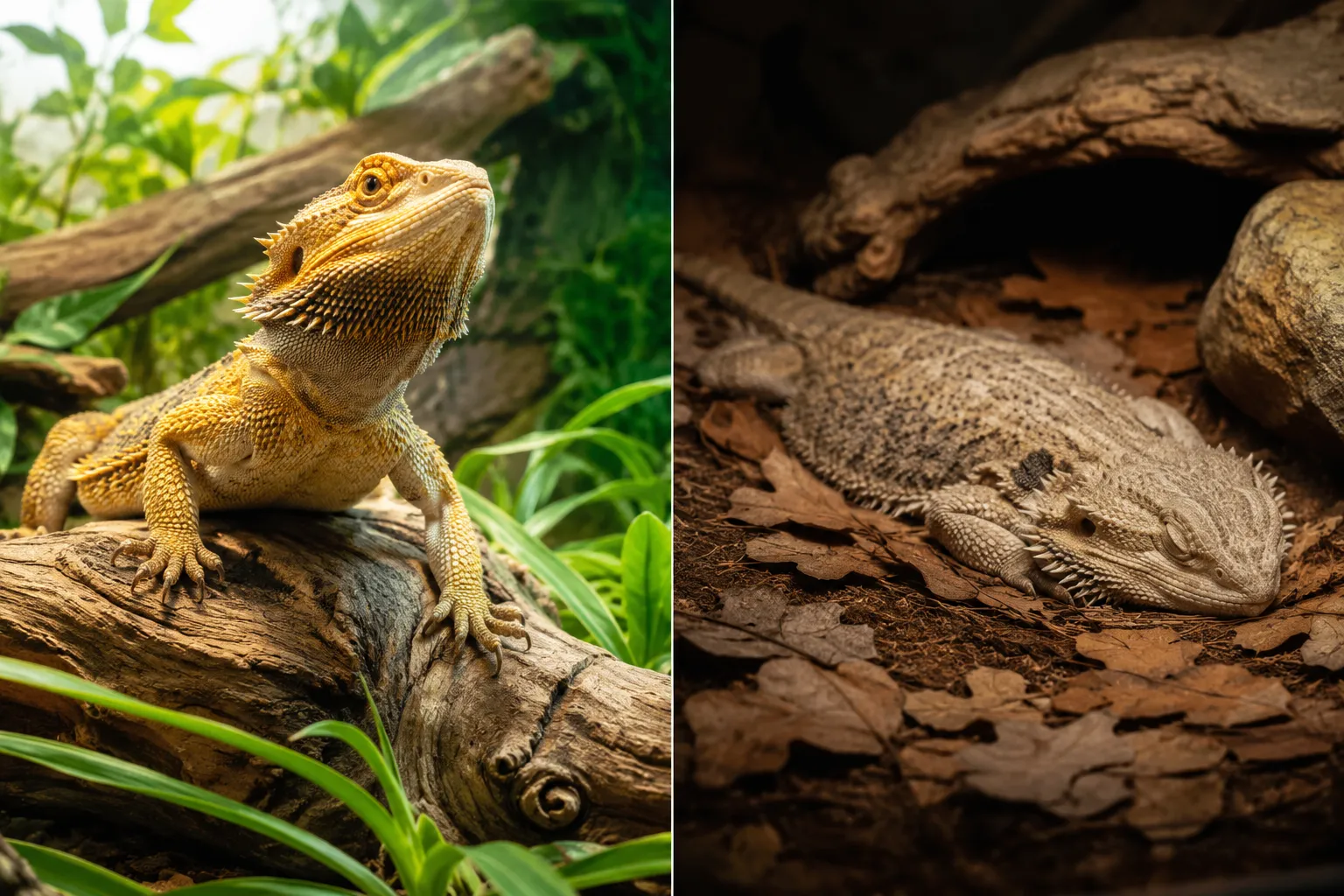
- Hiding more frequently, staying in hides, under substrate, or in burrows for extended periods
- Lethargy when awake, slow, sluggish movement with little interest in surroundings
- Reduced bowel movements, may not defecate for weeks once digestion stops
Physical signs:
- Darker or duller coloration (especially in bearded dragons)
- Eyes may appear slightly sunken but not severely dehydrated
- Breathing remains steady but slower than normal
- Body feels cool to the touch
- Weight loss of 1-2% per week is normal during brumation
Common mistake: Assuming any lethargy means brumation. If your reptile shows these signs during summer months, in a warm environment, or combined with symptoms like mucus, swelling, or labored breathing, it’s likely illness, not brumation. Always rule out health issues first.
Decision rule: If your reptile shows brumation signs but temperatures have remained constant and warm (above 75°F), schedule a vet visit before assuming it’s natural brumation.
How Long Does Brumation Last for Reptiles?
Brumation duration varies significantly by species, age, geographic origin, and individual biology. Most captive reptiles brumate for shorter periods than their wild counterparts because indoor environments don’t experience the same extreme seasonal changes.
Typical brumation lengths by species:
- Bearded dragons: 1-4 months (average 6-10 weeks)
- Leopard geckos: 2-3 months
- Blue-tongue skinks: 2-4 months
- Ball pythons: 2-3 months (many don’t brumate at all)
- Corn snakes: 2-4 months
- Russian tortoises: 3-5 months
- Box turtles: 3-6 months
Factors that shorten brumation:
- Captive environments with stable temperatures
- Artificial lighting that doesn’t mimic seasonal changes
- Younger reptiles (under 2 years) often brumate for shorter periods
- Tropical or subtropical species naturally have shorter dormancy
Factors that lengthen brumation:
- Outdoor or semi-outdoor enclosures that experience true seasonal temperature swings
- Older, mature reptiles
- Species from temperate climates with harsh winters
- Individual variation (some reptiles are “deep brumators”)
Most captive bearded dragons, the most common pet reptile that brumates, will sleep deeply for 4-8 weeks, then gradually become more active over another 2-4 weeks. The entire process from first signs to full activity typically spans 2-4 months.
Edge case: Some reptiles enter a light brumation where they’re less active and eat less but don’t fully shut down. This partial brumation is common in captive environments and may last only 3-6 weeks.
When Does Brumation Typically Start and End?
In wild reptiles, brumation timing follows seasonal temperature and daylight patterns. For reptiles in the Northern Hemisphere, brumation typically begins between October and December and ends between February and April. Southern Hemisphere reptiles brumate during their winter months (May through August).
Typical brumation timeline:
- Early fall (September-October): Reptiles begin eating more to build fat reserves
- Late fall (November): Appetite decreases, activity slows, brumation signs appear
- Winter (December-February): Deep brumation period with minimal activity
- Early spring (March-April): Gradual awakening, increased activity, appetite returns
- Mid-spring (April-May): Full activity resumes, breeding season often begins
For captive reptiles, timing is less predictable because indoor environments don’t experience dramatic seasonal changes. Some captive reptiles never brumate at all, while others respond to subtle cues like:
- Slight temperature fluctuations from heating system cycles
- Changes in natural daylight visible through windows
- Barometric pressure changes
- Internal biological clocks inherited from wild ancestors
Temperature triggers: Most reptiles begin brumation when daytime temperatures consistently stay below 65-70°F and nighttime temps drop to 50-60°F. In captivity, if you maintain temperatures above 75°F year-round, many reptiles won’t brumate.
Common mistake: Forcing brumation by suddenly dropping temperatures. If you want your reptile to brumate, gradually reduce temperatures over 2-3 weeks to mimic natural seasonal change. Sudden temperature drops can cause stress and illness.
Do All Reptiles Go Through Brumation?
No, not all reptiles brumate. Whether a species brumates depends primarily on its natural habitat and climate. Reptiles from tropical and equatorial regions typically don’t brumate because their native environments don’t experience significant seasonal temperature drops.
Reptiles that commonly brumate:
- Bearded dragons (Australian temperate regions)
- Leopard geckos (Afghanistan, Pakistan, temperature fluctuations)
- Russian and Greek tortoises (temperate climates)
- Most North American snakes (corn snakes, garter snakes, rat snakes)
- Box turtles and many aquatic turtles
- Blue-tongue skinks (southern Australia)
- Uromastyx (desert species with cool winters)
Reptiles that rarely or never brumate:
- Crested geckos (tropical New Caledonia)
- Ball pythons (tropical West Africa, though some do)
- Green iguanas (tropical Central/South America)
- Chameleons (most tropical species)
- Day geckos (tropical Madagascar)
- Most tropical lizards and snakes
Individual variation matters: Even within species that typically brumate, some individuals never do, especially in captivity. A bearded dragon kept at consistent warm temperatures year-round may remain active all year, and that’s perfectly healthy.
Decision rule: If your reptile species comes from a region with distinct seasons and temperature swings, expect possible brumation. If it’s from a tropical rainforest or consistently warm climate, brumation is unlikely and shouldn’t be forced.
Is My Reptile Sick or Just Brumating?
Distinguishing between illness and brumation is one of the most important skills for reptile owners. The symptoms can look similar, but key differences help you tell them apart.
Signs it’s likely brumation (not illness):
- Symptoms appear gradually over 1-3 weeks
- Occurs during fall/winter months or after temperature decrease
- Reptile is alert when handled, just sluggish
- No discharge from eyes, nose, or mouth
- Breathing is quiet and regular (though slower)
- Body condition remains good (not rapidly losing weight)
- Feces (if any) appear normal, not runny or bloody
Signs it’s likely illness (not brumation):
- Sudden onset of lethargy (within 1-3 days)
- Occurs during warm months with stable temperatures
- Reptile is unresponsive or limp when handled
- Mucus discharge, bubbles around nose/mouth
- Wheezing, gasping, or open-mouth breathing
- Rapid weight loss (more than 3% per week)
- Swelling, lumps, or discoloration
- Diarrhea, bloody stool, or foul-smelling feces
Pre-brumation health check is essential. Before allowing your reptile to brumate, verify:
- Weight is appropriate for size (not underweight)
- No signs of parasites (get a fecal test if unsure)
- No respiratory symptoms
- No mouth rot or dental issues
- Proper hydration
Common mistake: Allowing a sick reptile to brumate. Because immune function decreases during brumation, any existing illness will likely worsen. A respiratory infection that seems mild in October can become life-threatening by January if the reptile brumated with it.
When in doubt, see a reptile vet. If you’re unsure whether your reptile is sick or brumating, a veterinary exam can provide peace of mind and catch problems early.
Should I Wake My Reptile During Brumation?
You should check on your brumating reptile regularly but avoid waking them unnecessarily. Most reptiles will naturally wake every 1-3 weeks to drink water, and these natural waking periods are when you should interact with them.
Recommended monitoring schedule:
- Weekly checks: Observe breathing, check for any discharge or obvious problems
- Every 1-2 weeks: Offer water when reptile naturally wakes
- Monthly: Weigh your reptile to track weight loss (1-2% per week is normal)
- As needed: Wake only if you suspect a problem
When you should wake your reptile:
- Weight loss exceeds 2-3% per week
- You notice labored breathing or discharge
- Temperatures in the brumation area drop below safe minimums
- It’s been 2+ weeks without the reptile waking to drink
- You need to perform a health check
How to safely wake a brumating reptile:
- Gradually warm the environment over 2-3 hours (don’t shock with sudden heat)
- Gently handle or move the reptile to a warmer area
- Offer water once fully awake
- Allow 30-60 minutes of wakefulness for drinking and assessment
- Let them return to cool area if they choose
Common mistake: Waking your reptile too frequently “just to check.” Repeated disturbances can stress the reptile and disrupt the natural brumation cycle. Trust your monitoring schedule unless you see specific concerns.
Edge case: If your reptile wakes frequently (every few days) and seems restless, temperatures may not be cool enough for proper brumation, or they may be trying to end brumation early. Consider gradually warming the environment to allow normal activity.

✓ EFFORTLESS SET UP: Easily program your desired temperature or switch between Fahrenheit and Celsius using just 3 buttons on this temperature controller. Please note: The BN-LINK reptile thermostat controller is intended for heating devices only, such as reptile heating pads, seedling heat mats, and heat lamps.

MADE TO KEEP YOUR REPTILE SAFE; Equipped with a temperature probe and automatic shut-off for overheating prevention, ensuring a safe environment for your pets

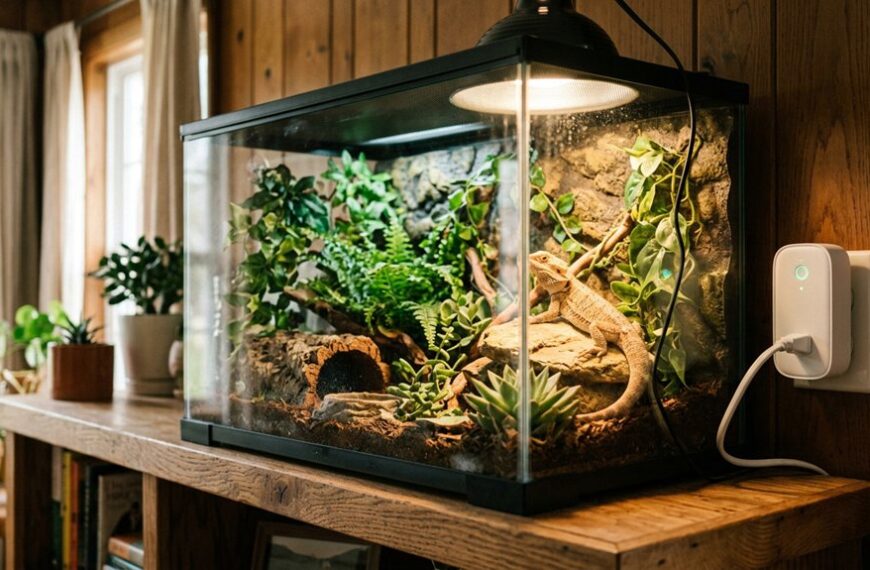
SMART WIFI ENVIRONMENT CONTROL: Whether you' re at work, outdoors, or traveling, monitor and adjust temperature or humidity anytime via the app to keep your reptiles perfectly comfortable. With dual 2.4GHz & 5GHz Wi-Fi support, enjoy smarter, easier control.
What Temperature Triggers Brumation in Bearded Dragons?
Bearded dragons typically begin brumating when ambient temperatures consistently drop below 65-70°F during the day and 55-65°F at night. In their native Australian habitat, winter temperatures in temperate regions can drop to 50-60°F, triggering the brumation response.
Temperature ranges for bearded dragon brumation:
- Pre-brumation (transition): 70-75°F daytime, 65-70°F nighttime
- Light brumation: 60-70°F daytime, 55-65°F nighttime
- Deep brumation: 50-60°F daytime, 45-55°F nighttime
- Dangerous (too cold): Below 45°F (risk of organ damage or death)
Safe brumation setup:
- Use a dedicated brumation space (spare room, basement, or cool area of home)
- Monitor with reliable thermometers (digital with min/max memory)
- Maintain temperatures between 50-65°F consistently
- Avoid temperature fluctuations greater than 10°F in 24 hours
- Ensure adequate ventilation (don’t seal the enclosure)
Daylight also matters: In addition to temperature, decreasing daylight hours signal brumation. In the wild, bearded dragons experience 10-11 hours of daylight in winter versus 14-15 hours in summer. If you want to encourage brumation in captivity, gradually reduce light exposure to 8-10 hours per day.
For captive bearded dragons that you don’t want to brumate: Maintain basking temperatures of 95-105°F and ambient temps of 75-85°F year-round with 12-14 hours of light daily. Most bearded dragons won’t brumate if their environment stays consistently warm.
Common mistake: Allowing brumation temperatures to drop too low. While bearded dragons can survive brief exposure to temperatures in the low 40s, prolonged exposure below 45°F can cause organ damage. Always monitor temperatures closely.
Can I Prevent My Reptile From Brumating?
Yes, you can prevent brumation in most captive reptiles by maintaining consistent warm temperatures and lighting year-round. Many reptile keepers choose to prevent brumation because it’s easier to manage and eliminates the risks associated with dormancy.
How to prevent brumation:
- Maintain warm temperatures: Keep basking areas and ambient temps at summer levels year-round
- Consistent lighting: Provide 12-14 hours of light daily without seasonal reduction
- Regular feeding: Continue normal feeding schedules to maintain metabolism
- Avoid environmental cues: Keep the enclosure away from windows where natural daylight changes are visible
- Stable humidity: Maintain species-appropriate humidity levels
Benefits of preventing brumation:
- No risk of health complications during dormancy
- Easier to monitor health and behavior
- Continued bonding and interaction with your pet
- Simpler for beginners or those uncomfortable with brumation management
- No weight loss or extended fasting periods
When you should allow brumation:
- You plan to breed your reptiles (brumation often triggers breeding behavior)
- Your reptile is persistently trying to brumate despite warm conditions
- You have experience and can provide proper monitoring
- Your reptile is healthy and at appropriate weight
Important note: Preventing brumation is perfectly healthy for captive reptiles. Wild reptiles brumate because they must survive harsh conditions and food scarcity. Captive reptiles in controlled environments don’t face these challenges, so year-round activity is fine.
Common mistake: Thinking brumation is “necessary” for reptile health. While natural, brumation isn’t required for captive reptiles to thrive. Many bearded dragons, leopard geckos, and other species live long, healthy lives without ever brumating.
Do Baby Reptiles Brumate or Just Adults?
Baby and juvenile reptiles (under one year old) typically don’t brumate, or they experience only very light, short brumation periods. Young reptiles need consistent nutrition for growth and development, making extended dormancy potentially harmful.
Age guidelines for brumation:
- Under 6 months: Should not brumate (prevent by maintaining warm temps)
- 6-12 months: May experience light brumation (1-3 weeks) but shouldn’t be encouraged
- 1-2 years: Can safely brumate for moderate periods (4-8 weeks)
- Over 2 years: Can brumate for full natural duration
Why young reptiles shouldn’t brumate:
- Rapid growth requires consistent nutrition
- Smaller body mass means less fat reserves
- Developing immune systems are more vulnerable
- Dehydration risk is higher with smaller body size
- Metabolic demands for growth remain high
What to do if a baby reptile shows brumation signs:
- Increase temperatures to 5-10°F above normal
- Extend lighting to 14 hours per day
- Offer favorite foods to stimulate appetite
- Ensure proper hydration
- Rule out illness with a vet check if symptoms persist
Exception: Some very young reptiles in outdoor or semi-outdoor enclosures may enter a light dormancy during winter. If this happens, monitor closely and ensure the dormancy period doesn’t exceed 2-3 weeks. Provide opportunities to warm up and eat regularly.
Decision rule: If your reptile is under one year old and showing brumation signs, adjust the environment to prevent full brumation. If over one year and healthy, you can allow natural brumation to proceed.
Common Mistakes During Reptile Brumation
Even experienced reptile keepers can make errors during brumation that put their pets at risk. Avoiding these common mistakes ensures a safe dormancy period.
Top brumation mistakes:
1. Not clearing the digestive system first
- Food left in the gut can rot during brumation, causing serious illness
- Stop feeding 2-3 weeks before brumation begins
- Ensure the reptile has defecated all food before temperatures drop
2. Allowing brumation while sick or underweight
- Decreased immune function during brumation worsens existing conditions
- Always get a health check before allowing brumation
- Reptiles should be at healthy weight (not thin)
3. Inadequate temperature monitoring
- Temperatures that are too cold can kill; too warm prevents proper brumation
- Use reliable digital thermometers with min/max memory
- Check temperatures daily during brumation
4. Forgetting water access
- Reptiles need to drink during brumation, unlike hibernating mammals
- Provide shallow water dish that won’t cause drowning
- Mist occasionally if humidity drops too low
5. Disturbing too frequently
- Constant checking and handling disrupts the brumation cycle
- Stick to a weekly observation schedule
- Handle only when necessary for health checks
6. Sudden temperature changes
- Shocking a reptile awake with sudden heat can cause stress
- Gradually adjust temperatures over 2-3 hours when waking
- Mimic natural seasonal transitions
7. Brumating too young or old reptiles
- Babies under one year shouldn’t brumate
- Very elderly reptiles may struggle with brumation stress
- Assess individual health and age appropriately
8. No pre-brumation preparation
- Failing to build fat reserves before brumation
- Not getting parasite checks or health screening
- Rushing into brumation without gradual transition
What to Do If My Reptile Won’t Eat During Brumation
Refusing food during brumation is completely normal and expected. In fact, most reptiles will naturally stop eating 1-3 weeks before entering brumation as their digestive system shuts down. You should not try to force-feed a brumating reptile.
Normal brumation fasting:
- Appetite decreases gradually over 1-3 weeks
- Complete food refusal once brumation begins
- No eating for the entire brumation period (1-4+ months)
- Gradual appetite return as brumation ends
When food refusal is concerning:
- Refusing food during warm months with normal temperatures
- Sudden appetite loss without other brumation signs
- Accompanied by weight loss exceeding 2-3% per week
- Other symptoms present (lethargy, discharge, abnormal feces)
What to do during brumation:
- Don’t offer food during deep brumation (waste of food and potential health risk)
- Do provide water, reptiles will drink when they naturally wake
- Monitor weight monthly to ensure loss stays within normal range
- Wait for natural awakening before offering food again
Ending brumation and resuming feeding:
- Gradually increase temperatures over 1-2 weeks
- Restore normal lighting schedule (12-14 hours)
- Wait until reptile is fully active and alert
- Offer small amounts of easily digestible food
- Start with 50% of normal portion sizes
- Gradually return to normal feeding over 1-2 weeks
Common mistake: Panicking when a brumating reptile won’t eat and trying to force-feed. This is dangerous because the digestive system isn’t functioning properly during brumation. Food can rot in the gut, causing potentially fatal infections.
Edge case: If your reptile wakes from brumation and still refuses food after 1-2 weeks of warm temperatures and normal activity, schedule a vet visit. Post-brumation appetite should return naturally once the reptile is fully active.
How Often Should I Check on My Reptile During Brumation?
You should visually check your brumating reptile at least once per week, with more thorough assessments every 2-4 weeks. This balance allows you to monitor health without disturbing the natural brumation cycle too frequently.
Weekly monitoring checklist:
- Visual observation (without handling)
- Check breathing, should be slow but steady
- Look for any discharge from eyes, nose, or mouth
- Verify position hasn’t changed drastically (some repositioning is normal)
- Check that water dish has clean water available
- Confirm temperatures remain in safe range
Every 2-3 weeks:
- Brief handling check
- Gently pick up reptile to assess body condition
- Check for any lumps, swelling, or injuries
- Verify hydration (skin should still have some elasticity)
- Offer water if reptile naturally wakes
Monthly assessment:
- Weight check
- Weigh on accurate scale
- Record weight and compare to previous measurements
- Normal loss: 1-2% per week (4-8% per month)
- Concerning loss: More than 3% per week
Temperature monitoring:
- Check thermometers daily (takes 30 seconds)
- Record min/max temperatures
- Adjust heating/cooling if temps drift outside safe range
Signs that require immediate attention:
- Labored or wheezing breathing
- Discharge or bubbles from nose/mouth
- Extreme weight loss (more than 10% total)
- Temperatures outside safe range
- Unresponsive when gently handled
- Visible injuries or swelling
Monitoring schedule example:
- Monday: Quick visual check, verify temps
- Thursday: Quick visual check, verify temps
- Sunday: Longer observation (5 minutes), check water
- Every other Sunday: Brief handling, offer water
- First of month: Full assessment with weighing
This schedule provides adequate monitoring without excessive disturbance. Adjust based on your reptile’s individual needs and your comfort level.
FAQ
How do I know if my bearded dragon is brumating or dying?
A brumating bearded dragon will still respond to gentle handling (though sluggishly), breathe regularly, and wake occasionally to drink. A dying bearded dragon will be completely unresponsive, may have labored breathing, extreme weight loss, or visible injuries. If you’re unsure, gently warm your dragon and see if they become more alert within 1-2 hours. If not, seek emergency vet care.
Can I stop brumation once it starts?
Yes, you can safely end brumation by gradually increasing temperatures and lighting over 1-2 weeks. Your reptile will naturally become more active as conditions warm. This is sometimes necessary if health concerns arise or if brumation is lasting too long.
Do leopard geckos need to brumate?
Leopard geckos don’t need to brumate in captivity, but many will if temperatures drop below 65-70°F. You can prevent brumation by maintaining warm temperatures year-round, and your gecko will remain healthy. Brumation is only necessary if you plan to breed them.
What’s the minimum safe temperature for brumation?
For most common pet reptiles, 45-50°F is the minimum safe temperature. Below 45°F, organ damage and death become risks. Ideal brumation temperatures are 50-65°F for most species. Always research your specific species’ requirements.
Should I turn off all lights during brumation?
You should reduce lighting to 8-10 hours per day during brumation, but don’t eliminate it completely. Some ambient daylight helps maintain natural circadian rhythms. Avoid bright basking lights, but a low-level ambient light during daytime hours is appropriate.
Can reptiles brumate in their regular enclosure?
Yes, if you can safely lower temperatures in their regular enclosure to 50-65°F. However, many keepers use a separate brumation box or space to avoid cooling the entire enclosure and to make monitoring easier. Ensure adequate ventilation in any brumation setup.
How much weight loss is normal during brumation?
Normal weight loss is 1-2% per week, or roughly 5-10% total over a 2-3 month brumation period. Weight loss exceeding 3% per week or 15% total is concerning and may require ending brumation early.
Do snakes brumate differently than lizards?
Snakes and lizards brumate similarly, but snakes often brumate in groups in the wild and may brumate for longer periods (3-6 months). Snakes also tend to be more tolerant of cooler temperatures. The basic principles of reduced activity, metabolism, and temperature sensitivity remain the same.
What if my reptile tries to brumate in summer?
If your reptile shows brumation signs during warm months, it’s likely illness, not natural brumation. Schedule a veterinary exam to rule out parasites, infection, or other health issues. True brumation is triggered by environmental cues that don’t occur in summer.
Can I breed reptiles without brumation?
Some reptiles will breed without brumation, but many species require a cooling period to trigger breeding behavior and proper reproductive cycling. Bearded dragons, many snakes, and tortoises typically need brumation for successful breeding. Research your specific species’ breeding requirements.
Is it normal for my reptile to wake up during brumation?
Yes, it’s completely normal for reptiles to wake every 1-3 weeks during brumation to drink water, reposition, or briefly bask. This is a key difference from mammalian hibernation. As long as they return to dormancy on their own, these brief wakings are healthy.
Should I provide UVB lighting during brumation?
UVB lighting isn’t necessary during deep brumation since the reptile isn’t active or digesting food. However, if your reptile is in light brumation and occasionally active, providing low-level UVB for a few hours daily can be beneficial. Full UVB should resume when brumation ends.
Conclusion
Brumation is a natural and often beneficial process for many reptile species, but it requires careful preparation and monitoring to ensure your pet’s safety. Understanding what is brumation, its signs, and timeline helps you distinguish between healthy dormancy and potential illness, making you a more confident and capable reptile keeper.
Key actions to take:
- Before brumation: Schedule a veterinary health check, ensure your reptile is at healthy weight, stop feeding 2-3 weeks before temperatures drop, and gradually reduce temperatures and lighting
- During brumation: Monitor weekly, provide water access, track weight monthly, maintain safe temperatures (50-65°F), and avoid excessive disturbance
- After brumation: Gradually warm the environment over 1-2 weeks, resume normal lighting, wait for full activity before feeding, and start with small meals
Remember that brumation is optional for most captive reptiles. If you’re uncomfortable managing brumation or your reptile is very young, sick, or underweight, preventing brumation by maintaining warm temperatures year-round is perfectly healthy. Many successful reptile keepers never allow their pets to brumate, and their animals thrive.
Whether you choose to allow natural brumation or prevent it, the most important factor is understanding your individual reptile’s needs and monitoring their health consistently. With proper preparation and care, brumation can be a safe, natural part of your reptile’s annual cycle.

Clear plastic terrarium great for temporary housing or quarantine

SECURE MAGNETIC SLIDING LID: Designed with a strong magnetic sliding lid for secure closure and convenient everyday access. The smooth sliding design makes feeding, misting, and routine maintenance easier, while the enclosed structure helps prevent small reptiles and tarantulas from escaping when properly closed
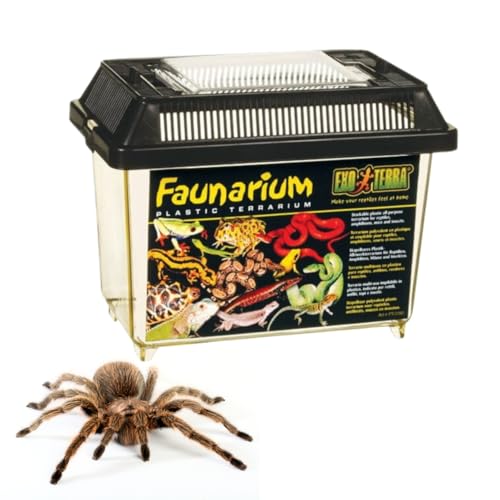
VERSATILE TEMPORARY HABITAT: Ideal for transporting, housing, or quarantining reptiles, amphibians, spiders, insects, and other small animals; Great as a temporary reptile enclosure, feeder insect container, or travel terrarium