
Quick Answer
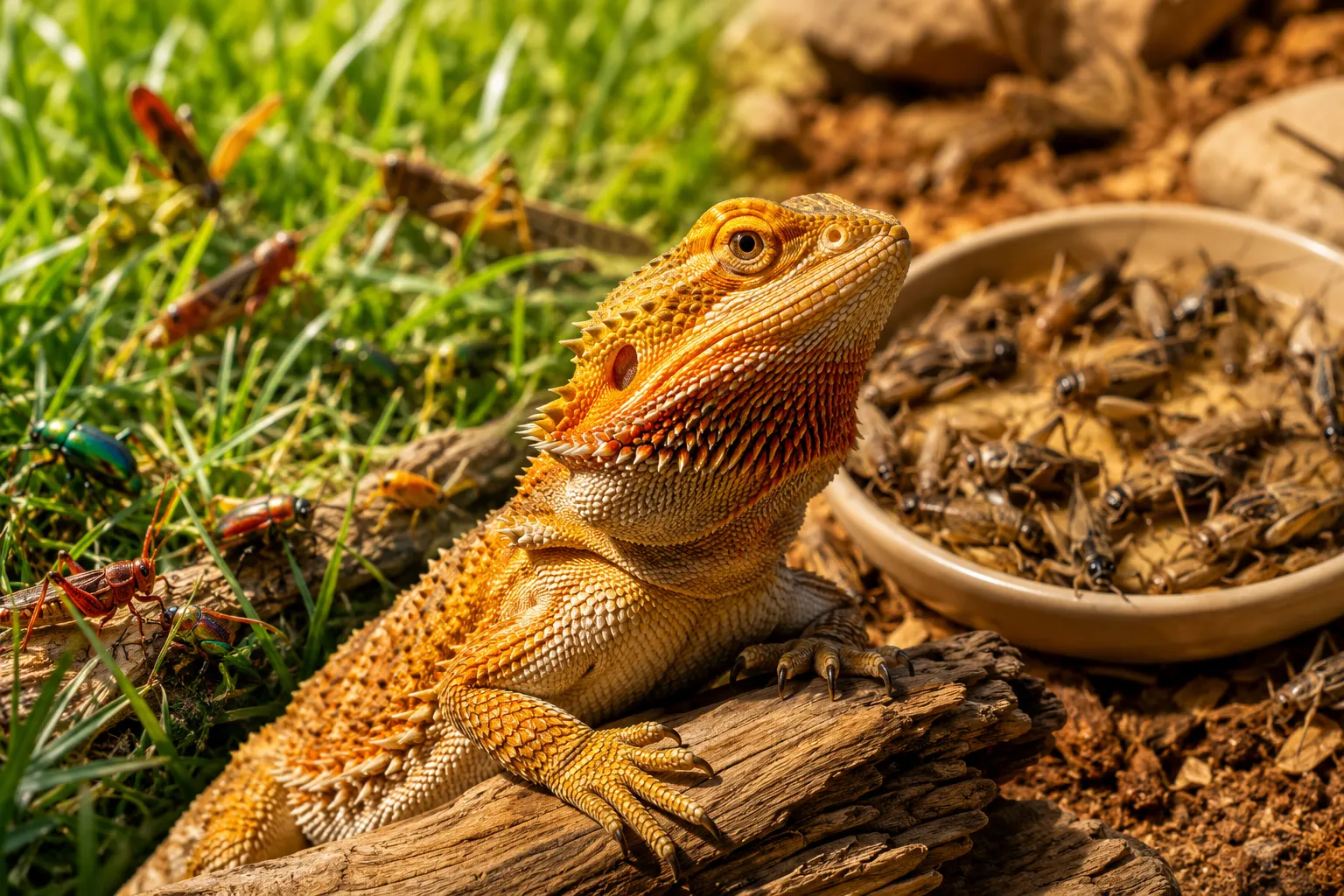
Bearded dragons should not eat wild-caught insects due to serious health risks including pesticide exposure, parasite transmission, and potential toxicity from certain species. While wild insects might seem like a natural and free food source, they carry unpredictable dangers that commercially raised feeder insects don’t. Stick with captive-bred insects from reputable suppliers to keep your bearded dragon safe and healthy.

Made From Nutritious Items Such As Kelp, Spirulina, And Brewer'S Yeast

Formulated to be easily digested by all feeder insects
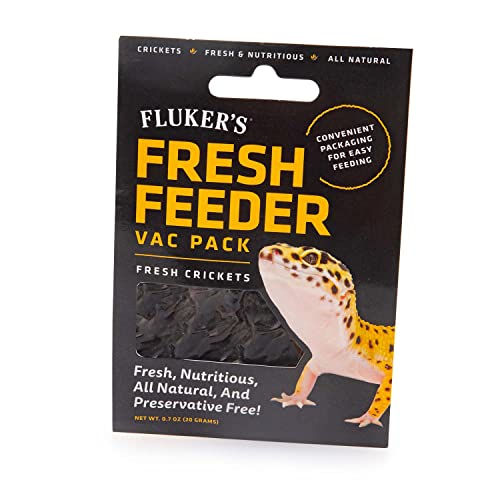
All natural, preservative free food is packed with the essential nutrients and vitamins your pet needs to thrive
Key Takeaways
- Wild-caught insects pose three major risks: pesticide contamination, parasite transmission, and potential toxicity from certain species
- Commercially raised feeder insects are safer, nutritionally consistent, and parasite-free compared to wild bugs
- Common wild insects like grasshoppers, crickets, and beetles may carry harmful chemicals from lawn treatments or agricultural spraying
- Parasites in wild insects can cause serious digestive issues, weight loss, and organ damage in bearded dragons
- Baby bearded dragons are especially vulnerable to toxins and parasites from wild insects
- Fireflies, monarch butterflies, and brightly colored insects are toxic and can be fatal if eaten
- If you must use wild insects, catch them only from pesticide-free areas that have been untreated for at least 90 days
- The cost savings of wild insects aren’t worth the veterinary bills from poisoning or parasitic infections
- Gut-loading and dusting store-bought insects provides better nutrition than wild alternatives
- Even “organic” yards may have residual pesticides from neighboring properties or previous treatments
Are Wild-Caught Insects Safe for Bearded Dragons?
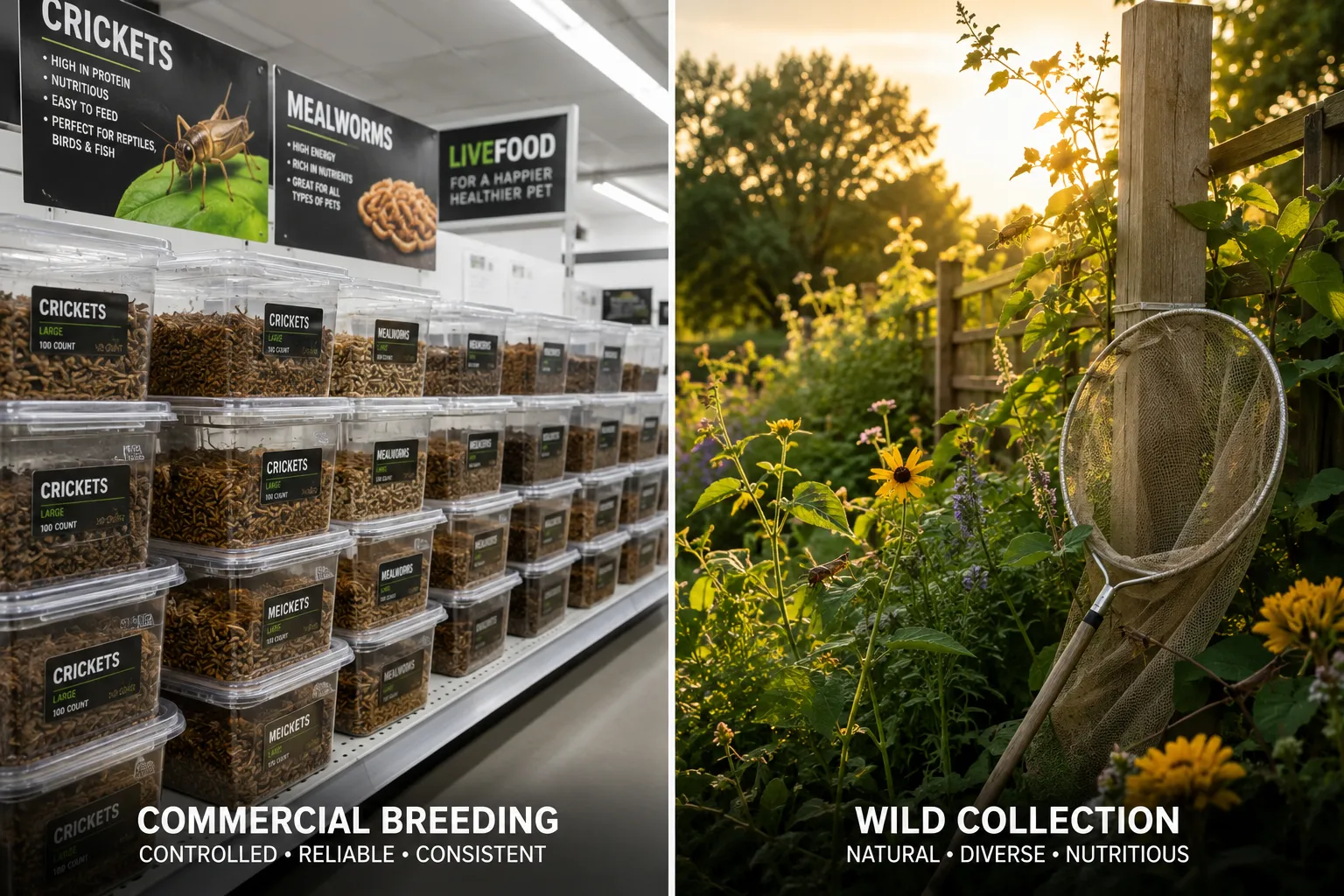
Wild-caught insects are generally not safe for bearded dragons because they carry unknown pesticide residues, parasites, and potential toxins that can seriously harm or kill your pet. Unlike commercially raised feeder insects that are bred in controlled environments, wild bugs have unpredictable exposure histories that make them dangerous food sources.
The three primary dangers of wild insects include:
- Pesticide contamination: Lawn chemicals, agricultural sprays, and neighborhood pest control treatments accumulate in insects’ bodies and transfer to your bearded dragon when eaten
- Parasite transmission: Wild insects commonly carry internal parasites like nematodes, protozoans, and tapeworms that can infect reptiles
- Toxic species: Some wild insects produce defensive chemicals or accumulate plant toxins that are harmless to them but deadly to bearded dragons
Even a single contaminated insect can cause severe illness. Bearded dragons have sensitive digestive systems that evolved to handle specific prey in their native Australian habitat, not insects exposed to modern pesticides and pollutants.
Common mistake: Many owners assume that insects from their “chemical-free” yard are safe, but pesticides drift from neighboring properties, and residues persist in soil for months or years after application.
What Insects Can Bearded Dragons Eat from Outside?
No wild insects are truly recommended for bearded dragons, but if you absolutely must use them, only grasshoppers, crickets, and certain beetles from verified pesticide-free areas might be considered after a 90-day chemical-free period. Even then, the risks outweigh any benefits compared to commercially raised alternatives.
If you’re determined to use wild insects despite the risks, follow these strict criteria:
- The collection area must be at least 100 feet from any treated lawn, agricultural field, or roadway
- No pesticides, herbicides, or fertilizers have been applied for a minimum of 90 days
- The area is not downwind from farms or golf courses that spray regularly
- You can positively identify the insect species and confirm it’s non-toxic
- The insects appear healthy with no visible parasites or abnormalities
Safe-ish wild options (still risky):
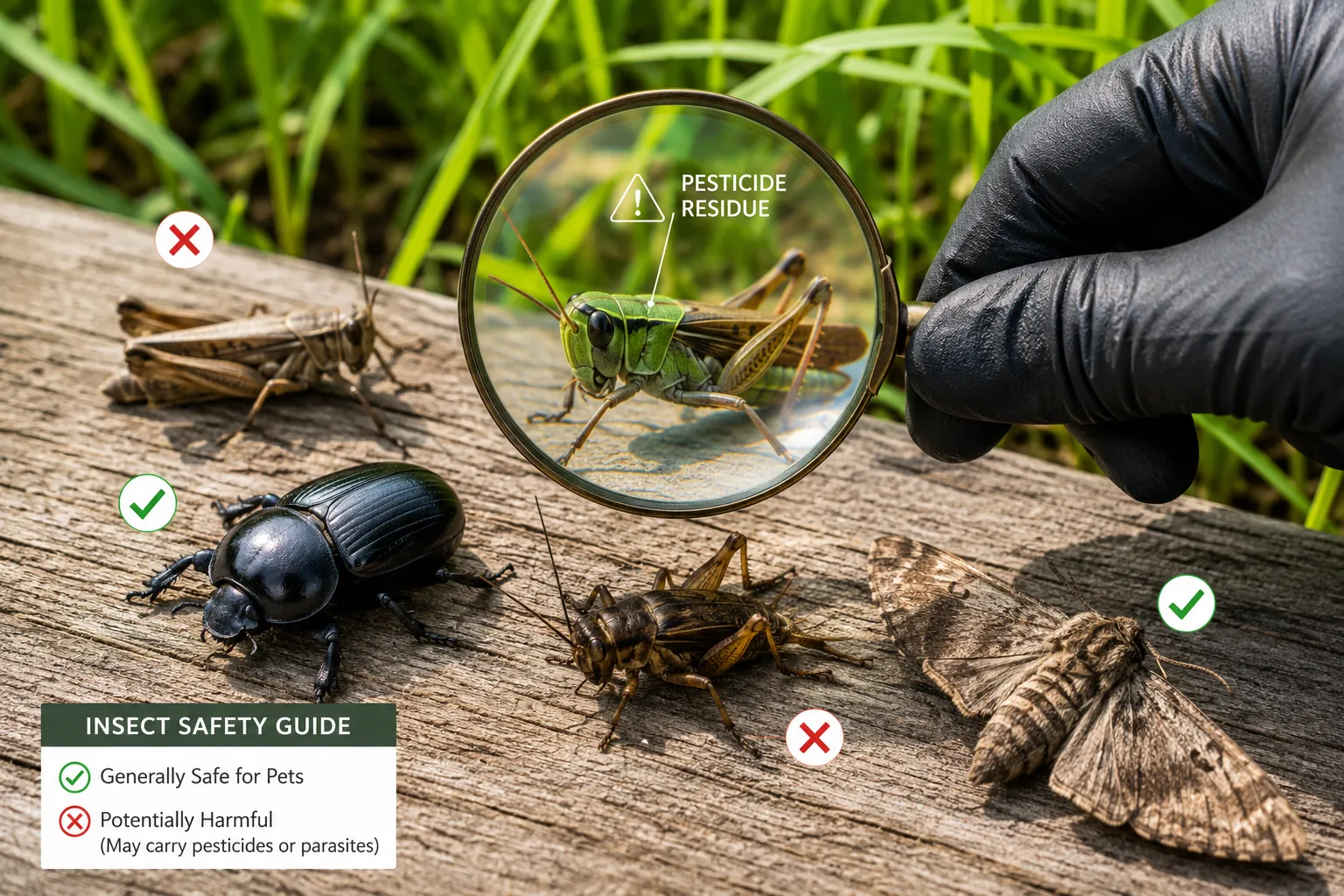
- Plain brown grasshoppers (not brightly colored)
- Field crickets (black, not house crickets)
- Darkling beetles (not their larvae)
Never feed these wild insects:
- Fireflies or lightning bugs (highly toxic, often fatal)
- Monarch butterflies or caterpillars (toxic from milkweed)
- Brightly colored beetles or bugs (warning coloration indicates toxins)
- Box elder bugs (produce defensive chemicals)
- Stink bugs (irritating secretions)
- Ants (formic acid can harm mouth and throat)
- Bees or wasps (obvious stinging risk)
Choose wild insects only if they’re larger than the space between your bearded dragon’s eyes, just like with commercial feeders.
Wild Insects vs Store-Bought Insects for Bearded Dragons
Store-bought feeder insects are significantly safer and more nutritious than wild-caught insects because they’re raised in parasite-free environments, fed controlled diets, and contain no pesticide residues. Commercial insects also offer consistent nutritional profiles that you can enhance through gut-loading and calcium dusting.
Here’s how they compare:
| Factor | Store-Bought Insects | Wild-Caught Insects |
|---|---|---|
| Pesticide risk | None (raised indoors) | High (unknown exposure) |
| Parasite risk | Minimal (controlled breeding) | High (natural infection) |
| Nutritional consistency | Predictable, can be gut-loaded | Varies widely by species and diet |
| Cost | $0.10-0.30 per insect | Free but risky |
| Availability | Year-round | Seasonal only |
| Species variety | Multiple safe options | Limited safe choices |
| Convenience | Delivered or local pickup | Time-consuming to catch |
The hidden cost of wild insects: A single vet visit for pesticide poisoning or parasitic infection typically costs $150-400, which would buy 500-1,500 commercial crickets. The “savings” from free wild insects disappear quickly when health problems arise.
Commercial feeder insects can be gut-loaded (fed nutritious foods 24 hours before feeding) to boost their vitamin and mineral content. Wild insects eat whatever they find, which might include toxic plants or contaminated materials.
Choose store-bought if: You want predictable nutrition, year-round availability, and minimal health risks (recommended for all bearded dragon owners).
Consider wild insects only if: You own verified pesticide-free land, can positively identify safe species, and accept the substantial health risks involved (still not recommended).
Can Wild Bugs Make My Bearded Dragon Sick?
Yes, wild bugs can make your bearded dragon seriously sick through pesticide poisoning, parasitic infections, or toxic reactions that cause symptoms ranging from lethargy and loss of appetite to seizures, organ failure, and death. The severity depends on the contaminant type and your dragon’s size and health status.
Pesticide poisoning symptoms (appear within hours to days):
- Excessive drooling or mouth gaping
- Tremors or uncontrolled muscle twitching
- Lethargy and weakness
- Loss of coordination
- Seizures in severe cases
- Vomiting or regurgitation
Parasitic infection symptoms (develop over weeks):
- Gradual weight loss despite normal eating
- Diarrhea or abnormal feces
- Visible worms in feces
- Bloated or distended abdomen
- Decreased appetite
- Lethargy and reduced activity
Toxic insect reaction symptoms (rapid onset):
- Immediate mouth irritation or pawing at face
- Excessive salivation
- Difficulty breathing
- Rapid decline in responsiveness
- Sudden collapse
Firefly toxicity is particularly dangerous because the lucibufagin compounds they contain can cause death within hours, even from eating a single firefly. There is no antidote, and survival depends on immediate veterinary intervention.
What to do if your bearded dragon eats a potentially dangerous wild insect:
- Note the time and insect type if possible
- Remove any remaining insects from the enclosure
- Monitor closely for symptoms over the next 24 hours
- Contact a reptile veterinarian immediately if any symptoms appear
- Bring a photo or sample of the insect if you can safely collect one
Prevention is always easier and cheaper than treatment. The risk simply isn’t worth the convenience of free food.
How to Tell If Wild Insects Have Pesticides
You cannot reliably determine if wild insects have pesticides through visual inspection alone because chemical residues are invisible and insects may appear perfectly healthy while carrying lethal doses. The only way to know an area is pesticide-free is through documented history of no chemical applications for at least 90 days.
Warning signs that an area likely has pesticide contamination:
- Manicured lawns with uniform green color (usually chemically treated)
- Proximity to agricultural fields, golf courses, or parks (regularly sprayed)
- Near roadways (herbicide spraying for weed control)
- Few or no insects present (indicates recent pesticide application)
- Dead insects visible on ground or plants
- Neighborhood with professional lawn care services
Questions to ask before collecting wild insects:
- Has this property been treated with any pesticides, herbicides, or fertilizers in the past year?
- Do neighboring properties use lawn care services?
- Is this area downwind from any farms or treated areas?
- Has the property ever been treated for mosquitoes, ticks, or other pests?
Even organic pesticides like pyrethrin (derived from chrysanthemums) are toxic to reptiles. “Natural” doesn’t mean safe for bearded dragons.
The drift problem: Pesticides can travel hundreds of feet through air currents. Even if your yard is untreated, chemicals from a neighbor’s lawn treatment can contaminate your insects. Studies show pesticide drift commonly affects areas 200-300 feet from application sites.
Common mistake: Assuming that because you see lots of insects, the area must be pesticide-free. Insect populations rebound quickly after treatments, but the chemicals persist in their bodies for weeks.
If you can’t document a pesticide-free history with certainty, assume the insects are contaminated and avoid them entirely.
What Happens If a Bearded Dragon Eats a Wild Grasshopper?
If a bearded dragon eats a wild grasshopper, the outcome depends entirely on what that grasshopper was exposed to before being caught. A grasshopper from a pesticide-contaminated area can cause poisoning symptoms within hours, while one carrying parasites may lead to chronic infection over weeks or months.
Best-case scenario: The grasshopper came from a genuinely pesticide-free area, carries no parasites, and isn’t a toxic species. Your bearded dragon digests it normally with no ill effects. This scenario is rare because truly uncontaminated environments are increasingly uncommon.
Likely scenario: The grasshopper carries low-level pesticide residues or common parasites. Your bearded dragon may show subtle symptoms like reduced appetite or mild digestive upset that owners often miss or attribute to other causes. Over time, repeated exposure builds up toxin levels or establishes parasitic infections.
Worst-case scenario: The grasshopper was heavily contaminated with pesticides or is a toxic species. Your bearded dragon shows acute poisoning symptoms including tremors, seizures, or collapse requiring emergency veterinary care.
Grasshoppers are particularly risky because they’re highly mobile and may have traveled from treated areas even if you catch them in your yard. They also commonly carry parasites like nematodes that can infect reptiles.
What to monitor after your dragon eats a wild grasshopper:
- Behavior changes over the next 24-48 hours
- Normal bowel movements and appetite
- Energy levels and activity patterns
- Any signs of mouth irritation or excessive drinking
If you notice any concerning symptoms, contact a reptile veterinarian immediately. Mention that your dragon ate a wild insect so the vet can consider pesticide exposure or parasitic infection in their diagnosis.
Do Wild Insects Have Parasites That Harm Bearded Dragons?
Yes, wild insects commonly carry internal parasites including nematodes, protozoans, and other organisms that can infect bearded dragons and cause serious health problems ranging from digestive issues to organ damage. These parasites use insects as intermediate hosts and readily transfer to reptiles that eat them.
Common parasites in wild insects that affect bearded dragons:
- Nematodes (roundworms): Found in crickets, grasshoppers, and beetles; cause intestinal blockages, weight loss, and malnutrition
- Protozoans (Coccidia, Cryptosporidium): Microscopic parasites that damage intestinal lining and cause chronic diarrhea
- Cestodes (tapeworms): Use insects as intermediate hosts; attach to intestinal walls and absorb nutrients
- Acanthocephalans (thorny-headed worms): Penetrate intestinal walls causing inflammation and secondary infections
Unlike bacteria or viruses, many parasites don’t cause immediate obvious symptoms. Infections develop slowly over weeks or months as parasite populations multiply inside your bearded dragon’s digestive system.
Signs your bearded dragon may have parasites from wild insects:
- Weight loss despite normal or increased appetite
- Loose or watery feces
- Visible worms or unusual material in feces
- Decreased energy and activity levels
- Poor shedding or dull skin appearance
- Bloated or swollen abdomen
Parasitic infections require veterinary diagnosis through fecal examination and prescription anti-parasitic medications. Over-the-counter treatments are often ineffective and can be dangerous if used incorrectly.
Why commercial insects are safer: Reputable feeder insect breeders maintain closed colonies with no exposure to wild parasite sources. While no insect is 100% parasite-free, commercial insects have dramatically lower infection rates than wild-caught alternatives.
Prevention is key: Annual fecal examinations by a reptile veterinarian can detect parasites before they cause serious problems, but avoiding wild insects eliminates the primary infection source entirely.
Best Places to Catch Insects for Bearded Dragons
There are no truly safe places to catch wild insects for bearded dragons because even remote natural areas can have pesticide drift, parasites, and toxic insect species. If you insist on catching wild insects despite the risks, only consider areas with documented pesticide-free status for at least 90 days and no proximity to treated properties.
Least-risky collection areas (still not recommended):
- Private property you own with verified no-chemical history
- Areas at least 300 feet from any agricultural land or treated lawns
- Locations far from roadways (no herbicide spraying)
- Natural preserves with documented no-spray policies
- Your own greenhouse or screened porch where you control the environment
Places to absolutely avoid:
- Public parks (regularly treated for mosquitoes and ticks)
- Golf courses (heavily sprayed for turf maintenance)
- Agricultural fields or orchards (intensive pesticide use)
- Residential neighborhoods (lawn care services)
- Near roadways or highways (herbicide spraying)
- School grounds or playgrounds (pest control treatments)
- Any area where you can’t verify chemical history
The timing problem: Even if an area is currently pesticide-free, chemicals persist in the environment and in insects’ bodies for extended periods. Neonicotinoid pesticides, commonly used in lawn care, can remain in soil and plants for months or years.
Better alternative: Create a controlled insect breeding area. Some bearded dragon owners maintain small colonies of dubia roaches or crickets at home, providing a truly safe and sustainable insect source without the risks of wild collection.
If you’re catching wild insects because of cost concerns, consider that a 1,000-count cricket order typically costs $30-50 and lasts weeks for a single bearded dragon. The savings from wild insects rarely justify the health risks and potential veterinary expenses.

Reliable Material: Thickness: 2.6 mm. Made of safe, sturdy plastic, the bearded dragon feeder withstands daily bumps and drops during long-term use. Its smooth, washable body ensures effortless cleaning anytime, keeping your pet’s dining area spotless

Value Pack: Package includes 30PCS replacement feeding cups, it's the right amount for you to wash or replace at any time, no need to buy too many replacement cups to take up space.

Mimics Natural Hunting:Encourage your lizard's instinct to forage and hunt just like in the wild. This feeder bowl creates a natural feeding environment for live roaches or insects, turning mealtime into an engaging activity that promotes physical exercise and mental stimulation.
Can Bearded Dragons Eat Wild Crickets from My Yard?
Bearded dragons should not eat wild crickets from your yard because they likely carry pesticide residues from lawn treatments, neighboring properties, or municipal spraying programs, plus they commonly harbor parasites that commercial crickets don’t. Even if you don’t personally treat your lawn, environmental contamination makes yard crickets unsafe.
Wild crickets face the same risks as other wild insects: unknown chemical exposure, parasitic infections, and potential toxicity. The fact that they’re the same species as commercial feeder crickets doesn’t make wild ones safe.
Why yard crickets are particularly risky:
- Lawns are among the most heavily treated environments with pesticides, herbicides, and fertilizers
- Crickets are ground-dwellers that contact soil where chemicals concentrate
- They’re attracted to areas near human habitation where pest control is common
- Wild crickets eat a varied diet that may include toxic plants or contaminated materials
Pesticides commonly used in residential yards that harm bearded dragons:
- Neonicotinoids (imidacloprid, clothianidin) for grub and insect control
- Pyrethroids (bifenthrin, permethrin) for general pest control
- Organophosphates (malathion, diazinon) for various pests
- Herbicides (glyphosate, 2,4-D) that accumulate in insects
These chemicals don’t break down immediately. Residues persist for weeks to months after application, and insects accumulate them in their bodies at concentrations higher than in the environment.
What about organic yards?: Even if you maintain an organic lawn, pesticide drift from neighbors, previous property owners’ treatments, and municipal spraying programs can contaminate your yard. There’s no way to guarantee crickets are chemical-free without laboratory testing.
The cost comparison: A tub of 50 medium crickets costs about $5-8 at most pet stores. That’s roughly $0.10-0.16 per cricket. Is saving a few dollars worth risking your bearded dragon’s health?
Stick with commercially raised crickets from reputable suppliers. They’re bred specifically as feeder insects, raised on controlled diets, and free from pesticide exposure.
How to Clean Wild Insects Before Feeding to Bearded Dragons
You cannot effectively clean pesticides or remove parasites from wild insects through washing or any home treatment method because pesticides are absorbed into insects’ tissues and parasites live inside their bodies. Surface cleaning does nothing to address the internal contamination that poses the real danger.
Why cleaning doesn’t work:
- Pesticides are systemic, meaning they’re distributed throughout the insect’s body, not just on the surface
- Parasites live inside the insect’s digestive tract and body cavity where washing can’t reach
- Toxic compounds from plants are incorporated into the insect’s tissues
- Water rinsing only removes surface dirt, not chemical residues
Some owners suggest a “purging” period where wild insects are kept in a clean container for 24-48 hours to empty their digestive systems. This doesn’t work because:
- Pesticides are stored in fat tissue and organs, not just the gut
- Parasites remain in the insect’s body regardless of gut content
- The insect’s own tissues (which your dragon eats) contain the contaminants
What purging actually does: It may reduce the amount of potentially toxic plant material in the insect’s digestive tract, but it doesn’t address pesticide residues or parasites. The risk reduction is minimal at best.
The only “safe” wild insect protocol (still risky):
- Collect only from verified pesticide-free areas (90+ days no chemicals)
- Positively identify species as non-toxic
- Inspect for visible parasites or abnormalities
- Use immediately or keep in clean container with safe food for 24 hours
- Accept that significant risk remains despite precautions
Better approach: Don’t use wild insects at all. The inability to clean or purge contaminants is one of the main reasons reptile veterinarians and experienced keepers universally recommend against wild-caught feeders.
If you’re concerned about the cost of commercial insects, consider breeding your own dubia roaches or black soldier fly larvae. These colonies are easy to maintain, provide safe feeders year-round, and eliminate both the cost and risk of wild insects.
Which Wild Insects Are Toxic to Bearded Dragons?
Several wild insects are highly toxic to bearded dragons and can cause severe illness or death even from eating a single specimen, including fireflies (lightning bugs), monarch butterflies, brightly colored beetles, box elder bugs, and any insect with warning coloration. These insects contain defensive chemicals or accumulate plant toxins that are deadly to reptiles.
Extremely toxic insects (often fatal):
Fireflies/Lightning bugs: Contain lucibufagin, a cardiac toxin that causes heart failure. Even one firefly can kill an adult bearded dragon. Symptoms include mouth irritation, excessive salivation, loss of coordination, and collapse. There is no antidote.
Monarch butterflies and caterpillars: Accumulate cardiac glycosides from milkweed plants. These compounds cause vomiting, irregular heartbeat, and potentially death.
Brightly colored beetles: Warning coloration (red, orange, yellow patterns) indicates defensive chemicals. Lady beetles (ladybugs) produce alkaloids that irritate the mouth and digestive tract.
Box elder bugs: Produce defensive secretions that cause mouth irritation and digestive upset.
Moderately toxic or dangerous insects:
- Stink bugs: Release foul-smelling defensive chemicals that irritate mouth and throat
- Ants: Formic acid can burn mouth tissues and cause swelling
- Bees and wasps: Stinging risk plus venom can cause severe reactions
- Caterpillars with spines or hairs: Many have urticating hairs that cause irritation
- Blister beetles: Contain cantharidin, which causes severe blistering and tissue damage
Warning coloration rule: In nature, bright colors (especially red, orange, yellow, or black-and-white patterns) signal toxicity. Avoid any insect with conspicuous coloration.
Common mistake: Assuming that because wild animals eat certain insects, they’re safe for bearded dragons. Birds and other predators have different digestive systems and tolerances than reptiles.
What to do if your bearded dragon eats a toxic insect:
- Note the time and insect type
- Contact a reptile veterinarian immediately (don’t wait for symptoms)
- Bring a photo or sample of the insect if possible
- Monitor closely and transport to emergency vet if symptoms develop
The safest approach is to avoid all wild insects entirely. The risk of accidental toxic species consumption is too high when safer commercial alternatives exist.
Can Baby Bearded Dragons Eat Wild-Caught Bugs?
Baby bearded dragons should absolutely never eat wild-caught bugs because their smaller size makes them even more vulnerable to pesticides and toxins than adults, and their developing immune systems are less capable of fighting parasitic infections. A pesticide dose that might only sicken an adult can easily kill a juvenile.
Why babies are at higher risk:
- Lower body weight: Toxins are dose-dependent. The same pesticide amount affects a 20-gram baby much more severely than a 400-gram adult
- Faster metabolism: Babies eat more frequently relative to body size, leading to faster toxin accumulation
- Developing organs: Liver and kidneys aren’t fully mature, reducing ability to process and eliminate toxins
- Weaker immune response: Less able to fight parasitic infections that establish quickly
- Higher nutritional needs: Parasites that steal nutrients cause more severe developmental problems in growing dragons
Baby bearded dragons need consistent, high-quality nutrition for proper growth and bone development. Wild insects provide unpredictable nutrition and carry risks that can permanently impact development.
Critical growth period: The first year of a bearded dragon’s life determines their adult size, bone density, and overall health. Parasitic infections or pesticide exposure during this time can cause:
- Stunted growth and small adult size
- Metabolic bone disease from nutrient malabsorption
- Weakened immune system and chronic health problems
- Developmental deformities
Proper feeding for baby bearded dragons:
- Commercially raised insects (crickets, dubia roaches, black soldier fly larvae)
- Appropriately sized (no larger than space between eyes)
- Gut-loaded with nutritious foods 24 hours before feeding
- Dusted with calcium powder at every feeding
- Dusted with vitamin D3 supplement 2-3 times per week
The cost of commercial insects for a baby bearded dragon is minimal (typically $10-20 per month), making wild insects an unnecessary and dangerous “savings.”
Choose commercial insects if: You want your baby bearded dragon to grow properly and reach their full potential (recommended for all baby dragons).
Never use wild insects for: Baby or juvenile bearded dragons under any circumstances.
Common Mistakes Feeding Wild Insects to Reptiles
The most common mistakes when feeding wild insects to reptiles include assuming “natural” means safe, collecting from treated areas without realizing it, failing to identify toxic species correctly, and underestimating the cumulative effects of low-level pesticide exposure. These errors lead to preventable illness and death in captive reptiles.
Top mistakes and why they’re dangerous:
1. The “natural diet” fallacy
- Mistake: Believing wild insects are more natural and therefore healthier than commercial feeders
- Reality: Bearded dragons evolved in Australian habitats with specific insects, not North American species exposed to modern pesticides
- Why it matters: “Natural” doesn’t mean safe in contaminated environments
2. Trusting visual inspection
- Mistake: Thinking you can see pesticides or parasites on insects
- Reality: Chemical residues are invisible and most parasites are microscopic or internal
- Why it matters: Contaminated insects look identical to clean ones
3. Underestimating pesticide persistence
- Mistake: Assuming pesticides break down quickly after application
- Reality: Many lawn chemicals persist for months or years in soil and insects
- Why it matters: Insects caught months after treatment can still be contaminated
4. Ignoring pesticide drift
- Mistake: Believing your untreated yard is safe
- Reality: Chemicals drift hundreds of feet from application sites
- Why it matters: Your organic lawn can still have contaminated insects from neighbors’ treatments
5. Misidentifying toxic species
- Mistake: Thinking all grasshoppers, beetles, or crickets are safe
- Reality: Some species within these groups are toxic or accumulate plant toxins
- Why it matters: One toxic insect can be fatal
6. Feeding during peak spray season
- Mistake: Collecting wild insects in spring and summer when lawns are treated
- Reality: This is when pesticide use is highest
- Why it matters: Contamination risk is greatest during growing season
7. Not quarantining new reptiles
- Mistake: Adding wild-caught insects to an enclosure with multiple reptiles
- Reality: Parasites spread quickly between animals
- Why it matters: One contaminated insect can infect your entire collection
8. Ignoring subtle symptoms
- Mistake: Only watching for dramatic poisoning signs
- Reality: Chronic low-level exposure causes gradual decline
- Why it matters: By the time symptoms are obvious, significant damage has occurred
The experience trap: Long-time reptile keepers sometimes say “I’ve fed wild insects for years with no problems.” This is survivorship bias. They don’t see the gradual health decline, shortened lifespan, or the animals that did get sick and died.
Alternatives to Wild-Caught Insects for Bearded Dragons
The best alternatives to wild-caught insects are commercially raised feeder insects including crickets, dubia roaches, black soldier fly larvae, hornworms, and silkworms, which provide safe, nutritious, and consistent food sources without pesticide or parasite risks. Many owners also successfully breed their own feeder colonies for long-term sustainability.
Top commercial feeder insects for bearded dragons:
Crickets (Acheta domesticus)
- Widely available and affordable ($5-8 per 50 count)
- Good protein and easy to gut-load
- Can be noisy and smelly if kept in large numbers
- Need to be removed if not eaten (can bite sleeping dragons)
Dubia roaches (Blaptica dubia)
- Excellent nutrition with high protein and low fat
- Don’t smell, make noise, or bite
- Can’t climb smooth surfaces or infest homes
- Slightly more expensive ($15-25 per 50 count)
- Illegal in Florida and some Canadian provinces
Black soldier fly larvae (Hermetia illucens)
- High calcium content (good calcium-to-phosphorus ratio)
- No gut-loading needed
- Soft-bodied and easy to digest
- More expensive ($10-15 per 50 count)
Hornworms (Manduca sexta)
- High moisture content (good for hydration)
- Bearded dragons love them
- Low nutritional value (treat only)
- Expensive ($1-2 per worm)
Silkworms (Bombyx mori)
- Excellent nutrition and highly digestible
- Good for sick or recovering dragons
- Expensive and require fresh mulberry leaves
- Shorter shelf life than other feeders
Breeding your own feeders:
Many experienced keepers maintain dubia roach or cricket colonies to reduce costs and ensure a constant supply. Initial setup costs $50-100, but ongoing expenses are minimal.
Benefits of breeding feeders:
- Always have appropriate-sized insects available
- Control diet quality through gut-loading
- Significant cost savings over time
- No emergency pet store runs
Comparison: Commercial vs. Wild insects
- Safety: Commercial insects win decisively (no pesticides or parasites)
- Nutrition: Commercial insects can be gut-loaded for optimal nutrition
- Convenience: Commercial insects are available year-round
- Cost: Wild insects are free but carry expensive health risks
Where to buy commercial insects:
- Local pet stores (most expensive but immediate)
- Online feeder insect suppliers (best value for bulk orders)
- Reptile shows and expos (good prices and variety)
- Local breeders (check reptile forums and Facebook groups)
The small cost of commercial insects is the best investment you can make in your bearded dragon’s health and longevity.
Frequently Asked Questions
Can I feed my bearded dragon insects from my pesticide-free garden?
Even pesticide-free gardens can have contaminated insects from drift, previous treatments, or neighboring properties. Unless you can document 90+ days of no chemical use within 300 feet, assume insects are contaminated. The risk isn’t worth it when safe commercial alternatives exist.
Are wild grasshoppers better than crickets from the pet store?
No, wild grasshoppers are significantly more dangerous than commercial crickets due to unknown pesticide exposure and parasite risk. Commercial crickets are raised in controlled environments specifically as feeder insects and provide consistent, safe nutrition.
How long do pesticides stay in insects’ bodies?
Pesticides can persist in insects’ bodies for weeks to months depending on the chemical type and exposure level. Systemic pesticides like neonicotinoids are stored in fat tissue and organs, making them impossible to purge or remove through cleaning.
What should I do if my bearded dragon ate a firefly?
Contact a reptile veterinarian immediately. Fireflies contain lucibufagin, a cardiac toxin that can be fatal. Don’t wait for symptoms to appear. Time is critical, and while there’s no antidote, supportive care may save your dragon’s life if started quickly.
Can I catch insects from a nature preserve for my bearded dragon?
Nature preserves may seem pristine, but they can still have pesticide drift from surrounding areas, and wild insects carry parasites regardless of location. The “natural” environment doesn’t eliminate the risks that make wild insects dangerous for captive reptiles.
Are organic pesticides safe for insects I feed to my bearded dragon?
No, organic pesticides like pyrethrin are still toxic to reptiles. “Organic” means the pesticide is derived from natural sources, not that it’s safe for all animals. Bearded dragons are particularly sensitive to many organic pest control products.
How can I tell if my bearded dragon has parasites from wild insects?
Common signs include weight loss despite normal appetite, diarrhea, visible worms in feces, bloated abdomen, and decreased energy. However, many parasitic infections show no obvious symptoms initially. Annual fecal exams by a reptile vet are the only reliable detection method.
Is it safe to feed wild insects occasionally as a treat?
No, there’s no safe frequency for wild insects. Even occasional feeding exposes your bearded dragon to pesticide and parasite risks. One contaminated insect can cause serious illness or death. Stick with commercial insects for all feedings, including treats.
What’s the cheapest safe insect for bearded dragons?
Bulk crickets ordered online are typically the most affordable safe option at $20-40 per 1,000 count (about $0.02-0.04 per cricket). Breeding your own dubia roaches is even cheaper long-term but requires initial setup investment.
Can baby bearded dragons eat smaller wild insects safely?
No, baby bearded dragons are even more vulnerable to pesticides and parasites than adults due to their smaller size and developing immune systems. Never feed wild insects to juveniles. They need consistent, high-quality commercial feeders for proper growth and development.
Do wild insects have more nutritional value than store-bought?
No, commercial insects that are properly gut-loaded typically have better nutritional profiles than wild insects. You control what commercial insects eat before feeding them to your dragon, ensuring optimal vitamin and mineral content. Wild insects eat unpredictable diets.
How do I know if a wild insect is toxic?
You can’t reliably identify toxic insects without extensive entomology knowledge. Bright warning colors (red, orange, yellow) indicate toxicity, but some toxic insects are plain-colored. The safest approach is to avoid all wild insects rather than risk misidentification.
Conclusion
Can bearded dragons eat wild-caught insects? The answer is a clear no. While wild insects might seem like a natural and cost-effective food source, they carry serious risks that far outweigh any perceived benefits. Pesticide contamination, parasitic infections, and toxic species make wild-caught bugs a dangerous gamble with your bearded dragon’s health.
Commercial feeder insects provide everything your bearded dragon needs: consistent nutrition, year-round availability, and most importantly, safety. The small cost of store-bought crickets, dubia roaches, or other feeders is a worthwhile investment that prevents expensive veterinary bills and protects your pet from preventable illness.
Take these steps today:
- Stop feeding wild insects immediately if you’ve been using them
- Schedule a fecal exam with a reptile veterinarian if your dragon has eaten wild insects to check for parasites
- Find a reliable commercial insect supplier either locally or online for consistent access to safe feeders
- Learn to gut-load your commercial insects to maximize their nutritional value
- Consider breeding your own dubia roaches or crickets for long-term cost savings and convenience
Your bearded dragon depends on you to make safe feeding choices. Stick with commercially raised insects, provide proper supplementation, and enjoy watching your dragon thrive on a diet that supports their health rather than risking it. The peace of mind that comes from knowing your pet’s food is safe is worth far more than the cost of a few crickets.
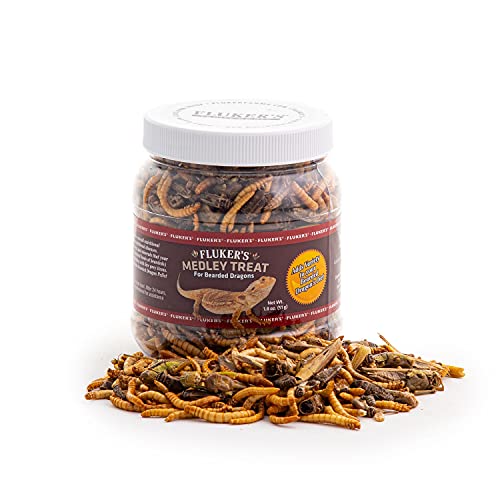
All without the hassle of dealing with live Prey items

All natural, preservative free food is packed with the essential nutrients and vitamins your pet needs to thrive

HIGH PROTEIN FEEDER INSECT - Freeze dried grasshoppers rich in protein and essential amino acids - a bigger bite for bearded dragons, geckos, chameleons, and turtles


