Quick Answer: To bathe a bearded dragon safely, use lukewarm water (95-100°F) in a shallow container where water reaches only chest height, supervise constantly to prevent drowning, and limit bath time to 10-15 minutes. Never use soap or chemicals, and always dry your dragon thoroughly afterward to prevent respiratory issues.
Key Takeaways
- Bath water should be 95-100°F (lukewarm to the touch) and only deep enough to reach your dragon’s chest or elbows
- Most bearded dragons need baths 1-2 times per week, though frequency varies by age and shedding status
- Tap water is safe for bathing as long as it’s dechlorinated or allowed to sit for 24 hours
- Never leave your bearded dragon unattended during bath time, they can drown in shallow water
- Skip soap entirely; plain water is sufficient for cleaning your dragon
- Baby bearded dragons require shallower water, warmer temperatures, and shorter bath sessions than adults
- Always dry your dragon completely with a soft towel before returning them to their enclosure
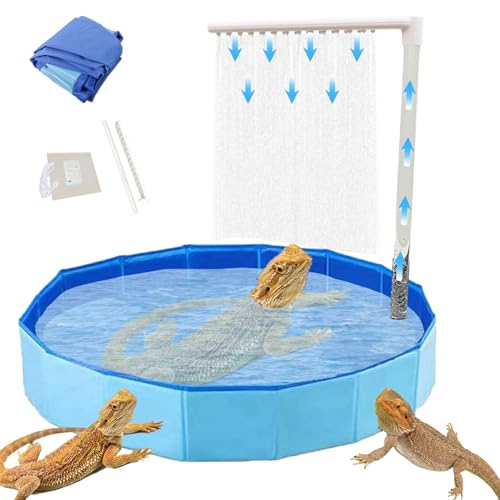
🌈 【Great Bearded Dragon Supplies】: Our Bearded Dragon Bath is foldable and comes with a 5V low-voltage pump for silent, continuous, and stable operation. The faucet, with 26 outlets, ensures uniform water distribution and a gentle flow, providing a comfortable bathing and play experience for bearded dragons, lizards, and other reptiles.

Fun and Comfortable Bathing Experience: This mini bathing tub is designed specifically for small reptiles, providing a comfortable space for soaking and gentle water play. Its playful tub shape encourages natural behaviors like cooling off and water relaxation

Automatic Water Circulation with 26-Hole Rain Shower: This electric bearded dragon water fountain features a quiet 5V low-voltage pump that keeps water circulating continuously. The 26-hole shower head delivers a gentle, even rainfall-like flow, creating a comfortable bathing experience for bearded dragons, lizards, turtles, snakes, and other small reptiles.
Why Bathing Your Bearded Dragon Matters
Bathing serves multiple purposes beyond basic hygiene. Regular baths help bearded dragons stay hydrated through their skin and cloaca, aid in shedding by softening stuck skin, and encourage bowel movements. Wild bearded dragons naturally seek out shallow water sources in their Australian habitat, so controlled bathing mimics this instinctive behavior.
A proper bath routine also gives you quality time to inspect your dragon for health issues like mites, skin infections, or retained shed. Many dragons find warm water relaxing, and the experience can strengthen your bond when done correctly. However, improper bathing techniques can stress your pet or even pose drowning risks, making it essential to understand how to bathe a bearded dragon safely.
What Temperature Should Bearded Dragon Bath Water Be?
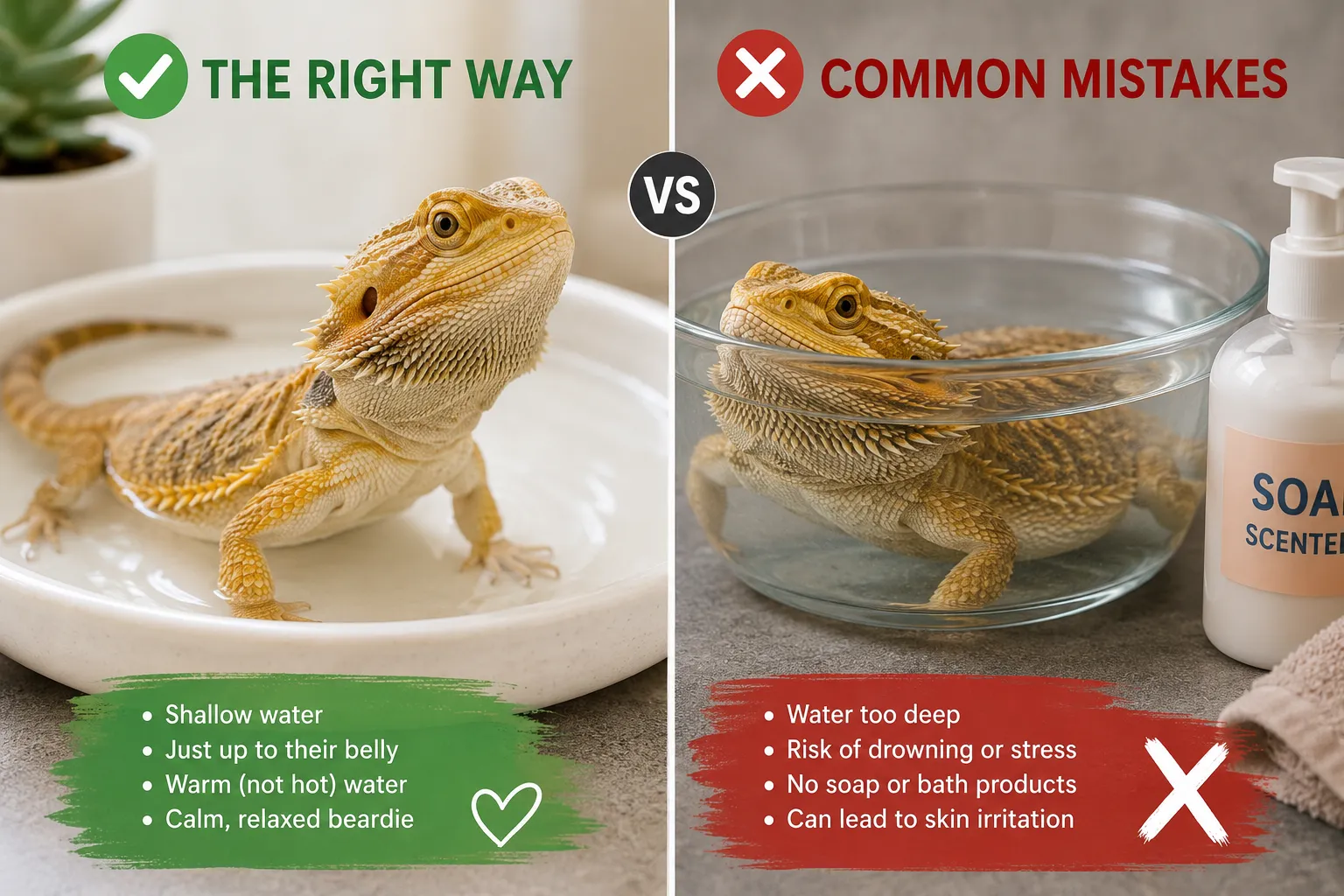
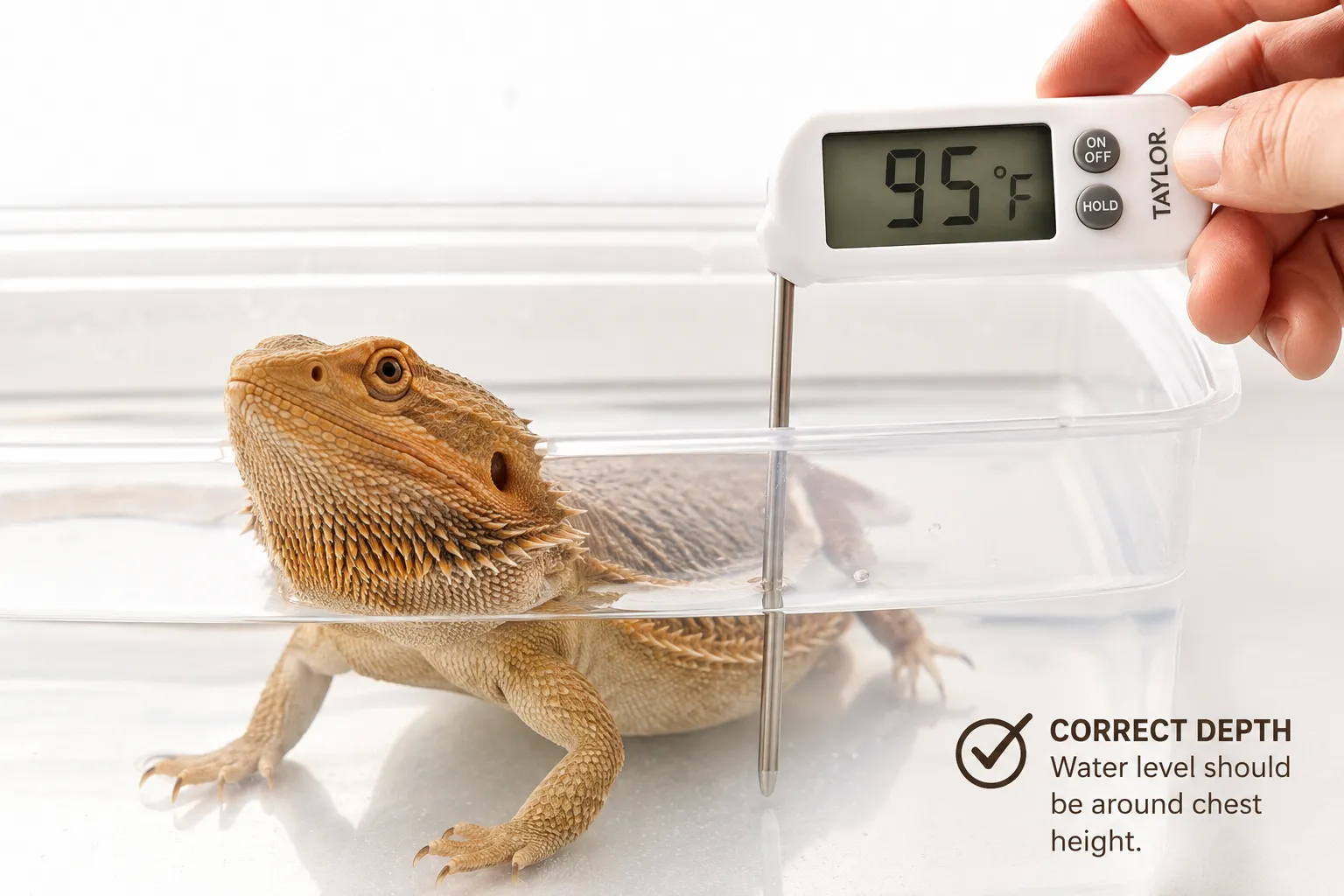
The ideal bath water temperature for bearded dragons is 95-100°F (35-38°C), which feels lukewarm to slightly warm when you test it with your wrist or elbow. Water that’s too cold can shock your dragon’s system and cause stress, while water that’s too hot can burn their sensitive skin or lead to overheating.
Always test the temperature before placing your dragon in the water. Use a digital thermometer for accuracy, or rely on the “baby bath test”, if the water feels comfortable on your inner wrist, it’s likely safe for your bearded dragon. Keep in mind that water cools quickly, especially in smaller containers, so you may need to add small amounts of warm water during longer baths to maintain the right temperature.
Temperature guidelines by situation:
- Standard baths: 95-100°F
- Shedding assistance: 98-100°F (slightly warmer helps loosen skin)
- Baby bearded dragons: 98-100°F (they lose heat faster)
- Room temperature matters: Bath in a warm room (75-80°F) to prevent rapid cooling
How Deep Should the Water Be for Bathing a Bearded Dragon?
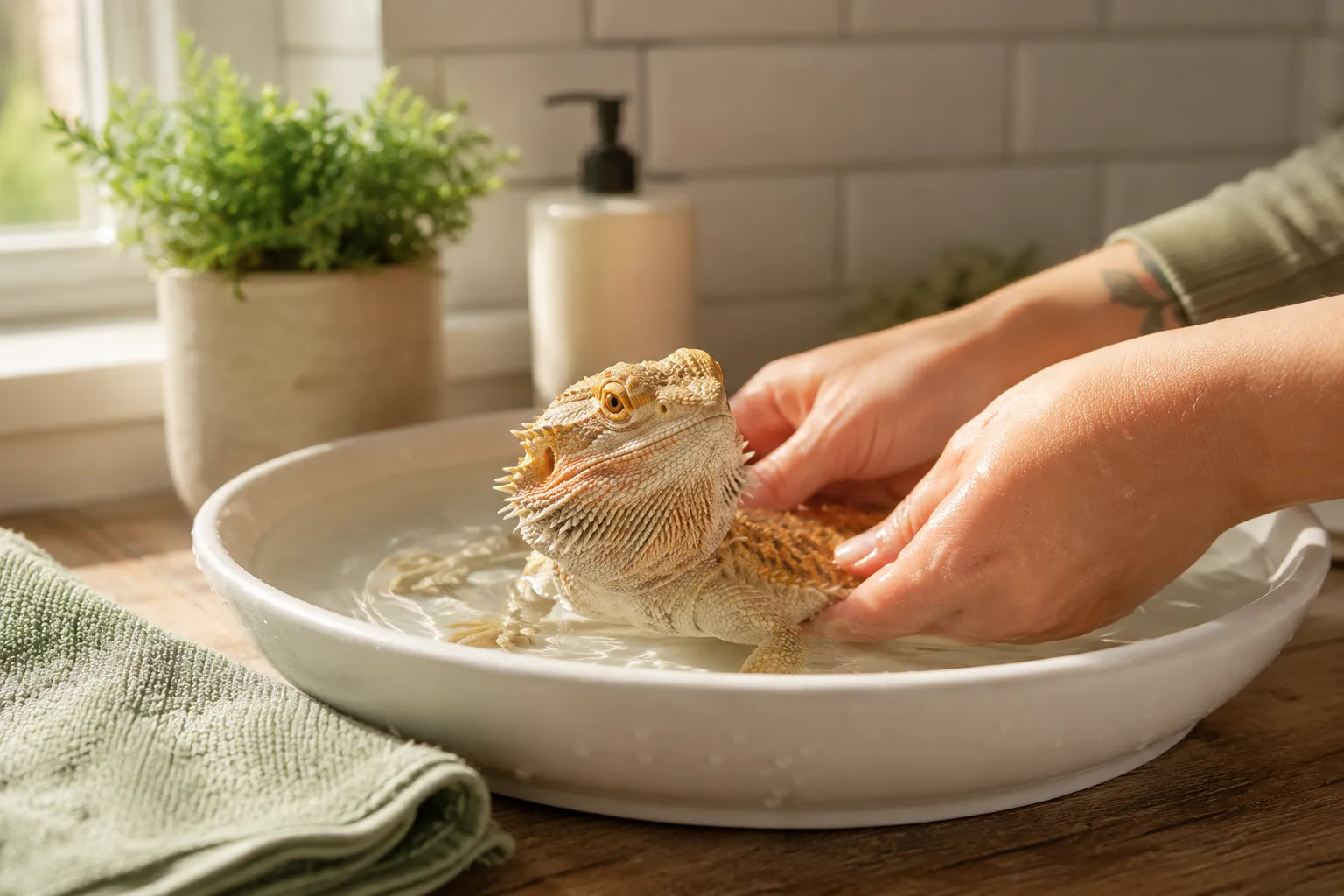
Water depth should reach only to your bearded dragon’s chest or elbows when they’re standing on all fours, typically 0.5 to 1 inch deep for babies and 1 to 2 inches for adults. The water must never cover their head or nostrils, as bearded dragons can drown surprisingly quickly even in shallow water.
Choose a container size appropriate for your dragon. A shallow plastic storage bin, large baking dish, or even a clean sink works well. The container should be wide enough for your dragon to turn around comfortably but not so large that maintaining water temperature becomes difficult.
Depth by age:
- Hatchlings (0-3 months): 0.5 inches maximum
- Juveniles (3-12 months): 0.75-1 inch
- Adults (12+ months): 1-2 inches
Never assume your dragon can swim or will keep their head above water. Even experienced swimmers can panic, flip over, or become exhausted. Proper depth is your first line of defense against drowning accidents.
How Often Should I Bathe My Bearded Dragon?
Most adult bearded dragons benefit from baths 1-2 times per week, though individual needs vary based on hydration status, shedding cycle, and overall health. Baby bearded dragons may need more frequent baths, up to 3-4 times weekly, because they’re growing rapidly and shed more often.
Increase bathing frequency during shedding periods to help loosen stuck skin, or if your dragon is constipated (warm water stimulates bowel movements). Conversely, reduce frequency if your dragon shows signs of stress during baths, such as aggressive behavior, dark stress marks, or attempts to escape.
Adjust frequency based on:
- Shedding status: Daily brief soaks during difficult sheds
- Constipation: Every other day until resolved
- Dehydration signs: 2-3 times weekly
- Winter months: Slightly less often due to lower activity
- Personal preference: Some dragons love baths, others tolerate them
Watch your dragon’s behavior and physical condition. If they’re well-hydrated, shedding cleanly, and maintaining regular bowel movements, your current schedule is working. For more comprehensive guidance on keeping your dragon healthy, check out our bearded dragon care resources.
Can I Use Tap Water to Bathe My Bearded Dragon?
Yes, tap water is generally safe for bathing bearded dragons, but you should take precautions with chlorine and chloramine levels. Most municipal water contains these chemicals to kill bacteria, and while they’re safe for humans, they can irritate reptile skin and eyes during prolonged exposure.
Three safe approaches:
- Let tap water sit uncovered for 24 hours before bath time, chlorine evaporates naturally
- Use a dechlorinator (available at pet stores) designed for reptiles or aquariums
- Use bottled spring water for small dragons or if your tap water has unusually high chemical levels
Avoid distilled water, which lacks beneficial minerals, and never use hot water straight from the tap without testing temperature first. If your area has hard water with high mineral content, you may notice white residue on your dragon’s scales after bathing, this is harmless and wipes off easily with a damp cloth.
Check your local water quality report if you’re concerned about heavy metals or other contaminants. In most cases, standard tap water that’s been dechlorinated poses no risk during the brief exposure of a 10-15 minute bath.
How Long Should a Bearded Dragon Soak in Water?
A typical bath should last 10-15 minutes for adult bearded dragons and 5-10 minutes for babies and juveniles. This duration provides enough time for hydration absorption, shedding assistance, and potential bowel movements without causing stress or excessive heat loss.
Watch your dragon’s behavior during the bath. Signs they’re ready to get out include:
- Attempting to climb out repeatedly
- Dark stress marks appearing on their belly or beard
- Shivering or appearing cold
- Becoming lethargic or closing their eyes for extended periods
Some dragons defecate within the first few minutes of bathing (the warm water stimulates their digestive system), while others may take the full 15 minutes. If your dragon poops early in the bath, you can either end the session or refresh the water and continue, more on that below.
Timing guidelines:
- Quick rinse after messy feeding: 3-5 minutes
- Standard weekly bath: 10-15 minutes
- Shedding assistance: 15-20 minutes (monitor closely)
- Constipation relief: 15-20 minutes in slightly warmer water
Never extend baths beyond 20 minutes, as prolonged water exposure can actually dry out skin and cause temperature regulation issues.
What to Do If My Bearded Dragon Poops During Bath Time
Bearded dragons frequently defecate during baths because warm water relaxes their digestive muscles and stimulates bowel movements, this is actually one of the benefits of regular bathing. When it happens, stay calm and handle it hygienically.
Step-by-step cleanup:
- Remove your dragon immediately and place them on a clean, dry towel
- Drain the soiled water completely and rinse the container thoroughly
- Wash your hands before handling your dragon again
- Decide whether to continue: If your dragon seems relaxed and the bath was brief, refill with fresh warm water and continue; if they seem stressed or the bath was nearly complete, dry them off and end the session
- Disinfect the container after bath time with reptile-safe cleaner or diluted vinegar solution
Most experienced keepers expect bathroom breaks during baths and plan accordingly. Some even schedule baths specifically to encourage regular bowel movements, especially if their dragon tends toward constipation. This is completely normal behavior and nothing to worry about.
If your dragon consistently has diarrhea or unusually loose stools during baths, consult a reptile veterinarian, as this may indicate dietary issues or parasites.
Do Baby Bearded Dragons Need Baths Differently Than Adults?
Yes, baby bearded dragons require modified bathing techniques due to their smaller size, faster heat loss, and higher stress susceptibility. Babies need shallower water (0.5 inches maximum), warmer temperatures (98-100°F), and shorter sessions (5-10 minutes) compared to adults.
Baby dragons are more prone to drowning because they tire easily and can flip over in water that seems shallow to us. Never leave a baby unattended even for a second, and consider placing a textured surface like a clean washcloth at the bottom of the container to provide better grip.
Key differences for baby dragon baths:
- Frequency: 3-4 times weekly (they shed more often)
- Container: Use something very shallow like a large plate or saucer
- Supervision: Keep one hand near them at all times
- Temperature monitoring: Check water temp every 3-4 minutes
- Drying: Extra gentle patting with soft towel, their skin is more delicate
Babies also benefit from slightly more frequent baths because they’re establishing hydration patterns and growing rapidly. However, if your baby shows stress signs like frantic swimming, dark coloring, or trying to escape, reduce frequency and duration. Just like with bearded dragon feeding, individual needs vary.
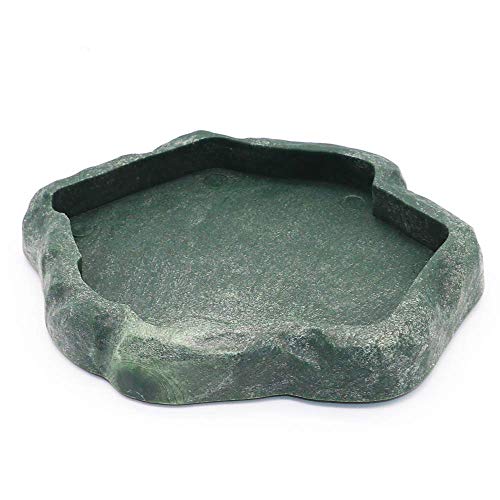
NOTE SIZE: this small and shallow dish is 4.9" x 5.5" x 0.7", small and shallow size only for Gecko,Baby Bearded Dragon,and small lizards food and water feeding.Not for Audult bearded dragon, not for audult lizards.

DURABLE MATERIAL: The reptile ramp plate is made of environmentally friendly plastic material, very durable and strong, strong toughness, anti-drop, easy to clean, smooth edges, don't worry about hurting your pet.

Can Bearded Dragons Drown in Bath Water?
Yes, bearded dragons can absolutely drown in bath water, even in depths that seem impossibly shallow. Unlike aquatic reptiles, bearded dragons are desert animals with limited swimming ability and can panic, flip over, or become exhausted in water.
Drowning risk factors:
- Water deeper than chest height
- Slippery container surfaces with no grip
- Leaving dragon unattended even briefly
- Dragon flipping onto their back
- Exhaustion from struggling
- Respiratory infections that impair breathing
Always maintain constant supervision during baths. Keep one hand near your dragon at all times, ready to assist if they struggle. If your dragon flips over or gets their head underwater, immediately lift them out and let them recover on a towel.
Some dragons are naturally more comfortable in water than others. Even if your dragon seems confident, never become complacent about safety. Drowning can happen in seconds, and the consequences are tragic and entirely preventable with proper precautions.
Safety checklist:
- ✓ Water at proper depth (chest height or lower)
- ✓ Constant supervision, no phone checking
- ✓ Textured surface for grip
- ✓ Warm room temperature to prevent shock
- ✓ Calm environment without loud noises or pets
Should I Use Soap or Anything to Clean My Bearded Dragon?
No, never use soap, shampoo, or any cleaning products on your bearded dragon. Plain water is sufficient for bathing, and chemical products can cause serious health problems including skin irritation, eye damage, respiratory distress, and toxicity if ingested during grooming.
Bearded dragon skin is permeable and absorbs substances from water, making even “gentle” or “natural” soaps potentially harmful. Their skin also produces natural oils that help maintain moisture balance and protect against infection, soap strips these protective oils away.
What to avoid completely:
- Human soap or body wash
- Pet shampoos (even reptile-marketed ones)
- Dish soap
- Essential oils
- Bubble bath products
- Chlorine bleach or disinfectants
If your dragon has stuck-on debris like dried food or substrate, use your fingers to gently rub the area underwater, or let them soak longer to soften the material. For stubborn spots, a soft toothbrush (used only for your dragon) can help, but use only water, no cleaning agents.
The only exception is if a veterinarian prescribes a specific medicated bath for treating skin infections or parasites. In these cases, follow the vet’s instructions exactly regarding product type and dilution.
My Bearded Dragon Hates Baths, What Are the Alternatives?
Some bearded dragons never enjoy baths despite your best efforts, showing stress through dark coloring, aggressive behavior, or frantic escape attempts. If your dragon consistently hates bathing, you have several alternatives for maintaining hydration and assisting with sheds.
Effective alternatives to full baths:
Misting: Spray your dragon lightly with lukewarm water using a clean spray bottle. Many dragons tolerate this better than submersion. Mist 2-3 times weekly, focusing on their back and sides.
Damp towel method: Wrap your dragon loosely in a warm, damp towel for 5-10 minutes. This provides humidity benefits without the stress of water immersion.
Humid hide: Create a moist area in their enclosure using a covered container with damp sphagnum moss. Dragons can self-regulate by entering when they need extra humidity.
Increased water bowl size: Provide a larger, shallow water dish that allows your dragon to soak themselves if desired. Change water daily to maintain cleanliness.
Dietary hydration: Offer water-rich foods like cucumber or safe fruits for reptiles to boost hydration through diet.
Some dragons simply prefer to stay dry, and that’s okay. As long as they’re well-hydrated (check for sunken eyes, wrinkled skin, or lethargy), eating normally, and shedding without major issues, baths aren’t mandatory. Respect your dragon’s preferences while monitoring their health closely.
Common Mistakes People Make When Bathing Bearded Dragons
Even experienced keepers sometimes develop bad bathing habits that can stress or endanger their dragons. Recognizing these common mistakes helps you avoid them and improve your technique.
Top bathing mistakes:
Using the kitchen sink without cleaning it first: Sinks harbor bacteria from food prep and dish soap residue. Always thoroughly clean and rinse any container before bathing your dragon.
Multitasking during bath time: Checking your phone, doing other chores, or leaving the room “just for a second” creates drowning risk. Bathing requires your full attention.
Water too cold or too hot: Guessing at temperature instead of testing it properly can shock your dragon’s system. Always verify with a thermometer or the wrist test.
Forcing a stressed dragon to continue: If your dragon shows clear stress signals, end the bath immediately. Pushing through their discomfort damages trust and can cause health issues.
Bathing too frequently: Daily baths (unless medically necessary) can dry out skin and cause stress. Stick to 1-2 times weekly for most adults.
Not drying thoroughly: Returning a damp dragon to their enclosure can lead to respiratory infections or fungal growth. Always pat dry completely, especially around the head and limbs.
Using the bathroom as a swimming pool: Some owners let dragons “swim” in deeper water, thinking it’s enrichment. This is dangerous, bearded dragons aren’t swimmers and can drown.
Bathing right after feeding: Wait at least 2-3 hours after a meal before bathing to avoid regurgitation and digestive upset.
Learning how to bathe a bearded dragon safely means avoiding these pitfalls and prioritizing your pet’s comfort and safety over convenience.
Is It Safe to Bathe a Shedding Bearded Dragon?
Yes, bathing a shedding bearded dragon is not only safe but highly beneficial. Warm water softens stuck shed and makes the shedding process easier and more comfortable for your dragon. Many keepers increase bath frequency to every other day or even daily during difficult sheds.
During shedding baths, you can gently rub areas with loose skin to help it come off, but never pull or force shed that isn’t ready to release. Pulling stuck shed can tear healthy skin underneath and cause injury or infection. If shed doesn’t come off easily with gentle rubbing, let it soak longer or try again the next day.
Shedding bath tips:
- Slightly warmer water (98-100°F) helps loosen skin
- Extend bath time to 15-20 minutes for stubborn sheds
- Use a soft toothbrush on textured areas like the head and feet
- Focus on problem areas: toes, tail tip, and around the eyes
- Pat dry gently, don’t rub vigorously on sensitive newly-exposed skin
Pay special attention to toes and tail tips, where constricting shed can cut off circulation if left too long. If shed remains stuck after multiple baths, or if you notice swelling or discoloration, consult a reptile veterinarian.
Proper shedding support is part of comprehensive bearded dragon care, helping prevent complications like retained shed syndrome.
How to Dry a Bearded Dragon After a Bath Properly
Thorough drying after bathing is crucial for preventing respiratory infections, fungal growth, and temperature drops. Never return a wet or damp dragon to their enclosure, even if the basking spot is warm.
Proper drying technique:
Lift your dragon out carefully and place them on a clean, soft towel (dedicate specific towels for your dragon only)
Pat dry gently,don’t rub vigorously, which can irritate skin. Focus on the head, neck, limbs, and belly where water pools
Check between scales and skin folds where moisture hides, especially around the legs and under the chin
Let them air dry briefly in a warm room (75-80°F) for 5-10 minutes while you supervise. Many dragons enjoy basking under a desk lamp during this time
Verify complete dryness before returning them to their enclosure, run your hand over their body to check for any remaining dampness
Drying tools:
- Soft cotton towels (avoid rough or synthetic fabrics)
- Paper towels for quick touch-ups
- Optional: Low-setting hair dryer held 12+ inches away (many dragons dislike this)
Some dragons will “pancake” (flatten their body) on the towel to maximize surface area for drying, this is normal behavior. Others may run around exploring, just keep them in a safe, warm area until fully dry.
Proper drying is the final step in learning how to bathe a bearded dragon safely, ensuring your pet returns to their habitat comfortable and healthy.
Frequently Asked Questions
Can I bathe my bearded dragon in the bathtub?
Yes, but only if you thoroughly clean the tub first and use only a small amount of water (1-2 inches maximum). Full bathtubs make temperature control difficult and increase drowning risk. A smaller container is safer and more practical.
Why does my bearded dragon swim frantically during baths?
Frantic swimming usually indicates stress, fear, or water that’s too deep. Reduce water depth, check temperature, and ensure the environment is calm and quiet. Some dragons never become comfortable with baths and need alternative hydration methods.
Can I add anything to the bath water to help with shedding?
No, plain water is best. Adding products like shed-ease solutions, oils, or salts can irritate skin or cause toxicity. Proper water temperature and duration are sufficient for shedding assistance.
How do I know if my bearded dragon is dehydrated and needs more frequent baths?
Signs of dehydration include sunken eyes, wrinkled skin, lethargy, loss of appetite, and infrequent urination. If you notice these symptoms, increase bath frequency to 3-4 times weekly and consult a veterinarian.
Should I bathe my bearded dragon before or after feeding?
Wait 2-3 hours after feeding before bathing to allow proper digestion. Bathing too soon after meals can cause regurgitation. Morning baths before feeding are often ideal.
Can two bearded dragons bathe together?
No, never bathe multiple dragons together. They may fight, spread parasites or bacteria between them, or stress each other. Always bathe dragons individually in separate, clean containers.
What if my bearded dragon drinks the bath water?
This is normal and actually beneficial, many dragons drink during baths as a hydration method. Just ensure the water is clean and dechlorinated. If your dragon defecates, remove them immediately to prevent drinking contaminated water.
Do bearded dragons need baths in winter when they’re less active?
Yes, but you may reduce frequency slightly to 1-2 times weekly. Winter brumation periods may require even less frequent bathing, follow your dragon’s activity level and your veterinarian’s guidance.
Can I use a water conditioner made for fish tanks?
Yes, aquarium water conditioners that remove chlorine and chloramine are safe for bearded dragon baths. Follow package directions for the appropriate amount based on water volume.
How can I make bath time less stressful for my dragon?
Maintain consistent temperature, use the same container each time, keep the environment quiet, move slowly, and offer a treat afterward. Some dragons never enjoy baths, respect their preferences and use alternatives if needed.
Is it normal for my bearded dragon to puff up during baths?
Puffing up (inflating their body) can indicate stress or be a natural behavior to help them float. Monitor for other stress signs like dark coloring or frantic movement. If they seem calm otherwise, it’s likely just a floating technique.
Can bathing help with impaction?
Warm baths can help stimulate bowel movements and may assist with mild impaction, but they’re not a cure. Suspected impaction requires veterinary care, proper temperatures in the enclosure, and dietary adjustments. Learn more about proper bearded dragon feeding to prevent impaction.
Conclusion
Learning how to bathe a bearded dragon safely is an essential skill that supports your pet’s hydration, shedding, and overall health. By maintaining proper water temperature (95-100°F), appropriate depth (chest height or lower), and reasonable duration (10-15 minutes), you create a safe and beneficial bathing experience. Remember that constant supervision is non-negotiable, drowning can happen in seconds even in shallow water.
Every bearded dragon has unique preferences and needs. While most benefit from 1-2 weekly baths, some dragons thrive with more frequent soaking during sheds, while others prefer alternative hydration methods like misting or humid hides. Pay attention to your dragon’s behavior and adjust your routine accordingly, always prioritizing their comfort and safety over rigid schedules.
Your next steps:
- Gather proper supplies: shallow container, thermometer, soft towels, and dechlorinated water
- Test your technique with a brief 5-minute bath to gauge your dragon’s response
- Establish a consistent routine that works for both you and your pet
- Monitor your dragon’s hydration, shedding, and overall health to adjust frequency as needed
- Explore our bearded dragon care resources for comprehensive guidance on all aspects of dragon keeping
With patience, attention to detail, and respect for your dragon’s individual personality, bath time can become a positive routine that strengthens your bond while supporting their health and wellbeing.

CONDITIONS AQUA-TERRARIUM WATER: Essential care formula for pet reptiles and fragile amphibians.

Contains one (1) API TAP WATER CONDITIONER Aquarium Water Conditioner 4-Ounce Bottle

Instantly makes tap water safe for all aquatic pets