Quick Answer
Helping a bearded dragon with stuck shed involves increasing humidity through warm soaks (15-20 minutes in shallow lukewarm water), gently misting the affected areas, and allowing the dragon to rub against rough surfaces naturally. Never forcibly pull stuck shed, as this can tear healthy skin underneath. Most stuck shed resolves within a few days with proper humidity adjustments, but persistent shed on toes, tail tips, or around the eyes lasting more than two weeks requires veterinary attention to prevent circulation problems or infection.

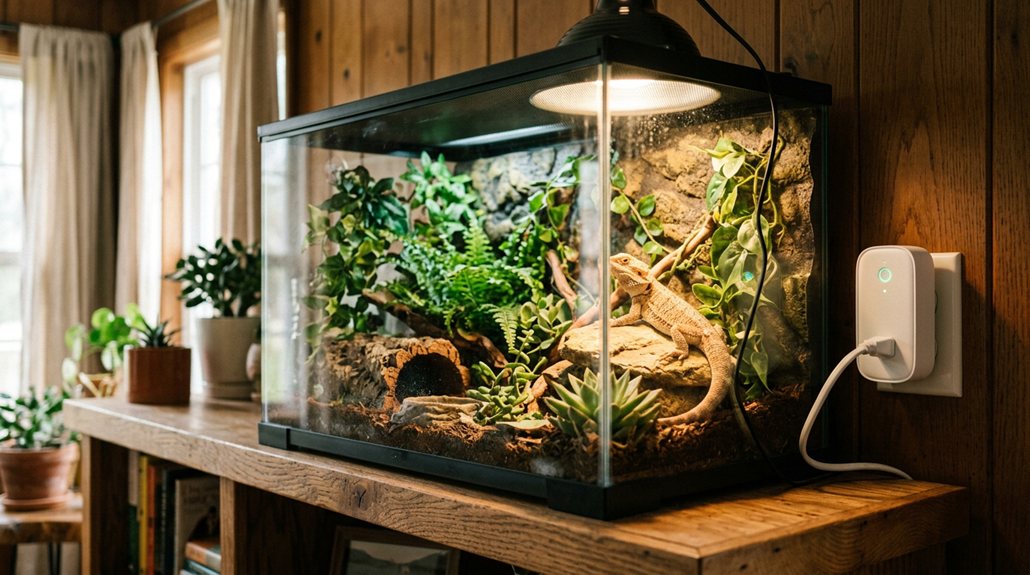
MAINTAINS HUMIDITY; Creates a micro-environment that supports proper shedding and is ideal for egg-laying

🦎 PERFECT HUMID HIDE FOR HEALTHY SHEDDING Designed to provide a secure, moisture-rich retreat that helps support proper shedding and hydration. Ideal for leopard geckos, African fat-tail geckos, desert geckos, hatchling snakes, and other reptiles needing a humid microclimate.

【Bearded Dragon Basking Platform】Place a reptile slate on the top of the reptile basking platform. During the day, it can be exposed to sunlight or under a solar lamp to absorb heat. At night, it will release the heat, providing a warm and comfortable environment for the lizards
Key Takeaways
- Soak your dragon in lukewarm water for 15-20 minutes to soften stuck shed naturally without causing stress or skin damage
- Never pull or peel stuck shed forcibly because the new skin underneath may not be ready, leading to wounds and infection risk
- Stuck shed on toes and tail tips is most dangerous as it can constrict blood flow and cause tissue death if left untreated for weeks
- Increase terrarium humidity to 35-40% during shedding using a humid hide, regular misting, or a shallow water dish
- Baby bearded dragons shed every 4-6 weeks and are more prone to stuck shed than adults who shed every 6-12 weeks
- Coconut oil can help loosen stubborn shed when applied sparingly after soaking, but avoid the eyes and nostrils
- See a vet if stuck shed persists beyond 2 weeks or if you notice swelling, discoloration, or behavioral changes
- Common mistakes include over-handling during sheds and using oils without soaking first, which can trap bacteria
What Causes Stuck Shed on Bearded Dragons
Stuck shed on bearded dragons happens when the old skin layer doesn’t separate cleanly from the new skin underneath, usually due to low humidity, dehydration, poor nutrition, or underlying health issues. The most common culprit is insufficient environmental moisture during the shedding cycle, which prevents the natural loosening process that allows skin to slip off easily.
Several factors contribute to problematic sheds:
- Low humidity levels below 30% in the terrarium, especially in dry climates or winter months when indoor heating reduces moisture
- Dehydration from inadequate water intake or lack of regular bathing opportunities
- Nutritional deficiencies, particularly calcium and vitamin A, which affect skin health and regeneration
- Parasites or infections that compromise skin integrity and the shedding process
- Inadequate rough surfaces in the enclosure that dragons use to rub against and remove loose skin
- Temperature issues where basking spots are too cool to trigger proper metabolic processes for shedding
Bearded dragons from arid Australian habitats naturally shed in patches rather than all at once like snakes, but they still need periodic humidity boosts during active shedding. A dragon kept in proper conditions with appropriate tank setup will typically shed without assistance, but even well-cared-for dragons occasionally need help with stubborn patches.
How to Tell If My Bearded Dragon Has Stuck Shed
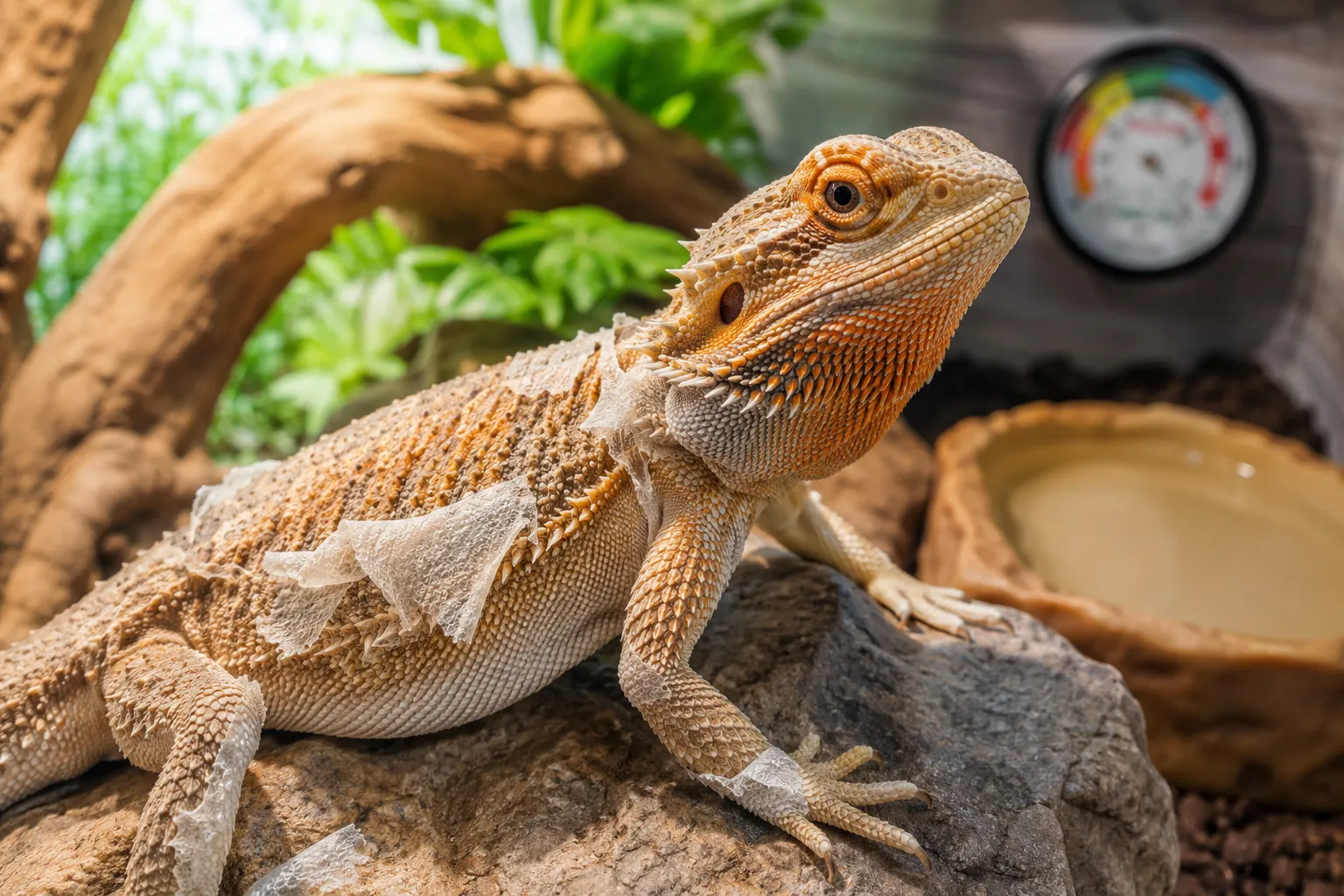
You can identify stuck shed by looking for patches of dull, grayish-white skin that remain on your dragon for more than a week after the rest of the shed has completed, particularly on the toes, tail tip, limbs, and around the eyes. Normal shedding causes temporary dullness and flaking that resolves within 3-7 days, while stuck shed persists and may begin to constrict or discolor the affected area.
Visual signs of stuck shed:
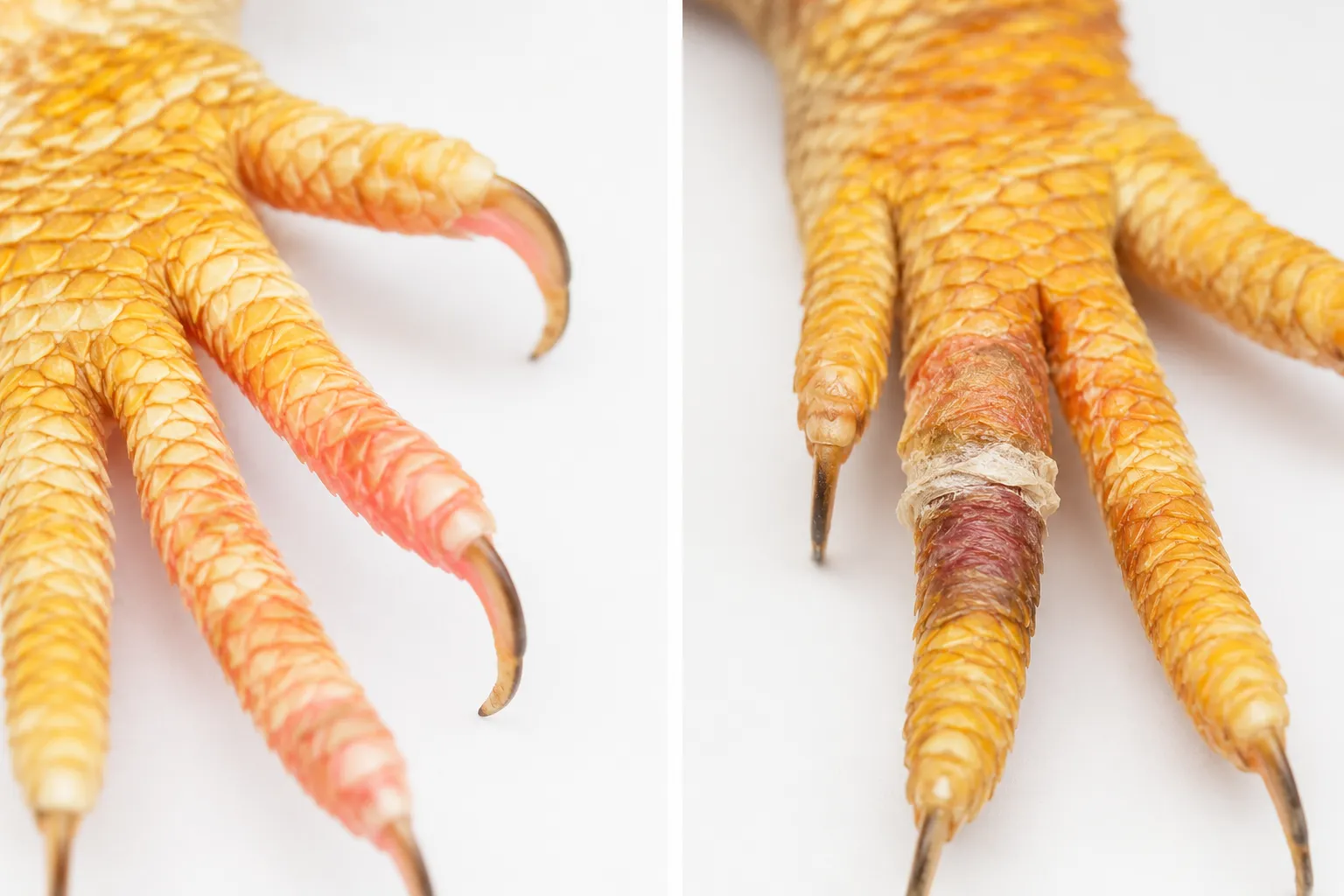
- Tight bands of old skin creating rings around toes, tail segments, or limbs
- Skin that appears dry, crusty, or darker than surrounding areas
- Patches that don’t loosen after a week despite the dragon rubbing against objects
- Swelling above or below a constricted area, indicating circulation problems
- Discoloration (gray, brown, or black) at the tips of toes or tail
Behavioral indicators:
- Excessive scratching or rubbing against tank decorations
- Reduced appetite during prolonged shedding periods
- Lethargy or reluctance to move if shed is tight and uncomfortable
- Avoiding use of affected limbs if toes are constricted
The key difference between normal shedding and stuck shed is duration and progression. If your dragon still has significant patches of loose skin after 10-14 days, or if you notice any constriction creating visible indentations, intervention is needed. Check toes carefully by gently examining each digit, as stuck shed here is most dangerous and easiest to miss.
Stuck Shed vs Normal Shedding in Bearded Dragons
Normal shedding in bearded dragons occurs in irregular patches over 3-7 days, with skin loosening naturally and falling off as the dragon moves and rubs against surfaces, while stuck shed persists beyond two weeks, appears tight or constricting, and doesn’t respond to the dragon’s natural removal behaviors. Healthy sheds may look dramatic with large flakes of skin hanging off, but these pieces come away easily without resistance.
Normal shedding characteristics:
- Skin becomes dull and grayish 2-3 days before shedding begins
- Patches loosen and peel away within a week
- Dragon actively rubs against rocks, branches, and tank walls
- Appetite may decrease slightly but returns quickly
- No discomfort or behavioral changes beyond mild restlessness
Stuck shed warning signs:
- Skin remains attached for 10+ days despite rubbing
- Tight bands that don’t loosen with normal activity
- Dragon shows signs of discomfort or avoids using affected areas
- Visible constriction creating indentations in the skin
- Darkening or discoloration of tissue beyond the stuck shed
Young bearded dragons shed more frequently and dramatically than adults, which can make first-time owners worry unnecessarily. A baby dragon shedding every 4-6 weeks with large patches hanging off is completely normal, as long as those patches come away within a week. The concern arises when skin stays put despite the dragon’s efforts to remove it.
How Often Do Bearded Dragons Shed and Need Help
Bearded dragons shed every 4-6 weeks as babies, every 6-8 weeks as juveniles, and every 8-12 weeks as adults, with frequency decreasing as growth slows. Most healthy dragons complete sheds independently, but approximately 10-20% of sheds may require minor assistance, particularly during seasonal humidity changes or if the dragon is recovering from illness.
Shedding frequency by age:
- Hatchlings (0-6 months): Every 3-6 weeks due to rapid growth
- Juveniles (6-12 months): Every 6-8 weeks as growth continues
- Sub-adults (12-18 months): Every 8-10 weeks with slowing growth
- Adults (18+ months): Every 8-12 weeks or longer, sometimes only 3-4 times yearly
The need for assistance doesn’t indicate poor care in most cases. Environmental factors like winter heating that dries indoor air, or a particularly large shed covering multiple body areas simultaneously, can create situations where even well-maintained dragons benefit from a helping hand. Dragons kept in optimal conditions with proper humidity and care typically need help less than once or twice per year.
Do Baby Bearded Dragons Get Stuck Shed More Than Adults
Baby bearded dragons experience stuck shed more frequently than adults because they shed 2-3 times more often due to rapid growth, and their smaller body parts (especially tiny toes) are more susceptible to constriction from even minor stuck patches. Juveniles under 12 months old account for the majority of stuck shed cases requiring intervention, though proper husbandry significantly reduces this risk.
The increased vulnerability in babies stems from several factors:
- Smaller surface area means even a small stuck patch can cover a larger percentage of a toe or tail tip
- Faster shedding cycles leave less time between sheds for the dragon to fully recover if nutrition or hydration is suboptimal
- Developing immune systems may be less efficient at fighting minor skin infections that complicate shedding
- Less experience with the shedding process means babies may not rub as effectively as adults
However, baby dragons also recover more quickly from stuck shed when addressed promptly. Their faster metabolism and growth rate mean that with proper intervention, they bounce back without long-term issues. Adult dragons shed less often but may develop more stubborn stuck shed when it occurs, particularly if they have underlying health conditions or have experienced repeated shedding problems that created scar tissue.
Best Way to Soak Bearded Dragon for Stuck Shed
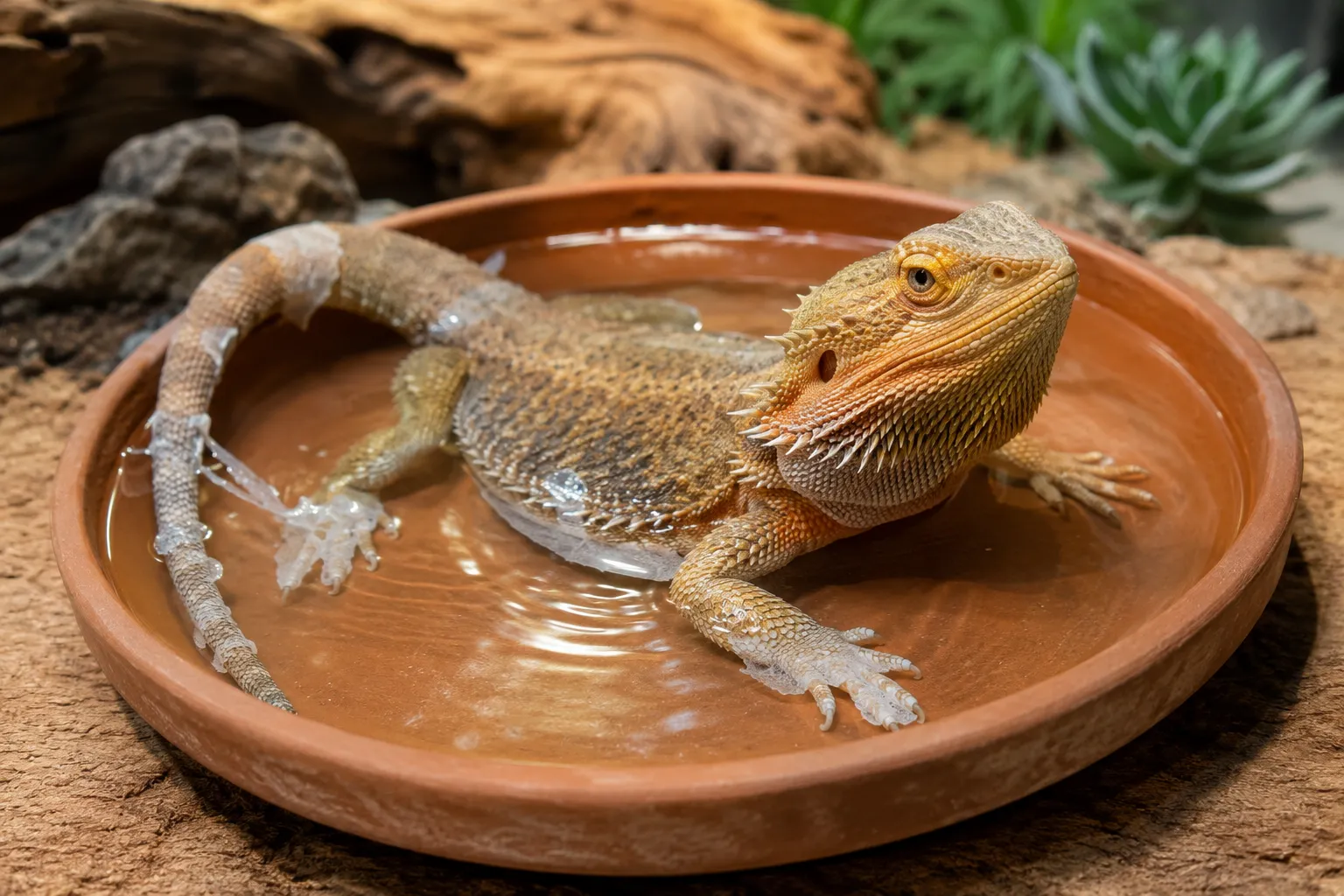
The best way to soak a bearded dragon for stuck shed is to place the dragon in a shallow container with lukewarm water (85-92°F) reaching just above the elbows and knees, allowing it to soak for 15-20 minutes while supervising constantly to prevent drowning. This method softens the stuck skin without causing stress or temperature shock, and the dragon will often drink during the soak, addressing potential dehydration that contributes to shedding problems.
Step-by-step soaking process:
- Prepare the water: Fill a clean plastic container or sink with lukewarm water (test with your elbow, it should feel neutral, not hot or cold)
- Check water depth: Water should reach the dragon’s elbows when standing, never covering the head or nostrils
- Place dragon gently: Lower your dragon into the water slowly to avoid startling it
- Supervise continuously: Never leave your dragon unattended in water, even for a moment
- Allow natural movement: Let the dragon move around and rub against the container sides
- Gently massage: After 10 minutes, you can softly rub affected areas with your fingertip (never pull)
- Remove and dry: After 15-20 minutes, lift the dragon out and pat dry with a soft towel
Frequency guidelines:
- Daily soaks during active stuck shed until resolved
- Every 2-3 days for mild stuck shed that’s improving
- Reduce to weekly maintenance baths once shed is complete
Some dragons enjoy soaking and will relax immediately, while others may be stressed by the process initially. If your dragon shows extreme stress (dark beard, frantic movements, gaping), keep the first few sessions shorter (5-10 minutes) and gradually increase duration as it becomes accustomed to bathing.
How Long Should I Soak My Bearded Dragon to Remove Stuck Shed
Soak your bearded dragon for 15-20 minutes per session to effectively soften stuck shed without causing stress or skin maceration. Sessions shorter than 10 minutes don’t provide enough time for water to penetrate and loosen the old skin, while soaks longer than 25 minutes can lead to excessive moisture that may promote bacterial growth or cause the dragon to become chilled.
The timing depends on severity:
- Mild stuck shed (small patches): 15 minutes once daily for 3-5 days
- Moderate stuck shed (multiple areas): 20 minutes once or twice daily for 5-7 days
- Severe stuck shed (constricting bands): 20 minutes twice daily, with veterinary consultation if no improvement after 3 days
You’ll know the soak is working when the stuck shed appears lighter in color, feels softer to gentle touch, and begins to lift at the edges. After soaking, the skin should look slightly swollen and more pliable. This is the ideal time to very gently encourage loosening by allowing your dragon to rub against a soft towel or your hand, but never pull or peel.
If you’re not seeing any improvement after 5-7 days of consistent soaking, the issue may be more than simple low humidity. Underlying health problems, severe dehydration, or infection may be preventing normal shedding, and veterinary intervention becomes necessary.
Can I Pull Off Stuck Shed From My Bearded Dragon
Never pull or peel stuck shed from your bearded dragon because the new skin underneath may not be fully formed, and forcibly removing the old layer can tear healthy tissue, cause bleeding, create infection risk, and leave painful wounds. What appears to be “just old skin” is often still partially attached to the developing skin layer below, and pulling can damage both layers.
Why pulling is dangerous:
- Incomplete separation: The shed may look ready but still be connected to living tissue
- Skin tears: Forcible removal can rip the new skin, creating open wounds
- Infection risk: Raw, exposed skin is vulnerable to bacterial and fungal infections
- Pain and stress: Pulling causes significant discomfort and can damage trust
- Scarring: Repeated forced removal can create scar tissue that makes future sheds more difficult
What to do instead:
- Soak the area to soften the shed naturally
- Provide rough surfaces (rocks, branches, reptile carpet) for the dragon to rub against
- Gently massage the area during soaks with your fingertip using circular motions
- Apply a small amount of coconut oil after soaking to further soften stubborn areas
- Wait for the shed to lift at the edges before any gentle assistance
The only exception is when stuck shed has been constricting a toe or tail tip for more than two weeks and is causing visible circulation problems (swelling, discoloration, tissue death). In these emergency situations, a veterinarian should remove the shed using proper tools and technique, not the owner.

HELP YOUR REPTILE SHED with a penetrating reptile bath; A simple 20 minute soak can help old skin slide off with ease


MULTIPURPOSE: Perfect feeding bowl for mini mealworms, standard mealworms, giant mealworms, and most fresh and dry foods.
How to Increase Humidity for Bearded Dragon Shedding
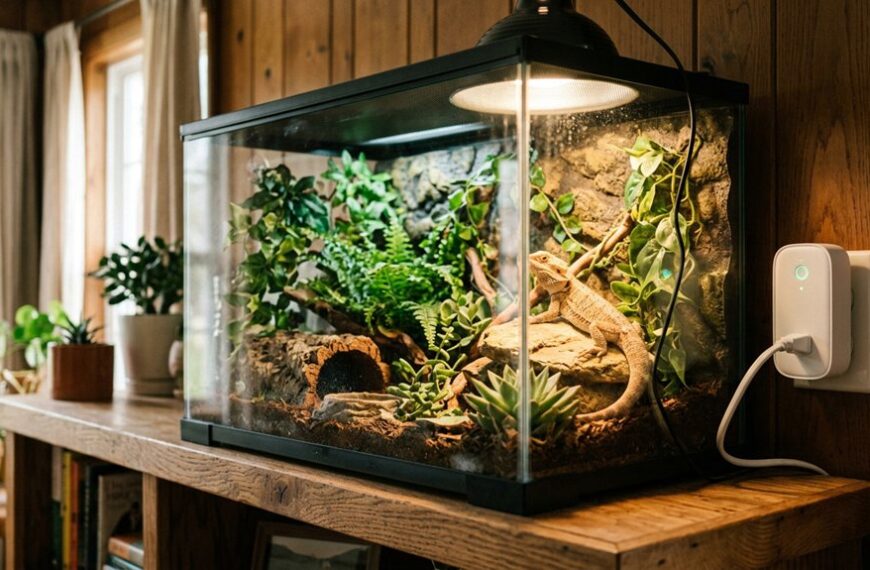
Increase humidity for bearded dragon shedding by adding a humid hide (a covered area with damp sphagnum moss), misting the enclosure 1-2 times daily, providing a larger water dish, and temporarily covering part of the screen top to retain moisture, targeting 35-40% humidity during active sheds while maintaining the normal 30-35% baseline. These adjustments provide localized moisture without creating the chronically high humidity that can cause respiratory issues.
Effective humidity-boosting methods:
- Humid hide: Place a plastic container with an entrance hole filled with damp (not wet) sphagnum moss in the cool end of the tank
- Daily misting: Spray the dragon and one side of the enclosure with lukewarm water once or twice daily during shedding
- Larger water dish: Upgrade to a bigger, shallow water dish that increases evaporation surface area
- Partial screen covering: Cover 1/3 to 1/2 of the screen top with damp towels or plastic to reduce moisture loss
- Substrate moisture: Lightly mist one corner of the substrate to create a moisture gradient
What NOT to do:
- Don’t raise humidity above 40% for extended periods, as this promotes respiratory infections
- Don’t mist the basking area or heat lamps directly
- Don’t use ultrasonic humidifiers that can create excessive moisture
- Don’t keep the entire enclosure damp, dragons need dry areas too
Monitor humidity with a digital hygrometer placed at mid-tank height. During normal (non-shedding) periods, bearded dragons thrive at 30-35% humidity, which mimics their native Australian environment. The temporary boost to 35-40% during sheds provides just enough extra moisture to facilitate the process without compromising respiratory health. Once the shed is complete, return to normal humidity levels.
Coconut Oil vs Olive Oil for Bearded Dragon Stuck Shed
Coconut oil is generally safer and more effective than olive oil for bearded dragon stuck shed because it has natural antimicrobial properties, absorbs more readily into reptile skin, and is less likely to cause digestive upset if the dragon licks it off. Both oils can help soften stubborn shed when used sparingly after soaking, but coconut oil’s lauric acid content provides additional protection against bacterial growth on compromised skin.
Coconut oil advantages:
- Natural antibacterial and antifungal properties
- Solid at room temperature, making application more controlled
- Less likely to cause digestive issues if ingested during grooming
- Absorbs well without leaving a heavy residue
- Pleasant smell that doesn’t stress the dragon
Olive oil considerations:
- Works effectively to soften shed but lacks antimicrobial benefits
- Liquid consistency can be messy and harder to apply precisely
- May cause mild digestive upset if significant amounts are ingested
- Can leave a greasy residue that attracts substrate particles
Proper application technique for either oil:
- Soak the dragon first to soften the shed as much as possible
- Pat the affected area dry with a soft towel
- Apply a tiny amount (rice-grain size) to your fingertip
- Gently massage the oil into the stuck shed area
- Allow 10-15 minutes for absorption
- Provide rough surfaces for the dragon to rub against
- Never apply oil to the face, eyes, or nostrils
Use oils as a last resort after several days of soaking haven’t resolved the issue. Most stuck shed responds to proper hydration and humidity alone. If you find yourself reaching for oil frequently, address the underlying environmental or health issues causing repeated stuck sheds rather than treating symptoms.
Stuck Shed on Bearded Dragon Toes and Tail Tip
Stuck shed on bearded dragon toes and tail tips is the most dangerous type because it can create constricting bands that cut off blood circulation, leading to tissue death, infection, and potential loss of the affected digit or tail segment if left untreated for more than 2-3 weeks. These areas are particularly vulnerable because they’re furthest from the body’s core, have the smallest circumference, and are often missed during casual observation.
Why toes and tail tips are high-risk:
- Constriction effect: Even a thin band of stuck shed can tighten like a tourniquet as it dries
- Poor circulation: These extremities already have limited blood flow compared to the body
- Small surface area: A minor stuck patch covers a larger percentage of the circumference
- Easy to overlook: Owners often don’t examine individual toes closely during routine checks
- Rapid progression: Circulation problems can develop within 7-10 days of constriction
Signs of circulation problems:
- Swelling above the stuck shed band
- Darkening or black discoloration of the toe or tail tip
- Toe or tail segment feels cool to the touch compared to the rest of the body
- Dragon avoids using the affected foot or shows limping
- Foul odor indicating tissue death (necrosis)
Immediate action steps:
- Soak the affected area in lukewarm water for 20 minutes twice daily
- After soaking, apply a small amount of coconut oil to the constricting band
- Very gently try to rotate the stuck shed (not pull) to see if it will slip off
- If the band doesn’t loosen after 2-3 days of treatment, schedule a vet visit immediately
- Never attempt to cut the shed yourself with scissors or tools
Veterinarians can safely remove constricting shed using specialized tools and techniques, sometimes under light sedation if the dragon is stressed. In severe cases where circulation has been cut off for too long, the affected toe or tail tip may need to be amputated to prevent infection from spreading. Early intervention prevents these worst-case scenarios, so check your dragon’s toes and tail carefully during every shed cycle.
What Happens If Stuck Shed Is Left on a Bearded Dragon
If stuck shed is left untreated on a bearded dragon, it can cause circulation constriction leading to tissue death, create entry points for bacterial and fungal infections, cause chronic discomfort and stress, and in severe cases result in the loss of toes, tail segments, or other affected body parts. The severity of consequences depends on the location and duration, with extremities being most vulnerable to permanent damage.
Progressive complications timeline:
Week 1-2: Mild discomfort, cosmetic concern, no permanent damage if addressed
Week 2-3: Constriction begins affecting circulation, swelling may appear, increased infection risk
Week 3-4: Tissue discoloration, possible necrosis beginning, pain and behavioral changes evident
Beyond 4 weeks: Tissue death, severe infection risk, potential for sepsis, likely loss of affected area
Specific complications by body area:
- Toes: Constriction cuts circulation, leading to blackened, dead toes that may fall off or require amputation
- Tail tip: Similar constriction issues, with the tail tip dying and potentially causing infection that travels up the tail
- Limbs: Tight bands can restrict movement and cause swelling, though full limb loss is rare
- Eyes: Stuck shed over the eyes (eye caps) can cause vision problems, eye infections, and corneal damage
- Body: Generally less dangerous but can harbor bacteria and cause skin infections
The good news is that most stuck shed complications are preventable with prompt intervention. Even moderately stubborn stuck shed that’s been present for 10-14 days typically resolves completely with proper treatment, leaving no lasting effects. The key is not letting it progress to the 3-4 week mark where permanent damage becomes likely.
When to Take Bearded Dragon to Vet for Stuck Shed
Take your bearded dragon to a veterinarian for stuck shed if home treatment (soaking and humidity adjustments) shows no improvement after 10-14 days, if you notice swelling or discoloration indicating circulation problems, if the stuck shed is constricting toes or tail tips, or if the dragon shows signs of infection such as oozing, foul odor, or behavioral changes like lethargy and appetite loss. Professional intervention prevents permanent damage and addresses underlying health issues that may be causing chronic shedding problems.
Immediate vet visit required:
- Black or dark purple discoloration of toes, tail tip, or other affected areas
- Visible swelling above or below a constricting band of stuck shed
- Foul smell coming from the stuck shed area
- Open wounds or bleeding where shed has torn skin
- Dragon showing signs of pain (reluctance to move, aggression when touched)
- Stuck shed over the eyes that won’t resolve with soaking
- Multiple failed sheds in a row indicating underlying health issues
Schedule a vet visit within a few days:
- Stuck shed persisting beyond two weeks despite daily soaking
- Recurring stuck shed problems with every shedding cycle
- Stuck shed accompanied by other symptoms (weight loss, lethargy, appetite changes)
- Uncertainty about whether the shed is actually stuck or if it’s a normal shed in progress
What the vet can do:
- Safely remove constricting shed using specialized tools
- Assess for underlying causes (parasites, metabolic bone disease, dehydration, organ dysfunction)
- Prescribe antibiotics if infection is present or likely
- Provide guidance on husbandry improvements to prevent future issues
- Perform necessary amputations if tissue death has occurred
Don’t feel embarrassed about seeking veterinary help for stuck shed. Reptile veterinarians see this issue regularly, and early professional intervention is always better than waiting until complications develop. The cost of a preventive vet visit is far less than treating advanced infections or dealing with permanent damage. If you’re unsure whether your dragon’s situation warrants a vet visit, err on the side of caution, especially with toe and tail constriction.
Common Mistakes When Helping Bearded Dragon With Stuck Shed
The most common mistakes when helping a bearded dragon with stuck shed include forcibly pulling or peeling the skin, using water that’s too hot or too cold during soaking, over-handling the dragon during the shedding process, applying oils without soaking first, and failing to address the underlying environmental issues causing repeated stuck sheds. These errors can worsen the problem, cause injury, or create chronic shedding difficulties.
Critical mistakes to avoid:
1. Pulling or peeling stuck shed
- Why it’s harmful: Tears healthy skin underneath, causes pain, creates infection risk
- What to do instead: Soak and wait for natural loosening, provide rough surfaces for rubbing
2. Using incorrect water temperature
- Why it’s harmful: Too hot causes burns and stress; too cold causes shock and doesn’t soften shed
- What to do instead: Use lukewarm water (85-92°F) that feels neutral to your elbow
3. Excessive handling during sheds
- Why it’s harmful: Increases stress, may damage loosening skin, disrupts natural shedding behavior
- What to do instead: Minimize handling to necessary care only, let the dragon shed in peace
4. Applying oils to dry shed
- Why it’s harmful: Traps bacteria, doesn’t penetrate effectively, wastes product
- What to do instead: Always soak first, pat dry, then apply minimal oil if needed
5. Ignoring humidity levels
- Why it’s harmful: Doesn’t address the root cause, leads to repeated stuck sheds
- What to do instead: Monitor and adjust enclosure humidity, especially during shedding periods
6. Using rough tools or abrasives
- Why it’s harmful: Can scratch or tear skin, cause injury, create infection entry points
- What to do instead: Use only soft cloths, your fingertips, or natural rough surfaces in the tank
7. Soaking too long or too frequently
- Why it’s harmful: Can cause skin maceration, stress, temperature regulation issues
- What to do instead: Stick to 15-20 minute sessions, once or twice daily maximum
8. Not checking toes and tail carefully
- Why it’s harmful: Misses the most dangerous stuck shed locations until damage occurs
- What to do instead: Examine each toe and the tail tip closely during every shed
Many of these mistakes come from good intentions, owners want to help their dragons quickly and may be too aggressive in their approach. Remember that shedding is a natural process that takes time. Your role is to support the process through proper humidity and gentle assistance, not to force it to happen faster than the dragon’s body is ready for. If you’re consistently making these mistakes or finding that your dragon needs extensive help with every shed, consult with a reptile veterinarian about potential underlying health or husbandry issues.
Conclusion
Learning how to help a bearded dragon with stuck shed is an essential skill for any dragon owner, but the goal should always be prevention through proper husbandry rather than frequent intervention. Most stuck shed resolves naturally with increased humidity, regular soaking sessions of 15-20 minutes, and patience to let the process unfold at the dragon’s pace. The key is recognizing when stuck shed crosses from a minor inconvenience to a serious health threat, particularly when it constricts toes or tail tips.
Your action plan:
- Monitor every shed by checking your dragon’s toes, tail, and body regularly during shedding cycles
- Maintain proper baseline humidity of 30-35% in your bearded dragon’s enclosure, increasing to 35-40% during active sheds
- Intervene early with daily soaking at the first sign of stuck shed persisting beyond a week
- Never pull or peel stuck skin, always soften it first and let it release naturally
- Seek veterinary help if stuck shed doesn’t improve after two weeks or shows signs of circulation problems
- Address root causes by evaluating your dragon’s diet, hydration, and environmental conditions if stuck shed becomes a recurring issue
Remember that occasional stuck shed happens even with excellent care, especially during seasonal humidity changes or growth spurts in young dragons. What matters most is your response: prompt, gentle intervention using proper techniques, and knowing when professional help is needed. By following the methods outlined in this guide, you’ll help your bearded dragon through challenging sheds while maintaining the trust and comfort that makes your relationship with your scaly companion so rewarding.
For more guidance on keeping your bearded dragon healthy and happy, explore our resources on bearded dragon care and common behavioral concerns.
Frequently Asked Questions
How long does it take for stuck shed to come off with soaking?
Most stuck shed loosens and comes off within 3-7 days of daily 15-20 minute soaking sessions. Mild cases may resolve in 2-3 days, while stubborn patches on toes or tail tips may take up to two weeks. If there’s no improvement after 10-14 days of consistent treatment, veterinary intervention is needed.
Can I use a toothbrush to help remove stuck shed?
Soft-bristled toothbrushes can be used very gently during soaking to massage stuck shed areas, but never scrub or apply pressure. The bristles should barely touch the skin, using circular motions to encourage loosening. If the shed doesn’t respond to gentle brushing, don’t increase pressure, soak longer instead.
Is it normal for bearded dragons to eat their shed?
Yes, it’s completely normal and healthy for bearded dragons to eat their shed skin. The shed contains nutrients and minerals that the dragon recycles. This behavior is instinctive and doesn’t indicate any health problems or nutritional deficiencies.
How do I know if my bearded dragon is dehydrated and that’s causing stuck shed?
Signs of dehydration include sunken eyes, wrinkled skin that doesn’t bounce back when gently pinched, lethargy, and infrequent urination. Dehydrated dragons often have repeated stuck shed problems. Offer regular baths, ensure fresh water is always available, and consider increasing moisture-rich foods like cucumber in their diet.
Can stuck shed cause my bearded dragon to lose a toe?
Yes, if stuck shed constricts a toe for more than 2-3 weeks, it can cut off blood circulation completely, causing the toe to die and eventually fall off. This is preventable with prompt treatment. Check toes carefully during every shed and seek veterinary help immediately if you notice swelling or discoloration.
Should I increase my bearded dragon’s basking temperature during shedding?
No, maintain normal basking temperatures of 95-105°F during shedding. Higher temperatures don’t help the shedding process and can cause stress or dehydration. Instead, focus on increasing humidity and providing adequate hydration through soaking and misting.
Why does my bearded dragon have stuck shed every time it sheds?
Chronic stuck shed indicates underlying issues such as consistently low humidity, chronic dehydration, poor nutrition (especially vitamin A or calcium deficiency), parasites, or metabolic disorders. A veterinary exam with bloodwork can identify the root cause and guide treatment to prevent future problems.
Can I use a humidifier in the room to help with stuck shed?
Room humidifiers can help slightly but aren’t as effective as localized humidity solutions like humid hides or partial screen covering. Bearded dragons need humidity gradients in their enclosure, not uniformly high humidity throughout, which can cause respiratory issues. Focus on creating moisture options within the tank.
Is stuck shed more common in winter?
Yes, stuck shed is significantly more common during winter months when indoor heating reduces ambient humidity. Many owners notice increased shedding problems from November through March. Combat this by being more proactive with misting, providing humid hides, and offering more frequent baths during winter.
What’s the difference between stuck shed and retained eye caps?
Retained eye caps are a specific type of stuck shed where the thin layer of skin covering the eyes doesn’t come off during shedding. This appears as a cloudy or opaque film over one or both eyes and can impair vision. It requires the same treatment as other stuck shed but may need veterinary removal if it doesn’t resolve with soaking.
Can I prevent stuck shed completely?
While you can’t prevent stuck shed 100% of the time, maintaining proper humidity (30-35% baseline, 35-40% during sheds), ensuring adequate hydration, providing a nutritious diet, and offering rough surfaces for rubbing reduces stuck shed incidents by approximately 90%. Even well-cared-for dragons may occasionally need minor assistance.
Should I be worried if my bearded dragon’s shed is taking a long time?
Bearded dragons shed in patches over 3-10 days, which is normal. Concern arises when specific patches remain stuck beyond two weeks, not when the overall shedding process takes longer than expected. As long as the shed is progressing and pieces are coming off, extended shedding duration alone isn’t worrisome.

🌈 【Bearded Dragon Bathtub with Two Size Options】: This set offers two bathtub and towel size options to fit different bearded dragon sizes. The Large bathtub is suitable for adult bearded dragons, while the Medium bathtub works well for juveniles and smaller reptiles.

【Deluxe 6-Piece bearded dragon pool Set】: Treat your pet to a relaxing spa experience with our comprehensive bathing kit! This set includes a foldable bearded dragon bathtub, a quiet water pump, a soft bath brush, an absorbent towel, a spray bottle, and plastic tweezers. It serves as an excellent all-in-one bath for bearded dragon, providing what you need for bathing, drying, grooming, and shedding care in one convenient package.
🌈 【Bearded Dragon Bathtub with Two Size Options】: This set offers two bathtub and towel size options to fit different bearded dragon sizes. The Large bathtub is suitable for adult bearded dragons, while the Medium bathtub works well for juveniles and smaller reptiles.