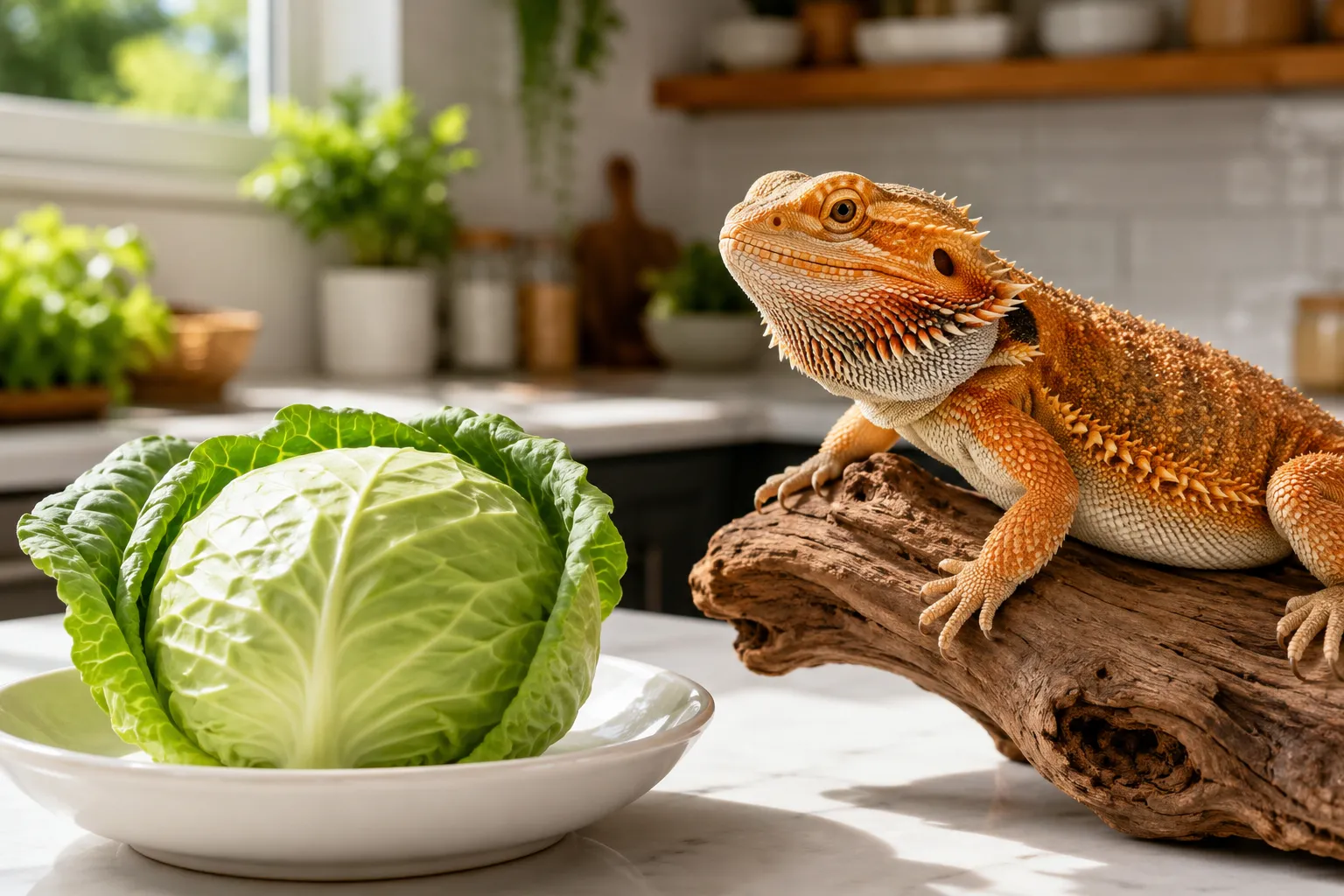
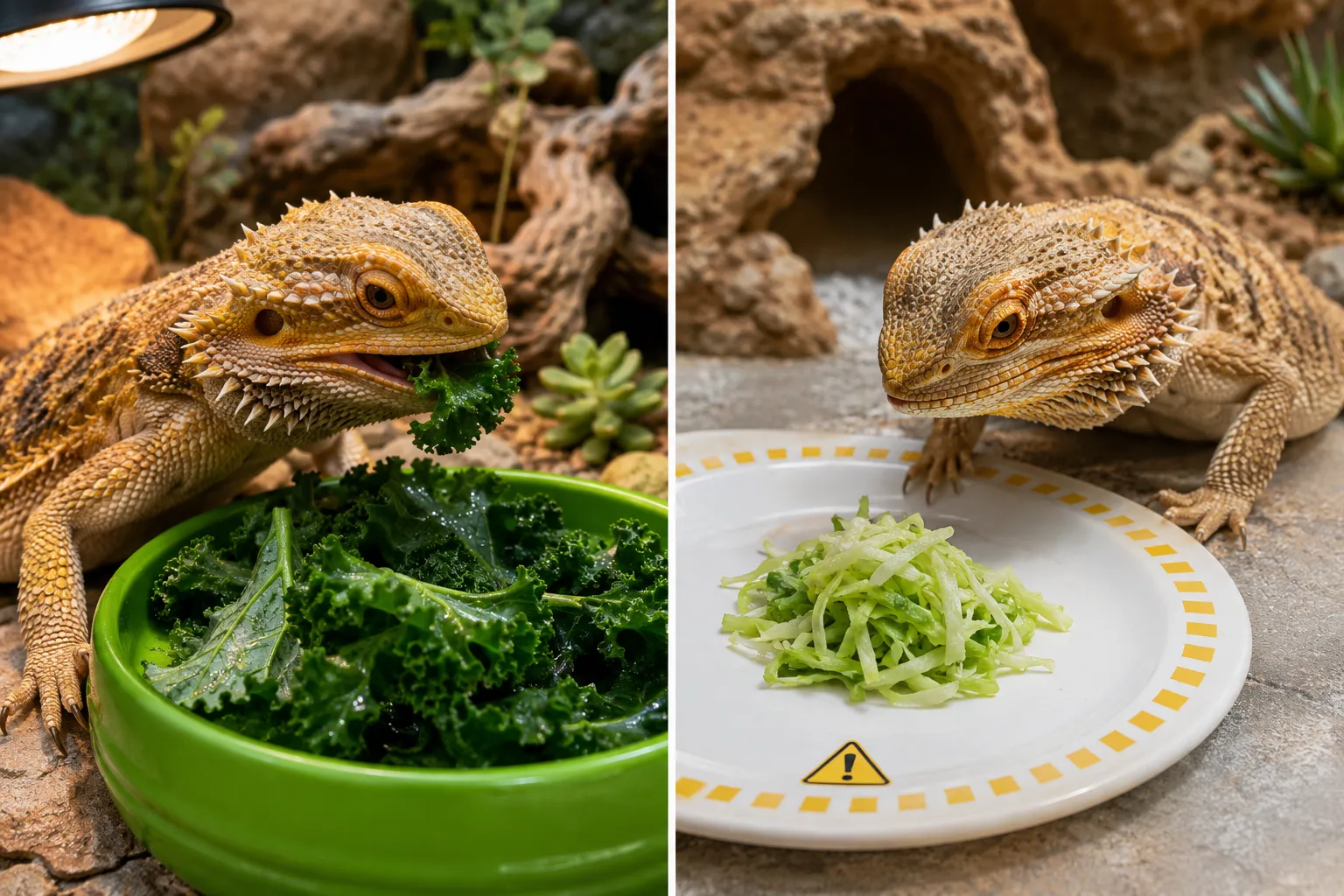
Quick Answer: Yes, bearded dragons can eat cabbage, but only occasionally and in very small amounts. Cabbage contains goitrogens that can interfere with thyroid function and has a poor calcium-to-phosphorus ratio that can lead to metabolic bone disease if fed regularly. Offer cabbage as a rare treat (once or twice per month at most) rather than a staple green, and always prioritize nutrient-dense options like collard greens, mustard greens, or turnip greens instead.
Key Takeaways
- Cabbage is safe for bearded dragons in small, infrequent amounts but should never be a dietary staple
- All cabbage varieties (green, red, purple, savoy) contain goitrogens that can disrupt thyroid function when fed regularly
- The calcium-to-phosphorus ratio in cabbage is poor (approximately 2:1), which can contribute to metabolic bone disease over time
- Limit cabbage to once or twice monthly, making up no more than 5-10% of the vegetable portion in that meal
- Baby bearded dragons should avoid cabbage entirely due to their critical growth phase and higher nutritional demands
- Superior alternatives include collard greens, mustard greens, turnip greens, dandelion greens, and butternut squash
- Never feed cooked cabbage, as cooking destroys nutrients and changes texture in ways that may cause digestive issues
- Signs of too much cabbage include lethargy, swollen throat area, loss of appetite, and digestive upset

Vitamin Enriched Formula That Provides Essential Proteins, Fats, Vitamins And Minerals

All Natural: 100% all-natural and preservative-free

Reptile Toy Set: Includes 1 vegetable feeding ball, 1 bone-shaped rolling feeder, 1 feeding bell ball, 1 large suction cup, and a generously long chain. Designed specifically for bearded dragons, hamsters, parrots, and other small reptiles and pets, it serves as an ideal matching accessory.
Is Cabbage Safe for Bearded Dragons to Eat?
Cabbage is technically safe for bearded dragons when offered sparingly, but it comes with significant nutritional drawbacks that make it a poor choice for regular feeding. The primary concerns are goitrogens (compounds that interfere with iodine absorption and thyroid function) and an unfavorable calcium-to-phosphorus ratio.
Why cabbage isn’t ideal:
- Goitrogen content: These naturally occurring compounds can suppress thyroid function when consumed regularly, leading to hypothyroidism symptoms like lethargy and weight gain
- Poor calcium ratio: Bearded dragons need foods with a calcium-to-phosphorus ratio of at least 2:1 (ideally higher). Cabbage sits around 2:1, which is barely acceptable
- Low overall nutrition: Compared to other leafy greens, cabbage provides minimal vitamin A, vitamin K, and other essential nutrients bearded dragons need
- High water content: While hydration is good, cabbage is mostly water with little nutritional density
When cabbage is acceptable: If your bearded dragon accidentally eats a small piece of cabbage or you offer a tiny amount once a month as variety, it won’t cause immediate harm. The key is keeping it rare and minimal.
How Often Can Bearded Dragons Eat Cabbage?
Bearded dragons should eat cabbage no more than once or twice per month, and even then only in very small quantities. This infrequent schedule prevents the accumulation of goitrogens in their system and ensures their calcium-to-phosphorus intake remains balanced across their overall diet.
Feeding frequency guidelines:
- Maximum frequency: Once every 2-4 weeks
- Portion size: 1-2 small shredded pieces mixed with other greens
- Never as a staple: Cabbage should never make up more than 5-10% of the vegetable portion in any single meal
- Rotation strategy: Use cabbage only when rotating through a wide variety of vegetables, not as a regular part of the weekly menu
Better feeding schedule: Instead of planning cabbage into your dragon’s diet, focus on daily staples like collard greens, mustard greens, and turnip greens. Reserve cabbage for the rare occasion when you want to add novelty or when other greens aren’t available.
What Types of Cabbage Can Bearded Dragons Have?
All common cabbage varieties share similar nutritional profiles and limitations, meaning none are significantly better or worse for bearded dragons. Green cabbage, red cabbage, purple cabbage, savoy cabbage, and napa cabbage all contain goitrogens and have suboptimal calcium ratios.
Cabbage variety breakdown:
| Cabbage Type | Safety Level | Notes |
|---|---|---|
| Green cabbage | Occasional only | Most common variety; standard goitrogen content |
| Red/Purple cabbage | Occasional only | Slightly higher antioxidants but same goitrogen concerns |
| Savoy cabbage | Occasional only | Softer texture but nutritionally similar |
| Napa cabbage | Occasional only | Milder flavor but same feeding restrictions apply |
| Bok choy | Slightly better | Lower goitrogen content; can be offered more frequently (but still not daily) |
Important distinction: While bok choy is technically a type of Chinese cabbage, it has a somewhat better nutritional profile than traditional cabbage varieties and can be offered slightly more often (once per week). However, it still shouldn’t be a daily staple.
Preparation tip: Whichever variety you choose, always serve it raw, finely shredded, and mixed with more nutritious greens. Never offer a meal that’s primarily cabbage.
Can Baby Bearded Dragons Eat Cabbage?
Baby bearded dragons should not eat cabbage at all. Juveniles (under 12 months old) are in a critical growth phase that demands optimal nutrition, particularly high calcium intake to support rapid bone development. Cabbage’s poor nutritional profile and goitrogen content make it unsuitable for growing dragons.
Why babies need better options:
- Rapid growth demands: Baby bearded dragons grow incredibly fast and need calcium-rich foods at every meal to prevent metabolic bone disease
- Higher protein needs: Juveniles should eat 70-80% insects and only 20-30% vegetables, and those vegetables must be nutrient-dense
- Developing systems: Their thyroid and digestive systems are still maturing and more vulnerable to dietary imbalances
- No room for empty calories: Every bite matters during the growth phase, so low-nutrition foods like cabbage waste valuable feeding opportunities
What to feed instead: Focus on calcium-rich, nutrient-dense greens like collard greens, turnip greens, mustard greens, and dandelion greens. Dust insects with calcium powder at every feeding and offer vegetables daily.
Age guideline: Wait until your bearded dragon is at least 12-18 months old before introducing cabbage, and even then keep it minimal.
Cabbage vs Kale for Bearded Dragons: Which Is Better?
Kale is moderately better than cabbage for bearded dragons, but neither should be a dietary staple. Kale offers more vitamins and minerals than cabbage but also contains oxalates that can bind calcium and prevent absorption. The best approach is to offer kale occasionally (once or twice per week) and cabbage rarely (once or twice per month), while making collard greens, mustard greens, or turnip greens the daily foundation.
Head-to-head comparison:
Kale advantages:
- Higher vitamin A content (essential for eye health and immune function)
- More vitamin K (supports blood clotting and bone health)
- Better overall nutrient density
- Can be fed more frequently than cabbage (but still not daily)
Kale drawbacks:
- Contains oxalates that bind calcium
- Can contribute to kidney stones if overfed
- Still not ideal as a staple green
Cabbage drawbacks:
- Lower overall nutrition
- Higher goitrogen content
- Poor calcium-to-phosphorus ratio
- Should be fed less frequently than kale
The winner: If you must choose between the two, kale is the better option for occasional feeding. However, both should be secondary to superior greens like collard greens, which have excellent calcium content, low oxalates, and no significant goitrogens.
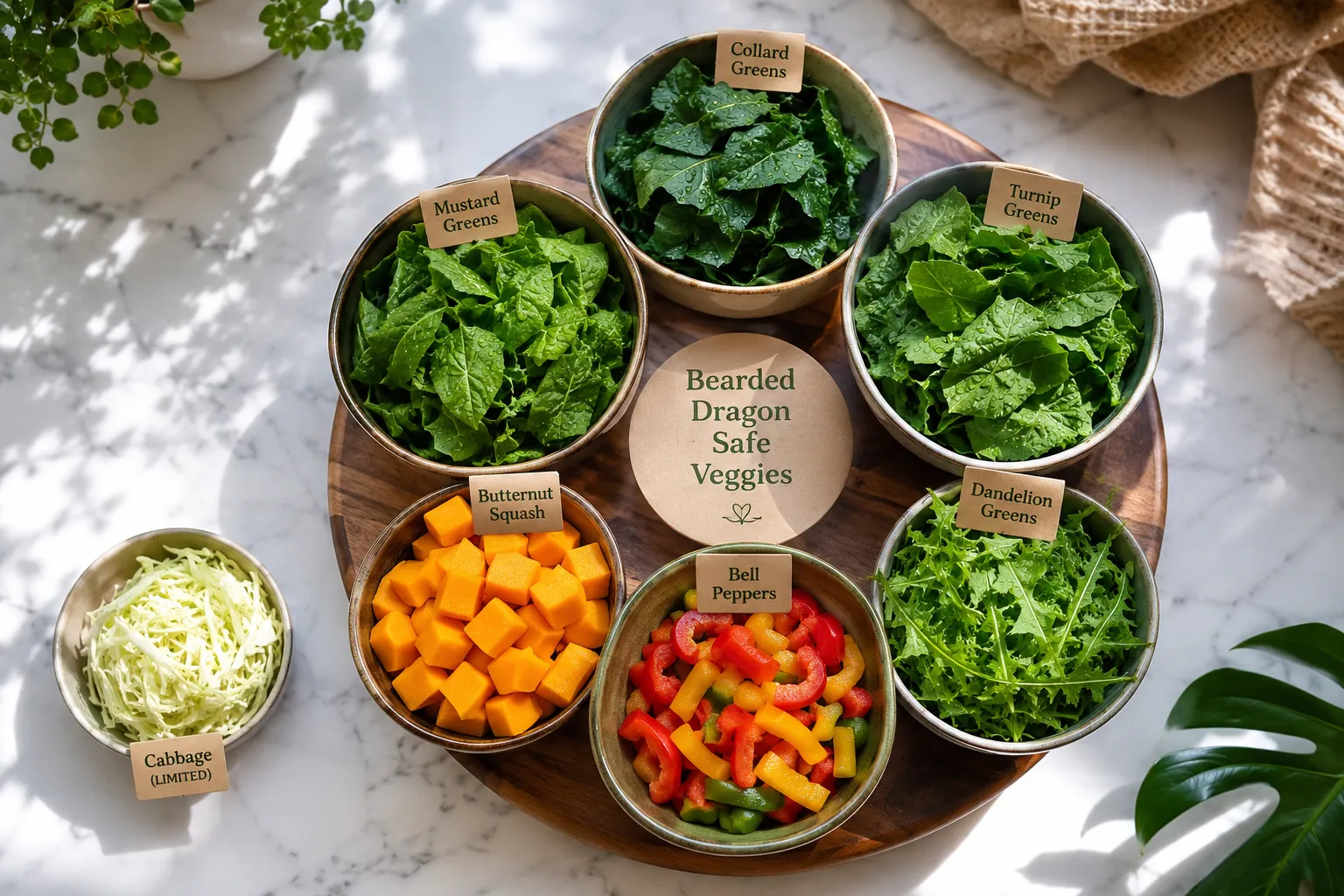
What Vegetables Are Better Than Cabbage for Bearded Dragons?
Dozens of vegetables outperform cabbage nutritionally for bearded dragons. The best options have high calcium content, favorable calcium-to-phosphorus ratios (ideally 2:1 or higher), low oxalates, and no goitrogens.
Top-tier daily staples:
- Collard greens: Excellent calcium-to-phosphorus ratio (14:1), low oxalates, high vitamin A
- Mustard greens: Great calcium content (2.4:1 ratio), nutrient-dense, readily available
- Turnip greens: High calcium (4.5:1 ratio), good vitamin content, affordable
- Dandelion greens: Outstanding calcium (2.8:1 ratio), high vitamins A and K, can be foraged (if pesticide-free)
Excellent weekly additions:
- Butternut squash: High vitamin A, good fiber, appealing orange color
- Bell peppers (red, yellow, orange): High vitamin C, colorful, low oxalates
- Endive: Good calcium, low oxalates, adds variety
- Escarole: Similar benefits to endive with slightly different texture
Occasional treats (1-2 times per week):
- Kale: Moderate oxalates but good vitamins
- Bok choy: Lower goitrogens than regular cabbage
- Carrots (shredded): High vitamin A but also high in sugar
- Green beans: Good fiber but lower calcium
Choose this if: You want a simple feeding strategy. Make collard greens, mustard greens, or turnip greens 70-80% of your dragon’s vegetable intake, rotate in weekly additions for variety, and skip cabbage entirely.
Why Is Cabbage Bad for Bearded Dragons?
Cabbage isn’t toxic or immediately dangerous, but it’s “bad” for bearded dragons because regular consumption can lead to serious health problems over time. The two main concerns are thyroid disruption from goitrogens and calcium deficiency from poor mineral ratios.
Goitrogen impact:
Goitrogens interfere with the thyroid gland’s ability to absorb iodine, which is essential for producing thyroid hormones. When bearded dragons consume goitrogen-rich foods regularly, they may develop hypothyroidism symptoms including:
- Lethargy and reduced activity levels
- Weight gain despite normal eating
- Swelling around the throat area (goiter)
- Reduced appetite over time
- Slowed metabolism and digestion
Calcium-phosphorus imbalance:
Bearded dragons need significantly more calcium than phosphorus in their diet. When they consume foods with poor ratios (like cabbage’s 2:1), their bodies pull calcium from their bones to maintain blood calcium levels. Over months, this leads to metabolic bone disease (MBD), characterized by:
- Soft, rubbery jaw and bones
- Swollen or deformed limbs
- Tremors and muscle twitching
- Difficulty walking or paralysis in severe cases
- Bone fractures from normal activity
Common mistake: Many new bearded dragon owners assume “vegetables are vegetables” and feed whatever greens are convenient or inexpensive. This approach can inadvertently create nutritional deficiencies that take months to become visible but years to fully reverse.
Can Bearded Dragons Eat Red Cabbage or Purple Cabbage?
Yes, bearded dragons can eat red cabbage and purple cabbage under the same strict limitations as green cabbage: rarely, in tiny amounts, and never as a staple. Red and purple cabbage varieties contain the same goitrogens and have similar calcium-to-phosphorus ratios as green cabbage, making them equally unsuitable for regular feeding.
Red/purple cabbage specifics:
- Anthocyanins: The purple pigment comes from antioxidant compounds called anthocyanins, which offer some health benefits but don’t outweigh the goitrogen concerns
- Slightly higher antioxidants: Red cabbage has marginally more antioxidants than green cabbage, but the difference is negligible for bearded dragons
- Same feeding rules: Limit to once or twice per month maximum, in very small shredded portions
- No special advantages: The color difference doesn’t make red cabbage nutritionally superior enough to feed more frequently
Practical tip: If you’re already limiting cabbage to rare occasions, there’s no need to specifically seek out red cabbage. Green cabbage works the same way, and your effort is better spent sourcing superior greens like collard or mustard greens.

ESSENTIAL NUTRITION: Elevate your bearded dragon's health with our SALAD TOPPER. Packed with premium ingredients like Alfalfa Leaf Powder, Dandelion, and Calcium Carbonate, it provides essential nutrients for optimal health and well-being
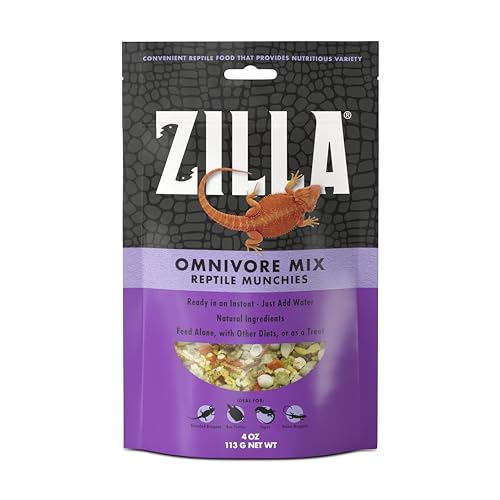
NUTRITIOUS AND HIGH IN PROTEIN food for omnivorous reptiles; An appetizing way to introduce additional nutrients to your reptile’s diet; Mix with calcium and vitamin supplements for extra nutrition

Easy Spray, Rinse, and Serve Routine: Spray onto produce, allow it to sit briefly, rinse, then add to your reptile’s bowl.
How Much Cabbage Should I Feed My Bearded Dragon?
When you do offer cabbage (which should be rare), limit the portion to 1-2 small shredded pieces mixed thoroughly with other, more nutritious greens. Cabbage should never exceed 5-10% of the total vegetable portion in any single meal.
Portion guidelines by dragon size:
- Adult bearded dragons (18+ months): 1-2 pieces of finely shredded cabbage (roughly the size of your thumbnail) mixed into a salad bowl of primarily collard or mustard greens
- Juvenile bearded dragons (12-18 months): Half the adult portion if you offer it at all (though it’s better to wait until full adulthood)
- Baby bearded dragons (under 12 months): None
Preparation method:
- Wash the cabbage thoroughly to remove any pesticides
- Remove the tough core and outer leaves
- Shred into very small, thin pieces (bearded dragons can’t chew well)
- Mix with 90-95% superior greens like collard or mustard greens
- Ensure the cabbage pieces are small enough to prevent choking
Visual guide: If you’re looking at your dragon’s salad bowl and can clearly see cabbage as a dominant ingredient, you’ve added too much. It should be barely noticeable among the other greens.
What Happens If My Bearded Dragon Eats Too Much Cabbage?
If your bearded dragon eats too much cabbage in a single meal, you’ll likely see digestive upset within 12-24 hours, including watery stools or mild diarrhea. If cabbage becomes a regular part of their diet over weeks or months, more serious problems like thyroid dysfunction and metabolic bone disease can develop.
Short-term effects (single large serving):
- Watery or loose stools
- Mild bloating or gas
- Temporary loss of appetite
- Increased water intake
Long-term effects (regular feeding over weeks/months):
- Hypothyroidism symptoms: Lethargy, weight gain, swollen throat area, reduced activity
- Metabolic bone disease: Soft bones, tremors, difficulty walking, deformed limbs
- Nutritional deficiencies: Poor vitamin A intake leading to eye problems and weakened immune system
- Reduced growth (in juveniles): Stunted development and failure to reach normal adult size
What to do if your dragon ate too much cabbage:
- Single incident: Monitor for digestive upset and ensure they have access to fresh water. Resume normal feeding with proper greens the next day
- Regular feeding: Immediately switch to appropriate staple greens (collard, mustard, turnip) and schedule a vet visit to assess for thyroid or bone issues
- Watch for symptoms: If you notice lethargy, swelling, tremors, or difficulty moving, see a reptile veterinarian promptly
Recovery timeline: Digestive upset from a single large serving typically resolves within 24-48 hours. Thyroid and bone issues from chronic overfeeding may take months of proper nutrition and veterinary care to improve.
Can Bearded Dragons Eat Cooked Cabbage or Only Raw?
Bearded dragons should only eat raw cabbage, never cooked. Cooking destroys many of the already-limited nutrients in cabbage, changes the texture in ways that may cause digestive problems, and can introduce oils, seasonings, or other ingredients that are harmful to reptiles.
Why cooked cabbage is problematic:
- Nutrient destruction: Heat breaks down vitamins (especially vitamin C and some B vitamins) that are already low in cabbage
- Texture changes: Cooked cabbage becomes softer and mushier, which can stick to the roof of a bearded dragon’s mouth or cause choking
- Added ingredients: Most cooked cabbage contains butter, oil, salt, or seasonings that are toxic to bearded dragons
- Digestive issues: Bearded dragons’ digestive systems are adapted for raw plant matter; cooked vegetables can ferment differently in their gut
Preparation rule: All vegetables for bearded dragons should be served raw, fresh, and thoroughly washed. The only exception is hard vegetables like butternut squash, which can be lightly steamed to soften (but never with added ingredients).
Common mistake: Some owners think cooking makes vegetables “easier to digest” for reptiles. This is incorrect. Bearded dragons have evolved to process raw plant material, and cooking actually makes vegetables less appropriate for their digestive system.
Does Cabbage Cause Impaction in Bearded Dragons?
Cabbage itself doesn’t typically cause impaction (intestinal blockage) in bearded dragons, but feeding large, improperly prepared pieces can contribute to digestive problems. The bigger concern with cabbage is nutritional deficiency and thyroid issues rather than physical blockage.
Impaction risk factors:
Impaction occurs when indigestible material blocks the intestinal tract. Common causes include:
- Loose substrate: Sand, walnut shell, or other particulate bedding that dragons accidentally ingest
- Oversized food: Insects or vegetable pieces larger than the space between the dragon’s eyes
- Dehydration: Insufficient water intake makes it harder to pass food
- Low temperatures: Inadequate basking temperatures (should be 95-105°F) slow digestion
- Excessive hard vegetables: Overfeeding tough, fibrous foods without proper hydration
Cabbage-specific concerns:
While cabbage won’t cause impaction in the same way substrate or oversized insects might, feeding large or improperly shredded pieces can create digestive slowdown, especially if:
- The pieces are too large (bigger than the space between the dragon’s eyes)
- The dragon is already dehydrated
- Basking temperatures are too low for proper digestion
- The cabbage makes up too much of the meal, displacing more digestible greens
Prevention: Shred cabbage into very small, thin pieces and always mix it with softer, more digestible greens. Ensure your dragon has proper basking temperatures, access to fresh water, and appropriate substrate (tile, reptile carpet, or paper towels, never loose sand).
What Foods Should Bearded Dragons Never Eat?
Several foods are toxic or dangerous to bearded dragons and should never be offered under any circumstances. These include avocado, rhubarb, onions, garlic, and any insects caught in the wild that may have been exposed to pesticides.
Toxic foods (never feed):
- Avocado: Contains persin, which is toxic to many reptiles and can cause heart damage
- Rhubarb: High in oxalic acid, which binds calcium and can cause kidney failure
- Onions and garlic: Contain compounds that damage red blood cells and cause anemia
- Chives and leeks: Same family as onions; equally toxic
- Mushrooms: Many varieties are toxic; not worth the risk
Dangerous foods (high risk):
- Spinach: Extremely high oxalates that bind calcium; can cause metabolic bone disease
- Beet greens: Very high oxalates, similar concerns to spinach
- Lettuce (iceberg): No nutritional value and can cause diarrhea
- Fireflies/lightning bugs: Contain lucibufagins that are highly toxic and often fatal
- Wild-caught insects: May carry pesticides, parasites, or diseases
Problematic foods (avoid or strictly limit):
- Citrus fruits: Too acidic; can cause digestive upset
- High-sugar fruits: Grapes, bananas, and melons should be rare treats only (once or twice per month)
- Tomatoes: Acidic and low in calcium; offer sparingly if at all
- Broccoli: Contains goitrogens like cabbage; limit to rare occasions
Safe feeding principle: When in doubt, leave it out. Stick to well-researched, reptile-safe foods and consult a reptile veterinarian before introducing anything unusual to your dragon’s diet.
Frequently Asked Questions
Can bearded dragons eat cabbage every day?
No, bearded dragons should never eat cabbage every day. Daily cabbage consumption can lead to thyroid problems from goitrogen accumulation and metabolic bone disease from poor calcium-to-phosphorus ratios. Limit cabbage to once or twice per month at most.
Is cabbage or lettuce better for bearded dragons?
Neither is good, but cabbage is slightly better than iceberg lettuce. Iceberg lettuce has almost no nutritional value and causes diarrhea, while cabbage at least contains some nutrients despite its goitrogen content. However, both should be avoided in favor of collard greens, mustard greens, or turnip greens.
Can bearded dragons eat cabbage leaves or just the core?
Bearded dragons can eat the leaves but should avoid the tough core. The core is difficult to digest and offers even less nutrition than the leaves. Always remove the core and shred only the softer leaf portions into very small pieces.
What are the best greens for bearded dragons?
The best greens are collard greens, mustard greens, turnip greens, and dandelion greens. These offer excellent calcium-to-phosphorus ratios (2:1 or higher), low oxalates, no goitrogens, and high vitamin content. They should form 70-80% of your dragon’s vegetable intake.
How do I know if my bearded dragon has metabolic bone disease?
Signs of metabolic bone disease include a soft or rubbery jaw, swollen or deformed limbs, tremors or twitching, difficulty walking, lethargy, and bone fractures from normal activity. If you notice any of these symptoms, see a reptile veterinarian immediately. MBD requires professional treatment.
Can bearded dragons eat Chinese cabbage or bok choy?
Bearded dragons can eat bok choy more frequently than regular cabbage (about once per week) because it has lower goitrogen content. However, it still shouldn’t be a daily staple. Chinese cabbage varieties like napa cabbage follow the same rules as regular cabbage, occasional only.
What vegetables have the best calcium for bearded dragons?
Collard greens have the best calcium content with a 14:1 calcium-to-phosphorus ratio. Other excellent options include turnip greens (4.5:1), mustard greens (2.4:1), and dandelion greens (2.8:1). These should be the foundation of your dragon’s vegetable diet.
How often should I feed my bearded dragon vegetables?
Adult bearded dragons should eat vegetables daily, making up 70-80% of their diet (with insects comprising 20-30%). Juveniles need the opposite ratio, 70-80% insects and 20-30% vegetables, because they require more protein for growth.
Can bearded dragons eat purple kale?
Yes, bearded dragons can eat purple kale (also called red Russian kale) under the same guidelines as regular kale, once or twice per week maximum due to oxalate content. It offers similar nutrition to green kale with slightly higher antioxidants from the purple pigment.
What happens if a bearded dragon doesn’t get enough calcium?
Insufficient calcium leads to metabolic bone disease, where the body pulls calcium from bones to maintain blood levels. This causes soft bones, deformities, tremors, paralysis, and eventually death if untreated. Proper calcium intake through diet and supplementation is critical for bearded dragon health.
Should I dust vegetables with calcium powder?
You should dust insects with calcium powder at every feeding (daily for juveniles, every other day for adults), but vegetables generally don’t need dusting if you’re feeding calcium-rich greens like collard or mustard greens. The powder doesn’t stick well to wet vegetables anyway.
Can bearded dragons eat cabbage stems?
Bearded dragons can eat tender cabbage stems in very small amounts, but the tough core should be removed. Stems are harder to digest than leaves and offer minimal nutrition, so it’s better to stick with the softer leaf portions when you do offer cabbage.
Conclusion
While bearded dragons can technically eat cabbage, it should remain a rare treat rather than a dietary staple. The goitrogen content and poor calcium-to-phosphorus ratio make cabbage a suboptimal choice that can contribute to serious health problems like thyroid dysfunction and metabolic bone disease when fed regularly. Limit cabbage to once or twice per month at most, offering only 1-2 small shredded pieces mixed with superior greens.
Your action plan:
- Make collard greens, mustard greens, or turnip greens the foundation of your bearded dragon’s vegetable diet (70-80% of their greens)
- Rotate in weekly additions like butternut squash, bell peppers, and endive for variety and balanced nutrition
- Reserve cabbage for rare occasions (once or twice monthly) if you offer it at all
- Ensure proper supplementation by dusting insects with calcium powder and providing appropriate UVB lighting
- Monitor your dragon’s health for signs of nutritional deficiency, including lethargy, swelling, tremors, or difficulty moving
If you’re currently feeding cabbage regularly, switch immediately to appropriate staple greens and consider a veterinary checkup to assess for thyroid or bone issues. With proper nutrition focused on calcium-rich, nutrient-dense vegetables, your bearded dragon can thrive for 10-15 years or more.

✔ HEALTHY - This nutritious blend includes figs, papaya, green beans, cabbage, squash, apple and carrots

Nutritious Blend: Our Veggie Mix Instant Meal is a nutritious blend of freeze-dried veggies and botanicals, perfect for tortoise habitat accessories and tortoise food. Ideal for herbivorous and omnivorous reptiles, it provides essential nutrients for your pet.

Nature Zone Herp Pro Supplements for Bearded Dragons Powder Formula: Calcium/Probiotics