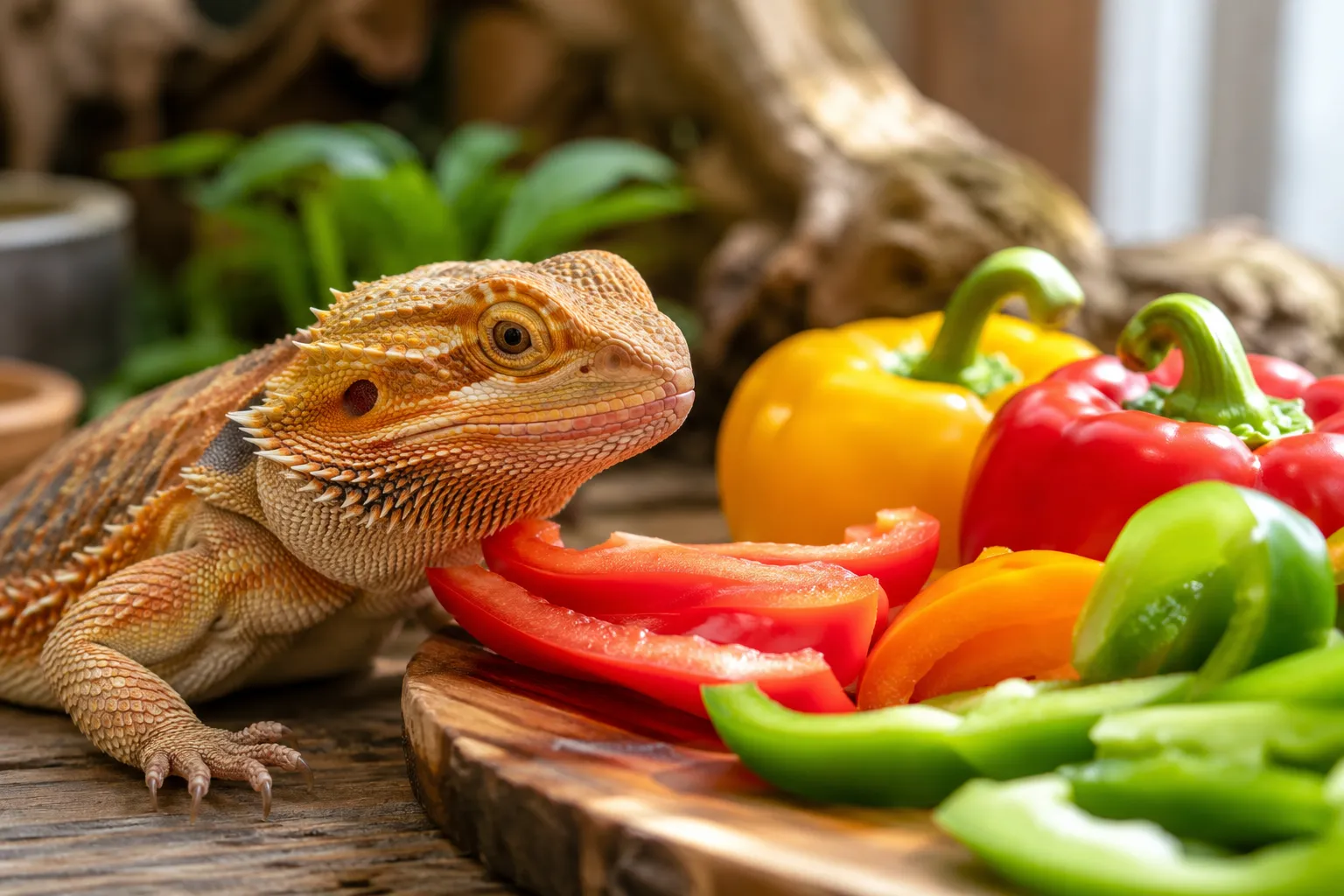
Quick Answer: Yes, bearded dragons can safely eat bell peppers of all colors (red, yellow, orange, and green). Bell peppers are non-toxic, low in oxalates, and provide beneficial vitamins like vitamin C and vitamin A. They should be offered raw, chopped into appropriately sized pieces, and served as part of a varied diet rather than as a daily staple.
Key Takeaways
- Bell peppers are safe for bearded dragons and contain beneficial nutrients including vitamins A and C
- Red, yellow, and orange bell peppers are sweeter and more nutritious than green varieties
- Bell peppers should be served raw and chopped into small, manageable pieces
- Seeds and stems can be eaten but are often removed for easier digestion
- Offer bell peppers 2-3 times per week as part of a rotating vegetable mix
- Baby bearded dragons can eat bell peppers but need smaller pieces and less frequent servings
- Bell peppers have a better calcium-to-phosphorus ratio than many other vegetables
- Some bearded dragons may refuse bell peppers due to texture or taste preferences

Unique textured pellets that bearded dragons love to eat

Vitamin Enriched Formula That Provides Essential Proteins, Fats, Vitamins And Minerals
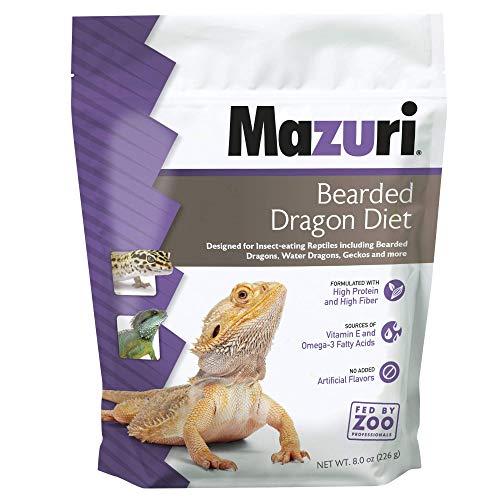
Great source of omega-3 fatty acids and Vitamin E.
Are Bell Peppers Safe for Bearded Dragons?
Bell peppers are completely safe for bearded dragons to eat and pose no toxicity risk. Unlike some vegetables that contain high levels of oxalates or goitrogens, bell peppers are low in compounds that could interfere with calcium absorption or thyroid function. They contain beneficial nutrients including vitamin C, vitamin A (especially in red peppers), and fiber.
Why bell peppers make a good choice:
- Low oxalate content means they won’t bind calcium and prevent absorption
- High water content (around 92%) helps with hydration
- Good calcium-to-phosphorus ratio of approximately 1:0.5, which supports bone health
- No toxic compounds that could harm reptiles
- Crunchy texture that many bearded dragons enjoy
The main consideration is that bell peppers should be part of a varied diet, not the only vegetable offered. While safe, they don’t provide complete nutrition on their own.
How Often Can Bearded Dragons Eat Bell Peppers?
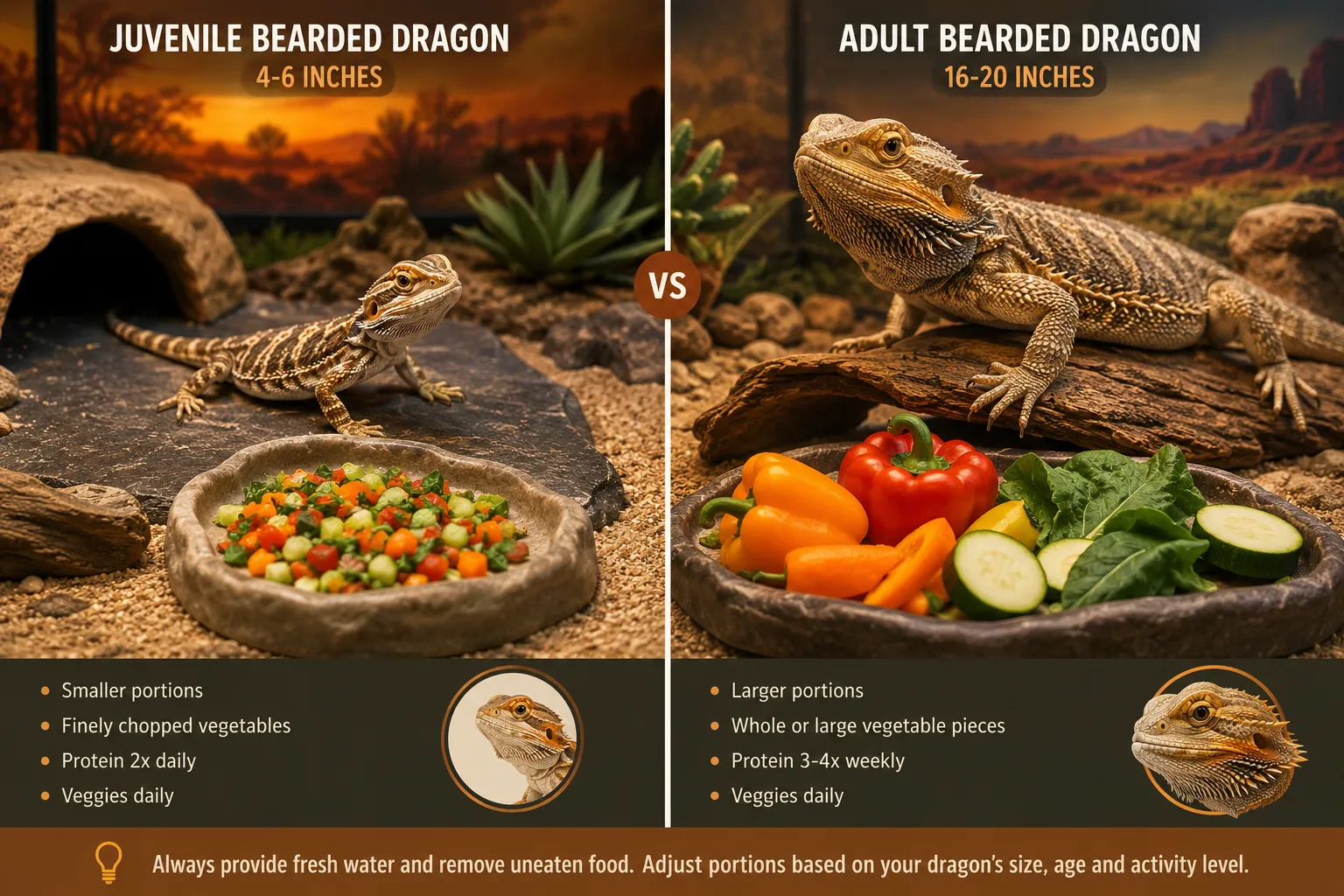
Bearded dragons can eat bell peppers 2-3 times per week as part of their regular vegetable rotation. While safe for more frequent feeding, variety is more important than any single food item. Rotating different vegetables ensures your bearded dragon receives a broad spectrum of nutrients.
Feeding frequency guidelines:
- Adult bearded dragons: 2-3 times weekly, mixed with other vegetables
- Juvenile bearded dragons: 1-2 times weekly, with smaller portions
- As a treat: Can be offered more frequently if your dragon particularly enjoys them
- Never as a sole food: Always combine with other vegetables and appropriate protein sources
Choose bell peppers if you’re looking for a hydrating, vitamin-rich vegetable that won’t interfere with calcium absorption. Avoid making them a daily staple simply because dragons tend to prefer sweeter vegetables, which can lead to pickiness with other important greens.
Do Bearded Dragons Like Red or Green Bell Peppers Better?
Most bearded dragons prefer red, yellow, and orange bell peppers over green ones because the ripe colored varieties are sweeter and less bitter. Red bell peppers also contain significantly more vitamin A and vitamin C than green peppers, making them the most nutritious choice.
Color comparison:
| Pepper Color | Sweetness | Vitamin A | Vitamin C | Bearded Dragon Preference |
|---|---|---|---|---|
| Red | Highest | Very High | Very High | Most Preferred |
| Orange | High | High | High | Highly Preferred |
| Yellow | High | Moderate | High | Highly Preferred |
| Green | Lowest | Low | Moderate | Least Preferred |
Green bell peppers are simply unripe versions of the other colors, which explains their more bitter taste. If your bearded dragon refuses green peppers but accepts red ones, this is completely normal behavior. The nutritional advantage of red peppers makes them the better choice anyway.
Can Baby Bearded Dragons Eat Bell Peppers?
Baby bearded dragons can eat bell peppers, but they should be offered less frequently than to adults and cut into much smaller pieces. Juveniles under six months old need a diet that’s approximately 70-80% protein (insects) and only 20-30% vegetables, so bell peppers should be a minor component of their meals.
Guidelines for feeding bell peppers to baby bearded dragons:
- Piece size: Chop into pieces no larger than the space between their eyes
- Frequency: Once or twice weekly maximum
- Preparation: Remove seeds and cut into very fine dice
- Priority: Focus on calcium-rich greens like collard greens and mustard greens first
- Supervision: Watch to ensure they can chew and swallow pieces easily
Baby bearded dragons grow rapidly and need concentrated nutrition. While bell peppers are safe, they’re not nutrient-dense enough to be a primary vegetable for juveniles. Save them as an occasional addition once your dragon is reliably eating other vegetables.
Bell Peppers vs Squash for Bearded Dragons
Both bell peppers and squash are safe for bearded dragons, but bell peppers have a better calcium-to-phosphorus ratio and lower sugar content. Squash varieties like butternut and acorn squash are higher in vitamin A but also contain more phosphorus, which can interfere with calcium absorption if fed too frequently.
Quick comparison:
- Bell peppers: Better Ca:P ratio (1:0.5), lower sugar, high vitamin C, can be fed more often
- Squash: Higher vitamin A, higher phosphorus (poor Ca:P ratio around 1:2), higher sugar content, should be limited
- Best practice: Rotate both in your feeding schedule, but offer bell peppers more frequently
Choose bell peppers when you want a regular vegetable that won’t disrupt calcium balance. Choose squash (in moderation) when you want to boost vitamin A intake or add variety. Neither should be the only vegetable in your dragon’s diet.
How to Prepare Bell Peppers for Bearded Dragons
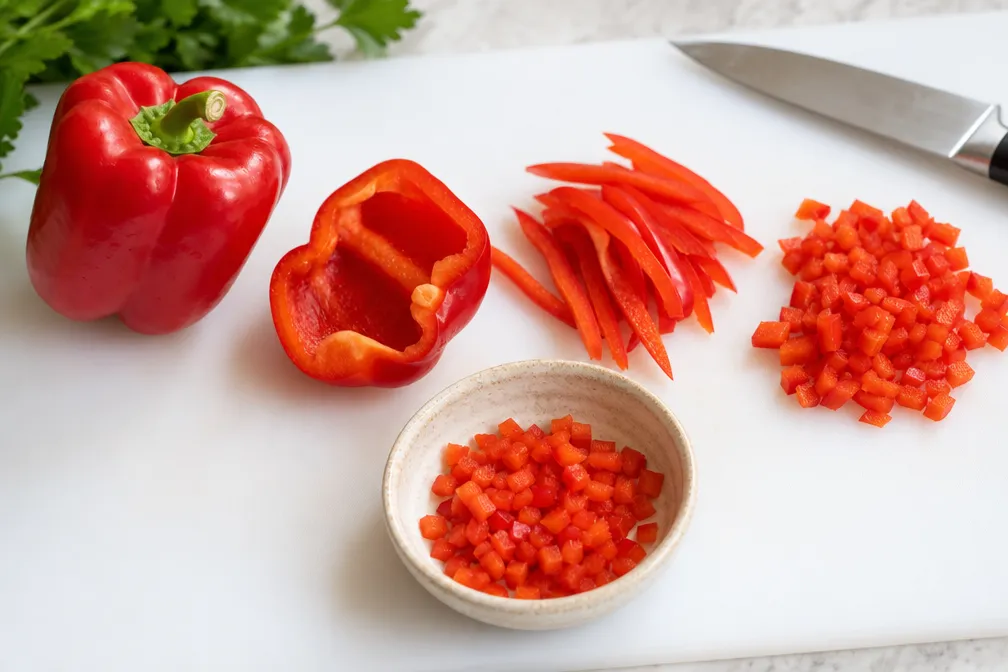
Preparing bell peppers for bearded dragons is simple: wash thoroughly, remove the stem, and chop into appropriately sized pieces. Always serve bell peppers raw, as cooking reduces their nutritional value and changes the texture in ways that may make them less appealing.
Step-by-step preparation:
- Wash thoroughly under running water to remove any pesticide residue
- Cut off the stem and top of the pepper
- Remove the core and white membrane (optional, but easier to digest)
- Slice into strips then dice into small pieces
- Size check: Pieces should be no larger than the space between your dragon’s eyes
- Mix with other vegetables like collard greens, mustard greens, or squash
- Serve immediately or store in the refrigerator for up to 24 hours
Common mistake: Cutting pieces too large. Bearded dragons can choke on oversized food, and pieces that are too big may be ignored entirely.
Can Bearded Dragons Eat Bell Pepper Seeds?
Bearded dragons can eat bell pepper seeds safely, as they’re non-toxic and small enough to pass through their digestive system. However, many owners choose to remove seeds because they provide no nutritional value and some dragons may find them less palatable.
The white membrane inside bell peppers (the pith) is also safe to eat but is slightly bitter. Removing both seeds and membrane results in sweeter, more appealing pepper pieces that your dragon is more likely to eat enthusiastically.
Practical approach:
- Seeds present: Safe, but no nutritional benefit
- Seeds removed: Cleaner presentation, potentially more appealing
- Your choice: Either way works; base your decision on your dragon’s preferences and your prep time
If your bearded dragon readily eats peppers with seeds, there’s no need to spend extra time removing them. If they pick around the seeds, take the extra minute to clean them out.
Why Won’t My Bearded Dragon Eat Bell Peppers?
Some bearded dragons refuse bell peppers due to texture preferences, unfamiliarity with the food, or simply individual taste preferences. Bearded dragons can be surprisingly picky eaters, and not every dragon will accept every safe food item.
Common reasons for refusal:
- Texture aversion: The crisp, crunchy texture may be unfamiliar or unappealing
- Color preference: Your dragon may prefer (or avoid) certain colors
- Size issues: Pieces may be too large or too small
- Competing preferences: If offered alongside sweeter foods, peppers may be ignored
- Temperature: Some dragons prefer room-temperature food over cold vegetables
- Lack of hunger: Overfed dragons or those eating too many insects may refuse vegetables
Strategies to encourage acceptance:
- Try different colors, starting with red (the sweetest)
- Cut into different shapes or sizes
- Mix finely chopped pepper with favorite greens
- Offer when your dragon is hungry, before insects
- Hand-feed small pieces to build interest
- Be patient and keep offering without forcing
If your bearded dragon consistently refuses bell peppers after multiple attempts, don’t force the issue. There are many other safe vegetables that provide similar nutrition.

【Ideal Present for Reptiles】These bearded dragon balls arouse its interest, satisfy your young bearded dragon curiosity and provide them with hours of exercise and self-entertainment. They are perfect presents for your bearded dragon, lizard, gecko and other small pets.

**Engaging Interaction**: Our Bearded Dragon Accessories include Interactive Feed Bell Balls with Suction Cup, designed to promote active play and feeding habits in your pet lizard, gecko, or small animals.

【Encourage NaturalForaging】Put worms or insects in the ball, and the bearded dragon will chase and play with the ball, and will find ways to get food
What Vegetables Are Better Than Bell Peppers for Bearded Dragons?
While bell peppers are nutritious, several vegetables offer superior calcium content and should form the foundation of your bearded dragon’s vegetable diet. Leafy greens like collard greens, mustard greens, turnip greens, and dandelion greens have excellent calcium-to-phosphorus ratios and should be offered daily.
Top-tier vegetables (offer daily):
- Collard greens: Excellent Ca:P ratio (14:1), high in vitamins
- Mustard greens: Great Ca:P ratio (2.4:1), nutrient-dense
- Turnip greens: High calcium, good vitamin profile
- Dandelion greens: Excellent Ca:P ratio, widely available
Second-tier vegetables (offer 2-3 times weekly):
- Bell peppers: Good vitamin content, hydrating
- Butternut squash: High vitamin A (feed in moderation)
- Carrots: Good vitamin A, shredded or finely chopped
- Green beans: Good fiber, moderate nutrition
Occasional treats (once weekly or less):
- Cucumber: Very hydrating but low nutrition
- Tomato: Acidic, feed sparingly
- Zucchini: Mild nutrition, mostly water
The best approach is to offer a base of calcium-rich greens daily, with bell peppers and other vegetables rotated in for variety and additional nutrients.
Can Bearded Dragons Eat Bell Peppers Every Day?
Bearded dragons can technically eat bell peppers every day without toxicity concerns, but it’s not recommended because daily feeding of any single vegetable limits dietary variety. A varied diet ensures your dragon receives a complete range of nutrients and prevents nutritional deficiencies.
Why variety matters more than frequency:
- Different vegetables provide different vitamin and mineral profiles
- Rotating foods prevents boredom and pickiness
- Diverse diets reduce the risk of nutrient imbalances
- Variety mimics the natural foraging behavior of wild bearded dragons
If your bearded dragon loves bell peppers and you want to offer them frequently, aim for 3-4 times per week maximum, always mixed with calcium-rich greens. Reserve daily feeding for staple greens like collard or mustard greens.
Are Raw or Cooked Bell Peppers Better for Bearded Dragons?
Raw bell peppers are significantly better for bearded dragons than cooked ones. Cooking reduces vitamin C content, changes the texture to something less appealing for reptiles, and offers no digestive advantage since bearded dragons are well-equipped to process raw vegetables.
Raw vs. cooked comparison:
- Raw peppers: Full vitamin content, appealing crunch, preferred by most dragons
- Cooked peppers: Reduced vitamins, mushy texture, less palatable
- Digestibility: No difference; bearded dragons digest both equally well
- Recommendation: Always serve raw
The only exception might be if you have an elderly or ill bearded dragon with chewing difficulties, but even then, chopping raw peppers into smaller pieces is a better solution than cooking.
What Happens If a Bearded Dragon Eats Too Much Bell Pepper?
If a bearded dragon eats too much bell pepper in one sitting, the most likely outcome is mild digestive upset, including loose stools or increased urination due to the high water content. Bell peppers aren’t toxic, so overconsumption won’t cause serious harm, but it may lead to temporary discomfort.
Potential effects of overfeeding:
- Loose stools or diarrhea from excess water and fiber
- Reduced appetite for more nutritious foods
- Nutritional imbalance if peppers replace calcium-rich greens
- Pickiness if your dragon learns to hold out for preferred foods
What to do if overfed:
- Monitor for 24-48 hours for digestive issues
- Ensure fresh water is available
- Return to normal feeding schedule with varied vegetables
- Reduce pepper portions in future feedings
Bearded dragons are generally good at self-regulating, but offering appropriate portions (about 10-15% of the total vegetable mix) prevents overconsumption.
Best Vegetables for Bearded Dragons Besides Bell Peppers
The best vegetables for bearded dragons are calcium-rich leafy greens that should form 50-70% of the vegetable portion of their diet. These staple greens provide the calcium necessary for bone health and metabolic function.
Top staple vegetables:
- Collard greens (highest calcium content)
- Mustard greens (excellent nutrition, widely available)
- Turnip greens (high calcium, good variety)
- Dandelion greens (wild or store-bought, nutrient-dense)
- Endive (good calcium, mild flavor)
- Escarole (similar to endive, good variety)
Excellent supplementary vegetables:
- Butternut squash (high vitamin A, 1-2 times weekly)
- Acorn squash (similar to butternut)
- Green beans (good fiber and texture)
- Snap peas (occasional treat, good crunch)
- Okra (high calcium, unique texture)
Foods to avoid:
- Spinach (very high oxalates)
- Lettuce (iceberg has almost no nutrition)
- Rhubarb (toxic)
- Avocado (toxic)
Build meals around staple greens, add bell peppers and other vegetables for variety, and always ensure proper calcium supplementation.
Can Bearded Dragons Eat Yellow and Orange Bell Peppers?
Yes, bearded dragons can eat both yellow and orange bell peppers, and these varieties are excellent choices. Yellow and orange peppers fall between green and red in terms of ripeness, offering a sweet flavor that most bearded dragons find appealing along with good nutritional content.
Yellow and orange pepper benefits:
- Moderate to high vitamin A content
- High vitamin C levels
- Sweet flavor that encourages eating
- Good hydration from high water content
- Low oxalates that won’t interfere with calcium
These colored varieties are nutritionally similar to red peppers and significantly better than green peppers. If your local store has yellow or orange peppers on sale, they’re an excellent choice for your bearded dragon’s diet. Many owners find that offering different colors throughout the week adds visual variety that keeps their dragons interested in their food.
FAQ
Can bearded dragons eat bell peppers with the skin on?
Yes, the skin of bell peppers is safe and nutritious for bearded dragons. The skin contains fiber and vitamins, and most dragons have no trouble digesting it when the pepper is cut into appropriately sized pieces.
How much bell pepper should I feed my bearded dragon?
Offer bell peppers as 10-15% of the total vegetable portion, which itself should be about 20-30% of an adult dragon’s diet. A few small pieces (2-3 tablespoons of chopped pepper) mixed with greens is appropriate for an adult dragon.
Can bearded dragons eat spicy peppers like jalapeños?
No, bearded dragons should never eat spicy peppers. Capsaicin, the compound that makes peppers hot, can cause severe digestive distress and pain in reptiles. Stick to sweet bell peppers only.
Do bell peppers help with bearded dragon hydration?
Yes, bell peppers are about 92% water and can contribute to hydration, especially for dragons that don’t drink frequently from their water bowl. However, they shouldn’t replace access to fresh water.
Can bearded dragons eat frozen bell peppers?
Frozen bell peppers can be fed after thawing, but fresh peppers are preferable. Freezing changes the texture, making them mushier and less appealing. If using frozen, thaw completely and drain excess water before serving.
Are organic bell peppers necessary for bearded dragons?
Organic peppers aren’t necessary, but they reduce pesticide exposure. If using conventional peppers, wash them thoroughly under running water. The nutritional difference between organic and conventional is minimal.
Can bell peppers cause impaction in bearded dragons?
No, bell peppers are soft and high in water content, making them very unlikely to cause impaction. Impaction typically results from substrate ingestion, oversized food items, or dehydration, not from vegetables like bell peppers.
What color bell pepper has the most vitamin A?
Red bell peppers contain the most vitamin A, with approximately 3,100 IU per 100 grams. Orange peppers are second, yellow peppers third, and green peppers have the least vitamin A.
Can bearded dragons eat bell pepper leaves or plants?
No, bearded dragons should not eat bell pepper leaves or plants. Only the fruit (the pepper itself) is safe. The leaves and stems of pepper plants can contain compounds that may cause digestive upset.
Will eating bell peppers change my bearded dragon’s poop color?
Bell peppers may cause slight color variations in feces, particularly if red peppers are fed in larger quantities. This is normal and not a cause for concern unless accompanied by other symptoms like lethargy or loss of appetite.
Can bearded dragons eat pickled bell peppers?
No, pickled bell peppers contain vinegar, salt, and other preservatives that are not appropriate for bearded dragons. Only feed fresh, raw bell peppers without any seasonings or additives.
How long can cut bell peppers stay in my bearded dragon’s enclosure?
Remove uneaten bell peppers after 2-3 hours to prevent bacterial growth. Fresh vegetables can spoil quickly under heat lamps, and spoiled food can cause digestive issues.
Conclusion
Bell peppers are a safe, nutritious, and hydrating addition to your bearded dragon’s diet when offered as part of a varied vegetable rotation. Red, yellow, and orange varieties provide the best nutrition and taste, making them preferable to green peppers. Serve them raw, chopped into appropriately sized pieces, and mixed with calcium-rich staple greens 2-3 times per week for optimal health.
Action steps for feeding bell peppers:
- Start with red bell peppers for the best nutrition and palatability
- Chop into small pieces no larger than the space between your dragon’s eyes
- Mix with staple greens like collard or mustard greens
- Offer 2-3 times weekly as part of a rotating vegetable schedule
- Monitor your dragon’s response and adjust colors or frequency based on preference
- Remove uneaten portions after 2-3 hours to maintain freshness
Remember that while bell peppers are beneficial, they should never replace calcium-rich leafy greens as the foundation of your bearded dragon’s vegetable intake. A diverse diet that includes multiple vegetable types, appropriate protein sources, and proper supplementation will keep your bearded dragon healthy and thriving throughout 2026 and beyond.

All Natural: 100% all-natural and preservative-free

Package Dimensions: 12.953 H x 7.62 L x 7.62 W (centimeters)

Age range description: adult