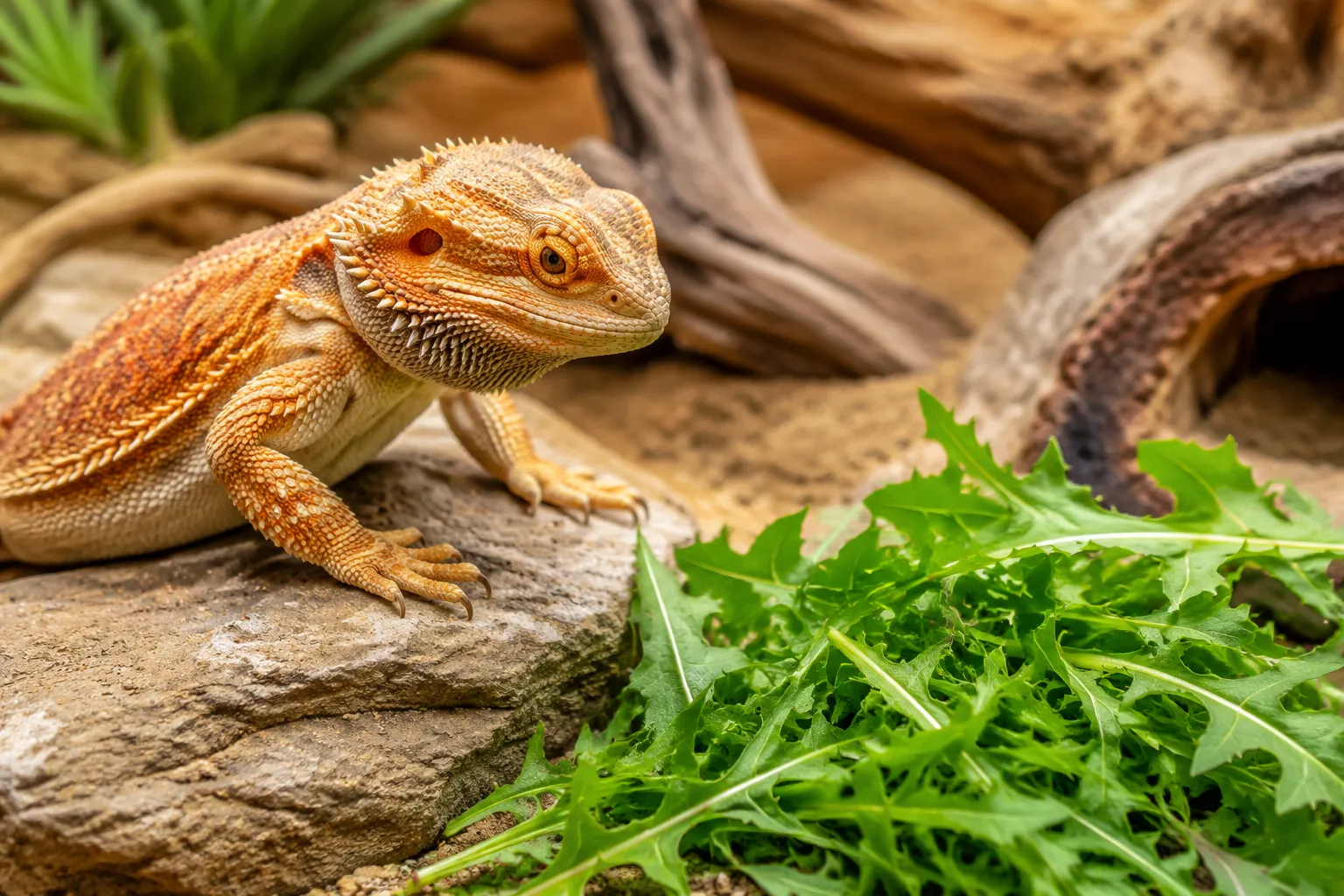
Quick Answer: Yes, bearded dragons can absolutely eat dandelion greens, and they’re actually one of the best leafy vegetables you can offer. Dandelion greens are packed with calcium, vitamin A, and fiber while being low in oxalates, making them an excellent daily staple for dragons of all ages. You can feed them raw, and they’re safe to offer several times per week or even daily as part of a varied diet.
Key Takeaways
- Dandelion greens are safe and highly nutritious for bearded dragons, offering an ideal calcium-to-phosphorus ratio
- You can feed dandelion greens to bearded dragons daily or several times per week without health concerns
- All parts of the dandelion plant (leaves, flowers, and stems) are safe for bearded dragons to eat
- Baby bearded dragons can eat dandelion greens, but they should be finely chopped to prevent choking
- Always wash dandelion greens thoroughly, especially if collected from your yard, to remove pesticides and contaminants
- Dandelion greens provide more calcium than collard greens and have a better nutritional profile for reptiles
- Wild dandelions from pesticide-free areas are safe, but store-bought organic greens eliminate contamination risks
- Dandelion greens rarely cause digestive issues and are less likely to cause diarrhea than high-water vegetables like lettuce
- Pair dandelion greens with other staples like collard greens, mustard greens, and turnip greens for dietary variety
- Avoid feeding bearded dragons iceberg lettuce, spinach in large amounts, and rhubarb, which can be harmful

GROWS INSIDE TANK: You can plant the seeds directly into the tank's soil or pot and the seeds will grow using the tank’s UV light

Zoo Med's Flower Food Topper is a high fiber dietary supplement composed of dried flowers. Flowers are a natural and vital component in the diets of herbivorous and omnivorous lizards and tortoises, providing much-needed fiber, minerals, and vitamins.

Age range description: adult
Are Dandelion Greens Safe for Bearded Dragons?
Dandelion greens are completely safe for bearded dragons and rank among the top recommended vegetables by reptile veterinarians and herpetologists. These leafy greens contain high levels of calcium (103 mg per 100g), vitamin A, vitamin K, and iron while being low in oxalates and goitrogens that can interfere with nutrient absorption.
The calcium-to-phosphorus ratio in dandelion greens is approximately 2.8:1, which exceeds the ideal 2:1 ratio recommended for bearded dragons. This makes them particularly valuable because many dragons struggle to get enough calcium from their diet alone.
Why dandelion greens are considered safe:
- Low oxalate content means they won’t bind calcium and prevent absorption
- No toxic compounds that affect reptile health
- Easy to digest with appropriate fiber content
- Naturally occurring in many bearded dragon habitats in the wild
- Rarely cause allergic reactions or digestive upset
One important note: While dandelion greens themselves are safe, you must ensure they haven’t been treated with pesticides, herbicides, or fertilizers if you’re collecting them from outdoor areas.
Nutritional Benefits of Dandelion Greens for Bearded Dragons
Dandelion greens deliver exceptional nutritional value that directly supports bearded dragon health. The high calcium content helps prevent metabolic bone disease (MBD), one of the most common and serious health issues in captive bearded dragons.
Key nutrients in dandelion greens (per 100g):
- Calcium: 103 mg (supports bone health and prevents MBD)
- Phosphorus: 36 mg (balanced ratio with calcium)
- Vitamin A: 5,588 IU (essential for eye health, immune function, and skin)
- Vitamin K: 428 mcg (supports blood clotting and bone metabolism)
- Fiber: 2.7g (aids digestion and gut health)
- Water content: 86% (contributes to hydration)
- Protein: 2.7g (supports growth and tissue repair)
The vitamin A in dandelion greens is particularly important because bearded dragons cannot convert beta-carotene to vitamin A as efficiently as mammals. The preformed vitamin A in these greens is readily usable by their bodies.
Choose dandelion greens if: your bearded dragon needs a calcium boost, you’re looking for a daily staple green, or your dragon is recovering from MBD. They’re especially valuable for breeding females who need extra calcium for egg production.
How Often Can Bearded Dragons Eat Dandelion Greens?
Bearded dragons can eat dandelion greens daily without any health concerns. Unlike some vegetables that need to be rotated due to high oxalates or goitrogens, dandelion greens are safe for frequent feeding and can form the base of your dragon’s vegetable rotation.
Feeding frequency guidelines:
- Daily feeding: Completely safe and recommended by most reptile nutritionists
- Minimum frequency: At least 3-4 times per week to maintain nutritional benefits
- Rotation strategy: Alternate with other safe greens like collard greens, mustard greens, and turnip greens for variety
Adult bearded dragons should have fresh vegetables available every day, with dandelion greens making up 30-50% of the salad mix. Juvenile dragons (under 12 months) eat more insects than vegetables, but should still have daily access to greens with dandelion leaves included.
Common mistake to avoid: Don’t feed only dandelion greens for weeks on end. While they’re nutritionally complete enough to be a staple, dietary variety ensures your dragon gets a full spectrum of nutrients and prevents food boredom.
How Much Dandelion Greens to Feed Your Bearded Dragon
The amount of dandelion greens depends on your bearded dragon’s age and size. Adult dragons should receive a salad bowl roughly the size of their head filled with chopped greens, while juveniles need smaller portions since they focus primarily on protein from insects.
Portion guidelines by age:
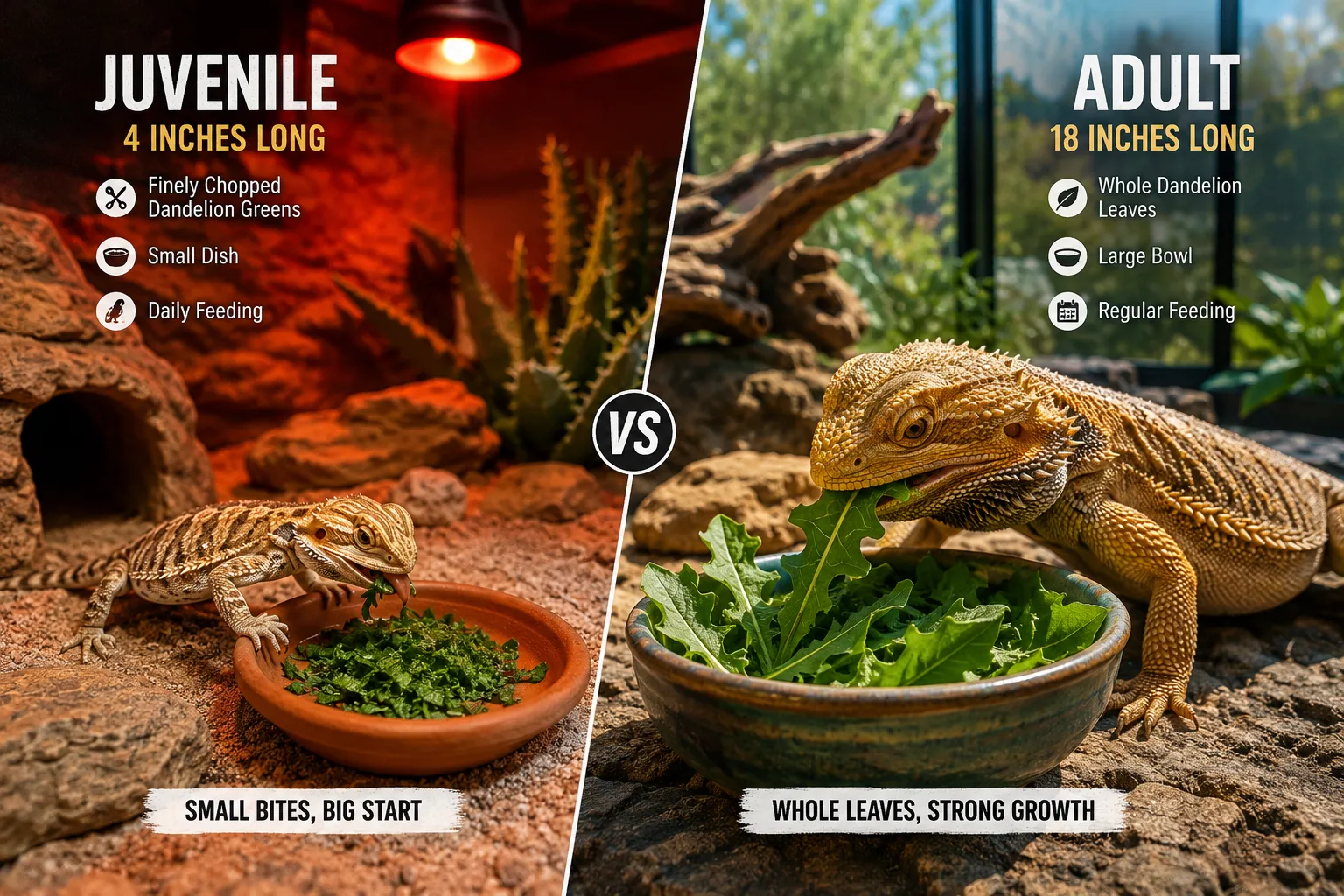
- Baby dragons (0-4 months): 1-2 small leaves, finely chopped, offered daily (20% of diet is vegetables)
- Juvenile dragons (4-12 months): 3-5 medium leaves, chopped, offered daily (30-40% of diet is vegetables)
- Sub-adult dragons (12-18 months): 6-8 large leaves or equivalent, chopped (50% of diet is vegetables)
- Adult dragons (18+ months): 8-12 large leaves or a salad bowl the size of their head (70-80% of diet is vegetables)
Practical measurement: A good rule is to offer as much as your bearded dragon will eat in 10-15 minutes. Remove uneaten greens after a few hours to prevent spoilage.
If your dragon consistently leaves dandelion greens uneaten, try mixing them with other vegetables or adding a small amount of fruit (like blueberries or strawberries) to make the salad more appealing. Some dragons prefer certain textures, so experiment with whole leaves versus chopped pieces.
Can Baby Bearded Dragons Eat Dandelion Greens?
Baby bearded dragons can safely eat dandelion greens starting from their first week of life. However, the greens must be finely chopped into pieces no larger than the space between the baby dragon’s eyes to prevent choking hazards.
Young dragons under four months old derive most of their nutrition (about 80%) from protein sources like small crickets and dubia roaches, but offering greens daily helps establish healthy eating habits. Even if they don’t eat much at first, the exposure is valuable.
Preparation tips for baby bearded dragons:
- Chop dandelion greens into confetti-sized pieces (2-3mm)
- Mix with other finely chopped vegetables for variety
- Place greens in a shallow dish they can easily access
- Offer fresh greens every morning when they’re most active
- Remove uneaten portions after 2-3 hours
Choose dandelion greens for babies if: you want to establish good eating habits early, your baby dragon shows interest in vegetables, or you’re supplementing a primarily insect-based diet with calcium-rich greens.
Some baby dragons won’t show much interest in vegetables until they’re 8-12 weeks old, and that’s normal. Continue offering small amounts daily, and most will eventually start nibbling.
How to Prepare Dandelion Greens for Bearded Dragons
Preparing dandelion greens for bearded dragons is straightforward and takes just a few minutes. Proper preparation ensures your dragon can safely eat and digest the greens while maximizing nutritional value.
Step-by-step preparation:
- Rinse thoroughly: Wash dandelion greens under cool running water for 30-60 seconds to remove dirt, debris, and potential pesticide residue
- Inspect the leaves: Check for damaged, wilted, or discolored portions and remove them
- Pat dry: Use a clean towel or salad spinner to remove excess water (too much water can cause diarrhea)
- Chop appropriately: Cut into pieces sized for your dragon’s age (confetti-sized for babies, bite-sized for juveniles, larger pieces or whole leaves for adults)
- Mix with other vegetables: Combine with other safe greens and vegetables for a balanced salad
- Serve at room temperature: Never serve cold greens straight from the refrigerator, as this can slow digestion
Do not cook or steam dandelion greens for bearded dragons. Raw greens retain more nutrients and are easier for dragons to digest. Cooking also changes the texture in ways that may make them less appealing.
Common mistake: Leaving the thick white stem attached to large dandelion leaves. While not harmful, the stem can be tough and less palatable. You can remove it or chop it into smaller pieces.
Do You Need to Wash Dandelion Greens for Your Bearded Dragon?
Yes, you absolutely must wash dandelion greens before feeding them to your bearded dragon, regardless of whether they’re store-bought or wild-harvested. Washing removes dirt, bacteria, insect eggs, pesticide residue, and other contaminants that could harm your pet.
Store-bought organic dandelion greens still need washing because they may have been handled by multiple people during harvesting and packaging, and they can harbor bacteria like E. coli or Salmonella. Wild dandelions require even more thorough washing due to potential exposure to animal waste, lawn chemicals, and environmental pollutants.
Proper washing technique:
- Hold greens under cool running water for at least 30 seconds
- Gently rub leaves between your fingers to dislodge dirt
- For wild dandelions, soak in a bowl of cool water for 5 minutes, then rinse again
- Consider using a vegetable wash solution for wild-harvested greens
- Shake off excess water and pat dry with a clean towel
When to wash more thoroughly: If you collected dandelions from an area near roads (car exhaust residue), public parks (possible pesticide use), or areas where dogs frequently walk (parasite risk), wash them twice and consider whether the location is truly safe.
Can Bearded Dragons Eat Dandelions from Your Yard?
Bearded dragons can eat dandelions from your yard only if you’re absolutely certain the area has not been treated with pesticides, herbicides, fertilizers, or other chemicals for at least 6-12 months. Wild dandelions from safe locations are actually more nutritious than store-bought varieties because they grow in natural soil.
Safe yard collection criteria:
- No chemical lawn treatments (weed killers, fertilizers, pest control) for at least one year
- Area is not frequented by dogs or cats (to avoid parasite transmission)
- Not located within 50 feet of roads (to avoid exhaust contamination)
- No runoff from treated neighboring properties
- You can positively identify the plant as dandelion (not a toxic look-alike)
Best collection practices:
- Harvest from the center of your yard, away from property boundaries
- Pick young, tender leaves in spring for the best flavor and texture
- Avoid dandelions near drainage areas or standing water
- Wash thoroughly, even from “safe” areas
- Start with small amounts to ensure your dragon tolerates them
Choose store-bought organic dandelion greens if: you’re unsure about your yard’s chemical history, you live in an urban area with high pollution, or your neighbors use lawn services. The small cost is worth the peace of mind.
Many reptile owners successfully forage dandelions from their yards, but when in doubt, the $2-4 for organic greens at the grocery store eliminates all risk.

100% Korean Herbal Powders – Made with carefully selected ingredients grown and processed in Korea

BONE SUPPORT - Source of Life Garden Calcium features AlgaeCal for superior bone support. With high-potency calcium, magnesium & over 20 whole-food extracts, Source of Life Garden Calcium helps you build strong bones the way nature intended.
Can Bearded Dragons Eat Dandelion Flowers and Stems?
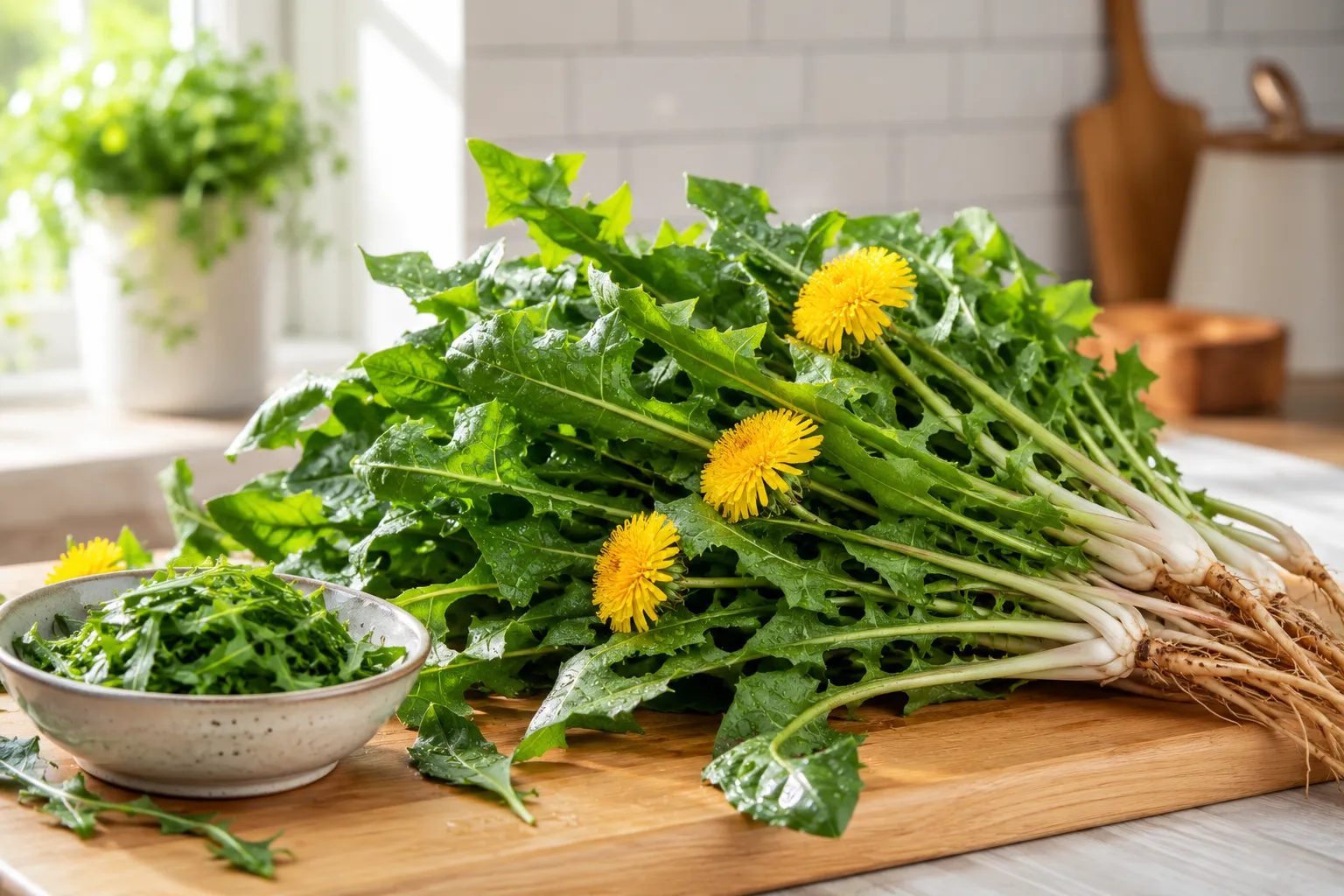
Bearded dragons can safely eat all parts of the dandelion plant, including the bright yellow flowers, stems, and even the roots. In fact, many bearded dragons find the flowers particularly appealing due to their bright color and slightly sweet taste.
Dandelion flowers are safe and nutritious, containing many of the same vitamins and minerals as the leaves. They can be offered whole or torn into smaller pieces. The yellow petals are especially attractive to bearded dragons and can encourage picky eaters to try new foods.
Dandelion stems are also safe but tend to be tougher and more fibrous than the leaves. Chop them into smaller pieces to make them easier to eat and digest. Some dragons enjoy the crunchier texture, while others ignore the stems entirely.
Dandelion roots can be offered occasionally but should be washed extremely well and chopped into small pieces. They’re quite fibrous and harder to digest, so they’re not ideal as a regular food item.
Feeding recommendations by plant part:
- Leaves: Daily staple, unlimited amounts
- Flowers: 2-3 times per week as a treat or salad topper
- Stems: Mixed into salads, chopped small
- Roots: Occasional treat only, well-washed and finely chopped
Pro tip: Offering the whole dandelion plant (leaves and flowers together) provides enrichment and mimics natural foraging behavior, which can be mentally stimulating for your bearded dragon.
Dandelion Greens vs Collard Greens for Bearded Dragons
Both dandelion greens and collard greens are excellent staple vegetables for bearded dragons, but dandelion greens have a slight nutritional edge due to their higher calcium content and better calcium-to-phosphorus ratio.
Nutritional comparison (per 100g):
| Nutrient | Dandelion Greens | Collard Greens |
|---|---|---|
| Calcium | 103 mg | 232 mg |
| Phosphorus | 36 mg | 15 mg |
| Ca:P Ratio | 2.8:1 | 15.5:1 |
| Vitamin A | 5,588 IU | 5,019 IU |
| Oxalates | Low | Low |
| Water Content | 86% | 90% |
While collard greens actually contain more total calcium, both vegetables provide excellent nutrition. The key difference is that collard greens have an even better calcium-to-phosphorus ratio, making them equally valuable.
Choose dandelion greens if:
- Your dragon prefers the slightly bitter taste
- You want more variety in texture (dandelions are more tender)
- You’re foraging from your yard (dandelions are easier to find)
Choose collard greens if:
- Your dragon needs maximum calcium intake
- You prefer a readily available grocery store option
- Your dragon prefers heartier, chewier leaves
Best approach: Rotate between both greens throughout the week. Offer dandelion greens 3-4 days per week and collard greens 2-3 days per week, mixed with other safe vegetables like mustard greens, turnip greens, and butternut squash.
Can Bearded Dragons Eat Dandelion Greens Every Day?
Yes, bearded dragons can eat dandelion greens every single day without any negative health effects. Unlike vegetables high in oxalates (like spinach) or goitrogens (like kale in large amounts), dandelion greens don’t contain compounds that become problematic with daily feeding.
Daily dandelion green consumption actually provides consistent benefits:
- Steady calcium intake helps prevent metabolic bone disease
- Regular fiber supports healthy digestion and prevents impaction
- Consistent vitamin A maintains eye health and immune function
- Hydration support from the 86% water content
Recommended daily feeding approach:
- Make dandelion greens 30-50% of the daily salad
- Mix with 2-3 other safe vegetables for variety
- Offer fresh greens every morning
- Remove uneaten portions after a few hours
When to reduce frequency: If your bearded dragon develops unusually soft stools (though this is rare with dandelion greens), reduce the amount slightly or ensure you’re not overfeeding high-water vegetables alongside them.
Some reptile keepers worry about feeding the same vegetable daily, but dandelion greens are nutritionally complete enough to serve as a staple. Think of them like collard greens or mustard greens, safe for daily consumption when part of a varied diet.
Will Dandelion Greens Cause Diarrhea in Bearded Dragons?
Dandelion greens are unlikely to cause diarrhea in bearded dragons and are actually less likely to cause digestive upset than high-water vegetables like cucumber or iceberg lettuce. The moderate water content (86%) and good fiber balance make them easy to digest for most dragons.
Diarrhea is rare with dandelion greens because:
- They contain appropriate fiber that firms up stools
- Water content is moderate, not excessive
- They don’t contain irritating compounds
- Most dragons digest them easily
If your dragon develops diarrhea after eating dandelion greens, consider these factors:
- Overfeeding: Too much of any vegetable can cause loose stools
- Contamination: Improperly washed greens may harbor bacteria
- Sudden diet change: Introducing any new food too quickly can upset digestion
- Underlying health issue: Parasites or illness unrelated to the greens
- Other foods: Something else in the diet may be the culprit
How to prevent digestive issues:
- Introduce dandelion greens gradually over 3-5 days
- Wash thoroughly to remove contaminants
- Don’t overfeed, stick to appropriate portion sizes
- Ensure proper basking temperatures (95-105°F) for digestion
- Maintain proper hydration
Choose dandelion greens if: your dragon has had digestive issues with watery vegetables like lettuce. The balanced fiber and moderate water content often work better for sensitive digestive systems.
What Greens Should Bearded Dragons Not Eat?
While bearded dragons can eat many vegetables safely, several greens should be avoided or strictly limited due to toxic compounds, poor nutritional profiles, or digestive issues they can cause.
Never feed these greens:
- Rhubarb leaves: Contain oxalic acid at toxic levels that can cause kidney failure
- Avocado: Contains persin, which is toxic to reptiles
- Iceberg lettuce: Nutritionally empty with excessive water content that causes diarrhea
Feed sparingly or avoid:
- Spinach: High oxalates bind calcium and can contribute to MBD if fed regularly
- Beet greens: High oxalates, occasional feeding only
- Swiss chard: High oxalates, limit to once per month or avoid
- Kale: Contains goitrogens that can interfere with thyroid function if overfed
- Cabbage: High goitrogens, feed only occasionally
- Bok choy: Moderate goitrogens, limit to 1-2 times per week
Why these greens are problematic:
- Oxalates bind to calcium in the digestive tract, preventing absorption and potentially causing calcium deficiency
- Goitrogens interfere with iodine uptake and thyroid function when consumed in large amounts
- High water content with low nutrients provides no nutritional value and can cause diarrhea
Safe alternatives to feed instead: dandelion greens, collard greens, mustard greens, turnip greens, endive, escarole, watercress, and arugula.
Best Vegetables for Bearded Dragons Besides Dandelion Greens
A varied diet is essential for bearded dragon health, so rotating dandelion greens with other nutritious vegetables ensures your dragon gets a complete spectrum of nutrients.
Top staple greens (can feed daily):
- Collard greens: Excellent calcium source with a 15:1 Ca:P ratio
- Mustard greens: High in vitamins A, C, and K with good calcium
- Turnip greens: Nutritious with a 4.5:1 Ca:P ratio
- Endive: Low oxalates, good calcium, appealing texture
- Escarole: Similar to endive with good nutritional balance
Excellent vegetables to rotate (2-4 times per week):
- Butternut squash: High in vitamin A, good for variety
- Acorn squash: Similar benefits to butternut squash
- Bell peppers (red, yellow, orange): High in vitamin C and color variety
- Carrots (shredded): Good vitamin A source, feed in moderation
- Green beans: Good fiber and texture variety
Occasional vegetables (1-2 times per week):
- Zucchini: High water content but adds variety
- Yellow squash: Similar to zucchini
- Okra: Interesting texture and good nutrients
- Snap peas: Crunchy texture many dragons enjoy
Sample weekly rotation:
- Monday: Dandelion greens + butternut squash + bell pepper
- Tuesday: Collard greens + green beans + shredded carrot
- Wednesday: Dandelion greens + mustard greens + zucchini
- Thursday: Turnip greens + butternut squash + bell pepper
- Friday: Dandelion greens + endive + snap peas
- Saturday: Collard greens + yellow squash + bell pepper
- Sunday: Dandelion greens + escarole + green beans
Pro tip: Prep vegetables for the entire week on Sunday by washing, chopping, and storing them in separate containers. This makes daily feeding much faster and ensures you maintain variety.
Frequently Asked Questions
Can bearded dragons eat dandelion greens raw?
Yes, bearded dragons should eat dandelion greens raw. Raw greens retain maximum nutritional value, and bearded dragons are designed to digest raw plant matter. Never cook or steam vegetables for your dragon.
Are dandelion greens better than lettuce for bearded dragons?
Dandelion greens are significantly better than lettuce, especially iceberg lettuce. Dandelion greens provide high calcium, vitamin A, and fiber, while iceberg lettuce offers almost no nutritional value and can cause diarrhea due to high water content.
Can bearded dragons eat dried dandelion greens?
Bearded dragons can eat dried dandelion greens, but fresh greens are always preferable. Dried greens lose some nutritional value and don’t provide hydration. If using dried greens, rehydrate them in water for 10-15 minutes before feeding.
How do I get my bearded dragon to eat dandelion greens?
Try mixing dandelion greens with small amounts of fruit like blueberries or mango to make them more appealing. You can also hand-feed individual leaves or place them near live insects to create interest. Some dragons prefer whole leaves while others like chopped pieces.
Can bearded dragons eat dandelion greens with yellow flowers attached?
Yes, bearded dragons can safely eat dandelion greens with the yellow flowers still attached. Many dragons find the bright flowers especially appealing and will eat them first. This provides enrichment and mimics natural foraging.
Do dandelion greens need to be organic for bearded dragons?
Organic dandelion greens are ideal but not absolutely required if you wash conventional greens thoroughly. However, organic greens eliminate pesticide concerns and are worth the small extra cost for your dragon’s health.
Can bearded dragons eat dandelion greens from the grocery store?
Yes, grocery store dandelion greens are safe and convenient for bearded dragons. Look for fresh, crisp leaves without yellowing or wilting. Wash them thoroughly before feeding, even if they’re labeled pre-washed.
How long do dandelion greens last in the refrigerator?
Fresh dandelion greens last 5-7 days when stored properly in the refrigerator. Keep them in a plastic bag or container with a damp paper towel to maintain moisture. Discard any leaves that become slimy or develop an off odor.
Can bearded dragons eat dandelion greens during brumation?
Bearded dragons typically don’t eat during brumation, but you can offer small amounts of dandelion greens if your dragon shows interest. Most dragons will ignore food during this natural dormancy period, which is normal.
Are dandelion greens good for bearded dragons with metabolic bone disease?
Yes, dandelion greens are excellent for bearded dragons with MBD due to their high calcium content and ideal Ca:P ratio. However, they should be part of a comprehensive treatment plan that includes proper UVB lighting, calcium supplementation, and veterinary care.
Can bearded dragons eat dandelion greens with calcium powder on them?
Yes, you can dust dandelion greens with calcium powder, though it’s more common to dust insects. If your dragon needs extra calcium, lightly sprinkle calcium powder on the greens 2-3 times per week.
Will bearded dragons eat dandelion greens if they’ve never had them before?
Most bearded dragons readily accept dandelion greens, but some may need time to adjust to new foods. Offer them consistently for several days, and try mixing them with familiar vegetables. Young dragons exposed to varied diets early typically accept new foods more easily.
Conclusion
Dandelion greens stand out as one of the absolute best vegetables you can feed your bearded dragon. Their exceptional calcium content, ideal calcium-to-phosphorus ratio, and low oxalate levels make them a nutritional powerhouse that supports bone health, digestion, and overall wellness. Whether you’re feeding a baby dragon or a full-grown adult, dandelion greens can safely form the foundation of their vegetable diet.
The versatility of dandelion greens, from the leaves to the flowers and stems, provides both nutrition and enrichment for your pet. You can feed them daily without concern, harvest them from your pesticide-free yard, or pick them up affordably at most grocery stores. Their ease of preparation and wide availability make them a practical choice for any bearded dragon owner.
Take these steps today:
- Add dandelion greens to your next grocery list or identify safe foraging spots in your yard
- Introduce them gradually if your dragon hasn’t tried them before, mixing with familiar vegetables
- Establish a rotation schedule that includes dandelion greens 4-7 times per week
- Wash all greens thoroughly, regardless of source
- Monitor your dragon’s response and adjust portions based on their age and appetite
Remember that while dandelion greens are nutritionally complete enough to be a daily staple, variety remains important. Rotate them with collard greens, mustard greens, and other safe vegetables to ensure your bearded dragon receives a full spectrum of nutrients and stays interested in their food. With proper preparation and consistent feeding, dandelion greens will help your bearded dragon thrive for years to come.

NUTRITIOUS FOOD FOR REPTILES such as bearded dragons, uromastyx, iguanas, tortoises and more; An appetizing way to introduce additional nutrients to your reptile’s diet

Nutritious, dehydrated ingredients that are quick and convenient

OPTIMAL NUTRITION FOR HERBIVOROUS REPTILES; Zilla Herbivore Medley provides a complete diet for herbivores like bearded dragons, tortoises, uromastyx and iguanas