Quick Answer
No, bearded dragons should never eat fireflies. Fireflies (also called lightning bugs) contain a highly toxic steroid compound called lucibufagin that is lethal to bearded dragons and most reptiles. Even a single firefly can kill an adult bearded dragon within hours, making them one of the most dangerous insects a beardie can encounter.

Key Takeaways
- Fireflies are deadly toxic to bearded dragons due to lucibufagin, a cardiac steroid that causes fatal reactions
- One firefly can kill an adult bearded dragon; there is no safe amount
- Lightning bugs and fireflies are the same insect and equally dangerous to reptiles
- Symptoms appear quickly, often within 15 minutes to 2 hours after ingestion
- Immediate veterinary care is critical if your bearded dragon eats a firefly, though survival rates are low
- Dead fireflies remain toxic and pose the same lethal risk as live ones
- Safe alternatives include crickets, dubia roaches, black soldier fly larvae, and superworms
- Wild bearded dragons in Australia never encounter fireflies, which don’t exist in their native habitat
- Glow worms are also dangerous and should be avoided completely
- Prevention is essential since there is no effective antidote for firefly poisoning
Why Are Fireflies Toxic to Bearded Dragons?
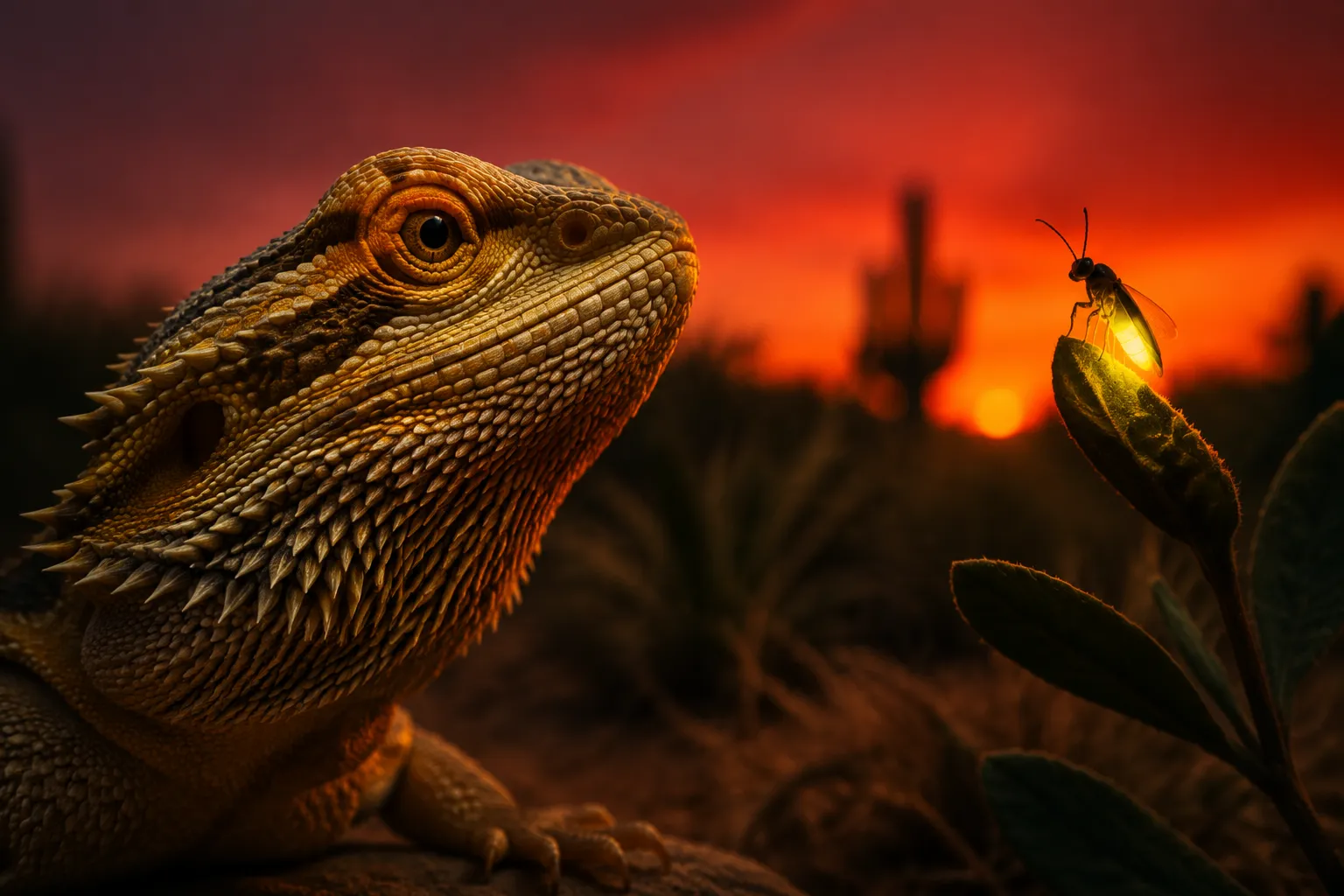
Fireflies produce a defensive chemical called lucibufagin, a cardiac glycoside steroid that protects them from predators. This compound is extremely toxic to reptiles, birds, and many mammals. When a bearded dragon ingests a firefly, lucibufagin disrupts normal heart function and causes severe neurological damage.
The toxin works by interfering with sodium and potassium ion channels in cells, particularly affecting cardiac muscle tissue. This leads to:
- Irregular heartbeat and cardiac arrest
- Severe muscle spasms and tremors
- Respiratory failure
- Neurological shutdown
Bearded dragons have no natural defense against this toxin because fireflies don’t exist in Australia, where bearded dragons evolved. Their digestive systems cannot break down or neutralize lucibufagin, making even tiny amounts lethal.
Important distinction: The bioluminescent glow itself isn’t toxic. The poison is a separate chemical defense mechanism that fireflies carry throughout their entire bodies, including in their blood and tissues.
What Happens If My Bearded Dragon Eats a Firefly?
If a bearded dragon eats a firefly, death typically occurs within 30 minutes to several hours. The progression is rapid and devastating, with symptoms appearing almost immediately in most cases.
Immediate Symptoms (15-60 minutes)
- Excessive drooling or foaming at the mouth
- Gaping mouth and difficulty breathing
- Head tilting or loss of coordination
- Dark discoloration of the mouth and gums
- Vomiting or regurgitation
Progressive Symptoms (1-4 hours)
- Severe muscle tremors and convulsions
- Complete loss of coordination
- Paralysis, often starting with the back legs
- Gasping or labored breathing
- Unresponsiveness to stimuli
Critical Stage (2-8 hours)
- Seizures
- Respiratory arrest
- Cardiac failure
- Death
Time is everything. If you witness your bearded dragon eating a firefly or suspect ingestion, rush to an emergency reptile veterinarian immediately. Call ahead so they can prepare. Even with immediate treatment, survival rates are extremely low, but any delay makes survival virtually impossible.
How Many Fireflies Will Kill a Bearded Dragon?
Just one firefly is enough to kill a bearded dragon of any size. There is no safe threshold or minimum lethal dose that allows for survival.
Research on firefly toxicity in reptiles has documented deaths from single firefly ingestion in:
- Adult bearded dragons (18-24 inches, 400-600 grams)
- Juvenile bearded dragons (8-12 inches, 100-200 grams)
- Other reptile species of various sizes
The concentration of lucibufagin in a single firefly far exceeds the lethal dose for reptiles. A typical firefly contains approximately 0.1-0.3 mg of lucibufagin, while the estimated lethal dose for a bearded dragon is less than 0.05 mg per kilogram of body weight.
Size doesn’t matter. Baby bearded dragons are not more vulnerable than adults in terms of dose-per-body-weight. Both will die from eating one firefly. The toxin is simply that potent.
Are Lightning Bugs and Fireflies the Same Thing for Bearded Dragons?
Yes, lightning bugs and fireflies are exactly the same insect and pose identical lethal risks to bearded dragons. These are simply regional names for beetles in the family Lampyridae.
Different regions use different terms:
- Fireflies – commonly used in the western and northern United States
- Lightning bugs – preferred in the southern and midwestern United States
- Both refer to the same bioluminescent beetles
All species within the Lampyridae family produce lucibufagin, regardless of what you call them. Whether they glow yellow, green, or orange, whether they’re large or small, and whether they’re called fireflies or lightning bugs, they are all equally deadly to bearded dragons.
Don’t be confused by regional terminology. If it glows at night and flies, keep it away from your bearded dragon.
What Insects Are Safe for Bearded Dragons to Eat?
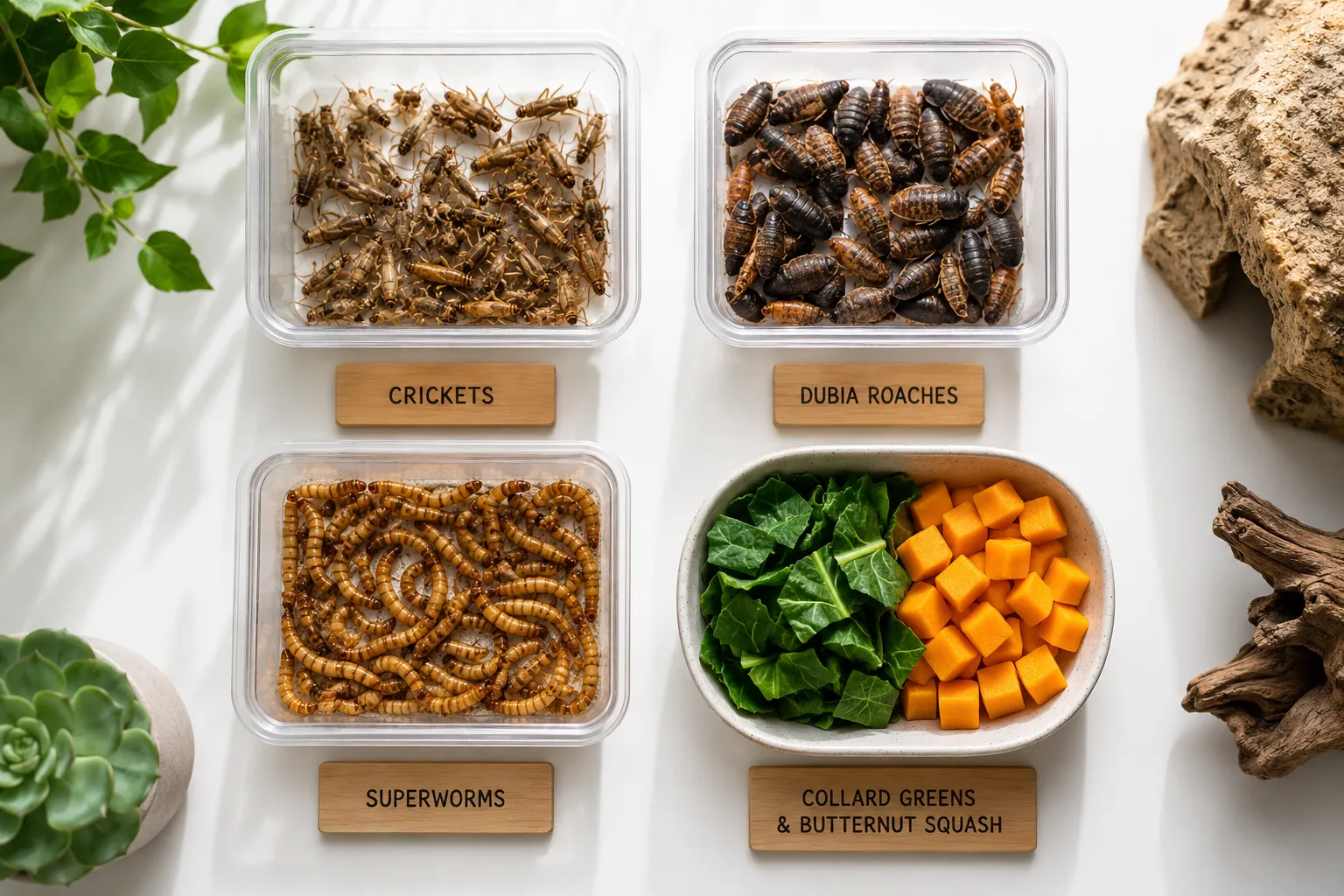
Bearded dragons thrive on a varied diet of safe feeder insects that provide protein, calcium, and other essential nutrients. Safe options include crickets, dubia roaches, black soldier fly larvae, superworms, hornworms, and silkworms.
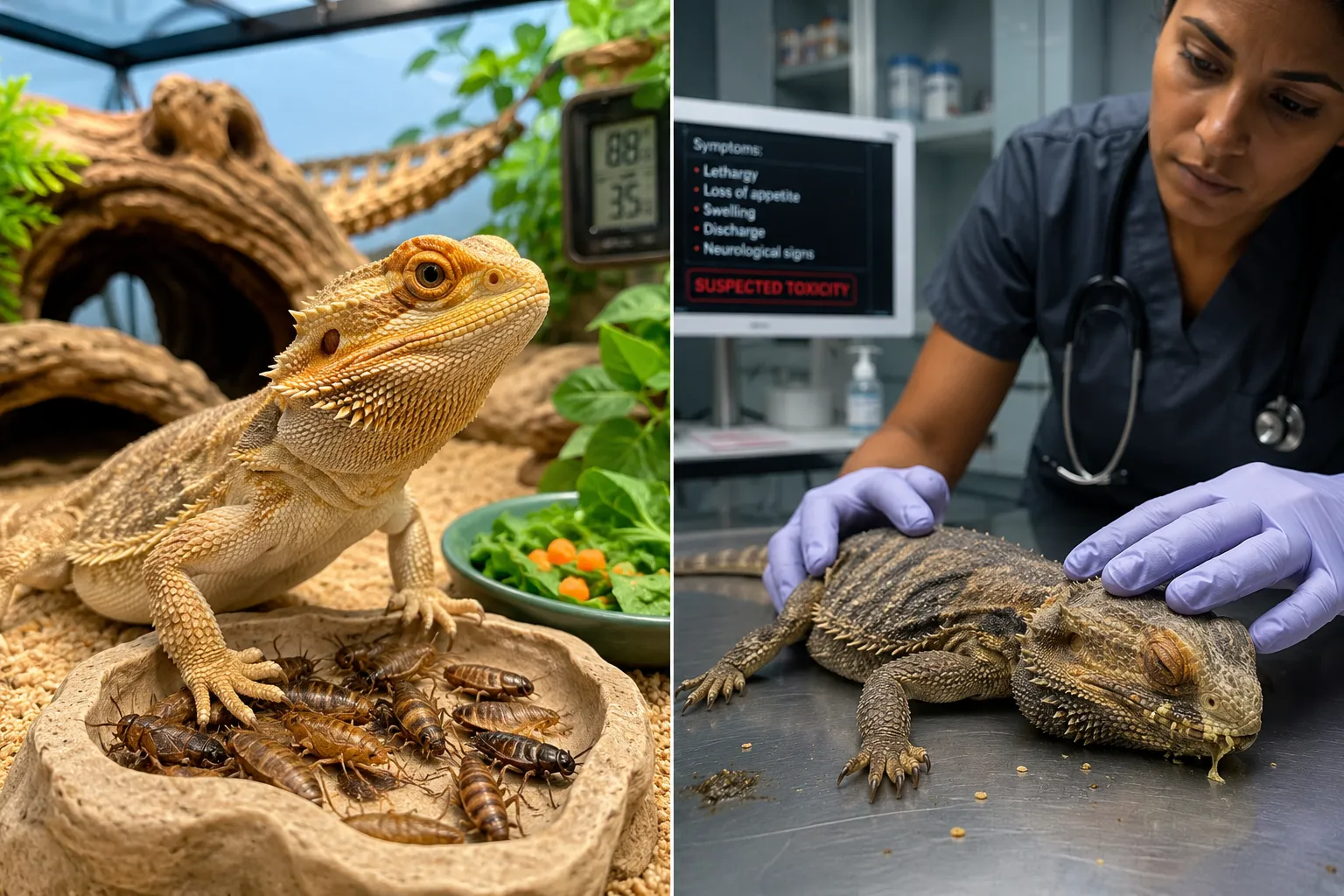
Staple Feeder Insects (Daily)
- Dubia roaches – high protein, low fat, excellent calcium-to-phosphorus ratio
- Crickets – readily available, affordable, good protein source
- Black soldier fly larvae – naturally high in calcium, no gut-loading needed
Treat Insects (2-3 times per week)
- Superworms – higher fat content, use sparingly
- Hornworms – high moisture, good for hydration
- Silkworms – nutritious but expensive
Insects to AVOID Completely
- Fireflies/lightning bugs (lethal)
- Wild-caught insects (may carry pesticides or parasites)
- Box elder bugs (toxic)
- Monarch butterflies and caterpillars (toxic)
- Ladybugs (can cause mouth irritation)
- Ants (can bite and sting)
- Bees and wasps (stinging risk)
Best practice: Purchase feeder insects from reputable suppliers who breed them specifically for reptile consumption. Gut-load insects 24-48 hours before feeding by giving them nutritious vegetables and commercial gut-loading formulas.
Can Bearded Dragons Eat Glow Worms Instead of Fireflies?
No, glow worms are also dangerous and should never be fed to bearded dragons. While glow worms are not the same species as fireflies, many glow worm species also produce toxic compounds as defense mechanisms.
The term “glow worm” refers to several different bioluminescent insect larvae:
- Firefly larvae (Lampyridae family) – contain the same lucibufagin as adult fireflies, equally lethal
- Fungus gnat larvae (Arachnocampa species) – produce sticky toxic threads to catch prey
- Railroad worms (Phengodidae family) – chemical composition not well-studied but suspected toxic
None of these are safe. The general rule for bearded dragon owners is simple: if it glows, it’s a no. Bioluminescence in insects often correlates with chemical defenses that make them unpalatable or toxic to predators.
Stick to commercially bred feeder insects that have been proven safe through decades of reptile husbandry experience.
Symptoms of Firefly Poisoning in Bearded Dragons
Recognizing firefly poisoning symptoms quickly can mean the difference between life and death, though outcomes are usually fatal even with treatment. Symptoms typically begin within 15-60 minutes of ingestion and progress rapidly.
Early Warning Signs
- Excessive salivation – drooling or foaming at the mouth
- Mouth gaping – keeping mouth open continuously
- Color changes – darkening of mouth tissues and gums
- Disorientation – head tilting, circling, loss of balance
- Regurgitation – attempting to vomit
Progressive Symptoms
- Tremors – muscle twitching that worsens over time
- Weakness – inability to support body weight, dragging limbs
- Respiratory distress – gasping, wheezing, labored breathing
- Lethargy – unresponsiveness to handling or stimuli
Critical Emergency Signs
- Seizures – violent convulsions
- Paralysis – complete loss of movement
- Cyanosis – blue or purple discoloration of tissues
- Unconsciousness
Document everything. If you’re rushing to the vet, have someone take video of the symptoms if possible. This helps the veterinarian assess the severity and progression of poisoning.
How to Treat a Bearded Dragon That Ate a Firefly
Immediate emergency veterinary care is the only option, though survival rates remain extremely low even with aggressive treatment. There is no home remedy or first aid that can counteract firefly poisoning.

A Moist and Nutritional Meal

WT.80g (2.82oz). Comes with farm-raised insects, pure and natural, as your pet's health isour top priority

MULTIPURPOSE: Perfect feeding bowl for mini mealworms, standard mealworms, giant mealworms, and most fresh and dry foods.
What to Do Immediately
- Call an emergency reptile veterinarian – explain the situation while driving
- Keep your bearded dragon warm – maintain body temperature around 85-90°F during transport
- Do not induce vomiting – this can cause additional stress and aspiration
- Bring the firefly if possible – helps confirm the toxin source
- Note the time – tell the vet exactly when ingestion occurred
Veterinary Treatment Options
Emergency vets may attempt:
- Gastric lavage – flushing the stomach if caught extremely early (within 15 minutes)
- Activated charcoal – to bind remaining toxins in the digestive tract
- IV fluids – to support kidney function and circulation
- Cardiac medications – to stabilize heart rhythm
- Oxygen therapy – to support breathing
- Anti-seizure medications – to control convulsions
Reality check: Even with all these interventions, most bearded dragons do not survive firefly poisoning. The toxin acts too quickly and too powerfully. Treatment is supportive, not curative, because there is no specific antidote for lucibufagin poisoning in reptiles.
Prevention is the only reliable protection. Never allow your bearded dragon access to fireflies, and supervise outdoor time carefully during firefly season (typically May through September in most regions).
Do Wild Bearded Dragons Ever Eat Fireflies in Nature?
No, wild bearded dragons never encounter fireflies in their natural habitat. Bearded dragons are native to the arid and semi-arid regions of Australia, where fireflies (Lampyridae family) do not exist.
Australia has very few bioluminescent insect species, and none of them overlap with bearded dragon habitats. Wild bearded dragons evolved eating:
- Native Australian insects (grasshoppers, crickets, beetles)
- Spiders and other arachnids
- Small lizards
- Native vegetation and flowers
This evolutionary history explains why bearded dragons have zero natural resistance to firefly toxins. They never developed physiological defenses against lucibufagin because they never needed them.
Geographic mismatch: Fireflies are primarily found in:
- North America
- Central and South America
- Europe
- Asia
This makes firefly poisoning a risk only for captive bearded dragons in regions where fireflies are present, particularly when dragons are taken outside during warm months or when fireflies accidentally enter homes.
Are Dead Fireflies Still Toxic to Bearded Dragons?
Yes, dead fireflies remain just as toxic as live ones. The lucibufagin toxin is a stable chemical compound that does not break down quickly after the insect dies.
Dead fireflies are dangerous because:
- Toxin persists – lucibufagin remains potent in dead tissue for days or weeks
- Easier to catch – bearded dragons may eat dead insects they find
- Less obvious – owners may not notice a dead firefly in an enclosure
- Dried specimens – even completely dried firefly bodies retain toxicity
Real-world scenarios where dead fireflies pose risks:
- A firefly dies near a window and falls into an outdoor enclosure
- A cat or dog catches and kills a firefly, dropping it where a bearded dragon can access it
- Dead fireflies accumulate on porches or patios where dragons are allowed to roam
- Fireflies die in light fixtures and fall into enclosures placed near windows
Decomposition doesn’t help. The chemical structure of lucibufagin is remarkably stable. Even partially decomposed firefly remains can contain lethal doses of the toxin.
Cleaning protocol: If you find a dead firefly anywhere near your bearded dragon’s habitat, remove it immediately using gloves or a paper towel, and dispose of it in an outdoor trash container.
What Makes Fireflies Poisonous to Reptiles?
Lucibufagin, a cardiac glycoside steroid, is the specific compound that makes fireflies lethal to reptiles. This molecule belongs to a class of chemicals called bufadienolides, which are among the most toxic natural substances to vertebrates.
Chemical Properties of Lucibufagin
- Molecular structure – similar to digoxin and other cardiac medications
- Mechanism – inhibits sodium-potassium ATPase pumps in cell membranes
- Target organs – primarily affects heart muscle and nervous system
- Stability – resistant to heat, digestion, and decomposition
Why Reptiles Are Especially Vulnerable
Reptiles are more susceptible to lucibufagin than many other animals because:
- Slower metabolism – toxins remain in the system longer
- Different cardiac physiology – reptile hearts are more sensitive to ion channel disruption
- Limited detoxification – reptile livers are less efficient at breaking down certain toxins
- No evolutionary exposure – no natural selection for resistance
Evolutionary Purpose
Fireflies evolved lucibufagin as a chemical defense against predators. The compound makes them taste terrible and causes illness or death in animals that eat them. This is called aposematic defense – the bright glow serves as a warning signal that the insect is dangerous.
Interesting fact: Some predators have evolved resistance. Certain spider species can eat fireflies without harm, and some birds have learned to avoid the light-producing organs where toxin concentrations are highest.
Safe Alternatives to Fireflies for Bearded Dragon Treats
Bearded dragons don’t need fireflies when there are dozens of safe, nutritious, and engaging treat options available. The best alternatives provide variety, enrichment, and nutritional benefits without any risk.
High-Value Treat Insects
- Hornworms – bright green, high moisture content, bearded dragons love chasing them
- Silkworms – soft-bodied, highly nutritious, excellent protein source
- Waxworms – very high fat, use rarely as special treats only
- Phoenix worms (black soldier fly larvae) – self-dusting with calcium
Vegetable and Fruit Treats
- Butternut squash – naturally sweet, high in vitamin A
- Blueberries – antioxidant-rich, offer 2-3 per week
- Mango – small pieces as occasional treats
- Bee pollen – sprinkle on salads for variety
Enrichment Feeding Ideas
- Feeding tongs – make mealtime interactive and build trust
- Puzzle feeders – encourage natural foraging behavior
- Live plant snacks – safe herbs like basil or cilantro planted in the enclosure
- Variety rotation – alternate between different feeder insects to prevent boredom
Treat guidelines: Treats should make up no more than 10% of an adult bearded dragon’s diet. Juvenile dragons (under 12 months) need primarily protein from staple insects, with treats offered sparingly.
Never substitute safety for novelty. The safest diet is one built on proven feeder insects from reputable breeders, supplemented with appropriate vegetables and occasional fruit treats.
How Long After Eating a Firefly Will a Bearded Dragon Show Symptoms?
Symptoms typically appear within 15 to 60 minutes after a bearded dragon eats a firefly, though some signs may manifest even faster. The rapid onset is due to how quickly lucibufagin is absorbed through the digestive tract and enters the bloodstream.
Timeline of Symptom Progression
0-15 minutes:
- Toxin absorption begins immediately in the mouth and stomach
- Some dragons show distress almost instantly
15-30 minutes:
- Drooling and mouth gaping commonly appear
- Behavioral changes like disorientation or agitation
- Color changes in mouth tissues
30-60 minutes:
- Tremors and muscle spasms develop
- Respiratory distress becomes evident
- Coordination loss and weakness
1-2 hours:
- Severe neurological symptoms
- Seizures may begin
- Paralysis progresses
2-8 hours:
- Critical organ failure
- Death typically occurs within this window
Factors affecting timeline:
- Size of the firefly – larger fireflies contain more toxin
- Dragon’s size – smaller dragons may show symptoms faster
- Individual sensitivity – some dragons may be slightly more or less sensitive
- Stomach contents – full stomach may slightly delay absorption
Critical window: The first 15-30 minutes after ingestion offer the only realistic chance for intervention. After symptoms appear, the prognosis is extremely poor regardless of treatment.
Can Baby Bearded Dragons Survive Firefly Toxicity Better Than Adults?
No, baby bearded dragons cannot survive firefly toxicity better than adults. In fact, younger dragons may be at equal or potentially greater risk due to their smaller body mass, though the toxin is lethal to bearded dragons of all ages and sizes.
Why Size Doesn’t Provide Protection
- Dose-per-weight ratio – a single firefly contains enough toxin to kill multiple bearded dragons regardless of size
- Toxin concentration – lucibufagin levels in one firefly far exceed lethal doses for reptiles of any size
- No age-based resistance – juvenile dragons have no physiological advantages in processing or eliminating the toxin
Comparative Vulnerability
Baby bearded dragons (0-6 months):
- Smaller body mass means toxins reach critical concentrations faster
- Less developed organ systems may be more vulnerable to cardiac effects
- Faster metabolism doesn’t help because there’s no detoxification pathway
Adult bearded dragons (18+ months):
- Larger body mass doesn’t dilute the toxin enough to matter
- More robust organ systems still cannot process lucibufagin
- Survival rates are equally dismal
The bottom line: One firefly kills bearded dragons across all life stages. There is no age at which they develop resistance or improved survival odds.
Prevention applies equally: Whether you have a three-month-old hatchling or a five-year-old adult, the same strict precautions must be taken to prevent any contact with fireflies.
Frequently Asked Questions
Can bearded dragons eat fireflies if they’re gut-loaded?
No, gut-loading makes no difference. The toxin is in the firefly’s body tissues and blood, not its stomach contents. A gut-loaded firefly is just as lethal as any other firefly.
Will a bearded dragon instinctively avoid eating fireflies?
No, bearded dragons have no instinct to avoid fireflies because they never evolved alongside them. Many dragons will readily eat fireflies if given the opportunity, which is why prevention is critical.
How do I keep fireflies away from my bearded dragon’s outdoor enclosure?
Avoid outdoor time during firefly season (typically dusk and evening, May-September). If you must take your dragon outside, supervise constantly and use a secure screen enclosure. Never leave dragons unattended outdoors during firefly active hours.
Are there any reptiles that can safely eat fireflies?
No reptile species can safely eat fireflies. Lucibufagin is toxic to all reptiles, amphibians, and most vertebrates. Some invertebrates like certain spiders have evolved resistance, but no reptile has.
What should I do if I’m not sure whether my bearded dragon ate a firefly?
If there’s any possibility of firefly ingestion, treat it as an emergency. Contact a reptile veterinarian immediately and monitor closely for symptoms. Better to be cautious than to wait and lose the critical treatment window.
Can firefly toxin be passed through feeder insects?
Theoretically yes, if a feeder insect ate a firefly, it could contain residual toxin. This is another reason to only use commercially bred feeder insects from reputable suppliers, never wild-caught insects.
Do firefly larvae pose the same risk as adult fireflies?
Yes, firefly larvae (sometimes called glow worms) contain lucibufagin and are equally toxic to bearded dragons. All life stages of fireflies are dangerous.
How long does lucibufagin stay in a bearded dragon’s system?
If a bearded dragon somehow survives initial exposure (extremely rare), the toxin can persist in tissues for days. However, most dragons do not survive long enough for elimination to occur.
Are there any warning signs before a bearded dragon eats a firefly?
No, there are no warning signs. Bearded dragons will typically eat fireflies as readily as any other moving insect. Prevention through environmental control is the only reliable protection.
Can I use firefly repellent near my bearded dragon?
No, chemical repellents can be toxic to reptiles. The safest approach is physical barriers and avoiding outdoor exposure during firefly season rather than using any chemical deterrents.
What’s the survival rate for bearded dragons that eat fireflies?
Survival rates are extremely low, estimated at less than 5% even with immediate veterinary intervention. Most bearded dragons die within hours of ingestion regardless of treatment.
Should I keep activated charcoal at home for firefly poisoning emergencies?
While activated charcoal is used in veterinary treatment, administering it at home without proper training can cause aspiration and additional harm. Always seek immediate veterinary care rather than attempting home treatment.
Conclusion
Can bearded dragons eat fireflies? Absolutely not. Fireflies are one of the most dangerous insects a bearded dragon can encounter, with a single firefly containing enough lucibufagin toxin to cause death within hours. There is no safe amount, no effective home treatment, and no age or size that provides protection.
The key to keeping your bearded dragon safe is prevention. Never allow outdoor access during firefly season without constant supervision, keep windows and doors screened, and immediately remove any fireflies that enter your home. Stick to proven safe feeder insects like dubia roaches, crickets, and black soldier fly larvae from reputable commercial breeders.
If your bearded dragon does eat a firefly, every second counts. Contact an emergency reptile veterinarian immediately and transport your dragon while keeping them warm. While survival rates are extremely low, immediate professional intervention offers the only chance.
Take action now: Review your bearded dragon’s environment and feeding practices. Ensure everyone in your household understands the danger fireflies pose. Mark your calendar for firefly season in your region and plan accordingly. Your vigilance is the only reliable protection for your bearded dragon’s life.

4 OZ GOURMET BLEND FOR BEARDED DRAGONS – T-Rex Bearded Dragon Gourmet Blend is a convenient dry formula that expands to about 1 pound of hydrated food, providing approximately 28 servings per jar. Made with carefully selected vegetables, greens, and dried insects, this blend makes daily feeding simple and practical while offering a flavorful, natural option for your bearded dragon’s diet.
Great source of omega-3 fatty acids and Vitamin E.

FRESH AND HEALTHY: We only choose fresh and healthy Grasshoppers as raw materials, without any additives, and then seal stored through advanced frozen-drying technology; Bearded dragon food ensures the freshness and natural taste of the product