
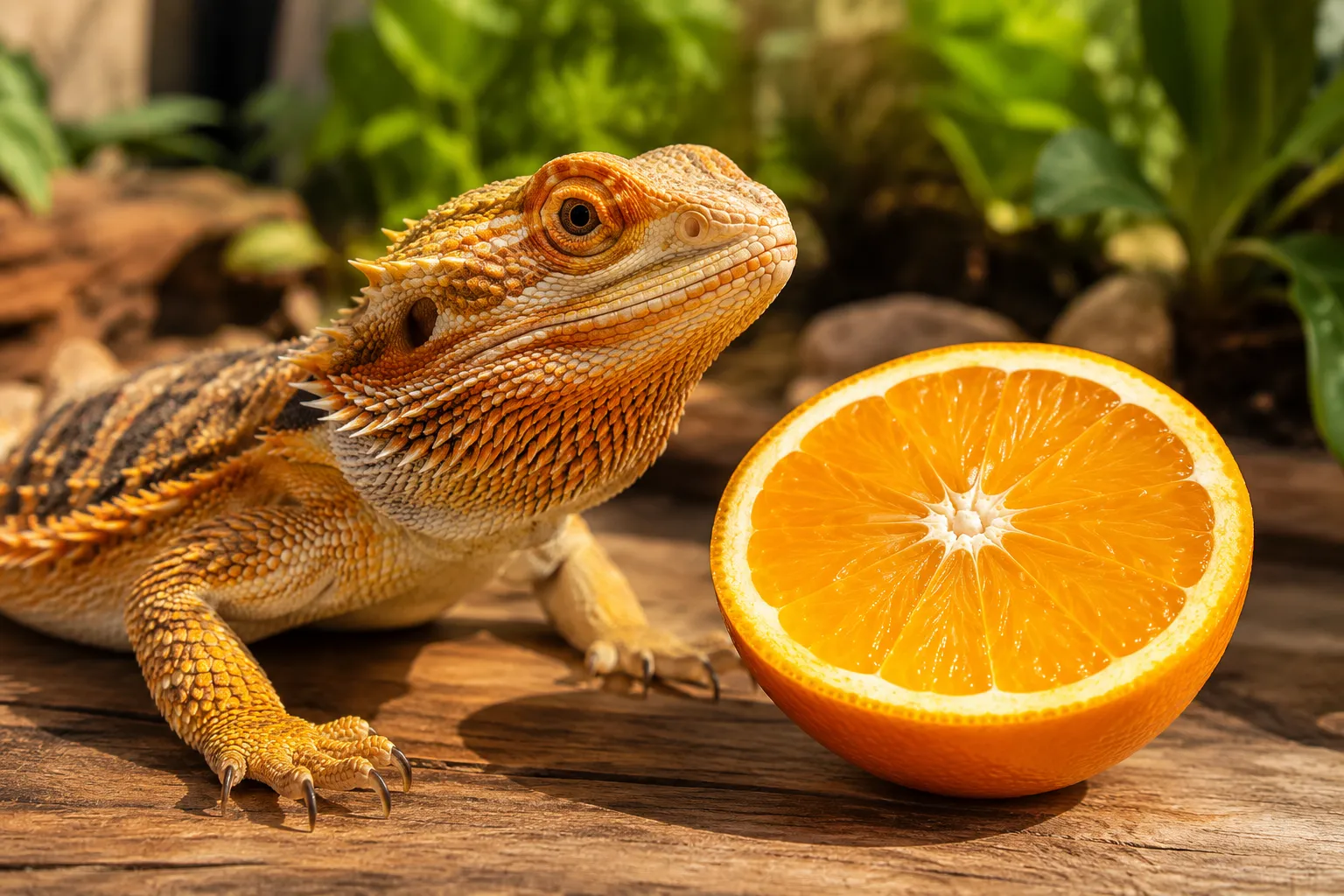
Quick Answer: Bearded dragons should not eat oranges regularly. While a tiny piece occasionally won’t cause immediate harm, oranges contain high levels of citric acid and an unfavorable calcium-to-phosphorus ratio that can lead to digestive issues and metabolic bone disease over time. Safer fruit alternatives like berries, papaya, and mango are much better choices for your bearded dragon’s diet.
Key Takeaways
- Oranges are not recommended for bearded dragons due to high citric acid content that can cause digestive upset
- The calcium-to-phosphorus ratio in oranges (approximately 2:1) is poor for reptile health and can contribute to metabolic bone disease
- If your bearded dragon accidentally eats a small piece of orange, monitor for diarrhea or lethargy but don’t panic
- Baby bearded dragons should never eat oranges as their digestive systems are more sensitive than adults
- Safe fruit alternatives include blueberries, strawberries, papaya, mango, and figs
- Fruits should only make up 5-10% of an adult bearded dragon’s diet regardless of type
- Orange juice and orange peels are both unsafe and should be avoided completely
- Citrus fruits in general (lemons, limes, grapefruits) share the same problems as oranges and should be avoided


Vitamin Enriched Formula That Provides Essential Proteins, Fats, Vitamins And Minerals

All Natural: 100% all-natural and preservative-free

Package Dimensions: 12.953 H x 7.62 L x 7.62 W (centimeters)
Are Oranges Safe for Bearded Dragons?
Oranges are not considered safe for regular feeding to bearded dragons. The high citric acid content can irritate their digestive tract, causing stomach upset, diarrhea, and discomfort. Additionally, oranges have a calcium-to-phosphorus ratio that works against your dragon’s nutritional needs.
Bearded dragons require foods with a calcium-to-phosphorus ratio of at least 2:1 (ideally higher) to maintain healthy bones and prevent metabolic bone disease. While oranges technically meet this minimum at roughly 2:1, the high phosphorus content still binds with calcium in the digestive system, reducing the amount of calcium your dragon can actually absorb.
The main problems with oranges include:
- High acidity: Citric acid can burn the mouth, throat, and stomach lining
- Sugar content: Too much sugar leads to obesity and digestive problems
- Poor mineral balance: Phosphorus interferes with calcium absorption
- Water content: Excessive water in citrus can cause runny stools
Choose oranges only if you have absolutely no other fruit options, and even then, limit it to a piece smaller than the space between your dragon’s eyes, offered no more than once every few months.
Why Are Citrus Fruits Bad for Bearded Dragons?
Citrus fruits contain high levels of citric acid, which bearded dragons’ digestive systems are not designed to handle. In the wild, bearded dragons from Australia’s arid regions would never encounter citrus fruits, so they lack the evolutionary adaptations to process them safely.
The citric acid in oranges, lemons, limes, and grapefruits can cause several problems:
- Mouth and throat irritation: The acid can create sores or discomfort
- Stomach upset: Leading to vomiting or refusal to eat
- Diarrhea: Loose, watery stools that can cause dehydration
- pH imbalance: Disrupting the natural gut flora needed for digestion
Beyond the acid issue, citrus fruits also contain compounds called limonoids and psoralens that can be toxic to reptiles in larger amounts. While a tiny piece won’t poison your dragon immediately, repeated exposure increases the risk of long-term health problems.
Common mistake: Some owners think that because oranges are healthy for humans, they must be fine for reptiles. Bearded dragons have completely different nutritional needs and digestive capabilities than mammals.
How Much Orange Can a Bearded Dragon Eat?
If you decide to offer orange despite the risks, limit it to a piece no larger than the space between your bearded dragon’s eyes, and only once every 2-3 months at most. This tiny amount minimizes the risk of digestive upset while satisfying curiosity if your dragon shows interest.
Safe serving guidelines:
- Maximum size: Smaller than the space between the eyes
- Frequency: Once every 8-12 weeks maximum
- Preparation: Remove all seeds, peel, and white pith
- Timing: Offer in the morning so you can monitor for reactions throughout the day
However, the better answer is to avoid oranges entirely and choose safer fruits instead. There’s no nutritional benefit in oranges that can’t be found in dragon-safe alternatives with fewer risks.
Decision rule: Choose oranges only if your bearded dragon refuses all other fruits and you’re trying to add variety to prevent food boredom. Otherwise, skip them completely.
What Happens If My Bearded Dragon Ate Orange?
If your bearded dragon accidentally ate a piece of orange, don’t panic. A small amount is unlikely to cause serious harm, but you should monitor your pet closely for the next 24-48 hours for signs of digestive distress.
Watch for these symptoms:
- Diarrhea or unusually watery stools
- Lethargy or reduced activity levels
- Loss of appetite or refusing food
- Mouth rubbing or signs of oral discomfort
- Vomiting or regurgitation
Most bearded dragons will simply pass the orange through their system with minimal issues if the amount was small. Ensure your dragon has access to fresh water and maintain normal temperatures in their enclosure to support digestion.
When to contact a vet:
- Diarrhea lasting more than 24 hours
- Complete refusal to eat for 2+ days
- Visible lethargy or weakness
- Any signs of pain or distress
If your dragon ate a large amount of orange (more than a few small pieces), contact a reptile veterinarian for advice. They may recommend bringing your pet in for examination or suggest supportive care at home.
Can Baby Bearded Dragons Eat Oranges?
Baby bearded dragons should never eat oranges under any circumstances. Their digestive systems are significantly more sensitive than adults, and even a tiny piece of citrus can cause severe diarrhea, dehydration, and nutritional imbalances that can be life-threatening for young dragons.
Juvenile bearded dragons (under 12 months old) need a diet focused primarily on protein from insects, with only small amounts of vegetables and minimal fruit. Their rapid growth requires optimal calcium absorption, and the phosphorus in oranges directly interferes with this critical process.
Baby dragon diet priorities:
- 70-80% insects (crickets, dubia roaches, black soldier fly larvae)
- 20-30% vegetables (collard greens, mustard greens, butternut squash)
- Less than 5% fruit, and only safe options like berries
Wait until your bearded dragon is at least 18 months old before considering any fruit that’s not on the “highly recommended” list. Even then, oranges should remain off the menu entirely.
What Fruits Can Bearded Dragons Eat Instead of Oranges?
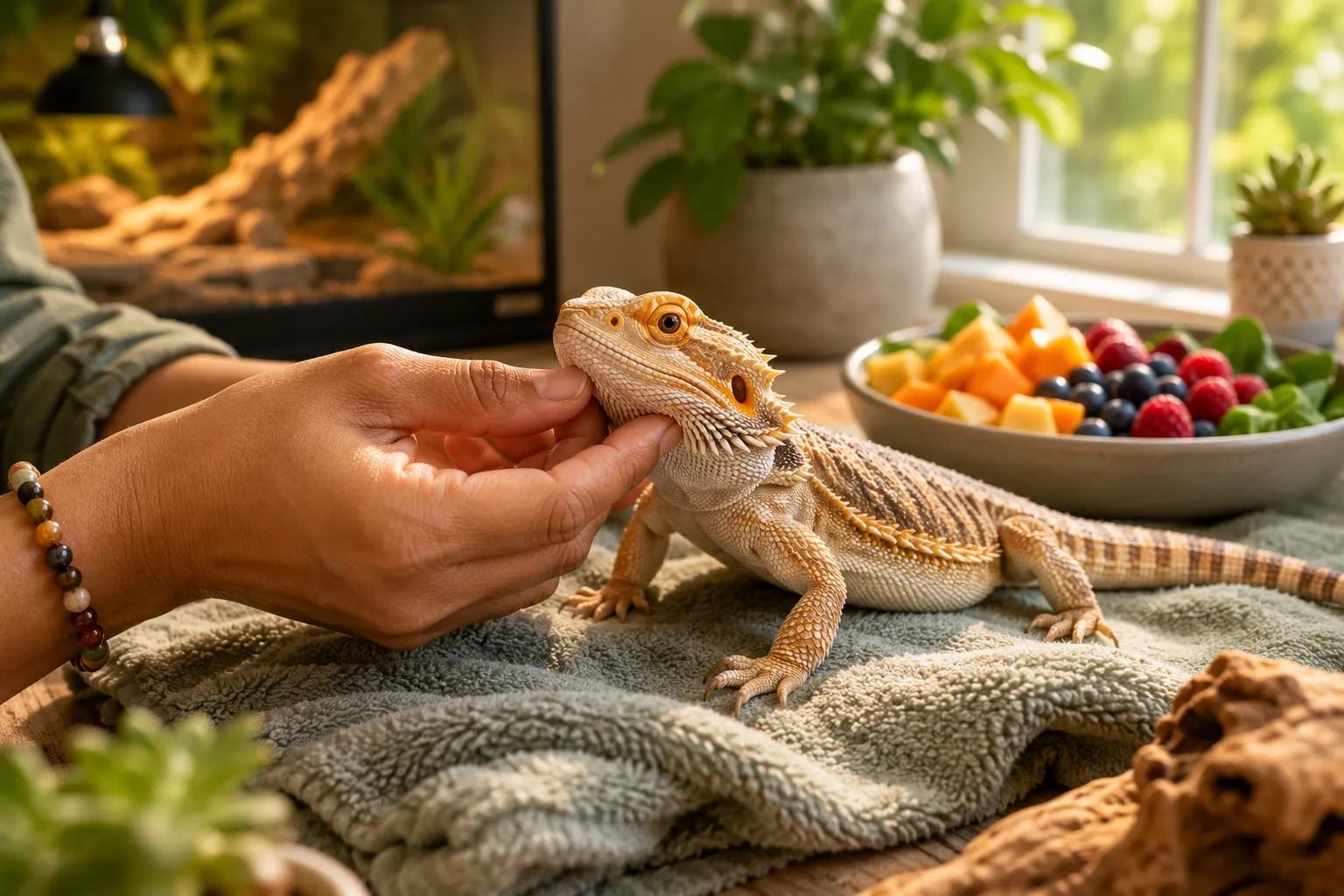
Bearded dragons can safely enjoy many fruits that provide better nutrition and fewer risks than oranges. Focus on options with favorable calcium-to-phosphorus ratios, lower acidity, and beneficial vitamins.
Best fruit choices for bearded dragons:
- Blueberries: High in antioxidants, low acid, good calcium content
- Strawberries: Vitamin C without excessive citric acid, good texture
- Papaya: Excellent calcium-to-phosphorus ratio (4.8:1), digestive enzymes
- Mango: Rich in vitamin A, good mineral balance
- Figs: Very high calcium content, natural sweetness
- Raspberries: Fiber and antioxidants with moderate sugar
- Blackberries: Similar benefits to raspberries
- Watermelon: Hydrating treat for hot days (seedless only)
- Cantaloupe: Vitamin A and beta-carotene
- Peaches: Occasional treat, remove pit completely
Fruits to offer sparingly (once weekly):
- Apples (remove seeds, high sugar)
- Grapes (cut in half, high sugar)
- Pears (remove seeds, high water content)
Fruits to avoid completely:
- All citrus (oranges, lemons, limes, grapefruit, tangerines)
- Avocado (toxic to reptiles)
- Rhubarb (toxic oxalic acid)
Remember that even safe fruits should only comprise 5-10% of an adult bearded dragon’s total diet, with the majority being vegetables (40-50%) and insects (40-50%).
Oranges vs Strawberries for Bearded Dragons
When comparing oranges and strawberries for bearded dragons, strawberries are the clear winner in every category. Strawberries provide similar vitamin C benefits without the dangerous citric acid levels, and they have a better mineral profile for reptile health.
Comparison breakdown:
| Factor | Oranges | Strawberries |
|---|---|---|
| Citric acid | High (problematic) | Low (safe) |
| Ca:P ratio | ~2:1 (poor) | ~1.7:1 (acceptable) |
| Sugar content | High | Moderate |
| Vitamin C | Very high | High |
| Safety rating | Not recommended | Safe in moderation |
| Frequency | Avoid or rare | 1-2 times per week |
Strawberries also have a softer texture that’s easier for bearded dragons to chew and digest. The seeds on the outside don’t pose a choking hazard like orange seeds might, and the lower acidity means no risk of mouth or stomach irritation.
Choose strawberries if: You want to provide vitamin C and variety safely.
Choose oranges if: You literally have no other fruit available and your dragon hasn’t eaten fruit in months (and even then, reconsider).
Can Bearded Dragons Have Orange Juice?
Bearded dragons should never be given orange juice. Juice concentrates all the problems of whole oranges while removing any beneficial fiber, creating an even more dangerous product for reptiles.
Orange juice contains:
- Concentrated citric acid: Even more irritating than whole fruit
- High sugar concentration: Leads to obesity and diabetes-like conditions
- No fiber: Causes blood sugar spikes
- Possible additives: Commercial juices often contain preservatives or added sugars
Additionally, liquid foods can easily be aspirated (inhaled) by bearded dragons, potentially causing respiratory infections or pneumonia. Reptiles are designed to eat solid foods, not drink sugary liquids.
Never offer your bearded dragon:
- Orange juice (fresh or commercial)
- Any citrus juice
- Fruit juice of any kind
- Sugary drinks or sodas
- Flavored water
Stick to plain, fresh water for hydration and whole fruits (safe varieties only) for treats. If you’re concerned about hydration, increase the moisture content of vegetables or offer a shallow water dish for soaking.

ESSENTIAL CALCIUM SUPPLEMENT: Help your reptiles and amphibians stay healthy and prosper with this calcium powder. Calcium deficiency in reptiles is a major contributing factor in Metabolic Bone Disease (MBD). This All Reptile Calcium Powder serves as a supplement for all reptiles and amphibians in captivity, aimed to promote and maintain bones, muscles, and nerve functions

Are you looking for a bearded dragon Apparel for a bearded dragon owner, breeder, or keeper?

Are you looking for a bearded dragon Apparel for a bearded dragon owner, breeder, or keeper?
Can Bearded Dragons Eat Orange Peels?
Orange peels are not safe for bearded dragons and should never be offered. The peel contains even higher concentrations of citric acid and essential oils than the fruit flesh, plus it presents a serious choking hazard due to its tough, fibrous texture.
Dangers of orange peels:
- Extremely high citric acid: Can cause severe digestive burns
- Essential oils: Limonene and other compounds toxic to reptiles
- Pesticide residue: Citrus peels often have high pesticide concentrations
- Choking risk: Tough texture difficult to chew and swallow
- Intestinal blockage: Indigestible fiber can cause impaction
The white pith between the peel and fruit flesh is equally problematic, containing high levels of bitter compounds and indigestible fiber. Always remove all peel, pith, and seeds before offering any fruit to your bearded dragon.
Safe preparation for any fruit:
- Wash thoroughly to remove pesticides
- Remove all peels, rinds, and tough outer layers
- Remove all seeds and pits
- Cut into appropriately sized pieces
- Offer in a clean dish separate from insects
How Often Can I Feed My Bearded Dragon Fruit?
Adult bearded dragons should receive fruit only 1-2 times per week, making up no more than 5-10% of their total diet. Juvenile dragons under 12 months should have fruit even less frequently, perhaps once per week or less, as their diet should focus heavily on protein for growth.
Ideal feeding schedule for adults:
- Daily: Fresh vegetables (collard greens, mustard greens, butternut squash, bell peppers)
- Daily: Insects dusted with calcium powder (crickets, dubia roaches, black soldier fly larvae)
- 1-2 times weekly: Small portion of safe fruit as a treat
- Weekly: Multivitamin supplement dusted on insects
Fruit should be viewed as an occasional treat, not a dietary staple. While bearded dragons often show enthusiasm for sweet fruits, too much can lead to obesity, nutritional imbalances, and preference for treats over nutritious staples.
Common mistake: Owners often give fruit daily because their dragon seems to love it. This is like letting a child eat dessert for every meal because they prefer it. Stick to the schedule even if your dragon begs for more fruit.
Edge case: If your bearded dragon is recovering from illness or refusing to eat, small amounts of favorite fruits can sometimes stimulate appetite. Consult your reptile vet for specific guidance in these situations.
Best Fruits for Bearded Dragons Daily Diet
No fruit should be part of a bearded dragon’s daily diet. However, if you’re rotating fruits throughout the week, the best options to include in your regular rotation are those with optimal calcium-to-phosphorus ratios and lower sugar content.
Top-tier fruits for regular rotation (1-2 times weekly):
- Papaya: Best calcium-to-phosphorus ratio at 4.8:1, contains digestive enzymes
- Figs: Very high calcium content, natural sweetness without excessive sugar
- Blueberries: Antioxidant-rich, low acid, good size for easy eating
- Strawberries: Vitamin-rich, safe acidity level, widely available
Second-tier fruits (once weekly or less):
- Mango (high vitamin A but higher sugar)
- Raspberries (good nutrition but seeds can be messy)
- Blackberries (similar to raspberries)
- Cantaloupe (hydrating but high sugar)
Occasional treats only (2-3 times monthly):
- Watermelon (very high water content, minimal nutrition)
- Grapes (very high sugar, cut in half)
- Apples (high sugar, remove seeds completely)
- Peaches (moderate nutrition, remove pit)
The foundation of a healthy bearded dragon diet remains vegetables and insects, not fruit. Think of fruit as the equivalent of dessert, enjoyable and acceptable in small amounts, but not nutritionally complete.
Do Oranges Cause Diarrhea in Bearded Dragons?
Yes, oranges commonly cause diarrhea in bearded dragons due to their high citric acid content and excessive water content. The acidic nature irritates the intestinal lining, speeding up digestion and preventing proper water absorption, which results in loose, watery stools.
Diarrhea from oranges typically appears within 6-24 hours after consumption and may include:
- Watery or unusually loose stools
- More frequent defecation than normal
- Undigested food particles in feces
- Discolored or unusually smelly waste
Why oranges trigger diarrhea:
- Citric acid irritates intestinal walls
- High water content overwhelms digestive system
- Sugar content can ferment in the gut
- Unfamiliar food disrupts normal gut bacteria
If your bearded dragon develops diarrhea after eating orange, ensure they stay hydrated and return to their normal diet immediately. Most cases resolve within 24-48 hours once the orange has passed through the system.
Prevention: Simply avoid feeding oranges and other citrus fruits entirely. If diarrhea persists beyond 48 hours or is accompanied by lethargy or loss of appetite, contact a reptile veterinarian as dehydration can become serious quickly in reptiles.
What Foods Are Toxic to Bearded Dragons?
Several common foods are toxic to bearded dragons and should never be offered under any circumstances. Being aware of these dangerous foods helps prevent accidental poisoning and keeps your pet safe.
Highly toxic foods (never feed):
- Avocado: Contains persin, which is toxic to reptiles and can cause heart failure
- Rhubarb: High oxalic acid content can cause kidney failure
- Onions and garlic: Damage red blood cells and cause anemia
- Chives and leeks: Same family as onions, equally dangerous
- Fireflies/lightning bugs: Contain lucibufagins, extremely toxic even in tiny amounts
- Wild-caught insects: May contain pesticides or parasites
- Buttercups: Toxic plant that causes mouth irritation and digestive issues
- Daffodils: All parts are poisonous to reptiles
- Ivy: Causes severe digestive upset and potential organ damage
Foods to avoid (not toxic but harmful):
- Citrus fruits (oranges, lemons, limes, grapefruit)
- Spinach (high oxalates bind calcium)
- Beet greens (high oxalates)
- Iceberg lettuce (no nutritional value, causes diarrhea)
- Rhubarb leaves (extremely high oxalates)
- Tomato leaves (contain toxic alkaloids)
Insects to avoid:
- Fireflies (deadly toxic)
- Box elder bugs (toxic)
- Monarch butterflies (toxic from milkweed)
- Insects from areas treated with pesticides
- Insects caught near roads (contamination risk)
Always research any new food before offering it to your bearded dragon. When in doubt, stick to the established safe food lists provided by reptile veterinarians and herpetology experts.
Frequently Asked Questions
Can bearded dragons eat mandarin oranges?
No, mandarin oranges have the same problems as regular oranges, high citric acid and poor calcium-to-phosphorus ratio. All citrus varieties should be avoided, including mandarins, tangerines, clementines, and satsumas.
What should I do if my bearded dragon ate a lot of orange?
Monitor closely for diarrhea, lethargy, or loss of appetite over the next 24-48 hours. Ensure fresh water is available and maintain proper enclosure temperatures. Contact a reptile veterinarian if symptoms persist beyond 48 hours or if your dragon shows signs of distress.
Are orange-colored vegetables safe for bearded dragons?
Yes, orange-colored vegetables like butternut squash, carrots, and bell peppers are safe and nutritious. The color doesn’t matter, it’s the citric acid in citrus fruits specifically that causes problems, not the orange pigment.
Can bearded dragons eat orange-flavored foods?
No, avoid any artificially flavored foods. Bearded dragons should only eat fresh, whole foods without additives, preservatives, or artificial flavors. Stick to fresh vegetables, insects, and occasional safe fruits.
How can I tell if my bearded dragon has citrus poisoning?
Symptoms include severe diarrhea, vomiting, lethargy, loss of appetite, mouth rubbing, and signs of abdominal pain. True poisoning from citrus is rare unless large amounts were consumed, but digestive upset is common. Contact a vet if symptoms are severe or persistent.
Is the vitamin C in oranges beneficial for bearded dragons?
Bearded dragons synthesize their own vitamin C and don’t require dietary sources like humans do. Any vitamin C benefit from oranges is far outweighed by the risks of citric acid and poor mineral balance. Choose safer vitamin-rich foods like bell peppers or strawberries.
Can I give my bearded dragon orange as a source of hydration?
No, fresh water and water-rich vegetables like cucumber or bell peppers are much safer hydration sources. The high citric acid in oranges makes them unsuitable for hydration purposes despite their water content.
Do bearded dragons like the taste of oranges?
Some bearded dragons may show interest in oranges due to the sweet smell and bright color, but preference doesn’t equal safety. Many dragons will eat foods that aren’t good for them, so owners must make informed decisions regardless of the pet’s enthusiasm.
Can I feed orange to my bearded dragon if I remove the acid somehow?
There’s no practical way to remove citric acid from oranges at home, and even if you could, the poor calcium-to-phosphorus ratio would remain. Simply choose safer fruit alternatives instead of trying to modify unsuitable foods.
Are there any citrus fruits that are safe for bearded dragons?
No, all citrus fruits (oranges, lemons, limes, grapefruits, tangerines, kumquats, etc.) share the same problems of high citric acid and should be avoided completely. There are no exceptions in the citrus family.
How long does it take for orange to pass through a bearded dragon’s system?
Bearded dragons typically digest food within 24-72 hours depending on temperature, metabolism, and the specific food. Orange pieces should pass within this timeframe, though digestive upset may occur during the process.
Can bearded dragons eat foods cooked with orange juice?
No, avoid any foods prepared with citrus juice or zest. The citric acid remains problematic even when cooked, and bearded dragons should only eat fresh, unprocessed foods without seasonings or additives.
Conclusion
The answer to “Can bearded dragons eat oranges?” is a clear no for regular feeding. While a tiny piece once in a great while won’t cause immediate harm, the high citric acid content, poor calcium-to-phosphorus ratio, and risk of digestive upset make oranges a poor choice for your bearded dragon’s diet. Baby dragons should never have oranges under any circumstances due to their sensitive digestive systems.
Instead, focus on providing safe fruit alternatives like blueberries, strawberries, papaya, and figs, which offer better nutrition without the risks. Remember that fruit should only make up 5-10% of your adult bearded dragon’s diet, with the majority consisting of fresh vegetables and protein-rich insects.
Take these steps to keep your bearded dragon healthy:
- Remove oranges and all citrus fruits from your dragon’s diet completely
- Stock up on safe fruit alternatives for weekly treats
- Focus on calcium-rich vegetables like collard greens and mustard greens for daily feeding
- Dust insects with calcium powder to support bone health
- Monitor your dragon’s weight and adjust fruit portions if obesity becomes a concern
- Consult a reptile veterinarian if you have questions about your specific dragon’s dietary needs
By making informed choices about what you feed your bearded dragon, you’ll help ensure a long, healthy life for your scaly companion. When in doubt about any food, research thoroughly or consult with a reptile veterinarian before offering it to your pet.

OPTIMAL NUTRITION FOR HERBIVOROUS REPTILES; Zilla Herbivore Medley provides a complete diet for herbivores like bearded dragons, tortoises, uromastyx and iguanas

New Fluker's Crafted Cuisine Bearded Dragon Diet (6.75 oz.)

OPTIMAL NUTRITION FOR OMNIVOROUS REPTILES; Zilla Omnivore Medley provides a complete diet for omnivores like bearded dragons, box turtles, tegus and water dragons