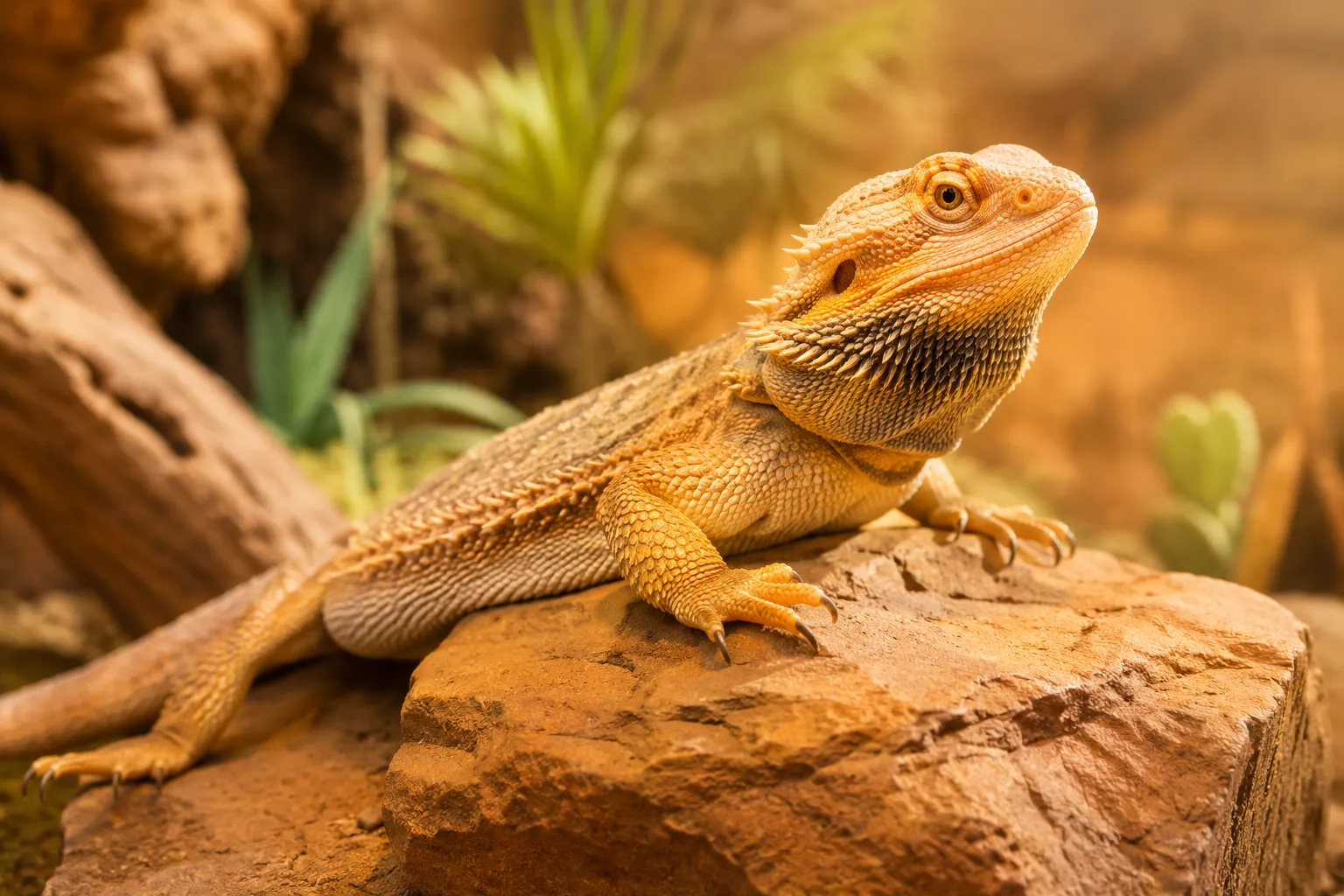
Quick Answer: Bearded dragons typically live 8 to 12 years in captivity with proper care, though some can reach 15 years or more. Wild bearded dragons have shorter lifespans, averaging 5 to 8 years due to predators, disease, and harsh environmental conditions. Factors like diet quality, habitat setup, veterinary care, and genetics all play significant roles in determining how long your bearded dragon will live.
Key Takeaways
- Captive bearded dragons live 8-12 years on average, with exceptional care extending lifespan to 15+ years
- Wild bearded dragons live only 5-8 years due to predation, disease, and environmental stress
- Proper UVB lighting, calcium supplementation, and diet variety are the biggest controllable factors affecting longevity
- Common mistakes like inadequate heating, poor nutrition, and skipping vet visits can cut lifespan in half
- Female bearded dragons may have slightly shorter lifespans if bred repeatedly due to reproductive stress
- Older bearded dragons develop specific health issues including metabolic bone disease, organ failure, and decreased mobility
- Lifetime care costs range from $5,000 to $10,000 including setup, food, supplements, and veterinary care
- Bearded dragons make excellent beginner pets despite their long commitment because they’re docile and relatively low-maintenance

【All-in-One Reptile Heat Lamp】Combines UVB, UVA, visible daylight and infrared heat in one reptile bulb, helping reduce the need for multiple lamps in reptile tanks and terrariums. Designed for easy reptile habitat setup as a basking lamp, reptile heat lamp and UVB bulb for daily reptile care.

☀️☀️Increased Brightness. Hygger Zoo uvb light is brighter than other UVB bulbs because of evenly distributed fluorescent powder and a high-tech circuit board. And the uva uvb reptile light bulb can simulate natural sunlight, your reptile pets will enjoy natural light in the comfort of their own home and feel like they are in the wild.
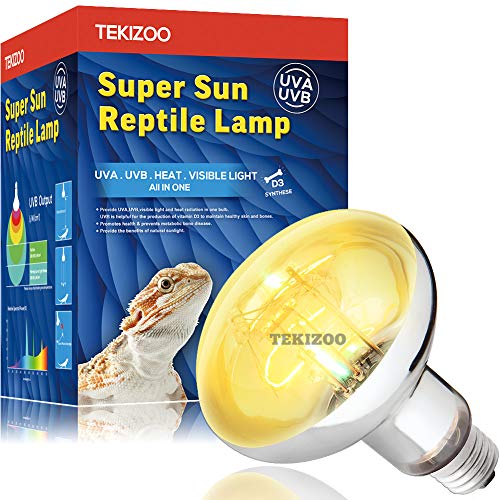
ALL IN ONE - By providing UVA UVB heat and visible light from one bulb,the Tekizoo sun lamp could provide many of the known benefits of natural sunlight to captive reptiles.
What Is the Average Lifespan of a Bearded Dragon in Captivity?
Bearded dragons kept as pets typically live between 8 and 12 years when provided with appropriate care. Many owners report their dragons reaching 10 to 12 years regularly, and with exceptional husbandry, some individuals have lived 14 to 15 years or longer.
The wide range in captive lifespans reflects the quality of care provided. Dragons receiving proper:
- UVB lighting (10-12 hours daily with bulb replacement every 6-12 months)
- Temperature gradients (basking spot 95-105°F, cool side 75-85°F)
- Balanced diet (appropriate insect-to-vegetable ratios changing with age)
- Regular veterinary checkups (annual exams minimum)
- Proper enclosure size (minimum 40 gallons for juveniles, 75+ gallons for adults)
These dragons consistently reach the upper end of the lifespan range. Conversely, dragons kept in suboptimal conditions often die prematurely at 4 to 6 years from preventable health issues.
Choose a bearded dragon if you’re prepared for a decade-long commitment and can maintain consistent care routines. They’re not short-term pets like hamsters or fish.
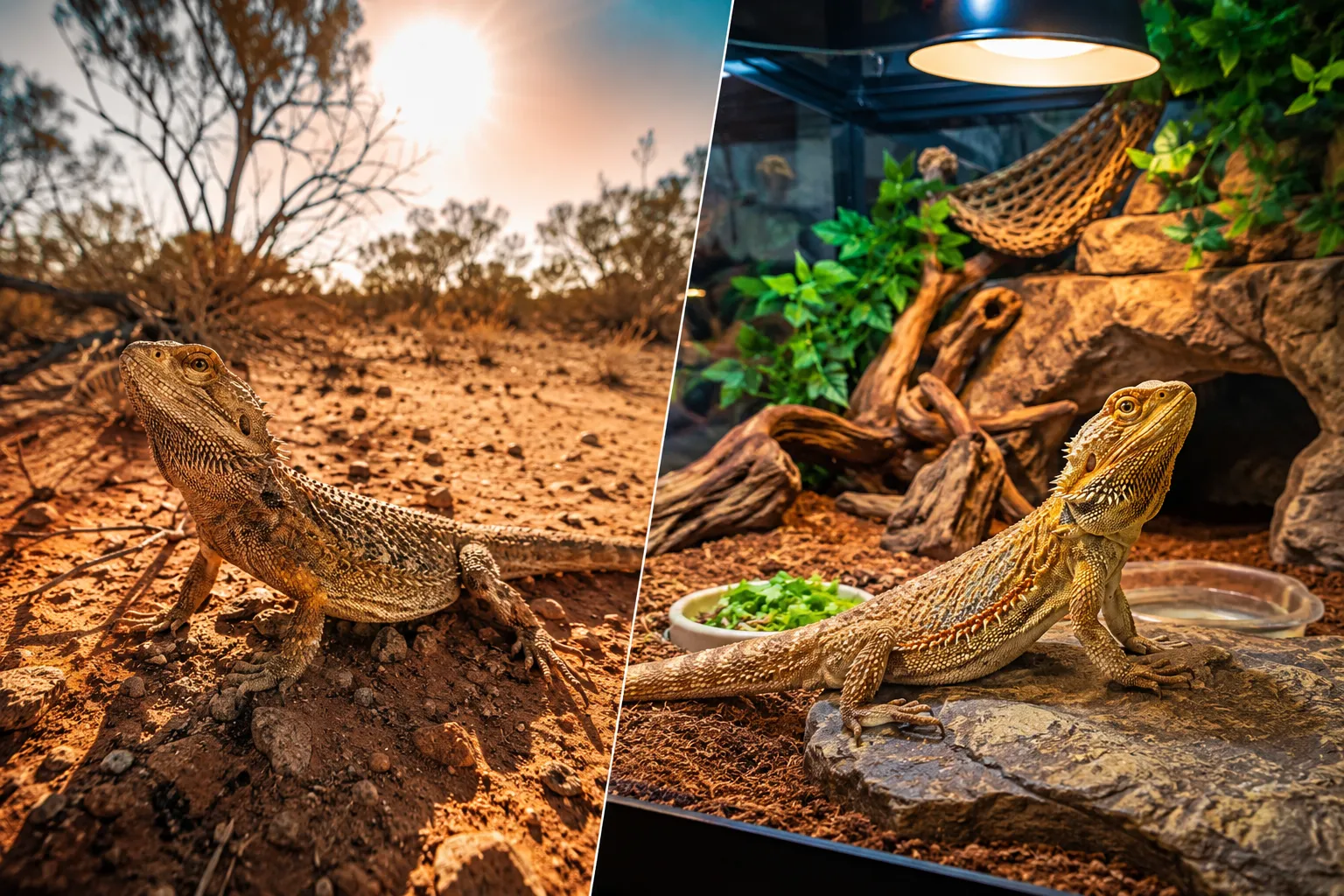
How Long Do Bearded Dragons Live in the Wild vs as Pets?
Wild bearded dragons in their native Australian habitats live significantly shorter lives than their captive counterparts, typically surviving only 5 to 8 years. The harsh realities of nature create constant survival challenges that pet dragons never face.
Wild bearded dragon threats include:
- Predation from birds of prey, snakes, and larger lizards
- Extreme temperature fluctuations and drought conditions
- Parasites and diseases without treatment
- Food scarcity during seasonal changes
- Competition for territory and resources
- Vehicle strikes in areas near human development
Captive advantages:
- Protection from predators and environmental extremes
- Consistent food supply with proper nutrition
- Veterinary care for injuries and illnesses
- Controlled temperature and humidity
- Reduced stress and energy expenditure
The 3-7 year difference between wild and captive lifespans demonstrates how much environmental factors matter. Pet bearded dragons essentially live in a controlled paradise compared to their wild relatives, which explains why proper husbandry can nearly double their lifespan.
Do Male or Female Bearded Dragons Live Longer?
Male and female bearded dragons have roughly similar lifespans when kept as pets and not bred, both averaging 8 to 12 years. However, female bearded dragons that are bred repeatedly may experience shorter lifespans due to the physical stress of egg production.
Breeding impact on females:
- Egg production depletes calcium and other nutrients rapidly
- Repeated breeding cycles stress the reproductive system
- Egg binding (dystocia) can be life-threatening
- Post-laying complications increase with age
- Recovery periods between clutches are essential
Female bearded dragons can produce eggs even without mating (infertile clutches), which still taxes their bodies. Females producing multiple clutches per year without proper supplementation and recovery time may develop health problems earlier than males or non-breeding females.
To maximize female lifespan:
- Limit breeding to once per year maximum
- Provide extra calcium during egg development
- Monitor weight and body condition closely
- Consider spaying if breeding isn’t planned (though this surgery carries risks)
- Ensure adequate rest between clutches
Males generally face fewer reproductive health risks, though they can become stressed during breeding season and may refuse food temporarily. Overall, gender plays a minor role compared to care quality, genetics, and breeding frequency.
What Factors Affect Bearded Dragon Lifespan?
Multiple interconnected factors determine how long your bearded dragon will live, with husbandry quality being the most significant controllable variable. Understanding these factors helps you maximize your dragon’s longevity.
Primary lifespan factors:
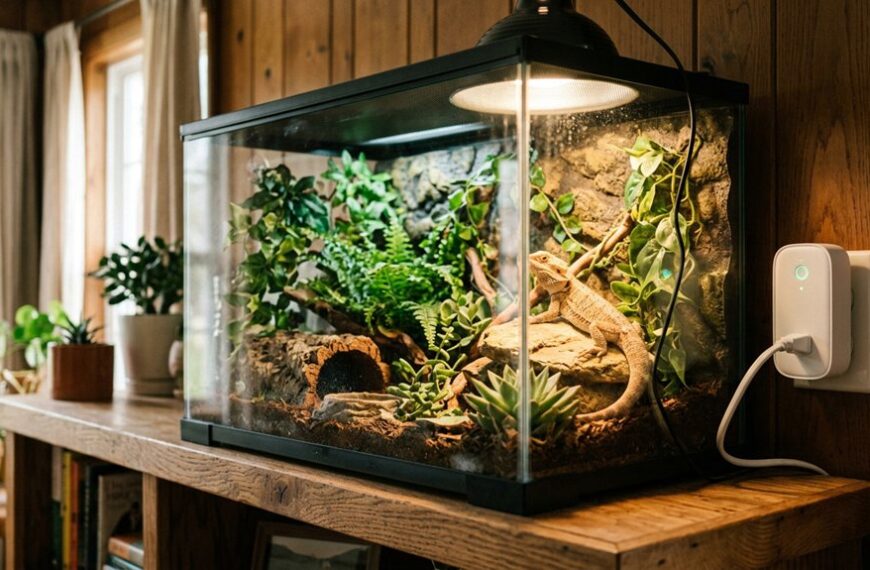
Lighting and UVB exposure – Bearded dragons require UVB light to synthesize vitamin D3, which enables calcium absorption. Without proper UVB (10-12% strength, replaced every 6-12 months), dragons develop metabolic bone disease that severely shortens lifespan.
Temperature regulation – Dragons are ectothermic and depend on external heat for digestion, immune function, and metabolism. Inadequate basking temperatures (below 95°F) or missing cool zones prevent proper thermoregulation and cause chronic stress.
Diet quality and variety – Young dragons need 70-80% protein (insects) and 20-30% vegetables, while adults require the reverse ratio. Poor diet balance, lack of gut-loaded insects, or missing calcium/vitamin supplements lead to nutritional deficiencies.
Enclosure size and enrichment – Cramped spaces increase stress and limit exercise. Adult bearded dragons need minimum 75-gallon enclosures (120 gallons preferred) with climbing branches, hiding spots, and basking platforms.
Veterinary care – Annual checkups catch problems early. Parasites, respiratory infections, and metabolic issues are treatable when detected promptly but often fatal when ignored.
Genetics – Some dragons inherit stronger constitutions than others. Reputable breeders who avoid inbreeding produce healthier animals with better longevity potential.
Stress levels – Constant handling, aggressive tank mates, or high-traffic enclosure locations create chronic stress that weakens immune systems over time.
Common mistake: Many owners focus on one factor (usually diet) while neglecting others. Bearded dragon health requires all factors working together – you can’t compensate for poor lighting with excellent diet, for example.
How to Make Your Bearded Dragon Live Longer
Extending your bearded dragon’s lifespan requires consistent attention to husbandry fundamentals and proactive health monitoring. These evidence-based practices maximize longevity.
Essential longevity practices:
Replace UVB bulbs on schedule – Even when bulbs still produce visible light, UVB output degrades. Mark replacement dates on your calendar (every 6 months for most brands, 12 months for high-quality mercury vapor bulbs).
Maintain proper temperature gradients – Use multiple thermometers to verify basking spot (95-105°F), warm side (85-90°F), and cool side (75-85°F). Digital thermometers with probes are more accurate than stick-on strips.
Provide diet variety – Rotate between crickets, dubia roaches, black soldier fly larvae, and occasional superworms for protein. Offer collard greens, mustard greens, butternut squash, and bell peppers for vegetables. Avoid iceberg lettuce and spinach.
Supplement correctly – Dust insects with calcium powder (without D3) at most feedings, calcium with D3 twice weekly, and multivitamin once weekly. Adjust based on UVB strength and diet composition.
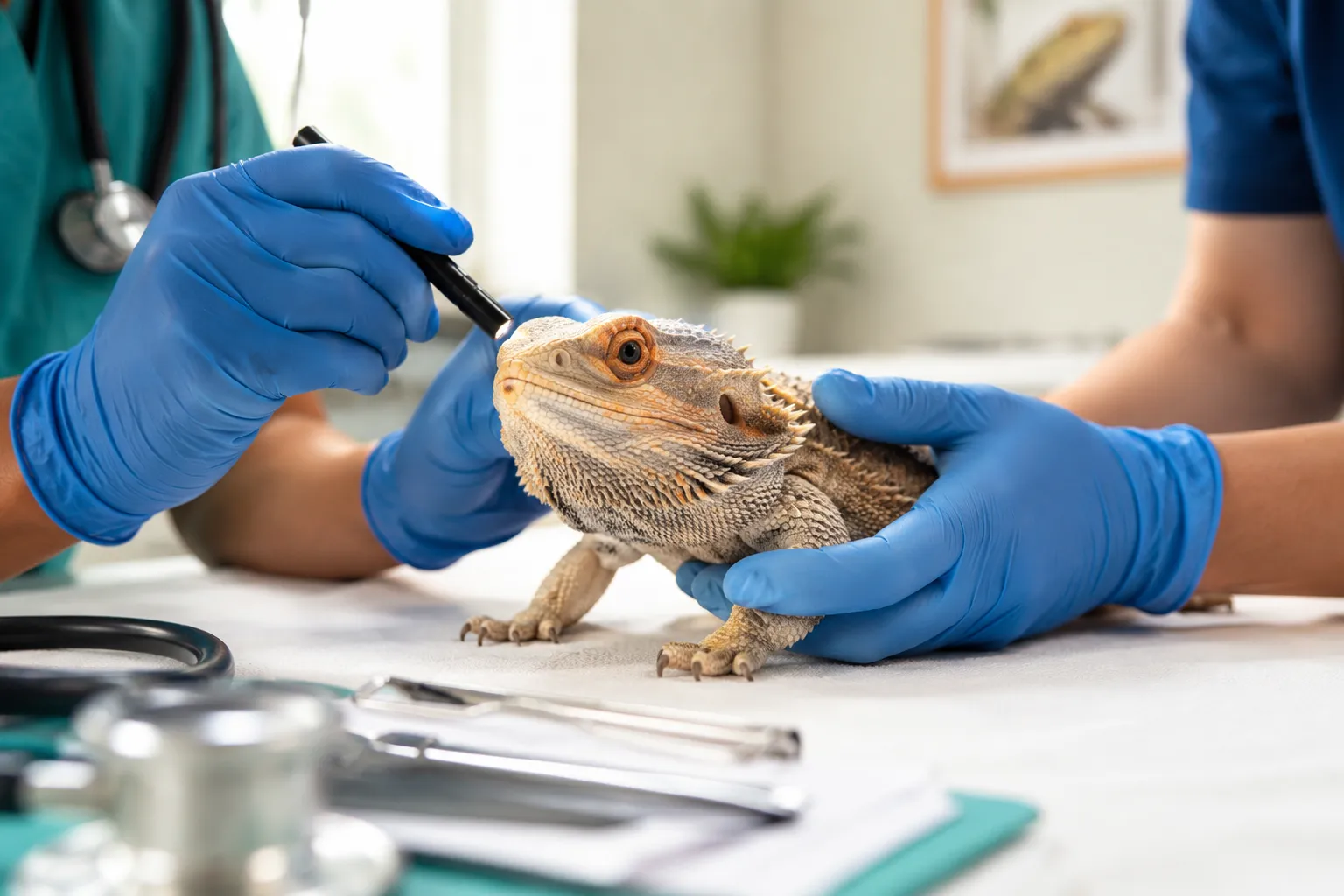
Schedule annual vet exams – Find a reptile-experienced veterinarian before emergencies arise. Annual fecal tests catch parasites early, and physical exams identify subtle problems.
Monitor weight and behavior – Weigh your dragon monthly and track trends. Sudden weight loss, lethargy, or appetite changes signal problems requiring veterinary attention.
Provide proper hydration – Offer water in shallow dishes, mist vegetables, and give occasional baths (10-15 minutes in shallow lukewarm water).
Minimize breeding stress – If you breed females, limit to one clutch annually and provide extended recovery periods with extra nutrition.
Maintain cleanliness – Spot-clean waste daily and deep-clean enclosures monthly to prevent bacterial growth and parasite transmission.
Create a stable routine – Consistent lighting schedules, feeding times, and handling routines reduce stress and support healthy circadian rhythms.
Choose this approach if you want your dragon to reach 12-15 years. These practices require time investment but dramatically improve quality of life and longevspan.
Signs Your Bearded Dragon Is Aging or Dying
Recognizing age-related changes helps you distinguish normal aging from medical emergencies requiring immediate veterinary care. Bearded dragons typically show aging signs around 6-8 years old.
Normal aging signs:
- Reduced activity levels – Older dragons spend more time resting and less time exploring
- Decreased appetite – Gradual reduction in food intake is normal; sudden refusal isn’t
- Duller coloration – Colors become less vibrant with age
- Slower movement – Climbing and running become less enthusiastic
- More frequent shedding issues – Older skin may need humidity assistance
- Cloudy eyes (temporary during shed) – More common in seniors
- Increased sleep – Longer brumation periods or more daytime napping
Emergency warning signs (seek vet care immediately):
- Complete appetite loss lasting more than 3-5 days
- Lethargy with unresponsiveness – not reacting to handling or food
- Labored breathing or open-mouth breathing when not basking
- Sunken eyes indicating severe dehydration
- Dragging limbs or inability to support body weight
- Black beard that persists for days (indicates stress or illness)
- Mucus around mouth or nose suggesting respiratory infection
- Sudden weight loss (more than 10% body weight)
- Seizures or tremors
- Prolapsed organs (tissue protruding from cloaca)
End-of-life considerations: When dragons reach very old age (12+ years) or develop terminal conditions, quality of life becomes paramount. Work with your veterinarian to assess pain levels and determine if palliative care or humane euthanasia is most compassionate.
Many owners report their elderly dragons passing peacefully during sleep, often during brumation. Providing comfortable, quiet spaces and maintaining gentle routines helps seniors live out their final months with dignity.
Common Mistakes That Shorten Bearded Dragon Lifespan
Preventable husbandry errors account for most premature bearded dragon deaths. Avoiding these common mistakes can add years to your dragon’s life.
Critical mistakes to avoid:
Using inadequate UVB lighting – Compact fluorescent UVB bulbs are often insufficient. Use tube-style fluorescent bulbs (T5 or T8) spanning 2/3 of enclosure length, or mercury vapor bulbs for combined heat and UVB. Position bulbs 8-12 inches from basking spot.
Feeding inappropriate insects – Wild-caught insects may carry pesticides or parasites. Fireflies are toxic and deadly. Mealworms as staple diet cause impaction. Stick to commercially raised crickets, dubia roaches, and black soldier fly larvae.
Skipping calcium supplementation – Even with UVB, dietary calcium is essential. Metabolic bone disease develops slowly but causes irreversible damage including bone deformities, fractures, and organ failure.
Using sand or loose substrate – Young dragons and those with poor aim often ingest sand while feeding, causing potentially fatal impaction. Use reptile carpet, tile, or paper towels instead.
Cohabiting multiple dragons – Bearded dragons are solitary and territorial. Housing multiple dragons together creates chronic stress, competition for resources, and risk of injury. Even “bonded” pairs often fight eventually.
Ignoring temperature requirements – Room temperature isn’t sufficient. Without proper basking heat, dragons can’t digest food properly, leading to malnutrition and bacterial overgrowth in the gut.
Delaying veterinary care – Reptiles hide illness until conditions are advanced. By the time symptoms are obvious, treatment is harder and more expensive. Early intervention saves lives.
Overfeeding adults – Obesity shortens lifespan and stresses organs. Adult dragons need mostly vegetables with insects 2-3 times weekly, not daily insect feedings.
Using heat rocks – These devices cause severe burns. Provide overhead heat sources only (basking bulbs, ceramic heat emitters).
Inconsistent care routines – Irregular feeding, lighting schedules, or temperature fluctuations create chronic stress that weakens immune systems over time.
Edge case: Some dragons develop health issues despite perfect care due to genetics or early-life conditions before you acquired them. Don’t blame yourself if you’ve followed best practices but still face health challenges.
Is a Bearded Dragon a Good Pet for Beginners If They Live So Long?
Bearded dragons are actually excellent beginner reptiles despite their 8-12 year lifespan because they’re docile, hardy, and have straightforward care requirements compared to other reptiles. The long commitment is a feature, not a bug, for people seeking a meaningful pet relationship.
Why bearded dragons suit beginners:
- Calm temperament – They tolerate handling well and rarely bite
- Visible health indicators – Problems show clearly in behavior and appearance
- Forgiving of minor mistakes – They’re resilient enough to recover from brief husbandry errors
- Moderate size – Large enough to handle easily but small enough for apartment living
- Diurnal schedule – Active during day when you’re home, unlike nocturnal reptiles
- Engaging personalities – They recognize owners and display distinct behaviors
- Established care information – Decades of captive breeding created extensive care resources
Commitment considerations:
Before getting a bearded dragon, honestly assess whether you can provide:
- Daily care for potentially 12+ years through life changes (college, moves, relationships)
- Initial setup costs ($300-500 for proper enclosure, lighting, and accessories)
- Ongoing expenses ($50-100 monthly for food, supplements, electricity)
- Veterinary budget ($200-500 annually for checkups, more for emergencies)
- Time investment (30-60 minutes daily for feeding, cleaning, interaction)
Choose a bearded dragon if: You want a pet that interacts with you, can be handled regularly, and you’re prepared for a decade-long commitment. They’re ideal for responsible teens, adults, and families.
Skip bearded dragons if: You want a low-maintenance “display” pet, can’t commit to daily care, or aren’t prepared for the financial responsibility. Consider leopard geckos (similar lifespan but less daily care) or shorter-lived species instead.

Enhances UVB & Light Reflection: The reptile light fixture focuses the light emitted by the bulb, ensuring even distribution across the entire illumination area. The polished interior surface greatly enhances light reflection, minimizing losses of both light and UVB. This reflective effect optimizes the efficiency of the light source, promoting the health and growth of reptiles

Directs heat and light toward a specific area for basking reptiles.Controller type:Push Button

The Light Dome with heat resistant ceramic socket can accommodate either reptile heat lamp or reptile basking bulb and ceramic heat emitter (Max. 150W).
How Much Does It Cost to Care for a Bearded Dragon Over Its Lifetime?
Caring for a bearded dragon over its typical 10-year lifespan costs approximately $5,000 to $10,000, with initial setup representing the largest single expense and ongoing care averaging $600-1,200 annually.
Lifetime cost breakdown:
Initial setup ($300-800):
- Enclosure: $150-400 (75-120 gallon tank with screen top)
- Lighting fixtures and bulbs: $80-150 (UVB tube, basking bulb, fixtures)
- Heating equipment: $30-60 (thermostats, thermometers)
- Substrate and decor: $40-100 (tile, branches, hides, dishes)
- Initial supplies: $30-90 (supplements, cleaning supplies)
Annual recurring costs ($600-1,200):
- Food: $300-600 (insects, vegetables, gut-load)
- Supplements: $40-80 (calcium, vitamins)
- UVB bulb replacements: $30-60 (1-2 bulbs yearly)
- Electricity: $120-240 (lighting and heating, varies by region)
- Veterinary checkups: $100-200 (annual exam and fecal test)
- Substrate replacement: $20-40
Occasional expenses:
- Enclosure upgrades: $200-500 (upgrading from juvenile to adult tank)
- Emergency veterinary care: $200-2,000+ (illness, injury, surgery)
- Equipment replacement: $50-200 (failed thermostats, broken fixtures)
10-year total estimate:
- Low end: $300 (setup) + $6,000 (10 years × $600) + $500 (occasional) = $6,800
- High end: $800 (setup) + $12,000 (10 years × $1,200) + $2,000 (occasional) = $14,800
Most owners fall in the $7,000-10,000 range over a dragon’s lifetime. The wide range reflects variables like:
- Regional electricity costs
- Veterinary fee variations
- Food sourcing (buying in bulk vs. small quantities)
- Frequency of health issues
- Quality of initial setup (cheap equipment fails faster)
Money-saving tips: Buy insects in bulk and breed your own dubia roaches, grow your own greens, purchase used enclosures (sanitize thoroughly), and invest in quality equipment upfront to avoid replacements.
What Health Problems Do Older Bearded Dragons Get?
Senior bearded dragons (8+ years) develop age-related health conditions similar to elderly animals of any species. Understanding common geriatric issues helps you provide appropriate care and recognize when veterinary intervention is needed.
Common age-related conditions:
Metabolic bone disease (MBD) – Even with proper care, calcium metabolism can decline with age. Older dragons may develop mild MBD symptoms including softer bones, slight limb tremors, or reduced grip strength. Maintain calcium supplementation throughout life.
Kidney disease – Chronic dehydration or high-protein diets over many years can damage kidneys. Signs include increased urination, weight loss, and lethargy. Senior dragons benefit from increased hydration and reduced protein intake.
Liver disease – Obesity and poor diet quality contribute to fatty liver disease. Symptoms include yellow-tinged skin, swollen abdomen, and appetite loss. Prevention through proper diet is key since treatment options are limited.
Arthritis – Joint stiffness and reduced mobility affect many elderly dragons. Provide low, easy-to-access basking spots and soft substrate. Warm soaks may provide comfort.
Cataracts – Clouding of the eye lens occurs naturally with age and usually doesn’t require treatment unless vision is severely impaired.
Tumors and cancers – Older dragons have higher cancer rates, particularly reproductive tumors in females. Lumps, bumps, or swelling warrant immediate veterinary examination.
Immune system decline – Elderly dragons fight off infections less effectively. Maintain pristine enclosure hygiene and monitor for respiratory infections, mouth rot, and parasites.
Digestive slowdown – Metabolism decreases with age. Adjust feeding frequency and portion sizes to prevent obesity while ensuring adequate nutrition.
Reproductive issues in females – Older females may develop follicular stasis (eggs that don’t develop properly) or egg binding. Consider reducing photoperiod to discourage egg production.
Management strategies for senior dragons:
- Increase veterinary checkup frequency to twice yearly
- Adjust diet to lower protein, higher hydration
- Provide easier access to basking and water
- Monitor weight closely and adjust feeding accordingly
- Consider blood work to assess organ function
- Reduce handling if mobility is limited
- Maintain consistent routines to reduce stress
Many health issues in elderly dragons can be managed with supportive care, allowing them to maintain good quality of life into their final years.
Can Bearded Dragons Live 20 Years or More?
Bearded dragons living 20 years or more is extremely rare and not well-documented in reptile keeping communities. While occasional claims surface of dragons reaching 18-20 years, most experts consider 15 years the practical upper limit for even exceptionally well-cared-for individuals.
The 20-year figure sometimes appears in older care sheets or pet store information, but it likely represents:
- Confusion with other species – Some monitor lizards and tegus can reach 20+ years
- Unverified anecdotal claims – Stories passed along without documentation
- Theoretical maximum rather than realistic expectation
- Marketing exaggeration to make the pets seem more valuable
Documented longevity records:
Most verified bearded dragon longevity records fall in the 14-16 year range. Dragons reaching 15 years are considered exceptionally old, and those surpassing this age are notable enough that owners typically document and share their care routines with the reptile community.
Why 20+ years is unlikely:
- Captive breeding programs have only existed for about 30-40 years, limiting long-term data
- Even with perfect care, biological aging limits organ function
- Genetic factors may impose natural lifespan limits
- Cumulative effects of minor health issues over decades take their toll
Realistic expectations: Plan for 8-12 years as typical, hope for 12-15 years with excellent care, and consider anything beyond 15 years a remarkable achievement. Setting realistic expectations prevents disappointment and helps you appreciate the time you do have with your dragon.
If your goal is a 20+ year reptile companion, consider species with documented longer lifespans like blue-tongue skinks (15-20 years), ball pythons (20-30 years), or tortoises (50+ years).
How Long Do Other Pet Lizards Live Compared to Bearded Dragons?
Bearded dragons’ 8-12 year lifespan falls in the middle range for pet lizards, with some species living much shorter lives and others potentially outliving their owners.
Pet lizard lifespan comparison:
| Lizard Species | Average Lifespan | Care Difficulty |
|---|---|---|
| Bearded Dragon | 8-12 years | Beginner-friendly |
| Leopard Gecko | 10-20 years | Beginner-friendly |
| Crested Gecko | 15-20 years | Beginner-friendly |
| Blue-Tongue Skink | 15-20 years | Intermediate |
| Uromastyx | 15-20 years | Intermediate |
| Green Iguana | 12-20 years | Advanced |
| Savannah Monitor | 10-15 years | Advanced |
| Tegu | 15-20 years | Advanced |
| Chameleon (Veiled) | 5-8 years | Advanced |
| Anole | 3-6 years | Beginner |
Factors affecting species lifespan:
Size correlation – Larger lizards generally live longer than smaller species, though exceptions exist. Tegus and monitors outlive most smaller geckos.
Metabolism – Species with slower metabolisms (like blue-tongue skinks) tend to live longer than high-energy species (like anoles).
Captive breeding history – Species bred in captivity for many generations (leopard geckos, bearded dragons) have more established care protocols and potentially better genetics than recently imported species.
Care complexity – Difficult-to-keep species often die prematurely from husbandry errors, skewing average lifespans downward. Chameleons are notoriously sensitive despite potentially living longer with expert care.
Choose bearded dragons over other lizards if: You want a handleable, interactive pet with moderate lifespan and beginner-friendly care. They offer better longevity than chameleons or anoles but less commitment than leopard geckos or blue-tongue skinks.
Consider alternatives if: You want a longer-lived companion (leopard gecko, crested gecko) or shorter commitment (anole). Each species offers different interaction styles, care requirements, and space needs.
What to Do When Your Bearded Dragon Reaches Old Age
Caring for a senior bearded dragon requires adjustments to accommodate declining physical abilities while maintaining quality of life. Proactive geriatric care helps your dragon remain comfortable through their final years.
Senior care modifications:
Adjust enclosure layout – Lower basking platforms to reduce climbing requirements. Add ramps to elevated areas. Provide multiple basking spots at different heights so your dragon can choose based on energy levels.
Modify diet – Reduce protein frequency to 2-3 times weekly for elderly dragons with decreased activity. Chop vegetables smaller for easier eating. Offer softer foods if dental issues develop. Increase hydration through misted greens and regular soaks.
Increase veterinary monitoring – Schedule checkups every 6 months instead of annually. Request blood work to assess kidney and liver function. Address minor issues promptly before they become serious.
Reduce handling stress – Limit handling sessions to shorter durations. Support the body fully during handling. Skip handling entirely on low-energy days.
Maintain consistent routines – Elderly dragons benefit from predictable schedules. Keep lighting, feeding, and temperature routines stable to reduce stress.
Monitor weight closely – Weigh monthly and track trends. Gradual weight loss may indicate underlying issues requiring veterinary attention.
Provide comfort measures – Warm soaks help with arthritis stiffness and hydration. Soft substrate like reptile carpet or fleece prevents pressure sores. Ensure water dishes have easy access.
End-of-life planning:
When your dragon’s quality of life declines significantly, consult your veterinarian about options:
- Palliative care – Managing pain and discomfort in terminal conditions
- Humane euthanasia – Preventing suffering when recovery isn’t possible
- Aftercare decisions – Cremation, burial, or other memorial options
Signs it may be time for euthanasia:
- Inability to eat or drink despite assistance
- Constant pain not manageable with medication
- Complete loss of mobility
- Severe organ failure
- Suffering that outweighs quality moments
Making this decision is never easy, but prioritizing your dragon’s comfort over your desire to keep them longer is the final act of responsible pet ownership.
Grieving and moving forward: The bond with a bearded dragon over 10+ years is significant. Allow yourself time to grieve. Many owners find comfort in memorial photos, paw print keepsakes, or eventually welcoming a new dragon when ready.
Frequently Asked Questions
How long do bearded dragons live in captivity with proper care?
Bearded dragons typically live 8-12 years in captivity with proper care, though some reach 14-15 years with exceptional husbandry. Lifespan depends heavily on diet quality, UVB lighting, temperature regulation, and regular veterinary care.
Do bearded dragons live longer in the wild or as pets?
Bearded dragons live significantly longer as pets (8-12 years) compared to wild individuals (5-8 years). Wild dragons face predators, disease, food scarcity, and harsh environmental conditions that captive dragons avoid entirely.
What is the oldest recorded bearded dragon?
The oldest well-documented bearded dragons have reached 14-16 years, though some owners claim 18+ years. Claims of 20-year-old bearded dragons lack reliable verification and should be considered exceptional outliers rather than realistic expectations.
Can poor diet cut a bearded dragon’s lifespan in half?
Yes, inadequate nutrition is one of the leading causes of premature death in bearded dragons. Poor diet causes metabolic bone disease, organ failure, and immune system weakness, potentially reducing lifespan from 10+ years to just 4-6 years.
Do bearded dragons need a vet to live a full lifespan?
While not strictly required, regular veterinary care significantly increases the likelihood of a bearded dragon reaching their full lifespan potential. Annual checkups catch parasites, nutritional deficiencies, and early disease signs that owners often miss until conditions become serious.
How can I tell if my bearded dragon is dying of old age?
Natural aging includes gradual appetite reduction, decreased activity, duller coloration, and more time resting. Sudden changes like complete appetite loss, labored breathing, inability to move, or unresponsiveness indicate medical emergencies requiring immediate veterinary care, not normal aging.
What kills bearded dragons most often?
Metabolic bone disease from inadequate UVB and calcium, impaction from inappropriate substrate or diet, respiratory infections from incorrect temperatures, and organ failure from chronic poor nutrition are the most common preventable causes of premature death in bearded dragons.
Is 7 years old for a bearded dragon?
Seven years is middle-aged for a bearded dragon, roughly equivalent to a human in their 40s-50s. Dragons this age should still be active and healthy with proper care, though they may show slight decreases in energy compared to their younger years.
Do male or female bearded dragons live longer?
Males and females have similar lifespans (8-12 years) when not bred. However, females bred repeatedly may have shorter lifespans due to the physical stress of egg production, calcium depletion, and potential complications like egg binding.
How much does it cost to keep a bearded dragon for its whole life?
Expect to spend $5,000-10,000 over a bearded dragon’s 10-year lifespan, including initial setup ($300-800), annual care costs ($600-1,200 yearly for food, supplements, electricity, and vet visits), and occasional expenses like equipment replacement or emergency veterinary care.
Can bearded dragons live alone their whole life?
Yes, bearded dragons are solitary animals and should live alone throughout their entire life. They don’t require companionship from other dragons and actually experience chronic stress when housed together, which can shorten lifespan and cause injuries.
What happens to bearded dragons as they get old?
Elderly bearded dragons gradually become less active, eat smaller amounts, display duller colors, and sleep more. They may develop age-related health issues like arthritis, kidney disease, or vision problems but can maintain good quality of life with adjusted care and veterinary monitoring.
Conclusion
Bearded dragons offer reptile enthusiasts a meaningful decade-long companionship, typically living 8-12 years in captivity with proper care. While wild bearded dragons face harsh conditions that limit their lifespan to just 5-8 years, pet dragons thrive under controlled environments with consistent temperatures, quality nutrition, and protection from predators.
The key to maximizing your bearded dragon’s lifespan lies in mastering the fundamentals: proper UVB lighting replaced on schedule, appropriate temperature gradients, balanced diet with correct supplementation, adequate enclosure size, and regular veterinary checkups. Avoiding common mistakes like using loose substrate, skipping calcium supplementation, or cohabiting multiple dragons can literally add years to your pet’s life.
Take action now:
- Audit your current setup against the care requirements outlined in this guide
- Schedule an annual veterinary checkup if you haven’t had one recently
- Mark your calendar for UVB bulb replacement dates
- Evaluate your dragon’s diet and adjust protein-to-vegetable ratios based on age
- Budget for long-term care costs to ensure you can maintain quality care throughout your dragon’s life
Whether you’re considering adding a bearded dragon to your family or already caring for one, understanding their lifespan and the factors that influence it empowers you to provide the best possible care. With commitment to proper husbandry, your bearded dragon can be a healthy, engaging companion for over a decade, making the investment of time and resources deeply rewarding.

Calcium supplement without Vitamin D3 is

Highly bio-available source of calcium carbonate

Calcium is essential to reptiles for the prevention of metabolic bone disease