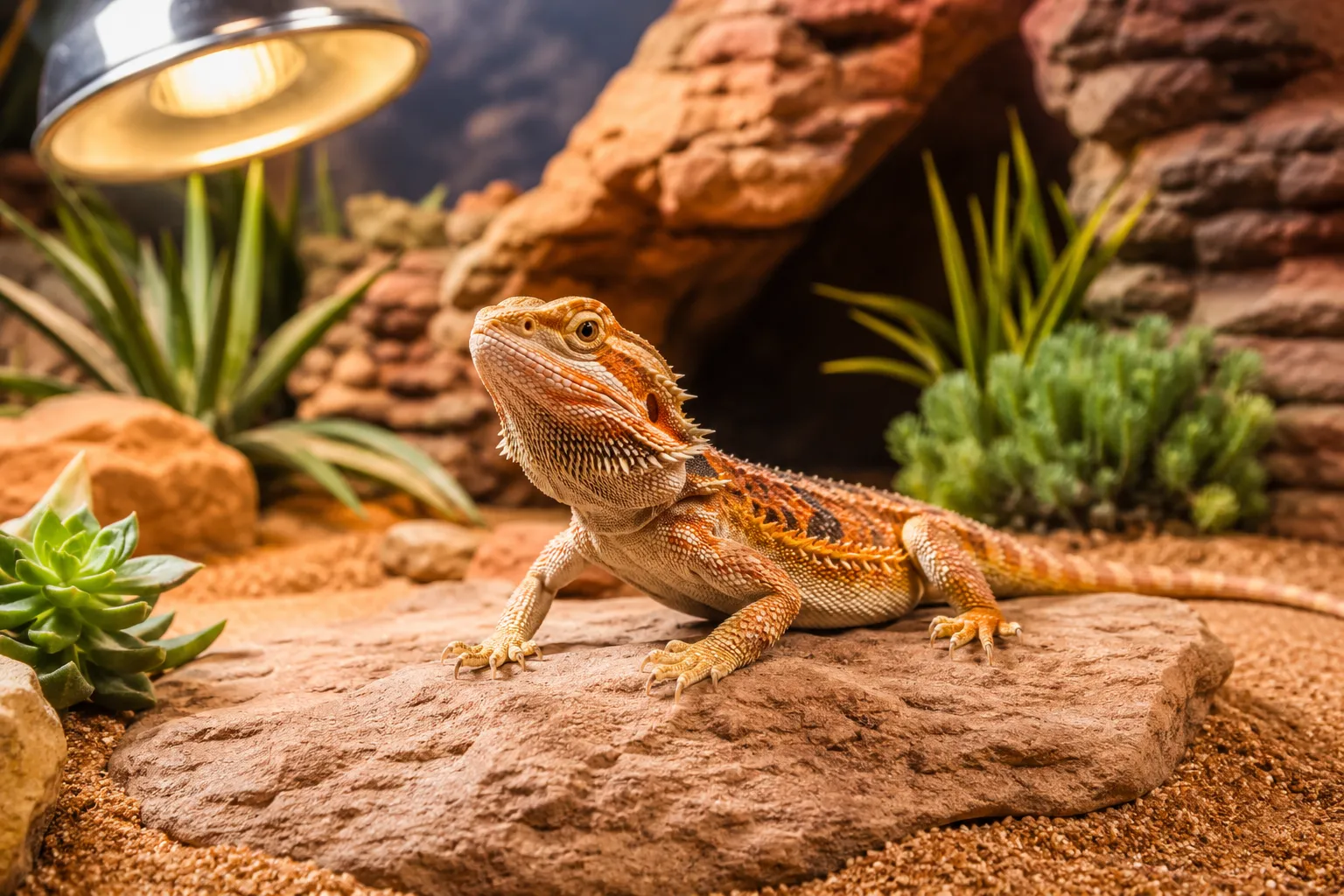
Baby bearded dragons require daily feedings of appropriately-sized insects (no larger than the space between their eyes), a basking spot maintained at 95-105°F, full-spectrum UVB lighting for 12-14 hours daily, and a 20-gallon tank minimum. These hatchlings grow rapidly during their first year and need calcium supplementation with every feeding to prevent metabolic bone disease.
Key Takeaways
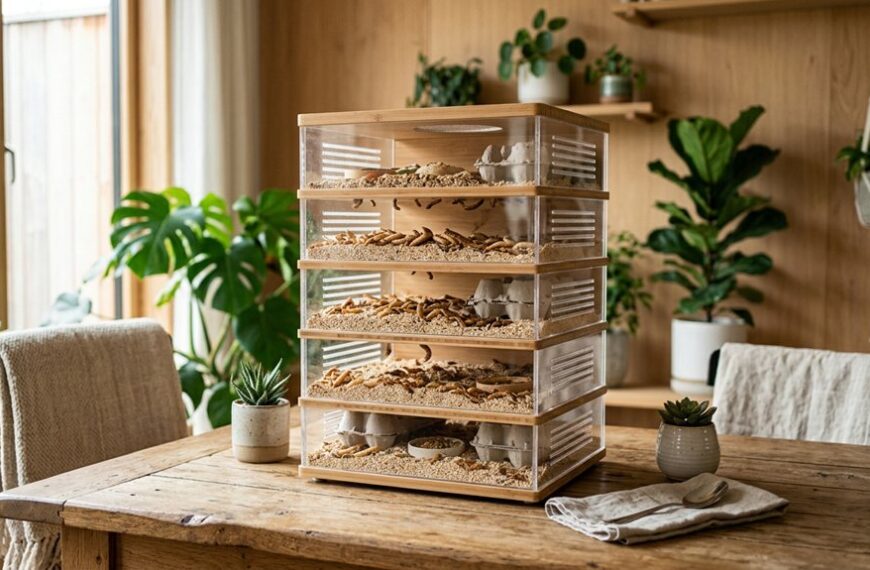
- Feed baby bearded dragons 2-3 times daily with insects sized no larger than the space between their eyes, primarily crickets and dubia roaches
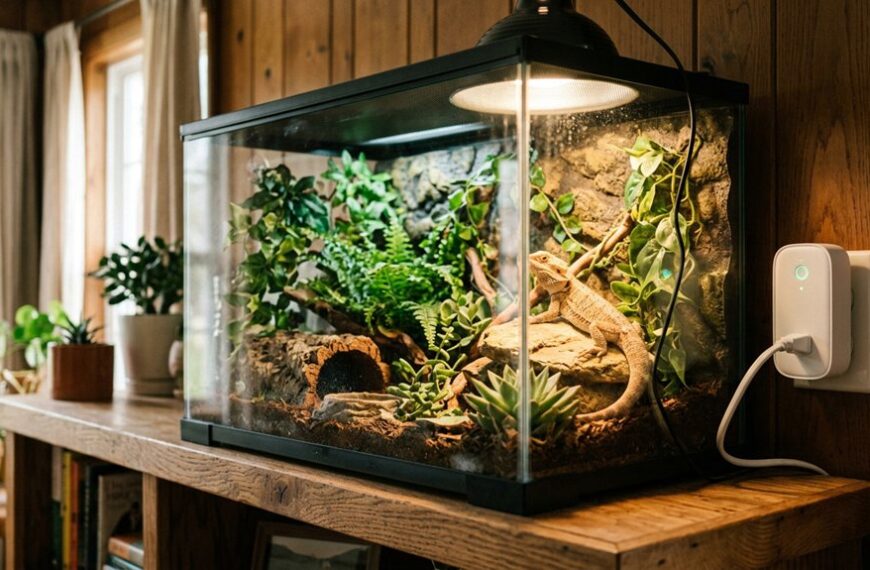
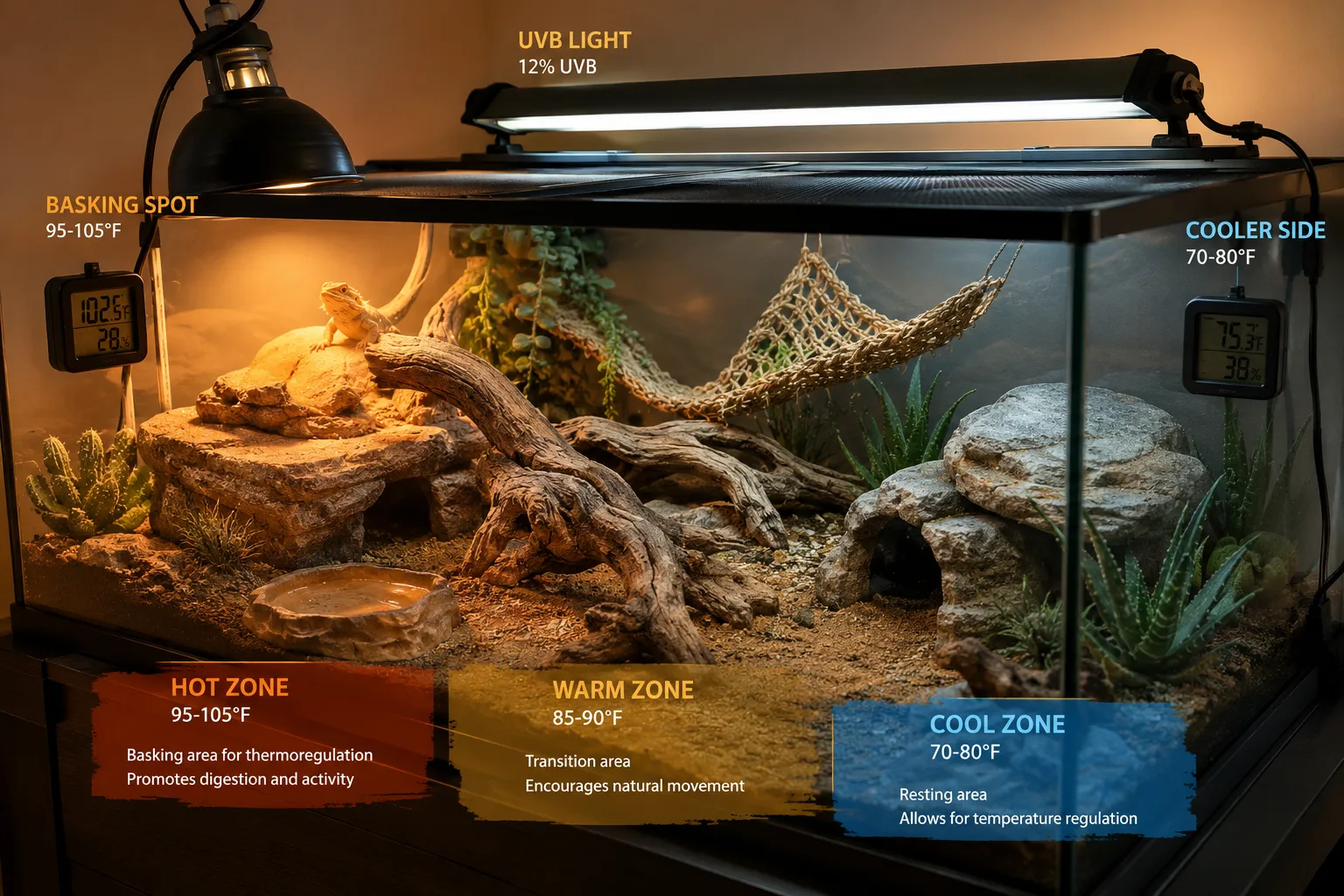
- Maintain a basking spot at 95-105°F and a cool side at 75-85°F with a quality UVB light running 12-14 hours per day
- Start with a 20-gallon tank minimum, though a 40-gallon breeder tank allows room to grow
- Dust insects with calcium powder at every feeding and multivitamin powder 2-3 times weekly
- Baby bearded dragons eat 80% insects and 20% vegetables, opposite of adult ratios
- Initial setup costs typically range from $300-500 for proper equipment and habitat
- Common health signs include alert behavior, clear eyes, regular bowel movements, and consistent appetite
- Avoid sand substrate for babies due to impaction risk; use reptile carpet, tile, or paper towels instead
- Most baby bearded dragons reach full size around 18-24 months of age
- Brief lukewarm baths 2-3 times weekly help with hydration and shedding

Breathable Reptile Tank: The reptile tank features a full metal mesh screen top that promotes excellent air circulation, preventing heat and moisture buildup. A threading hole on the left side allows for easy installation of light, heating equipment, creating a natural habitat for your reptiles.

【All-Metal Secure Enclosure with Locking Glass Doors】Made of heavy-duty all-metal framework, equipped with smooth sliding glass doors and a lockable clasp. This reptile cage offers great security and effective escape-proof performance, perfect for safely raising aggressive small reptiles.

Multifunctional Design: This 20 gallon reptile terrarium features a multifunctional design, capable of meeting the needs of various reptiles. Whether for resting, breeding or display, it can provide your pet with an ideal living environment.
What Do Baby Bearded Dragons Eat?
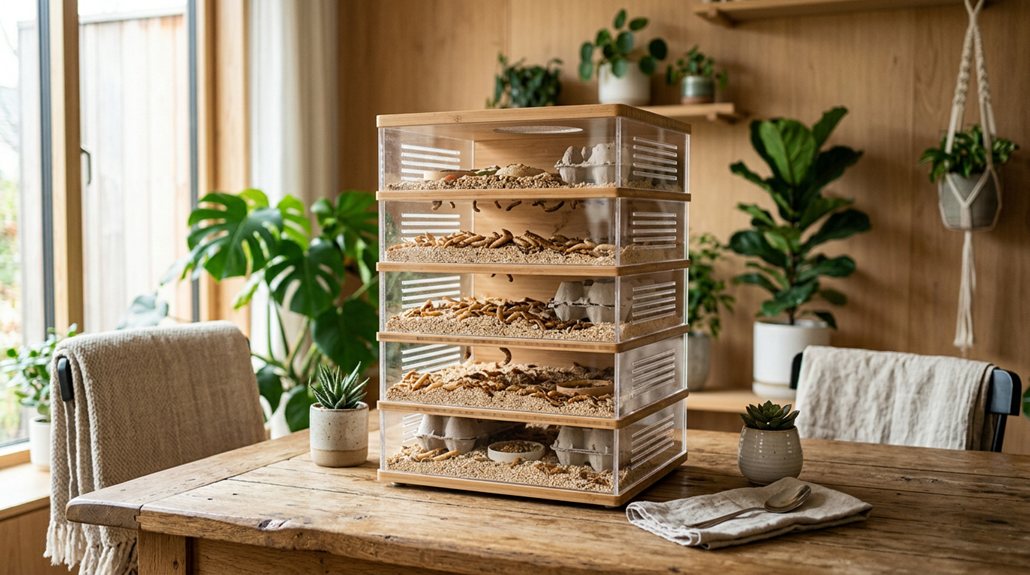
Baby bearded dragons are primarily insectivores, requiring a diet of about 80% protein from live insects and 20% vegetables. The most suitable feeder insects include crickets, dubia roaches, black soldier fly larvae, and small silkworms. Every insect must be smaller than the space between the dragon’s eyes to prevent choking or impaction.
Best feeder insects for baby bearded dragons:
- Crickets, Most readily available and affordable, gut-load them 24 hours before feeding
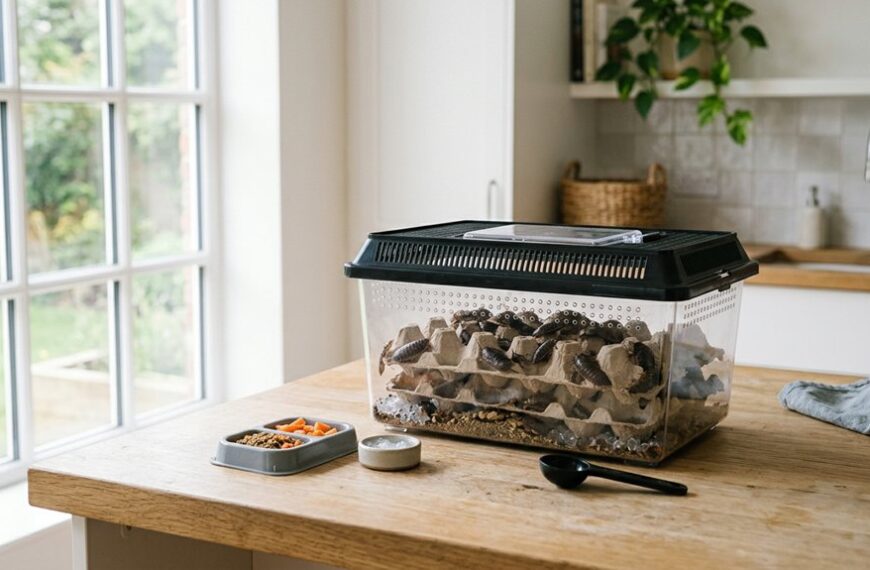
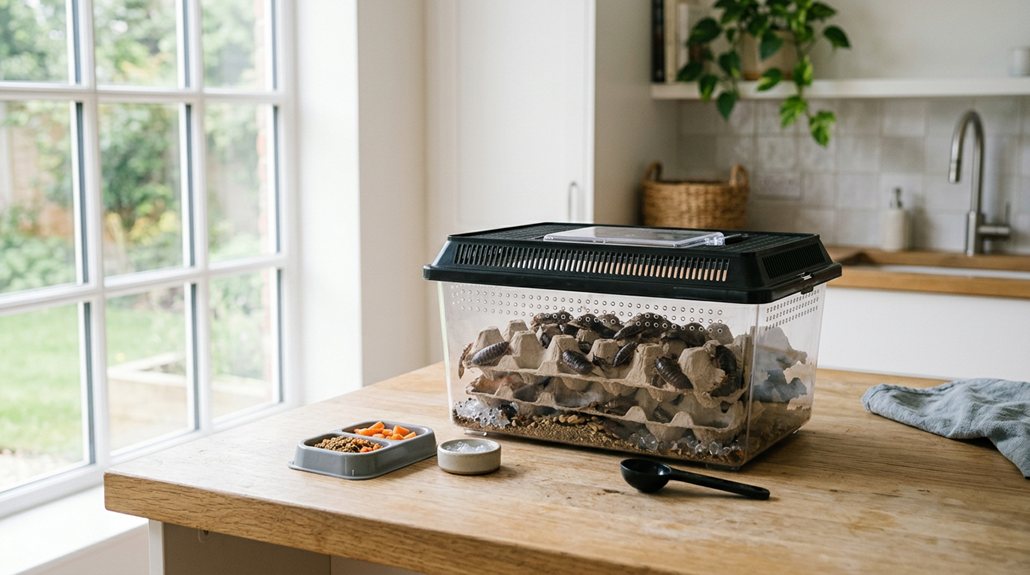
- Dubia roaches, Higher protein content and longer lifespan than crickets
- Black soldier fly larvae, Excellent calcium-to-phosphorus ratio, no gut-loading needed
- Silkworms, Highly nutritious but more expensive and harder to source
- Small phoenix worms, Good calcium source for variety
Avoid mealworms for babies under 4 months old because their hard exoskeletons can cause impaction. Never feed wild-caught insects, which may carry pesticides or parasites.
For the vegetable portion, offer finely chopped dark leafy greens like collard greens, mustard greens, and turnip greens daily. Add small amounts of butternut squash, bell peppers, or carrots for variety. Avoid spinach, lettuce, and avocado, which offer little nutrition or can be toxic.
Common mistake: Many new owners offer vegetables that are too large. Chop everything into pieces smaller than the space between your dragon’s eyes, just like with insects.

How Often Should I Feed a Baby Bearded Dragon?
Baby bearded dragons need to eat 2-3 times per day, with each feeding session lasting 10-15 minutes or until they lose interest. During each feeding, offer as many appropriately-sized insects as they’ll consume within that timeframe, typically 20-60 insects daily depending on age and size.
Feeding schedule by age:
- 0-2 months: 3 feedings daily, 10-15 minutes each
- 2-4 months: 2-3 feedings daily, primarily insects
- 4-12 months: 2 feedings daily, gradually increasing vegetable portion
- 12+ months: 1 feeding daily, transitioning to adult diet (70% vegetables, 30% insects)
Fresh vegetables should be available in a shallow dish all day, even though babies won’t eat much. This helps them recognize plants as food as they mature.
Dust insects with calcium powder (without D3 if using proper UVB lighting) at every feeding. Add a multivitamin powder with D3 two to three times weekly. This supplementation schedule prevents metabolic bone disease, a common and serious condition in captive bearded dragons.
Choose this feeding frequency if: Your baby is under 4 months old and actively growing, they need maximum nutrition during this rapid development phase.
What Size Tank Does a Baby Bearded Dragon Need?
A baby bearded dragon needs a minimum 20-gallon tank, though a 40-gallon breeder tank (36″ x 18″ x 18″) is better because it provides proper temperature gradient space and eliminates the need to upgrade within months. Bearded dragons grow quickly, reaching 16-24 inches by their first birthday, so starting with adequate space saves money and stress.
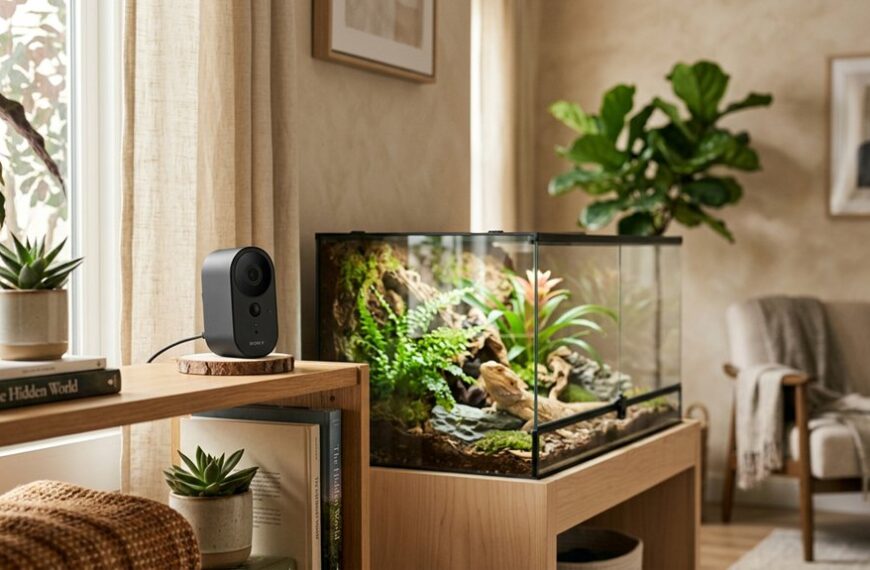
The tank must be glass or PVC (not wire mesh, which doesn’t hold heat) and positioned away from windows, drafts, and high-traffic areas. Length matters more than height because bearded dragons are ground-dwellers that need horizontal space to thermoregulate by moving between warm and cool zones.
Essential tank setup components:
- Substrate: Reptile carpet, ceramic tile, or paper towels (never sand for babies)
- Basking platform: Flat rock or branch positioned 6-8 inches below heat lamp
- Hide boxes: One on the warm side, one on the cool side
- Water dish: Shallow and small to prevent drowning
- Climbing branches: Secure driftwood or reptile-safe branches
- Background: Optional three-sided background for security
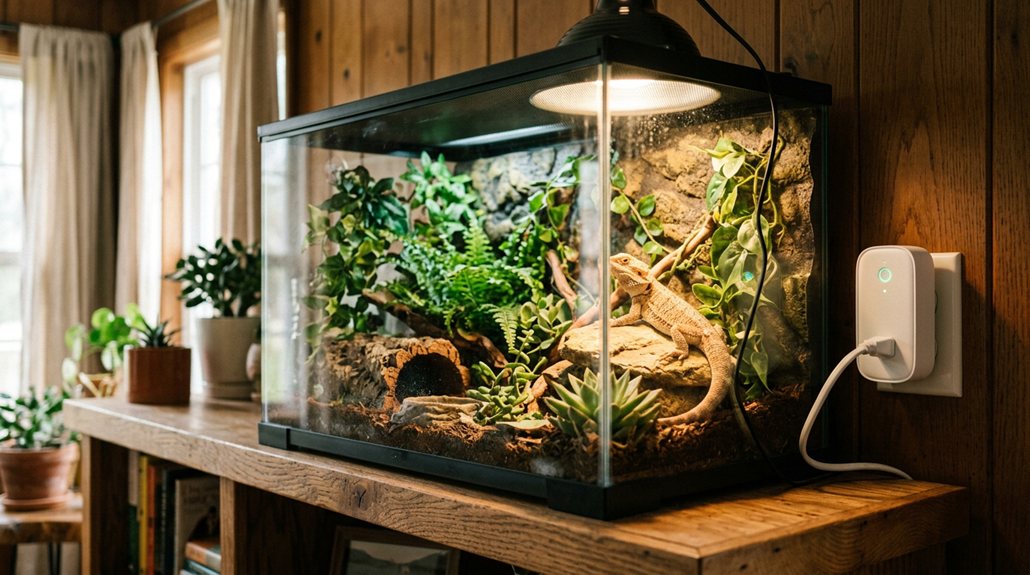
Position the basking spot at one end of the tank with the heat lamp directly above it. This creates a temperature gradient allowing your dragon to self-regulate body temperature by moving between zones.
Edge case: If you already have a 20-gallon tank, it’s acceptable for the first 2-3 months, but plan to upgrade before your dragon reaches 10 inches in length. Cramped quarters cause stress and can lead to health issues.
What Temperature Should a Baby Bearded Dragon Tank Be?
A baby bearded dragon tank requires a basking spot temperature of 95-105°F and a cool side temperature of 75-85°F during the day, with nighttime temperatures dropping to 65-75°F. This temperature gradient is critical because bearded dragons are ectothermic and rely on external heat sources to regulate body temperature, digestion, and immune function.
Use a basking bulb (typically 75-100 watts depending on room temperature) positioned over a flat basking platform at one end of the tank. The opposite end should remain cooler, creating distinct thermal zones. Never rely on guesswork, use digital thermometers with probes placed at basking level and on the cool side.
Temperature setup checklist:
- Basking spot: 95-105°F measured at the surface where the dragon sits
- Warm side ambient: 85-90°F measured at mid-tank height
- Cool side: 75-85°F at the opposite end
- Nighttime: 65-75°F (turn off heat lamp, may need ceramic heat emitter if room drops below 65°F)
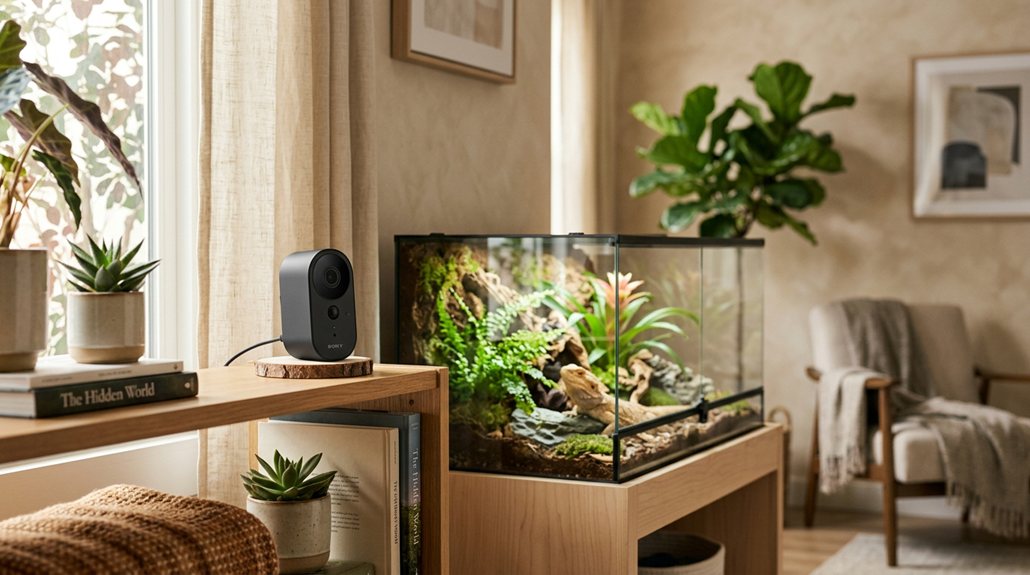
Monitor temperatures twice daily for the first week, then daily once stable. Room temperature, season, and tank placement all affect internal temperatures, so adjustments may be needed.
Common mistake: Using heat rocks or under-tank heaters as primary heat sources. These can cause thermal burns because bearded dragons have less sensitive belly skin and may not move away before injury occurs. Always provide overhead heating that mimics natural sunlight.
Best UVB Light for Baby Bearded Dragon
Baby bearded dragons need a tube-style UVB bulb that covers at least two-thirds of the tank length, with either a 10.0 or 12% UVB output (T5 or T8 fixture). The ReptiSun 10.0 T5 HO and Arcadia 12% are the most recommended options because they provide adequate UVB penetration for proper calcium metabolism and vitamin D3 synthesis.
Position the UVB bulb inside the tank or on top of a screen lid, 8-12 inches from the basking spot. UVB rays don’t penetrate glass effectively, so if your fixture sits on top of a screen, reduce the distance to compensate for the 30-40% UVB loss through mesh.
UVB lighting requirements:
- Bulb type: Linear fluorescent tube (not compact/coil bulbs)
- UVB output: 10.0 or 12% for desert species
- Coverage: Minimum two-thirds of tank length
- Replacement schedule: Every 6-12 months (UVB output degrades even when visible light remains)
- Daily duration: 12-14 hours on, 10-12 hours off to mimic natural day/night cycle
Use a timer to maintain consistent lighting schedules. Irregular photoperiods can disrupt feeding, digestion, and behavior patterns.
Choose T5 HO fixtures if: You want stronger UVB output that penetrates deeper, allowing more flexible mounting distances. Choose T8 fixtures if you’re on a tighter budget and can mount the bulb closer to the basking area.
Baby Bearded Dragon vs Adult Care Differences
Baby bearded dragons require significantly more frequent feedings (2-3 times daily vs. once daily), higher protein intake (80% insects vs. 30% insects), and more intensive monitoring than adults. The care intensity decreases gradually as they mature, with the most dramatic changes occurring between 12-18 months when they transition to adult dietary ratios and feeding schedules.
Key care differences by life stage:
| Care Aspect | Baby (0-6 months) | Juvenile (6-12 months) | Adult (12+ months) |
|---|---|---|---|
| Feeding frequency | 2-3 times daily | 1-2 times daily | Once daily |
| Diet ratio | 80% insects, 20% vegetables | 50/50 mix | 70% vegetables, 30% insects |
| Tank size | 20-40 gallons | 40-75 gallons | 75-120 gallons |
| Basking temp | 95-105°F | 95-105°F | 95-105°F |
| Handling duration | 5-10 minutes | 10-20 minutes | 20+ minutes |
Babies are more fragile, stress easily, and are prone to dehydration and impaction. They need daily health checks for signs of lethargy, abnormal feces, or lack of appetite. Adults are hardier and more forgiving of minor care mistakes.
The growth rate is another major difference. Baby bearded dragons can grow 1-3 inches per month during their first six months, requiring frequent reassessment of insect sizes, tank space, and equipment positioning.
Decision rule: If you’re a first-time reptile owner, consider adopting a juvenile (6-12 months old) rather than a hatchling. They’re past the most delicate stage but still young enough to bond with their owner.
How Much Does It Cost to Set Up a Baby Bearded Dragon Habitat?
Setting up a proper baby bearded dragon habitat typically costs $300-500 for initial equipment, with ongoing monthly expenses of $30-60 for food, supplements, and electricity. This initial investment covers the tank, lighting, heating, substrate, decor, and basic supplies needed before bringing your dragon home.
Initial setup cost breakdown:
- Tank (40-gallon breeder): $100-150
- UVB fixture and bulb: $50-80
- Basking bulb and dome fixture: $20-35
- Digital thermometers (2): $15-25
- Substrate: $10-20
- Decor (hides, branches, dishes): $30-50
- Supplements (calcium and multivitamin): $15-25
- Initial feeder insects: $10-20
- Timer for lights: $10-15
Monthly ongoing costs:
- Feeder insects: $20-40
- Fresh vegetables: $5-10
- Electricity (lights and heating): $5-10
- Replacement bulbs (averaged): $5-10
These estimates assume you’re buying new equipment. Purchasing used tanks or building DIY decor can reduce initial costs by 30-50%, but never compromise on lighting quality, proper UVB is non-negotiable for health.
Budget tip: Buy feeder insects in bulk online rather than from pet stores. A 500-count cricket order costs roughly the same as 100 crickets from a retail shop, and you can gut-load and store them for 2-3 weeks.
Can Baby Bearded Dragons Eat Vegetables?
Baby bearded dragons can and should eat vegetables starting from their first days, though they’ll only consume about 20% of their diet as plant matter during the first six months. Offering finely chopped vegetables daily helps them recognize plants as food and establishes healthy eating habits for adulthood when vegetables become the primary diet component.
The best vegetables for baby bearded dragons include collard greens, mustard greens, turnip greens, butternut squash, bell peppers, and small amounts of carrots. Chop everything into tiny pieces, roughly the size of a grain of rice for very young babies, and offer fresh vegetables in a shallow dish each morning.
Safe vegetables for babies:
- Daily staples: Collard greens, mustard greens, turnip greens, dandelion greens
- Regular additions: Butternut squash, acorn squash, bell peppers, green beans
- Occasional treats: Carrots, sweet potato, zucchini, snap peas
Vegetables to avoid:
- Spinach, kale, chard: High in oxalates that bind calcium
- Lettuce (iceberg, romaine): Mostly water with minimal nutrition
- Avocado: Toxic to bearded dragons
- Rhubarb: Toxic to bearded dragons
Don’t worry if your baby ignores vegetables at first. Continue offering them daily, and most dragons will start nibbling by 2-3 months old. Some babies are stubborn and won’t eat significant vegetables until 6-8 months, which is normal as long as they’re eating insects well.
Pro tip: Mix finely chopped vegetables with a few insects in the same dish. The movement of the insects often attracts the dragon’s attention to the vegetables.

Enhances UVB & Light Reflection: The reptile light fixture focuses the light emitted by the bulb, ensuring even distribution across the entire illumination area. The polished interior surface greatly enhances light reflection, minimizing losses of both light and UVB. This reflective effect optimizes the efficiency of the light source, promoting the health and growth of reptiles

【Reptile Basking Bulb】This basking bulb creates a basking area for the thermoregulation of animals, facilitating the distinction between hot and cold zones in the terrarium and facilitating the restoration of the animals' natural ecological activities.

【Newly Upgraded Bell-Mouth Design】 :This newly upgraded heating lamp with a TFNN bell-mouth design provides a wider range of UVA/B ultraviolet rays compared to the design of ordinary models. It can simultaneously heat and illuminate multiple reptiles. The light is adjustable, making it suitable for different seasons and various reptiles, and it is extremely convenient to use.
Why Is My Baby Bearded Dragon Not Eating?
A baby bearded dragon may stop eating due to incorrect temperatures (basking spot below 95°F), stress from a new environment, improper UVB lighting, impaction, parasites, or the onset of brumation (though rare in babies under 12 months). The most common culprit is inadequate basking temperature, which prevents proper digestion and suppresses appetite.
Troubleshooting steps for appetite loss:
- Check temperatures immediately: Verify basking spot is 95-105°F with a digital thermometer
- Assess UVB lighting: Confirm bulb is less than 6 months old and positioned correctly
- Review recent changes: New tank, handling, loud noises, or other pets can cause stress
- Examine feces: Look for undigested insects, unusual color, or absence of bowel movements
- Inspect for injury: Check for stuck shed, mouth rot, or visible injuries
- Reduce handling: Give 3-5 days of minimal interaction if recently acquired
If temperatures and lighting are correct but appetite doesn’t return within 3-4 days, schedule a veterinary visit. Baby bearded dragons have minimal fat reserves and can deteriorate quickly without food.
Edge case: Babies sometimes refuse food for 24-48 hours after arriving in a new home due to relocation stress. This is normal. Ensure proper temperatures and lighting, offer food twice daily, and most will resume eating by day three.
Parasites are another common cause of appetite loss. Many bearded dragons carry low levels of parasites that become problematic under stress. A fecal exam by a reptile veterinarian can identify and treat parasitic infections before they become serious.
How to Tell If My Baby Bearded Dragon Is Healthy
A healthy baby bearded dragon displays alert behavior, bright clear eyes, regular bowel movements, consistent appetite, smooth skin without retained shed, and active movement during daylight hours. Daily observation helps you establish your dragon’s normal baseline so you can quickly identify concerning changes.
Signs of a healthy baby bearded dragon:
- Behavior: Alert, responsive to movement, actively explores during the day
- Eyes: Bright, clear, fully open, no discharge or swelling
- Appetite: Eagerly eats 20-60 insects daily without difficulty
- Bowel movements: Regular (usually daily), well-formed with white urate
- Skin: Smooth, vibrant color, sheds in large pieces rather than patches
- Breathing: Quiet, no wheezing or open-mouth breathing (except when basking)
- Limbs: Straight legs, strong grip, no tremors or dragging
Warning signs requiring veterinary attention:
- Lethargy lasting more than 24 hours
- Refusal to eat for 3+ days
- Sunken eyes or wrinkled skin (dehydration)
- Labored breathing or mucus around nostrils
- Dragging back legs or tremors (possible metabolic bone disease)
- Black beard that persists for days (stress or illness)
- Diarrhea or bloody stool
- Swollen limbs or jaw
Weigh your baby bearded dragon weekly using a digital kitchen scale. Consistent weight gain (typically 2-5 grams per week for babies) indicates proper nutrition and health. Sudden weight loss or plateau warrants investigation.
Prevention tip: Find a reptile veterinarian before you need one. Schedule a wellness check within the first month of ownership to establish baseline health and catch any issues from the breeder or pet store.
Do Baby Bearded Dragons Need Baths?
Baby bearded dragons benefit from lukewarm baths 2-3 times per week for 10-15 minutes to support hydration, aid shedding, and encourage bowel movements. Fill a shallow container with water 0.5-1 inch deep (roughly to their elbows when standing) at a temperature of 85-92°F, and supervise the entire bath to prevent drowning.
Baths are especially helpful during shedding periods when the humidity helps loosen stuck skin, and when a baby appears dehydrated (sunken eyes, wrinkled skin) or constipated. Many bearded dragons will drink during baths and often defecate in the warm water, which stimulates bowel activity.
Bathing procedure:
- Fill a shallow plastic container with lukewarm water (test with your wrist)
- Place your dragon in the water and stay within arm’s reach
- Gently pour water over their back using your hand (avoid the head)
- Allow them to soak for 10-15 minutes
- Pat dry with a soft towel before returning to the tank
- Clean and disinfect the bath container after each use
Never use soap, shampoo, or any additives in the bath water. Plain dechlorinated or filtered water is safest. If using tap water, let it sit for 24 hours to allow chlorine to dissipate, or use a reptile-safe water conditioner.
Common mistake: Bathing too frequently or in water that’s too deep. Over-bathing can strip natural skin oils, and deep water poses a drowning risk. Stick to 2-3 times weekly unless your veterinarian recommends otherwise for a specific health issue.
Are Baby Bearded Dragons Good Pets for Beginners?
Baby bearded dragons are moderately good pets for beginners who are committed to daily care routines and willing to invest in proper equipment, but they require more attention than adult bearded dragons and are less forgiving of husbandry mistakes. Their fragility during the first six months means beginners must be diligent about temperature monitoring, feeding schedules, and health observation.
Pros for beginners:
- Generally docile and tolerant of handling once acclimated
- Diurnal (active during the day) matching human schedules
- Don’t require large spaces initially
- Relatively quiet and clean compared to mammals
- Predictable care routines once established
- Long lifespan (10-15 years) for lasting companionship
Cons for beginners:
- Require live insects, which some people find unpleasant
- Initial setup costs $300-500
- Need specialized UVB lighting that must be replaced regularly
- Fragile as babies, prone to stress and health issues
- Require daily feeding and monitoring during first year
- Veterinary care can be expensive and specialists may be limited in some areas
Choose a baby bearded dragon if: You’re prepared for daily feeding schedules, comfortable handling live insects, have researched proper husbandry thoroughly, and want to bond with your pet from a young age. The time investment is highest in the first year but decreases significantly as they mature.
Consider an adult or juvenile instead if: You want a more hands-off pet, have limited time for daily care, or are uncertain about the long-term commitment. Older bearded dragons are hardier and require less intensive monitoring.
How Long Until a Baby Bearded Dragon Is Full Grown?
A baby bearded dragon reaches full size at approximately 18-24 months of age, though they continue to fill out and gain weight until about 3 years old. Most reach 16-20 inches in length by their first birthday, then grow more slowly during the second year until reaching their adult size of 18-24 inches from nose to tail tip.
Growth rate varies based on genetics, diet quality, temperature consistency, and overall health. Well-cared-for bearded dragons with optimal nutrition and proper UVB exposure typically grow faster and larger than those with suboptimal conditions.
Growth milestones:
- 0-2 months: 3-5 inches, rapid growth phase
- 2-4 months: 5-9 inches, still growing quickly
- 4-6 months: 9-12 inches, growth begins to slow
- 6-12 months: 12-16 inches, approaching juvenile size
- 12-18 months: 16-20 inches, nearing adult size
- 18-24 months: 18-24 inches, full adult length reached
Males typically grow larger than females, with some reaching 22-24 inches, while females often max out at 18-20 inches. You can usually determine sex by 8-12 months when femoral pores and hemipenal bulges become visible.
Tank upgrade timeline: Plan to move from a 40-gallon tank to a 75-120 gallon adult enclosure by 12-18 months. A bearded dragon needs at least 4 feet of horizontal space once fully grown to maintain proper temperature gradients and activity levels.
Common Mistakes When Raising Baby Bearded Dragons
The most common mistakes when raising baby bearded dragons include using sand substrate (causing impaction), inadequate UVB lighting, incorrect temperatures, feeding insects that are too large, and over-handling during the adjustment period. These errors account for the majority of preventable health issues and deaths in captive baby bearded dragons.
Top mistakes to avoid:
1. Sand or loose substrate for babies
Sand, wood chips, and other loose substrates pose serious impaction risks when ingested during feeding. Babies are especially prone to accidentally consuming substrate. Use reptile carpet, ceramic tile, or paper towels until at least 12 months old.
2. Inadequate or incorrect UVB lighting
Compact coil UVB bulbs don’t provide sufficient coverage. Using household LED bulbs instead of proper reptile UVB causes metabolic bone disease. Always use tube-style UVB bulbs (10.0 or 12%) that span two-thirds of the tank.
3. Feeding insects that are too large
Insects larger than the space between your dragon’s eyes can cause choking, impaction, or paralysis. This is the most common feeding mistake and can be fatal.
4. Inconsistent temperatures
Relying on guesswork instead of thermometers leads to temperatures that are too cool for proper digestion. Always use digital thermometers with probes at basking and cool spots.
5. Skipping calcium supplementation
Failing to dust insects with calcium powder at every feeding causes metabolic bone disease, which is irreversible once advanced. This is completely preventable with proper supplementation.
6. Over-handling new arrivals
Excessive handling during the first week causes stress that suppresses appetite and immune function. Limit interaction to 5-10 minutes daily until your dragon is eating consistently.
7. Cohabitation
Housing multiple baby bearded dragons together leads to competition for resources, stress, injury, and dominant dragons preventing others from basking or eating. Always house bearded dragons individually.
Decision rule: When in doubt about any care aspect, research from multiple reputable sources (veterinary sites, established breeders, scientific publications) rather than relying on pet store advice, which is often outdated or incorrect.
FAQ
How much does a baby bearded dragon cost?
Baby bearded dragons typically cost $40-100 from pet stores or $100-300 from specialized breeders, with rare morphs (color variations) costing $200-500 or more. The dragon itself is the smallest expense compared to the $300-500 initial habitat setup.
Can baby bearded dragons eat fruit?
Baby bearded dragons can eat small amounts of fruit (blueberries, strawberries, mango) as occasional treats, but fruit should comprise less than 5% of their diet due to high sugar content. Focus on insects and vegetables as primary nutrition sources.
How often do baby bearded dragons shed?
Baby bearded dragons shed every 3-4 weeks during rapid growth phases, with shedding frequency decreasing as they age. Adults typically shed every 6-8 weeks. Proper hydration and humidity during baths help ensure clean sheds.
Do baby bearded dragons bite?
Baby bearded dragons rarely bite and their small teeth cause minimal discomfort if they do. Biting usually indicates fear, stress, or mistaking fingers for food. Proper handling techniques and regular gentle interaction prevent defensive biting.
What is the lifespan of a bearded dragon?
Bearded dragons typically live 10-15 years in captivity with proper care, though some reach 18-20 years. Lifespan depends heavily on diet quality, UVB exposure, temperature consistency, and veterinary care throughout their life.
Can I use a heat lamp at night for my baby bearded dragon?
Don’t use visible light heat lamps at night because bearded dragons need complete darkness for proper sleep cycles. If nighttime temperatures drop below 65°F, use a ceramic heat emitter or under-tank heater that produces no light.
How do I know if my baby bearded dragon is male or female?
Sex determination is difficult before 8-12 months of age. Males develop larger femoral pores on their inner thighs and two hemipenal bulges at the base of the tail, while females have smaller pores and a single bulge. A veterinarian can sex them earlier.
What should I name my baby bearded dragon?
Popular bearded dragon names include Spike, Draco, Smaug, Norbert, Toothless, Mushu, Reptar, and Godzilla, though any name that resonates with you works perfectly. Many owners choose names based on their dragon’s color or personality.
Can baby bearded dragons live with other reptiles?
Never house baby bearded dragons with other reptiles or even other bearded dragons. They’re solitary animals that experience stress from cohabitation, leading to competition, aggression, disease transmission, and suppressed immune function.
How long can a baby bearded dragon go without food?
While adult bearded dragons can survive weeks without food, babies should never go more than 2-3 days without eating due to their rapid metabolism and minimal fat reserves. Appetite loss exceeding 3 days requires immediate veterinary attention.
Do baby bearded dragons need a water dish?
Provide a small, shallow water dish even though baby bearded dragons rarely drink from standing water. They absorb most hydration from insects and vegetables, supplemented by regular baths. Change the water daily to prevent bacterial growth.
What size crickets for baby bearded dragons?
Feed crickets (or other insects) no larger than the space between your baby bearded dragon’s eyes, typically 1/4-inch crickets for hatchlings and 3/8-inch crickets for 2-4 month olds. Gradually increase size as your dragon grows.
Conclusion
Learning how to care for a baby bearded dragon requires commitment to daily feeding schedules, proper temperature and lighting management, and consistent health monitoring during their first critical year. The investment in quality equipment, especially UVB lighting and heating elements, directly impacts your dragon’s long-term health and prevents costly veterinary issues down the road.
Start by setting up the complete habitat before bringing your baby dragon home, ensuring temperatures are stable and UVB lighting is positioned correctly. Establish a feeding routine of 2-3 meals daily with appropriately-sized insects dusted with calcium powder, and offer fresh vegetables even if they’re initially ignored. Monitor weight weekly, observe behavior daily, and don’t hesitate to consult a reptile veterinarian when questions arise.
The first six months demand the most attention, but the effort pays off with a healthy, well-adjusted bearded dragon that becomes easier to care for as it matures. By avoiding common mistakes like loose substrate, inadequate lighting, and oversized feeders, you’ll give your baby bearded dragon the foundation for a long, healthy life spanning 10-15 years or more.
Next steps: Schedule a wellness check with a reptile veterinarian within your first month of ownership, join online bearded dragon communities for ongoing support, and keep detailed records of feeding, weight, and shedding to track your dragon’s development and quickly identify any health concerns.

Calcium supplement without Vitamin D3 is

Rep-Cal Ultrafine Powder Is An Excellent Source Of Calcium For All Reptiles And Amphibians

Highly bio-available source of calcium carbonate