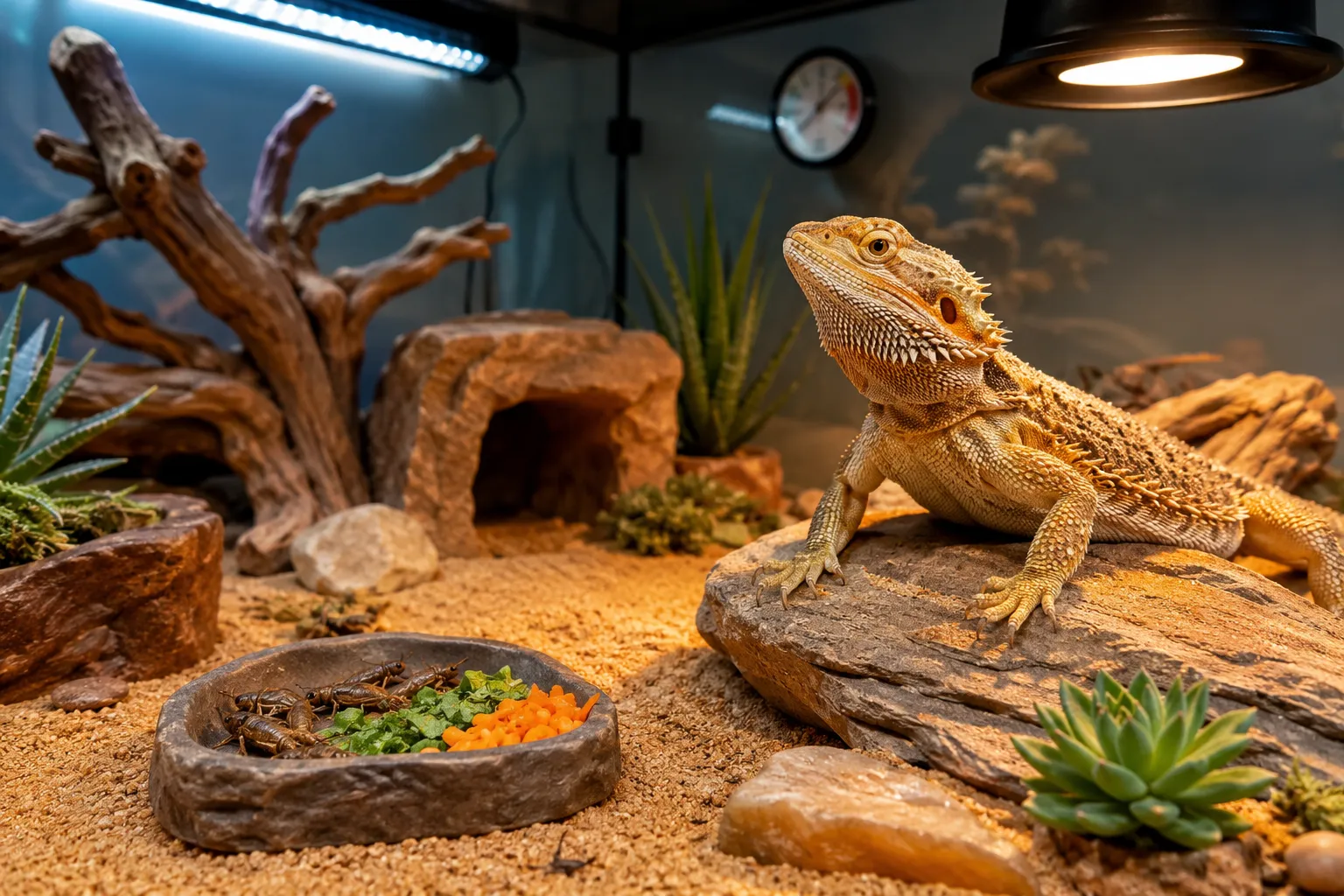
Quick Answer: A bearded dragon may stop eating due to incorrect tank temperatures (basking spot below 95°F or cool side above 85°F), brumation (a natural hibernation-like state), stress from environmental changes, impaction, illness, or simply being a picky eater. Most healthy bearded dragons can safely go 1-2 weeks without food, but refusal lasting more than 3 days alongside lethargy or other symptoms warrants a vet visit.
Key Takeaways
- Temperature is the #1 culprit, bearded dragons need a basking spot of 95-105°F and a cool side of 75-85°F to digest food properly
- Brumation is normal, adult bearded dragons often stop eating for weeks or months during winter, which is natural behavior, not illness
- Stress triggers appetite loss, new tanks, handling changes, loud noises, or other pets can cause temporary food refusal
- Impaction blocks digestion, substrate ingestion or dehydration can cause dangerous blockages that prevent eating
- Baby bearded dragons are more vulnerable, juveniles need daily feeding and shouldn’t go more than 2-3 days without food
- Picky eating is common, many bearded dragons develop food preferences and may refuse certain insects or vegetables
- Watch for warning signs, lethargy, weight loss, sunken eyes, or lack of bowel movements alongside food refusal indicate serious problems
- Vet visits are necessary, if your bearded dragon refuses food for more than 5-7 days or shows other symptoms, seek professional help

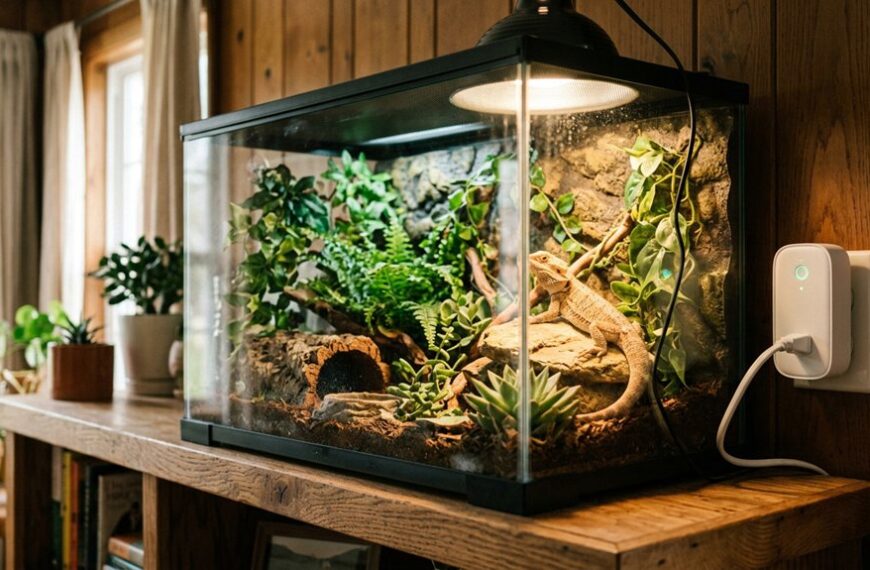
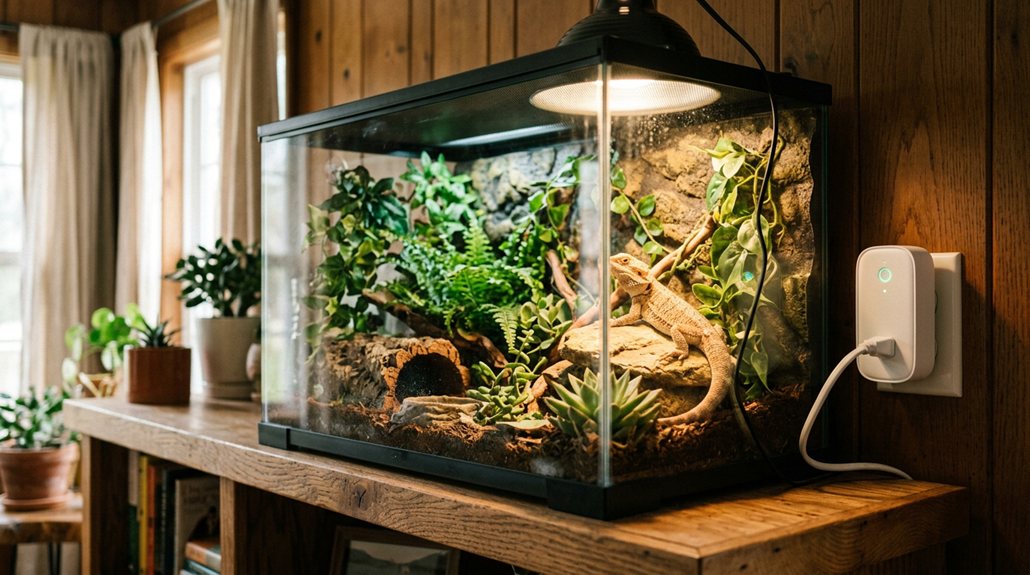
Simulated Sunlight: Most amphibians and reptiles are poikilotherms, whose body temperature changes with their environment. Therefore, sunlight and temperature affect the growth, development and reproduction of reptiles. The REPTI HOME reptile heat lamp is able to simulate sunlight, and create an area for reptiles to bask in the sun, which provide a comfortable habitat for your reptile pet

All-in-One Reptile Heating Solution – This heat lamp fixture combines a durable 5.5'' dome light with a dimming thermostat, perfect for ceramic heat emitters, basking bulbs, and deep heat projectors. Ideal for bearded dragons, snakes, turtles, and other reptiles.

【Reptile Basking Bulb】This basking bulb creates a basking area for the thermoregulation of animals, facilitating the distinction between hot and cold zones in the terrarium and facilitating the restoration of the animals' natural ecological activities.
What Are the Most Common Reasons a Bearded Dragon Stops Eating?
Bearded dragons stop eating for several predictable reasons, with improper temperatures being the most frequent cause. These cold-blooded reptiles cannot digest food without adequate heat, so a basking spot below 95°F will trigger appetite loss within days.
The top reasons include:
- Incorrect temperatures, too cold to digest, too hot causing stress
- Brumation, seasonal dormancy similar to hibernation
- Stress, new environment, excessive handling, or nearby predators (cats, dogs)
- Impaction, intestinal blockage from substrate, large insects, or dehydration
- Illness or parasites, respiratory infections, metabolic bone disease, or internal parasites
- Shedding, temporary appetite reduction during skin shedding cycles
- Lighting issues, inadequate UVB exposure affecting calcium metabolism
- Age-related changes, juveniles eat daily, adults may eat every 2-3 days
- Food boredom, refusing familiar insects or vegetables
Common mistake: Many owners assume their bearded dragon is sick when temperatures are simply too low. Always verify your thermometer readings with a temperature gun before panicking about health issues.
How Long Can a Bearded Dragon Go Without Food Safely?
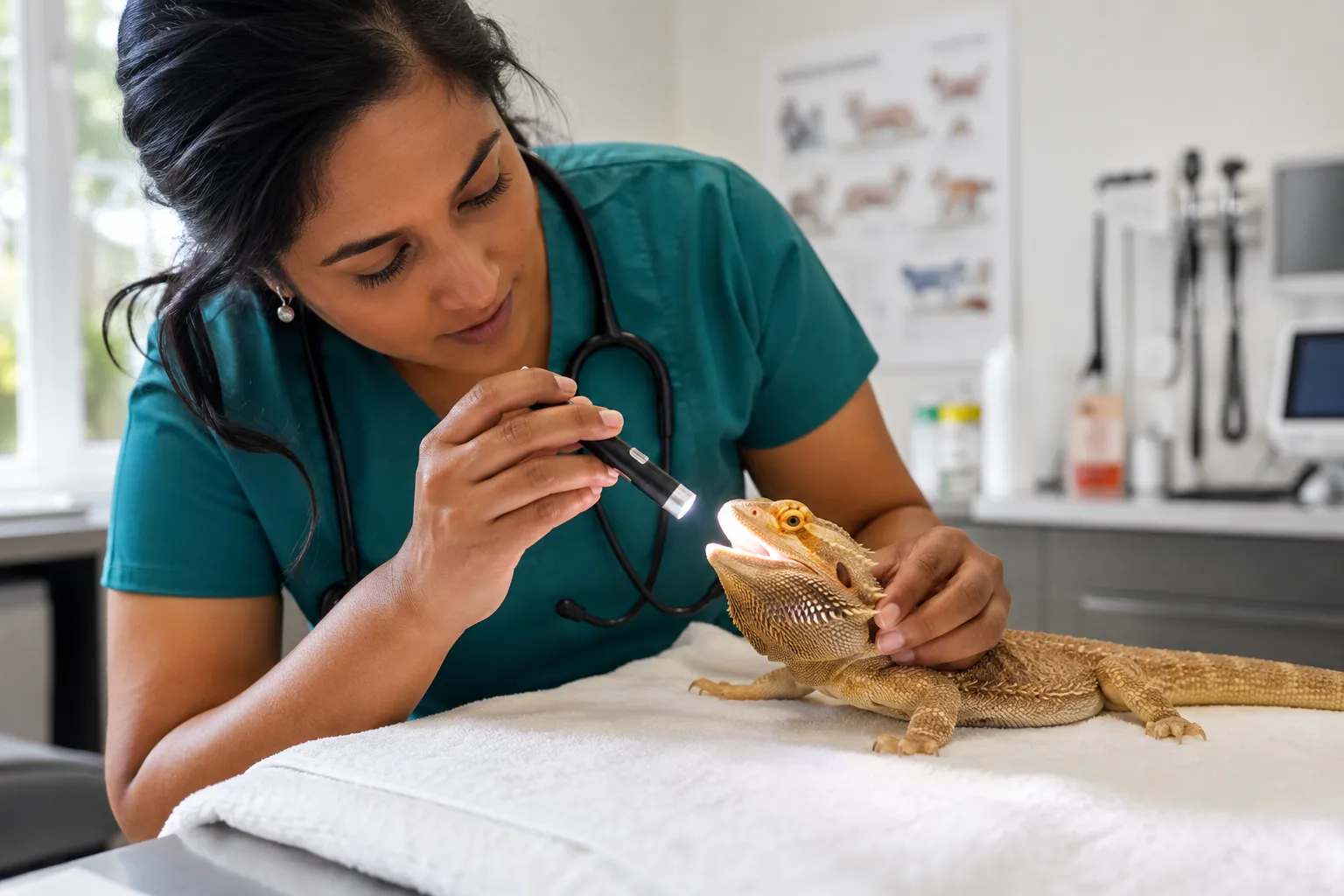
Healthy adult bearded dragons can safely go 1-2 weeks without food, though this timeline varies significantly by age, health status, and body condition. Baby bearded dragons (under 6 months) should never go more than 2-3 days without eating, as their rapid growth requires daily nutrition.
Safe fasting periods by age:
- Babies (0-6 months): Maximum 2-3 days before intervention needed
- Juveniles (6-12 months): Up to 5-7 days if otherwise healthy
- Adults (12+ months): 1-2 weeks during brumation or stress periods
- Seniors (5+ years): 1-2 weeks, but monitor closely for underlying conditions
Critical factors that shorten safe fasting time:
- Dehydration (sunken eyes, wrinkled skin)
- Pre-existing health conditions
- Recent weight loss
- Lack of fat reserves (visible hip bones, thin tail base)
- High activity levels or breeding season
During brumation, some bearded dragons may not eat for 2-3 months, which is normal if they entered brumation at a healthy weight. However, any bearded dragon that stops eating outside of brumation season and shows additional symptoms needs veterinary attention within 5-7 days.
Bearded Dragon Not Eating During Brumation vs Actual Health Problem
Brumation is a natural dormancy period where bearded dragons slow their metabolism and stop eating for weeks or months, typically occurring between November and February. A bearded dragon in brumation will sleep most of the day, refuse food, and have minimal bowel movements, but will still occasionally drink water and appear alert when awake.
Signs your bearded dragon is brumating (normal):
- Sleeping 18-20 hours per day in a hide or cool area
- Refusing food but still drinking when offered water
- No weight loss or only minimal loss over weeks
- Alert and responsive when gently woken
- Normal breathing with no wheezing or mucus
- Occurs during fall/winter months
- Gradual onset over 1-2 weeks
Signs of a health problem (not brumation):
- Lethargy with eyes closed even during peak basking hours
- Refusing water or unable to drink
- Rapid weight loss (more than 10% body weight in 2 weeks)
- Labored breathing, gaping mouth, or mucus around nostrils
- Diarrhea, blood in stool, or foul-smelling feces
- Occurs during spring/summer months
- Sudden onset within 1-3 days
Choose a vet visit if: Your bearded dragon shows any health problem signs listed above, loses significant weight during suspected brumation, or hasn’t eaten in over 3 weeks even during winter months. True brumation should be a peaceful sleep state, not a sickly appearance.
What Temperature Should a Bearded Dragon Tank Be for Proper Appetite?
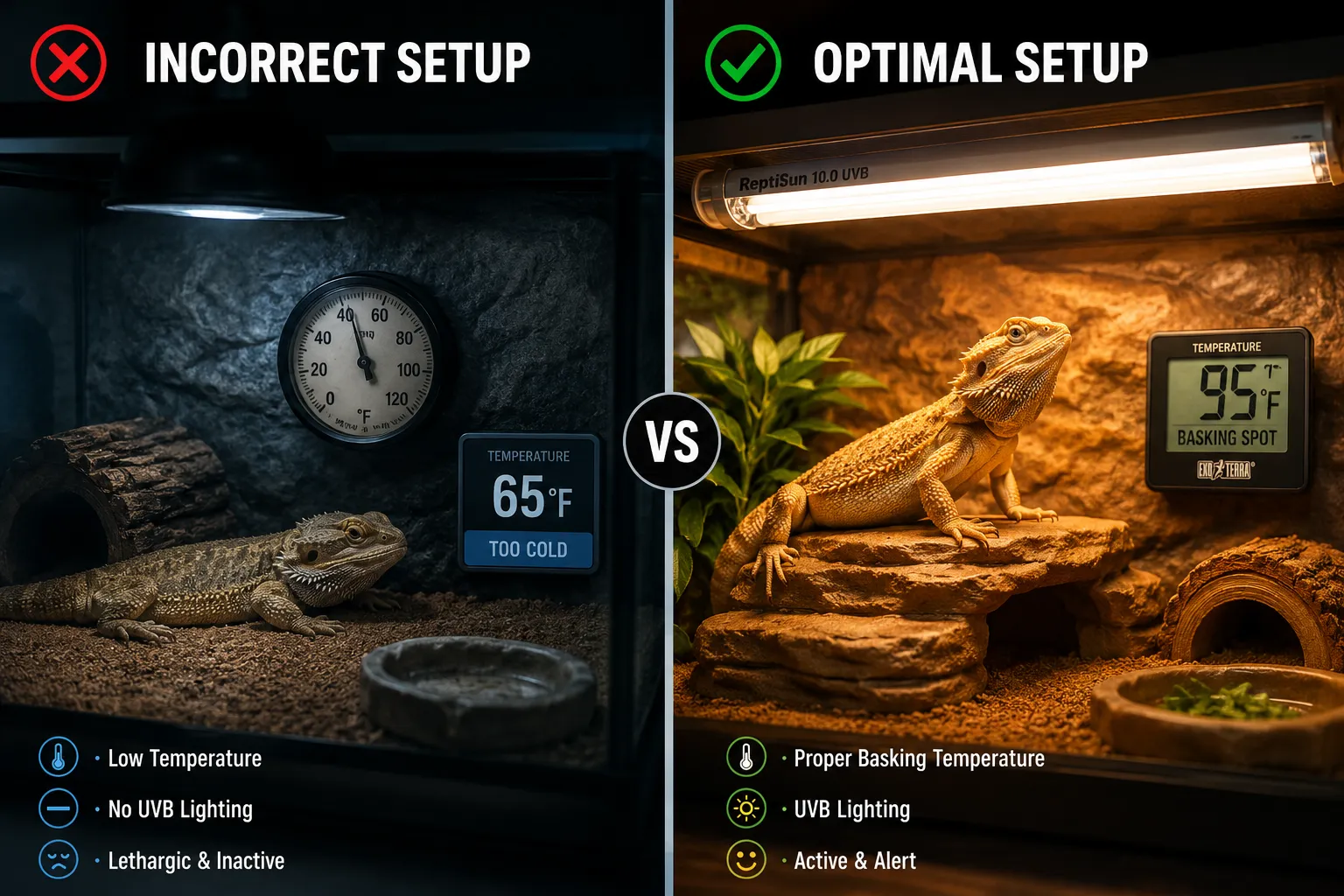
A bearded dragon’s tank must maintain a basking spot of 95-105°F and a cool side of 75-85°F to support proper digestion and appetite. Without this temperature gradient, bearded dragons cannot produce the digestive enzymes needed to break down food, leading to appetite loss within 24-48 hours.
Optimal temperature zones:
| Tank Area | Temperature Range | Purpose |
|---|---|---|
| Basking spot | 95-105°F | Digestion, metabolism activation |
| Warm side | 85-95°F | General activity, thermoregulation |
| Cool side | 75-85°F | Temperature regulation, rest |
| Nighttime | 65-75°F | Sleep (heat source off unless below 65°F) |
Equipment requirements:
- Basking bulb: 75-150 watt depending on tank size (not a red or colored bulb)
- UVB tube light: 10-12% UVB covering 2/3 of tank length
- Two thermometers: One at basking spot, one at cool side (digital probe thermometers are most accurate)
- Temperature gun: For spot-checking surface temperatures
- Thermostat: To prevent overheating and maintain consistent temps
Common temperature mistakes:
- Using stick-on thermometers (inaccurate by 5-10°F)
- Measuring air temperature instead of surface temperature
- Placing basking bulb too far from basking platform
- Using heat rocks (cause burns and don’t provide proper heat gradient)
- Turning off all heat at night when room drops below 65°F
If your bearded dragon stopped eating, verify your basking spot reaches at least 95°F using a temperature gun pointed at the basking rock surface. Many appetite problems resolve within 2-3 days once proper temperatures are restored.
Is My Bearded Dragon Sick If It Refuses Food for 3 Days?
A bearded dragon refusing food for 3 days is not automatically sick, but it requires immediate investigation of husbandry conditions and close monitoring for additional symptoms. Healthy bearded dragons with proper temperatures and no stress factors should eat every 1-3 days depending on age.
Investigate these factors first (before assuming illness):
- Verify temperatures, Use a temperature gun to confirm basking spot is 95-105°F
- Check UVB bulb age, Replace every 6-12 months even if still glowing
- Review recent changes, New tank, new roommate, construction noise, schedule changes
- Assess hydration, Offer a 15-minute bath in shallow lukewarm water
- Examine substrate, Remove loose substrate if present (impaction risk)
- Try different foods, Offer variety of insects and vegetables
When 3 days of not eating indicates a problem:
- Accompanied by lethargy or weakness
- Visible weight loss or sunken fat pads
- Diarrhea, blood in stool, or no bowel movements
- Labored breathing or mucus discharge
- Swollen abdomen or limbs
- Occurs in baby bearded dragons (more urgent)
When 3 days is likely normal:
- During brumation season (November-February)
- After a large meal (adults may skip 2-3 days)
- During shedding (temporary appetite reduction)
- Immediately after moving to a new home (stress-related)
For adult bearded dragons with no other symptoms, continue monitoring through day 5-7 while optimizing husbandry. For babies or any bearded dragon with additional symptoms, schedule a vet appointment after day 3.
How to Get a Picky Bearded Dragon to Start Eating Again
Getting a picky bearded dragon to eat requires offering food variety, optimizing presentation, and ensuring perfect husbandry conditions. Most picky eaters will resume eating within 3-5 days once you identify their preferred foods and feeding conditions.
Immediate steps to encourage eating:
- Verify temperatures first, Nothing else matters if basking spot is below 95°F
- Offer live movement, Use feeding tongs to wiggle insects in front of their face
- Try different insects, Rotate between crickets, dubia roaches, hornworms, black soldier fly larvae
- Add color variety, Offer brightly colored vegetables (red bell pepper, butternut squash, yellow squash)
- Feed during peak activity, Offer food 30-60 minutes after lights turn on
- Reduce stress, Feed in tank, not during handling, away from other pets
- Give a bath, 15-minute soak in lukewarm water often stimulates appetite
Food options for picky eaters:
Insects (protein):
- Dubia roaches (high protein, less smell than crickets)
- Hornworms (high moisture, irresistible to most bearded dragons)
- Black soldier fly larvae (calcium-rich, wiggling movement)
- Silkworms (soft-bodied, easy to digest)
- Superworms (use sparingly, high fat content)
Vegetables (daily staple):
- Collard greens (calcium-rich)
- Mustard greens
- Butternut squash (naturally sweet)
- Bell peppers (red, orange, yellow)
- Bee pollen sprinkled on top (appetite stimulant)
Foods to avoid: Lettuce (no nutrition), spinach (blocks calcium absorption), fireflies (toxic), wild-caught insects (pesticide risk).
Choose hand-feeding if: Your bearded dragon is weak or losing weight rapidly. Place a small insect directly in front of their mouth or gently touch it to their lips to trigger a feeding response.
Bearded Dragon Not Eating Crickets But Will Eat Vegetables
A bearded dragon that refuses crickets but eats vegetables is showing a dietary preference that can indicate several issues, from simple food boredom to protein aversion caused by digestive discomfort. While vegetables provide important nutrients, bearded dragons need insect protein for complete nutrition, especially juveniles.
Why this happens:
- Cricket fatigue, Overfeeding the same insect creates boredom
- Digestive discomfort, Hard cricket exoskeletons may cause stomach upset
- Improper gut-loading, Poorly fed crickets taste bad or cause digestive issues
- Cricket size too large, Insects wider than the space between their eyes are difficult to digest
- Preference for softer foods, Some bearded dragons prefer soft-bodied insects
- Age-related changes, Older bearded dragons naturally eat fewer insects (70% vegetables, 30% insects for adults)
Solutions to restore insect eating:
- Switch insect types, Try dubia roaches, hornworms, or black soldier fly larvae instead of crickets
- Reduce insect size, Offer smaller crickets or remove legs from larger ones
- Improve gut-loading, Feed crickets nutritious vegetables 24 hours before offering
- Dust with bee pollen, Natural appetite stimulant makes insects more appealing
- Limit vegetable quantity, Offer insects first thing in morning before vegetables
- Try insect variety packs, Mix 2-3 insect types in one feeding
Age-appropriate insect ratios:
- Babies (0-6 months): 80% insects, 20% vegetables daily
- Juveniles (6-12 months): 60% insects, 40% vegetables daily
- Adults (12+ months): 30% insects, 70% vegetables every 2-3 days
If your bearded dragon consistently refuses all insects for more than 7 days, schedule a vet visit to rule out metabolic issues or parasites that may cause protein aversion.
When Should I Take My Bearded Dragon to the Vet for Not Eating?
Take your bearded dragon to the vet if food refusal lasts more than 5-7 days in adults or 2-3 days in babies, or immediately if appetite loss accompanies other symptoms like lethargy, weight loss, or abnormal bowel movements. Waiting too long can allow treatable conditions to become life-threatening.
Immediate vet visit required (within 24 hours):
- Not eating AND lethargic or unresponsive
- Visible weight loss (sunken fat pads, prominent hip bones)
- Labored breathing, gaping mouth, or mucus discharge
- Swollen or distended abdomen
- Blood in stool or vomit
- Seizures, twitching, or loss of coordination
- Inability to move back legs (metabolic bone disease)
- Baby bearded dragon not eating for 2+ days
Schedule vet visit within 3-5 days:
- Adult not eating for 5-7 days with no other symptoms
- Gradual weight loss over 2+ weeks
- No bowel movements for 7+ days
- Eating but regurgitating food
- Persistent diarrhea
- Cloudy or swollen eyes
- Mouth rot (red, swollen gums or white patches)
Monitor at home (no immediate vet needed):
- Adult not eating 1-4 days during brumation season
- Recent tank move or environmental change (stress-related)
- During shedding with no other symptoms
- After a very large meal (adults may skip 2-3 days)
What to bring to the vet:
- Recent photos of tank setup showing temperatures and lighting
- List of foods offered and last successful feeding date
- Fresh fecal sample (if available) for parasite testing
- Weight history if you’ve been tracking
- List of supplements and feeding schedule
Common vet diagnoses for appetite loss: Parasites (coccidia, pinworms), metabolic bone disease, respiratory infection, impaction, kidney disease, or liver problems. Early intervention significantly improves treatment success rates.

【Safe Material & Durable】Bearded dragon hammock is made of natural seagrass. Natural wooden bridge for reptiles to climb. The jungle vine is made of iron wire inside and soft PU material outside. Reptile plants are made from intentionally non-toxic plastic and the stems were made from iron wire. It creates a dynamic environment with fun hiding spots and intriguing obstacles.

【Warm & Comfortable Material】The lizard bed and pillow are made of durable and breathable canvas, filled with PP cotton. This blanket has a soft and comfortable surface. The hammock is made of canvas material. The hammock is suitable for reptiles to rest and play on

Versatile Design: Multi-purpose reptile tank cleaner made specifically for bearded dragon enclosures and terrariums. Keeps your pet’s habitat clean, odor-free, and hygienic with a powerful formula that tackles waste, grime, and buildup on contact.
Do Baby Bearded Dragons Stop Eating More Often Than Adults?
Baby bearded dragons do not stop eating more frequently than adults under normal conditions, but when they do refuse food, it becomes critical much faster due to their rapid growth requirements and minimal fat reserves. A baby bearded dragon that stops eating for more than 2-3 days needs immediate intervention, while adults can safely fast for 1-2 weeks.
Why babies are more vulnerable:
- Higher metabolic rate, Require daily feeding to support rapid growth
- Minimal fat reserves, Cannot survive extended fasting periods
- Temperature sensitivity, More susceptible to temperature fluctuations
- Rapid dehydration, Smaller body size means faster fluid loss
- Developmental needs, Inadequate nutrition causes permanent bone deformities
Common reasons babies stop eating:
- Incorrect temperatures (most common), Need basking spot of 100-105°F
- Inadequate UVB, Require 10-12% UVB for calcium metabolism
- Stress from overhandling, Babies need minimal handling (5-10 minutes daily max)
- Insects too large, Should be no wider than space between eyes
- Dehydration, Need daily misting or baths
- Parasites, Common in pet store babies
Baby vs adult appetite patterns:
| Age Group | Normal Feeding | Safe Fasting | Intervention Needed |
|---|---|---|---|
| 0-6 months | 2-3x daily | 1-2 days max | After 2-3 days |
| 6-12 months | 1-2x daily | 3-5 days | After 5 days |
| 12+ months | Every 2-3 days | 1-2 weeks | After 7-10 days |
Emergency signs in baby bearded dragons:
- Lethargy or inability to lift head
- Sunken eyes or wrinkled skin (dehydration)
- Tremors or twitching (calcium deficiency)
- Soft or bent limbs (metabolic bone disease starting)
- Weight loss visible within days
If your baby bearded dragon refuses food for 2 consecutive days, verify temperatures immediately and schedule a vet visit if husbandry is correct. The window for intervention is much smaller than with adults.
Bearded Dragon Not Eating After Moving to New Tank
A bearded dragon typically stops eating for 3-7 days after moving to a new tank due to relocation stress, which is a normal adjustment period. Most bearded dragons resume eating once they acclimate to their new environment and verify the space is safe, though some sensitive individuals may take up to 2 weeks.
Why tank moves cause appetite loss:
- Territory establishment, Need time to explore and claim new space
- Stress response, Relocation triggers survival mode, suppressing appetite
- Temperature differences, New tank may have different heat distribution
- Lighting changes, Different UVB placement or bulb strength
- Scent changes, New materials lack familiar scent markers
- Size adjustment, Larger tanks can feel overwhelming initially
Steps to minimize relocation stress:
- Transfer familiar items, Move old basking rock, hide, and favorite decorations
- Maintain identical temperatures, Match previous basking and cool side temps exactly
- Keep same lighting schedule, Don’t change light timing during transition
- Limit handling, Avoid picking up for first 3-5 days
- Offer food daily, Present food even if refused to establish routine
- Provide multiple hides, Give options for security
- Reduce external stress, Keep tank in quiet area away from foot traffic
Normal adjustment timeline:
- Days 1-3: Exploration, hiding, no eating (normal)
- Days 4-7: Increased activity, may start eating
- Days 8-14: Should resume normal eating pattern
- After 14 days: If still not eating, investigate husbandry or health issues
When relocation stress becomes a problem:
- Not eating after 10-14 days in adults (5-7 days in babies)
- Accompanied by lethargy or weight loss
- Refusing water or unable to drink
- Aggressive behavior or glass surfing constantly
- No bowel movements for 7+ days
Choose a smaller tank if: Your bearded dragon seems overwhelmed in a large space. Temporarily partition a large tank or use a smaller enclosure for 2-3 weeks before transitioning to full-size habitat.
What Foods to Try When Bearded Dragon Won’t Eat Normal Diet
When a bearded dragon refuses their normal diet, offering high-value foods like hornworms, bee pollen-dusted vegetables, and naturally sweet options like butternut squash can restart appetite within 1-3 days. These appetite stimulants are more enticing than standard crickets and greens while still providing nutrition.
High-value insects (appetite stimulants):
- Hornworms, High moisture content, bright green color, irresistible wiggling motion (limit to 2-3 per feeding due to high water content)
- Waxworms, Very high fat, use only as occasional treat (1-2 per week max)
- Black soldier fly larvae, High calcium, natural movement attracts attention
- Silkworms, Soft-bodied, easy to digest, good for sensitive stomachs
- Phoenix worms, Self-dusting with calcium, no supplementation needed
Enticing vegetables and fruits:
- Butternut squash (cooked and mashed), Naturally sweet, soft texture
- Bee pollen (sprinkled on food), Natural appetite stimulant, adds flavor
- Red bell peppers, Bright color attracts attention, naturally sweet
- Blueberries, Offer 1-2 as treat only (high sugar)
- Mango, Small pieces as occasional treat (high sugar)
- Cactus pads (nopales), High moisture, natural desert food
Preparation methods to increase appeal:
- Chop vegetables smaller, Bite-sized pieces are less intimidating
- Mix colors, Create visually appealing salad with reds, oranges, greens
- Warm slightly, Room temperature or slightly warm food smells stronger
- Add movement, Use feeding tongs to wiggle vegetables
- Dust with bee pollen, Natural flavor enhancer
- Offer variety daily, Rotate 3-4 different foods each feeding
Foods to avoid (even when desperate):
- Avocado (toxic)
- Rhubarb (toxic)
- Fireflies or lightning bugs (deadly toxic)
- Wild-caught insects (pesticide risk)
- Spinach (blocks calcium absorption)
- Iceberg lettuce (no nutritional value)
Sample “restart appetite” meal plan:
- Day 1: 2-3 hornworms hand-fed with feeding tongs
- Day 2: Butternut squash with bee pollen, 2 hornworms
- Day 3: Mix of dubia roaches and black soldier fly larvae, red bell pepper
- Day 4: Return to normal diet with one high-value insect included
If your bearded dragon refuses all foods including high-value options for 5-7 days, the issue is likely medical rather than preference-based, requiring veterinary attention.
Can Stress Cause a Bearded Dragon to Stop Eating?
Stress is one of the most common causes of appetite loss in bearded dragons, triggering a survival response that suppresses hunger for 3-10 days depending on the severity of the stressor. Common stress sources include excessive handling, nearby predators (cats, dogs), loud noises, improper tank placement, and changes to their environment or routine.
Primary stress triggers:
- Predator presence, Cats, dogs, or birds visible near tank
- Excessive handling, More than 15-20 minutes daily for adults, 5-10 minutes for babies
- Loud noises, Construction, music, TV near tank
- Improper tank placement, High-traffic areas, direct sunlight causing overheating
- Cohabitation, Housing multiple bearded dragons together (causes dominance stress)
- Reflection stress, Seeing their own reflection in glass, mirrors
- Inadequate hiding spots, No secure place to retreat
- Inconsistent schedule, Irregular feeding or lighting times
Physical signs of stress:
- Glass surfing (frantically scratching at glass)
- Beard turning black frequently
- Hiding constantly
- Aggressive behavior (hissing, biting)
- Rapid color changes
- Flattened body posture
- Refusing to bask despite proper temperatures
How to reduce stress and restore appetite:
- Relocate tank, Move to quiet, low-traffic area away from windows
- Block reflections, Cover glass sides with background material
- Remove predators, Keep cats and dogs away from tank area
- Add more hides, Provide at least 2 hiding spots (one warm, one cool)
- Reduce handling, Limit to 10 minutes every other day until eating resumes
- Establish routine, Feed and turn lights on/off at same times daily
- Lower noise levels, Reduce TV volume, avoid playing music near tank
- Separate bearded dragons, Never house together (even “bonded” pairs)
Timeline for stress-related appetite recovery:
- Mild stress (handling, noise): 1-3 days
- Moderate stress (relocation, new pet): 3-7 days
- Severe stress (predator attack attempt, injury): 7-14 days
Choose professional help if: Your bearded dragon shows stress behaviors for more than 2 weeks despite environmental improvements, or if stress-related appetite loss exceeds 7-10 days. Chronic stress can lead to immune suppression and secondary health problems.
Bearded Dragon Not Eating and Lethargic: What Does This Mean?
A bearded dragon that is both not eating and lethargic likely has a serious health problem requiring immediate veterinary attention, as this combination indicates systemic illness rather than simple appetite loss. Lethargy means your bearded dragon is weak, unresponsive, keeping eyes closed during the day, or unable to lift their body properly.
Serious conditions causing both symptoms:
- Metabolic bone disease (MBD), Calcium deficiency causing weakness, tremors, soft bones
- Respiratory infection, Labored breathing, mucus, gaping mouth
- Impaction, Intestinal blockage preventing digestion and causing pain
- Parasites, Heavy parasite load causing anemia and weakness
- Kidney disease, Toxin buildup causing lethargy and appetite loss
- Liver disease, Often shows as yellow discoloration and weakness
- Sepsis, Systemic infection causing rapid decline
- Severe dehydration, Sunken eyes, wrinkled skin, weakness
Emergency assessment checklist:
Check immediately:
- ✓ Basking spot temperature (should be 95-105°F)
- ✓ UVB light age (replace every 6-12 months)
- ✓ Hydration status (eyes sunken? skin wrinkled?)
- ✓ Last bowel movement date
- ✓ Breathing pattern (labored? mucus? wheezing?)
- ✓ Limb strength (can they lift body? walk normally?)
- ✓ Weight compared to 1-2 weeks ago
Immediate actions:
- Warm bath, 15 minutes in lukewarm water (85-90°F) to aid hydration
- Verify temperatures, Ensure basking spot reaches proper range
- Isolate stressors, Remove other pets, reduce noise
- Document symptoms, Take photos/videos for vet
- Schedule emergency vet, Same day or next day appointment
When to go to emergency vet (don’t wait):
- Unable to lift head or body
- Seizures or uncontrolled twitching
- Labored breathing or gasping
- Blood in mouth, stool, or vomit
- Unresponsive to gentle touch
- Rapid weight loss visible in days
- Baby bearded dragon showing these symptoms
What the vet will likely do:
- Physical examination and weight check
- Fecal test for parasites
- Blood work to check organ function and calcium levels
- X-rays to check for impaction or MBD
- Fluid therapy if dehydrated
- Antibiotics if infection suspected
The combination of not eating plus lethargy is never normal, even during brumation. True brumation involves deep sleep but alertness when gently woken, not weakness or inability to respond.
How to Tell If Bearded Dragon Is Impacted and Not Eating
A bearded dragon with impaction (intestinal blockage) will stop eating, show a swollen or hard abdomen, have no bowel movements for 7+ days, and often display lethargy or dragging back legs. Impaction occurs when substrate, large insects, or dehydration causes a blockage in the digestive tract, preventing food passage and causing severe discomfort.
Primary signs of impaction:
- No bowel movements for 7-10+ days
- Swollen or hard abdomen, Feels firm when gently palpated
- Loss of appetite, Refuses all food
- Dragging back legs, Blockage presses on nerves
- Lethargy, Spending all time in one spot
- Straining, Attempting to defecate with no results
- Visible lump, Sometimes visible through skin in lower abdomen
Common causes of impaction:
- Loose substrate, Sand, walnut shell, wood chips ingested during feeding
- Oversized insects, Feeders wider than space between eyes
- Dehydration, Insufficient water causes stool to harden
- Low temperatures, Below 95°F basking prevents proper digestion
- Inadequate UVB, Affects calcium metabolism and gut motility
- Foreign objects, Accidentally ingested decorations or substrate
Home treatment for mild suspected impaction:
- Warm baths, 15-20 minutes in 85-90°F water, twice daily
- Gentle massage, Stroke abdomen from chest toward tail during bath
- Increase temperature, Ensure basking spot reaches 100-105°F
- Offer water, Use dropper to place water drops on nose
- Remove loose substrate, Switch to tile, paper towels, or reptile carpet immediately
- Limit food, Don’t offer more food until blockage passes
When home treatment works:
- Bowel movement within 2-3 days of warm baths
- Abdomen becomes softer
- Activity level increases
- Appetite returns after successful bowel movement
When to seek immediate vet care:
- No bowel movement after 3 days of home treatment
- Abdomen becoming more swollen or hard
- Vomiting or regurgitation
- Complete paralysis of back legs
- Visible distress or pain behaviors
- Rapid decline in condition
Vet treatment options:
- Enema to soften and remove blockage
- Laxatives or stool softeners
- Fluid therapy for dehydration
- Surgery for severe impaction (last resort)
- X-rays to confirm location and severity
Prevention strategies:
- Use solid substrates only (tile, paper towels, reptile carpet)
- Feed insects no wider than space between eyes
- Provide daily water access (bowl or misting)
- Maintain proper temperatures for digestion
- Offer regular baths (2-3 times weekly)
Impaction is a medical emergency if left untreated, potentially causing organ damage, sepsis, or death. When in doubt, seek veterinary care rather than waiting to see if home treatment works.
FAQ
How long is too long for a bearded dragon to not eat?
Adult bearded dragons can safely go 1-2 weeks without food if otherwise healthy, but babies should not go more than 2-3 days. Seek veterinary care if an adult refuses food for more than 7-10 days or if any bearded dragon shows additional symptoms like lethargy or weight loss alongside appetite loss.
Can bearded dragons go on hunger strikes?
Bearded dragons do not go on intentional hunger strikes, but they may refuse food due to stress, incorrect temperatures, brumation, or food preferences. What appears as stubbornness is usually a response to environmental conditions or health issues that need correction.
What is the best food to tempt a bearded dragon?
Hornworms are the most effective appetite stimulant for bearded dragons due to their bright green color, high moisture content, and enticing movement. Bee pollen sprinkled on vegetables and naturally sweet options like butternut squash also work well to restart appetite.
Should I force-feed my bearded dragon?
Never force-feed a bearded dragon without veterinary guidance, as this can cause aspiration pneumonia, injury, or increased stress. If your bearded dragon is critically weak and not eating, a vet can provide proper assist-feeding techniques or tube feeding if medically necessary.
Do bearded dragons stop eating when they are full?
Adult bearded dragons naturally eat less frequently than babies and may skip meals for 2-3 days after a large feeding, which is normal. However, consistent refusal of food beyond their typical pattern indicates a problem rather than satiation.
Why is my bearded dragon eating vegetables but not insects?
Bearded dragons may refuse insects due to cricket fatigue, digestive discomfort from hard exoskeletons, or age-related dietary shifts (adults naturally eat fewer insects). Try switching to soft-bodied insects like hornworms or black soldier fly larvae, and ensure insects are properly gut-loaded.
Can a bearded dragon survive on just vegetables?
Baby and juvenile bearded dragons cannot survive on vegetables alone and require daily insect protein for proper growth. Adult bearded dragons need insects at least 2-3 times weekly to maintain muscle mass and meet protein requirements, though they eat proportionally more vegetables than juveniles.
What does it mean when a bearded dragon’s beard turns black?
A black beard typically indicates stress, territorial behavior, or breeding readiness, and often accompanies appetite loss when stress-related. If your bearded dragon’s beard is frequently black and they’re not eating, identify and remove stress sources like nearby predators, excessive handling, or improper tank conditions.
How do I know if my bearded dragon is dying?
Signs of a dying bearded dragon include complete unresponsiveness, inability to lift head or body, labored or gasping breathing, seizures, and rapid physical decline over hours or days. These symptoms require immediate emergency veterinary care, as some conditions are still treatable if caught early.
Should I take my bearded dragon to the vet if it hasn’t eaten in a week?
Yes, schedule a vet visit if an adult bearded dragon hasn’t eaten in 5-7 days (2-3 days for babies) or immediately if appetite loss accompanies other symptoms like lethargy, weight loss, or abnormal bowel movements. Early intervention prevents minor issues from becoming life-threatening.
Can changing UVB bulbs help a bearded dragon start eating again?
Yes, UVB bulbs lose effectiveness after 6-12 months even if still glowing, and inadequate UVB prevents proper calcium metabolism and appetite. Replacing an old UVB bulb often restores appetite within 3-5 days as vitamin D3 production normalizes.
Why won’t my bearded dragon eat after shedding?
Bearded dragons commonly experience reduced appetite 1-3 days before and during shedding due to discomfort and energy directed toward skin renewal. Appetite should return within 24-48 hours after shedding completes; if not, investigate other causes like temperature or hydration issues.
Conclusion
Understanding why your bearded dragon isn’t eating requires systematic investigation of husbandry conditions, environmental stressors, and health indicators. Temperature problems remain the most common culprit, with basking spots below 95°F preventing proper digestion within 24-48 hours. Before assuming illness, verify your temperatures with a temperature gun, check UVB bulb age, and assess recent environmental changes that might cause stress.
Take action now:
- Verify temperatures immediately, Use a temperature gun to confirm basking spot reaches 95-105°F
- Replace old UVB bulbs, If your bulb is over 6 months old, replace it regardless of whether it still glows
- Offer high-value foods, Try hornworms, bee pollen-dusted vegetables, or butternut squash to restart appetite
- Monitor for additional symptoms, Watch for lethargy, weight loss, abnormal bowel movements, or breathing issues
- Schedule a vet visit, If appetite loss exceeds 5-7 days in adults (2-3 days in babies) or any concerning symptoms appear
Remember that baby bearded dragons require much faster intervention than adults due to their rapid growth needs and minimal fat reserves. When in doubt, consult a reptile veterinarian rather than waiting to see if the problem resolves on its own. Most appetite issues resolve quickly once you identify and correct the underlying cause, whether environmental, stress-related, or medical.

Ultimate Substrate for Bearded Dragons: Specifically designed substrate that provides an authentic environment for bearded dragons and other Australian desert dwelling reptiles

CREATE A NATURAL DESERT HABITAT: Transform your reptile enclosure with real desert sand that mimics natural desert environments; Made from 100% natural sand with no added dyes or chemicals for a more authentic terrarium setup

IDEAL FOR DESERT-DWELLING REPTILES: specifically designed for adult bearded dragons, uromastyx, desert skinks, monitors, leopard geckos, and more