

Quick Answer: Yes, bearded dragons can eat carrots, but only as an occasional treat rather than a dietary staple. Carrots should be fed raw and grated or julienned into small pieces no more than once or twice per week because they contain high levels of vitamin A and a poor calcium-to-phosphorus ratio that can cause health problems when fed too frequently.
Key Takeaways
- Bearded dragons can safely eat carrots in moderation as an occasional treat
- Feed carrots raw (never cooked) and shredded or grated into small, manageable pieces
- Limit carrot feeding to 1-2 times per week to avoid vitamin A toxicity and calcium absorption issues
- Carrot tops and greens are actually more nutritious than the root and can be fed more often
- Baby bearded dragons should avoid carrots entirely or have them very rarely due to their sensitive digestive systems
- Better daily vegetable options include collard greens, mustard greens, and butternut squash
- The poor calcium-to-phosphorus ratio in carrots (1:1.5) makes them unsuitable as a staple food
- Too many carrots can lead to vitamin A toxicity, diarrhea, and metabolic bone disease over time

All Natural: 100% all-natural and preservative-free

Vitamin Enriched Formula That Provides Essential Proteins, Fats, Vitamins And Minerals

Age range description: adult
Are Carrots Safe for Bearded Dragons to Eat?
Carrots are safe for bearded dragons when fed properly and in moderation. The vegetable itself is non-toxic and contains beneficial nutrients like beta-carotene, fiber, and vitamin A, but the key concern is frequency and preparation method.
The main safety considerations with carrots include:
- Vitamin A content: Carrots are extremely high in beta-carotene, which converts to vitamin A. While bearded dragons need vitamin A, excessive amounts can lead to hypervitaminosis A, causing liver damage, lethargy, and weight loss.
- Calcium-to-phosphorus ratio: Carrots have a poor ratio of approximately 1:1.5 (calcium to phosphorus). Bearded dragons need a ratio of at least 2:1 for proper calcium absorption. Foods with too much phosphorus actually bind to calcium and prevent absorption, potentially leading to metabolic bone disease.
- Choking hazard: Raw carrots are hard and crunchy. Large chunks can pose a choking risk, especially for younger dragons.
Choose carrots if your bearded dragon needs occasional dietary variety and you’re already providing calcium-rich staple greens. Avoid frequent carrot feeding if your dragon shows any signs of vitamin A toxicity (swelling, lethargy, lack of appetite) or has a history of metabolic bone disease.
How Often Can Bearded Dragons Have Carrots?

Bearded dragons should eat carrots no more than once or twice per week as a small portion of their vegetable intake. Carrots should make up less than 10% of the total vegetable matter offered in any given feeding.
The frequency guideline exists because:
- Vitamin A accumulation: Unlike water-soluble vitamins, vitamin A is fat-soluble and stores in the liver. Feeding carrots too often causes dangerous buildup over weeks and months.
- Calcium balance: Regular carrot consumption interferes with calcium metabolism due to the high phosphorus content, which is particularly problematic for growing dragons and egg-laying females.
- Digestive considerations: The high fiber content in carrots can cause loose stools when fed in excess.
A practical feeding schedule looks like this:
- Monday: Staple greens (collard greens, mustard greens)
- Wednesday: Staple greens with a small amount of squash
- Friday: Staple greens with a small amount of shredded carrot (treat day)
- Sunday: Staple greens with bell pepper
This rotation ensures variety without overloading on any single vegetable’s potential drawbacks.
Do You Need to Cook Carrots for Bearded Dragons or Feed Them Raw?
Feed carrots raw to bearded dragons, never cooked. Raw carrots retain their full nutritional profile and provide the crunchy texture that encourages natural chewing behavior, while cooking reduces nutrient content and changes the texture in ways that don’t benefit reptiles.
Why raw is better:
- Cooking destroys heat-sensitive vitamins and reduces the overall nutritional value
- Cooked carrots become soft and mushy, which doesn’t promote healthy jaw exercise
- Raw vegetables more closely mimic what bearded dragons would encounter in their natural habitat
- Steaming or boiling adds unnecessary moisture that can cause digestive upset
Preparation method matters: Even though you’re feeding raw carrots, they must be properly prepared. Whole raw carrots or large chunks are too hard for bearded dragons to break down safely. Always grate, shred, or julienne carrots into thin matchstick pieces that are no larger than the space between your dragon’s eyes.
Common mistake: Some owners steam carrots thinking it makes them “easier to digest.” Bearded dragons have evolved to process raw plant matter, and their digestive systems handle raw vegetables more efficiently than cooked ones.
Can Baby Bearded Dragons Eat Carrots?
Baby bearded dragons should not eat carrots or should have them extremely rarely (once per month at most). Young dragons under six months old require a diet much higher in protein (70-80% insects) and have more sensitive digestive systems that struggle with hard, fibrous vegetables like carrots.
Why babies should avoid carrots:
- Their smaller jaws and developing teeth make it difficult to properly chew even finely shredded carrots
- Baby dragons are more susceptible to choking on firm vegetables
- The vitamin A content poses a greater toxicity risk in smaller bodies with developing livers
- Young dragons need maximum calcium absorption for bone growth, and the poor calcium-to-phosphorus ratio in carrots works against this critical need
- Their digestive systems are still maturing and handle softer greens more effectively
Better options for baby bearded dragons include finely chopped collard greens, mustard greens, and dandelion greens, which provide superior calcium content and are easier to digest. Focus on getting babies to accept staple greens first before introducing any treat vegetables.
If you do offer carrot to a baby dragon, grate it extremely fine (almost to a pulp), offer only a tiny pinch mixed with staple greens, and watch carefully for any signs of digestive distress or choking.
Carrots vs Sweet Potato for Bearded Dragons: Which Is Better?
Neither carrots nor sweet potatoes should be a dietary staple, but if choosing between the two as an occasional treat, sweet potato has a slight edge due to its better calcium-to-phosphorus ratio (1:1 compared to carrot’s 1:1.5) and higher overall nutrient density. However, both should be fed sparingly for the same reasons, high vitamin A content and suboptimal mineral ratios.
Comparison breakdown:
| Factor | Carrots | Sweet Potato |
|---|---|---|
| Calcium-to-phosphorus ratio | 1:1.5 (poor) | 1:1 (still poor, but better) |
| Vitamin A content | Very high | Very high |
| Preparation | Raw, shredded | Raw, shredded (never cooked) |
| Recommended frequency | 1-2x per week | 1-2x per week |
| Texture | Hard, crunchy | Firm but slightly softer |
The real answer: Instead of choosing between two suboptimal options, focus on vegetables that actually support bearded dragon health as staples: collard greens (calcium-to-phosphorus ratio of 14:1), mustard greens (2.4:1), turnip greens (4.5:1), and butternut squash (2:1).
Use both carrots and sweet potato as occasional variety items to prevent diet boredom, but never as foundational foods. Rotate them with other treat vegetables like bell peppers, green beans, and small amounts of fruits.
How to Prepare Carrots for Bearded Dragons
Proper carrot preparation involves washing thoroughly, peeling if not organic, and shredding or grating into thin pieces no larger than the space between your dragon’s eyes. Never feed whole carrots, large chunks, or cooked carrots.
Step-by-step preparation:
- Wash thoroughly: Rinse carrots under cool water to remove dirt, pesticides, and bacteria
- Peel if needed: Remove the outer skin if carrots are not organic to reduce pesticide exposure
- Choose your method:
- Grating: Use a box grater or food processor to create fine shreds (best for smaller dragons)
- Julienning: Cut into thin matchstick pieces about 1-2mm thick (works for adult dragons)
- Shaving: Use a vegetable peeler to create thin ribbons
- Size check: Pieces should be no wider than the space between your dragon’s eyes to prevent choking
- Mix with staples: Combine a small amount of prepared carrot with calcium-rich staple greens
- Serve immediately: Fresh vegetables retain more nutrients than those left sitting
Common preparation mistakes:
- Cutting carrots into coins or rounds (choking hazard)
- Leaving pieces too large for safe consumption
- Serving cooked or steamed carrots
- Offering carrot as the primary vegetable instead of a small addition
- Not washing thoroughly before preparation
Pro tip: Prepare a week’s worth of shredded carrot and store it in an airtight container in the refrigerator. This makes it easy to add a small pinch to your dragon’s salad on designated treat days without daily prep work.

Can Bearded Dragons Eat Carrot Tops and Greens?
Yes, bearded dragons can eat carrot tops and greens, and they’re actually more nutritious than the carrot root itself. Carrot greens have a better calcium-to-phosphorus ratio (approximately 2:1), contain less vitamin A, and provide additional nutrients like vitamin K and antioxidants, making them suitable for more frequent feeding than the orange root portion.
Benefits of carrot greens:
- Superior mineral balance compared to the root
- High in vitamin K, which supports blood clotting and bone health
- Lower in sugar than the carrot root
- Provides dietary variety and different textures
- Can be fed 2-3 times per week instead of just 1-2 times
Preparation for carrot tops:
- Wash extremely thoroughly as greens trap dirt and debris
- Remove any yellowed or wilted leaves
- Chop into bite-sized pieces
- Mix with other leafy greens like collard or mustard greens
Important consideration: While carrot greens are better than carrot roots, they still shouldn’t replace true staple greens. They work best as a supplementary green to add variety to a base of collard greens, mustard greens, or turnip greens.
Some bearded dragons initially reject carrot tops because they have a slightly bitter taste compared to the sweet carrot root. If your dragon refuses them at first, try mixing small amounts with preferred greens and gradually increasing the proportion.
What Vegetables Are Better Than Carrots for Bearded Dragons?
Collard greens, mustard greens, turnip greens, and butternut squash are significantly better than carrots for bearded dragons because they offer superior calcium-to-phosphorus ratios, lower vitamin A content, and can be fed daily as staple foods rather than occasional treats.
Top staple vegetables (can be fed daily):
- Collard greens: Calcium-to-phosphorus ratio of 14:1, high in vitamins A, C, and K
- Mustard greens: Ratio of 2.4:1, excellent nutrient density
- Turnip greens: Ratio of 4.5:1, high in calcium and fiber
- Dandelion greens: Ratio of 2.8:1, natural and highly nutritious
- Butternut squash: Ratio of 2:1, good vitamin A source without excess
Good supplementary vegetables (2-3 times per week):
- Bell peppers (red, yellow, orange): High in vitamin C, low in oxalates
- Green beans: Good fiber source, decent mineral balance
- Acorn squash: Similar benefits to butternut squash
- Endive: Mild flavor, good calcium content
- Escarole: Nutritious leafy green with good mineral profile
Why these beat carrots: The vegetables listed above can form the foundation of a healthy bearded dragon diet because they support calcium absorption rather than inhibiting it, provide balanced nutrition without toxicity risks, and offer the nutrient profiles that bearded dragons actually need for long-term health.
A proper daily salad should be 80% staple greens (collards, mustard greens, turnip greens) and 20% supplementary vegetables, with treats like carrots appearing only once or twice per week in small amounts.

Package Dimensions: 12.953 H x 7.62 L x 7.62 W (centimeters)

Bearded Dragon Bites Is A Soft Moist Ready To Eat Food Designed For Bearded Dragons

Age range description: All Stages
Why Is Too Much Carrot Bad for Bearded Dragons?
Too much carrot is bad for bearded dragons because it causes vitamin A toxicity, interferes with calcium absorption due to high phosphorus content, and can lead to metabolic bone disease over time. The combination of excessive vitamin A and poor mineral ratios creates a perfect storm for serious health problems.
Specific health risks:
Vitamin A toxicity (hypervitaminosis A):
- Symptoms include lethargy, loss of appetite, swelling around the eyes and body, weight loss, and liver damage
- Develops gradually over weeks or months of overfeeding vitamin A-rich foods
- Can be fatal if not addressed through dietary changes
Metabolic bone disease (MBD):
- Caused by calcium deficiency, which carrots contribute to through their high phosphorus content
- Phosphorus binds to calcium in the digestive tract and prevents absorption
- Symptoms include soft or deformed bones, tremors, difficulty walking, paralysis of hind legs, and swollen limbs
- Often irreversible in advanced stages
Digestive issues:
- High fiber content can cause diarrhea when overfed
- Hard texture may cause impaction if pieces are too large
- Excessive sugar content (for a reptile) can disrupt gut bacteria balance
The cumulative effect: Feeding carrots daily or even 3-4 times per week creates a slow accumulation of problems. You might not notice issues immediately, but over 6-12 months, the vitamin A buildup and calcium deficiency will manifest in visible health decline.
Can Bearded Dragons Eat Carrots Every Day?
No, bearded dragons should not eat carrots every day. Daily carrot consumption will lead to vitamin A toxicity and calcium deficiency over time, both of which cause serious health problems including metabolic bone disease, liver damage, and shortened lifespan.
The daily feeding question comes up frequently because carrots are readily available, inexpensive, and many dragons seem to enjoy them. However, enjoyment doesn’t equal nutritional appropriateness, bearded dragons will often eagerly eat foods that aren’t good for them in large quantities.
What happens with daily carrot feeding:
- Week 1-4: No obvious symptoms; dragon appears healthy
- Month 2-3: Subtle signs may appear, slightly less active, minor changes in appetite
- Month 4-6: More obvious symptoms, lethargy, swelling, reduced appetite, softer stools
- Month 6+: Serious health issues, visible bone deformities, severe lethargy, weight loss, potential organ damage
The right approach: Reserve carrots for 1-2 times per week as a treat, and build your dragon’s daily diet around staple greens like collard greens and mustard greens. This provides the nutritional foundation they need while still offering the variety and enrichment that treats provide.
If your bearded dragon refuses to eat anything except carrots, you’re dealing with a dietary preference issue that requires gradual retraining. Start by mixing tiny amounts of staple greens with the carrots and slowly adjusting the ratio over several weeks until the diet is properly balanced.
What Happens If My Bearded Dragon Ate Too Many Carrots?
If your bearded dragon ate too many carrots in a single feeding, monitor for signs of digestive upset like diarrhea or lethargy over the next 24-48 hours, but one isolated incident is unlikely to cause serious harm. However, if “too many carrots” means frequent overfeeding over weeks or months, watch for symptoms of vitamin A toxicity and calcium deficiency, and adjust the diet immediately.
Immediate concerns (single overeating incident):
- Diarrhea or loose stools: The high fiber and water content can cause digestive upset
- Mild lethargy: Digestive discomfort may make your dragon less active temporarily
- Loss of appetite: May not be interested in the next meal
Action steps for a one-time incident:
- Provide fresh water and ensure proper hydration
- Skip the next vegetable feeding or offer only a small amount of staple greens
- Monitor stools for the next 2-3 days
- Return to normal feeding schedule with proper portions
Long-term concerns (chronic overfeeding):
If your dragon has been eating too many carrots regularly, look for these warning signs:
- Swelling around the eyes, limbs, or body
- Decreased activity level or reluctance to move
- Loss of appetite or refusing food
- Soft or rubbery jaw
- Tremors or twitching
- Difficulty walking or weakness in hind legs
When to see a vet: If you notice any symptoms of vitamin A toxicity or metabolic bone disease, schedule a veterinary appointment immediately. Blood work can confirm vitamin A levels and calcium status, and your vet can recommend treatment options including dietary changes, calcium supplementation, and supportive care.
Prevention going forward: Measure vegetable portions carefully, stick to the 1-2 times per week guideline for carrots, and ensure 80% of the vegetable portion consists of calcium-rich staple greens.
Best Vegetables for Bearded Dragons Daily Diet
The best vegetables for a bearded dragon’s daily diet are collard greens, mustard greens, and turnip greens, which should make up 80% of the vegetable portion. These leafy greens provide optimal calcium-to-phosphorus ratios, essential vitamins, and can be fed every day without health risks.
Daily staple greens (feed these every day):
Collard greens (14:1 calcium-to-phosphorus ratio)
- Highest calcium content of common greens
- Rich in vitamins A, C, and K
- Readily available and affordable
- Most bearded dragons accept them readily
Mustard greens (2.4:1 ratio)
- Excellent nutrient density
- Slightly spicy flavor adds variety
- High in antioxidants
Turnip greens (4.5:1 ratio)
- Great calcium source
- High fiber content supports digestion
- Can be fed with or without stems
Dandelion greens (2.8:1 ratio)
- Natural option (if pesticide-free)
- Highly nutritious
- Promotes healthy digestion
Supplementary vegetables (rotate 2-3 times per week):
- Butternut squash (2:1 ratio)
- Acorn squash
- Bell peppers (red, yellow, orange)
- Green beans
- Endive
- Escarole
Sample daily salad formula:
- 40% collard greens
- 30% mustard greens
- 10% turnip greens
- 20% supplementary vegetable (rotate options)
- Dust with calcium powder (without D3 for daily feeding, with D3 2-3x per week)
Portion size: Adult bearded dragons should receive a salad bowl approximately the size of their head, offered once daily in the morning. Remove uneaten vegetables after 2-3 hours to prevent spoilage.
This combination provides complete nutrition, supports calcium absorption, prevents vitamin A toxicity, and offers enough variety to keep your dragon interested in eating vegetables consistently.
Do Bearded Dragons Like Eating Carrots?
Most bearded dragons do like eating carrots because of their naturally sweet taste and crunchy texture, which makes carrots appealing but also potentially problematic since dragons may prefer them over more nutritious staple greens. This preference is similar to how humans might prefer candy over vegetables, enjoyment doesn’t indicate nutritional value.
Why dragons are attracted to carrots:
- Natural sweetness: The sugar content makes carrots taste good to reptiles
- Bright color: Bearded dragons are visual feeders and are attracted to orange and red colors
- Crunchy texture: Provides satisfying chewing experience
- Moisture content: The water in carrots is refreshing
The preference problem: When bearded dragons discover they like carrots, they may start refusing more nutritious options like collard greens or mustard greens. This creates a dietary imbalance where owners feel pressured to feed carrots more frequently just to get their dragon to eat vegetables at all.
How to manage carrot preference:
- Establish staple greens as the foundation before introducing carrots
- Never offer carrots more than 1-2 times per week, even if your dragon begs
- Mix tiny amounts of carrot with staple greens to encourage acceptance of both
- Don’t give in to hunger strikes, healthy dragons can safely go several days without vegetables if they’re getting insects
- Gradually reduce carrot portions while increasing staple greens over several weeks
Individual variation: Not all bearded dragons love carrots. Some show little interest, while others become obsessed. Pay attention to your individual dragon’s preferences and adjust accordingly, but never let preference override nutritional requirements.
The goal is to use carrots as an occasional motivator and treat, not as a dietary crutch that prevents your dragon from eating the vegetables they actually need for long-term health.
FAQ
Can bearded dragons eat carrot peels?
Yes, bearded dragons can eat carrot peels if the carrots are organic and thoroughly washed. However, peeling carrots removes potential pesticide residue and is recommended for non-organic carrots. The peel contains similar nutrients to the flesh and doesn’t need to be removed for organic produce.
How much carrot should I feed my bearded dragon at once?
Feed no more than 1-2 teaspoons of shredded carrot mixed with staple greens for an adult bearded dragon. This small amount provides variety without overwhelming their system with vitamin A or phosphorus. The carrot portion should represent less than 10% of the total vegetable serving.
Can bearded dragons eat purple or rainbow carrots?
Yes, bearded dragons can eat purple, yellow, white, and rainbow carrots with the same frequency guidelines as orange carrots. All carrot varieties have similar nutritional profiles and should be treated as occasional treats rather than staples, fed 1-2 times per week maximum.
Are frozen carrots okay for bearded dragons?
Frozen carrots are acceptable if thawed completely and brought to room temperature before feeding. However, fresh carrots are preferable because freezing can break down cell walls and reduce nutrient content. Never feed frozen vegetables directly from the freezer as the cold temperature can cause digestive problems.
Can bearded dragons eat carrot juice?
No, bearded dragons should not drink carrot juice. The concentrated vitamin A and sugar content in juice form poses even greater toxicity risks than whole carrots, and the liquid provides no beneficial fiber. Stick to fresh water for hydration and whole vegetables for nutrition.
What should I do if my bearded dragon only wants to eat carrots?
Gradually reduce carrot portions while increasing staple greens over 2-3 weeks. Mix tiny amounts of shredded carrot with collard greens and slowly adjust the ratio. Healthy bearded dragons can safely skip vegetables for a few days if they’re getting insects, so don’t panic if they initially refuse the new mix.
Can bearded dragons eat cooked carrots if they’re softer?
No, never feed cooked carrots to bearded dragons. Cooking reduces nutritional value and creates an unnaturally soft texture that doesn’t benefit reptiles. If you’re concerned about hardness, grate or shred raw carrots more finely instead of cooking them.
Are baby carrots different from regular carrots for bearded dragons?
Baby carrots are just regular carrots cut into smaller pieces and are nutritionally identical. They offer no advantage and should be prepared the same way, shredded or grated into appropriately sized pieces. The “baby” designation refers to size and shape, not a different variety or nutritional profile.
How do I know if my bearded dragon has vitamin A toxicity from too many carrots?
Signs of vitamin A toxicity include lethargy, loss of appetite, swelling around the eyes or body, weight loss, and changes in skin appearance. If you notice these symptoms and have been feeding carrots frequently, reduce or eliminate vitamin A-rich foods immediately and consult a reptile veterinarian for blood work.
Can bearded dragons eat carrot flowers?
Yes, bearded dragons can eat carrot flowers (also called Queen Anne’s Lace flowers) if you’re certain they’re actually from carrot plants and haven’t been treated with pesticides. However, they provide minimal nutritional value and should be considered an occasional novelty rather than a regular food item.
What’s the best time of day to feed carrots to bearded dragons?
Feed carrots in the morning along with the rest of the vegetable salad. Bearded dragons are most active and have the best appetite in the morning after they’ve warmed up under their basking light. This timing also allows them to digest throughout the day when their metabolism is most active.
Can bearded dragons eat carrot chips or dried carrots?
No, avoid feeding carrot chips or dried carrots. The dehydration process concentrates sugars and nutrients to potentially harmful levels, and many commercial dried vegetables contain added salt, oils, or preservatives that are dangerous for reptiles. Always feed fresh, raw vegetables.
Conclusion
Carrots can be a healthy occasional treat for bearded dragons when fed properly, raw, shredded, and limited to 1-2 times per week. While they’re safe in moderation, carrots should never replace calcium-rich staple greens like collard greens, mustard greens, and turnip greens that form the foundation of a healthy bearded dragon diet.
The key takeaway is balance. Carrots provide variety and enrichment, but their high vitamin A content and poor calcium-to-phosphorus ratio make them unsuitable as a dietary staple. By understanding these limitations and following proper preparation and frequency guidelines, you can safely incorporate carrots into your bearded dragon’s meal rotation without compromising their long-term health.
Action steps to implement today:
- Audit your current feeding schedule and ensure carrots appear no more than twice per week
- Prepare carrots properly by shredding or grating them into small, safe pieces
- Build your daily salad around 80% staple greens (collards, mustard greens, turnip greens)
- Consider offering carrot tops more frequently than carrot roots for better nutritional value
- Monitor your dragon for any signs of vitamin A toxicity or calcium deficiency
- Establish a rotating vegetable schedule that prioritizes nutrition over preference
Remember that every bearded dragon is an individual with unique preferences and needs. While these guidelines provide a solid foundation, pay attention to your dragon’s response to different foods and adjust accordingly. When in doubt, consult with a reptile veterinarian who can provide personalized dietary recommendations based on your dragon’s age, health status, and specific needs.

Nature Zone Herp Pro Supplements for Bearded Dragons Powder Formula: Calcium/Probiotics
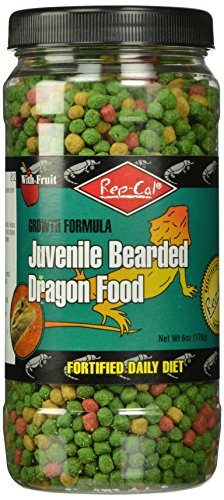
Juvenile Bearded Dragon Food

🦎 Targeted Nutrition for Egg-Laying Females Formulated specifically for adult female bearded dragons during pre-lay, active egg production, and post-lay recovery—one of the most demanding life stages.


