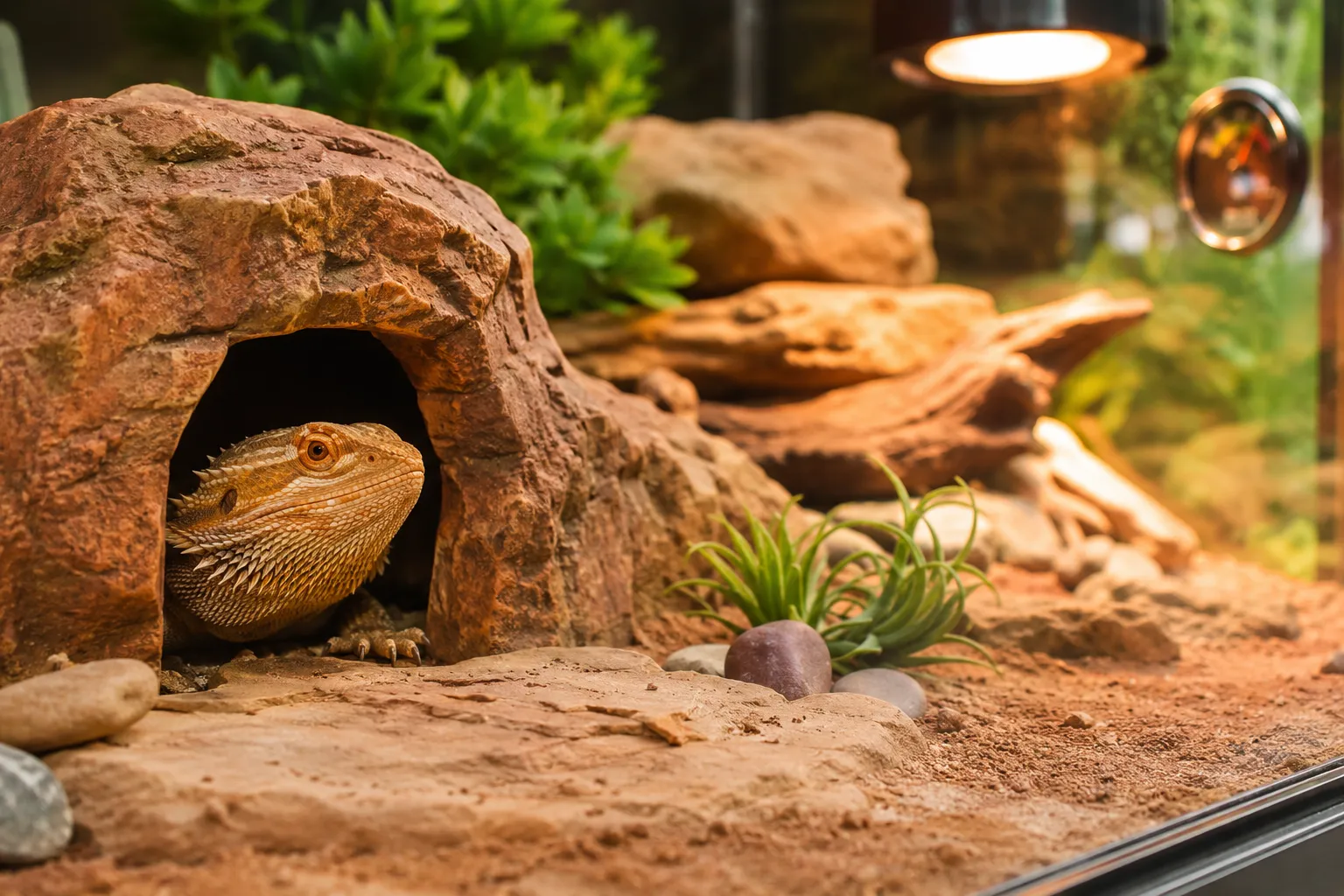
Quick Answer
When a bearded dragon hides all day, it typically signals stress, improper habitat conditions, illness, or natural brumation behavior. The most common causes include incorrect temperatures (basking spot below 95°F or cool side above 85°F), inadequate UVB lighting, stress from a new environment, or the onset of brumation in adult dragons. If hiding is accompanied by loss of appetite, lethargy, or physical symptoms, veterinary attention is needed within 24-48 hours.

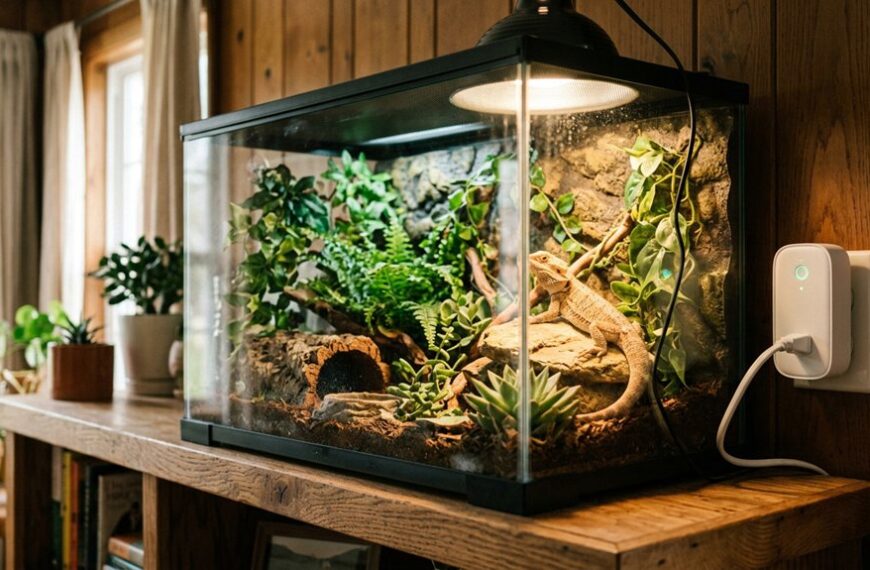
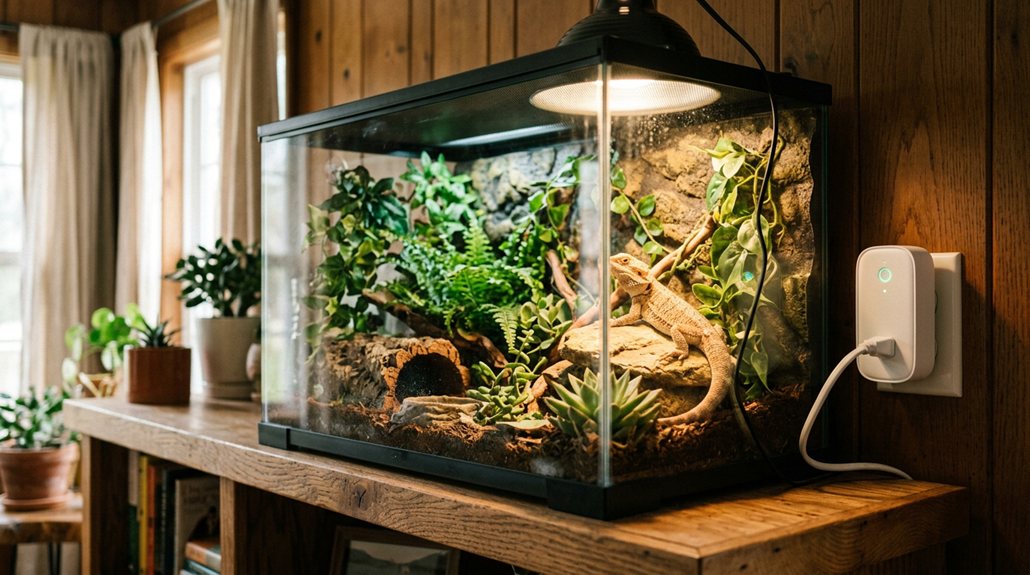
The Light Dome with heat resistant ceramic socket can accommodate either reptile heat lamp or reptile basking bulb and ceramic heat emitter (Max. 150W).

Enhances UVB & Light Reflection: The reptile light fixture focuses the light emitted by the bulb, ensuring even distribution across the entire illumination area. The polished interior surface greatly enhances light reflection, minimizing losses of both light and UVB. This reflective effect optimizes the efficiency of the light source, promoting the health and growth of reptiles
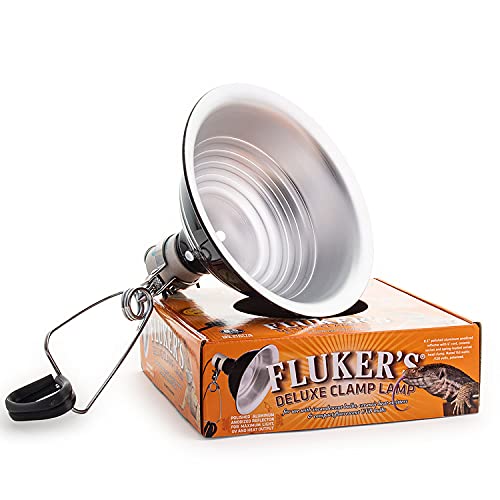
Optimal Heating for Reptiles: Fluker's Repta-Clamp Lamp is a UL/CUL approved 8.5 inch heating clamp designed to create the perfect basking environment for your reptiles.
Key Takeaways
- Temperature issues are the leading cause of hiding behavior, basking spots should be 95-105°F and cool zones 75-85°F
- Brumation (a hibernation-like state) causes adult bearded dragons to hide for weeks or months during cooler seasons, which is normal
- New tank stress can cause hiding for 1-2 weeks as dragons acclimate to their environment
- Baby bearded dragons hide more frequently than adults due to natural predator-avoidance instincts
- UVB lighting problems (wrong bulb type, bulb older than 6-12 months, or insufficient exposure) trigger hiding and health issues
- Stress indicators include dark beard coloration, glass surfing before hiding, rapid breathing, and refusing food
- Veterinary care is urgent if hiding accompanies weight loss, lethargy lasting over 3 days, discharge from eyes/nose, or inability to move properly
- Habitat mistakes like tanks smaller than 40 gallons for adults, lack of hides, or excessive handling cause chronic hiding
What Does It Mean When a Bearded Dragon Hides All the Time?
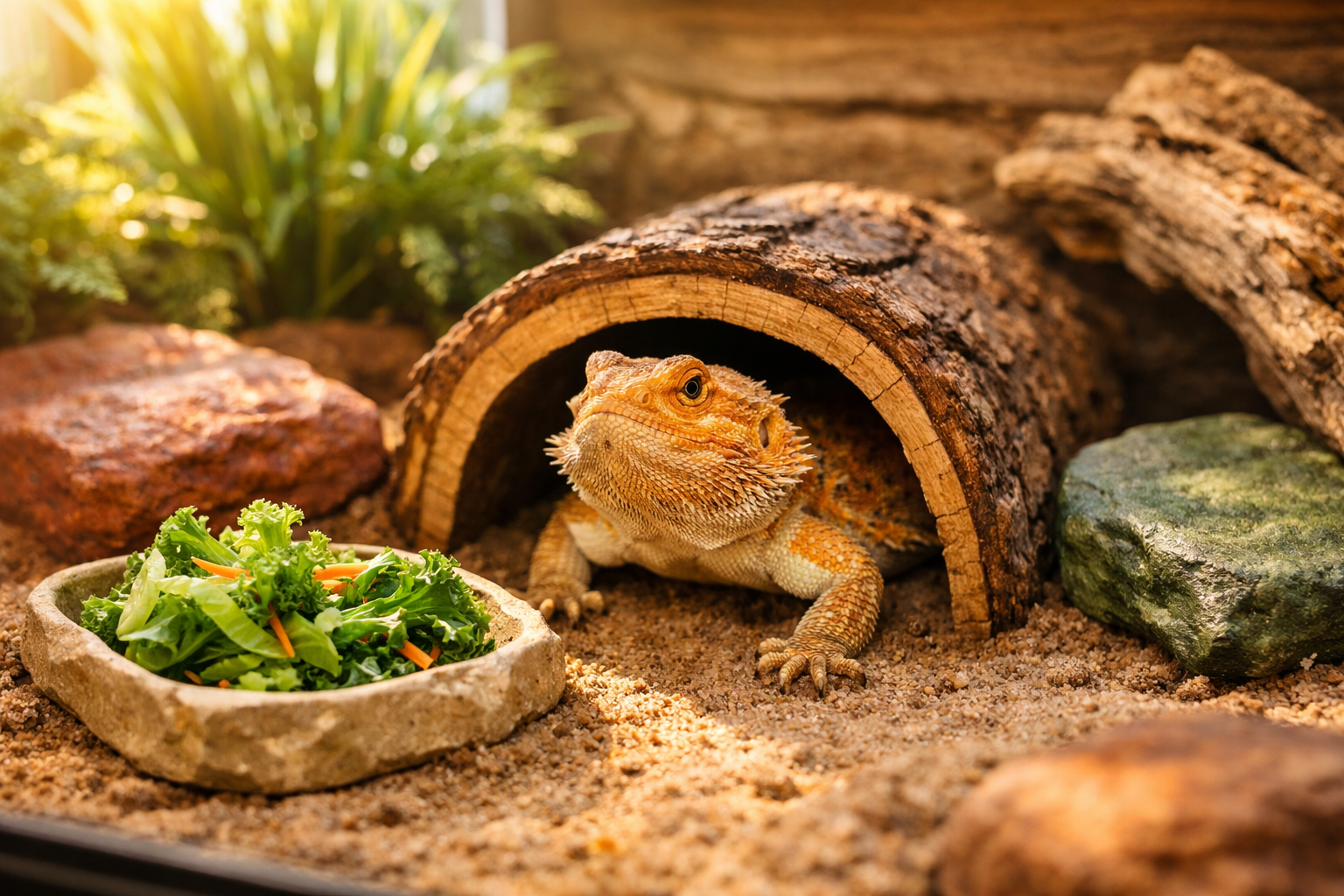
Constant hiding in bearded dragons indicates the animal feels unsafe, uncomfortable, or is experiencing a physiological change like brumation. In the wild, these reptiles hide to regulate body temperature, avoid predators, and conserve energy during seasonal changes. When captive bearded dragons hide excessively, they’re communicating that something in their environment or health status needs attention.
Common reasons for persistent hiding include:
- Incorrect thermal gradients preventing proper thermoregulation
- Inadequate or expired UVB lighting causing metabolic stress
- Enclosure too small or lacking proper hide structures
- Recent relocation or environmental changes
- Illness, parasites, or injury causing discomfort
- Natural brumation cycle (typically October through February)
- Excessive handling or household activity near the tank
The key distinction is between temporary hiding (1-3 days during acclimation) and chronic hiding (more than a week without improvement). Temporary hiding after tank changes or minor stress is normal. Chronic hiding requires systematic troubleshooting of habitat parameters and health assessment.
Is It Normal for Bearded Dragons to Hide During the Day?
Brief daytime hiding is normal, but bearded dragons are diurnal (active during daylight) and should spend most daylight hours basking, exploring, and feeding. Healthy adult bearded dragons typically hide for 1-2 hours during the hottest part of the day to cool down, then return to basking and activity. Baby and juvenile bearded dragons may hide more frequently, up to 30-40% of daylight hours, due to heightened predator awareness.
Normal hiding patterns:
- Morning: Active basking for 2-3 hours after lights turn on
- Midday: May retreat to hide for 1-2 hours
- Afternoon: Active feeding and exploration
- Evening: Brief basking before lights-out
Abnormal hiding patterns:
- Remaining hidden all day with no basking
- Hiding immediately when lights turn on
- Refusing to emerge even for favorite foods
- Hiding accompanied by dark stress coloration
If your bearded dragon consistently hides during prime basking hours (morning and late afternoon), this signals a problem requiring investigation. Check your bearded dragon care setup systematically, starting with temperature and lighting.
Bearded Dragon Hiding vs Brumation: How to Tell the Difference
Brumation is a natural hibernation-like state where bearded dragons become lethargic, hide for extended periods, and eat little or nothing for weeks to months. This occurs primarily in adult dragons (over 12-18 months old) during fall and winter months. Distinguishing brumation from illness-related hiding is critical because brumation requires minimal intervention while illness demands immediate care.
Signs your dragon is brumating (normal):
- Gradual decrease in activity over 1-2 weeks
- Hiding in cool areas of the tank, not basking spots
- Occasional emergence for water (every 1-2 weeks)
- No signs of distress, relaxed body posture when visible
- Occurs during cooler months (October-February in Northern Hemisphere)
- Dragon was healthy and eating normally before brumation began
- Weight remains stable or decreases slowly (5-10% over entire brumation period)
Signs your dragon is sick, not brumating:
- Sudden hiding with no gradual transition
- Visible weight loss exceeding 10% in 2-3 weeks
- Discharge from eyes, nose, or mouth
- Labored breathing or gaping mouth while hiding
- Unresponsive when gently handled
- Occurs during warm months (March-September)
- Recent changes in feces (diarrhea, blood, parasites)
Common mistake: Assuming all winter hiding is brumation. Baby bearded dragons under 12 months should NOT brumate, hiding in young dragons always warrants investigation. If you’re uncertain whether your dragon is brumating or ill, maintain proper temperatures and offer food every 3-4 days. A brumating dragon will ignore food consistently; a sick dragon may show interest but be unable to eat. For more on seasonal behavior changes, see our guide on why bearded dragons sleep so much.
What Temperature Should My Bearded Dragon Tank Be?
Incorrect temperatures are the single most common cause of hiding behavior in bearded dragons. These reptiles are ectothermic and rely entirely on external heat sources to regulate body temperature, digestion, and immune function. When temperatures fall outside optimal ranges, bearded dragons hide in an attempt to find comfortable microclimates.
Optimal temperature ranges for bearded dragons:
| Zone | Temperature Range | Purpose |
|---|---|---|
| Basking spot | 95-105°F | Thermoregulation, digestion, activity |
| Warm side | 85-95°F | General activity zone |
| Cool side | 75-85°F | Cooling down, nighttime rest |
| Nighttime (entire tank) | 65-75°F | Sleep without metabolic stress |
How to achieve proper temperatures:
- Use a basking bulb (75-150 watts depending on tank size) positioned over one end of the enclosure
- Measure with digital thermometers (not stick-on strips, which are inaccurate) placed at basking spot and cool side
- Use a temperature gun to verify surface temperatures of basking platforms
- Create a thermal gradient so the dragon can move between zones
- Adjust bulb wattage or distance if temperatures are too high or low
Temperature-related hiding triggers:
- Basking spot below 95°F: Dragon cannot reach optimal body temperature for digestion and activity
- Cool side above 85°F: No escape from heat, causing stress and overheating
- No thermal gradient: Dragon cannot thermoregulate, leading to chronic discomfort
- Nighttime temperatures above 80°F: Prevents restful sleep, causing daytime lethargy and hiding
Edge case: During brumation, bearded dragons actively seek cooler temperatures (70-75°F). If your dragon is hiding in the cool zone during winter months and showing other brumation signs, this is normal. For proper tank setup, review our guide on what tank size a bearded dragon needs.
Signs of Stress in Bearded Dragons
Stress is a primary driver of hiding behavior and manifests through multiple physical and behavioral indicators. Recognizing stress signs early allows you to address causes before they escalate into serious health problems. Stressed bearded dragons hide as a coping mechanism, but prolonged stress suppresses immune function and appetite.
Physical stress indicators:
- Dark or black beard (stress coloration, especially under the chin)
- Dark body coloration overall, appearing dull rather than vibrant
- Flattened body posture when approached
- Rapid breathing or panting when not overheated
- Closed or squinting eyes during daylight hours
- Tail curled tightly against body
Behavioral stress indicators:
- Glass surfing (frantically scratching at tank walls) before retreating to hide
- Refusing food for more than 2-3 days
- Aggressive displays (beard puffing, hissing) when approached
- Constant hiding with no basking periods
- Frantic running when tank is opened
- Freezing in place for extended periods
Common stress triggers:
- Excessive handling (more than 15-20 minutes daily for adults, 5-10 minutes for juveniles)
- Loud noises or vibrations near the tank
- Other pets (dogs, cats) with visual access to the tank
- Reflections in tank glass that the dragon perceives as another dragon
- Inadequate hiding spots (dragons need at least 2 hides, one on warm side, one on cool side)
- Tank positioned in high-traffic household areas
- Improper lighting schedules (should be 12-14 hours on, 10-12 hours off)
Decision rule: If your bearded dragon shows 3 or more stress indicators simultaneously, immediately review habitat conditions and reduce handling to zero for 3-5 days while you troubleshoot. For more on stress-related behaviors, see our article on why bearded dragons glass surf.
Can Lighting Issues Cause Bearded Dragons to Hide?
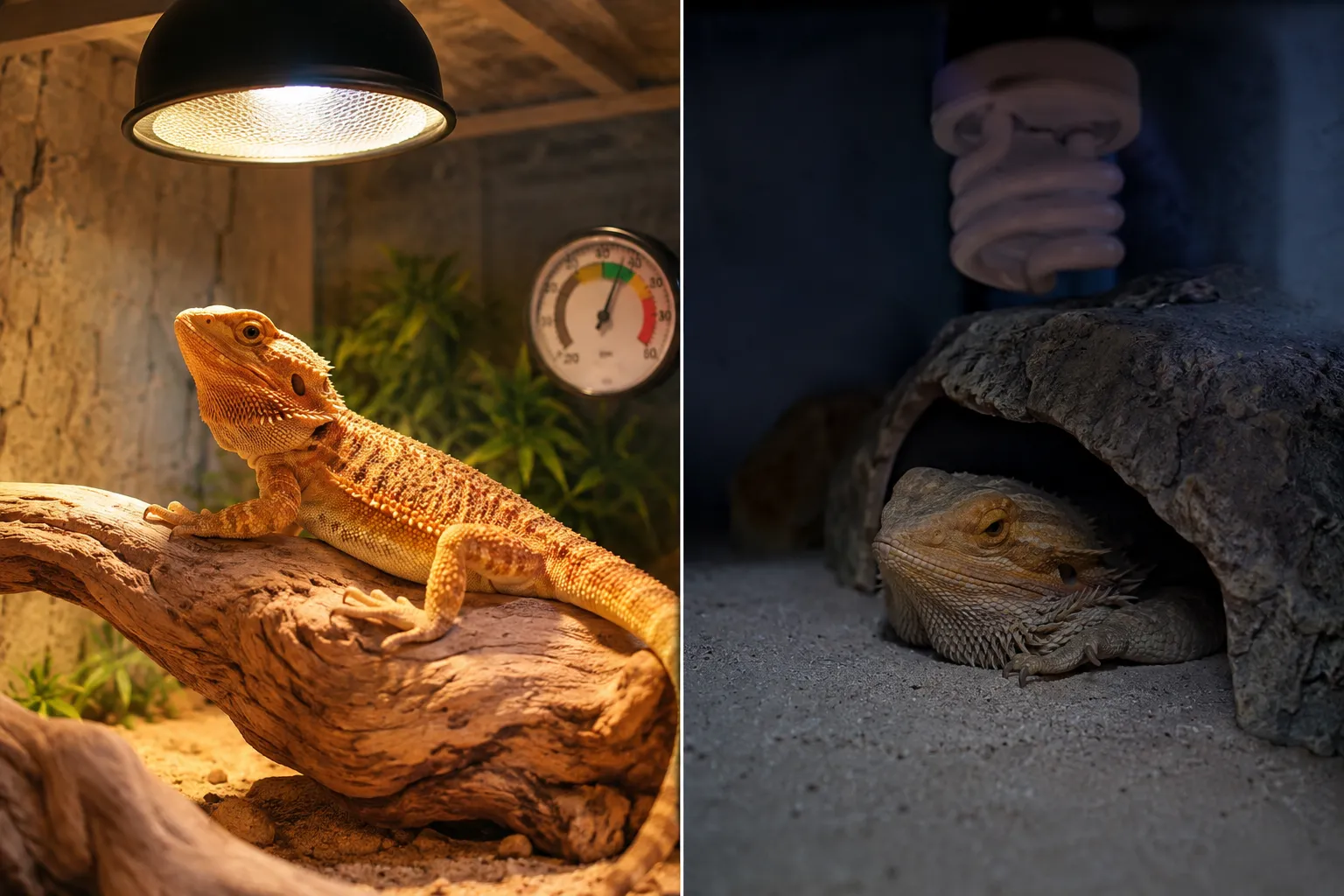
Yes, improper lighting is a critical but often overlooked cause of hiding behavior. Bearded dragons require both heat and UVB radiation to maintain health. UVB lighting enables vitamin D3 synthesis, which is essential for calcium metabolism. Without adequate UVB, bearded dragons develop metabolic bone disease and experience lethargy, pain, and behavioral changes including excessive hiding.
UVB lighting requirements:
- Bulb type: ReptiSun 10.0 or Arcadia 12% T5 HO fluorescent tubes (not compact/coil bulbs)
- Placement: 10-12 inches from basking spot for T5 bulbs, 6-8 inches for T8 bulbs
- Coverage: UVB should cover 50-75% of tank length
- Replacement schedule: Every 6-12 months even if bulb still produces visible light (UVB output degrades before visible light fails)
- Duration: 12-14 hours daily, synchronized with basking light
Lighting problems that trigger hiding:
- Expired UVB bulbs: After 6-12 months, UVB output drops below therapeutic levels even though the bulb appears to work
- Wrong bulb type: UVB 5.0 bulbs or compact coils provide insufficient UVB for bearded dragons
- Incorrect distance: Bulb too far from basking spot (over 12 inches) provides inadequate UVB exposure
- Glass or screen barriers: Standard window glass and some screen types block UVB transmission
- Inconsistent photoperiod: Irregular lighting schedules disrupt circadian rhythms, causing stress and hiding
Common mistake: Using only a heat lamp without UVB. Bearded dragons need BOTH heat and UVB as separate light sources. A basking bulb provides heat but no UVB; a UVB bulb provides UVB but minimal heat. Both must be present and functioning correctly.
How to verify UVB output: Purchase a Solarmeter 6.5 UVB meter (approximately $200-250) to measure UVB at basking spot. Optimal reading is 3.0-5.0 UVI (UV Index). If you cannot afford a meter, replace UVB bulbs every 6 months as preventive maintenance.
How to Make My Bearded Dragon Feel Safe and Come Out
Creating an environment where your bearded dragon feels secure requires addressing both physical habitat factors and behavioral conditioning. Dragons that feel safe will naturally reduce hiding time and engage in normal basking and feeding behaviors. This process typically takes 1-2 weeks for habitat adjustments and 2-4 weeks for behavioral trust-building.
Immediate habitat improvements:
- Add proper hides: Provide at least 2 enclosed hides (one warm side, one cool side) that are just large enough for the dragon to fit snugly
- Reduce visual stress: Cover 3 sides of the tank with opaque material (cardboard, background poster) to eliminate reflections and external movement
- Verify temperatures: Use multiple thermometers to confirm proper thermal gradient
- Check UVB placement: Ensure UVB bulb is correct type, distance, and age
- Minimize vibrations: Place tank on stable surface away from speakers, appliances, or foot traffic
Behavioral conditioning steps:
- Stop handling completely for 5-7 days to allow stress levels to decrease
- Maintain consistent schedule: Feed at same time daily, lights on/off at same times
- Hand-feed favorite foods: Once dragon emerges for regular feeding, offer treats (hornworms, blueberries) by hand to build positive associations
- Move slowly near tank: Avoid sudden movements or loud noises when approaching
- Gradually increase interaction: After 1 week of consistent emergence, begin brief handling sessions (5 minutes) every other day
Environmental enrichment:
- Natural branches for climbing (encourages exploration)
- Live or artificial plants for visual security
- Varied substrate textures (tile, reptile carpet, paper) in different zones
- Basking platforms at multiple heights
- Regular rotation of hide locations (every 2-3 weeks) to prevent boredom
Decision rule: If your dragon doesn’t show improvement after 2 weeks of habitat optimization and stress reduction, schedule a veterinary exam to rule out underlying health issues. For more on normal versus abnormal behavior patterns, explore our bearded dragon behavior resources.

☀️☀️Increased Brightness. Hygger Zoo uvb light is brighter than other UVB bulbs because of evenly distributed fluorescent powder and a high-tech circuit board. And the uva uvb reptile light bulb can simulate natural sunlight, your reptile pets will enjoy natural light in the comfort of their own home and feel like they are in the wild.

【 UVB Light for Reptiles 10.0 with Free Test Card】Stop guessing if your bulb is working! GREENPAW includes a UV sensor card to verify UV presence instantly. A purple glow confirms the bulb is emitting UVB, providing a visual "with/without" status. Since UVB degrades while light stays visible, our indicator ensures your chameleon or turtle gets necessary UVB light for reptiles. Note: Card detects presence, not exact levels. Replace the UVB reptile light every 6-12 months for optimal health.

💡💡Higher UVB Output Value. The UVB light has shown higher UVB output in experiment test, which can provide more UVB for your reptiles’ growth, and promote the synthesis of vitamin D3 in your reptiles’ body. And the UVA UVB reptile light bulb also can help promote the absorption of calcium and phosphorus, to promote reproductive behavior and boost immunity.
Bearded Dragon Hiding and Not Eating: What to Do
When hiding is accompanied by appetite loss, the situation requires more urgent attention than hiding alone. Healthy adult bearded dragons can safely go 1-2 weeks without food (though not ideal), but refusal to eat combined with hiding often indicates illness, severe stress, or improper husbandry that’s affecting metabolism.
Immediate assessment checklist:
- Temperature verification: Basking spot must be 95-105°F for proper digestion, dragons won’t eat if they can’t digest
- UVB functionality: Check bulb age and placement
- Hydration status: Gently pinch skin on back, should snap back immediately (slow return indicates dehydration)
- Weight monitoring: Weigh dragon weekly; loss exceeding 5% in one week is concerning
- Fecal output: Note last bowel movement date and appearance
- Physical examination: Check for visible injuries, swelling, discharge, or abnormal coloration
Step-by-step intervention:
- Days 1-3: Optimize habitat (correct temperatures, verify UVB, reduce stress), offer favorite foods daily, provide daily 10-minute warm baths (85-90°F water) to encourage hydration and bowel movements
- Days 4-7: If no improvement, try appetite stimulants (moving prey like crickets, brightly colored foods like bell peppers), increase basking temperature by 2-3°F to boost metabolism
- Days 8-10: If still not eating, schedule veterinary appointment, do not wait longer
- After day 10: Veterinary intervention required; may need assisted feeding, fluid therapy, or diagnostic testing
When to seek immediate veterinary care (within 24 hours):
- Hiding and not eating for more than 10 days
- Visible weight loss (ribs, hip bones prominent)
- Lethargy so severe the dragon doesn’t respond to handling
- Discharge from eyes, nose, or mouth
- Labored breathing or gaping mouth
- Inability to support own weight or move normally
- Recent exposure to potential toxins
Brumation exception: If your adult dragon (over 18 months) is hiding and not eating during winter months (October-February) but shows no signs of illness, this may be brumation. Brumating dragons can safely go 2-3 months without food. However, offer food every 7-10 days and provide fresh water, if the dragon is truly brumating, it will ignore food consistently but may drink occasionally.
Do Baby Bearded Dragons Hide More Than Adults?
Yes, baby and juvenile bearded dragons (under 12 months) hide significantly more than adults due to natural predator-avoidance instincts. In the wild, young bearded dragons are vulnerable to predation by birds, larger reptiles, and mammals, so hiding is a survival behavior. This instinct persists in captivity even without actual predators present.
Normal hiding patterns by age:
- 0-3 months (hatchlings): May hide 40-50% of daylight hours, emerging primarily for feeding and brief basking
- 3-8 months (juveniles): Hide 20-30% of daylight hours, gradually increasing confidence
- 8-12 months (sub-adults): Hide 10-20% of daylight hours, approaching adult patterns
- 12+ months (adults): Hide 5-15% of daylight hours under normal conditions
Why babies hide more:
- Smaller size makes them feel more vulnerable
- Less developed territorial confidence
- More sensitive to environmental changes and stress
- Higher metabolic rate means they overheat faster and need cooling breaks
- Still learning to distinguish between threats and normal household activity
How to help baby bearded dragons feel secure:
- Provide multiple small hides (babies prefer tighter spaces than adults)
- Use smaller enclosures initially (20-gallon tank for hatchlings, 40-gallon for juveniles), oversized tanks increase stress
- Minimize handling to 5-10 minutes daily maximum
- Feed smaller, more frequent meals (2-3 times daily) to encourage regular emergence
- Avoid sudden movements or loud noises near tank
- Keep tank in quiet room away from other pets
Common mistake: Assuming baby hiding is always normal. While babies hide more than adults, they should still emerge for regular feeding and basking. If a baby bearded dragon refuses food for more than 3 days or hides 100% of the time, investigate temperatures, UVB, and health status immediately. Babies have less energy reserves than adults and deteriorate faster when ill. For feeding guidance, see our article on how many crickets baby beardies should eat.
Bearded Dragon Hiding After Moving to New Tank
Temporary hiding after relocation to a new enclosure is completely normal and expected. Moving to a new tank is one of the most stressful experiences for bearded dragons because it disrupts their established territory and familiar environmental cues. Most dragons hide for 3-7 days after a tank change, gradually increasing activity as they acclimate.
Normal post-move hiding timeline:
- Days 1-2: Dragon may hide almost constantly, emerging only briefly for water
- Days 3-5: Begins emerging for short basking periods (30-60 minutes), may eat small amounts
- Days 6-10: Gradually returns to normal basking and feeding schedule
- Days 11-14: Fully acclimated, normal behavior restored
How to minimize relocation stress:
- Transfer familiar items: Move old hides, basking rocks, and decorations to new tank so some elements smell familiar
- Maintain identical parameters: Match temperatures, lighting schedule, and humidity to previous setup
- Avoid handling: No handling for first 5-7 days in new tank
- Keep feeding schedule consistent: Offer food at same times as before, even if dragon doesn’t eat immediately
- Minimize external stress: Cover 3 sides of tank, keep room quiet, limit visitors
- Gradual introduction: If possible, place new tank near old tank for 2-3 days before transfer so dragon can see new environment
When post-move hiding is concerning:
- No improvement after 14 days
- Complete refusal to eat for more than 7 days
- Weight loss exceeding 10%
- Development of stress coloration that doesn’t resolve
- Aggressive behavior (hissing, biting) when approached after 2 weeks
Decision rule: If your bearded dragon hasn’t resumed at least 50% of normal activity by day 10 post-move, verify all habitat parameters with fresh measurements and consider veterinary consultation. Some dragons are more sensitive to change than others, but prolonged stress can suppress immune function.
How Long Does Bearded Dragon Brumation Last?
Brumation typically lasts 1-4 months, most commonly 6-12 weeks, with significant individual variation. The duration depends on the dragon’s age, health status, environmental cues (temperature and photoperiod), and individual biology. Brumation usually begins in October-November and ends in February-March in the Northern Hemisphere, though timing varies based on local climate and indoor conditions.
Typical brumation phases:
- Pre-brumation (1-2 weeks): Gradual decrease in appetite and activity, increased sleeping, seeking cooler areas
- Deep brumation (4-10 weeks): Dragon remains hidden most or all of the time, rarely emerges, refuses food, minimal movement
- Emergence (1-2 weeks): Gradual increase in activity, begins basking for short periods, appetite slowly returns
Factors affecting brumation duration:
- Age: First brumation (usually age 2-3 years) is often shorter (4-6 weeks); older dragons may brumate longer (10-16 weeks)
- Temperature: Cooler ambient room temperatures (below 70°F) prolong brumation
- Photoperiod: Shorter daylight hours (under 10 hours) extend brumation
- Health: Healthier dragons brumate more predictably; ill dragons may show irregular patterns
- Genetics: Individual variation is significant, some dragons never brumate, others brumate annually
How to manage brumation safely:
- Continue providing water: Change water daily even if dragon doesn’t drink
- Maintain minimal heat: Reduce basking temperature to 85-90°F but don’t eliminate heat entirely
- Reduce photoperiod: Decrease light exposure to 8-10 hours daily
- Weigh weekly: Monitor weight loss, should not exceed 1-2% per week
- Offer food weekly: Present food every 7 days; brumating dragon will consistently refuse
- Provide warm baths: Once every 10-14 days, offer 10-minute bath in 85°F water to encourage hydration and bowel movement
- Don’t force activity: Allow dragon to brumate naturally, waking a brumating dragon causes stress
When to interrupt brumation:
- Weight loss exceeding 15% of pre-brumation weight
- Signs of illness (discharge, labored breathing, inability to move)
- Brumation extending beyond 16 weeks with no signs of emergence
- Dragon appears distressed rather than peacefully sleeping
Common mistake: Confusing illness with brumation in young dragons. Bearded dragons under 18 months should NOT brumate, any extended hiding and appetite loss in young dragons requires veterinary evaluation. For more on sleep patterns, see our guide on why bearded dragons sleep so much.
Common Mistakes New Bearded Dragon Owners Make With Habitat Setup
New owners frequently make preventable habitat errors that trigger hiding behavior. Understanding these common mistakes helps you avoid them and create an optimal environment from the start. Most hiding issues in newly acquired bearded dragons stem from one or more of these setup problems.
Top habitat setup mistakes:
Using inadequate tank size: Babies in tanks over 40 gallons feel exposed; adults in tanks under 75 gallons feel cramped. Match tank size to dragon age.
Relying on analog thermometers: Stick-on thermometers are notoriously inaccurate (often off by 10-15°F). Use digital thermometers with probes and a temperature gun for surface measurements.
Using heat rocks or heat pads as primary heat source: These cause burns and don’t provide proper basking opportunities. Use overhead heat lamps exclusively.
Positioning UVB incorrectly: UVB bulbs must be inside the tank or mounted directly on screen top, glass and most plastics block UVB transmission.
Providing only one hide: Dragons need temperature choice, one hide on warm side, one on cool side, so they can hide while still thermoregulating.
Using loose substrate for babies: Sand, walnut shell, and other loose substrates cause impaction in young dragons. Use tile, reptile carpet, or paper until dragon is 12+ months old.
Inadequate basking platform: Platform must be large enough for dragon to fully flatten body and positioned at correct distance from heat source.
Ignoring humidity: Bearded dragons need 30-40% humidity, too high (over 50%) causes respiratory issues, too low (under 25%) causes shedding problems and stress.
Overcrowding with decorations: Too many items create visual clutter and stress. Keep layout simple with clear pathways between basking, hiding, and feeding areas.
Inconsistent lighting schedule: Irregular light cycles disrupt circadian rhythms. Use timers to maintain consistent 12-14 hour photoperiod.
Setup verification checklist:
- Basking spot temperature: 95-105°F (verified with temperature gun)
- Cool side temperature: 75-85°F
- UVB bulb: Correct type (10.0 or 12%), correct age (under 6 months old), correct distance (10-12 inches)
- Tank size: Minimum 40 gallons for juveniles, 75+ gallons for adults
- Hides: At least 2, positioned on warm and cool sides
- Water dish: Fresh water daily, shallow enough to prevent drowning
- Substrate: Non-loose material (tile, reptile carpet, paper)
- Lighting schedule: 12-14 hours on, 10-12 hours off, controlled by timer
- Tank position: Away from windows, speakers, high-traffic areas
For comprehensive setup guidance, explore our bearded dragon care resources.
When Should I Take My Bearded Dragon to the Vet for Hiding?
Veterinary consultation is necessary when hiding is accompanied by other symptoms suggesting illness, or when hiding persists despite habitat optimization. While many hiding cases resolve with environmental corrections, some indicate underlying health problems requiring professional diagnosis and treatment.
Seek veterinary care within 24-48 hours if hiding occurs with:
- Appetite loss exceeding 7-10 days (3-5 days for babies under 6 months)
- Weight loss exceeding 10% in 2 weeks
- Lethargy so severe dragon doesn’t respond to gentle handling
- Respiratory symptoms: Gaping mouth, mucus discharge, wheezing, labored breathing
- Ocular discharge: Crusty, swollen, or weeping eyes
- Abnormal feces: Diarrhea, blood, undigested food, or no bowel movement for 2+ weeks (outside brumation)
- Physical abnormalities: Swelling, lumps, visible injuries, limb weakness
- Neurological signs: Head tilting, circling, seizures, inability to coordinate movement
- Color changes: Persistent dark coloration, yellow tinge (jaundice), or pale/gray appearance
- Mouth problems: Swelling, discoloration, inability to close mouth, visible lesions
Veterinary care is also warranted if:
- Hiding continues for more than 14 days despite verified optimal habitat conditions
- Dragon was previously active but suddenly began hiding with no environmental changes
- Multiple symptoms appear simultaneously
- Baby dragon (under 12 months) shows any hiding with appetite loss
- You suspect parasites (visible worms in feces, unexplained weight loss despite eating)
What to expect at veterinary visit:
- Physical examination including weight, body condition score, hydration assessment
- Fecal parasite screening (bring fresh fecal sample if possible)
- Possible blood work to assess organ function, calcium levels, infection markers
- X-rays if metabolic bone disease or impaction suspected
- Treatment plan may include antibiotics, anti-parasitics, fluid therapy, nutritional support, or environmental modification recommendations
Cost considerations: Exotic veterinary visits typically cost $75-150 for examination, plus $50-300 for diagnostics and $30-200 for medications. While expensive, early intervention prevents more costly emergency care and improves treatment outcomes.
Finding a qualified veterinarian: Not all vets treat reptiles. Search for “exotic veterinarian” or “reptile veterinarian” in your area, or check the Association of Reptilian and Amphibian Veterinarians (ARAV) directory at arav.org.
Frequently Asked Questions
How long can a bearded dragon hide without it being a problem?
Healthy adult bearded dragons can hide for 1-2 weeks during brumation without concern, provided they maintain stable weight and show no illness signs. Outside brumation, hiding for more than 3-5 consecutive days warrants investigation of habitat conditions. Baby bearded dragons should not hide continuously for more than 2-3 days without veterinary evaluation.
Can a bearded dragon hide because it’s too hot?
Yes, overheating is a common cause of hiding. If the cool side of the tank exceeds 85°F or there’s no thermal gradient, bearded dragons hide seeking cooler temperatures. They may also hide if basking spot exceeds 110°F and they can’t escape the heat. Verify temperatures with digital thermometers and adjust bulb wattage or distance accordingly.
Should I force my bearded dragon out of hiding?
No, forcing a hiding dragon out causes additional stress and can lead to aggressive behavior or injury. Instead, address the underlying cause of hiding (temperature, lighting, stress) and allow the dragon to emerge naturally. Exception: If you need to perform health checks or administer veterinary-prescribed treatment, gentle removal is necessary.
Why is my bearded dragon hiding in the corner instead of its hide?
Corner hiding often indicates the provided hides are inadequate, either too large, too small, or positioned incorrectly. Bearded dragons prefer snug hides where their body touches most surfaces, providing a sense of security. Corner hiding can also signal temperature problems if the corner is the only area with comfortable temperature.
Do bearded dragons hide when they’re about to shed?
Some bearded dragons hide more during the 1-2 days before shedding begins, though this isn’t universal. Shedding causes temporary discomfort and irritability, so increased hiding during this period is normal. However, hiding should not extend beyond 3-4 days total for a shedding cycle. Provide slightly higher humidity (40-45%) and a rough surface for rubbing to facilitate shedding.
Can other pets cause my bearded dragon to hide?
Yes, dogs, cats, and other pets with visual or physical access to the bearded dragon tank are major stress triggers. Bearded dragons perceive these animals as predators and will hide continuously if they feel threatened. Position the tank where other pets cannot see, reach, or jump on it, and never allow direct interaction between species.
Is it normal for a bearded dragon to hide after eating?
Brief hiding (30-60 minutes) after a large meal is normal, the dragon is digesting and may seek a comfortable temperature zone. However, extended hiding (several hours) after every meal suggests the dragon is not achieving proper basking temperature for digestion. Verify basking spot is 95-105°F and dragon has clear access to it.
Why does my bearded dragon only hide when I’m in the room?
This indicates the dragon perceives you as a threat, typically due to insufficient socialization, previous negative experiences (rough handling, sudden movements), or natural skittishness in young dragons. Build trust gradually through hand-feeding, slow movements, and brief positive interactions. Avoid approaching from above (mimics predator attack) and always approach from the side at dragon’s eye level.
Can improper diet cause hiding behavior?
Indirectly, yes, nutritional deficiencies (especially calcium and vitamin D3) cause metabolic bone disease, which produces pain and lethargy that lead to hiding. However, diet alone rarely causes hiding without other symptoms. If your dragon is hiding and you suspect nutritional issues, review your feeding practices and ensure proper UVB exposure for vitamin D3 synthesis. For diet guidance, explore our bearded dragon feeding resources.
How do I know if my bearded dragon is hiding or sleeping?
Sleeping bearded dragons typically close both eyes completely, breathe slowly and regularly, and remain in one position without movement. Hiding dragons keep eyes partially or fully open, remain alert to surroundings, and may shift position when they detect movement. Sleeping usually occurs during lights-off hours (nighttime), while hiding occurs during daylight hours when the dragon should be active.
Will my bearded dragon eventually stop hiding on its own?
If hiding is caused by temporary stress (new environment, minor habitat adjustment), most dragons naturally reduce hiding within 1-2 weeks as they acclimate. However, if hiding is caused by improper temperatures, inadequate UVB, illness, or chronic stress, the behavior will not resolve without intervention. Systematic troubleshooting of habitat parameters and health status is necessary for persistent hiding.
Can boredom cause a bearded dragon to hide?
While bearded dragons have limited cognitive complexity compared to mammals, chronic lack of environmental enrichment can contribute to lethargy and reduced activity that resembles hiding. Provide climbing branches, varied basking heights, and occasional rearrangement of tank layout (every 2-3 weeks) to maintain interest. However, true hiding (seeking enclosed spaces) is almost always driven by stress, temperature issues, or health problems rather than boredom alone.
Conclusion
Understanding why your bearded dragon is hiding all day requires systematic evaluation of habitat conditions, health status, and natural behaviors like brumation. The most common causes, incorrect temperatures, inadequate UVB lighting, and environmental stress, are entirely preventable with proper setup and maintenance. Start by verifying your basking spot reaches 95-105°F, your UVB bulb is the correct type and less than 6 months old, and your dragon has appropriate hides on both warm and cool sides of the enclosure.
If your bearded dragon is hiding but otherwise appears healthy, optimize habitat conditions and reduce stress factors for 1-2 weeks while monitoring for improvement. Baby bearded dragons naturally hide more than adults, and adult dragons may brumate for several weeks during winter months, both are normal behaviors that don’t require intervention beyond proper husbandry.
However, if hiding is accompanied by appetite loss lasting more than 7-10 days, visible weight loss, lethargy, respiratory symptoms, or other illness signs, seek veterinary care promptly. Early professional intervention significantly improves treatment outcomes for health problems.
Take action today:
- Measure and record temperatures at basking spot and cool side using digital thermometers
- Check UVB bulb type, age, and placement, replace if over 6 months old
- Assess stress factors (other pets, household activity, tank position) and make necessary changes
- Provide at least two appropriately sized hides in different temperature zones
- Monitor your dragon’s weight weekly and track any changes
- Establish consistent lighting and feeding schedules using timers
With proper habitat optimization and attentive care, most hiding issues resolve within 2-3 weeks, allowing your bearded dragon to return to normal basking, feeding, and interactive behaviors. For additional guidance on creating the ideal environment, explore our comprehensive bearded dragon care resources.

1-【Widely Application】The digital LCD monitor can be used in home, office, garage, schools, hotels, laboratories, kindergartens, aquaculture, instrument workshop, warehouse, reptile tank terrarium, aquarium, hermit crab habitat, and other places where temperature/humidity measurement is required.

Precision Health Guardian: Your reptile pets are very sensitive to temperature and humidity, and small changes can affect their comfort and even their health. This humidity thermometer utilizes a built-in high-precision measurement chip that monitors the environment with 0.9°F accuracy, ensuring you are always aware of the actual conditions in your animal's tank. It's not just a matter of caring, it's a consideration for your pet's long-term health.

Precision Health Guardian: Your reptile pets are very sensitive to temperature and humidity, and small changes can affect their comfort and even their health. This humidity thermometer utilizes a built-in high-precision measurement chip that monitors the environment with 0.9°F accuracy, ensuring you are always aware of the actual conditions in your animal's tank. It's not just a matter of caring, it's a consideration for your pet's long-term health.