

Quick Answer
Yes, bearded dragons can safely eat cilantro in moderation as an occasional treat or dietary supplement. Cilantro provides beneficial vitamins and minerals, but it should not replace staple greens in their daily diet due to its calcium-to-phosphorus ratio. Offer cilantro once or twice per week alongside other vegetables and greens for variety and nutritional balance.

Vitamin Enriched Formula That Provides Essential Proteins, Fats, Vitamins And Minerals

All Natural: 100% all-natural and preservative-free
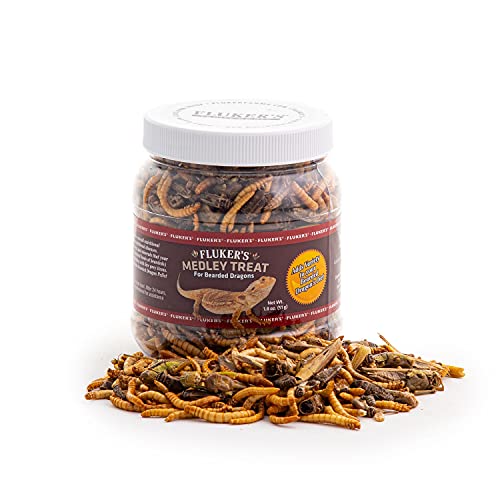
All without the hassle of dealing with live Prey items
Key Takeaways
- Cilantro is safe for bearded dragons when fed in appropriate amounts as part of a varied diet
- Feed cilantro 1-2 times per week maximum, not as a daily staple green
- Both leaves and stems are safe to eat, though leaves are easier for dragons to digest
- Calcium-to-phosphorus ratio in cilantro is roughly 1.4:1, which is acceptable but not ideal for daily feeding
- Baby bearded dragons can eat cilantro but should focus primarily on protein and staple greens
- Mix cilantro with other vegetables to create nutritionally balanced salads
- Organic cilantro is preferable to reduce pesticide exposure
- Parsley offers better nutrition than cilantro for regular feeding due to higher vitamin content
- Watch for digestive issues if introducing cilantro for the first time
- Never replace staple greens like collard greens, mustard greens, or turnip greens with cilantro
Is Cilantro Safe for Bearded Dragons to Eat?

Cilantro is completely safe for bearded dragons when offered as part of a balanced diet. This herb contains no toxic compounds that harm reptiles and provides vitamins A, C, and K along with small amounts of calcium and other minerals.
The primary safety consideration with cilantro relates to feeding frequency rather than toxicity. While safe, cilantro shouldn’t dominate your dragon’s vegetable intake because:
- Its calcium-to-phosphorus ratio isn’t optimal for daily consumption
- It lacks the dense nutrition found in staple greens
- Too much can cause mild digestive upset in some dragons
- It contains moderate oxalates that can bind calcium when fed excessively
Common mistake: Many new owners assume all safe foods can be fed daily. Cilantro falls into the “occasional treat” category rather than the “staple green” category. Think of it as a flavor enhancer and nutritional supplement, not a dietary foundation.
When introducing cilantro for the first time, offer a small amount (2-3 leaves) and monitor your dragon for 24 hours. Most bearded dragons tolerate cilantro well, but individual digestive systems vary.
How Often Can Bearded Dragons Have Cilantro?
Bearded dragons should eat cilantro no more than once or twice per week as part of their vegetable rotation. This frequency allows them to enjoy the nutritional benefits and flavor variety without displacing more nutritionally dense staple greens from their diet.
Recommended feeding schedule:
- Adult bearded dragons: 1-2 times per week, mixed with other vegetables
- Juvenile bearded dragons: Once per week maximum, in small amounts
- Baby bearded dragons: Once every 10-14 days, prioritizing protein and staple greens
The key principle is variety without excess. Your dragon’s weekly salad rotation should include:
- 70-80% staple greens (collard greens, mustard greens, turnip greens, dandelion greens)
- 10-20% other vegetables (squash, bell peppers, carrots)
- 5-10% occasional treats and herbs (cilantro, basil, small amounts of fruit)
Choose cilantro if: You want to add aromatic variety to salads, your dragon seems bored with regular greens, or you’re looking for a vitamin A boost.
Skip cilantro if: Your dragon has calcium deficiency issues, you’re already feeding other herbs that week, or your dragon shows digestive sensitivity to new foods.
How Much Cilantro Should I Feed My Bearded Dragon?
Feed adult bearded dragons approximately 5-8 cilantro leaves (or 1-2 small sprigs) per serving, mixed thoroughly with staple greens and other vegetables. For juveniles, reduce this to 2-4 leaves, and for babies, offer just 1-2 small leaves.
Portion guidelines by age:
| Dragon Age | Cilantro Amount | Frequency | Mix Ratio |
|---|---|---|---|
| Baby (0-4 months) | 1-2 small leaves | Every 10-14 days | 5% of salad |
| Juvenile (4-12 months) | 2-4 leaves | Once per week | 10% of salad |
| Adult (12+ months) | 5-8 leaves | 1-2 times per week | 10-15% of salad |
Preparation tips:
- Wash cilantro thoroughly to remove dirt and potential pesticides
- Chop leaves and stems into bite-sized pieces appropriate for your dragon’s size
- Mix cilantro with other vegetables rather than offering it alone
- Remove any uneaten cilantro after 2-3 hours to prevent bacterial growth
The general rule: cilantro should never make up more than 15% of any single salad serving. The bulk of the meal should always consist of calcium-rich staple greens.
Can Baby Bearded Dragons Eat Cilantro?
Baby bearded dragons can eat cilantro, but it should be offered sparingly and only after they’re established on a diet of appropriate insects and staple greens. Babies need significantly more protein than adults (70-80% insects vs. 20-30% vegetables), so vegetables including cilantro play a minor role in their nutrition.
Guidelines for babies:
- Wait until your baby dragon is at least 6-8 weeks old before introducing herbs
- Offer cilantro no more than once every 10-14 days
- Chop cilantro very finely to prevent choking
- Always mix with staple greens, never feed cilantro alone
- Prioritize calcium-rich greens over herbs during the critical growth phase
Why babies need less cilantro: Young bearded dragons are building bone structure and growing rapidly, requiring maximum calcium intake. While cilantro isn’t harmful, it doesn’t provide the calcium density that babies need. Focus on collard greens, mustard greens, and turnip greens for their vegetable portions.
Edge case: If your baby dragon refuses to eat vegetables entirely, a tiny amount of aromatic cilantro mixed into staple greens might encourage them to try the salad. However, this should be a temporary strategy, not a long-term feeding approach.

Can Bearded Dragons Eat Cilantro Stems or Just Leaves?
Bearded dragons can safely eat both cilantro stems and leaves, though the leaves are generally preferred due to their softer texture and easier digestibility. The stems are fibrous but not harmful, and many dragons will eat them without issue.
Stems vs. leaves breakdown:
Leaves:
- Softer and easier to chew
- Contain most of the vitamins and minerals
- More palatable to most dragons
- Break down more easily during digestion
Stems:
- Higher in fiber content
- Slightly tougher texture
- Nutritionally similar to leaves but less concentrated
- May be left uneaten by picky dragons
Best practice: Chop the entire cilantro sprig (stems and leaves together) into small pieces and mix with other vegetables. This approach provides fiber variety and reduces food waste. If your dragon consistently leaves stems behind, you can remove them before serving, but there’s no health reason to do so.
Common mistake: Discarding stems unnecessarily. The fiber in cilantro stems can actually support healthy digestion when offered in appropriate amounts. Unless your dragon has difficulty chewing or shows signs of impaction, stems are perfectly fine.
Cilantro Calcium to Phosphorus Ratio for Bearded Dragons
Cilantro has a calcium-to-phosphorus ratio of approximately 1.4:1, which is acceptable but not ideal for frequent feeding. Bearded dragons require foods with a calcium-to-phosphorus ratio of at least 2:1 for optimal bone health and calcium metabolism.
Nutritional breakdown per 100g of cilantro:
- Calcium: 67 mg
- Phosphorus: 48 mg
- Vitamin A: 6748 IU
- Vitamin C: 27 mg
- Vitamin K: 310 mcg
- Fiber: 2.8 g
Why the ratio matters: Phosphorus binds to calcium in the digestive tract, preventing calcium absorption. When foods contain more phosphorus than calcium (or only slightly more calcium), they can contribute to metabolic bone disease over time if fed as staples.
The verdict: Cilantro’s 1.4:1 ratio isn’t problematic for occasional feeding but explains why it shouldn’t replace staple greens with ratios of 2:1 or higher. Foods like collard greens (14.5:1), mustard greens (2.4:1), and turnip greens (4.5:1) provide far superior calcium content.
Balancing strategy: When you feed cilantro, pair it with high-calcium greens in the same salad to improve the overall calcium-to-phosphorus ratio of the meal. This approach lets your dragon enjoy cilantro’s benefits without compromising calcium intake.
Cilantro vs Parsley for Bearded Dragons: Which Is Better?
Parsley is nutritionally superior to cilantro for bearded dragons due to its higher calcium content, better calcium-to-phosphorus ratio, and greater vitamin density. However, both herbs are safe and can be rotated for dietary variety.
Direct comparison:
| Nutrient (per 100g) | Cilantro | Parsley | Winner |
|---|---|---|---|
| Calcium | 67 mg | 138 mg | Parsley |
| Phosphorus | 48 mg | 58 mg | Cilantro (lower is better) |
| Ca:P Ratio | 1.4:1 | 2.4:1 | Parsley |
| Vitamin A | 6748 IU | 8424 IU | Parsley |
| Vitamin C | 27 mg | 133 mg | Parsley |
| Vitamin K | 310 mcg | 1640 mcg | Parsley |
When to choose parsley:
- Your dragon needs extra calcium support
- You want a more nutritionally dense herb
- You’re feeding herbs more frequently (still only 1-2 times per week)
When to choose cilantro:
- Your dragon dislikes parsley’s stronger flavor
- You want variety in the herb rotation
- You’re already meeting calcium needs with staple greens
Best approach: Rotate both herbs throughout the month rather than choosing one exclusively. Offer parsley one week, cilantro the next, then perhaps basil or oregano the following week. This rotation provides maximum nutritional variety while preventing boredom.
Taste consideration: Some bearded dragons prefer cilantro’s milder, slightly citrusy flavor over parsley’s more pungent taste. Individual preference matters, so observe which herb your dragon eats more enthusiastically.
What Herbs Are Safe for Bearded Dragons?
Bearded dragons can safely eat a variety of fresh herbs including basil, oregano, rosemary, thyme, mint, dill, and sage in addition to cilantro and parsley. These herbs provide nutritional variety, aromatic stimulation, and can encourage picky eaters to consume their vegetables.
Safe herbs list:
✅ Highly recommended (1-2 times per week):
- Parsley (high calcium)
- Cilantro (good vitamin A)
- Basil (antioxidants)
- Oregano (antimicrobial properties)
✅ Occasionally safe (once per week or less):
- Mint (strong flavor, use sparingly)
- Dill (aromatic variety)
- Thyme (small amounts)
- Rosemary (very small amounts, strong flavor)
- Sage (occasional treat only)
Preparation guidelines:
- Always wash herbs thoroughly
- Chop into small, manageable pieces
- Mix with staple greens, never feed herbs alone
- Introduce new herbs one at a time
- Remove uneaten portions after a few hours
Common mistake: Feeding too many different herbs at once. Stick to one herb per salad to monitor your dragon’s reaction and prevent digestive upset from too much variety.
Edge case: Some dragons develop strong preferences for aromatic herbs and may start refusing plain greens. If this happens, gradually reduce herb frequency to retrain their palate toward staple greens.

Package Dimensions: 12.953 H x 7.62 L x 7.62 W (centimeters)

【Complete 2-Piece Enrichment Set】Package includes 1 hollowed-out vegetable feeder ball (with 1 chain + 1 suction cup) and 1 suction cup bell ball. All essential tools for turning mealtime into a game and adding daily stimulation to your bearded dragon’s habitat

Age range description: adult
What Happens If Bearded Dragon Eats Too Much Cilantro?
If a bearded dragon eats too much cilantro, they may experience mild digestive upset including loose stools, decreased appetite, or temporary lethargy. Excessive cilantro consumption can also displace more nutritious staple greens, potentially leading to nutritional imbalances over time.
Short-term effects of overfeeding cilantro:
- Diarrhea or loose, watery stools
- Mild stomach discomfort (visible as reduced activity)
- Decreased interest in food for 12-24 hours
- Slightly increased water intake
Long-term risks of regular overfeeding:
- Insufficient calcium intake leading to metabolic bone disease
- Nutritional deficiencies from displaced staple greens
- Potential oxalate buildup affecting calcium absorption
- Development of picky eating habits
What to do if your dragon ate too much cilantro:
- Remove cilantro from their diet for the next 5-7 days
- Offer plenty of fresh water
- Return to staple greens exclusively
- Monitor stool consistency and behavior
- Contact a reptile veterinarian if symptoms persist beyond 48 hours
How much is “too much”? Any serving where cilantro makes up more than 20% of the salad, or feeding cilantro daily rather than weekly, qualifies as excessive. One large meal of mostly cilantro is unlikely to cause serious harm, but repeated overfeeding creates problems.
Prevention: Measure herb portions, stick to the recommended feeding schedule, and always prioritize staple greens as the foundation of every salad.
Best Greens for Bearded Dragons Daily Diet
The best daily greens for bearded dragons are collard greens, mustard greens, turnip greens, and dandelion greens due to their excellent calcium-to-phosphorus ratios, high nutrient density, and safety for frequent consumption. These staple greens should form 70-80% of your dragon’s vegetable intake.
Top staple greens (feed daily):
- Collard greens – Ca:P ratio 14.5:1, excellent calcium source
- Mustard greens – Ca:P ratio 2.4:1, high in vitamins A and C
- Turnip greens – Ca:P ratio 4.5:1, good fiber content
- Dandelion greens – Ca:P ratio 2.8:1, natural and nutritious
- Endive – Ca:P ratio 1.9:1, good hydration source
- Escarole – Ca:P ratio 2:1, mild flavor most dragons accept
Rotation vegetables (2-3 times per week):
- Butternut squash
- Acorn squash
- Bell peppers (red, yellow, orange)
- Carrots (shredded, small amounts)
- Green beans
- Okra
Occasional additions (1-2 times per week):
- Cilantro and other herbs
- Small amounts of fruit (blueberries, strawberries, mango)
- Flowers (hibiscus, nasturtium, rose petals)
Sample daily salad formula:
- 70% staple greens (mix 2-3 types)
- 20% rotation vegetables
- 10% occasional treats or herbs
This approach ensures your bearded dragon receives consistent calcium, varied nutrients, and interesting flavors without compromising their health.
What Foods Should Bearded Dragons Never Eat?
Bearded dragons should never eat avocado, rhubarb, onions, garlic, chives, wild-caught insects, fireflies, or any processed human foods as these can cause serious illness or death. Additionally, avoid iceberg lettuce, spinach in large amounts, and any plants treated with pesticides.
Toxic and dangerous foods:
❌ Never feed (toxic):
- Avocado (contains persin, highly toxic)
- Rhubarb (oxalic acid poisoning)
- Fireflies/lightning bugs (fatal toxin)
- Onions, garlic, chives (damage blood cells)
- Wild-caught insects (pesticide exposure)
❌ Avoid (nutritionally harmful):
- Iceberg lettuce (no nutritional value, causes diarrhea)
- Spinach (high oxalates bind calcium)
- Beet greens (high oxalates)
- Swiss chard (high oxalates)
❌ Never feed (inappropriate):
- Processed foods (bread, crackers, chips)
- Dairy products (dragons are lactose intolerant)
- Meat from mammals (not part of natural diet)
- Chocolate or candy (toxic)
- Anything with added salt or sugar
Why these foods are dangerous: Many contain compounds that reptiles cannot metabolize, cause calcium binding, damage organs, or provide no nutritional value while filling the stomach and displacing healthy foods.
Safe alternative: When in doubt about any food, consult a reptile veterinarian or verified reptile nutrition resource before offering it to your dragon. The risk of feeding something harmful far outweighs the benefit of dietary experimentation.
Can I Mix Cilantro with Other Vegetables for My Bearded Dragon?
Yes, you should always mix cilantro with other vegetables and staple greens rather than offering it alone. Combining cilantro with calcium-rich greens and various vegetables creates a nutritionally balanced meal that provides diverse nutrients while preventing overconsumption of any single food.
Ideal cilantro salad combinations:
Recipe 1: Calcium-Boost Salad
- 50% collard greens (chopped)
- 30% butternut squash (shredded)
- 10% cilantro (chopped)
- 10% bell pepper (diced)
Recipe 2: Variety Mix
- 40% mustard greens
- 30% turnip greens
- 15% cilantro
- 10% shredded carrot
- 5% blueberries
Recipe 3: Herb Garden Blend
- 60% dandelion greens
- 20% endive
- 10% cilantro
- 5% parsley
- 5% basil
Mixing benefits:
- Balances the calcium-to-phosphorus ratio of the overall meal
- Provides diverse vitamins and minerals
- Prevents selective eating (dragons can’t pick out only cilantro)
- Creates more interesting textures and flavors
- Reduces risk of overconsumption of any single ingredient
Preparation tip: Chop all ingredients to similar sizes and toss thoroughly in a bowl before serving. This ensures your dragon gets a balanced bite every time rather than eating all of one ingredient first.
Common mistake: Layering ingredients instead of mixing them. Dragons will often eat their favorite items first and ignore the rest, defeating the purpose of a balanced salad.
Is Organic Cilantro Better for Bearded Dragons?
Organic cilantro is preferable for bearded dragons because it contains significantly fewer pesticide residues than conventionally grown cilantro. While washing reduces some pesticides, organic herbs eliminate this concern entirely and provide a safer option for reptiles with sensitive systems.
Benefits of organic cilantro:
- No synthetic pesticide residues
- No chemical fertilizers
- Reduced risk of toxic exposure
- Often fresher (sold at farmers markets and specialty stores)
- Better for dragons with sensitive digestive systems
Conventional cilantro concerns:
Cilantro is often listed among the “Dirty Dozen” produce items with higher pesticide residues. Common pesticides used on conventional herbs can accumulate in a bearded dragon’s system over time, potentially causing:
- Liver stress
- Digestive issues
- Weakened immune function
- Long-term health complications
If organic isn’t available:
- Wash conventional cilantro thoroughly under running water for 30-60 seconds
- Soak in a bowl of water for 5 minutes, then rinse again
- Consider growing your own cilantro (easy to grow indoors or outdoors)
- Buy from local farmers who use minimal pesticides
- Reduce feeding frequency to limit exposure
Cost consideration: Organic herbs typically cost 20-40% more than conventional options. However, since cilantro is fed only 1-2 times per week in small amounts, a single bunch lasts several weeks, making the price difference minimal in practice.
Best practice: If budget allows, choose organic for all produce fed to your bearded dragon, especially items fed frequently or in larger quantities.
Do Bearded Dragons Like the Taste of Cilantro?
Most bearded dragons show neutral to positive reactions to cilantro’s taste, though individual preferences vary significantly. Some dragons eagerly eat cilantro due to its mild, slightly citrusy flavor and aromatic qualities, while others ignore it or eat it only when mixed with preferred foods.
Taste preference factors:
Why some dragons like cilantro:
- Aromatic compounds stimulate appetite
- Mild flavor isn’t overwhelming
- Soft texture is easy to eat
- Novelty makes salads more interesting
Why some dragons avoid cilantro:
- Prefer blander greens
- Sensitive to aromatic herbs
- Already satisfied with current diet
- Individual taste preferences (yes, dragons have them)
Testing your dragon’s preference:
- Offer a small amount (2-3 leaves) mixed with familiar greens
- Observe whether they eat it immediately, eventually, or avoid it
- Try again in 1-2 weeks if initially rejected (preferences can change)
- Don’t force it if your dragon consistently refuses cilantro
Interesting observation: Some bearded dragons develop strong preferences for specific herbs and will actively search for them in salads. Others show complete indifference to all herbs. This variation is normal and doesn’t indicate health problems.
What to do if your dragon won’t eat cilantro: Simply skip it and try other safe herbs like parsley or basil. There’s no nutritional requirement for cilantro specifically, so if your dragon prefers other options, respect their preference and focus on foods they readily accept.
Edge case: Dragons that refuse all vegetables sometimes respond to aromatic herbs like cilantro as a “gateway” food. If you have a vegetable-resistant dragon, try offering a salad with extra cilantro to spark interest, then gradually reduce the herb ratio as they become accustomed to eating greens.
FAQ
Can bearded dragons eat cilantro every day?
No, bearded dragons should not eat cilantro every day. Feed cilantro only 1-2 times per week as an occasional treat mixed with staple greens. Daily feeding can displace more nutritious greens and doesn’t provide the calcium density needed for optimal health.
Is cilantro or parsley better for bearded dragons?
Parsley is nutritionally better than cilantro for bearded dragons due to its higher calcium content (138 mg vs. 67 mg per 100g) and superior calcium-to-phosphorus ratio (2.4:1 vs. 1.4:1). However, both are safe to rotate for variety.
Can cilantro cause diarrhea in bearded dragons?
Cilantro can cause loose stools if fed in excessive amounts or if your dragon has a sensitive digestive system. Stick to recommended portions (5-8 leaves for adults) mixed with other vegetables to prevent digestive upset.
Do I need to remove cilantro stems before feeding?
No, cilantro stems are safe for bearded dragons to eat. Chop both stems and leaves into small pieces and mix with other vegetables. The stems provide extra fiber and are nutritionally similar to the leaves.
Can bearded dragons eat dried cilantro?
Fresh cilantro is significantly better than dried cilantro for bearded dragons. Fresh herbs retain more vitamins, provide hydration, and are more palatable. If you must use dried herbs, rehydrate them first and offer very small amounts.
How do I introduce cilantro to my bearded dragon for the first time?
Start with 2-3 small cilantro leaves mixed into their regular salad. Monitor for 24 hours for any digestive changes. If tolerated well, gradually increase to the recommended portion size over 2-3 feedings.
Can cilantro help with bearded dragon hydration?
Cilantro contains about 92% water and can contribute to hydration, but it shouldn’t replace proper water sources. Always provide fresh water in a shallow dish and mist vegetables lightly before serving.
Is wild cilantro safe for bearded dragons?
Only feed store-bought or home-grown cilantro to bearded dragons. Wild plants may be misidentified, contaminated with pesticides, or exposed to animal waste. The risk of poisoning or parasites isn’t worth the cost savings.
Can bearded dragons eat cilantro flowers?
Yes, cilantro flowers (also called coriander flowers) are safe for bearded dragons in small amounts. They’re less nutritious than the leaves but provide variety. Offer 1-2 flowers occasionally as part of a mixed salad.
What should I do if my bearded dragon ate too much cilantro?
Remove cilantro from their diet for 5-7 days, offer plenty of water, and return to staple greens only. Monitor for loose stools or lethargy. Contact a reptile veterinarian if symptoms persist beyond 48 hours or worsen.
Can cilantro replace staple greens in my bearded dragon’s diet?
No, cilantro cannot replace staple greens like collard greens, mustard greens, or turnip greens. These staples provide essential calcium and nutrients that cilantro lacks. Cilantro should supplement, not replace, the dietary foundation.
How long does fresh cilantro last for bearded dragon feeding?
Fresh cilantro lasts 5-7 days when stored properly in the refrigerator with stems in water or wrapped in damp paper towels in a plastic bag. Discard any yellowed or slimy leaves before feeding.
Conclusion
Cilantro is a safe, nutritious occasional treat for bearded dragons when fed properly as part of a balanced diet. While it offers beneficial vitamins and adds aromatic variety to salads, cilantro should never replace calcium-rich staple greens that form the foundation of healthy reptile nutrition.
Key points to remember:
- Feed cilantro 1-2 times per week maximum, not daily
- Mix 5-8 leaves (for adults) with staple greens and other vegetables
- Both stems and leaves are safe to eat
- Organic cilantro reduces pesticide exposure
- Parsley offers superior nutrition for regular herb feeding
- Always prioritize collard greens, mustard greens, and turnip greens as dietary staples
Your next steps:
- Assess your current feeding routine – Are you offering enough variety while maintaining staple greens as the foundation?
- Purchase fresh cilantro (organic if possible) and introduce it gradually if your dragon hasn’t tried it yet
- Create a weekly feeding schedule that rotates cilantro with other safe herbs and vegetables
- Monitor your dragon’s response to cilantro and adjust portions based on their preference and digestion
- Keep learning about reptile nutrition to provide the best possible care for your bearded dragon
Remember that every bearded dragon is an individual with unique preferences and nutritional needs. While cilantro can be a healthy addition to most dragons’ diets, always observe your pet’s response and consult a reptile veterinarian if you have concerns about their nutrition or health. A varied diet built on calcium-rich staple greens, supplemented with occasional treats like cilantro, will keep your bearded dragon healthy and thriving for years to come.

Rep-Cal Ultrafine Powder Is An Excellent Source Of Calcium For All Reptiles And Amphibians

Protein-Packed for Growth: Specially formulated for juvenile bearded dragons, this high-protein diet with Black Soldier Fly larvae fuels rapid growth and supports strong muscles

Are you looking for a bearded dragon Apparel for a bearded dragon owner, breeder, or keeper?


