

Quick Answer
No, bearded dragons cannot eat avocado under any circumstances. Avocado contains a fungicidal toxin called persin that is highly toxic to birds, reptiles, and many other animals. Even a small amount can cause serious health complications or death in bearded dragons, making it one of the most dangerous foods you can offer your pet reptile.

Vitamin Enriched Formula That Provides Essential Proteins, Fats, Vitamins And Minerals

All Natural: 100% all-natural and preservative-free

Unique textured pellets that bearded dragons love to eat
Key Takeaways
- Avocado is toxic to bearded dragons due to persin, a compound found in all parts of the avocado plant including the flesh, skin, pit, and leaves
- No amount is safe, even tiny quantities can cause cardiac distress, respiratory failure, and death in bearded dragons
- Symptoms appear quickly, often within 12-24 hours, and include lethargy, difficulty breathing, weakness, and refusal to eat
- Immediate veterinary care is critical if your bearded dragon accidentally consumes any avocado
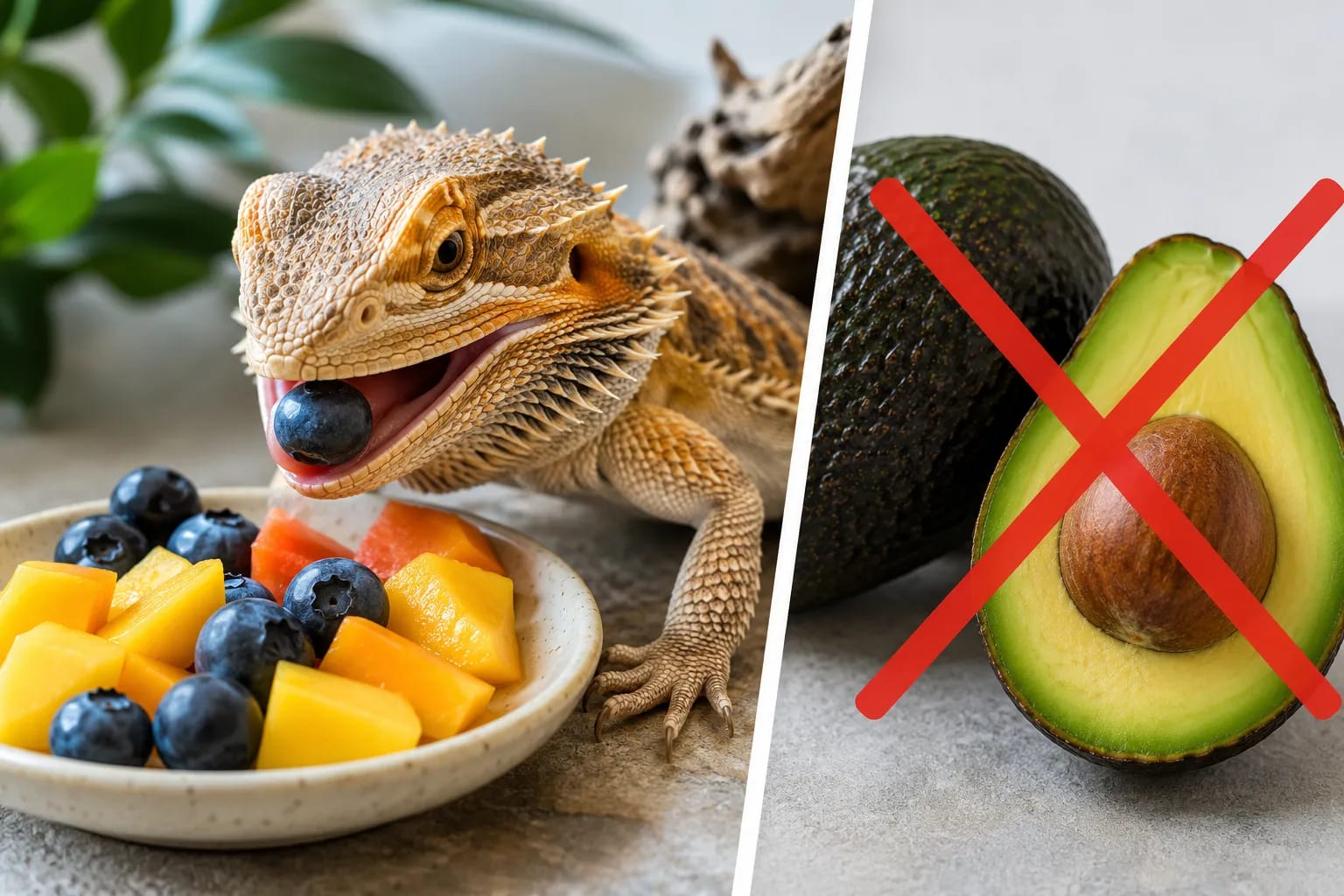
- Safe fruit alternatives include blueberries, strawberries, mango, papaya, and figs in moderation
- Avocado oil is also unsafe and should never be used on or near bearded dragons
- Baby bearded dragons are even more vulnerable to avocado toxicity due to their smaller size and developing systems
- Prevention is key, keep avocados completely out of reach and educate anyone who handles your pet about this danger
Why Is Avocado Toxic to Bearded Dragons?
Avocado contains persin, a fungicidal toxin that protects the avocado plant from fungal infections and pests in nature. While humans can safely metabolize persin, bearded dragons and most other reptiles cannot process this compound, making it extremely dangerous to their systems.
Persin is present throughout the entire avocado plant, not just the flesh. The skin, pit, leaves, bark, and even the flesh all contain varying concentrations of this toxin. The pit and leaves typically have the highest concentrations, but the flesh that humans eat still contains enough persin to harm or kill a bearded dragon.
When a bearded dragon ingests persin, the toxin affects multiple organ systems:
- Cardiovascular system: Persin causes fluid accumulation around the heart, leading to cardiac distress and potential heart failure
- Respiratory system: The toxin triggers breathing difficulties and can cause respiratory collapse
- Digestive system: Severe gastrointestinal upset, including vomiting and diarrhea, often occurs
- Overall cellular function: Persin disrupts normal cellular processes throughout the body
The molecular structure of persin makes it particularly dangerous because bearded dragons lack the specific enzymes needed to break it down and eliminate it from their bodies. This means the toxin accumulates and continues causing damage until the dragon’s system is overwhelmed.
What Happens If My Bearded Dragon Accidentally Ate Avocado?
If your bearded dragon consumes any amount of avocado, you’re facing a medical emergency that requires immediate veterinary intervention. The severity of symptoms depends on the amount consumed and the size of your dragon, but all avocado ingestion should be treated as life-threatening.
Immediate symptoms (within 12-24 hours) typically include:
- Extreme lethargy and weakness
- Difficulty breathing or labored respiration
- Refusal to eat or drink
- Sitting with mouth open (gaping)
- Unusual posture or inability to move normally
- Darkening of the beard (stress response)
Progressive symptoms (24-48 hours) may include:
- Severe dehydration
- Vomiting or regurgitation
- Diarrhea, sometimes with blood
- Swelling around the body
- Complete loss of coordination
- Seizures or tremors
- Unconsciousness
Critical complications can develop rapidly and include cardiac arrest, complete respiratory failure, and multi-organ shutdown. Without treatment, death can occur within 24-72 hours of ingestion, though some dragons may survive longer depending on the dose.
The prognosis depends heavily on how quickly you act. Dragons that receive veterinary care within the first few hours have a better chance of survival, though recovery is never guaranteed with avocado poisoning.
What to Do If Bearded Dragon Ate Avocado by Mistake
Time is critical when dealing with avocado poisoning. Follow these steps immediately if you suspect or know your bearded dragon has consumed any avocado:
Step 1: Remove any remaining avocado from the enclosure and your dragon’s mouth if visible and safe to do so. Do not attempt to induce vomiting at home.
Step 2: Contact an exotic veterinarian immediately. Call ahead so they can prepare for your arrival. If your regular vet doesn’t handle reptiles, search for an emergency exotic animal clinic.
Step 3: Note the details while driving to the vet:
- Approximate amount consumed
- Time of ingestion
- Current symptoms you’re observing
- Your dragon’s weight and age
Step 4: Keep your dragon warm during transport (around 85-90°F) using a secure carrier with a heat source, but ensure adequate ventilation.
Step 5: Do not offer food or water before veterinary examination, as this can complicate treatment.
Veterinary treatment may include:
- Activated charcoal to bind remaining toxins
- Intravenous or subcutaneous fluids for hydration and toxin flushing
- Oxygen therapy for respiratory distress
- Cardiac monitoring and support medications
- Hospitalization for observation and continued treatment
Even with aggressive treatment, survival is not guaranteed. The best approach is prevention, never allow your bearded dragon access to avocado in any form.
Symptoms of Avocado Poisoning in Bearded Dragons
Recognizing avocado poisoning symptoms quickly can mean the difference between life and death for your bearded dragon. The symptoms progress through distinct stages, though the timeline can vary based on the amount consumed.
Early-stage symptoms (first 12 hours):
- Behavioral changes: Unusual stillness, hiding, or reluctance to move
- Reduced appetite: Ignoring favorite foods or treats
- Mild respiratory signs: Slightly faster breathing or occasional mouth breathing
- Color changes: Beard may darken due to stress
Mid-stage symptoms (12-36 hours):
- Severe lethargy: Minimal response to handling or stimuli
- Respiratory distress: Obvious difficulty breathing, persistent gaping, wheezing sounds
- Gastrointestinal upset: Vomiting, diarrhea, or visible abdominal discomfort
- Weakness: Unable to support own weight, dragging body
- Dehydration signs: Sunken eyes, wrinkled skin, sticky mucous membranes
Late-stage symptoms (36+ hours):
- Cardiovascular collapse: Weak or irregular heartbeat, cold body temperature
- Severe respiratory failure: Gasping, blue-tinged mucous membranes
- Neurological symptoms: Seizures, tremors, loss of coordination
- Unconsciousness: Unresponsive to any stimuli
- Death: Often occurs within 48-72 hours without treatment
Important note: Some bearded dragons may not show obvious symptoms until the poisoning is quite advanced. Any behavior change after potential avocado exposure warrants immediate veterinary attention, even if symptoms seem mild.
How Much Avocado Is Lethal to a Bearded Dragon?
There is no safe minimum threshold for avocado consumption in bearded dragons. Even a piece the size of a grain of rice can potentially cause serious harm or death, particularly in smaller or younger dragons.
The lethal dose varies based on several factors:
- Dragon size: Baby and juvenile bearded dragons are at higher risk because their smaller body mass means even tiny amounts represent a larger dose relative to their weight
- Individual sensitivity: Some dragons may be more susceptible to persin toxicity than others
- Avocado variety: Different avocado cultivars contain varying persin concentrations, though all are dangerous
- Part consumed: The pit and skin contain higher persin levels than flesh, but all parts are toxic
Size-based risk estimates (all amounts are dangerous):
- Baby dragons (0-6 months, under 100g): A piece smaller than a pea can be lethal
- Juvenile dragons (6-12 months, 100-300g): A piece the size of a blueberry poses serious risk
- Adult dragons (12+ months, 300-600g): Even a teaspoon-sized amount can cause severe poisoning
Because there’s no way to predict exactly how your individual dragon will react, and because the consequences are so severe, the only safe approach is complete avoidance. Never test tolerance or assume “just a taste” won’t cause harm.
Can Bearded Dragons Eat Avocado in Small Amounts?
Absolutely not. There is no safe quantity of avocado for bearded dragons, regardless of how small the amount might be. This is not a food that can be offered “in moderation” or as an occasional treat.
The “small amounts” question often arises because some toxic foods for bearded dragons are only problematic in large quantities. Avocado does not fall into this category. The persin toxin is dangerous at any dose, and the risk-to-benefit ratio is entirely negative since avocado offers no nutritional advantages that can’t be obtained from safe foods.
Why even tiny amounts are dangerous:
- Persin accumulates in tissues and isn’t easily eliminated
- Bearded dragons lack the enzymes to metabolize this toxin
- The compound affects critical systems (heart and lungs) where even minor damage can be fatal
- Individual sensitivity varies, making any amount a gamble with your pet’s life
Common misconceptions to avoid:
- ❌ “Just the flesh is safe”, False, all parts contain persin
- ❌ “Organic avocados are safer”, False, persin is natural to the plant
- ❌ “My dragon only licked it”, Still dangerous, seek veterinary advice
- ❌ “Cooked avocado is less toxic”, False, cooking doesn’t neutralize persin
If you’re looking for creamy, nutrient-rich foods for your bearded dragon, consider safe alternatives like small amounts of butternut squash or mashed sweet potato instead.
Which Fruits Are Safe for Bearded Dragons to Eat?
Bearded dragons can enjoy a variety of safe fruits as occasional treats, typically making up about 10% of their overall diet. These fruits provide vitamins, minerals, and hydration while being free from dangerous toxins like persin.
Highly recommended safe fruits:
- Blueberries: Rich in antioxidants, perfect bite-sized treats
- Strawberries: High in vitamin C, remove tops and cut into small pieces
- Mango: Excellent source of vitamin A, remove skin and pit
- Papaya: Contains digestive enzymes, remove seeds
- Figs: High in calcium, offer fresh or dried (rehydrated)
- Apples: Remove seeds and core (contain trace cyanide), offer in small pieces
- Pears: Similar to apples, remove seeds and core
- Watermelon: Hydrating summer treat, seedless varieties preferred
Occasional safe fruits (higher sugar content, limit frequency):
- Grapes (cut in half to prevent choking)
- Peaches (remove pit)
- Plums (remove pit)
- Raspberries
- Blackberries
- Cantaloupe
Preparation guidelines:
- Wash all fruits thoroughly to remove pesticides
- Cut into pieces smaller than the space between your dragon’s eyes
- Remove all seeds, pits, and inedible skins
- Offer fruits 2-3 times per week maximum
- Always provide fruits alongside vegetables and protein
Nutritional balance tip: Fruits should complement, not replace, the staple diet of insects (for juveniles) or leafy greens (for adults). Think of fruits as the dessert, not the main course.
Best Alternative Fruits to Avocado for Bearded Dragons
If you were considering avocado for its nutritional profile, several safe alternatives provide similar or better benefits without any toxicity risk.
For healthy fats (avocado is high in beneficial fats for humans):
- Bearded dragons don’t require high-fat foods; their fat needs are met through insects like dubia roaches and black soldier fly larvae
- Avoid trying to replicate avocado’s fat content with other foods
For vitamin E (avocado contains vitamin E):
- Butternut squash: Excellent vitamin E source, also provides vitamin A
- Bell peppers: High in vitamins E and C, offer red or yellow varieties
- Collard greens: Staple vegetable rich in vitamin E and calcium
For potassium (avocado is potassium-rich):
- Figs: Higher potassium content than avocado, safe for bearded dragons
- Papaya: Good potassium source plus digestive benefits
- Acorn squash: Provides potassium along with other nutrients
For creamy texture (if you wanted the consistency):
- Mashed butternut squash: Smooth, creamy, and safe
- Pureed pumpkin: Similar texture, rich in beta-carotene
- Mashed sweet potato: Creamy consistency with excellent nutrition
Complete nutritional alternatives (best overall substitutes):
| Safe Food | Key Nutrients | Feeding Frequency |
|---|---|---|
| Mango | Vitamins A, C, E, potassium | 2-3 times per week |
| Papaya | Vitamins A, C, folate, digestive enzymes | 2-3 times per week |
| Figs | Calcium, potassium, fiber | 1-2 times per week |
| Butternut squash | Vitamins A, E, C, potassium | Daily (as staple vegetable) |
These alternatives provide superior nutrition without any risk, making them far better choices than avocado could ever be.

Bruh design for Bearded Dragon lovers

Bearded Dragon Funny Lizard Graphic Tee

Grab this funny Bearded Dragon Weirdo Beardo T-Shirt for your bearded lover friends, family or relatives! It's the perfect gift idea & present for Birthdays, Mother's Day, Father's Day or Christmas!
Can Baby Bearded Dragons Eat Avocado?
Baby bearded dragons absolutely cannot eat avocado, and they face even greater danger from avocado exposure than adults. Their smaller body size, developing organ systems, and faster metabolisms make them extremely vulnerable to persin toxicity.
Why babies are at higher risk:
- Lower body mass: The same amount of avocado represents a much larger dose relative to their weight
- Developing systems: Their cardiovascular and respiratory systems are still maturing and less resilient to toxins
- Faster metabolism: Toxins circulate more quickly through their smaller bodies
- Higher protein needs: Babies should focus on insects (70-80% of diet), not fruits, making avocado even more inappropriate
Appropriate diet for baby bearded dragons (0-6 months):
- 70-80% protein: Small crickets, dubia roaches, black soldier fly larvae
- 20-30% vegetables: Finely chopped collard greens, mustard greens, butternut squash
- Minimal fruit: Only tiny amounts 1-2 times per week as treats
Safe fruit options for babies:
- Blueberries (cut into quarters)
- Mango (tiny pieces)
- Papaya (small amounts)
- Strawberries (finely diced)
Baby bearded dragons require careful dietary management to support their rapid growth. Focus on calcium-dusted insects and calcium-rich greens rather than fruits, and never risk their health with toxic foods like avocado.
Is Avocado Oil Safe for Bearded Dragons?
No, avocado oil is not safe for bearded dragons and should never be used on their skin, in their food, or anywhere in their environment. While avocado oil contains lower concentrations of persin than the whole fruit, it still retains enough of the toxin to pose risks.
Why avocado oil is dangerous:
- Contains persin: The extraction process doesn’t completely remove this toxin
- Skin absorption: Bearded dragons can absorb substances through their skin, especially in sensitive areas
- Ingestion risk: Dragons may lick oil off their skin during grooming
- Respiratory exposure: Oil diffusers or sprays can expose dragons to persin through breathing
Common scenarios to avoid:
- ❌ Using avocado oil to help with shedding
- ❌ Cooking feeder insects in avocado oil
- ❌ Using avocado-based cosmetics or lotions before handling your dragon
- ❌ Diffusing avocado oil in the same room as your dragon’s enclosure
Safe alternatives for skin care:
- For shedding issues: Increase humidity, provide a shallow water dish for soaking, or use plain warm water baths
- For dry skin: Consult a reptile veterinarian; most “dry skin” is normal and doesn’t require treatment
- For wounds: Only use products specifically recommended by an exotic vet
Safe oils (if recommended by a vet for specific medical purposes):
- Mineral oil (for impaction, under veterinary guidance only)
- Coconut oil (very sparingly, only if vet-approved)
Never apply any oil or topical product to your bearded dragon without explicit veterinary approval. Most skin issues resolve with proper husbandry rather than topical treatments.

Do All Reptiles React Badly to Avocado?
Most reptiles are highly sensitive to avocado toxicity, though the severity of reaction can vary by species. Persin affects birds and reptiles far more severely than it affects mammals, making avocado dangerous across the reptile family.
Reptiles confirmed sensitive to avocado:
- Bearded dragons: Extremely high sensitivity, often fatal
- Leopard geckos: High sensitivity, severe reactions reported
- Crested geckos: High sensitivity, particularly dangerous due to fruit-based diet preferences
- Blue-tongued skinks: Moderate to high sensitivity
- Iguanas: High sensitivity despite being herbivores
- Tortoises: Moderate sensitivity, still dangerous
- Snakes: Generally less studied, but avoidance recommended
Why sensitivity varies:
- Diet type: Herbivorous and omnivorous reptiles may be more likely to encounter avocado, but carnivorous species are equally vulnerable if exposed
- Metabolic rate: Species with faster metabolisms may show symptoms more quickly
- Size: Smaller species face greater risk from smaller doses
- Geographic origin: Reptiles from regions where avocados don’t naturally grow have no evolutionary adaptation to persin
Universal recommendation: Regardless of reptile species, avocado should be considered toxic and avoided completely. The lack of research on some species doesn’t indicate safety; it simply means the risk hasn’t been formally documented.
If you keep multiple reptile species, maintain the same strict avocado-free policy across all enclosures and feeding practices.
Avocado vs Other Toxic Foods for Bearded Dragons
Avocado ranks among the most dangerous foods for bearded dragons, but it’s not the only toxic item to avoid. Understanding the relative risks helps you prioritize safety in your dragon’s environment.
Extremely toxic foods (similar danger level to avocado):
- Rhubarb: Contains oxalic acid that binds calcium and causes kidney failure
- Onions and garlic: Cause hemolytic anemia (destruction of red blood cells)
- Wild-caught insects: May carry pesticides, parasites, or have consumed toxic plants
- Fireflies/lightning bugs: Contain lucibufagins, extremely toxic even in single insects
Highly toxic foods (serious risk, avoid completely):
- Citrus fruits: High acidity can cause digestive upset and metabolic issues
- Spinach: Very high oxalates bind calcium, leading to metabolic bone disease
- Iceberg lettuce: Not toxic but nutritionally void and can cause diarrhea
- Beet greens: High oxalates similar to spinach
Moderately problematic foods (not immediately toxic but harmful over time):
- Cabbage: Goitrogens interfere with thyroid function
- Kale: High oxalates, okay occasionally but not as staple
- Tomatoes: Acidic, only ripe fruit flesh in small amounts
Comparison of toxicity mechanisms:
- Avocado (persin): Directly damages heart and lungs, often fatal
- Rhubarb (oxalic acid): Causes kidney failure and calcium depletion
- Onions (thiosulfate): Destroys red blood cells, causes anemia
- Fireflies (lucibufagins): Cardiac toxin, single insect can kill
Key difference: While foods like spinach or kale cause problems through nutritional imbalances over time, avocado causes acute poisoning that can kill within hours to days. This makes avocado one of the most immediately dangerous foods you could offer.
Complete List of Foods Bearded Dragons Should Never Eat
Maintaining a comprehensive list of forbidden foods helps prevent accidental poisoning and ensures your bearded dragon’s long-term health. Keep this list accessible and share it with anyone who might feed your pet.
Never feed these foods:
Fruits and vegetables:
- Avocado (all parts)
- Rhubarb (leaves and stalks)
- Onions
- Garlic
- Chives
- Leeks
- Citrus fruits (oranges, lemons, limes, grapefruit)
- Rhubarb
- Eggplant leaves
- Tomato leaves and stems
Insects and proteins:
- Fireflies/lightning bugs
- Wild-caught insects (pesticide risk)
- Box elder bugs
- Monarch butterflies
- Venomous insects
- Raw meat
- Processed meats
- Fish
- Dairy products
Plants and herbs:
- Buttercup
- Daffodil
- Azalea
- Ivy
- Oak leaves
- Poinsettia
- Tulips
- Marijuana/cannabis
Processed and human foods:
- Chocolate
- Caffeine
- Alcohol
- Bread and grains
- Processed sugar
- Salt
- Fried foods
- Spicy foods
Common mistakes people make:
- Assuming “natural” or “organic” versions of toxic foods are safe
- Thinking cooking neutralizes toxins (it doesn’t for most)
- Offering “just a taste” of human food
- Allowing dragons to eat plants from the yard (pesticide and toxin risk)
- Feeding insects caught near treated lawns or gardens
Safe practice: When in doubt, don’t feed it. Research any new food thoroughly before offering it to your bearded dragon, and stick to established safe food lists from reputable reptile care sources.
Common Foods People Think Are Safe But Aren’t for Bearded Dragons
Many well-intentioned bearded dragon owners accidentally offer harmful foods because they seem healthy for humans or other pets. Understanding these common misconceptions prevents dangerous mistakes.
Misleading “healthy” foods:
Spinach, Often recommended for humans as a superfood, but the high oxalate content binds calcium in bearded dragons, contributing to metabolic bone disease. Occasional feeding is debated, but it should never be a staple.
Iceberg lettuce, Seems like a safe vegetable but contains almost no nutrition and high water content that causes diarrhea. It fills dragons up without providing necessary nutrients.
Bread and grains, Some owners think whole grain bread is a healthy treat, but bearded dragons cannot digest grains properly. These foods cause digestive blockages and provide no nutritional value.
Dairy products, Cheese, yogurt, and milk seem like good protein sources, but bearded dragons are lactose intolerant and lack the enzymes to digest dairy. These foods cause severe digestive upset.
Meat from your dinner, Cooked chicken or beef might seem like good protein, but bearded dragons need whole prey insects with exoskeletons for proper nutrition. Muscle meat alone lacks calcium and other essential nutrients.
Houseplants, Many common houseplants are toxic to bearded dragons, including pothos, philodendron, and dieffenbachia. Never allow your dragon to nibble on decorative plants.
“Gut-loaded” insects from the pet store, While gut-loading is important, you can’t verify what commercial insects were fed. Always gut-load feeders yourself at home with safe vegetables.
Why these misconceptions persist:
- Information from non-reptile-specific sources
- Assuming human nutrition applies to reptiles
- Anecdotal advice from other owners without veterinary backing
- Outdated care guides that haven’t been updated with current research
Best practice: Only feed foods that appear on verified safe lists from reptile veterinarians or established herpetological organizations. When researching, prioritize sources that specialize in reptile care specifically.
FAQ
Can bearded dragons eat guacamole?
No, bearded dragons cannot eat guacamole. It contains avocado as the main ingredient, making it toxic due to persin. Additionally, guacamole typically contains onions, garlic, and salt, all of which are also harmful to bearded dragons.
What should I do if I’m not sure if my bearded dragon ate avocado?
If there’s any possibility your bearded dragon consumed avocado, treat it as an emergency and contact an exotic veterinarian immediately. It’s better to have a false alarm than to wait and risk your dragon’s life. Monitor closely for symptoms like lethargy, breathing difficulty, or weakness.
Are there any reptiles that can safely eat avocado?
No reptile species has been confirmed safe to eat avocado. The persin toxin affects reptiles and birds far more severely than mammals, making avocado universally dangerous for reptile pets. Always avoid offering avocado to any reptile.
Can bearded dragons eat avocado leaves or tree bark?
Absolutely not. Avocado leaves and bark contain even higher concentrations of persin than the fruit flesh. These parts are extremely toxic and should never be accessible to your bearded dragon. Keep all parts of avocado plants away from your pet.
How long after eating avocado will symptoms appear?
Symptoms typically appear within 12-24 hours of ingestion, though some signs may develop sooner or later depending on the amount consumed. Respiratory distress and lethargy are often the first noticeable symptoms. Any behavior change after potential exposure warrants immediate veterinary attention.
Is there an antidote for avocado poisoning in bearded dragons?
No specific antidote exists for persin poisoning. Treatment is supportive and focuses on managing symptoms, providing fluids, supporting heart and lung function, and helping the body eliminate the toxin. Success depends on how quickly treatment begins and the amount consumed.
Can I keep an avocado plant in the same room as my bearded dragon?
It’s not recommended. While the plant itself poses no risk if your dragon can’t access it, accidents happen. Dragons can escape enclosures, and leaves can fall. The risk isn’t worth the potential consequences. Keep avocado plants in rooms where your bearded dragon never goes.
What fruits have similar nutrition to avocado but are safe?
Mango, papaya, and butternut squash provide similar vitamins and minerals without any toxicity risk. For healthy fats, focus on appropriate feeder insects like dubia roaches rather than trying to replicate avocado’s fat content through fruits or vegetables.
Will cooking or freezing avocado make it safe?
No, cooking, freezing, or any other preparation method does not neutralize persin. The toxin remains dangerous regardless of how the avocado is processed. Never offer avocado to your bearded dragon in any form.
Can bearded dragons eat foods that touched avocado?
It’s best to avoid this. While brief contact may transfer minimal amounts of persin, why take the risk? Use separate cutting boards and utensils for your dragon’s food, and never offer them leftovers from dishes that contained avocado.
Are some avocado varieties safer than others?
No avocado variety is safe for bearded dragons. While persin concentrations may vary slightly between cultivars like Hass, Fuerte, or Reed, all contain enough toxin to be dangerous. Treat all avocado types as equally toxic.
How do I educate family members about avocado danger?
Create a clear “never feed” list posted near your dragon’s enclosure. Explain that avocado is as dangerous as chocolate is to dogs. Make sure anyone who might feed your dragon understands that no amount is safe and that well-meaning treats could be fatal.
Conclusion
Avocado is one of the most dangerous foods you can offer a bearded dragon, with no safe amount or preparation method. The persin toxin found throughout the avocado plant causes severe cardiovascular and respiratory damage that can be fatal within hours to days. Unlike foods that cause problems through nutritional imbalances over time, avocado represents an immediate, life-threatening emergency.
Key actions to take now:
- Remove all avocado products from areas where your bearded dragon could access them
- Create and post a “forbidden foods” list near your dragon’s enclosure
- Educate family members and pet sitters about avocado toxicity
- Program your exotic veterinarian’s emergency number into your phone
- Stock your dragon’s diet with safe alternatives like mango, papaya, blueberries, and butternut squash
- Regularly review safe food lists to stay current on best practices
If your bearded dragon has consumed any amount of avocado, contact an exotic veterinarian immediately. Time is critical, and early intervention provides the best chance of survival. Prevention remains the most effective strategy, by maintaining strict avoidance of avocado and other toxic foods, you ensure your bearded dragon lives a long, healthy life.
Remember that proper nutrition for bearded dragons centers on appropriate insects, calcium-rich leafy greens, and occasional safe fruits. There’s no nutritional benefit from avocado that can’t be obtained from safer alternatives, making the risk entirely unnecessary. When in doubt about any food, research thoroughly or consult with a reptile veterinarian before offering it to your pet.

✔ HEALTHY - This nutritious blend includes figs, papaya, green beans, cabbage, squash, apple and carrots

Balanced Mix for Daily Lizard Wellness --- A nutrient-rich blend of sun-dried veggies, freeze-dried fruits, and calcium-coated insects, our Lizard Fruit & Insect Mix helps support digestion, vitality, and bone strength.

Quick and Easy Preparation: Simply add water to our Fruit Mix Instant Meal for a hassle-free, nutritious option. Ideal for tortoise habitat accessories and tortoise food, it rehydrates in minutes, making it perfect for baby turtle food and box turtle food.


