

Quick Answer: Yes, bearded dragons can eat superworms, but they should be fed as an occasional treat rather than a staple diet. Superworms are high in fat and protein, making them suitable for adult and juvenile bearded dragons (over 4 months old) when offered in moderation, typically 1-3 superworms per feeding, 1-2 times per week. Baby bearded dragons under 4 months should avoid superworms due to their hard exoskeleton and choking risk.
Key Takeaways
- Superworms are safe treats for bearded dragons over 4 months old when fed in moderation
- Limit portions to 1-3 superworms per feeding session, offered 1-2 times weekly to prevent obesity
- Baby bearded dragons should not eat superworms due to impaction risk and difficulty digesting the hard chitin shell
- Fat content is high (approximately 17-18% fat), making superworms less ideal than crickets or dubia roaches for regular feeding
- Gut-loading superworms 24-48 hours before feeding significantly improves their nutritional value
- Size matters: choose superworms no longer than the space between your dragon’s eyes to prevent choking
- Impaction risk exists if dragons are dehydrated, lack proper UVB lighting, or eat superworms that are too large
- Superworms can bite, so never leave live superworms unattended in the enclosure overnight
- Mealworms are smaller but have harder shells; superworms are generally better for adult dragons
- Best alternatives include dubia roaches, crickets, black soldier fly larvae, and silkworms for regular feeding

Smooth Surface: The bright white ceramic mealworm reptile dish makes it so easy for him to see and catch the worms, If you have a lizard with some vision problems, highly recommend you get this bowl dish

Nutrition-Rich Superworms: Our live superworms are a rich source of necessary nutrients, providing a balanced diet for your reptiles, such as bearded dragons, baby geckos, and turtles

Smooth Surface: The bright white ceramic mealworm reptile dish makes it so easy for him to see and catch the worms, If you have a lizard with some vision problems, highly recommend you get this bowl dish
Are Superworms Safe for Bearded Dragons?
Superworms are generally safe for bearded dragons when fed appropriately, but several conditions must be met. These large beetle larvae (Zophobas morio) contain high protein and fat levels that can benefit underweight dragons or those recovering from illness, but their nutritional profile makes them unsuitable as a daily feeder insect.
The primary safety concerns include:
- Choking hazard: Superworms are thick-bodied and can cause choking if too large for your dragon’s mouth
- Impaction risk: The hard chitin exoskeleton can cause digestive blockages in dragons with inadequate hydration or improper husbandry
- Aggressive behavior: Live superworms have strong mandibles and may bite your dragon’s mouth or digestive tract if not consumed quickly
- Nutritional imbalance: Regular feeding leads to obesity and fatty liver disease due to high fat content
Safety checklist before feeding superworms:
- Dragon is at least 4 months old
- Superworm length is shorter than the distance between the dragon’s eyes
- Dragon has access to proper UVB lighting (10-12 hours daily)
- Hydration is adequate (regular baths, water dish, moisture from vegetables)
- Basking spot reaches 95-105°F for proper digestion
Choose superworms only if your dragon is healthy, well-hydrated, and has demonstrated the ability to digest other hard-shelled insects like crickets without issues.
How Many Superworms Can a Bearded Dragon Eat Per Day?
Adult bearded dragons should eat 1-3 superworms per feeding session, offered no more than 1-2 times per week. Juvenile bearded dragons (4-12 months) can handle 1-2 superworms once weekly as a supplement to their primary insect diet of crickets or dubia roaches.
Age-based feeding guidelines:
| Dragon Age | Superworms Per Feeding | Frequency | Notes |
|---|---|---|---|
| 0-4 months (baby) | 0 | Never | Too large, impaction risk |
| 4-12 months (juvenile) | 1-2 | Once per week | Treat only |
| 12-18 months (sub-adult) | 2-3 | 1-2 times per week | Monitor weight |
| 18+ months (adult) | 1-3 | 1-2 times per week | Reduce if overweight |
The “per day” question is somewhat misleading because superworms should never be a daily food. Think of them like candy, delicious and motivating, but not nutritionally balanced for regular consumption.
Common mistake: New owners often feed superworms daily because their dragons show enthusiasm for them. This leads to rapid weight gain, picky eating (refusing healthier insects), and potential liver problems. If your dragon starts refusing crickets or vegetables, eliminate superworms completely for 2-3 weeks to reset their preferences.
Superworms vs Mealworms for Bearded Dragons
Superworms are generally the better choice compared to mealworms for bearded dragons, though both should be occasional treats rather than staples. Superworms have a softer exoskeleton relative to their body size, making them easier to digest than mealworms, which have proportionally harder chitin shells.

Direct comparison:
Superworms (Zophobas morio):
- Length: 1.5-2 inches
- Protein: ~20%
- Fat: ~17-18%
- Softer shell relative to size
- More aggressive (can bite)
- Better for adult dragons
Mealworms (Tenebrio molitor):
- Length: 0.5-1 inch
- Protein: ~20%
- Fat: ~12-14%
- Harder shell relative to size
- Less aggressive
- Higher impaction risk
The key difference is the shell-to-meat ratio. Mealworms have disproportionately thick exoskeletons for their small size, making them harder to digest. Superworms, while larger, have thinner shells relative to their soft body mass.
Choose superworms if: Your dragon is over 6 months old, healthy, and you want a high-value treat for training or weight gain.
Choose mealworms if: You need a smaller treat for a juvenile dragon (5-8 months) who has outgrown small crickets but isn’t ready for full-sized superworms.
Better than both: Dubia roaches offer superior nutrition (36% protein, 7% fat) with softer bodies and should be your primary feeder insect.
Can Baby Bearded Dragons Eat Superworms?
Baby bearded dragons under 4 months old should never eat superworms due to serious choking and impaction risks. Even juveniles between 4-6 months should avoid superworms until they’ve demonstrated consistent ability to digest smaller hard-shelled insects without issues.
The problems with feeding superworms to babies include:
Size mismatch: A superworm is often as long as a baby dragon’s entire head, creating an obvious choking hazard. The “space between the eyes” rule means most superworms are 2-3 times too large for dragons under 4 months.
Underdeveloped digestive system: Baby dragons lack the stomach acid strength and gut motility to break down thick chitin efficiently. Their digestive tracts are optimized for soft-bodied insects like small crickets, fruit flies, and phoenix worms.
Impaction vulnerability: Young dragons are more susceptible to impaction because their intestines are narrower and their husbandry is often still being optimized (UVB strength, temperatures, hydration).
Nutritional imbalance: Babies need calcium-rich, lower-fat protein for bone development. Superworms provide excessive fat that doesn’t support healthy growth patterns.
Safe alternatives for baby bearded dragons:
- Small crickets (1/4 to 3/8 inch)
- Fruit flies (Drosophila hydei)
- Small dubia roaches (1/4 inch nymphs)
- Phoenix worms (black soldier fly larvae)
- Silkworms (small)
Wait until your dragon is at least 4 months old and 8-10 inches in total length before introducing superworms, and even then, start with just one superworm to test tolerance.
Do Superworms Bite Bearded Dragons?
Yes, superworms can and do bite bearded dragons, both during feeding and if left alive in the enclosure. Superworms have strong mandibles designed to chew through tough plant material, and they will defensively bite soft tissue if they feel threatened or if a dragon doesn’t consume them immediately.
Where bites occur:
- Mouth and tongue: During the capture and swallowing process
- Stomach lining: If the superworm is swallowed alive and remains active in the digestive tract
- Feet and tail: If superworms are left loose in the enclosure overnight
The “superworms eating through the stomach” concern is mostly myth, but there is a kernel of truth. A live superworm cannot chew through a healthy stomach wall, but it can cause irritation, discomfort, and minor tissue damage if it remains active for an extended period.
How to prevent superworm bites:
- Crush the head before feeding (controversial but effective)
- Use feeding tongs to control the superworm and ensure your dragon bites the middle section
- Feed in a separate container so you can monitor consumption
- Remove uneaten superworms immediately,never leave them overnight
- Ensure your dragon is hungry so they strike and consume quickly
Common mistake: Dumping a dozen superworms into the enclosure and walking away. Uneaten superworms will burrow into substrate, hide, and potentially bite your dragon’s feet during the night. Always supervise superworm feeding and remove any that aren’t eaten within 10-15 minutes.
If your dragon seems hesitant or takes a long time to eat superworms, switch to a less aggressive feeder insect like dubia roaches or crickets.
How Often Should I Feed My Bearded Dragon Superworms?
Feed superworms to your bearded dragon 1-2 times per week maximum, treating them as an occasional high-value snack rather than a dietary staple. For most adult dragons, once per week is ideal, with twice weekly reserved for underweight dragons, breeding females, or those recovering from illness.
Frequency guidelines by life stage:
Juveniles (4-12 months):
- Once per week
- 1-2 superworms per session
- Prioritize daily crickets or dubia roaches (20-40 per day)
Sub-adults (12-18 months):
- 1-2 times per week
- 2-3 superworms per session
- Transition to 70% vegetables, 30% insects overall
Adults (18+ months):
- Once per week (twice if underweight)
- 1-3 superworms per session
- Insects should be 20-30% of total diet
Seniors (5+ years):
- Once every 10-14 days
- 1-2 superworms per session
- Focus on easily digestible proteins
Signs you’re feeding superworms too often:
- Weight gain around the belly and tail base
- Refusing crickets, roaches, or vegetables
- Lethargy or reduced activity
- Fatty deposits visible near the armpits
- Loose or unusually oily-looking stools
If you notice any of these signs, eliminate superworms completely for 3-4 weeks and focus on leaner protein sources like crickets, silkworms, or black soldier fly larvae.
Decision rule: If superworms make up more than 10% of your dragon’s weekly insect intake, you’re feeding them too often.
Can Superworms Cause Impaction in Bearded Dragons?
Superworms can cause impaction in bearded dragons, but the risk is relatively low when proper husbandry and feeding practices are followed. Impaction occurs when the hard chitin exoskeleton cannot be broken down and creates a blockage in the digestive tract, typically in the intestines.
Primary impaction risk factors:
- Inadequate heat: Basking spot below 95°F prevents proper digestion
- Poor hydration: Dehydrated dragons cannot produce enough digestive fluids
- Insufficient UVB: Without proper UVB (10-12 hours of 10.0 or 12% bulb), calcium metabolism and gut motility suffer
- Oversized superworms: Feeding superworms longer than the space between the eyes
- Loose substrate: Dragons accidentally ingesting sand or loose substrate while hunting superworms
- Underlying health issues: Parasites, metabolic bone disease, or organ dysfunction
Impaction symptoms to watch for:
- No bowel movement for 3+ days
- Straining or attempting to defecate without success
- Lethargy and reduced appetite
- Swollen or hard belly
- Dragging back legs (severe cases)
Preventing superworm-related impaction:
✅ Maintain basking spot at 95-105°F
✅ Provide regular baths (2-3 times per week)
✅ Use solid substrates (tile, reptile carpet, paper towels)
✅ Ensure UVB bulb is less than 6 months old and properly positioned
✅ Feed appropriately sized superworms
✅ Offer superworms only to well-hydrated, healthy dragons
Edge case: Dragons with pre-existing constipation or digestive issues should avoid superworms entirely until their gut health is restored. Stick with soft-bodied insects like hornworms (high moisture) or silkworms during recovery.
If you suspect impaction, provide a warm bath (85-90°F) for 15-20 minutes and gently massage the belly. If symptoms persist beyond 24 hours, consult a reptile veterinarian immediately.
What Size Superworms for Bearded Dragons?
Choose superworms that are no longer than the space between your bearded dragon’s eyes, which typically means small to medium superworms (1 to 1.5 inches) for most adult dragons. Juvenile dragons (4-8 months) should only receive the smallest available superworms, often marketed as “small” or “mini” superworms at approximately 0.75 to 1 inch.
Size selection guide:
Small/Mini Superworms (0.75-1 inch):
- Best for: Juveniles 4-8 months
- Dragon size: 8-12 inches total length
- Quantity: 1-2 per feeding
Medium Superworms (1-1.5 inches):
- Best for: Sub-adults and average adults
- Dragon size: 12-18 inches total length
- Quantity: 2-3 per feeding
Large Superworms (1.5-2+ inches):
- Best for: Large adult dragons only (18+ inches)
- Dragon size: 18-24 inches total length
- Quantity: 1-2 per feeding (very filling)
How to measure: Hold the superworm next to your dragon’s head (without stressing the dragon). If the superworm extends beyond the outer edges of the eyes, it’s too large. When in doubt, go smaller, a superworm that’s slightly too small is far safer than one that’s too large.
Common mistake: Buying bulk superworms without sorting by size. Superworms in a single container often vary significantly in length. Before feeding, visually inspect and select appropriately sized individuals, saving the largest ones for when your dragon grows or offering them to larger reptiles.
Pro tip: Many reptile supply stores now offer size-graded superworms (small, medium, large). This costs slightly more but eliminates guesswork and reduces waste.

Vitamin Enriched Formula That Provides Essential Proteins, Fats, Vitamins And Minerals

Predator Foods is a grower and distributor of high-quality organic superworms located in the USA.

Are Superworms Too High in Fat for Bearded Dragons?
Superworms are high in fat (approximately 17-18% fat content) compared to optimal feeder insects, making them unsuitable as a staple food but acceptable as an occasional treat. For comparison, dubia roaches contain about 7% fat and crickets about 6%, making superworms nearly three times fattier than better alternatives.
Nutritional breakdown (approximate per 100g):
Superworms:
- Protein: 19-20%
- Fat: 17-18%
- Calcium: 124 mg
- Phosphorus: 713 mg
- Ca:P ratio: 1:5.7 (poor)
Dubia Roaches (ideal):
- Protein: 36%
- Fat: 7%
- Calcium: 700 mg
- Phosphorus: 2,600 mg
- Ca:P ratio: 1:3.7 (better)
The high fat content becomes problematic when superworms are fed regularly because bearded dragons are prone to obesity and fatty liver disease in captivity. Wild bearded dragons travel miles daily hunting for food, burning far more calories than pet dragons in enclosures.
When high fat is beneficial:
- Underweight dragons: Recovering from illness, parasites, or poor previous care
- Breeding females: Need extra calories for egg production
- Growing juveniles: During rapid growth phases (still limit to once weekly)
- Cold weather: If your home temperature drops and your dragon needs extra energy
When to avoid high-fat superworms:
- Overweight dragons (visible fat deposits, thick tail base)
- Sedentary or elderly dragons
- Dragons with liver disease or metabolic issues
- Picky eaters who refuse vegetables
Decision rule: If your dragon’s diet already includes fatty foods (waxworms, butterworms, or high-fat vegetables like avocado, which is toxic, never feed), eliminate superworms entirely. If their diet is lean (primarily crickets, roaches, and greens), occasional superworms are fine.
Best Feeder Insects for Bearded Dragons Besides Superworms
The best feeder insects for bearded dragons are dubia roaches, crickets, black soldier fly larvae (phoenix worms), and silkworms, all of which offer superior nutrition and lower fat content compared to superworms. These should form the foundation of your dragon’s insect diet, with superworms reserved as occasional treats.

Top feeder insect alternatives:
1. Dubia Roaches (best overall)
- Protein: 36% | Fat: 7%
- Soft-bodied, easy to digest
- Cannot climb or fly
- Long lifespan, low odor
- Illegal in Florida and some Canadian provinces
2. Crickets (most accessible)
- Protein: 21% | Fat: 6%
- Widely available and affordable
- Active movement stimulates hunting
- Can be noisy, shorter lifespan
- Dust with calcium before feeding
3. Black Soldier Fly Larvae (phoenix worms, calciworms)
- Protein: 17% | Fat: 14%
- Excellent natural calcium content (Ca:P ratio 1.5:1)
- No dusting required
- Small size, good for juveniles
- Higher cost per insect
4. Silkworms
- Protein: 64% (dry weight) | Fat: 10%
- Extremely nutritious, easily digested
- High moisture content
- Expensive, require fresh mulberry leaves
- Excellent for sick or recovering dragons
5. Hornworms (occasional treat)
- Protein: 9% | Fat: 3%
- Very high moisture (85% water)
- Great for hydration
- Low protein, grows very fast
- Use as hydration supplement, not primary protein
Feeding rotation example:
- Monday: Dubia roaches (5-7 adults)
- Wednesday: Crickets (8-10 adults)
- Friday: Dubia roaches (5-7 adults)
- Saturday: Superworms (2-3) as weekend treat
This rotation provides nutritional variety while keeping fat intake reasonable and preventing boredom.
Should I Gut Load Superworms Before Feeding Bearded Dragon?
Yes, you should always gut-load superworms for 24-48 hours before feeding them to your bearded dragon. Gut-loading significantly improves the nutritional value by filling the superworm’s digestive tract with vitamins, minerals, and nutrients that transfer to your dragon when consumed.
What gut-loading accomplishes:
- Increases calcium, vitamin A, and B-vitamin content
- Improves the poor calcium-to-phosphorus ratio
- Adds moisture and digestibility
- Reduces the “empty calorie” problem of unfed insects
Effective gut-loading foods:
High-calcium options:
- Collard greens (chopped)
- Mustard greens
- Turnip greens
- Butternut squash (grated)
- Commercial gut-load powder mixed with water
Nutrient-dense options:
- Sweet potato (grated)
- Carrots (grated)
- Bee pollen
- Spirulina powder
- High-quality fish flakes
Avoid these for gut-loading:
- Iceberg lettuce (no nutrition)
- Spinach (binds calcium)
- Bread or grains (empty carbs)
- Dog or cat food (wrong nutrient profile)
Gut-loading process:
- 24-48 hours before feeding: Place superworms in a separate container with gut-load food
- Provide moisture: Add a small piece of carrot or potato for hydration (superworms don’t drink water)
- Keep at room temperature: 70-75°F is ideal
- Remove old food: Replace gut-load food after 24 hours to prevent mold
- Dust before feeding: Even gut-loaded superworms benefit from calcium/D3 dusting
Common mistake: Buying superworms and feeding them immediately. Pet store superworms are typically kept on wheat bran or oats, which provide minimal nutrition. Those 24-48 hours of gut-loading can double or triple the nutritional value your dragon receives.
Pro tip: Keep a dedicated gut-loading container with fresh vegetables constantly available. When you’re ready to feed, simply grab pre-loaded superworms rather than scrambling to prepare them.
Can Superworms Eat Through Bearded Dragon Stomach?
No, superworms cannot eat through a healthy bearded dragon’s stomach wall. This is a persistent myth in the reptile community, but the stomach acid and muscular contractions of a healthy dragon’s digestive system quickly kill and break down superworms after they’re swallowed.
Why the myth exists:
- Superworms have strong mandibles and can chew through plastic containers
- Owners have found live superworms in regurgitated food
- Rare cases of digestive irritation have been misattributed to “chewing”
What actually happens:
When a bearded dragon swallows a superworm, the insect enters the stomach where pH levels drop to 1.5-2.5 (highly acidic). This acidic environment, combined with digestive enzymes and muscular contractions, kills the superworm within seconds to minutes. The chitin exoskeleton is then gradually broken down over 12-24 hours.
Real risks (not stomach perforation):
- Mouth/throat irritation: A superworm may bite during the swallowing process before reaching the stomach
- Regurgitation: If a dragon is stressed or improperly heated, they may regurgitate food before digestion begins
- Impaction: The exoskeleton may cause blockage if husbandry is poor, but this is mechanical obstruction, not “chewing through”
When problems occur:
Issues arise when dragons have compromised digestive health, parasites, infections, or metabolic disease that weakens stomach acid production or gut motility. In these cases, any hard-shelled insect (not just superworms) can cause problems.
Prevention steps:
- Ensure proper basking temperatures (95-105°F) for strong digestion
- Feed superworms to healthy dragons only
- Crush the head if you’re concerned (though unnecessary for healthy dragons)
- Never feed superworms to dragons with known digestive issues
Edge case: If your dragon regurgitates food containing live superworms, this indicates a husbandry or health problem (temperature too low, stress, illness), not that superworms are inherently dangerous. Address the underlying issue before feeding any insects.
Superworms for Juvenile vs Adult Bearded Dragons
Juvenile bearded dragons (4-12 months) should receive superworms sparingly, no more than 1-2 small superworms once per week, while adult bearded dragons (18+ months) can handle 2-3 medium superworms 1-2 times weekly. The key differences relate to digestive capacity, nutritional needs, and size-appropriate prey.
Juvenile dragons (4-12 months):
Nutritional needs:
- High protein (60-80% of diet from insects)
- Lower fat for healthy growth
- Maximum calcium for bone development
- Frequent small meals (2-3 times daily)
Superworm guidelines:
- Size: Small/mini only (0.75-1 inch)
- Frequency: Once per week maximum
- Quantity: 1-2 per feeding
- Purpose: Variety and training treats
Better alternatives: Juveniles benefit more from small dubia roaches, appropriately sized crickets, and black soldier fly larvae, which provide superior calcium and protein ratios for growth.
Adult dragons (18+ months):
Nutritional needs:
- Lower protein (20-30% of diet from insects)
- More vegetables (70-80% of diet)
- Maintenance-level calcium
- Fewer, larger meals (insects 3-4 times weekly)
Superworm guidelines:
- Size: Medium to large (1-1.5 inches)
- Frequency: 1-2 times per week
- Quantity: 2-3 per feeding
- Purpose: Enrichment, weight maintenance, treats
Sub-adults (12-18 months):
This transition period requires a middle approach, 2 superworms once or twice weekly as you gradually shift from juvenile to adult feeding schedules.
Decision rule: If your dragon is still growing rapidly (gaining length, not just weight), prioritize lean protein sources. If growth has plateaued and they’re at adult size, superworms can play a slightly larger role as motivational treats.
Common mistake: Continuing juvenile feeding patterns (daily insects, frequent superworms) into adulthood. This leads to obesity and shortened lifespan. Adult dragons need far fewer insects and more vegetables than many owners realize.
What Happens If Bearded Dragon Eats Too Many Superworms?
If a bearded dragon eats too many superworms in a single feeding, they may experience digestive upset, lethargy, and loose or fatty stools within 12-24 hours. Long-term overconsumption leads to obesity, fatty liver disease, nutritional imbalances, and picky eating behaviors that can be difficult to reverse.
Short-term effects (single overfeeding):
Within 6-12 hours:
- Visible belly distension
- Reduced activity and basking
- Disinterest in additional food
Within 12-24 hours:
- Loose, unusually oily-looking stool
- Mild dehydration from digestive stress
- Continued lethargy
Within 24-48 hours:
- Return to normal (if isolated incident)
- Possible reduced appetite for next meal
Long-term effects (chronic overfeeding):
Weeks to months:
- Obesity: Visible fat deposits at tail base, armpits, and belly
- Picky eating: Refusing healthier insects and vegetables
- Lethargy: Reduced activity and basking behavior
- Weakened immune system: Increased susceptibility to infections
Months to years:
- Fatty liver disease: Potentially fatal condition where fat accumulates in liver tissue
- Metabolic bone disease: From refusing properly dusted insects in favor of superworms
- Shortened lifespan: Obese dragons typically live 5-8 years instead of 10-15 years
What to do if your dragon overeats superworms:
- Provide a warm bath (85-90°F for 15-20 minutes) to aid digestion
- Ensure proper temperatures (basking spot 95-105°F)
- Offer water via bath or dropper
- Skip the next feeding or offer only vegetables
- Monitor stool for abnormalities
- Return to normal feeding after 24-48 hours
Prevention strategy:
- Pre-count superworms before feeding
- Use feeding tongs to control portions
- Feed in a separate container to track consumption
- Remove uneaten superworms immediately
When to see a vet: If lethargy persists beyond 48 hours, if your dragon shows signs of pain (gaping, unusual posture), or if they refuse food for more than 3-4 days after overfeeding, consult a reptile veterinarian.
FAQ
Can bearded dragons eat superworm beetles?
No, bearded dragons should not eat superworm beetles (darkling beetles). Once superworms pupate and transform into beetles, they develop extremely hard exoskeletons that are difficult to digest and offer minimal nutritional value. The beetles also have a strong defensive odor that most dragons find unpalatable.
How do I store superworms for my bearded dragon?
Store superworms in a ventilated plastic container at room temperature (70-75°F) with 1-2 inches of wheat bran or oats as substrate. Add a small piece of carrot or potato for moisture every few days. Properly stored superworms live 2-3 months. Refrigeration will kill them, unlike mealworms.
Can I breed superworms at home?
Yes, superworms can be bred at home but require more effort than crickets or dubia roaches. Isolate individual superworms in separate containers to force pupation, wait for beetle transformation (2-3 weeks), then house beetles together for breeding. The process takes 3-4 months from egg to harvestable larvae.
Are frozen or dried superworms good for bearded dragons?
Frozen superworms retain most nutritional value and are safer than live superworms (no bite risk), but many bearded dragons won’t eat them due to lack of movement. Dried superworms lose significant moisture and nutrients and should only be used as a last resort or training treats.
Do superworms need to be dusted with calcium?
Yes, superworms should be dusted with calcium powder (with D3 for dragons without UVB, without D3 if proper UVB is provided) immediately before feeding. Their natural calcium-to-phosphorus ratio is poor (approximately 1:6), so supplementation is essential to prevent metabolic bone disease.
Can superworms replace crickets in my bearded dragon’s diet?
No, superworms should not replace crickets or other staple feeders. Crickets provide better protein-to-fat ratios and are more nutritionally balanced for regular feeding. Use superworms as supplemental treats (10% or less of insect intake) while maintaining crickets, dubia roaches, or other lean insects as the primary protein source.
What’s the difference between superworms and mealworms?
Superworms (Zophobas morio) are larger (1.5-2 inches), have softer exoskeletons relative to size, and contain more fat (17-18%) than mealworms (Tenebrio molitor), which are smaller (0.5-1 inch), have harder shells, and contain less fat (12-14%). Both should be occasional treats, not staples.
Can bearded dragons eat superworms every day?
No, bearded dragons should never eat superworms daily. The high fat content (17-18%) leads to obesity, fatty liver disease, and nutritional imbalances. Limit superworms to 1-2 times per week maximum, treating them as occasional high-value snacks rather than dietary staples.
Why won’t my bearded dragon eat superworms?
Bearded dragons may refuse superworms due to intimidation (too large or aggressive), illness, improper temperatures (basking spot below 95°F), stress, or simply individual preference. Try offering smaller superworms, ensuring proper husbandry, or switching to less intimidating feeders like dubia roaches or crickets.
Are superworms better than waxworms for bearded dragons?
Superworms are slightly better than waxworms nutritionally, but both are high-fat treats. Superworms contain 17-18% fat and 20% protein, while waxworms contain 22-25% fat and only 15% protein. Both should be rare treats (once weekly or less), with superworms being the marginally better choice.
Can superworms cause diarrhea in bearded dragons?
Yes, overfeeding superworms can cause loose, oily stools due to their high fat content. If your dragon develops diarrhea after eating superworms, reduce portion size and frequency, ensure proper hydration, and verify basking temperatures are adequate (95-105°F) for proper digestion.
How long does it take a bearded dragon to digest a superworm?
A healthy bearded dragon with proper temperatures (basking spot 95-105°F) typically digests superworms within 24-48 hours. The hard chitin exoskeleton takes longer to break down than soft-bodied insects. Cooler temperatures or health issues can extend digestion time to 3-4 days or cause impaction.
Conclusion
Superworms can be a valuable addition to your bearded dragon’s diet when used appropriately, as occasional treats rather than dietary staples. The key to safe superworm feeding lies in moderation, proper sizing, and maintaining excellent husbandry practices including adequate temperatures, UVB lighting, and hydration.
Remember these essential points: limit superworms to 1-2 times weekly, choose sizes no longer than the space between your dragon’s eyes, always gut-load for 24-48 hours before feeding, and never offer superworms to dragons under 4 months old. Monitor your dragon’s weight and adjust feeding frequency if you notice fat deposits or picky eating behaviors developing.
Your next steps:
- Assess your current feeding routine: Calculate what percentage of your dragon’s weekly insect intake comes from superworms, if it’s over 10%, reduce immediately
- Source appropriately sized superworms: Find a supplier that offers size-graded options matching your dragon’s age and size
- Set up a gut-loading station: Prepare a dedicated container with fresh vegetables to nutritionally enhance superworms before feeding
- Diversify your feeder insects: If you’re relying heavily on superworms, gradually introduce dubia roaches, crickets, or black soldier fly larvae as healthier staples
- Monitor and adjust: Track your dragon’s weight, activity level, and eating habits monthly, reducing superworms if any concerning changes appear
By treating superworms as the high-value treats they are, rather than convenient staples, you’ll help your bearded dragon maintain a healthy weight, balanced nutrition, and a long, vibrant life.

Unique textured pellets that bearded dragons love to eat

Age range description: All Stages
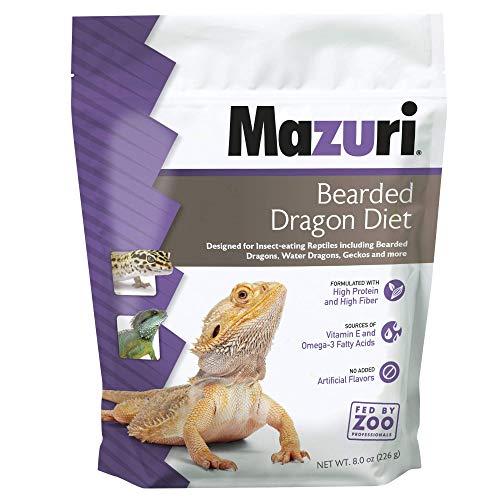
Great source of omega-3 fatty acids and Vitamin E.


