

Quick Answer
Salmonella and reptiles: hygiene rules for keepers center on one critical fact, most reptiles naturally carry Salmonella bacteria in their digestive tracts without showing symptoms, and proper handwashing after every interaction is the single most effective prevention method. Keeping reptiles out of food preparation areas, using dedicated cleaning supplies, and never bathing reptiles in kitchen or bathroom sinks dramatically reduces transmission risk. High-risk individuals including children under five, pregnant women, adults over 65, and immunocompromised people should avoid direct reptile contact entirely.

No Scent Reptile Spray: Simple to use, mist, spray, pour or saturate habitat, cage, enclosure & carrier with NoScent; Use to freshen substrate, sand, bedding, carpet, flooring, plants, decor & accessories:
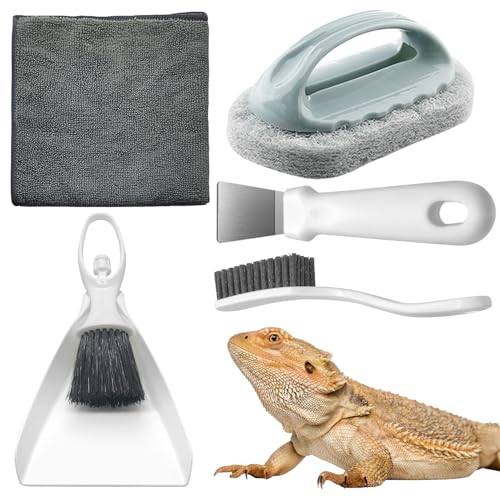
A Simple All-in-One Bearded Dragon Tank Cleaning Kit: Instead of gathering random tools, this bearded dragon tank accessories groups the basic tank cleaning tools used for routine and deep enclosure cleaning into one ready-to-use set for everyday reptile care

The information below is per-pack only
Key Takeaways
- Reptiles naturally carry Salmonella in their intestinal tracts and shed bacteria through feces without appearing sick
- Handwashing with soap for 20+ seconds after every reptile interaction is non-negotiable for preventing infection
- Children under five, pregnant women, and immunocompromised individuals should not handle reptiles or their equipment
- Kitchen and bathroom sinks must never be used for cleaning tanks, water dishes, or bathing reptiles
- Dedicated cleaning supplies (separate sponges, buckets, gloves) prevent cross-contamination with household items
- No reptile is Salmonella-free,captive-bred bearded dragons carry the bacteria just like wild-caught specimens
- Symptoms appear 6 hours to 6 days after exposure and include diarrhea, fever, and abdominal cramps
- Proper disinfectants (10% bleach solution or reptile-specific products) kill Salmonella on surfaces when used correctly
- Testing individual reptiles provides limited value since bacteria shedding is intermittent and unpredictable
- Environmental hygiene matters more than trying to eliminate bacteria from your reptile
How Do Reptiles Carry Salmonella?
Reptiles carry Salmonella bacteria as part of their normal gut flora, living in their intestinal tracts without causing illness to the animal. The bacteria colonize the digestive system naturally and are shed intermittently through feces, making every reptile a potential carrier regardless of health status or captive breeding.
Unlike mammals where Salmonella causes disease, reptiles have evolved alongside these bacteria for millions of years. Their digestive systems maintain the bacteria as harmless residents that don’t trigger immune responses or symptoms. This means your perfectly healthy bearded dragon can shed millions of Salmonella cells daily without showing any signs of illness.
Key transmission pathways include:
- Direct contact with reptile skin, scales, or mouth
- Touching contaminated surfaces inside enclosures
- Handling water dishes, decorations, or substrate
- Contact with feces during spot-cleaning
- Touching anything the reptile has walked across
The bacteria survive on dry surfaces for hours and in moist environments for days. A bearded dragon walking across your coffee table can deposit bacteria that remain infectious until properly disinfected. This environmental persistence makes hygiene protocols essential even when you’re not directly handling your pet.
Common mistake: Assuming visible cleanliness equals safety. A tank that looks spotless can harbor millions of bacteria in microscopic fecal particles. For comprehensive guidance on maintaining your reptile’s overall health, check out our reptile care guide.
Can You Get Salmonella from Touching a Bearded Dragon?
Yes, you can contract Salmonella simply by touching a bearded dragon, even briefly. The bacteria colonize reptile skin, especially around the vent area, and transfer to human hands through direct contact without requiring visible fecal contamination.
Studies tracking reptile-associated salmonellosis show that casual handling, petting, holding, or allowing a bearded dragon to climb on you, provides sufficient contact for bacterial transfer. The bacteria don’t need to be ingested directly; they transfer to hands and then reach the mouth through normal hand-to-face contact that happens unconsciously throughout the day.
Risk factors that increase transmission:
- Handling reptiles before meals
- Touching your face, mouth, or eyes after contact
- Allowing reptiles to roam on beds, couches, or dining tables
- Kissing or nuzzling reptiles (surprisingly common among devoted keepers)
- Handling food immediately after reptile interaction
Children face elevated risk because they touch their faces more frequently, studies suggest kids touch their faces 23 times per hour on average. This makes the window between reptile contact and potential ingestion extremely short.
Edge case: Even watching someone else handle a reptile can pose risk if you then touch surfaces the reptile contacted. Bacteria transfer through secondary contact with contaminated furniture, clothing, or other household items.
What Are the Symptoms of Salmonella from Pet Reptiles?
Salmonella symptoms from pet reptiles typically appear 6 hours to 6 days after exposure and include diarrhea (often bloody), fever between 100-102°F, abdominal cramps, nausea, vomiting, and headache. Most healthy adults recover within 4-7 days without treatment, but severe cases require hospitalization.
The infection manifests identically whether contracted from reptiles or contaminated food. Your body cannot distinguish the source, Salmonella bacteria trigger the same immune response regardless of origin. However, reptile-associated strains sometimes show different antibiotic resistance patterns compared to food-borne varieties.
Warning signs requiring immediate medical attention:
- Diarrhea lasting more than three days
- Fever above 102°F
- Bloody stools
- Signs of dehydration (decreased urination, dry mouth, dizziness)
- Severe abdominal pain
- Symptoms in high-risk individuals (infants, elderly, immunocompromised)
Approximately 5% of infected individuals develop bacteremia (bacteria in bloodstream), which can spread to other body sites including joints, heart valves, or brain lining. This complication occurs more frequently in people with weakened immune systems.
Vulnerable populations experience more severe outcomes:
- Infants under 12 months: Higher hospitalization rates and longer recovery
- Adults over 65: Increased risk of invasive infection
- Immunocompromised individuals: Potential for life-threatening complications
- Pregnant women: Risk of miscarriage or premature delivery
Most people never connect their illness to reptile exposure, especially if symptoms appear several days after handling. This delay makes reptile-associated salmonellosis significantly underreported in public health data.

How to Clean a Reptile Tank Without Getting Sick
Clean reptile tanks using dedicated supplies in outdoor spaces or utility sinks, never in kitchens or bathrooms, while wearing disposable gloves and following a specific disinfection protocol. Remove your bearded dragon first, dispose of substrate in sealed bags, scrub surfaces with reptile-safe disinfectant, rinse thoroughly, and wash hands immediately after removing gloves.
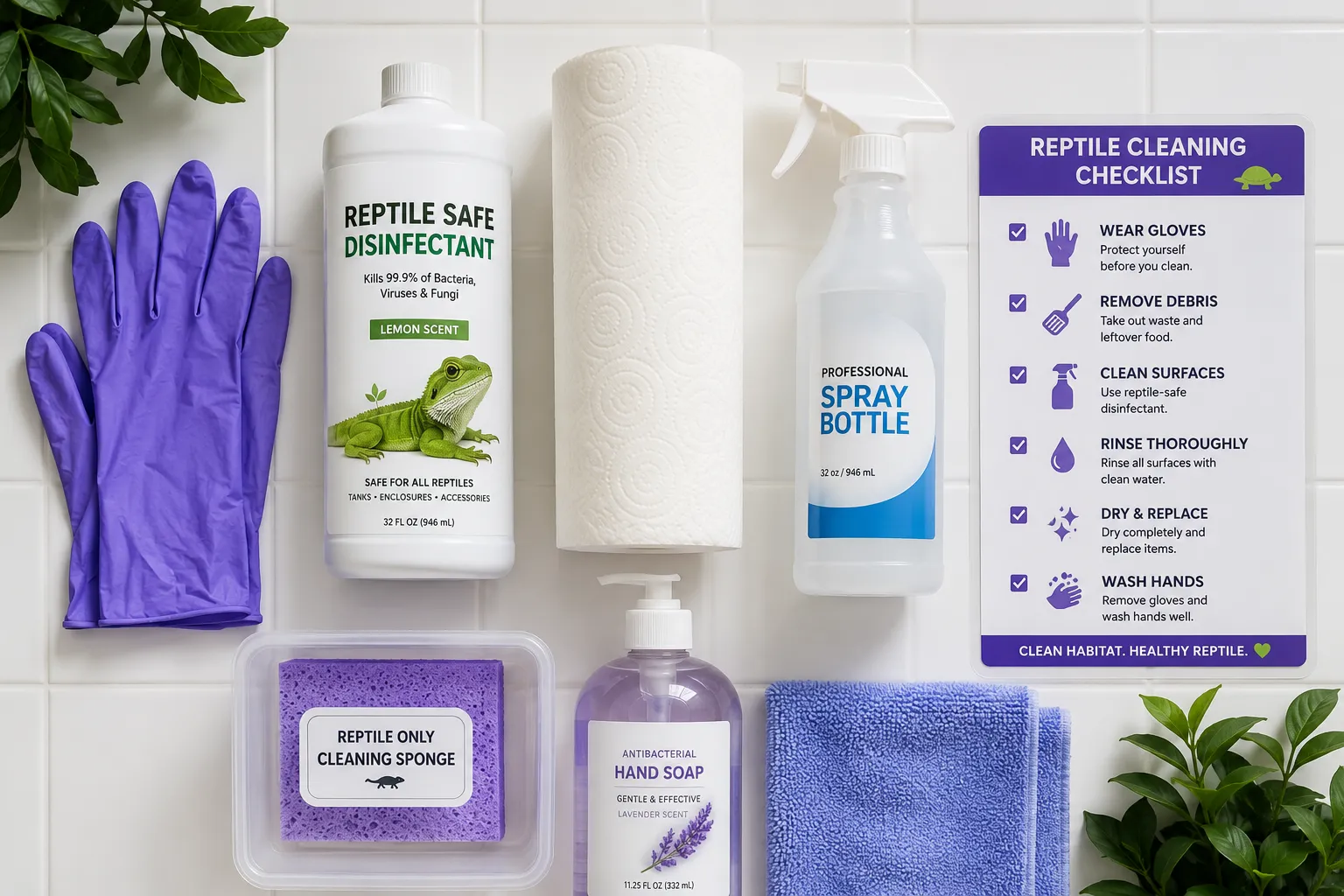
Step-by-step safe cleaning protocol:
- Prepare your workspace, Choose a bathtub designated for pet cleaning, outdoor area with hose access, or utility sink (never food-prep areas)
- Gear up, Put on disposable nitrile gloves and consider a dedicated cleaning apron
- Remove the reptile, Place your bearded dragon in a secure temporary enclosure
- Dispose of substrate, Bag all bedding material and seal before discarding
- Remove decorations and dishes, Take out all tank contents for separate cleaning
- Initial scrub, Use dedicated sponges or brushes (never used for household items) with hot water
- Apply disinfectant, Spray 10% bleach solution (1 part bleach to 9 parts water) or reptile-specific disinfectant on all surfaces
- Contact time matters, Let disinfectant sit for 10 minutes minimum to kill bacteria
- Rinse thoroughly, Remove all chemical residue with multiple rinses
- Air dry completely, Allow tank to dry fully before adding new substrate
Disinfectant options ranked by effectiveness:
- 10% bleach solution: Most effective and economical, requires thorough rinsing
- F10SC veterinary disinfectant: Reptile-safe, no rinse required at proper dilution
- Chlorhexidine solution: Effective but requires specific concentration (0.05%)
- Quaternary ammonium compounds: Moderate effectiveness, some reptile-safe formulations available
Critical mistake: Using the same sponge for tank cleaning and household dishes. This cross-contamination pathway directly introduces Salmonella into food preparation areas. Designate specific cleaning tools with colored tape or labels and store them separately from household supplies.
For more information on creating a safe environment for your pet, visit our guide on reptile enclosures.
Do All Reptiles Have Salmonella Bacteria?
All reptile species can carry Salmonella bacteria regardless of whether they’re captive-bred, wild-caught, or appear perfectly healthy. Studies examining reptile populations consistently find 70-90% of individuals test positive for Salmonella at any given time, with the remaining percentage likely carrying bacteria that weren’t detected due to intermittent shedding patterns.
The bacteria colonize reptiles naturally across all species, bearded dragons, leopard geckos, ball pythons, turtles, and iguanas all harbor Salmonella in their digestive tracts. Captive breeding doesn’t eliminate the bacteria because hatchlings acquire it from their environment shortly after birth, even in sterile facilities.
Why no reptile is Salmonella-free:
- Bacteria colonize from environmental sources immediately after hatching
- Vertical transmission can occur from parent to egg
- Sterile-raised reptiles become colonized upon first environmental exposure
- The bacteria provide possible (though unproven) digestive benefits to reptiles
- Elimination attempts through antibiotics fail as recolonization occurs rapidly
Species-specific considerations:
- Aquatic turtles: Historically highest transmission rates, especially to children
- Bearded dragons: Moderate shedding levels, popular pet status increases exposure incidents
- Snakes: Lower handling frequency reduces transmission opportunities despite similar carriage rates
- Iguanas: Large size and roaming behavior increase environmental contamination
Some keepers believe purchasing from reputable breeders guarantees Salmonella-free animals. This misconception creates false security and relaxed hygiene practices. Even the most pristine breeding facilities cannot produce bacteria-free reptiles because colonization is a natural, inevitable process.
Testing limitation: A negative Salmonella test means only that bacteria weren’t detected in that specific sample at that moment. The same reptile may test positive the following week due to intermittent shedding patterns.
Are Reptiles That Don’t Carry Salmonella Available?
No reptiles are naturally Salmonella-free, and no breeding programs have successfully produced consistently bacteria-free lines. Any claim that specific reptiles, breeding operations, or species don’t carry Salmonella represents either misinformation or misunderstanding of reptile microbiology.
The biological reality is straightforward: Salmonella bacteria are ubiquitous in reptile environments, and all reptiles become colonized through environmental exposure, food sources, or contact with other animals. Even reptiles raised in laboratory conditions with strict biosecurity protocols become colonized once introduced to normal environments.
Why “Salmonella-free” claims are impossible:
- Bacteria exist in virtually all environments where reptiles live
- Sterilization of the reptile’s gut flora would harm digestive function
- Recolonization occurs within days of environmental exposure
- No regulatory body certifies reptiles as Salmonella-free
- Testing provides only a snapshot, not ongoing status
Some pet stores or breeders may advertise “tested negative” or “Salmonella-free” animals. These claims reflect either a single negative test result (which doesn’t guarantee future status) or deliberate misrepresentation. Responsible breeders acknowledge that all reptiles carry potential Salmonella risk and emphasize proper hygiene instead of making false safety claims.
Choose reptiles based on:
- Breeder reputation for healthy animals and honest communication
- Species temperament and care requirements matching your experience
- Your household’s risk tolerance (presence of vulnerable individuals)
- Your commitment to consistent hygiene protocols
The focus should shift from seeking impossible bacteria-free reptiles to implementing reliable hygiene practices that make reptile keeping safe for all household members. Understanding proper reptile health management helps keepers maintain both their pets and their families safely.
Is It Safe to Keep Reptiles Around Kids and Babies?
Reptiles should not be kept in households with children under five years old, and babies should never have direct or indirect contact with reptiles or their equipment. The Centers for Disease Control and Prevention explicitly recommends against reptile ownership in homes with young children due to their elevated risk of severe Salmonella infection and inability to follow hygiene protocols.
Young children face multiple risk factors that make reptile exposure particularly dangerous. Their immune systems are still developing, they touch their faces and mouths constantly, they cannot reliably wash hands properly, and they’re more likely to experience severe complications from Salmonella infection including meningitis and sepsis.
Age-based risk assessment:
- Under 1 year: Highest risk; even indirect exposure (touching surfaces reptiles contacted) poses danger
- Ages 1-5: Very high risk; cannot understand or follow hygiene rules consistently
- Ages 5-10: Moderate risk; can learn protocols but require constant supervision
- Ages 10+: Lower risk if properly educated and supervised until habits are established
Household safety rules when children are present:
- Reptiles and all equipment stay in designated rooms children cannot access
- Adults wash hands before touching children after any reptile interaction
- No reptile roaming outside enclosures
- Children never participate in feeding, cleaning, or handling
- Separate clothing for reptile care that’s removed before child contact
Common scenario that creates risk: An older sibling handles the family bearded dragon, then plays with a toddler without washing hands. The bacteria transfer to toys, furniture, and eventually the younger child’s mouth. This indirect transmission pathway accounts for many pediatric Salmonella cases.
Edge case: Pregnant women should also avoid reptile contact. Salmonella infection during pregnancy can cause miscarriage, premature delivery, or transmission to the newborn. If reptiles are already in the household, another family member should assume all care responsibilities during pregnancy and early infancy.
Families with young children who already own reptiles face difficult decisions. Rehoming the animal to a suitable adult-only household may be the safest option. If rehoming isn’t possible, strict isolation protocols and having only adults handle all reptile-related tasks becomes essential.
Should Reptiles Be Kept Out of Kitchen and Bathroom?
Reptiles must never enter kitchens or food preparation areas, and bathroom sinks should never be used for cleaning reptile equipment or bathing animals. These spaces harbor the highest risk for Salmonella transmission to humans through contamination of food contact surfaces and personal hygiene areas.
Kitchen contamination creates direct pathways for bacteria to reach human mouths through food. A bearded dragon walking across a counter deposits bacteria that survive for hours on surfaces. Even thorough cleaning may not eliminate all bacteria from porous surfaces, cutting boards, or hard-to-reach areas around appliances.
Prohibited activities in kitchens:
- Allowing reptiles to roam on counters, tables, or floors
- Washing water dishes or food bowls in kitchen sinks
- Preparing reptile food using cutting boards or utensils used for human food
- Storing reptile supplies in kitchen cabinets or pantries
- Cleaning enclosure decorations or equipment anywhere near food prep areas
Bathroom sink risks:
Bathroom sinks seem like logical places for cleaning small items or bathing reptiles, but they create contamination in spaces used for personal hygiene. Toothbrushes, hand towels, soap dispensers, and other items near sinks become contaminated when bacteria aerosolize during rinsing or splashing.
Safe alternatives for reptile bathing and equipment cleaning:
- Dedicated utility sink in laundry room or basement
- Outdoor areas with hose access during warm weather
- Large plastic tubs used exclusively for reptile care, cleaned outside
- Bathtub designated for pet use (not the primary family bathroom if possible)
Proper kitchen hygiene if reptiles are in the home:
- Establish a “no reptile zone” that includes the entire kitchen
- Wash hands before entering kitchen after any reptile contact
- Store all reptile supplies in separate areas (garage, spare room, basement)
- Use dedicated cutting boards and utensils for preparing reptile food
- Never place reptile food containers on kitchen counters
Real-world mistake: Rinsing a bearded dragon’s water bowl “quickly” in the kitchen sink before refilling it. This 30-second action can contaminate the sink basin, faucet handles, surrounding counters, and dish drying rack with bacteria that persist until properly disinfected.
The inconvenience of using separate spaces for reptile care is minor compared to the risk of foodborne Salmonella infection. Establishing clear boundaries between reptile areas and human food/hygiene spaces forms a cornerstone of safe reptile keeping. Learn more about proper reptile husbandry practices to maintain a healthy environment.

PACKAGE INCLUDE:1pcs stainless steel tweezer, 1pcs mini dustpan and brush and 1Pcs scooper feeding tool.

🌈 【Reptile Sand Scoop & Sifter】: This reptile sand scoop works as a reptile sand sifter and reptile litter scoop, allowing clean sand to fall through while separating waste. Ideal as a bearded dragon sand scoop and for leopard gecko sand substrate tanks.

Gentle Safe Formula for Reptile Skin: these reptile cleaning wipes adopt exclusive mild formula for reptile care; The neutral PH formula protects sensitive skin and respiratory tracts, suitable for tortoises, lizards, snakes and geckos
What’s the Best Disinfectant for Reptile Enclosures to Kill Salmonella?
A 10% bleach solution (1 part household bleach to 9 parts water) effectively kills Salmonella on reptile enclosure surfaces when applied for 10 minutes contact time and rinsed thoroughly. Alternatively, F10SC veterinary disinfectant and chlorhexidine solutions provide reptile-safe options that require less rinsing while maintaining effectiveness against Salmonella bacteria.
The key to disinfectant effectiveness isn’t just the chemical chosen but proper application technique. Salmonella bacteria hide in organic matter, crevices, and porous materials where disinfectants cannot reach without prior cleaning. A two-step process, physical cleaning followed by chemical disinfection, provides the most reliable bacterial elimination.
Disinfectant comparison for reptile enclosures:
| Disinfectant | Effectiveness | Contact Time | Rinse Required | Cost | Reptile Safety |
|---|---|---|---|---|---|
| 10% Bleach Solution | Excellent | 10 minutes | Thorough | Very Low | Safe after complete rinsing |
| F10SC Veterinary | Excellent | 10 minutes | Minimal at proper dilution | Moderate | Specifically formulated for reptiles |
| Chlorhexidine 0.05% | Good | 10 minutes | Thorough | Moderate | Safe after rinsing |
| Quaternary Ammonium | Moderate | 10 minutes | Moderate | Low | Variable by formulation |
| Vinegar | Poor | N/A | No | Very Low | Not effective against Salmonella |
Proper disinfection protocol:
- Remove all organic matter first, Scrub surfaces with hot water and dedicated brushes to remove feces, shed skin, and food debris
- Apply disinfectant generously, Spray or wipe solution on all surfaces until visibly wet
- Respect contact time, Let disinfectant remain wet on surfaces for full 10 minutes (reapply if drying occurs)
- Rinse thoroughly, Use clean water to remove all chemical residue (critical for bleach solutions)
- Air dry completely, Allow surfaces to dry fully before reintroducing reptile or adding substrate
Common disinfection mistakes:
- Spraying disinfectant on dirty surfaces without prior cleaning (organic matter shields bacteria)
- Wiping disinfectant off immediately without allowing contact time
- Using expired bleach (loses effectiveness after 6 months)
- Insufficient rinsing leaving chemical residue that irritates reptiles
- Assuming “natural” products like vinegar kill Salmonella (they don’t)
Product-specific guidance:
Bleach solution: Mix fresh daily as effectiveness degrades. Never mix with other cleaning products. Ensure complete rinsing as residue causes respiratory irritation in reptiles.
F10SC: Dilute according to manufacturer instructions (typically 1:250 for routine cleaning). More expensive but requires minimal rinsing and is specifically tested for reptile safety.
Chlorhexidine: Purchase veterinary-grade solutions and dilute to 0.05% concentration. Effective but requires thorough rinsing similar to bleach.
What doesn’t work: Essential oils, vinegar, steam cleaning alone, and “natural” enzyme cleaners do not reliably kill Salmonella. While these products may reduce bacterial counts, they don’t provide the elimination necessary for safe reptile keeping.
For substrate that cannot be disinfected (sand, soil, wood chips), complete replacement during deep cleaning is the only option. Porous decorations like wood or unsealed ceramic may harbor bacteria in microscopic crevices that disinfectants cannot reach, consider replacing these items periodically.
Can You Test Your Reptile for Salmonella?
You can test individual reptiles for Salmonella through fecal cultures performed by veterinary laboratories, but results provide limited practical value because bacteria shedding is intermittent and a negative test doesn’t guarantee your reptile is bacteria-free. Testing costs $50-150 per sample and requires multiple samples over time to approach accuracy, making routine testing impractical for most keepers.
Veterinary laboratories culture fecal samples on selective media that encourage Salmonella growth while inhibiting other bacteria. The process takes 3-7 days and identifies whether Salmonella is present in that specific sample. However, reptiles shed bacteria inconsistently, a reptile testing negative today may test positive next week, and vice versa.
Why routine Salmonella testing isn’t recommended:
- Intermittent shedding creates false-negative results
- Negative tests provide false security that may relax hygiene practices
- Multiple tests required for reasonable accuracy (expensive and stressful for reptile)
- Results don’t change care recommendations (hygiene protocols remain identical)
- No treatment exists to permanently eliminate bacteria from healthy reptiles
When testing might be considered:
- Research studies tracking bacterial strains
- Breeding operations documenting health status
- Investigation of human illness potentially linked to specific reptile
- Veterinary diagnosis when reptile shows signs of illness (rare)
Testing limitations in practice:
A study examining Salmonella shedding in captive reptiles found that individual animals tested positive in only 30-60% of samples collected over six months, despite being confirmed carriers. This intermittent pattern means a single negative test has minimal predictive value for future shedding status.
Better investment than testing: Spend resources on proper hygiene supplies (dedicated cleaning equipment, appropriate disinfectants, disposable gloves) rather than repeated testing that doesn’t change your approach to safe reptile keeping.
Edge case: If a household member develops Salmonella infection and reptile exposure is suspected, public health authorities may request testing to identify the bacterial strain and confirm the source. This epidemiological testing serves public health tracking rather than individual pet management.
The bottom line: Assume all reptiles carry Salmonella and maintain consistent hygiene protocols regardless of testing status. This approach provides better protection than relying on test results that offer incomplete information. Focus instead on comprehensive reptile care practices that prioritize both animal and human health.
Is Washing Hands After Handling Reptiles Enough to Prevent Salmonella?
Washing hands with soap and water for at least 20 seconds after every reptile interaction is the single most effective prevention method, but it must be combined with environmental hygiene practices to provide complete protection. Hand hygiene alone doesn’t address bacteria deposited on furniture, clothing, or household surfaces that create secondary transmission pathways.
Proper handwashing removes 99% of bacteria from skin surfaces when performed correctly. The mechanical action of scrubbing combined with soap’s chemical properties disrupts bacterial cell membranes and washes organisms down the drain. However, effectiveness depends entirely on technique, quick rinses or inadequate scrubbing leave bacteria on hands.
Proper handwashing technique:
- Wet hands with clean running water (warm or cold)
- Apply soap and lather thoroughly
- Scrub all surfaces including backs of hands, between fingers, under nails for 20+ seconds
- Rinse completely under running water
- Dry with clean towel or air dry (avoid shared towels immediately after reptile contact)
When handwashing is required:
- Immediately after touching reptile
- After handling any tank equipment, decorations, or substrate
- After cleaning enclosures
- Before eating, drinking, or preparing food
- Before touching your face
- After removing gloves used during reptile care
Hand sanitizer limitations:
Alcohol-based hand sanitizers reduce bacterial counts but don’t eliminate Salmonella as effectively as soap and water. Sanitizers also don’t remove organic matter (feces, substrate particles) that may harbor bacteria. Use sanitizers only when soap and water are unavailable, then wash hands properly at the first opportunity.
Beyond handwashing, essential complementary practices:
- Change clothing after extensive reptile handling (especially before food preparation)
- Disinfect surfaces reptiles contacted
- Keep reptiles confined to designated areas
- Use dedicated equipment that never enters food prep or personal hygiene spaces
- Supervise children’s handwashing to ensure proper technique
Common handwashing mistakes:
- Washing for less than 20 seconds (most people wash for only 6-8 seconds)
- Missing areas between fingers and under nails where bacteria concentrate
- Using shared hand towels that spread bacteria to other family members
- Touching faucet handles with clean hands (contaminating them again)
- Assuming hand sanitizer provides equivalent protection
Real-world scenario: You handle your bearded dragon for 10 minutes, wash hands properly, then sit on the couch where the dragon walked earlier. Bacteria transfer from couch to your clothing, then to your hands when you adjust your position. Later, you eat a snack without rewashing hands. This secondary transmission pathway bypasses your initial handwashing.
Complete protection requires: Handwashing PLUS environmental hygiene PLUS spatial separation PLUS awareness of secondary contact pathways. No single practice provides complete protection, effective Salmonella prevention requires a comprehensive approach integrating multiple strategies.
What Common Mistakes Do Reptile Owners Make with Hygiene?
The most common hygiene mistake reptile owners make is allowing their pets to roam freely on furniture, beds, and household surfaces without subsequent disinfection, creating widespread bacterial contamination in living spaces. Other frequent errors include using kitchen sinks for equipment cleaning, inadequate handwashing, and assuming captive-bred reptiles are safer than wild-caught specimens.
These mistakes stem from underestimating how easily Salmonella spreads and overestimating the effectiveness of casual cleaning. Many keepers develop emotional bonds with reptiles that lead to treating them like cats or dogs, animals with different bacterial profiles and lower Salmonella transmission risk.
Top hygiene mistakes ranked by risk:
- Free-roaming reptiles, Allowing bearded dragons to walk on couches, beds, tables, or floors without immediate disinfection
- Kitchen contamination, Washing water bowls, food dishes, or decorations in kitchen sinks
- Inadequate handwashing, Quick rinses instead of 20+ second scrubbing with soap
- Shared cleaning supplies, Using the same sponges, towels, or buckets for reptile care and household cleaning
- Kissing or nuzzling reptiles, Direct face-to-reptile contact that bypasses hand hygiene
- Bathing reptiles in family bathrooms, Contaminating personal hygiene spaces
- Ignoring secondary contact, Touching contaminated surfaces without recognizing transmission risk
- Relaxed protocols for “healthy” reptiles, Assuming visible health means lower bacterial shedding
- Children handling without supervision, Allowing kids to interact with reptiles without ensuring proper handwashing
- Food preparation after reptile contact, Entering kitchens without handwashing or clothing changes
Why these mistakes persist:
Many keepers never experience Salmonella infection despite risky practices, creating false confidence. Bacterial transmission is probabilistic, each exposure carries risk, but infection doesn’t occur every time. This intermittent reinforcement pattern makes dangerous behaviors seem safe until someone gets sick.
Psychological factors:
- Emotional attachment, Viewing reptiles as family members rather than bacteria carriers
- Optimism bias, “It won’t happen to me” thinking
- Convenience over safety, Choosing easier but riskier practices
- Incomplete information, Not understanding bacterial persistence on surfaces
- Normalization, Seeing other keepers engage in risky behavior without apparent consequences
Course correction strategies:
- Establish written protocols and post them near reptile enclosures
- Create physical barriers (baby gates, closed doors) preventing reptile access to certain rooms
- Designate specific “reptile clothing” worn only during animal care
- Set up handwashing stations with timers near reptile areas
- Educate all household members about transmission pathways
- Regular self-audits asking “Would I do this with raw chicken?” (similar bacterial risk)
The raw chicken comparison: Treat reptile contact like handling raw poultry, you wouldn’t let raw chicken touch your couch, wash it in your kitchen sink, or skip handwashing afterward. Applying the same mental framework to reptile interactions helps maintain appropriate caution.
Understanding proper reptile safety practices helps keepers avoid these common pitfalls while still enjoying their pets.
Can Salmonella from Reptiles Spread to Other Pets?
Salmonella from reptiles can spread to other household pets including dogs, cats, and birds through environmental contamination, shared spaces, or direct contact, though transmission risk and disease severity vary by species. Dogs and cats typically show mild or no symptoms despite infection, while birds are highly susceptible to severe Salmonella disease.
Pets explore environments with their mouths, walk through contaminated areas, and groom themselves, all behaviors that facilitate bacterial transmission. A dog licking a surface where a bearded dragon walked can ingest Salmonella bacteria, potentially becoming infected or serving as a mechanical vector that spreads bacteria to other household areas.
Species-specific risks:
Dogs: Can contract Salmonella and may develop gastroenteritis with diarrhea and vomiting, though many remain asymptomatic carriers. Dogs that investigate reptile enclosures, lick reptiles, or access areas where reptiles roam face highest risk.
Cats: Similar to dogs, cats can become infected but often show minimal symptoms. Their grooming behavior spreads bacteria from contaminated paws to fur, creating additional transmission pathways to humans who pet them.
Birds: Highly susceptible to severe Salmonella infection (avian salmonellosis) that can be fatal. Birds should never have access to areas where reptiles are kept or where reptile equipment is cleaned.
Small mammals (rabbits, guinea pigs, hamsters): Can contract Salmonella with variable symptoms. Shared living spaces or equipment creates cross-contamination risk.
Prevention strategies for multi-pet households:
- Keep reptiles in separate rooms with closed doors
- Never allow other pets to access reptile enclosures
- Clean reptile equipment in areas other pets cannot access
- Wash hands after reptile contact before touching other pets
- Monitor other pets for signs of gastrointestinal illness
- Maintain separate food and water bowls (never share between species)
Common scenario: A bearded dragon’s enclosure sits on a stand in the living room. The family dog sniffs around the base where substrate particles have fallen, then licks the floor. Later, the dog licks a child’s face, creating a transmission chain from reptile to dog to human without anyone directly handling the reptile.
Veterinary considerations: If other pets develop unexplained diarrhea or vomiting in reptile-keeping households, inform your veterinarian about reptile presence. Salmonella testing may be warranted to identify the infection source and guide treatment.
Edge case: Outdoor cats that hunt lizards or snakes face Salmonella exposure from wild reptiles, independent of household pets. This natural exposure route means some cats carry Salmonella regardless of whether you keep reptiles.
The safest approach treats reptile areas as contaminated zones that other pets should never access. Physical separation combined with hygiene protocols protects all household animals while allowing safe multi-species pet keeping.
Who Should Not Own Reptiles Due to Salmonella Risk?
People who should not own reptiles due to Salmonella risk include children under five years old, pregnant women, adults over 65, and anyone with compromised immune systems from HIV/AIDS, cancer treatment, organ transplants, diabetes, or immunosuppressive medications. These high-risk groups face elevated infection rates and severe complications that can be life-threatening.
The decision to keep reptiles requires honest assessment of household composition and individual health status. While proper hygiene reduces risk, it cannot eliminate it entirely, some baseline risk remains regardless of precautions. For vulnerable individuals, this residual risk outweighs the benefits of reptile ownership.
High-risk groups and specific concerns:
Infants and young children (under 5):
- Developing immune systems cannot fight infections effectively
- Cannot understand or follow hygiene protocols
- Frequent hand-to-mouth behavior increases exposure
- Higher rates of severe complications including meningitis
- CDC explicitly recommends against reptile ownership in these households
Pregnant women:
- Salmonella infection can cause miscarriage or premature delivery
- Bacteria can transmit to fetus causing neonatal infection
- Pregnancy naturally suppresses certain immune functions
- Risk extends through breastfeeding period
Older adults (65+):
- Age-related immune decline increases infection susceptibility
- Higher rates of hospitalization and invasive disease
- Slower recovery times
- Greater risk of complications in those with underlying conditions
Immunocompromised individuals:
- HIV/AIDS patients with low CD4 counts face severe, persistent infections
- Cancer patients undergoing chemotherapy have suppressed immune function
- Organ transplant recipients taking immunosuppressive drugs cannot fight infections
- Autoimmune disease patients on biologics or steroids have reduced immunity
- Diabetes patients with poor glucose control have impaired immune response
Household decision-making:
If any high-risk individual lives in or regularly visits your home, reptile ownership requires careful consideration. Even if the vulnerable person never directly handles the reptile, environmental contamination creates exposure risk through shared living spaces.
Alternative options for high-risk households:
- Wait until children reach age 5+ before acquiring reptiles
- Postpone reptile ownership until after pregnancy and infancy
- Choose different pet species with lower disease transmission risk
- Enjoy reptiles through educational programs, zoos, or friends’ pets without home ownership
- Consider fish or other aquatic animals (though aquarium water still requires hygiene precautions)
When reptiles are already in the home:
If life circumstances change (pregnancy, new diagnosis, grandchild moving in), responsible options include:
- Rehoming reptile to appropriate adult-only household
- Strict isolation with only healthy adults handling all care
- Complete spatial separation preventing vulnerable individuals from accessing reptile areas
- Enhanced hygiene protocols with written procedures
Healthcare provider consultation: Immunocompromised individuals considering reptile ownership should discuss risks with their physicians. Medical teams can provide personalized risk assessment based on specific conditions and treatment regimens.
The emotional difficulty of these decisions doesn’t change the medical reality, some people face unacceptable risk from reptile ownership. Prioritizing human health, especially for vulnerable individuals, sometimes means choosing not to keep reptiles or finding new homes for existing pets. For those who can safely keep reptiles, understanding comprehensive pet reptile care ensures both animal and human wellbeing.
Frequently Asked Questions
How long does Salmonella survive on surfaces after reptile contact?
Salmonella bacteria survive 2-4 hours on dry surfaces and up to several days in moist environments. Porous materials like fabric or wood harbor bacteria longer than smooth surfaces like glass or metal. Proper disinfection eliminates bacteria regardless of survival time.
Can you get Salmonella from reptile enclosure decorations?
Yes, decorations including rocks, branches, hides, and artificial plants harbor Salmonella bacteria from fecal contamination and should be handled with the same hygiene precautions as the reptile itself. Disinfect decorations during regular tank cleaning using appropriate solutions.
Do bearded dragons carry more Salmonella than other reptiles?
Bearded dragons carry similar Salmonella levels as other reptile species, but their popularity as pets and frequent handling increases human exposure opportunities. No evidence suggests bearded dragons are higher-risk carriers than other commonly kept reptiles.
Should I wear gloves every time I handle my bearded dragon?
Gloves are optional for routine handling if you wash hands immediately afterward, but they’re recommended for tank cleaning, fecal removal, and handling by individuals with cuts or skin conditions. Gloves don’t replace handwashing, wash hands after removing gloves.
Can Salmonella from reptiles become resistant to antibiotics?
Yes, some reptile-associated Salmonella strains show antibiotic resistance, making infections harder to treat. This resistance develops through environmental antibiotic exposure and emphasizes the importance of prevention over treatment.
How often should I deep clean my bearded dragon’s enclosure?
Perform spot-cleaning daily to remove feces and uneaten food, and complete deep cleaning with full disinfection monthly or when substrate becomes soiled. More frequent cleaning may be needed for hatchlings or during illness.
Is it safe to keep reptiles in a child’s bedroom?
No, reptiles should not be kept in children’s bedrooms due to overnight exposure to bacteria shed into the environment and inability to maintain proper hygiene protocols during nighttime hours. Keep reptiles in common areas or adult-only spaces.
Can I get Salmonella from my bearded dragon’s food?
Yes, live insects and fresh produce prepared for reptiles can carry Salmonella. Use dedicated cutting boards and utensils for reptile food preparation, store reptile food separately from human food, and wash hands after handling any reptile food items.
What should I do if I get Salmonella from my reptile?
Seek medical attention if you develop symptoms including diarrhea, fever, or abdominal cramps. Inform your healthcare provider about reptile exposure. Most cases resolve without treatment, but severe infections require antibiotics and hospitalization.
Can I eliminate Salmonella from my bearded dragon with antibiotics?
No, antibiotic treatment doesn’t permanently eliminate Salmonella from healthy reptiles because recolonization occurs rapidly from environmental sources. Antibiotics are inappropriate for asymptomatic carriers and contribute to antibiotic resistance.
Are there vaccines to prevent Salmonella from reptiles?
No vaccines currently exist to prevent Salmonella infection in humans from reptile exposure. Prevention relies entirely on hygiene practices and appropriate risk assessment for vulnerable individuals.
Should I quarantine new reptiles to prevent Salmonella spread?
Quarantine new reptiles for 30-60 days to monitor for illness and parasites, but this doesn’t prevent Salmonella transmission since all reptiles carry bacteria. Quarantine protects animal health but doesn’t change human hygiene requirements.
Conclusion
Salmonella and reptiles: hygiene rules for keepers boil down to accepting that all reptiles naturally carry bacteria and implementing consistent protocols that prevent transmission to humans. The foundation of safe reptile keeping rests on three pillars: thorough handwashing after every interaction, strict spatial separation keeping reptiles away from food preparation and personal hygiene areas, and honest assessment of household risk factors.
Bearded dragon enthusiasts can enjoy their pets safely by treating reptile contact with the same caution applied to handling raw meat, assume contamination, prevent cross-contamination, and clean thoroughly. The inconvenience of walking to a utility sink instead of using the kitchen, or changing clothes after extended handling sessions, pales in comparison to the risk of serious illness in vulnerable family members.
Your action plan for safe reptile keeping:
- Audit your current practices against the guidelines in this article and identify gaps
- Establish dedicated spaces for reptile care that never overlap with food or personal hygiene areas
- Purchase proper supplies including disposable gloves, appropriate disinfectants, and separate cleaning equipment
- Create written protocols and post them where household members can reference them
- Educate everyone in your household about transmission pathways and proper hygiene
- Reassess regularly as household composition changes (new babies, elderly relatives moving in, medical diagnoses)
The goal isn’t to eliminate all risk, that’s impossible with reptile ownership, but to reduce risk to acceptable levels through informed, consistent practices. Thousands of people keep bearded dragons safely by respecting the bacteria these animals naturally carry and implementing appropriate precautions.
Your bearded dragon doesn’t need to be Salmonella-free to be a wonderful pet. You simply need to be hygiene-conscious to be a responsible keeper. The relationship between reptile enthusiasts and their pets thrives when built on realistic understanding of risks and commitment to practices that protect both animal and human health.
For more comprehensive information on maintaining your bearded dragon’s health and wellbeing, explore our reptile care guide and reptile health resources.

Reliable materials: designed with gentle materials to provide cleaning experience for your aquatic pets,turtle scrub brushes for pets,turtle scrubbers

Multi-Use Habitat Maintenance Bundle: The reptile tank cleaner provides a mini dustpan and brush combo with a no-lost-pieces design, perfect for routine terrarium upkeep. This multi-function cleaning set works as a practical terrarium toolkit to handle daily debris and loose bedding


