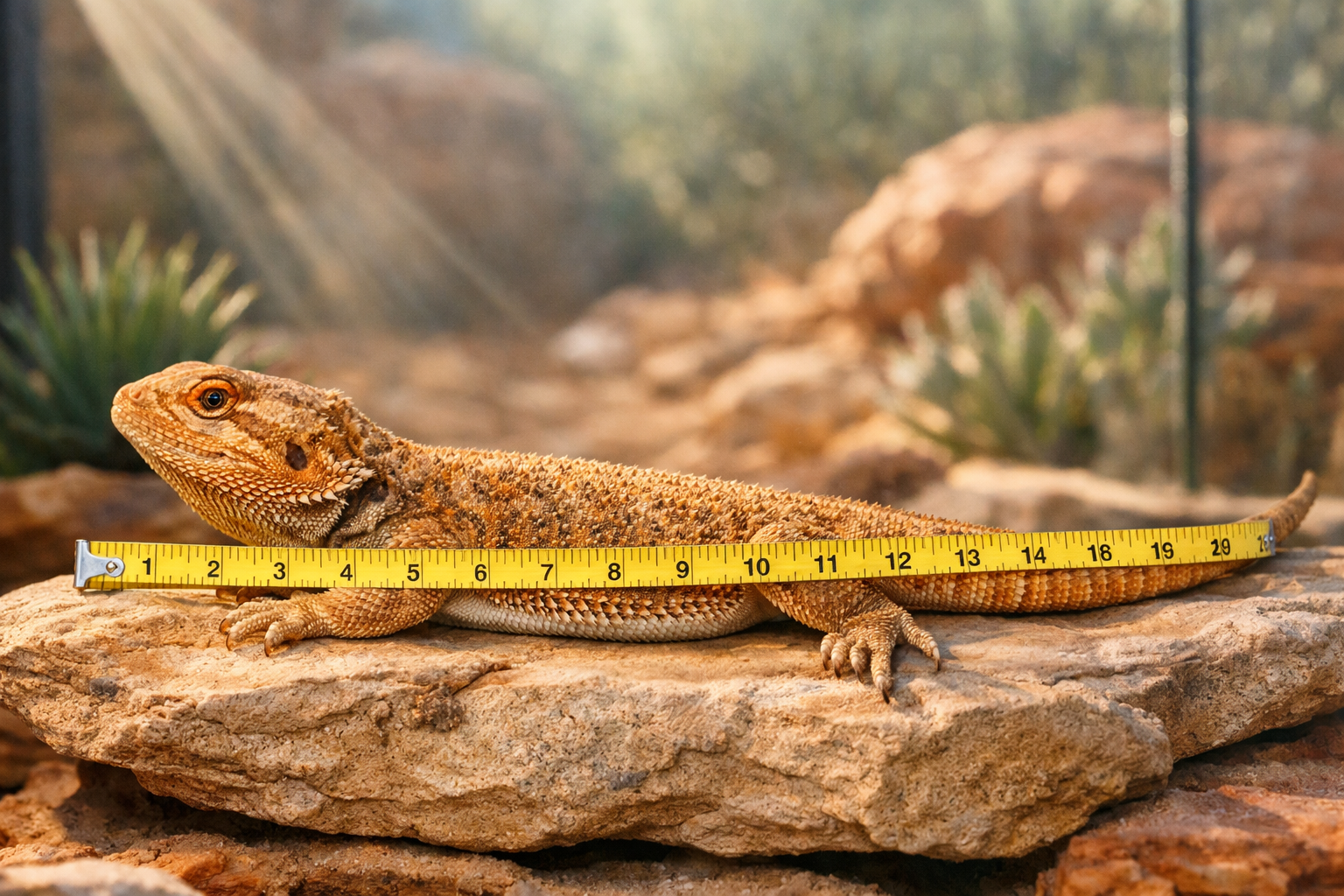
Quick Answer: Adult bearded dragons typically reach 16 to 24 inches in total length from nose to tail tip, with males usually growing slightly larger than females. Most bearded dragons achieve their full size between 12 to 18 months of age, though some continue filling out until they’re about two years old.
Key Takeaways
- Average adult size: 16-24 inches in total length, with 8-12 inches being body length (snout to vent)
- Males vs. females: Males typically grow 2-4 inches longer than females and have broader heads
- Growth timeline: Most reach full size by 12-18 months, with some growing until 24 months
- Species variation: Central bearded dragons are the largest pet species; dwarf varieties stay under 12 inches
- Tank requirements: Full-grown adults need a minimum 120-gallon (4 feet long) enclosure
- Growth factors: Diet quality, UVB lighting, temperature, genetics, and health all affect final size
- Weight range: Healthy adults typically weigh 350-600 grams, depending on sex and body type
- Measurement method: Always measure from the tip of the nose to the end of the tail in a straight line
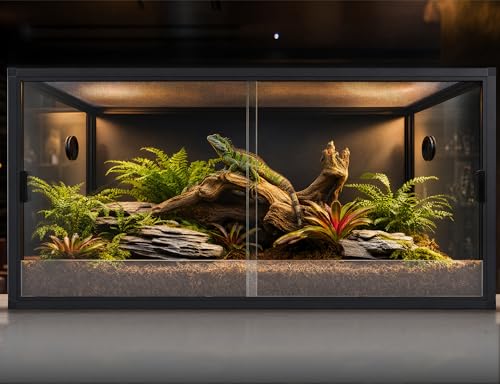
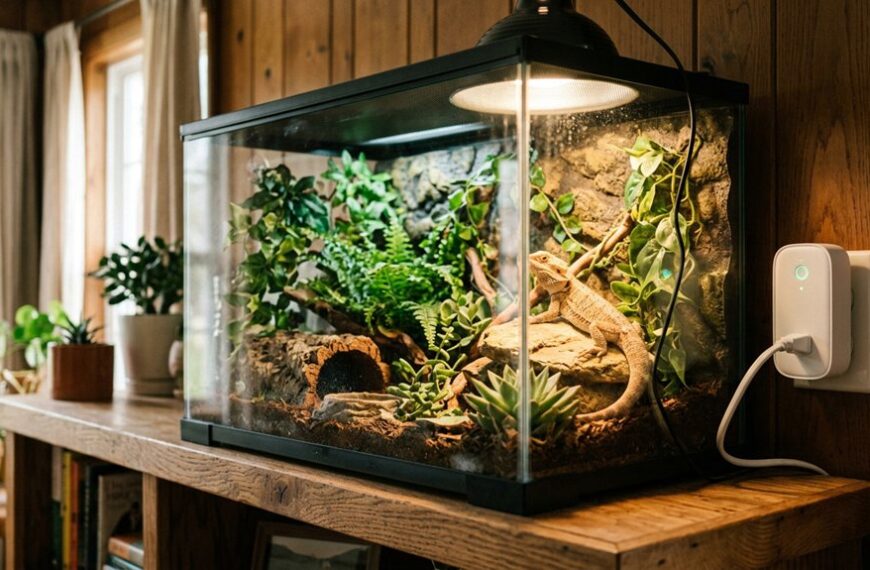
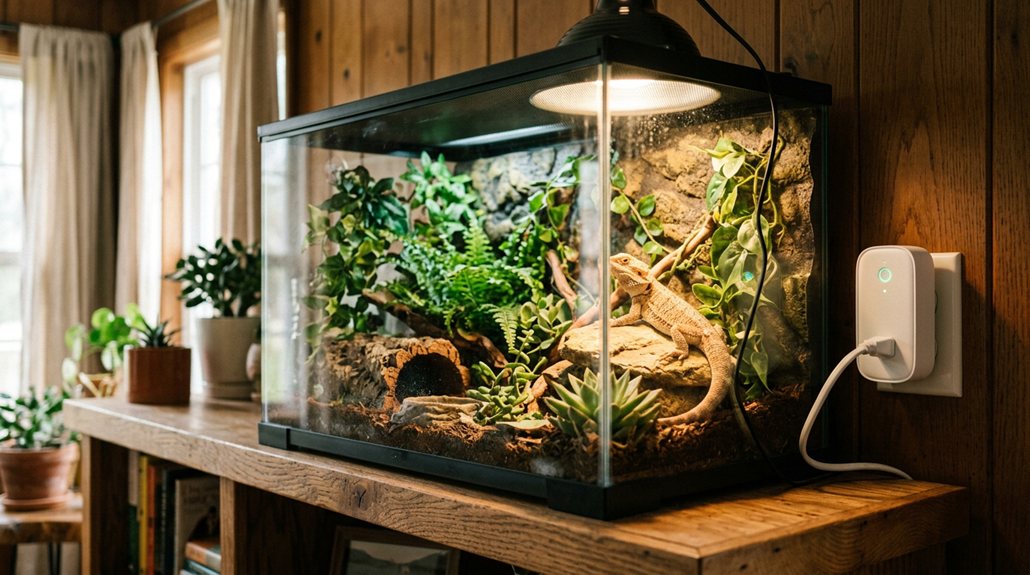
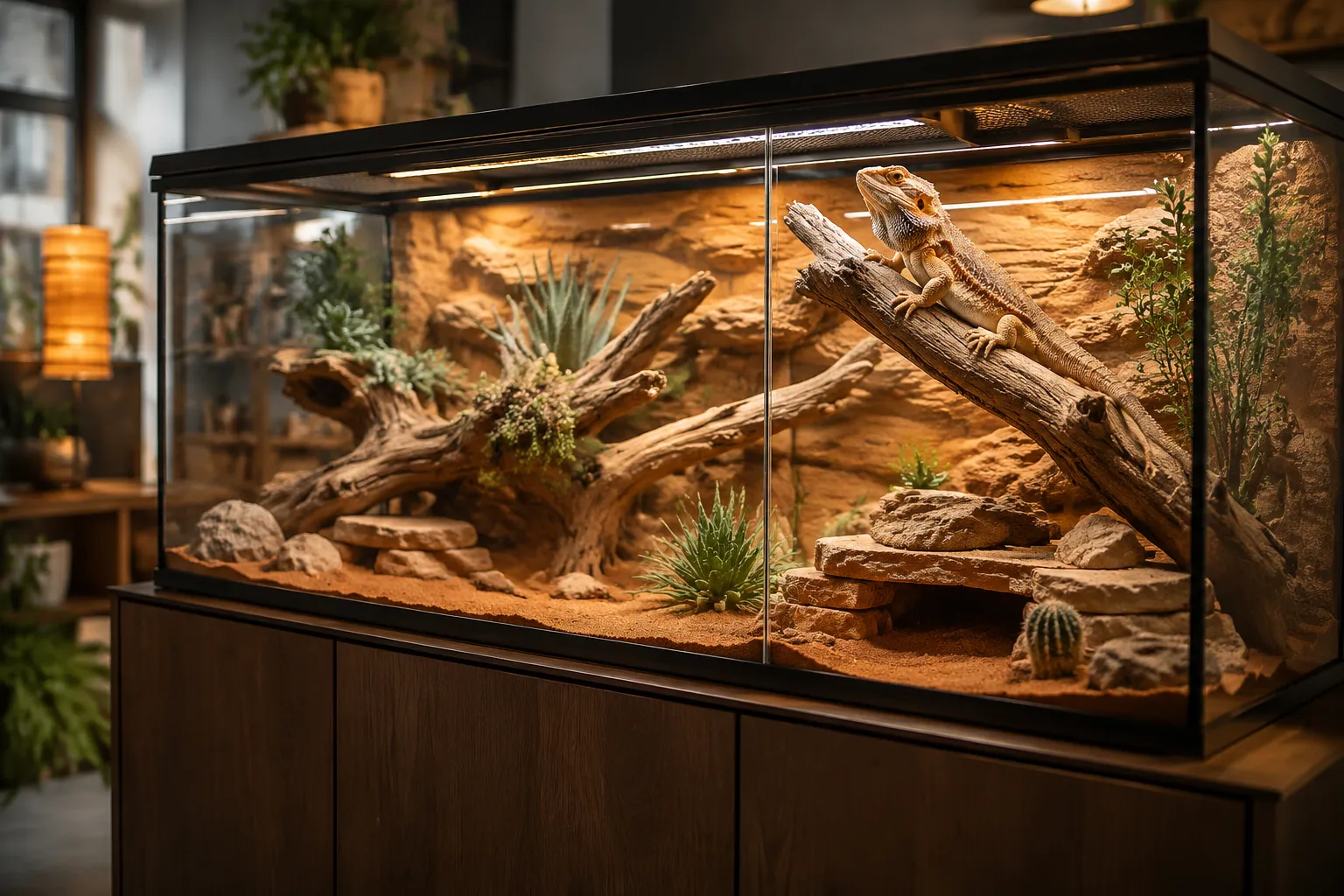
𝗣𝗮𝗻𝗼𝗿𝗮𝗺𝗶𝗰 𝗦𝗶𝗱𝗲 𝗩𝗶𝗲𝘄 𝗘𝘅𝗽𝗲𝗿𝗶𝗲𝗻𝗰𝗲 - This reptile enclosure features crystal-clear acrylic side panels that create a wider, brighter panoramic view from every angle, transforming your reptile habitat into a stunning living centerpiece.

120 Gallon Reptile Habitat: The upper enclosure measures about 47.2"L × 24.4"W × 23.6"H, giving reptiles space for basking, hiding, climbing, and daily movement.

[A Spacious World for Your Reptiles] Transform your reptile’s environment with this extra-large 120 gallon terrarium. The 4x2x2 design offers generous room for climbing branches, basking zones, and multiple hides — ideal for bearded dragons, snakes, and larger lizards, or even cohabiting pets. (Note: Shipped by 2 boxes, may arrive separately.)
What Is the Average Size of an Adult Bearded Dragon?
Adult bearded dragons (Pogona vitticeps, the most common pet species) typically measure 16 to 24 inches in total length from nose to tail tip. The body itself (snout-to-vent length) usually measures 8 to 12 inches, with the tail making up the remaining length.
Size breakdown by measurement:
- Total length: 16-24 inches (40-60 cm)
- Snout-to-vent length: 8-12 inches (20-30 cm)
- Tail length: 8-12 inches (20-30 cm)
- Weight: 350-600 grams (12-21 ounces)
- Head width: 2-3 inches at the widest point
Males tend toward the larger end of this range, while females typically fall in the middle. A 20-inch bearded dragon is considered average, while anything over 22 inches is notably large. Dragons under 16 inches as adults may have experienced growth issues or could be a smaller species or morph.
Common mistake: Many owners measure their dragon while it’s curved or coiled, which gives an inaccurate reading. Always gently straighten your dragon along a ruler or measuring tape for the true length.
How Long Does It Take for a Bearded Dragon to Reach Full Size?
Most bearded dragons reach their full adult size between 12 and 18 months of age. However, growth rates vary significantly based on genetics, diet quality, and husbandry conditions. Some dragons continue growing slowly until they’re about 24 months old, though the growth after 18 months is usually minimal.
Growth timeline:
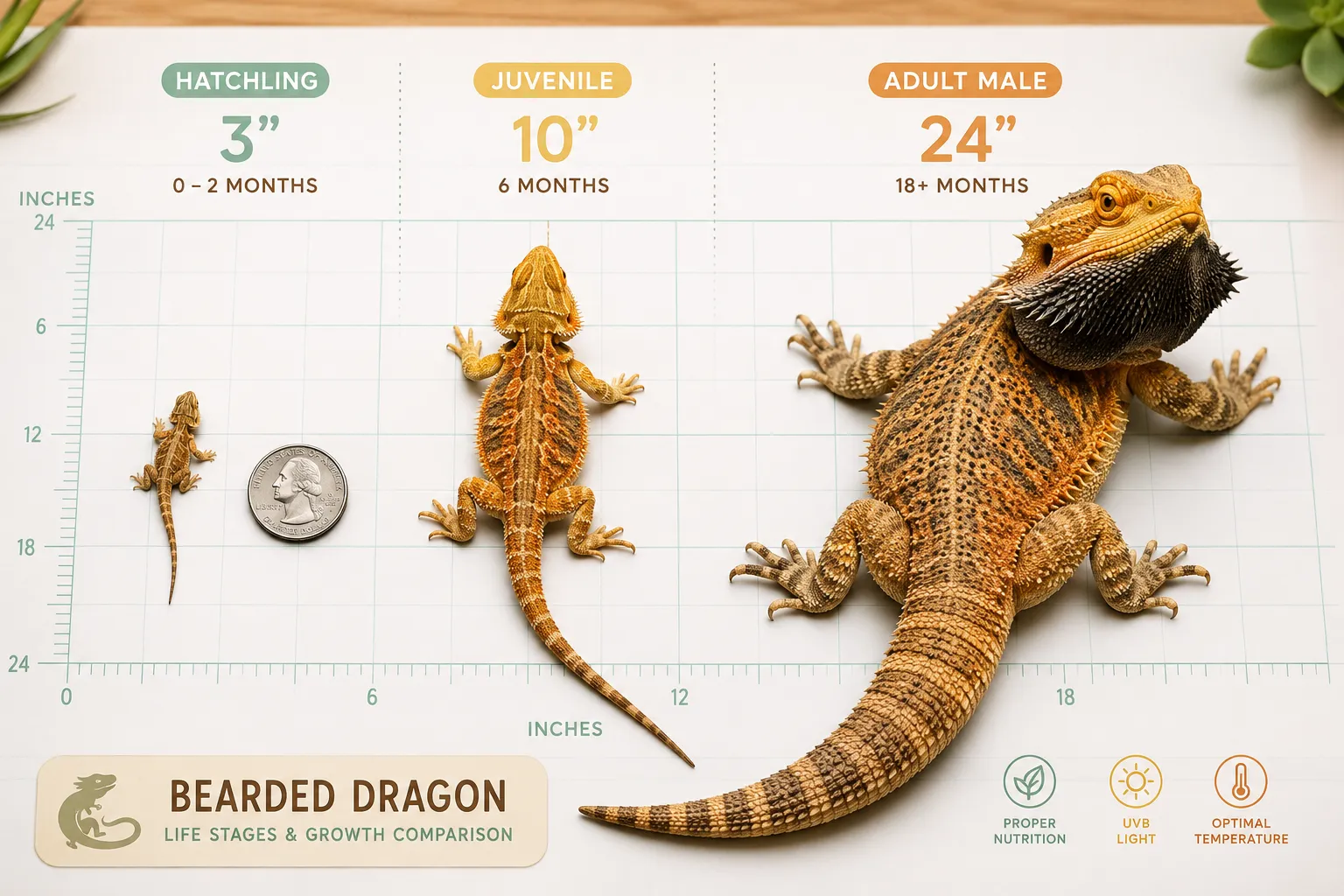
- 0-2 months (hatchling): 3-4 inches, rapid growth phase
- 2-4 months (baby): 5-9 inches, still growing quickly
- 4-7 months (juvenile): 9-16 inches, growth begins to slow
- 7-12 months (sub-adult): 14-20 inches, approaching adult size
- 12-18 months (young adult): 16-24 inches, reaching full length
- 18-24 months (adult): Minimal length growth, may fill out in weight
During the first six months, bearded dragons can grow 1-3 inches per month if conditions are ideal. After six months, growth slows to about 0.5-1 inch per month. By their first birthday, most dragons have reached at least 90% of their final size.
Choose this timeline if: Your dragon receives proper UVB lighting (10-12 hours daily), maintains basking temperatures of 95-105°F, and eats a varied diet rich in protein during the juvenile stage. Dragons with suboptimal care may take 24-30 months to reach full size or may never achieve their genetic potential.
Bearded Dragon Size Chart by Age
This chart shows typical size ranges at each life stage. Individual dragons may fall slightly outside these ranges and still be healthy, but significant deviations warrant a check of husbandry conditions and a veterinary consultation.
| Age | Total Length | Weight | Life Stage | Growth Rate |
|---|---|---|---|---|
| Hatchling (0-2 months) | 3-4 inches | 4-6 grams | Baby | Very rapid |
| Baby (2-4 months) | 5-9 inches | 8-40 grams | Baby | Rapid |
| Juvenile (4-7 months) | 9-16 inches | 40-150 grams | Juvenile | Moderate |
| Sub-adult (7-12 months) | 14-20 inches | 150-400 grams | Sub-adult | Slowing |
| Young adult (12-18 months) | 16-24 inches | 350-550 grams | Adult | Minimal |
| Mature adult (18+ months) | 16-24 inches | 350-600 grams | Adult | Complete |
How to use this chart: Measure your dragon’s total length and weigh them monthly. If your dragon falls significantly below the range for its age (more than 2 inches short or 50+ grams light), review your bearded dragon feeding guide and husbandry setup. Small variations are normal, but consistent undersize may indicate health issues.
Edge case: Dragons that experience brumation (a hibernation-like state) during their growth phase may temporarily pause growing and resume afterward. This is normal and doesn’t typically affect final adult size.
Do Male Bearded Dragons Get Bigger Than Females?
Yes, male bearded dragons typically grow 2-4 inches longer than females and develop broader, more muscular heads. Males usually reach 20-24 inches in total length, while females typically measure 16-20 inches when fully grown.
Key differences between male and female size:
- Length: Males average 21-22 inches; females average 17-19 inches
- Head width: Males develop noticeably wider, more triangular heads
- Body mass: Males are generally heavier and more robust
- Tail thickness: Males have thicker tail bases due to hemipenal bulges
- Beard size: Males develop larger, darker beards during displays
The size difference becomes most apparent after 8-10 months of age when sexual maturity begins. Before this age, males and females are nearly identical in size, making visual sexing difficult.
Common mistake: Assuming a smaller dragon is female without proper sexing. Some males are naturally smaller due to genetics, and some females grow quite large. Always verify sex by checking for hemipenal bulges or having a veterinarian confirm.
What Size Tank Does a Full-Grown Bearded Dragon Need?
A full-grown adult bearded dragon requires a minimum 120-gallon tank, which typically measures 48 inches long × 24 inches wide × 24 inches tall. This size allows adequate space for a proper temperature gradient, basking area, and movement.
Tank size requirements by age:
- Hatchling (0-3 months): 20-gallon tank minimum (24″ × 12″ × 16″)
- Juvenile (3-8 months): 40-gallon breeder tank (36″ × 18″ × 16″)
- Sub-adult (8-12 months): 75-gallon tank (48″ × 18″ × 18″)
- Adult (12+ months): 120-gallon tank (48″ × 24″ × 24″) or larger
The length of the enclosure is more important than height for bearded dragons, as they’re terrestrial lizards that need horizontal space to move. The tank should be at least 1.5 times the dragon’s total length to allow proper movement and exercise.
Choose a 120-gallon if: Your dragon is 16 inches or longer. For exceptionally large males over 22 inches, consider a 150-gallon (60″ × 24″ × 24″) or custom-built enclosure. Undersized tanks can lead to stress, glass surfing behavior, and health problems.
For detailed guidance on selecting the right enclosure, see our complete guide on what tank size a bearded dragon needs.
Why Is My Bearded Dragon Not Growing?
If your bearded dragon isn’t growing at the expected rate, the most common causes are inadequate UVB lighting, improper temperatures, insufficient protein intake, parasites, or metabolic bone disease. Dragons need specific conditions to synthesize vitamin D3 and metabolize calcium for proper bone and muscle growth.
Top reasons for stunted growth:
- Insufficient UVB exposure: Without proper UVB (10-12% output, replaced every 6-12 months), dragons can’t produce vitamin D3
- Incorrect temperatures: Basking spots below 95°F prevent proper digestion and metabolism
- Poor diet quality: Juveniles need 70-80% protein from insects; inadequate feeding slows growth
- Parasites: Internal parasites steal nutrients and prevent absorption
- Metabolic bone disease (MBD): Calcium deficiency causes weak bones and stunted growth
- Stress: Overcrowding, improper handling, or inadequate hiding spots
- Genetics: Some dragons are naturally smaller, though this is less common
Troubleshooting steps:
- Verify UVB bulb is less than 6 months old and positioned 8-12 inches from basking spot
- Check basking temperature with an infrared thermometer (should read 95-105°F)
- Increase feeding frequency for juveniles to 2-3 times daily
- Schedule a fecal exam with a reptile veterinarian to check for parasites
- Ensure calcium supplementation at every feeding for juveniles
Edge case: If your dragon is eating well, has proper husbandry, and shows no signs of illness but remains small, it may simply have smaller genetics. As long as the dragon is active, alert, and maintaining steady (even if slow) growth, this may be normal for that individual.
What Affects Bearded Dragon Growth Rate?
Bearded dragon growth rate is primarily influenced by diet quality, UVB exposure, temperature regulation, genetics, and overall health status. Dragons receiving optimal care in all these areas will reach their genetic size potential, while deficiencies in any area can slow or stunt growth.
Critical growth factors:
Diet and nutrition:
- Protein intake: Juveniles need 70-80% insects (crickets, dubia roaches, black soldier fly larvae)
- Calcium supplementation: Daily dusting for juveniles, 3-4 times weekly for adults
- Vitamin D3: Essential for calcium absorption, provided through UVB and supplements
- Variety: Rotating protein sources and offering appropriate vegetables prevents deficiencies
Environmental conditions:
- UVB lighting: 10-12% output tube bulbs, 10-12 hours daily, replaced every 6-12 months
- Basking temperature: 95-105°F for juveniles, 95-100°F for adults
- Cool side temperature: 75-85°F to allow thermoregulation
- Humidity: 30-40% prevents respiratory issues that can impact growth
Health factors:
- Parasite load: Regular fecal exams and treatment when needed
- Hydration: Proper water intake supports all metabolic processes
- Stress levels: Calm environment with appropriate hiding spots
- Brumation: Natural winter slowdown doesn’t permanently affect size
Genetics: Some bloodlines naturally produce larger or smaller dragons. Reputable breeders can often predict adult size based on parentage.
Common mistake: Overfeeding to accelerate growth. Rapid weight gain without proper bone development can lead to obesity and joint problems. Focus on balanced nutrition rather than maximum food volume.
For more information on proper nutrition throughout your dragon’s life, check out our resources on bearded dragon care.
Difference Between Bearded Dragon Species Sizes
The central bearded dragon (Pogona vitticeps) is the largest and most common pet species, reaching 16-24 inches. Other Pogona species kept as pets are generally smaller, with some reaching only 12-18 inches at full size.
Size comparison by species:
- Central bearded dragon (Pogona vitticeps): 16-24 inches, most common pet species
- Eastern bearded dragon (Pogona barbata): 18-24 inches, less common in captivity
- Rankin’s dragon (Pogona henrylawsoni): 10-12 inches, often called “dwarf bearded dragon”
- Western bearded dragon (Pogona minor): 12-18 inches, rarely kept as pets
- Lawson’s bearded dragon: 10-12 inches, similar to Rankin’s dragon
Choose Pogona vitticeps if: You want the classic bearded dragon experience with a larger, more interactive pet. This species is the most readily available, has the most established care information, and typically has the best temperament for handling.
Choose Pogona henrylawsoni (Rankin’s/dwarf) if: You have limited space or prefer a smaller dragon. These require smaller enclosures (75-gallon minimum for adults) and have similar care requirements but in a more compact package.
Important distinction: True dwarf bearded dragons are a separate species (Pogona henrylawsoni), not simply small Pogona vitticeps. If you purchase a “dwarf” that’s labeled as Pogona vitticeps, it may be undersized due to poor breeding or care rather than genetics.

T5 Reptile Light Fixture with UVB 10.0 Bulb Kit - The REPTIDLDB T5 reptile light fixture comes with a UVB 10.0 bulb kit, offering 10% UVB and 30% UVA output. This lighting system provides a natural and balanced lighting environment, ensuring your reptiles receive the proper UVB radiation for optimal health. The fixture is designed with minimal heat emission, making it perfect for your reptile's habitat without overheating the enclosure. The UVB 10.0 bulb is replaceable, giving you flexibility and convenience in maintaining your reptile’s environment.
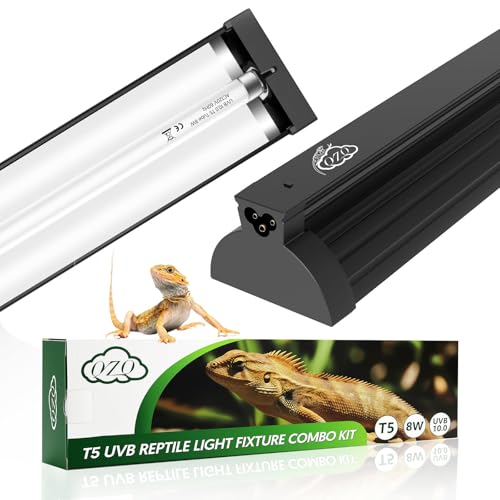
T5 UVB Reptile Light Fixture Combo Kit: The QZQ T5 UVB reptile light features a 5.9ft detachable power cord, a convenient on/off switch, and multiple mounting accessories for easy installation. Whether you're setting up a reptile tank or terrarium, this reptile light fixture meets your reptile lighting needs, providing your pets with the perfect 10.0 UVB lighting environment for healthy growth
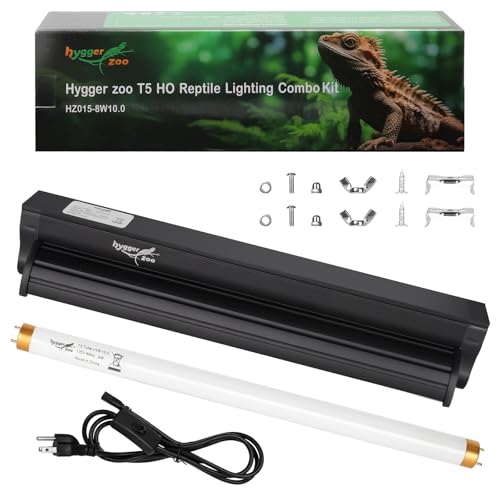
🌞🌞Higher UVB Output Value. T5 10.0 8W UVB reptile light fixture is 12 inch. Higher UVB output promote reptiles vitamin D3 synthesis and help them grow better. And the reptile UVB light also can help promote the absorption of their calcium and phosphorus, improve their reproductive behavior and boost their immunity.
How Big Do Dwarf Bearded Dragons Get?
Dwarf bearded dragons (Pogona henrylawsoni, also called Rankin’s dragons or Lawson’s dragons) reach 10-12 inches in total length when fully grown, making them roughly half the size of standard central bearded dragons. Their body length (snout-to-vent) typically measures 5-6 inches, with the tail accounting for the remaining length.
Dwarf bearded dragon size specs:
- Total length: 10-12 inches (25-30 cm)
- Body length: 5-6 inches (13-15 cm)
- Weight: 60-120 grams (2-4 ounces)
- Growth timeline: Reach full size by 8-12 months
- Tank requirement: Minimum 75-gallon (48″ × 18″ × 18″) for adults
Dwarf bearded dragons have proportionally shorter limbs and tails compared to central bearded dragons, giving them a stockier appearance. They also have smaller head spikes and less pronounced beards.
Care differences for dwarf species:
- Require smaller prey items (appropriately sized for their smaller mouths)
- Need slightly higher humidity (35-45% vs. 30-40%)
- Can thrive in smaller enclosures than standard bearded dragons
- May be more skittish and less tolerant of handling
- Have similar lifespan expectations (8-12 years with proper care)
Common mistake: Purchasing a small Pogona vitticeps thinking it’s a dwarf species. Always verify the species name with the breeder or pet store, as undersized central bearded dragons are sometimes mislabeled as “dwarfs.”
Is My Bearded Dragon Too Small for Its Age?
Your bearded dragon may be too small for its age if it measures more than 2-3 inches below the average range for its age group and shows other signs of poor health such as lethargy, poor appetite, soft bones, or lack of weight gain. Occasional small size alone isn’t always concerning if the dragon is otherwise healthy and growing steadily.
Red flags that indicate a problem:
- Significant size gap: More than 3 inches shorter than age-appropriate range
- No growth: No measurable growth over 4-6 weeks during juvenile stage
- Weight loss: Losing weight or failing to gain weight
- Lethargy: Spending excessive time sleeping or inactive
- Soft jaw or limbs: Signs of metabolic bone disease
- Curved spine or tail: Indicates MBD or nutritional deficiency
- Sunken eyes: Sign of dehydration or illness
- Poor appetite: Refusing food for more than a few days
When small size is normal:
- Dragon is steadily growing, just at the lower end of the range
- Parents were smaller dragons (genetic factor)
- Dragon is a dwarf species (Pogona henrylawsoni)
- Dragon recently completed brumation and will resume growing
- Dragon is female (naturally smaller than males)
Action steps if concerned:
- Measure and weigh your dragon monthly to track growth trends
- Review husbandry: UVB bulb age, temperatures, diet quality
- Schedule a veterinary exam with a reptile specialist
- Request a fecal exam to check for parasites
- Take photos monthly to visually track growth and body condition
Edge case: Some dragons experience a growth spurt after a slower start, particularly if they were housed in suboptimal conditions before you acquired them. Improved care can lead to catch-up growth, though they may never reach the size they would have with optimal care from hatching.
Common Mistakes That Stunt Bearded Dragon Growth
The most common mistakes that stunt bearded dragon growth include using outdated UVB bulbs, maintaining incorrect temperatures, feeding an imbalanced diet, and failing to supplement with calcium and vitamin D3. These errors prevent proper bone development and metabolism, resulting in smaller adult size and potential health problems.
Top growth-stunting mistakes:
1. Old or inadequate UVB bulbs
- Using compact/coil bulbs instead of tube bulbs
- Not replacing bulbs every 6-12 months (they lose effectiveness)
- Positioning bulbs too far from basking spot (should be 8-12 inches)
- Using screen lids that block 30-50% of UVB
2. Incorrect temperatures
- Basking spot below 95°F prevents proper digestion
- No temperature gradient prevents thermoregulation
- Nighttime temperatures too cold (shouldn’t drop below 65°F)
- Using heat rocks (can cause burns and stress)
3. Poor diet practices
- Feeding only mealworms (low nutritional value, high fat)
- Not providing enough protein to juveniles (should be 70-80% insects)
- Feeding prey items too large (wider than space between eyes)
- Offering inappropriate vegetables like iceberg lettuce
4. Inadequate supplementation
- Skipping calcium dusting on feeder insects
- Not providing vitamin D3 supplementation
- Over-supplementing (can cause toxicity)
- Using expired supplements
5. Husbandry errors
- Tank too small, causing stress and limiting movement
- Cohabiting multiple dragons (causes stress and competition)
- Inadequate hiding spots leading to chronic stress
- Poor substrate choices (loose substrate can cause impaction)
Prevention strategy: Set up a care schedule with reminders for UVB bulb replacement, temperature checks, and feeding routines. Take monthly measurements and photos to catch growth problems early. When in doubt, consult with a reptile veterinarian rather than waiting to see if the problem resolves.
How to Measure Bearded Dragon Length Properly
To measure a bearded dragon’s length properly, gently place the dragon on a flat surface and carefully straighten its body and tail along a measuring tape or ruler, measuring from the tip of the nose to the end of the tail. Take the measurement when the dragon is calm and relaxed for the most accurate reading.
Step-by-step measurement process:
- Choose the right time: Measure when your dragon is calm, preferably after basking when they’re relaxed
- Prepare your tools: Use a flexible measuring tape or place a ruler on a flat surface
- Position the dragon: Place them on the measuring surface, facing away from you
- Gently straighten: Carefully extend the tail in a straight line (don’t force or pull)
- Take the measurement: Record the distance from nose tip to tail tip
- Measure snout-to-vent (optional): Measure from nose to where the tail begins for body length
- Record the data: Write down the date, total length, and weight for tracking
Tips for accurate measurement:
- Never force the dragon into an uncomfortable position
- If the dragon won’t cooperate, try again later when they’re calmer
- Take multiple measurements and average them if the dragon keeps moving
- Use the same measuring method each time for consistent tracking
- Photograph the dragon next to the measuring tape for visual records
Common measurement mistakes:
- Measuring while the dragon is curved or coiled (adds several inches)
- Pulling the tail too hard (can injure the dragon)
- Measuring from the wrong starting point
- Not accounting for the tail tip (easy to miss)
- Measuring when the dragon is stressed and contracted
When to measure: Track growth monthly for juveniles under 12 months old, then every 2-3 months for dragons 12-18 months old. After 18 months, measuring every 6 months is sufficient unless you suspect a health issue.
Bearded Dragon vs. Iguana Size Comparison
Bearded dragons are significantly smaller than iguanas, with adult bearded dragons reaching 16-24 inches compared to green iguanas which can grow 5-7 feet in total length. This size difference makes bearded dragons much more manageable pets for most households.
Size comparison:
| Species | Total Length | Weight | Tail Length | Space Needed |
|---|---|---|---|---|
| Bearded Dragon | 16-24 inches | 350-600 grams | 8-12 inches | 120-gallon tank |
| Green Iguana | 5-7 feet | 10-20 pounds | 3-4 feet | Custom room-sized enclosure |
| Dwarf Bearded Dragon | 10-12 inches | 60-120 grams | 5-6 inches | 75-gallon tank |
Key differences:
- Growth timeline: Bearded dragons reach full size in 12-18 months; iguanas take 3-4 years
- Enclosure requirements: Bearded dragons need 120-gallon tanks; iguanas need custom rooms or large outdoor enclosures
- Handling: Bearded dragons remain manageable size; large iguanas can be difficult to handle safely
- Temperament: Bearded dragons are generally docile; iguanas can become aggressive during breeding season
- Diet: Both are omnivores, but iguanas require much larger quantities of food
- Lifespan: Bearded dragons live 8-12 years; iguanas can live 15-20+ years
Choose a bearded dragon if: You want a manageable-sized reptile that fits in a standard tank, has moderate care requirements, and stays handleable throughout its life. Bearded dragons are considered one of the best beginner reptiles due to their size and temperament.
Choose an iguana if: You have significant space, experience with large reptiles, and are prepared for a long-term commitment to a pet that will require a room-sized enclosure and may become less handleable as it matures.
Best Bearded Dragon Size for Beginners
The best bearded dragon size for beginners is a juvenile between 4-8 months old, measuring approximately 10-16 inches in length. This age range allows new owners to learn proper care during the dragon’s growth phase while avoiding the delicate care requirements of hatchlings and the established habits of adults.
Why juveniles are ideal for beginners:
- Easier to handle: Large enough to handle safely but not intimidating
- Adaptable: Still forming personality and habits, easier to socialize
- Visible growth: Allows you to see the results of proper care
- Established feeding: Past the most delicate hatchling stage
- Reasonable cost: Less expensive than adults, more robust than hatchlings
- Tank progression: Can start in a 40-gallon and upgrade as they grow
Age options compared:
Hatchlings (0-3 months):
- Pros: Cheapest option, bond from the start
- Cons: Fragile, require frequent feeding, higher mortality risk
- Best for: Experienced keepers
Juveniles (4-8 months):
- Pros: Hardy, adaptable, good size for learning
- Cons: Still require frequent feeding and monitoring
- Best for: Beginners with research and preparation
Sub-adults (8-12 months):
- Pros: Nearly full-grown, established eating habits
- Cons: Personality already formed, may need immediate large tank
- Best for: Beginners wanting a lower-maintenance option
Adults (12+ months):
- Pros: Full size known, established personality
- Cons: May have behavioral issues from previous care, less adaptable
- Best for: Experienced keepers or those wanting a specific personality
Avoid these size-related mistakes as a beginner:
- Buying a hatchling without proper setup and experience
- Purchasing an adult with unknown health history
- Choosing based on appearance rather than health and temperament
- Not having the proper-sized tank ready before bringing the dragon home
Action step: Before purchasing any bearded dragon, have your complete setup ready including the appropriate-sized tank, UVB lighting, heating elements, and food sources. Visit our guide on bearded dragon care for a complete setup checklist.
Frequently Asked Questions
How big is a 6-month-old bearded dragon? A 6-month-old bearded dragon typically measures 11-16 inches in total length and weighs 80-150 grams. At this age, they’re in the juvenile stage and growing rapidly, requiring frequent feedings of protein-rich insects and proper UVB exposure.
Can bearded dragons grow too fast? Yes, bearded dragons can grow too quickly if overfed, leading to obesity and potential bone development issues. Healthy growth should be steady and proportional, with proper bone density matching body size. Focus on balanced nutrition rather than maximum growth speed.
Do bearded dragons stop growing after a year? Most bearded dragons reach their full length by 12-18 months but may continue filling out in weight and muscle mass until about 24 months. Growth after 18 months is typically minimal, with most size increase being body mass rather than length.
What’s the biggest bearded dragon ever recorded? While official records aren’t maintained, the largest reliably reported bearded dragons have measured 26-28 inches in total length. These exceptional sizes are rare and typically result from optimal genetics combined with excellent husbandry throughout the growth phase.
How can I tell if my bearded dragon is overweight? An overweight bearded dragon will have visible fat deposits around the base of the tail, a rounded belly that drags when walking, and fat rolls near the legs. A healthy dragon should have a streamlined body with visible muscle definition and a tail that tapers smoothly.
Does tank size affect how big a bearded dragon gets? Tank size doesn’t directly affect genetic size potential, but inadequate space can cause stress and reduced activity levels that may impact overall health and growth. Proper tank size supports natural behaviors and exercise that contribute to healthy development.
How much should a bearded dragon weigh at full size? Adult bearded dragons typically weigh 350-600 grams (12-21 ounces) at full size, with males generally heavier than females. Weight varies based on body type, bone structure, and individual genetics, so focus on body condition rather than a specific number.
Can poor diet permanently stunt a bearded dragon’s growth? Yes, inadequate nutrition during the critical growth phase (0-12 months) can permanently limit a bearded dragon’s final size. Metabolic bone disease and other nutritional deficiencies during this period may prevent the dragon from reaching its genetic size potential even with improved care later.
Do bearded dragons grow faster in warmer temperatures? Bearded dragons grow optimally when provided with proper temperature gradients (95-105°F basking, 75-85°F cool side), but excessively high temperatures don’t accelerate healthy growth. Proper temperatures support digestion and metabolism, which enables normal growth rates.
How long does it take for a rescued bearded dragon to catch up in size? A rescued bearded dragon with stunted growth may show catch-up growth within 3-6 months of improved care if still under 18 months old. However, dragons that experienced severe malnutrition during critical growth phases may never reach their full genetic size potential.
Should I measure my bearded dragon with or without the tail? Always measure total length (including tail) for standard size comparisons, as this is the most commonly used measurement. Snout-to-vent length (without tail) is useful for scientific purposes but less practical for general size tracking.
What’s the smallest healthy size for an adult bearded dragon? The smallest healthy adult central bearded dragon (Pogona vitticeps) typically measures around 16 inches total length. Anything significantly smaller may indicate stunted growth, poor genetics, or could be a different species such as a dwarf bearded dragon.
Conclusion
Understanding how big bearded dragons get is essential for providing proper care throughout their lives. Adult central bearded dragons typically reach 16-24 inches in length, with males growing slightly larger than females, and most achieve their full size between 12-18 months of age. Proper growth depends on optimal husbandry including adequate UVB lighting, correct temperatures, balanced nutrition with appropriate supplementation, and properly sized enclosures.
If you’re preparing for a bearded dragon, ensure you have a plan for housing progression from juvenile to adult, with a minimum 120-gallon tank ready for when your dragon reaches full size. Monitor growth monthly during the first year, tracking both length and weight to catch potential problems early. Remember that while genetics play a role in final size, the care you provide during the critical first 12-18 months will largely determine whether your dragon reaches its full potential.
Next steps:
- Measure your current dragon and compare to age-appropriate size ranges
- Review your UVB bulb age and replace if over 6 months old
- Verify basking temperatures with an infrared thermometer
- Assess whether your current tank size is appropriate for your dragon’s age
- Schedule a veterinary check-up if your dragon is significantly undersized
- Plan your tank upgrade timeline if your dragon is still growing
For more comprehensive information on providing the best care for your bearded dragon, explore our resources on proper tank sizing and bearded dragon lifespan.
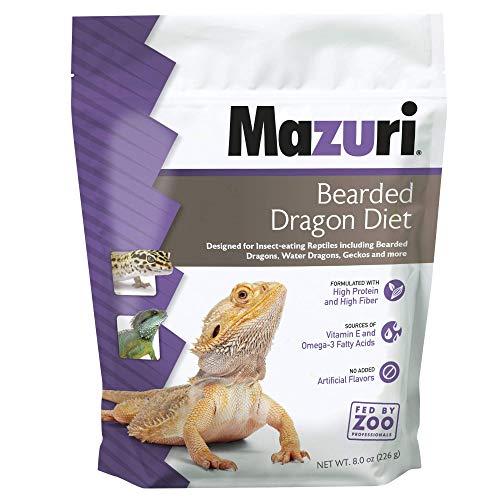
Great source of omega-3 fatty acids and Vitamin E.

Unique textured pellets that bearded dragons love to eat

Protein-Packed for Growth: Specially formulated for juvenile bearded dragons, this high-protein diet with Black Soldier Fly larvae fuels rapid growth and supports strong muscles