Quick Answer
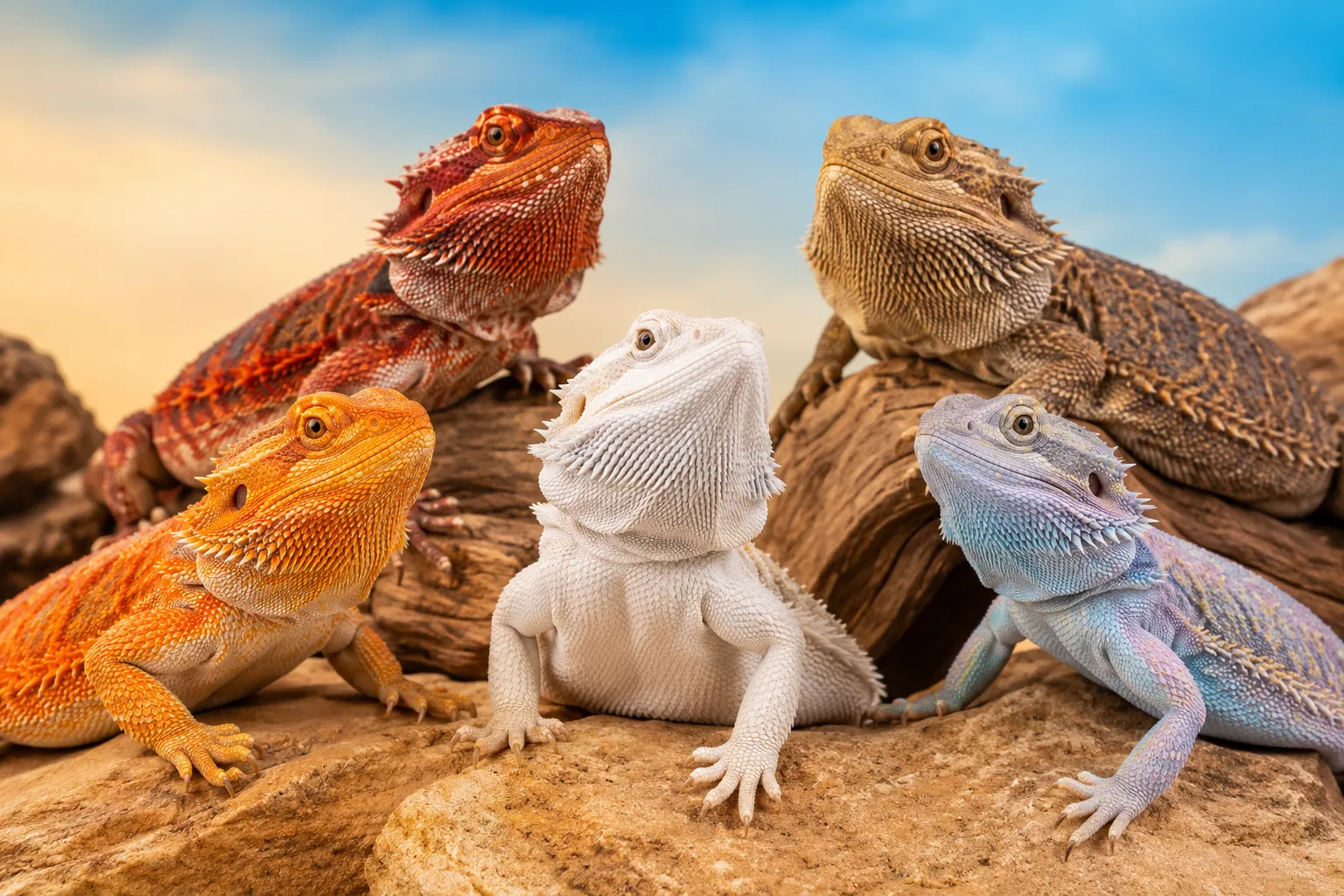
Bearded dragon morphs are genetic variations that produce different colors, patterns, and scale textures in captive-bred bearded dragons. These morphs result from selective breeding for specific traits like reduced scales (leatherback), unique colors (citrus, red), or translucent skin. While all morphs belong to the same species (Pogona vitticeps), each displays distinct physical characteristics that affect appearance and sometimes care requirements.

Vitamin Enriched Formula That Provides Essential Proteins, Fats, Vitamins And Minerals

Unique textured pellets that bearded dragons love to eat

All Natural: 100% all-natural and preservative-free
Key Takeaways
- Morphs are genetic variations created through selective breeding, not different species or subspecies of bearded dragons
- Color morphs (citrus, red, orange) affect pigmentation, while scale morphs (leatherback, silkback) change texture and feel
- Translucent morphs have see-through skin and black eyes, requiring extra attention to lighting and temperature
- Zero morphs lack pattern and appear white or silver, though they’re not albino and retain normal black eyes
- Rare morphs cost significantly more than standard bearded dragons, ranging from $300 to over $1,000 depending on genetics
- Most morphs have identical care needs to standard bearded dragons, with silkbacks being the notable exception
- Breeding different morphs together is possible and creates interesting genetic combinations in offspring
- Health concerns vary by morph, with silkbacks prone to skin issues and some lines showing higher rates of genetic problems
- Beginners should start with hardy morphs like leatherbacks or hypos rather than delicate varieties like silkbacks
- Reputable breeders matter more than morph type when selecting a healthy bearded dragon
What Are Bearded Dragon Morphs?
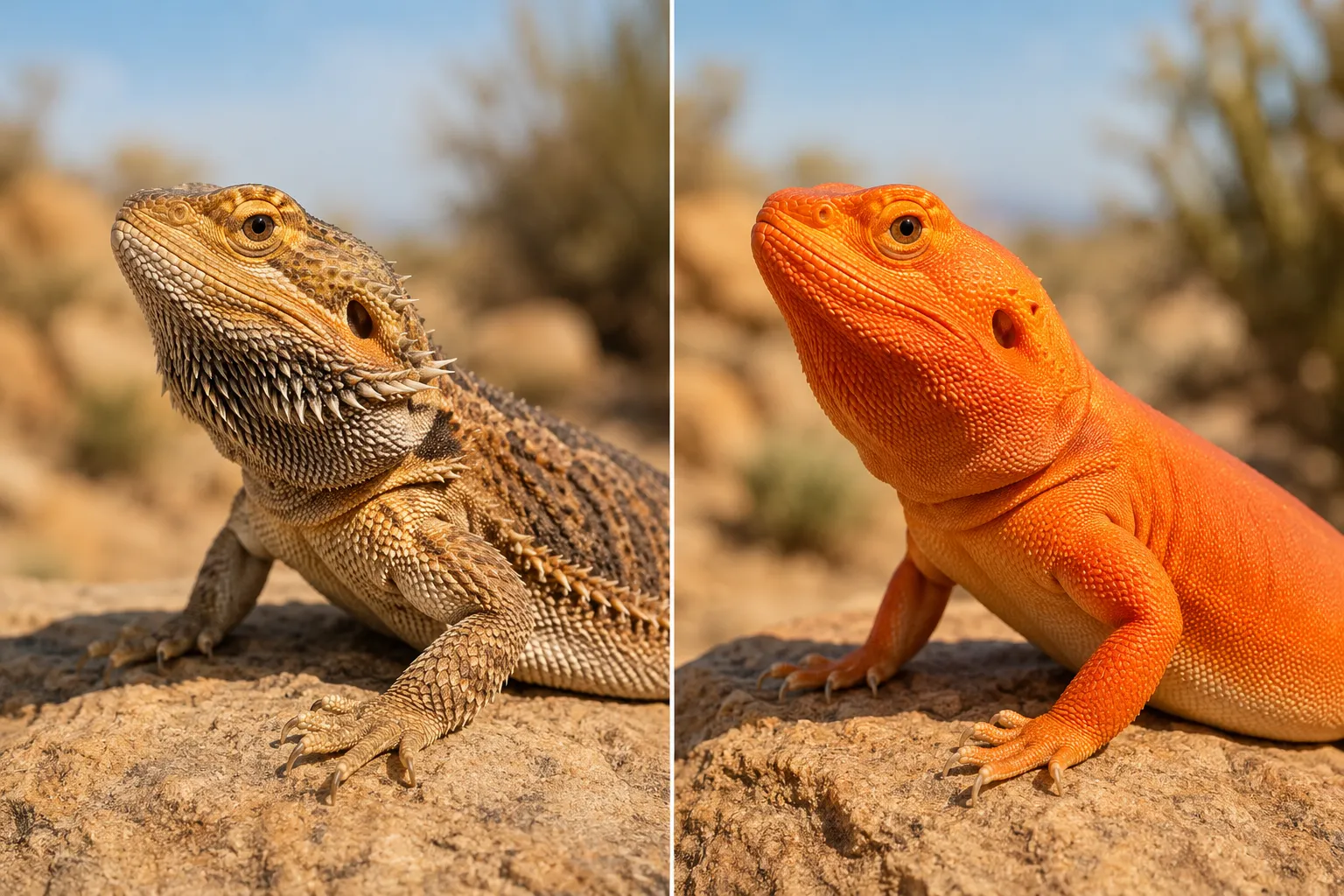
Bearded dragon morphs are genetic variations that change the appearance of captive-bred bearded dragons through selective breeding. These variations affect color, pattern, scale texture, and skin translucency, but all morphs remain the same species (Pogona vitticeps) with the same basic biology and behavior.
Morphs fall into several categories:
Color Morphs alter pigmentation and include:
- Hypo (hypomelanistic): Reduced dark pigmentation, creating lighter, brighter colors
- Citrus: Vibrant yellow and orange tones
- Red: Deep red and orange coloration
- Orange: Bright orange hues throughout the body
Pattern Morphs change markings:
- Zero: No pattern, appearing solid white or silver
- Witblits: Reduced pattern with pale coloration
- Paradox: Random patches of unexpected colors
Scale Morphs modify texture:
- Leatherback: Reduced spikes and smoother scales
- Silkback: Nearly scaleless with soft, smooth skin
- Dunner: Irregular scale pattern with smaller, more numerous scales
Translucent Morphs affect skin opacity:
- Translucent (trans): See-through skin, especially visible on belly and limbs, with solid black eyes
Breeders combine these traits to create stunning combinations like “hypo translucent citrus leatherback,” which stacks multiple genetic variations. The more rare traits combined, the higher the price and the more selective the breeding required.
Difference Between Bearded Dragon Morphs and Regular Bearded Dragons
Bearded dragon morphs differ from “regular” (wild-type) bearded dragons only in appearance, not in species or basic biology. Wild-type bearded dragons display the natural tan, brown, and gray coloration with distinct patterns that provide camouflage in their native Australian habitat, while morphs show human-selected traits that would rarely occur in nature.
The key differences include:
Physical Appearance
- Wild-type: Tan/brown base with darker patterns, full spiky scales, opaque skin
- Morphs: Can display vibrant colors, reduced scales, translucent skin, or pattern-free bodies
Availability and Cost
- Wild-type: Widely available, typically $40-$100
- Morphs: Varies by rarity, from $100 for common morphs to $1,000+ for rare combinations
Breeding Origins
- Wild-type: Resembles dragons found in Australian deserts
- Morphs: Result from decades of selective captive breeding programs
Care Requirements
Most morphs need identical care to wild-type bearded dragons, including the same diet, temperature gradients (95-105°F basking spot, 75-85°F cool side), UVB lighting, and habitat setup. The exception is silkback morphs, which require extra humidity monitoring and skin care due to their lack of protective scales.
Behavior and Temperament
Morphs and wild-type bearded dragons show no consistent behavioral differences. Temperament depends more on individual personality, handling frequency, and breeding line than on morph genetics. For more on typical bearded dragon behaviors, check out our guide on bearded dragon behavior.
Choose a wild-type if you want a hardy, affordable dragon with natural appearance. Choose a morph if you’re drawn to specific colors or textures and can accommodate any special care needs.
How Much Do Rare Bearded Dragon Morphs Cost?
Rare bearded dragon morphs typically cost between $300 and $1,500, with some exceptional specimens reaching $2,000 or more. Price depends on the rarity of genetic traits, the reputation of the breeder, the dragon’s age and health, and current market demand for specific morphs.
Price Ranges by Morph Type (2026 estimates):
| Morph Category | Typical Price Range | Examples |
|---|---|---|
| Common morphs | $100-$200 | Standard hypo, basic citrus |
| Mid-tier morphs | $200-$400 | Leatherback, translucent, orange |
| Rare morphs | $400-$800 | Zero, witblits, red |
| Premium combinations | $800-$1,500+ | Hypo translucent zero leatherback, paradox |
| Silkback morphs | $300-$600 | Any silkback variety |
Factors That Increase Price:
- Multiple stacked traits: A dragon with three or four rare genes costs significantly more than single-trait morphs
- Breeding potential: Proven breeders or dragons with desirable genetics command premium prices
- Age and size: Juveniles (3-6 months) typically cost more than hatchlings due to lower mortality risk
- Breeder reputation: Established breeders with health guarantees charge more than hobbyist breeders
- Color intensity: Exceptionally vibrant examples of color morphs (deep reds, bright citrus) fetch higher prices
Hidden Costs to Consider:
Beyond the purchase price, budget for proper setup and ongoing care. A complete habitat costs $300-$500 for tank, lighting, heating, substrate, and décor. Monthly feeding costs run $30-$50 for insects and vegetables. Annual veterinary checkups cost $50-$100, with emergency care potentially reaching hundreds of dollars.
Common Mistake: Buying the cheapest morph available often means purchasing from inexperienced breeders who may not screen for health issues or provide proper early care. A $150 “bargain” dragon with hidden health problems can cost far more in veterinary bills than a $300 dragon from a reputable breeder with health guarantees.
Most Popular Bearded Dragon Morphs for Beginners
The most popular bearded dragon morphs for beginners are leatherbacks, hypos, and citrus dragons because they combine visual appeal with the same hardy care requirements as wild-type bearded dragons. These morphs are widely available, reasonably priced ($150-$300), and don’t require specialized care knowledge.
Top Beginner-Friendly Morphs:
1. Leatherback
- Smooth, reduced scales with smaller spikes
- Same care as standard bearded dragons
- Easier to handle due to softer texture
- Widely available from reputable breeders
- Price: $150-$250
2. Hypo (Hypomelanistic)
- Lighter, brighter colors with reduced dark pigmentation
- Clear nails (no black pigment)
- Hardy and easy to care for
- Good appetite and growth rate
- Price: $100-$200
3. Citrus
- Vibrant yellow and orange coloration
- Eye-catching without special care needs
- Often combined with hypo for even brighter colors
- Stable temperament
- Price: $150-$250
4. Standard Translucent
- Interesting see-through skin on belly and limbs
- Solid black eyes (distinctive feature)
- Requires attention to proper UVB and temperature but not difficult
- Price: $200-$300
Morphs to Avoid as a Beginner:
- Silkback: Requires humidity monitoring, regular skin care, and protection from rough surfaces
- Paradox: Expensive and doesn’t breed true, making it a collector’s item rather than beginner choice
- Zero: Higher price point and some lines show neurological issues
- Multiple stacked traits: Complex genetics and higher cost make these better for experienced keepers
Decision Rule: Choose a leatherback or hypo if this is your first bearded dragon. These morphs give you the experience of caring for a visually interesting dragon without added complexity. Once you’ve successfully kept a dragon for 6-12 months and understand their care requirements, you can consider more specialized morphs.
For basic care information that applies to all beginner morphs, see our bearded dragon care guide.
Leatherback vs Normal Bearded Dragon: Which Is Better?
Leatherbacks are better for owners who prioritize smooth texture and easier handling, while normal (wild-type) bearded dragons are better for those who want the most affordable, widely available option with traditional appearance. Both have identical care requirements and health profiles, making the choice purely aesthetic and tactile.
Leatherback Advantages:
- Smoother skin feels more pleasant to handle
- Reduced spikes make them less intimidating for children
- Slightly more vibrant colors due to reduced scale interference with pigmentation
- Still hardy and beginner-friendly
- Unique appearance without special care needs
Leatherback Considerations:
- Cost 50-100% more than wild-type ($150-$250 vs. $40-$100)
- Slightly less availability in pet stores (more common from breeders)
- Some owners prefer the traditional spiky appearance
Normal Bearded Dragon Advantages:
- Most affordable option for new owners
- Widest availability in pet stores and from breeders
- Traditional “dragon” appearance with full spikes
- Proven hardy genetics from decades of captive breeding
- Lower replacement cost if something goes wrong
Normal Bearded Dragon Considerations:
- Spikier texture may be less comfortable for extended handling
- Less visually striking than morphs
Care Comparison:
Both require identical setups: 40-gallon tank minimum (75+ gallons for adults), basking spot at 95-105°F, cool side at 75-85°F, 10-12% UVB lighting, and the same diet of insects and vegetables. Neither has increased health risks compared to the other. For tank sizing details, see our article on what tank size a bearded dragon needs.
Decision Rule: Choose a leatherback if you have the budget and prefer smoother handling. Choose a normal bearded dragon if you’re budget-conscious or prefer traditional appearance. Both make excellent pets with proper care.
Why Is My Bearded Dragon Morph Losing Color?
Bearded dragon morphs lose color due to shedding cycles, stress, temperature issues, inadequate UVB lighting, poor diet, or natural aging. Color loss is usually temporary and resolves once the underlying cause is addressed, though some fading is normal as dragons mature.
Common Causes and Solutions:
Shedding (Most Common)
- Dragons appear dull and pale 3-7 days before shedding
- Skin looks whitish or grayish as old layer separates
- Color returns fully after shed completes
- Solution: Maintain proper humidity (30-40%) and provide rough surfaces for rubbing
Stress
- New environment, handling changes, or tank mate aggression causes temporary color loss
- Stress marks appear as dark oval patches on belly
- Solution: Minimize handling for first week, ensure proper hide spots, separate aggressive tank mates
Temperature Problems
- Basking spot below 95°F prevents proper color expression
- Dragons appear washed out and lethargic
- Solution: Verify basking spot temperature with infrared thermometer, adjust heat source
Inadequate UVB Lighting
- Old or weak UVB bulbs (over 6-12 months old) don’t support pigmentation
- Colors appear faded and less vibrant
- Solution: Replace UVB bulbs every 6-12 months even if they still produce visible light
Poor Diet
- Lack of carotenoids from vegetables reduces color intensity
- Insufficient variety leads to nutritional deficiencies
- Solution: Offer colorful vegetables daily (squash, bell peppers, carrots) and proper supplementation
Natural Aging
- Many morphs show peak coloration at 1-2 years, then gradually fade
- Especially common in red and orange morphs
- This is normal and not a health concern
Brumation
- Dragons naturally darken and dull during winter cooling period
- Color returns when they become active again in spring
- Solution: Allow natural brumation if dragon is healthy and over 12 months old
When to Worry: If color loss accompanies lethargy, appetite loss, or unusual behavior, consult a reptile veterinarian. Sudden, dramatic color change with other symptoms may indicate illness. For more on unusual behaviors, read about why bearded dragons sleep so much.
Are Translucent Bearded Dragons Harder to Care For?
Translucent bearded dragons are slightly harder to care for than standard morphs because their see-through skin makes them more sensitive to temperature fluctuations and lighting intensity, requiring more careful monitoring of basking temperatures and UVB exposure. However, the increased difficulty is minimal and manageable for attentive keepers.
Special Considerations for Translucent Morphs:
Temperature Sensitivity
- Translucent skin provides less insulation than opaque skin
- They may feel temperature extremes more acutely
- Monitor basking behavior closely and adjust temperatures if dragon avoids or constantly seeks heat
- Use a reliable thermostat to prevent temperature swings
UVB Exposure
- Some evidence suggests translucent dragons absorb UVB differently
- Provide standard 10-12% UVB but watch for signs of overexposure (excessive hiding during day)
- Ensure adequate shade areas in enclosure
Visual Differences
- Solid black eyes (no visible pupil) are normal for translucent morphs
- See-through belly skin shows internal organs and developing eggs in females
- Blue-tinted skin is common and normal, especially when young
Health Monitoring
- Internal issues may be more visible through translucent skin (helpful for early detection)
- Easier to spot impaction or egg development
- No increased health problems compared to other morphs
Otherwise Identical Care:
Translucent bearded dragons eat the same diet, need the same habitat size, and have the same social and behavioral needs as any other morph. They’re not fragile or delicate despite their unique appearance.
Decision Rule: Choose a translucent morph if you’re willing to pay closer attention to temperature regulation and can provide stable environmental conditions. Avoid them if you’re prone to inconsistent husbandry or want the most forgiving beginner option.
What Is the Rarest Bearded Dragon Morph?
The rarest bearded dragon morphs in 2026 are paradox morphs with extensive unusual coloration, followed by specific genetic combinations like zero witblits translucent silkback. Paradox dragons display random patches of colors that shouldn’t exist in their genetic makeup (like purple or blue patches on a red dragon) and cannot reliably reproduce these traits, making each one unique.
Top Rarest Morphs:
1. Paradox
- Random color patches that defy genetic expectations
- Each dragon is completely unique
- Cannot breed true (offspring won’t display same paradox pattern)
- Price: $1,000-$2,000+
- Rarity: Occurs spontaneously and unpredictably
2. High-End Multi-Trait Combinations
- Zero witblits translucent silkback
- Hypo translucent zero dunner
- Red translucent leatherback with intense color
- Price: $1,200-$2,000
- Rarity: Requires multiple generations of selective breeding
3. Intense Red Morphs
- Deep, blood-red coloration throughout body
- Difficult to produce consistently
- Many “red” dragons are actually orange
- Price: $600-$1,200
- Rarity: Requires careful line breeding for color intensity
4. Blue-Bar Translucent
- Translucent morph with prominent blue coloration
- Distinct from standard translucent
- Price: $500-$800
- Rarity: Specific genetic line, not widely available
Why Rarity Doesn’t Always Mean Better:
Rare morphs often come with trade-offs. Silkbacks require extra care, some zero lines show neurological issues (stargazing), and paradox dragons command high prices purely for aesthetics without breeding value. For most keepers, a well-bred common morph from healthy lines provides better value and fewer complications than chasing extreme rarity.
Common Mistake: Paying premium prices for “rare” morphs from unverified breeders. Some sellers market common morphs with fancy names to inflate prices. Always verify the breeder’s reputation and ask for photos of the parents before purchasing expensive morphs.

【Ideal Present for Reptiles】These bearded dragon balls arouse its interest, satisfy your young bearded dragon curiosity and provide them with hours of exercise and self-entertainment. They are perfect presents for your bearded dragon, lizard, gecko and other small pets.

Package Content: you will receive 3 bearded dragon toys that come in 3 different colors, there are enough quantities and colors to meet the needs and replacement requirements of your pets, you could also send them to other people as gifts

💡【Bearded Dragon Night light】1x Acrylic Plate, 1x LED Night Lights Base, 1x Remote Control, 1x USB Cable and a User manual. With these accessories alone, the combination of art and technology that creates an optical 3D illusion and plays tricks on the eyes.
Can You Breed Different Bearded Dragon Morphs Together?
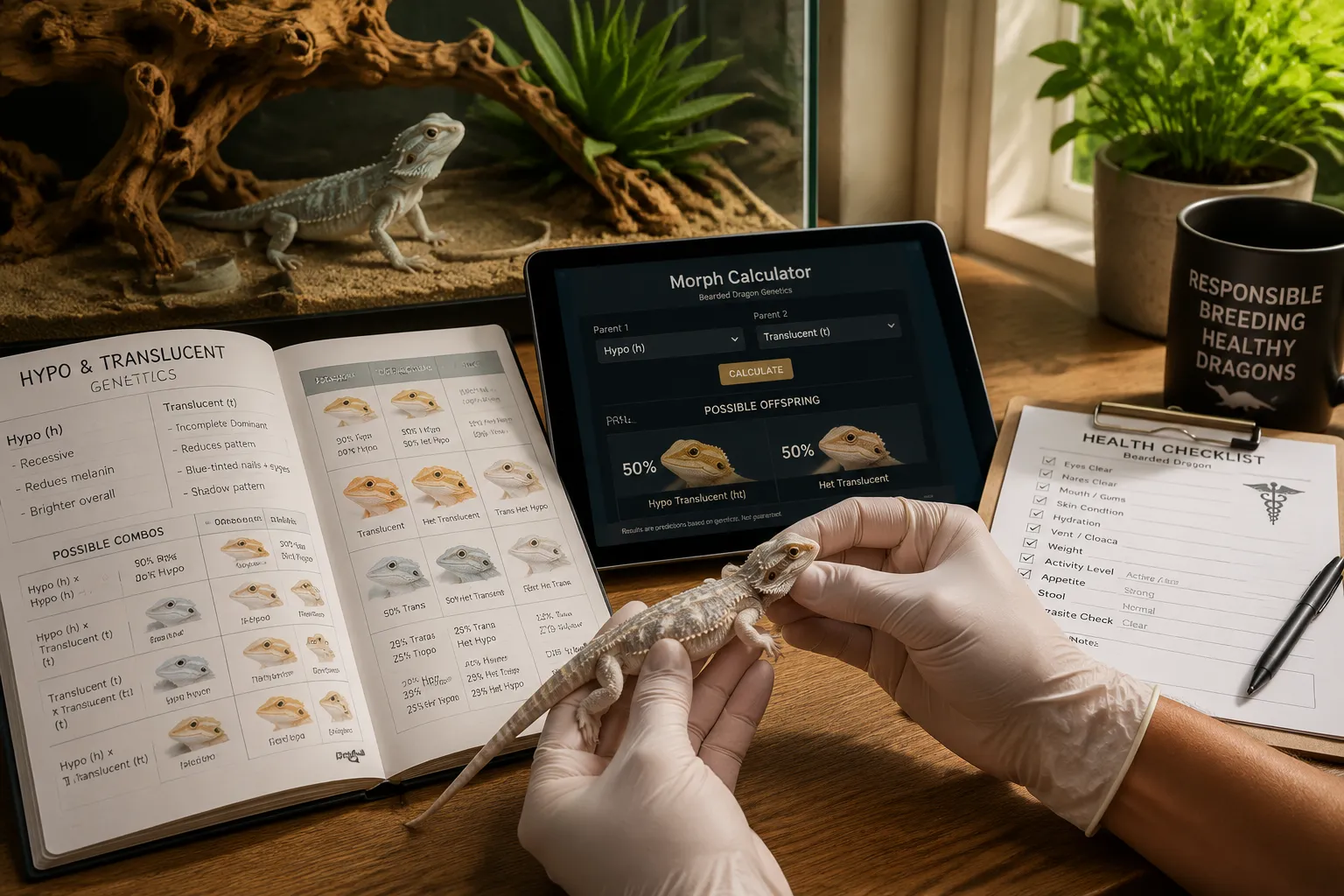
Yes, you can breed different bearded dragon morphs together, and doing so creates offspring that inherit genetic traits from both parents. The resulting babies may display combinations of both morphs, express only one parent’s traits, or carry hidden genes that appear in future generations depending on whether the traits are dominant, recessive, or co-dominant.
How Morph Genetics Work:
Dominant Traits (appear with one copy of the gene):
- Leatherback
- Dunner
- Translucent (co-dominant, meaning one copy creates translucent, two copies create “super translucent”)
Recessive Traits (require two copies to appear):
- Hypo
- Zero
- Witblits
Polygenic Traits (controlled by multiple genes):
- Color intensity (red, orange, citrus)
- Pattern variations
Breeding Examples:
Leatherback × Normal
- 50% leatherback offspring
- 50% normal offspring
- All offspring carry leatherback gene
Hypo × Hypo
- 100% hypo offspring (if both parents are visual hypos)
- All babies display reduced melanin
Translucent × Normal
- 50% translucent offspring
- 50% normal offspring (carrying hidden translucent gene)
Hypo Leatherback × Normal
- 50% leatherback (some carrying hidden hypo)
- 50% normal (some carrying hidden hypo)
- Hypo won’t appear unless both parents carry the gene
Important Breeding Considerations:
- Never breed silkback × silkback (produces offspring with severe scale defects)
- Avoid breeding dragons with neurological issues (some zero lines)
- Only breed healthy adults over 18 months old and proper weight
- Breeding requires significant investment in incubation equipment and space for babies
- Responsible breeders screen for genetic health issues across multiple generations
Decision Rule: Breed different morphs together only if you understand genetics, have homes lined up for offspring, and are prepared to keep unsold babies long-term. Casual breeding contributes to oversaturation of the pet market and unwanted dragons.
Do Bearded Dragon Morphs Have More Health Problems?
Most bearded dragon morphs have the same health profile as wild-type bearded dragons, but silkback morphs and some genetic lines of zeros show increased health problems. The morph itself doesn’t cause issues; rather, poor breeding practices and extreme trait selection can introduce genetic weaknesses.
Morphs with Known Health Concerns:
Silkback (Highest Risk)
- Lack of scales causes skin vulnerability
- Prone to cuts, abrasions, and infections
- Require higher humidity (40-50% vs. 30-40%)
- Need soft substrate and smooth décor
- More susceptible to dehydration
- Shorter average lifespan if care isn’t meticulous
- Not recommended for beginners
Zero (Some Lines)
- Certain genetic lines show neurological issues
- “Stargazing” (looking upward involuntarily) indicates neurological problems
- Not all zeros affected; depends on breeding line
- Ask breeder about neurological screening in their line
Translucent (Minimal Concern)
- Some early reports suggested higher mortality in hatchlings
- Modern breeding has largely eliminated this issue
- Current translucent lines are generally healthy
Morphs with No Increased Health Risk:
- Leatherback
- Hypo
- Citrus, orange, red (color morphs)
- Dunner
- Witblits
Health Issues from Poor Breeding (Any Morph):
Irresponsible breeding practices cause more health problems than morph genetics. Red flags include:
- Breeding siblings or parent-offspring (inbreeding)
- Breeding dragons under 18 months or underweight
- Breeding dragons with known health issues
- Prioritizing appearance over health and temperament
Common Health Problems Across All Morphs:
Regardless of morph, bearded dragons face the same potential health issues: metabolic bone disease (from inadequate UVB or calcium), impaction (from improper substrate or oversized food), respiratory infections (from low temperatures), and parasites. Proper husbandry prevents most problems. For information on proper nutrition, see our bearded dragon feeding guide.
Decision Rule: Avoid silkbacks unless you’re experienced and committed to extra care. For zeros, ask the breeder specifically about neurological issues in their line. All other morphs carry similar health risks to wild-type dragons when bred responsibly.
Where to Buy Bearded Dragon Morphs Near Me
The best places to buy bearded dragon morphs are specialized reptile breeders (online or local), reptile expos, and established reptile stores that source from reputable breeders. Avoid big-box pet stores for morphs, as they typically carry only wild-type or common morphs and may not provide detailed genetic or health information.
Top Sources for Bearded Dragon Morphs:
1. Specialized Reptile Breeders (Best Option)
- Search online for breeders in your region
- Look for breeders with detailed websites showing parent genetics
- Ask for references and health guarantees
- Many ship nationwide with overnight delivery
- Pros: Best selection, genetic information, health screening
- Cons: May require shipping, higher prices
2. Reptile Expos
- Regional expos occur monthly in most major cities
- Meet breeders in person and see dragons before buying
- Compare prices and morphs from multiple vendors
- Pros: See dragon in person, negotiate prices, immediate purchase
- Cons: Limited to expo schedule, impulse buying risk
3. Local Reptile Stores
- Specialty reptile shops (not chain pet stores)
- Often work with local breeders
- Can special order specific morphs
- Pros: Local support, see dragon before purchase, no shipping stress
- Cons: Limited selection, potentially higher prices
4. Online Breeder Marketplaces
- MorphMarket, FaunaClassifieds, and similar platforms
- Connect buyers with breeders nationwide
- Read reviews and verify seller reputation
- Pros: Huge selection, price comparison, breeder ratings
- Cons: Shipping required, can’t see dragon in person first
Red Flags to Avoid:
- Breeders who won’t provide photos of parents
- No health guarantee or return policy
- Prices significantly below market rate (suggests poor breeding or health issues)
- Unwilling to answer questions about genetics or care
- Selling very young hatchlings (under 4 weeks old)
- No reviews or references available
Questions to Ask Before Buying:
- What are the parent morphs and genetics?
- What health guarantee do you provide?
- Has the dragon been checked for parasites?
- What is the dragon’s current diet and feeding schedule?
- Can you provide references from previous buyers?
- What is your return/refund policy if health issues arise?
Shipping Considerations:
Reputable breeders ship safely using overnight delivery with heat or cold packs as needed. Shipping typically costs $40-$75. Most breeders guarantee live arrival and will refund or replace if the dragon arrives deceased (with proper documentation).
Common Mistakes When Choosing a Bearded Dragon Morph
The most common mistakes when choosing a bearded dragon morph are prioritizing appearance over health, buying from unverified breeders, selecting morphs beyond your experience level, and failing to budget for proper setup costs. These errors lead to sick dragons, unexpected expenses, and frustrated owners.
Top Mistakes and How to Avoid Them:
1. Choosing Based on Looks Alone
- Mistake: Buying the prettiest dragon without considering care needs or breeder reputation
- Solution: Research the specific morph’s care requirements and verify breeder credentials before committing
- Choose health and temperament over color intensity
2. Buying Silkbacks as a First Dragon
- Mistake: Attracted to smooth skin without understanding extra care demands
- Solution: Start with leatherback, hypo, or wild-type; upgrade to silkback after 1+ year of experience
- Silkbacks require humidity monitoring, skin care, and careful habitat design
3. Skipping Health Guarantees
- Mistake: Buying from sellers with no return policy or health guarantee
- Solution: Only purchase from breeders offering at least 7-day health guarantee
- Get agreement in writing before payment
4. Impulse Buying at Expos
- Mistake: Purchasing without research because a dragon looks cool
- Solution: Research morphs before attending expos; make a list of acceptable options
- Don’t buy if you haven’t prepared the habitat first
5. Underestimating Setup Costs
- Mistake: Spending $500 on a rare morph but having no budget for proper equipment
- Solution: Budget $300-$500 for complete habitat before buying any dragon
- Proper setup matters more than morph rarity for dragon health
6. Believing Inflated Rarity Claims
- Mistake: Paying premium prices for “ultra-rare” morphs that are actually common
- Solution: Research current market prices on MorphMarket and breeder websites
- Compare prices from multiple sources before buying
7. Buying from Pet Stores Without Genetic Info
- Mistake: Purchasing “morph” dragons from chain stores with no parent information
- Solution: Buy from breeders who can provide detailed genetic background
- Pet store “morphs” may be poorly bred or mislabeled
8. Ignoring Neurological Issues in Zeros
- Mistake: Buying zero morphs without asking about stargazing in the breeding line
- Solution: Specifically ask if the breeder has seen neurological issues in their zero line
- Request video of the dragon moving normally
9. Not Preparing for Long-Term Commitment
- Mistake: Choosing morphs based on baby appearance without considering adult size and lifespan
- Solution: Remember bearded dragons live 8-15 years and grow to 18-24 inches
- All morphs require the same long-term commitment
10. Breeding Without Knowledge
- Mistake: Buying morphs with intent to breed without understanding genetics
- Solution: Keep dragons as pets first; only breed after 2+ years of experience
- Understand genetic outcomes before pairing morphs
Decision Framework:
Before choosing any morph, answer these questions: (1) Do I have proper habitat setup ready? (2) Can I afford this morph plus ongoing care costs? (3) Does this morph match my experience level? (4) Has the breeder provided health guarantee and genetic information? (5) Am I choosing this dragon for the right reasons (health and temperament, not just looks)?
Are Zero Bearded Dragons Actually Completely White?
Zero bearded dragons are not completely white; they appear white, silver, or very pale gray with no pattern, but they retain normal black eyes and some subtle coloration. True albino bearded dragons (lacking all pigment with red eyes) don’t exist in the pet trade, making zeros the closest approximation to a “white” dragon.
What Zero Morphs Actually Look Like:
Coloration
- Base color ranges from bright white to pale silver-gray
- Some show subtle yellow, pink, or lavender tints
- Color intensity varies by individual and breeding line
- No pattern or markings (the defining characteristic)
Eyes
- Normal black eyes (not red or pink)
- This distinguishes them from true albinos
- Eye color confirms they retain melanin
Color Changes
- Babies often appear whiter than adults
- Many develop subtle color tones as they mature
- Stress marks (dark patches) still appear on belly when stressed
- Beard turns black when displaying aggression or stress
Variations in Zero Morphs:
Standard Zero
- Solid white/silver with no pattern
- May develop slight color tones with age
Zero Combined with Other Morphs
- Hypo zero: Brighter, cleaner white
- Translucent zero: White with see-through skin and solid black eyes
- Zero leatherback: Smooth white dragon with reduced scales
Common Misconceptions:
Myth: Zeros are albino
Reality: Zeros have normal melanin in eyes and retain some pigment; true albinos don’t exist in bearded dragons
Myth: Zeros stay pure white forever
Reality: Most develop subtle color tones as adults; baby photos don’t represent adult appearance
Myth: All zeros have health problems
Reality: Only certain genetic lines show neurological issues; many zeros are perfectly healthy
Care Considerations:
Zeros require the same care as other morphs with one exception: some genetic lines show neurological problems (stargazing, coordination issues). Always ask breeders about neurological screening in their zero line before purchasing. Avoid zeros from lines with known issues.
Decision Rule: Choose a zero if you want a pattern-free, pale dragon and have verified the breeder’s line is free from neurological issues. Expect subtle color development as the dragon matures rather than pure white throughout life.
Do Different Morphs Need Different Care Requirements?
Most bearded dragon morphs need identical care requirements, with the exception of silkback morphs, which require higher humidity, softer substrate, and more careful skin monitoring. Color morphs (citrus, red, orange), pattern morphs (zero, witblits), and scale morphs (leatherback, dunner) all thrive with standard bearded dragon husbandry.
Standard Care for Most Morphs:
Habitat Requirements (All Morphs Except Silkback)
- Tank size: 40 gallons minimum for juveniles, 75+ gallons for adults
- Basking spot: 95-105°F
- Cool side: 75-85°F
- Nighttime: 65-75°F
- UVB lighting: 10-12% UVB tube light, replaced every 6-12 months
- Humidity: 30-40%
- Substrate: Tile, reptile carpet, or paper (avoid loose substrate for juveniles)
Diet (All Morphs)
- Juveniles: 80% insects, 20% vegetables
- Adults: 20% insects, 80% vegetables
- Daily calcium supplementation
- Vitamin D3 supplementation 2-3 times weekly
- Fresh water daily
For detailed feeding information applicable to all morphs, visit our bearded dragon feeding guide.
Morph-Specific Care Adjustments:
Silkback (Significant Differences)
- Humidity: 40-50% (higher than standard)
- Substrate: Only soft options (reptile carpet, paper towels)
- Décor: Remove rough rocks and branches
- Skin care: Regular moisturizing with reptile-safe products
- Bathing: More frequent (2-3 times weekly)
- Monitoring: Check daily for cuts or abrasions
- Lifespan: Potentially shorter without meticulous care
Translucent (Minor Adjustments)
- Temperature monitoring: Watch behavior closely to ensure basking spot is comfortable
- Shade areas: Provide adequate hiding spots
- Otherwise identical to standard care
All Other Morphs
- Leatherback, hypo, citrus, orange, red, zero, witblits, dunner, and paradox all follow standard care protocols
- No special adjustments needed
- Individual personality matters more than morph type
Common Mistake: Assuming rare or expensive morphs need “premium” care products or complicated setups. In reality, proper basic husbandry (correct temperatures, quality UVB, appropriate diet) matters far more than morph type for nearly all varieties.
Decision Rule: If you can provide standard bearded dragon care, you can keep any morph except silkback. Only choose silkback if you’re willing to invest extra time in daily monitoring and specialized care.
Frequently Asked Questions
Can bearded dragon morphs live together?
No, bearded dragons of any morph should not be housed together after 6 months of age. They’re solitary animals that become territorial and aggressive toward each other, leading to stress, injuries, and competition for food and basking spots. House all bearded dragons individually regardless of morph.
Do bearded dragon morphs have different personalities?
No, morph genetics don’t determine personality. Individual temperament varies based on genetics from the breeding line, early socialization, handling frequency, and individual personality. A well-socialized leatherback and a well-socialized zero will show similar temperament ranges.
How can I tell what morph my bearded dragon is?
Identify morphs by examining scale texture (smooth = leatherback, very smooth = silkback), color (bright yellow/orange = citrus, red tones = red morph), pattern (no pattern = zero), and eye color (solid black = translucent). If you’re unsure, post clear photos in bearded dragon forums or groups for identification help.
Are bearded dragon morphs recognized by reptile organizations?
Bearded dragon morphs are recognized by breeders and the reptile community but aren’t formally classified by scientific organizations since all morphs belong to the same species (Pogona vitticeps). Morph names are breeder-created terms describing specific genetic traits rather than official taxonomic designations.
Can bearded dragon morphs change color as they age?
Yes, many morphs show color changes as they mature. Babies often display more vibrant colors that may fade or shift as adults. Red and orange morphs commonly lose intensity after 2-3 years. This is normal and not a health concern unless accompanied by other symptoms.
Do bearded dragon morphs cost more to maintain?
No, most morphs have identical maintenance costs to wild-type bearded dragons. Monthly expenses for food, supplements, and electricity run $30-$50 regardless of morph. The exception is silkbacks, which may require additional skin care products and more frequent veterinary checkups.
What is a super translucent bearded dragon?
A super translucent (or “trans het trans”) is a dragon with two copies of the translucent gene, creating even more transparent skin than standard translucents. They appear more see-through with intensely black eyes and often show blue or purple tints. They’re rarer and more expensive than single-gene translucents.
Can you breed a leatherback to a silkback?
Yes, but it’s not recommended. Breeding leatherback × silkback produces 50% leatherback and 50% silkback offspring. However, breeding silkback × silkback should never be done, as it produces offspring with severe scale defects and health problems. Responsible breeders avoid producing silkbacks when possible.
Why are some bearded dragon morphs more expensive than others?
Price reflects rarity, breeding difficulty, market demand, and the number of generations required to produce the morph. Morphs requiring multiple recessive genes (like hypo translucent zero) take years of selective breeding and produce fewer desired offspring, increasing cost. Breeder reputation also affects pricing.
Do bearded dragon morphs need different UVB lighting?
No, all bearded dragon morphs need the same UVB lighting: 10-12% UVB tube lights covering 50-75% of the enclosure length, replaced every 6-12 months. Translucent morphs may be slightly more sensitive to UVB intensity, but they still require the same lighting setup with adequate shade areas.
How long do bearded dragon morphs live?
Most bearded dragon morphs live 8-15 years with proper care, identical to wild-type bearded dragons. Silkbacks may have shorter lifespans (6-10 years) due to skin vulnerability if care isn’t meticulous. Lifespan depends more on husbandry quality than morph type. Learn more about bearded dragon longevity in our article on how long bearded dragons live.
Are bearded dragon morphs harder to breed?
Some morphs are harder to breed than others. Recessive traits (hypo, zero) require both parents to carry the gene, making desired offspring less common. Dominant traits (leatherback) are easier to produce. Breeding for intense color requires multiple generations of selective pairing. Paradox morphs cannot be reliably reproduced at all.
Conclusion
Bearded dragon morphs offer incredible variety in appearance while maintaining the same hardy, friendly temperament that makes bearded dragons excellent pets. Whether you choose a smooth leatherback, a vibrant citrus, a pattern-free zero, or a standard wild-type dragon, success depends far more on proper husbandry than on morph genetics.
Key Takeaways for Choosing Your Morph:
Start with beginner-friendly morphs like leatherbacks or hypos if you’re new to bearded dragon keeping. These provide visual interest without added complexity or cost. Avoid silkbacks until you have at least a year of experience with standard care requirements.
Prioritize breeder reputation over morph rarity. A healthy, well-socialized dragon from a reputable breeder will bring more joy than a rare morph with hidden health issues from an inexperienced seller. Always ask for health guarantees, parent genetics, and references before purchasing.
Budget for the complete setup before buying any morph. The most expensive dragon won’t thrive in an inadequate habitat. Invest in proper lighting, heating, and enclosure size first, then choose the morph that fits your remaining budget.
Next Steps:
- Research specific morphs that interest you using breeder websites and reptile forums to understand current prices and availability
- Prepare your habitat with proper tank size, UVB lighting, heating elements, and appropriate décor before bringing a dragon home
- Identify reputable breeders in your area or online with strong reviews and health guarantees
- Ask detailed questions about genetics, health screening, and care requirements before committing to purchase
- Join bearded dragon communities online for ongoing support and advice as you care for your new pet
Remember that all bearded dragon morphs, regardless of color or pattern, require the same commitment to proper care, regular handling, and long-term responsibility. Choose the morph that excites you visually while matching your experience level and budget, then focus on providing excellent husbandry to help your dragon thrive for the next 8-15 years.

Effective shedding aid:Specifically designed to address shedding difficulties in pet reptiles. Its rough surface provides gentle yet effective physical friction, helping to safely remove stubborn stuck shed skin and make the shedding process smoother.

Special Customized Fabric Friendly for Lizard Skin: Made of cotton/ flannel material.It guarantees of quality cotton and also sufficient elasticity that won't hurt the skin of lizards.These hoodie will effectively alleviate the negative impact of excessive temperature difference on bearded dragon.