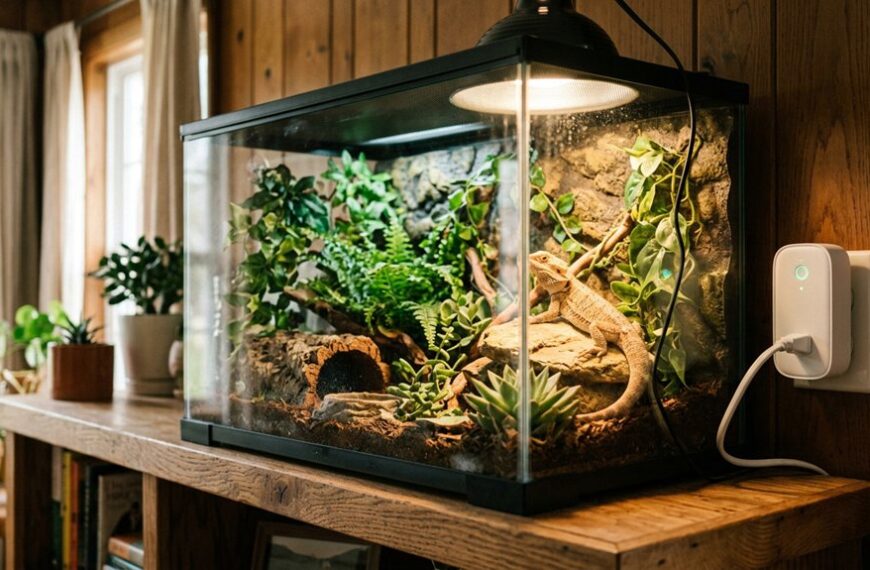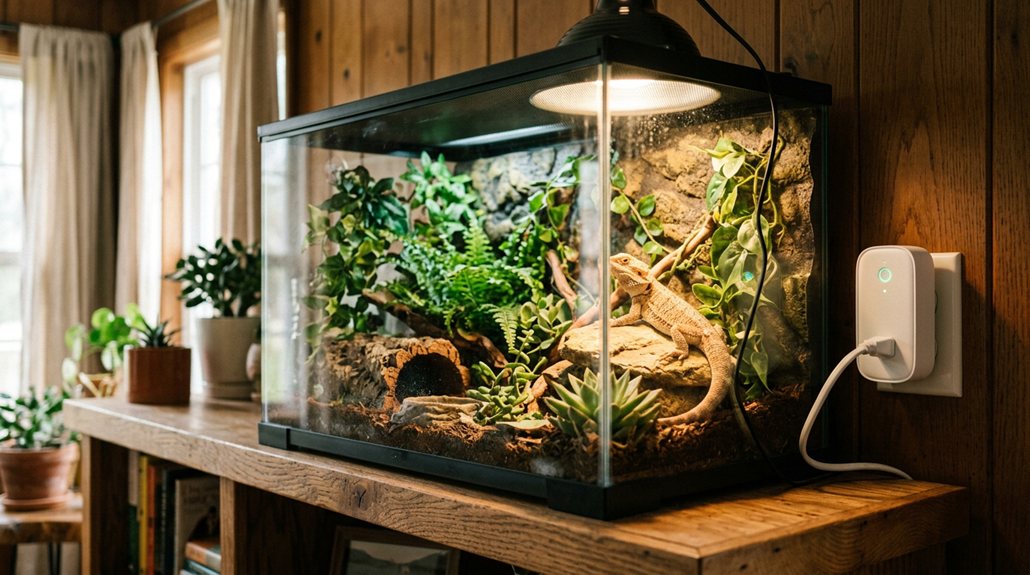
Bringing home a bearded dragon in 2026 will cost between $450 and $1,200 in the first year, with the initial setup accounting for 60-75% of that total. The dragon itself typically runs $40-$200, but the terrarium, lighting, heating equipment, and ongoing food expenses make up the bulk of your investment.
Key Takeaways
- Initial setup costs range from $300-$800, including terrarium, UVB lighting, heating equipment, substrate, and décor
- The bearded dragon itself costs $40-$200 depending on age, morph, and where you buy
- Monthly food expenses average $30-$50 for live insects, vegetables, and supplements
- First-year vet costs typically run $100-$300 for wellness exams and potential treatments
- A 40-gallon tank minimum is required for juveniles, but adults need 75-120 gallons ($150-$400)
- UVB lighting is non-negotiable and costs $40-$80 upfront, plus $30-$50 every 6-12 months for bulb replacement
- Hidden costs include electricity ($10-$20/month), emergency vet visits, and equipment replacements
- Baby bearded dragons require more frequent feeding and closer monitoring, increasing food costs by 30-40% compared to adults
- Leopard geckos cost 40-50% less to maintain than bearded dragons due to smaller space and simpler lighting needs
- Budget-conscious owners can save money by buying used tanks, shopping sales, and growing their own greens

Great for Small Reptiles - This 40-gallon reptile enclosure is ideal for juvenile bearded dragons, leopard geckos, corn snakes, or other small reptiles. Compact and beginner-friendly, it’s a perfect choice for those with limited space or new to reptile care. TIP: This tank is not suitable for holding water.

50 GALLON SPACIOUS ENCLOSURE: Measuring 36" x 17.5" x 18" (91.5x45x45.5cm), this large reptile terrarium provides ample room for climbing, exploring, and adding thick substrate layers. It is the perfect, comfortable habitat for lizards, and other reptiles.

Multifunctional Design: This 20 gallon reptile terrarium features a multifunctional design, capable of meeting the needs of various reptiles. Whether for resting, breeding or display, it can provide your pet with an ideal living environment.
What Is the Average Cost of Buying a Bearded Dragon?
A bearded dragon typically costs between $40 and $200 from pet stores, breeders, or reptile expos, with the price varying based on age, color morph, and source. Standard morphs (normal, citrus) from chain pet stores run $40-$80, while specialty morphs (translucent, hypo, zero) from reputable breeders can reach $150-$300 or more.
Where you buy matters significantly:
- Chain pet stores (PetSmart, Petco): $40-$100 for juveniles, limited morph selection
- Local reptile shops: $60-$150, often healthier stock with better care history
- Reputable breeders: $80-$300+, best health guarantees and morph variety
- Reptile expos: $50-$200, competitive pricing but less recourse if issues arise
- Adoption/rescue: $25-$75 rehoming fee, often includes some equipment
Age affects price and care requirements:
- Baby dragons (2-4 months): $40-$80, require intensive feeding schedules
- Juveniles (4-12 months): $60-$120, easier to handle than babies
- Adults (1+ years): $80-$200, established eating habits but may have behavioral quirks from previous owners
Common mistake: Choosing the cheapest dragon without considering health. A $30 dragon from a questionable source often leads to $200+ in vet bills within the first month. Always inspect for alert eyes, plump tail base, no visible parasites, and active behavior before purchasing.
How Much Does a Bearded Dragon Setup Cost for Beginners?
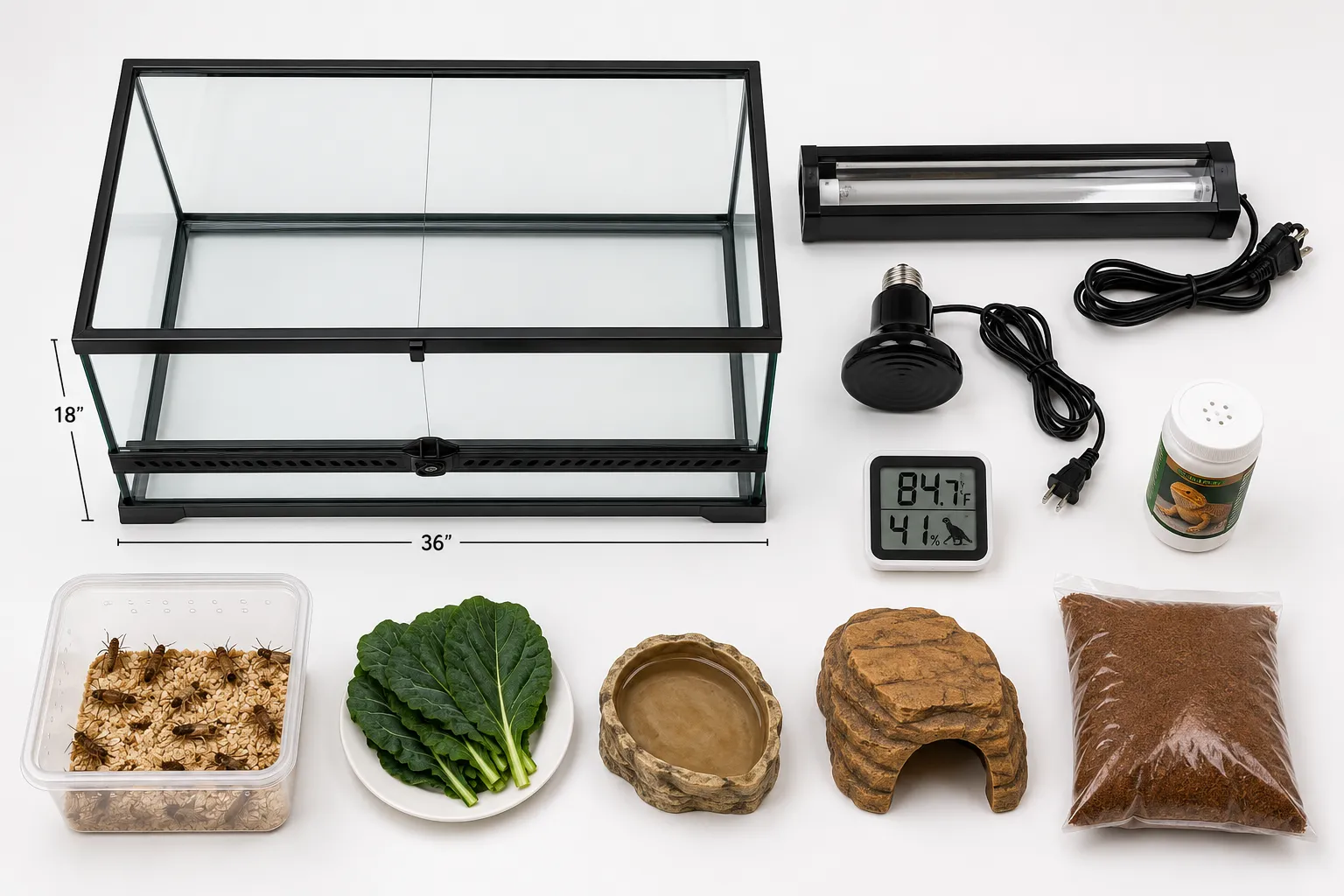
The initial bearded dragon setup costs between $300 and $800 for beginners, depending on whether you buy new equipment, choose budget or premium brands, and opt for the minimum or ideal enclosure size. This one-time investment covers the terrarium, lighting, heating, substrate, décor, and feeding supplies.
Essential setup breakdown:
| Item | Budget Option | Mid-Range | Premium |
|---|---|---|---|
| Terrarium (40-75 gal) | $100-$150 | $200-$300 | $400-$600 |
| UVB tube light + fixture | $40-$60 | $70-$100 | $120-$150 |
| Basking bulb + dome | $15-$25 | $30-$40 | $50-$70 |
| Thermometer/hygrometer | $10-$15 | $20-$30 | $40-$60 |
| Substrate | $15-$25 | $30-$40 | $50-$70 |
| Décor (hides, branches) | $30-$50 | $60-$80 | $100-$150 |
| Food/water dishes | $10-$15 | $20-$30 | $40-$60 |
| Total | $220-$340 | $430-$620 | $800-$1,160 |
Choose budget options if: You’re handy with DIY projects, can find used equipment in good condition, or plan to upgrade gradually as your dragon grows. Many owners start with a 40-gallon for a juvenile and upgrade to 75+ gallons within 12-18 months.
Invest in premium if: You want a bioactive setup, plan to keep your dragon long-term (10-15 years), or prefer low-maintenance equipment with better warranties. Quality UVB fixtures and thermostats pay for themselves through reliability.
Setup mistakes that cost more later:
- Buying a tank that’s too small and needing to upgrade within months
- Skipping a thermostat ($25-$50) and burning out bulbs or risking burns
- Using compact UVB bulbs instead of tube lights, leading to inadequate UV exposure
- Choosing decorative substrate (sand, walnut shells) that causes impaction, resulting in vet bills
For detailed guidance on enclosure sizing, check out our guide on what tank size a bearded dragon needs.
What Size Tank Does a Bearded Dragon Need and How Much Does It Cost?
A juvenile bearded dragon needs a minimum 40-gallon tank ($100-$200), while adults require 75-120 gallons ($150-$500) to thrive. The larger the enclosure, the better for temperature gradients, exercise, and overall health, but costs scale accordingly.
Tank size by age:
- Hatchlings (0-3 months): 20-gallon tank works temporarily ($50-$80), but most owners skip this and start with 40 gallons
- Juveniles (3-12 months): 40-gallon breeder tank minimum ($100-$150)
- Sub-adults (12-18 months): 75-gallon tank recommended ($150-$250)
- Adults (18+ months): 120-gallon tank ideal ($300-$500), though 75-gallon is acceptable for smaller individuals
Tank material considerations:
- Glass terrariums: Most common, good visibility, holds humidity poorly (which is fine for bearded dragons), $100-$400
- PVC enclosures: Better insulation, lighter weight, easier to maintain temperatures, $250-$600
- Custom-built: Wood frame with glass front, most cost-effective for large sizes, $150-$300 DIY
Cost-saving strategy: Buy a used tank from Craigslist, Facebook Marketplace, or reptile forums. Many owners upgrade and sell their old setups for 40-60% off retail. Always disinfect thoroughly with reptile-safe cleaner before use.
Edge case: If you adopt an adult dragon, you can skip the juvenile tank entirely and invest in the final enclosure from day one, saving $100-$200 in upgrade costs.
For more details on tank requirements, visit our article on whether a bearded dragon can live in a 40-gallon tank forever.
Do Bearded Dragons Need Expensive Lighting and Heating Equipment?
Yes, bearded dragons require specialized UVB lighting ($40-$150) and heating equipment ($30-$100) that cannot be substituted with cheaper alternatives without risking serious health problems. UVB exposure is essential for calcium metabolism and preventing metabolic bone disease, while proper heating maintains digestion and immune function.
UVB lighting requirements:
- Tube UVB bulbs (10.0 or 12% UVB): $30-$50 per bulb, must be replaced every 6-12 months even if still glowing
- UVB fixture: $40-$100 for a quality T5 HO fixture that mounts inside or on top of the screen
- Total annual UVB cost: $70-$150 (initial fixture + 1-2 bulb replacements)
Heating equipment:
- Basking bulb: $5-$15, lasts 3-6 months, creates 95-105°F basking spot
- Ceramic heat emitter (optional, for nighttime): $15-$30, lasts 1-2 years
- Thermostat: $25-$80, prevents overheating and extends bulb life
- Total annual heating cost: $50-$120
Why cheap alternatives fail:
- Compact/coil UVB bulbs: Provide inadequate UV coverage and have been linked to eye problems in reptiles
- Regular household bulbs: Produce heat but zero UVB, leading to metabolic bone disease within months
- Heat rocks: Create hot spots that cause burns; never use these
Choose premium lighting if: You want the best UVB output and longest bulb life. Arcadia and Zoo Med ReptiSun are industry standards. Budget options from lesser-known brands may save $10-$20 upfront but often fail sooner or provide inconsistent UV output.
Electricity costs: Running UVB and heating 12-14 hours daily adds $10-$20 to your monthly electric bill, depending on local rates and tank size. This is unavoidable for proper care.
What Are the Monthly Costs of Owning a Bearded Dragon?
Monthly bearded dragon costs average $30-$70, with food making up the largest recurring expense at $25-$50 per month. Electricity, supplements, and substrate replacement add another $15-$25 monthly, while periodic bulb replacements and vet visits increase the annual average.
Monthly expense breakdown:
- Live insects (crickets, dubia roaches): $15-$30
- Fresh vegetables and greens: $10-$20
- Calcium and vitamin supplements: $5-$10 (bottles last 2-3 months)
- Electricity (lighting and heating): $10-$20
- Substrate replacement: $5-$15 (depending on type and frequency)
- Total monthly: $45-$95
Food costs by age:
- Juveniles (3-12 months): $40-$60/month due to daily insect feedings (50-80 crickets per day)
- Adults (1+ years): $25-$40/month with reduced insect frequency (3-4 times per week)
Ways to reduce monthly costs:
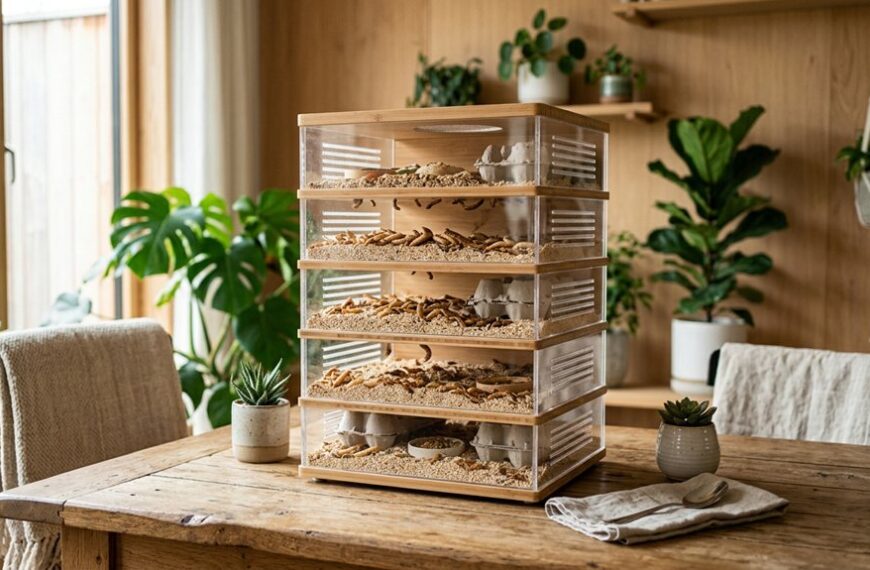
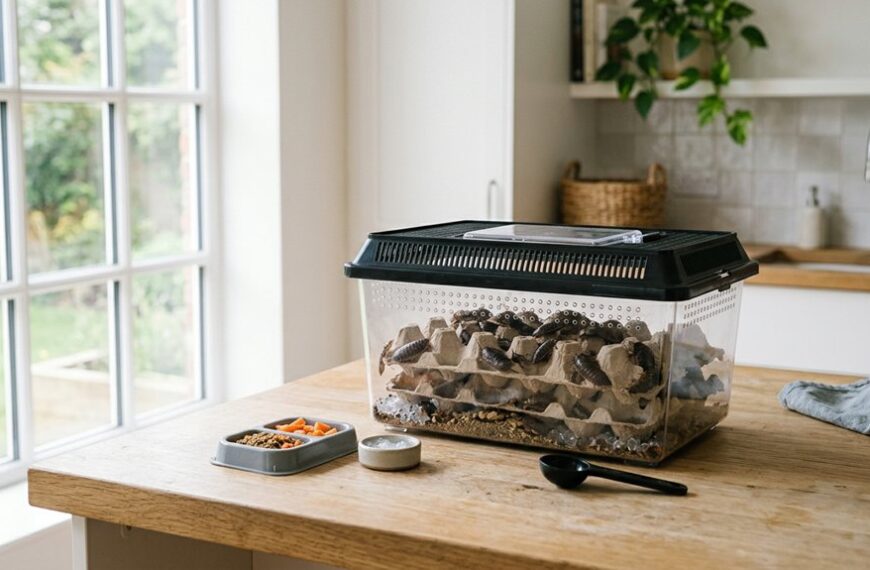
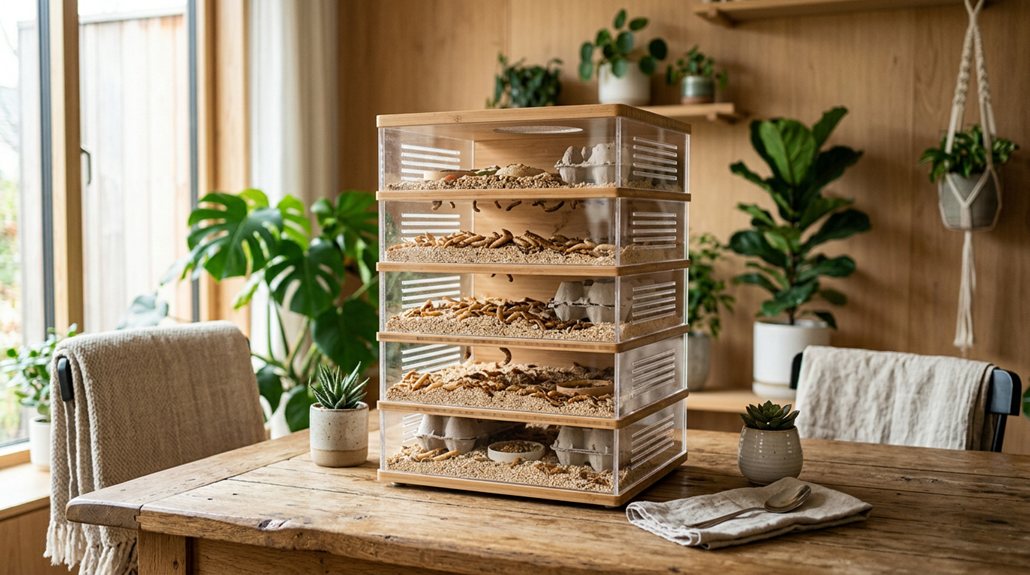
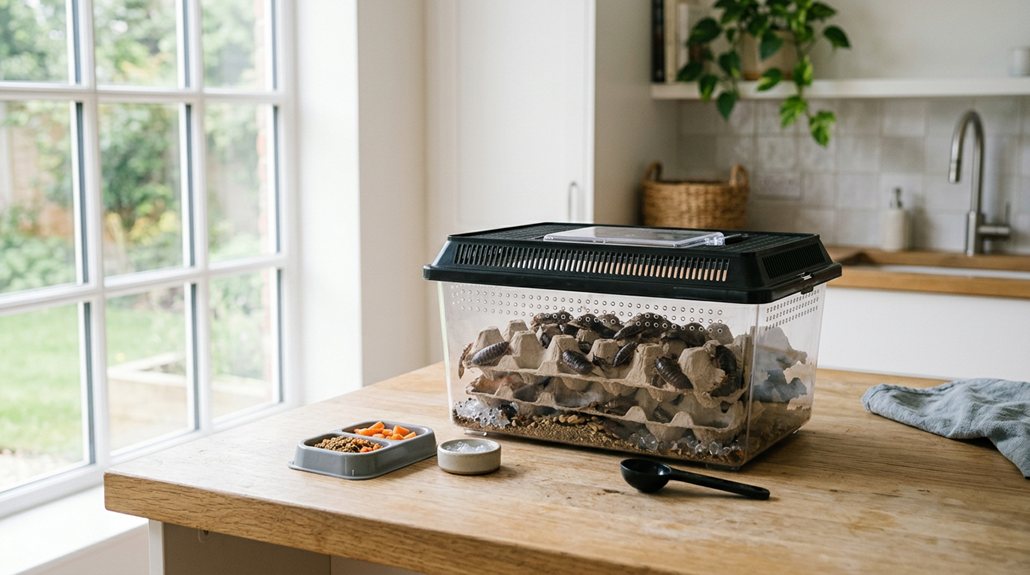
- Breed your own feeder insects: Dubia roach colonies cost $40-$80 to start but provide free feeders within 3-4 months
- Grow your own greens: Collard greens, mustard greens, and turnip greens are easy to grow and cost pennies per serving
- Buy supplements in bulk: Larger containers reduce per-dose cost by 30-40%
- Use tile substrate: One-time $20-$40 investment, no replacement needed, just clean weekly
Common mistake: Underestimating juvenile food costs. Baby bearded dragons eat 2-3 times more than adults, and many new owners are shocked by the $50-$70 monthly insect bills during the first year.
For more information on feeding, explore our bearded dragon feeding guide.
How Much Does Bearded Dragon Food Cost Per Month?
Bearded dragon food costs $25-$50 per month for adults and $40-$70 per month for juveniles, with live insects accounting for 60-70% of the food budget. Fresh vegetables, greens, and supplements make up the remainder.
Insect costs:
- Crickets: $0.10-$0.15 each, adults eat 20-30 per week = $8-$18/month
- Dubia roaches: $0.20-$0.40 each, adults eat 15-25 per week = $12-$40/month
- Superworms: $0.10-$0.20 each, treat only, $5-$10/month
- Black soldier fly larvae: $0.15-$0.25 each, nutritious alternative, $10-$20/month
Vegetable and greens costs:
- Collard greens: $1-$2 per bunch, lasts 3-4 days = $8-$15/month
- Mustard greens: $1-$2 per bunch, lasts 3-4 days = $8-$15/month
- Butternut squash: $2-$4 each, lasts 1-2 weeks = $4-$8/month
- Bell peppers, carrots, other veggies: $5-$10/month
Supplement costs:
- Calcium powder (without D3): $8-$15 per bottle, lasts 2-3 months = $3-$5/month
- Calcium with D3: $8-$15 per bottle, used less frequently = $2-$3/month
- Multivitamin powder: $10-$18 per bottle, lasts 3-4 months = $3-$5/month
Cost comparison by feeder insect:
Crickets are cheapest but die quickly, smell bad, and are noisy. Dubia roaches cost more upfront but live longer, are quieter, and have better nutrition. Black soldier fly larvae are the most nutritious but also the most expensive per insect.
Budget feeding strategy: Feed primarily crickets supplemented with home-grown greens, and offer dubia roaches or other premium insects once or twice weekly as a treat. This keeps costs around $25-$35/month for adults.
Learn more about specific foods in our guides on whether bearded dragons can eat mealworms and other safe food options.
How Much Do Bearded Dragon Vet Visits Cost in the First Year?
First-year vet costs for a bearded dragon typically range from $100 to $300, including an initial wellness exam ($50-$100), fecal parasite test ($30-$60), and potential follow-up treatments. Emergency visits for impaction, respiratory infections, or metabolic bone disease can add $150-$500 to first-year costs.
Routine vet expenses:
- Initial wellness exam: $50-$100, recommended within first 2-4 weeks of ownership
- Fecal parasite screening: $30-$60, often reveals parasites from pet store environments
- Parasite treatment: $20-$80 if parasites are found
- Annual checkup: $50-$100 in subsequent years
Common first-year health issues and costs:
- Metabolic bone disease (from inadequate UVB): $100-$300 for diagnosis, calcium injections, and follow-up
- Respiratory infection: $150-$400 for exam, antibiotics, and recheck
- Impaction (from substrate ingestion): $100-$500 depending on severity and whether surgery is needed
- Mouth rot: $80-$200 for treatment and antibiotics
- Parasites: $50-$150 for medication and follow-up fecal tests
Finding an exotic vet:
Not all veterinarians treat reptiles. Search for a certified exotic animal vet or reptile specialist in your area before you need one. Exotic vet visits typically cost 20-40% more than dog/cat appointments due to specialized knowledge.
Pet insurance for reptiles: Very few companies offer reptile insurance, and those that do have limited coverage with high deductibles. Most owners self-insure by setting aside $20-$30 monthly in an emergency fund.
Prevention saves money: Proper UVB lighting, appropriate temperatures, correct diet, and clean substrate prevent 80% of common health issues. Spending an extra $50-$100 on quality equipment upfront saves hundreds in vet bills.
Where Is the Cheapest Place to Buy a Bearded Dragon?
The cheapest places to buy a bearded dragon are reptile rescues ($25-$75 adoption fee), Craigslist or Facebook Marketplace rehoming ads ($20-$100), and chain pet stores during sales ($40-$80). However, the lowest upfront price doesn’t always mean the best value when factoring in health, age, and included equipment.
Cost comparison by source:
- Reptile rescues/shelters: $25-$75, often includes tank and equipment, adult dragons
- Craigslist/Facebook Marketplace: $20-$150, sometimes includes full setup, variable health quality
- Chain pet stores (PetSmart, Petco): $40-$100, juveniles, limited health guarantees
- Local reptile shops: $60-$150, better health screening, knowledgeable staff
- Reptile expos: $50-$200, competitive pricing, wide selection, limited recourse
- Reputable breeders: $80-$300+, best genetics and health guarantees, specific morphs
Hidden value in adoption: Rehoming situations often include the full setup (tank, lights, décor) worth $200-$500, making the total cost lower than buying a cheap dragon and building a setup from scratch.
Red flags when buying cheap:
- Lethargic behavior or closed eyes during the day
- Sunken eyes or wrinkled skin (dehydration)
- Thin tail base (malnourishment)
- Black beard or stress marks constantly visible
- Dirty enclosure or poor husbandry at the seller’s location
Best value strategy: Buy a healthy juvenile from a local reptile shop or reputable breeder ($80-$150), then source used equipment from Facebook Marketplace or reptile forums. This balances dragon health with setup affordability.
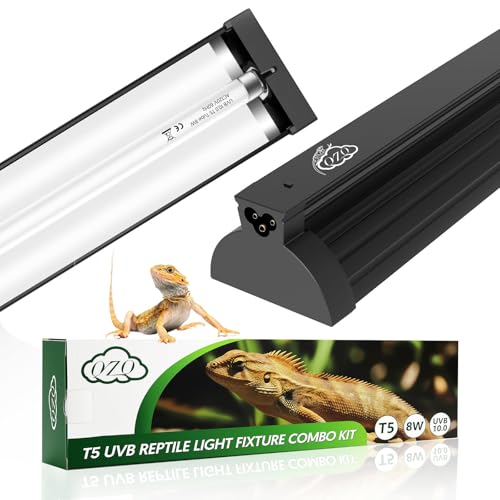
T5 UVB Reptile Light Fixture Combo Kit: The QZQ T5 UVB reptile light features a 5.9ft detachable power cord, a convenient on/off switch, and multiple mounting accessories for easy installation. Whether you're setting up a reptile tank or terrarium, this reptile light fixture meets your reptile lighting needs, providing your pets with the perfect 10.0 UVB lighting environment for healthy growth

Enhances UVB & Light Reflection: The reptile light fixture focuses the light emitted by the bulb, ensuring even distribution across the entire illumination area. The polished interior surface greatly enhances light reflection, minimizing losses of both light and UVB. This reflective effect optimizes the efficiency of the light source, promoting the health and growth of reptiles

T5 Reptile Light Fixture with UVB 10.0 Bulb Kit - The REPTIDLDB T5 reptile light fixture comes with a UVB 10.0 bulb kit, offering 10% UVB and 30% UVA output. This lighting system provides a natural and balanced lighting environment, ensuring your reptiles receive the proper UVB radiation for optimal health. The fixture is designed with minimal heat emission, making it perfect for your reptile's habitat without overheating the enclosure. The UVB 10.0 bulb is replaceable, giving you flexibility and convenience in maintaining your reptile’s environment.
Are Baby Bearded Dragons More Expensive Than Adults to Care For?
Yes, baby bearded dragons cost 30-50% more per month to feed than adults due to their intensive insect requirements, and they demand more frequent monitoring and care time. Juveniles need 50-80 small insects daily compared to adults’ 20-30 insects 3-4 times per week, significantly increasing food costs during the first 12 months.
Cost comparison by age:
| Age | Monthly Food Cost | Feeding Frequency | Monitoring Needs |
|---|---|---|---|
| Baby (0-3 months) | $50-$70 | 3x daily | Very high |
| Juvenile (3-12 months) | $40-$60 | 2x daily | High |
| Adult (1+ years) | $25-$40 | 4-5x weekly | Moderate |
Why babies cost more:
- Higher insect consumption: Babies need protein for rapid growth, eating 2-3 times their adult intake
- Smaller insects required: Pinhead crickets and small dubia nymphs cost more per ounce than adult insects
- More frequent supplementation: Daily calcium dusting vs. 3-4 times weekly for adults
- Higher risk of health issues: Babies are more fragile and prone to husbandry mistakes, increasing vet visit likelihood
Time investment differences:
Babies require 30-45 minutes daily for feeding, monitoring, and cleaning, while adults need 15-20 minutes. For working owners or teenagers, this time difference matters significantly.
When to choose a baby vs. adult:
- Choose a baby if: You want to bond from a young age, enjoy the growth process, and have time for intensive care
- Choose an adult if: You want lower monthly costs, less time commitment, and an established personality
Cost-saving tip for baby owners: Start a dubia roach colony when you get your baby dragon. By the time the colony matures (3-4 months), your dragon will be eating larger insects, and you’ll have a free feeder supply.
Bearded Dragon vs Leopard Gecko Cost Comparison
Leopard geckos cost 40-50% less to maintain than bearded dragons, with first-year expenses around $250-$600 compared to $450-$1,200 for bearded dragons. The smaller enclosure size, simpler lighting requirements, and lower food costs make leopard geckos more budget-friendly for beginners.
Setup cost comparison:
| Item | Bearded Dragon | Leopard Gecko |
|---|---|---|
| Enclosure size | 40-120 gallons | 20-40 gallons |
| Enclosure cost | $100-$500 | $50-$150 |
| UVB lighting | Required ($70-$150) | Optional ($40-$80) |
| Heating | Basking bulb + thermostat ($50-$100) | Heat mat + thermostat ($40-$80) |
| Substrate | $15-$50 | $10-$30 |
| Décor | $40-$100 | $20-$60 |
| Total setup | $275-$900 | $160-$400 |
Monthly cost comparison:
- Bearded dragon: $45-$70 (insects, vegetables, electricity)
- Leopard gecko: $20-$35 (insects, supplements, electricity)
Why leopard geckos cost less:
- Smaller enclosure: 20-40 gallons vs. 75-120 gallons for adult bearded dragons
- No UVB requirement: While beneficial, leopard geckos can survive without UVB if properly supplemented
- Lower food consumption: Eat 5-10 insects every 2-3 days vs. 20-30 insects 3-4 times weekly
- Lower electricity: Smaller heat source and no UVB tube reduces monthly electric bill
- Less space needed: Easier to house in apartments or small rooms
Choose a bearded dragon if: You want a larger, more interactive pet that can be handled frequently, enjoys watching you, and has a more varied diet including vegetables.
Choose a leopard gecko if: Budget is a primary concern, you have limited space, or you prefer a lower-maintenance pet with simpler care requirements.
What Hidden Costs Do New Bearded Dragon Owners Forget About?
Hidden bearded dragon costs include electricity ($120-$240 annually), emergency vet visits ($150-$500), equipment failures and replacements ($50-$150 yearly), and tank upgrades as the dragon grows ($150-$400). These often-overlooked expenses can add $400-$800 to first-year costs beyond the initial setup and routine care.
Commonly forgotten expenses:
- Electricity: Running lights and heating 12-14 hours daily costs $10-$20/month = $120-$240/year
- Bulb replacements: UVB bulbs ($30-$50) every 6-12 months, basking bulbs ($5-$15) every 3-6 months = $50-$100/year
- Tank upgrade: Starting with 40-gallon and upgrading to 75-120 gallon within 18 months = $150-$400
- Thermostat: Often skipped initially but essential for safety = $25-$80
- Emergency vet visit: Impaction, respiratory infection, or injury = $150-$500
- Feeder insect die-offs: Crickets die quickly in hot weather, requiring replacement = $10-$30 lost per incident
- Vacation care: Pet sitter or boarding ($15-$30/day) = $100-$300 per week-long trip
Equipment failure costs:
- Broken thermometer/hygrometer: $15-$40 replacement
- Burned-out fixture: $30-$80 replacement
- Cracked tank: $100-$500 replacement depending on size
- Broken décor: $20-$60 replacement
Seasonal cost variations:
- Summer: Higher electricity costs from air conditioning to keep room temperature safe, more frequent insect die-offs
- Winter: Higher heating costs, potential need for additional heat sources
Budget buffer recommendation: Set aside $30-$50 monthly in an emergency fund to cover unexpected costs. By the end of year one, you’ll have $360-$600 saved for emergencies, tank upgrades, or equipment replacements.
Can You Cut Costs on Bearded Dragon Supplies Without Harming Them?
Yes, you can safely reduce bearded dragon costs by 30-40% through strategic choices like buying used equipment, breeding feeder insects, using tile substrate, and growing your own greens, but never compromise on UVB lighting quality or veterinary care. Some corners are safe to cut, while others risk serious health problems.
Safe cost-cutting strategies:
- Buy used tanks and décor: Save 40-60% by shopping Facebook Marketplace, Craigslist, or reptile forums; disinfect thoroughly before use
- Use ceramic tile substrate: $20-$40 one-time cost, no replacement needed, easy to clean, safe for digestion
- Breed dubia roaches: $40-$80 startup cost, free feeders after 3-4 months, saves $15-$30/month
- Grow your own greens: Collard and mustard greens are easy to grow, save $10-$15/month
- DIY décor: Use cleaned branches from outside, rocks from your yard (baked to sterilize), and homemade hides
- Shop sales and bulk: Buy supplements and bulbs in bulk during sales, save 20-30%
Never cut costs on:
- UVB lighting quality: Cheap or incorrect UVB causes metabolic bone disease, which costs hundreds to treat
- Veterinary care: Delaying vet visits for obvious health issues leads to more expensive treatments later
- Proper tank size: Too-small enclosures cause stress, aggression, and health problems
- Temperature control: Skipping a thermostat risks burns or inadequate heating
Risky cost-cutting that often backfires:
- Using sand or loose substrate: Cheap upfront but causes impaction requiring $200-$500 vet treatment
- Compact UVB bulbs instead of tubes: Save $20-$40 initially but provide inadequate UV coverage
- Skipping initial vet exam: Miss parasites or health issues that worsen and cost more to treat
- Buying the cheapest dragon: Often comes with health problems requiring immediate vet care
Smart shopping timeline: Buy your tank and major equipment 2-3 months before getting your dragon. This gives time to find deals, shop used markets, and spread costs over several paychecks.
What Happens If I Use a Cheaper UVB Bulb for My Bearded Dragon?
Using a cheaper or incorrect UVB bulb can lead to metabolic bone disease (MBD) within 3-6 months, a painful and potentially fatal condition that costs $200-$500 to treat and may cause permanent deformities. Not all UVB bulbs are equal, and the $10-$20 saved on a budget bulb often results in hundreds in vet bills and suffering for your dragon.
Why UVB quality matters:
- UVB output degrades: Even if a bulb still glows, UVB output drops 30-50% after 6-12 months, becoming ineffective
- Incorrect UVB spectrum: Some cheap bulbs emit wrong wavelengths that don’t support vitamin D3 synthesis
- Inadequate coverage: Compact/coil bulbs provide small UVB zones, while tube bulbs cover the entire basking area
- Eye damage risk: Some older compact UVB designs have been linked to photokeratoconjunctivitis (eye inflammation)
Metabolic bone disease symptoms:
- Soft or rubbery jaw
- Swollen or curved limbs
- Tremors or seizures
- Inability to lift body off the ground
- Lethargy and loss of appetite
Treatment costs and outcomes:
- Diagnosis: $50-$100 for exam and X-rays
- Treatment: $100-$300 for calcium injections, medications, and follow-up visits
- Outcome: Early-stage MBD is treatable but may leave permanent bone deformities; advanced MBD is often fatal
Recommended UVB brands:
- Zoo Med ReptiSun 10.0 T5 HO: Industry standard, reliable output, $30-$50 per bulb
- Arcadia Desert 12% T5: Premium option, longer lifespan, $40-$60 per bulb
- Avoid: Generic Amazon brands, compact/coil bulbs, any bulb without specific UVB percentage listed
Replacement schedule: Replace UVB bulbs every 6-12 months regardless of whether they still produce visible light. Mark your calendar or set a phone reminder when you install a new bulb.
Cost perspective: Spending $40-$60 on a quality UVB bulb twice yearly ($80-$120 annual) is far cheaper than treating MBD ($200-$500) and losing your dragon to a preventable disease.
For more on proper care requirements, visit our bearded dragon care guide.
Is a Bearded Dragon Affordable for a Teenager on a Budget?
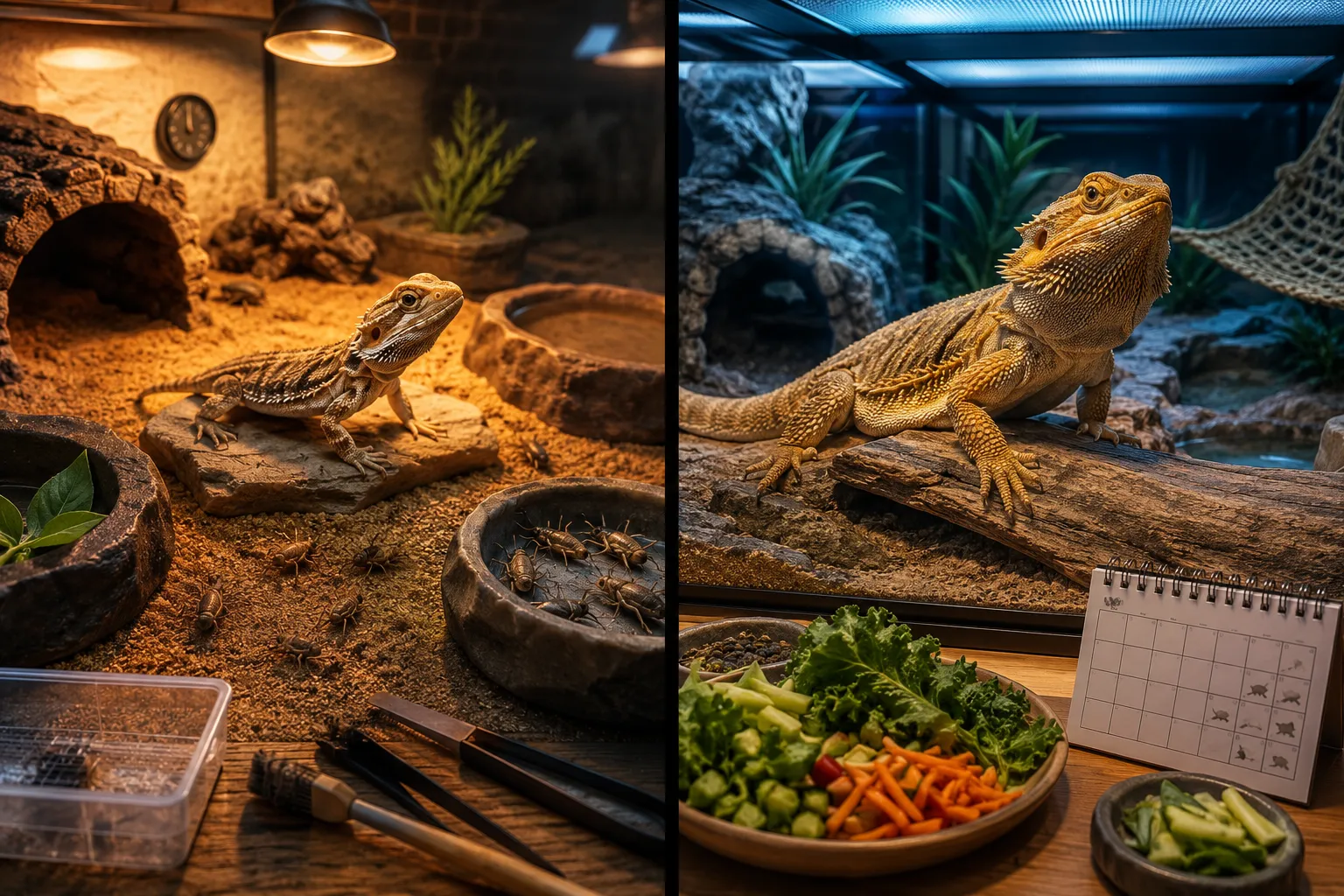
A bearded dragon can be affordable for a teenager with a steady income of $100-$150 monthly, but requires careful budgeting, parental support for initial setup costs ($300-$800), and commitment to ongoing expenses of $45-$70 per month. Teenagers should also have a backup plan for vet emergencies and consider starting with an adult dragon to reduce food costs.
Realistic teenage budget breakdown:
- Initial setup: $300-$800 (likely requires parental help or saving for 3-6 months)
- Monthly costs: $45-$70 (achievable with part-time job or allowance)
- Emergency fund: $200-$300 saved over first 6 months for unexpected vet visits
Income sources for teenagers:
- Part-time job: $100-$400/month depending on hours
- Allowance: $20-$100/month
- Birthday/holiday money: Can fund initial setup
- Odd jobs: Babysitting, lawn care, pet sitting = $50-$200/month
Cost-cutting strategies for teens:
- Ask for setup items as birthday/holiday gifts: Tank, lights, and décor instead of video games or clothes
- Buy used equipment: Save 40-60% on tanks and décor through Facebook Marketplace
- Start a feeder insect colony: Dubia roaches provide free food after initial $40-$80 investment
- Choose an adult dragon: Lower monthly food costs ($25-$40 vs. $50-$70 for juveniles)
- DIY décor and substrate: Use tile flooring samples and cleaned outdoor branches
Parental involvement needed:
- Financial backup: Parents should agree to cover emergency vet visits ($150-$500)
- Transportation: Teens need rides to pet stores, vet appointments, and reptile shops
- Supervision: Parents should monitor care quality and intervene if neglected
- Long-term commitment: Parents may inherit the dragon if teen goes to college
Questions teens should ask before committing:
- Can I afford $50-$70 monthly for the next 10-15 years?
- Do I have time for 30-45 minutes of daily care?
- Will my parents help with emergency costs?
- What happens to my dragon when I go to college?
Alternative for tight budgets: Consider a leopard gecko instead. Lower setup costs ($160-$400), cheaper monthly expenses ($20-$35), and smaller space requirements make them more manageable for teenagers with limited income.
Frequently Asked Questions
How much does it cost to own a bearded dragon for one year?
The first year of bearded dragon ownership costs $450-$1,200 total, including initial setup ($300-$800), monthly food and supplies ($45-$70 x 12 months = $540-$840), and routine vet care ($100-$300). Subsequent years cost $600-$1,000 annually with lower equipment expenses.
What is the cheapest way to set up a bearded dragon tank?
Buy a used 40-75 gallon tank ($50-$150), invest in quality UVB lighting new ($70-$100), use ceramic tile substrate ($20-$40), and source décor from nature or secondhand markets ($20-$50). This brings setup costs to $160-$340 while maintaining proper care standards.
Do bearded dragons need expensive food?
Bearded dragons need live insects ($15-$30/month) and fresh vegetables ($10-$20/month), which is moderately expensive but not prohibitive. Breeding your own feeder insects can reduce food costs by 50-70% after the initial colony investment of $40-$80.
How often do you need to replace UVB bulbs?
UVB bulbs must be replaced every 6-12 months even if still producing visible light, as UVB output degrades significantly over time. Replacement costs $30-$60 per bulb, making this a non-negotiable recurring expense for proper bearded dragon health.
Can you use a regular light bulb for a bearded dragon?
No, regular light bulbs do not produce UVB radiation necessary for vitamin D3 synthesis and calcium metabolism. Bearded dragons require specialized reptile UVB tube lights ($30-$60) plus a separate basking bulb ($5-$15) for heat.
How much does a vet visit cost for a bearded dragon?
A routine exotic vet exam costs $50-$100, while emergency visits for illness or injury range from $150-$500 including diagnostics and treatment. Not all veterinarians treat reptiles, so find an exotic animal specialist before you need one.
Is it cheaper to buy a baby or adult bearded dragon?
Adult bearded dragons are cheaper long-term despite sometimes higher purchase prices ($80-$200 vs. $40-$80 for babies) because they eat 30-50% less food monthly and require less intensive care. Adults cost $25-$40/month to feed compared to $50-$70/month for juveniles.
What size tank does a full-grown bearded dragon need?
Adult bearded dragons need a minimum 75-gallon tank, though 120 gallons is ideal for optimal health and activity. Tanks this size cost $150-$500 new, or $80-$250 used. Smaller tanks cause stress and limit natural behaviors.
Can you keep a bearded dragon in a 40-gallon tank?
A 40-gallon tank works temporarily for juveniles under 12 months old, but adults require 75-120 gallons for proper temperature gradients and exercise space. Plan to upgrade within 12-18 months, adding $150-$400 to your total costs.
How much does bearded dragon substrate cost?
Substrate costs vary widely: tile ($20-$40 one-time), reptile carpet ($15-$30, replace yearly), paper towels ($10-$20/month), or loose substrate like excavator clay ($30-$50, replace every 3-6 months). Tile offers the best value long-term.
Do bearded dragons need a heat lamp at night?
Bearded dragons need nighttime temperatures of 65-75°F, which most homes naturally provide. If your house drops below 65°F, use a ceramic heat emitter ($15-$30) or under-tank heater ($20-$40) that produces heat without light.
How much electricity does a bearded dragon tank use?
A bearded dragon setup running 12-14 hours daily uses approximately 50-100 kWh monthly, costing $10-$20 depending on local electricity rates. Larger tanks with more heating equipment use more power, while smaller setups use less.
Conclusion
Understanding how much a bearded dragon costs in the first year helps you budget realistically and avoid financial surprises that could compromise your pet’s health. The total investment of $450-$1,200 breaks down into initial setup ($300-$800), monthly care ($45-$70), and veterinary expenses ($100-$300), with the majority of costs concentrated in the first few months.
Your next steps:
- Calculate your budget: Add up initial setup costs plus 12 months of food and supplies to determine if you can afford a bearded dragon
- Start shopping early: Look for used equipment 2-3 months before getting your dragon to find the best deals
- Build an emergency fund: Set aside $200-$300 for unexpected vet visits before bringing your dragon home
- Find an exotic vet: Research reptile veterinarians in your area and save contact information
- Consider your timeline: If budget is tight, start with an adult dragon to reduce monthly food costs by 30-40%
The key to affordable bearded dragon ownership is investing in quality UVB lighting and proper tank size upfront while finding smart savings on substrate, décor, and food through DIY solutions and bulk buying. Never compromise on the essentials that directly impact health, but don’t be afraid to get creative with the rest.
For more guidance on creating the perfect habitat, check out our comprehensive resources on bearded dragon care and proper feeding practices. With proper planning and budgeting, you can provide excellent care for your bearded dragon without breaking the bank.

Ultimate Substrate for Bearded Dragons: Specifically designed substrate that provides an authentic environment for bearded dragons and other Australian desert dwelling reptiles

CREATE A NATURAL DESERT HABITAT: Transform your reptile enclosure with real desert sand that mimics natural desert environments; Made from 100% natural sand with no added dyes or chemicals for a more authentic terrarium setup

IDEAL FOR DESERT-DWELLING REPTILES: specifically designed for adult bearded dragons, uromastyx, desert skinks, monitors, leopard geckos, and more