Quick Answer: Healthy adult bearded dragons should see a reptile veterinarian for wellness checkups once per year, while baby and juvenile beardies need exams every 3-6 months during their rapid growth phase. However, any sudden changes in behavior, appetite, or appearance warrant an immediate vet visit regardless of when the last checkup occurred.
Key Takeaways
- Annual checkups are the minimum for healthy adult bearded dragons (ages 18+ months)
- Baby and juvenile dragons (under 18 months) need vet visits every 3-6 months due to rapid growth
- Fecal parasite testing should happen at least once yearly, ideally twice for dragons with outdoor exposure
- Emergency signs include lethargy, refusal to eat for 3+ days, labored breathing, or visible injuries
- Exotic/reptile vets are essential, general small-animal vets often lack specialized reptile training
- First-year costs typically range $200-400 including initial exam and fecal tests
- Preventive care catches metabolic bone disease, parasites, and other issues before they become critical
- Skipping annual exams risks missing early-stage illnesses that are easier and cheaper to treat when caught early

Unique textured pellets that bearded dragons love to eat

Perfect Blend of Crickets, Mealworms and Pellets

This food is natural with added vitamins, minerals, and other trace nutrients. There are no artificial colors, flavors, or preservatives added!
How Often Do Healthy Bearded Dragons Need Vet Checkups?
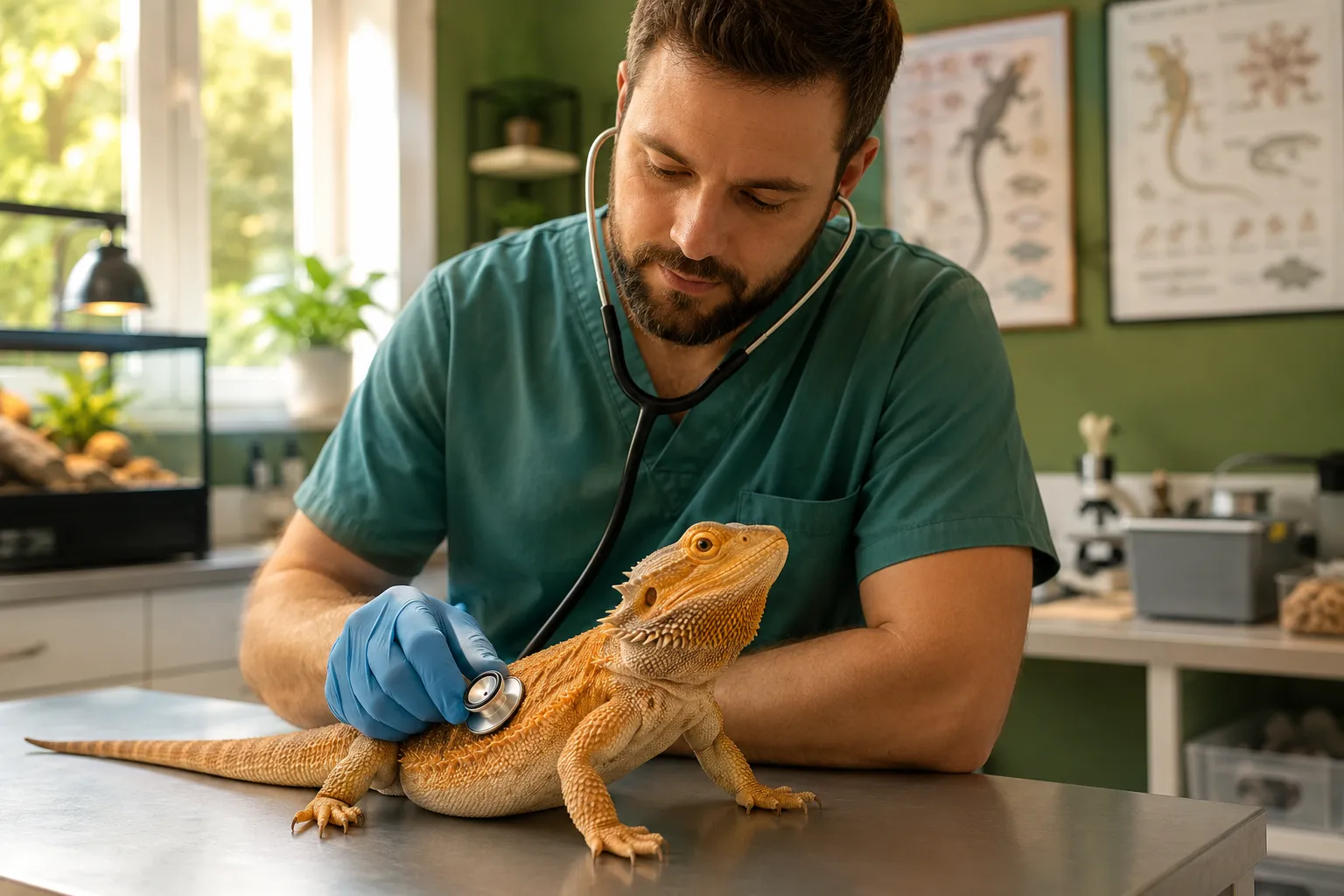
Healthy adult bearded dragons (18 months and older) should visit a qualified reptile veterinarian once per year for a wellness exam. This annual checkup allows the vet to assess weight, body condition, hydration status, and overall health before problems become visible to owners.
During these yearly visits, veterinarians typically:
- Perform a complete physical examination including mouth, eyes, ears, and vent
- Check for signs of metabolic bone disease (MBD) through limb palpation
- Assess body condition score and weight trends
- Review husbandry practices (lighting, temperature, diet)
- Conduct or recommend fecal parasite testing
- Update health records and vaccination status if applicable
Choose more frequent visits if: Your dragon has a history of health issues, you’ve recently changed their diet significantly, or you’re a first-time owner still learning proper bearded dragon care techniques.
Common mistake: Waiting until your dragon shows obvious illness symptoms. Reptiles instinctively hide weakness, so by the time behavioral changes are noticeable, the underlying condition may be advanced.
Do Baby Bearded Dragons Need More Frequent Vet Visits Than Adults?
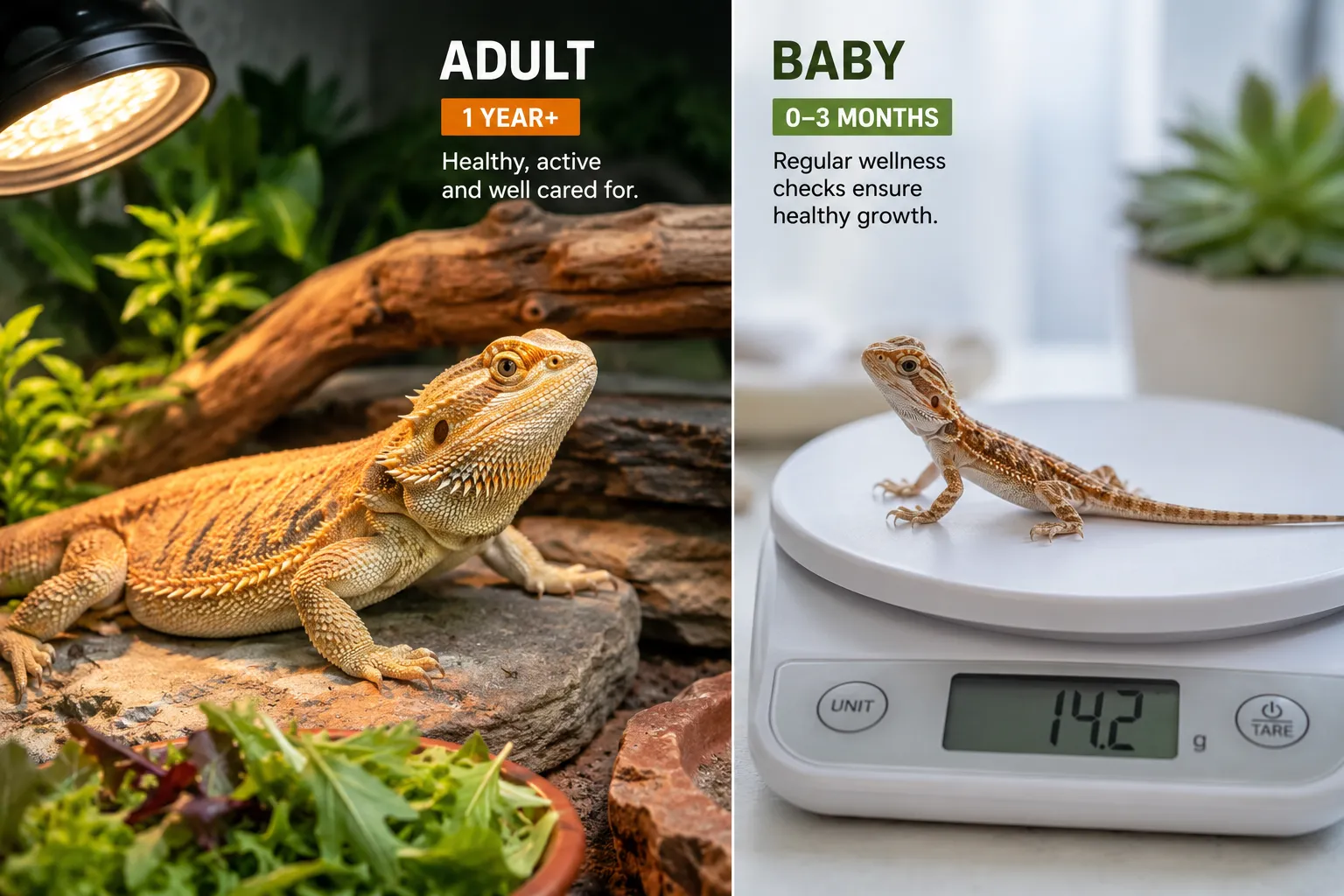
Yes, baby and juvenile bearded dragons (under 18 months old) require veterinary checkups every 3-6 months. This more frequent schedule monitors their rapid growth phase, ensures proper bone development, and catches nutritional deficiencies early when they’re most treatable.
Young beardies face higher health risks because:
- Rapid growth demands precise calcium and UVB exposure, deficiencies cause irreversible MBD
- Immune systems are still developing, making them more susceptible to parasites and infections
- Feeding mistakes (wrong insect sizes, improper supplementation) have faster consequences
- Husbandry errors in temperature or lighting affect development more severely
Recommended schedule for young dragons:
- 0-6 months: Initial vet visit within 2 weeks of acquisition, then every 3 months
- 6-12 months: Every 4-6 months as growth rate stabilizes
- 12-18 months: Transition to every 6 months
- 18+ months: Annual wellness exams for healthy adults
First-time owners should lean toward the more frequent end of these ranges. Establishing a relationship with a reptile vet early also means you’ll have immediate access to care if emergencies arise. For guidance on proper nutrition during growth phases, see our article on how many crickets baby beardies should eat.
What Are Signs My Bearded Dragon Needs to See a Vet Immediately?
Certain symptoms require same-day or next-day veterinary attention, regardless of when your bearded dragon last had a checkup. Reptiles deteriorate quickly once they show obvious distress, so prompt action significantly improves treatment outcomes.
Emergency warning signs:
- Lethargy or unresponsiveness that persists beyond normal brumation season (winter dormancy)
- Refusal to eat for 3+ consecutive days in adults, or 1-2 days in babies
- Labored breathing, open-mouth breathing when not basking, or wheezing sounds
- Visible injuries including cuts, burns, broken limbs, or tail damage
- Swollen limbs or jaw suggesting metabolic bone disease or infection
- Diarrhea lasting more than 24 hours, especially if bloody or foul-smelling
- Prolapsed tissue from the vent (cloaca)
- Sudden color changes to dark or pale, especially if accompanied by other symptoms
- Twitching, seizures, or tremors indicating possible calcium deficiency or neurological issues
- Eye problems such as swelling, discharge, or inability to open eyes
Decision rule: If you’re questioning whether something is an emergency, err on the side of caution and call your reptile vet. Most clinics can advise over the phone whether the situation requires immediate attention or can wait for a scheduled appointment.
Edge case: During brumation (typically November-February), bearded dragons naturally become lethargic and stop eating. However, if your dragon shows other symptoms alongside reduced activity, such as weight loss, labored breathing, or abnormal posture, don’t assume it’s normal brumation. For more on distinguishing normal behavior from illness, check our guide on why bearded dragons sleep so much.
My Bearded Dragon Is Eating Less, Should I Wait or See a Vet Now?
If your bearded dragon’s appetite decreases suddenly, wait no more than 3 days for adults (1-2 days for babies) before contacting a veterinarian. Reduced appetite is one of the earliest signs of illness in reptiles, and the underlying cause determines whether immediate intervention is needed.
Assess the situation using these criteria:
Wait 24-48 hours if:
- Temperature drop in the enclosure (check basking spot is 95-105°F)
- Recent diet change or new food items
- Seasonal brumation period (winter months) and dragon is otherwise active
- Shedding cycle in progress
- No other symptoms present
Call the vet within 24 hours if:
- Complete refusal of all foods (including favorite treats) for 2+ days
- Weight loss visible or measurable
- Accompanied by lethargy, dark coloring, or hiding behavior
- Baby or juvenile dragon (they have less energy reserves)
- Recent changes in stool consistency or frequency
Seek same-day care if:
- No food for 3+ days in adults, 1-2 days in babies
- Visible weight loss or sunken appearance
- Other emergency symptoms present (labored breathing, swelling, discharge)
Common mistake: Assuming reduced appetite is always brumation. True brumation involves gradual appetite reduction over weeks, not sudden refusal. If your dragon was eating normally yesterday and refuses food today, that’s not brumation, it’s a potential health issue.
For tips on maintaining proper nutrition, explore our bearded dragon feeding guide.
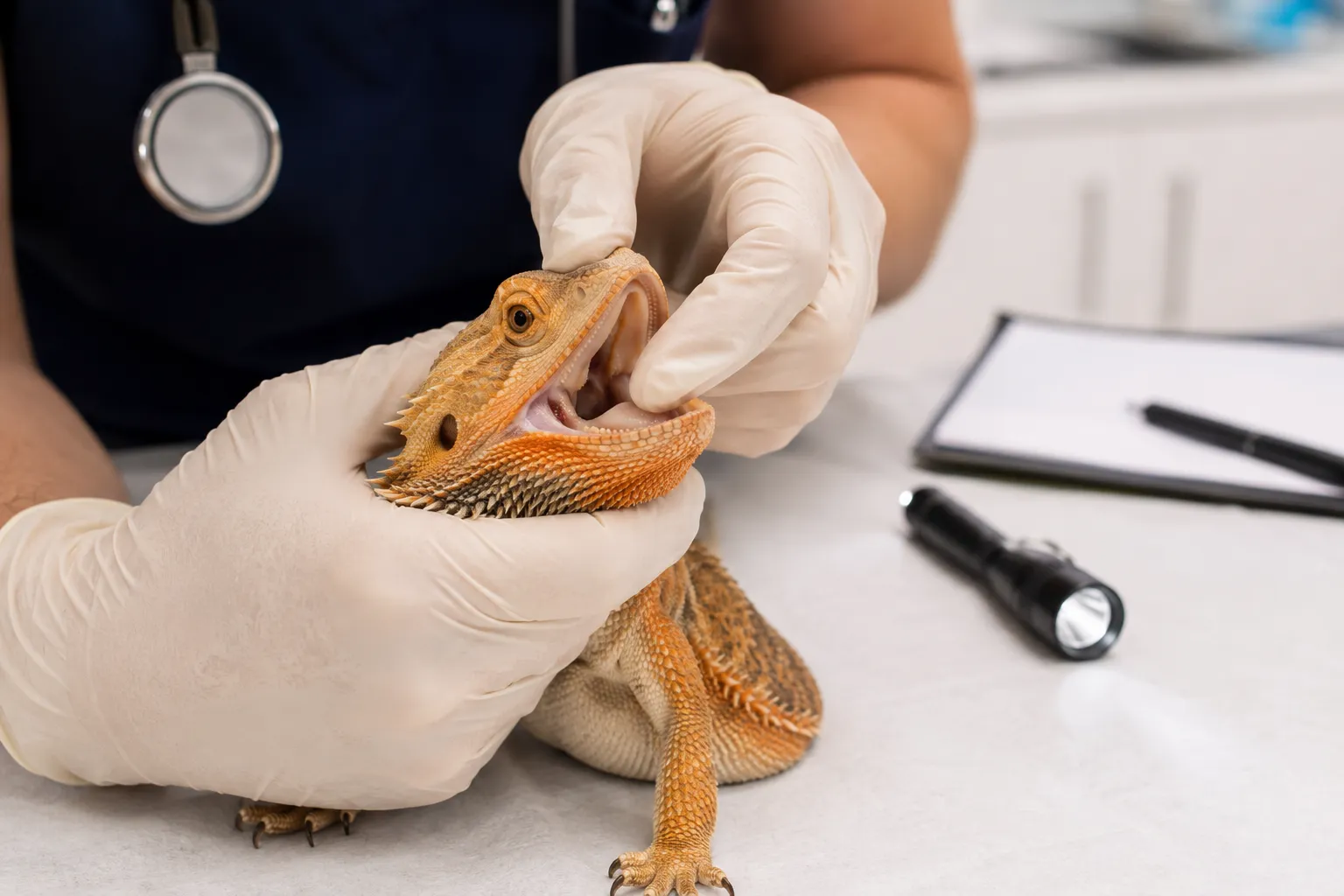
What Happens During a Bearded Dragon Wellness Exam?
A comprehensive bearded dragon wellness exam typically lasts 20-30 minutes and includes both physical assessment and husbandry consultation. Understanding what to expect helps you prepare questions and provide relevant information to your vet.
Standard wellness exam components:
1. Medical history review
- Previous health issues or treatments
- Diet details (insects, vegetables, supplements)
- Husbandry setup (tank size, lighting, temperatures)
- Behavioral observations
2. Physical examination
- Weight and body condition scoring (checking for obesity or malnutrition)
- Skin and scales (looking for stuck shed, mites, lesions, or color abnormalities)
- Eyes (clarity, discharge, swelling, or sunken appearance)
- Mouth and teeth (checking for mouth rot, overgrown jaw, or retained food)
- Limbs and spine (palpating for metabolic bone disease signs)
- Abdomen (feeling for masses, egg development in females, or impaction)
- Vent area (checking for prolapse, impaction, or abnormal discharge)
3. Diagnostic tests (as needed)
- Fecal examination for parasites (recommended annually minimum)
- Blood work if illness is suspected or for senior dragons
- X-rays to assess bone density or check for impaction/egg binding
4. Husbandry consultation
- Review of temperature gradients and UVB lighting
- Diet optimization recommendations
- Substrate safety assessment
- Enrichment and handling practices
What to bring: A fresh fecal sample (less than 24 hours old) in a sealed plastic bag, photos of your enclosure setup, and a list of all foods and supplements you currently use. Having this information ready makes the appointment more productive.
How Often Should Bearded Dragons Get Fecal Tests for Parasites?
Bearded dragons should receive fecal parasite testing at least once per year, with twice-yearly testing recommended for dragons with outdoor exposure, those living with other reptiles, or any dragon showing digestive symptoms. Parasites are extremely common in captive reptiles and often show no symptoms until the infestation becomes severe.
Why regular fecal testing matters:
- Asymptomatic carriers can harbor parasites for months without visible symptoms
- Parasite load builds gradually, early detection allows easier treatment
- Cross-contamination can occur if you handle multiple reptiles
- Wild-caught feeders (especially crickets and roaches) may introduce parasites
- Stress from any source can allow dormant parasites to multiply rapidly
Testing schedule by risk level:
| Risk Category | Testing Frequency | Reason |
|---|---|---|
| Indoor-only, single dragon | Once yearly | Baseline monitoring |
| Multiple reptiles in home | Every 6 months | Cross-contamination risk |
| Outdoor enclosure time | Every 6 months | Wild parasite exposure |
| Recent acquisition | Within 2 weeks, then 3 months later | New dragons often carry parasites |
| Digestive symptoms present | Immediately | Diagnostic testing |
Collection tips: Collect a fresh sample (within 24 hours) and refrigerate it until your appointment. If your dragon doesn’t cooperate on schedule, most vets can perform the test during a wellness visit if you bring a recent sample.
Edge case: Some parasites (like pinworms) are considered “normal flora” in low numbers. Your vet will determine whether treatment is needed based on the type and quantity of parasites found, not just their presence.
Can I Skip Annual Vet Visits If My Bearded Dragon Seems Healthy?
No, you should not skip annual veterinary visits even if your bearded dragon appears healthy. Reptiles instinctively hide illness as a survival mechanism, and many serious conditions (metabolic bone disease, organ dysfunction, early-stage parasites) develop silently for months before symptoms become obvious to owners.
Why “seems healthy” isn’t enough:
- Early-stage MBD shows no visible symptoms until bone damage is already significant
- Parasite loads build gradually, by the time you see weight loss or diarrhea, the infestation is advanced
- Kidney and liver disease progress silently until organ function is severely compromised
- Nutritional deficiencies accumulate over time before causing visible problems
- Husbandry errors may not show consequences for 6-12 months
What annual exams catch early:
- Subtle weight trends indicating metabolic issues
- Beginning stages of metabolic bone disease through limb palpation
- Low-level parasite infections before they cause symptoms
- Vitamin A deficiency before eye problems develop
- Early signs of reproductive issues in females
- Dental problems before they prevent eating
Cost comparison: An annual wellness exam costs $50-100, while treating advanced MBD, severe parasites, or organ disease can run $300-1,000+ with much lower success rates. Preventive care is both cheaper and more effective than emergency treatment.
Common rationalization: “My dragon eats well and is active, so everything must be fine.” This logic works for mammals that show illness quickly, but reptiles evolved to hide weakness from predators. By the time behavioral changes are obvious, the underlying problem is often advanced.
For comprehensive care guidance, visit our bearded dragon care resources.
Exotic Vet vs Regular Vet for Bearded Dragons, What’s the Difference?
Bearded dragons require an exotic animal veterinarian or reptile specialist, not a general small-animal vet. While regular vets receive extensive training in dogs and cats, reptile medicine is a specialized field with different anatomy, physiology, and treatment protocols that most general practitioners don’t study in depth.
Critical differences:
Exotic/Reptile Vet:
- Specialized training in reptile anatomy and physiology
- Experience with reptile-specific diseases (MBD, mouth rot, parasites)
- Proper equipment for reptile examination and treatment
- Knowledge of species-specific husbandry requirements
- Access to reptile-safe medications and dosing protocols
- Network of reptile specialists for referrals
General Small-Animal Vet:
- Primary training in mammalian medicine (dogs, cats)
- Limited or no reptile coursework in veterinary school
- May lack proper equipment for reptile procedures
- Unfamiliar with reptile-specific conditions
- May not stock reptile-appropriate medications
- Higher risk of misdiagnosis or inappropriate treatment
Real-world consequences: General vets may misinterpret normal reptile behavior (like brumation) as illness, prescribe medications at incorrect doses for reptiles, or miss reptile-specific conditions entirely. Some well-meaning general vets will attempt to treat reptiles, but lack of specialization increases risks significantly.
Red flags when choosing a vet:
- Claims to treat “all animals” without specific reptile credentials
- No other reptile patients in the waiting room
- Cannot answer basic husbandry questions about UVB or temperature
- Suggests treatments you find contradicted in reputable reptile care resources

Nature Zone Herp Pro Supplements for Bearded Dragons Powder Formula: Calcium/Probiotics

ADVANCED HERBAL IMMUNE SUPPORT FOR REPTILES: Support everyday immune balance with a gentle, alcohol-free herbal glycerin formula made for reptiles. Built for real-life moments reptile owners care about—seasonal shifts, enclosure changes, travel, or after brumation/seasonal slowdowns—this supplement helps maintain immune balance and natural defenses for everyday wellness, while supporting an active, alert, and thriving lifestyle as part of your regular care routine

Simple Stool Sample Test: The FOB Rapid Test Kit is designed to detect bowel cancer in its early stages through a simple stool sample (feces) test. The test is easy to perform and provides accurate results within minutes, allowing for quick detection and treatment
How to Find a Reptile Vet Near Me
Finding a qualified reptile veterinarian requires more research than locating a dog or cat vet, but several reliable resources can help you identify specialists in your area.
Best search methods (in order of reliability):
1. Professional directories:
- Association of Reptilian and Amphibian Veterinarians (ARAV): Official directory at arav.org lists board-certified reptile specialists
- Association of Exotic Mammal Veterinarians (AEMV): Many members also treat reptiles
- Veterinary Information Network: Search their specialist directory
2. Local reptile community:
- Reptile rescue organizations in your area (they work with vets regularly)
- Local herpetological societies maintain vet recommendations
- Reptile specialty pet stores (not chains) often have vet referral lists
- Online reptile forums with location-specific sections
3. General vet referrals:
- Call general veterinary clinics and ask which exotic vets they refer reptile cases to
- University veterinary teaching hospitals often have exotic animal departments
Questions to ask when vetting a potential reptile vet:
- “What percentage of your patients are reptiles?”
- “Do you have specific training or certification in reptile medicine?”
- “What’s your experience treating bearded dragons specifically?”
- “What diagnostic equipment do you have for reptiles?” (should mention appropriate-sized X-ray, scales, etc.)
- “Can you provide references from other bearded dragon owners?”
Distance considerations: It’s worth traveling 30-60 minutes for a qualified reptile specialist rather than using a closer general vet. Establish care with a specialist now, before an emergency makes the drive stressful.
Backup plan: Identify both a primary reptile vet and a backup option in case your first choice isn’t available during an emergency. Ask your primary vet which emergency clinics they recommend for after-hours reptile care.
What to Bring to Your First Bearded Dragon Vet Appointment
Proper preparation for your bearded dragon’s first veterinary visit ensures the exam is thorough and productive. Bringing the right information and materials helps your vet make accurate assessments and provide tailored care recommendations.
Essential items checklist:
1. Your bearded dragon (safely transported)
- Secure carrier or small container with air holes
- Towel or substrate for grip and comfort
- Heat pack or warm water bottle if weather is cold (keep transport container 75-85°F)
2. Fresh fecal sample
- Collected within 24 hours of appointment
- Stored in sealed plastic bag or container
- Refrigerated until appointment (not frozen)
3. Husbandry documentation
- Photos of complete enclosure setup (multiple angles)
- List of all lighting (brand, wattage, age of bulbs)
- Temperature readings (basking spot, cool side, nighttime)
- Tank dimensions and substrate type
4. Diet records
- Complete list of insects offered (types, sizes, frequency)
- Vegetables and fruits fed (specific items, not just “greens”)
- Supplement schedule (calcium, multivitamin brands and frequency)
- Treats or occasional foods
5. Medical history
- Previous health issues or treatments
- Date and location of acquisition
- Any medications currently being given
- Behavioral changes you’ve noticed
6. Questions list
Write down questions beforehand so you don’t forget during the appointment. Common first-visit questions include husbandry optimization, diet adjustments, and normal vs. concerning behaviors.
What to expect for costs: First visits typically run $75-150 for the exam, plus $25-50 for fecal testing if performed. Ask about pricing when scheduling so there are no surprises.
Transport safety tip: Never transport your bearded dragon loose in a car. Sudden stops or temperature fluctuations can cause injury or stress. A secure carrier with ventilation and a non-slip surface is essential.
Bearded Dragon Vet Visit Cost, What’s the Average?
Bearded dragon veterinary costs vary significantly by location and services needed, but owners should budget $200-400 for first-year veterinary expenses including initial exam and basic diagnostics, then $100-200 annually for routine wellness care thereafter.
Typical cost breakdown:
| Service | Average Cost Range | Frequency |
|---|---|---|
| Wellness exam | $50-100 | Annually (adults) |
| Fecal parasite test | $25-50 | Annually minimum |
| Blood work panel | $100-200 | As needed |
| X-rays | $75-150 per view | As needed |
| Parasite treatment | $30-100 | If parasites found |
| Emergency visit | $100-200+ | As needed |
| Hospitalization | $50-150/day | Serious illness only |
First-year costs (baby/juvenile):
- Initial exam: $75-100
- Follow-up exams (2-3): $150-300
- Fecal tests (2): $50-100
- Total first year: $275-500
Annual costs (healthy adult):
- Wellness exam: $50-100
- Fecal test: $25-50
- Total annual: $75-150
Cost factors that increase expenses:
- Urban areas vs. rural (urban typically 20-40% higher)
- Board-certified specialists vs. general exotic vets
- Emergency/after-hours visits (often 1.5-2x regular rates)
- Advanced diagnostics or treatments
- Chronic condition management
Ways to reduce costs without compromising care:
- Establish care with a vet before emergencies arise (emergency visits cost more)
- Maintain proper husbandry to prevent illness (prevention is cheaper than treatment)
- Ask about wellness packages if your vet offers them
- Consider pet insurance (see next section)
- Request cost estimates before agreeing to procedures
Red flag: Vets charging significantly below market rates may lack proper equipment or expertise. While cost matters, choosing a vet based solely on the lowest price can lead to misdiagnosis or inadequate care.
Is Pet Insurance Worth It for Bearded Dragons?
Pet insurance for bearded dragons can be worthwhile for owners who want financial protection against unexpected veterinary costs, but coverage is limited compared to dog and cat policies, and the value depends heavily on your dragon’s age, health, and your financial situation.
Current state of reptile insurance (2026):
Only a handful of companies offer exotic pet insurance that covers bearded dragons, and policies typically have significant limitations:
What’s usually covered:
- Accidents and injuries
- Illnesses diagnosed after the policy starts
- Diagnostic testing (X-rays, blood work)
- Medications and treatments
- Surgery for covered conditions
What’s typically NOT covered:
- Pre-existing conditions
- Routine wellness exams
- Preventive care (fecal tests, checkups)
- Breeding-related issues
- Congenital or hereditary conditions (often excluded)
- Metabolic bone disease (sometimes excluded as “preventable”)
Cost vs. benefit analysis:
Typical exotic pet insurance:
- Monthly premium: $10-30
- Annual deductible: $50-250
- Reimbursement rate: 70-90% after deductible
- Annual coverage cap: $1,000-5,000
Example scenario:
- Annual premium: $240 ($20/month)
- Emergency surgery cost: $800
- After $100 deductible and 80% reimbursement: You pay $240 (premium) + $100 (deductible) + $140 (20% of remaining $700) = $480 total
- Without insurance: You pay $800
- Savings: $320
Insurance makes sense if:
- You couldn’t afford a $500-1,000 emergency expense out of pocket
- Your dragon is young and healthy (better to start before issues develop)
- You want predictable monthly costs rather than surprise bills
- You have multiple reptiles (some policies offer multi-pet discounts)
Skip insurance if:
- You have $1,000+ emergency fund for pet care
- Your dragon is older or has pre-existing conditions (limited coverage)
- You’re comfortable with self-insuring through savings
- The monthly premium feels like a financial strain
Alternative to insurance: Create a dedicated “bearded dragon emergency fund” by setting aside $20-30 monthly. After two years, you’ll have $480-720 saved with no deductibles, exclusions, or reimbursement hassles.
Common Health Problems in Bearded Dragons That Need Vet Care
Understanding the most frequent health issues in bearded dragons helps owners recognize when veterinary intervention is necessary and what preventive measures to prioritize.
Top conditions requiring veterinary treatment:
1. Metabolic Bone Disease (MBD)
- Cause: Insufficient calcium, vitamin D3, or UVB exposure
- Symptoms: Soft or swollen jaw, curved spine, tremors, difficulty walking, lethal
- Treatment: Calcium injections, UVB correction, dietary changes
- Prevention: Proper UVB lighting (replaced every 6-12 months), calcium supplementation, appropriate diet
2. Parasites (internal)
- Cause: Contaminated feeders, poor hygiene, or transmission from other reptiles
- Symptoms: Weight loss, diarrhea, lethargy, poor appetite (often asymptomatic early)
- Treatment: Anti-parasitic medications specific to parasite type
- Prevention: Annual fecal testing, quarantine new reptiles, source feeders from reputable suppliers
3. Respiratory Infections
- Cause: Low temperatures, high humidity, poor ventilation, stress
- Symptoms: Open-mouth breathing, mucus discharge, wheezing, lethargy
- Treatment: Antibiotics, temperature optimization, sometimes nebulization
- Prevention: Maintain proper temperature gradients, avoid damp substrates, reduce stress
4. Impaction
- Cause: Ingesting substrate (sand, gravel), oversized prey, dehydration, low temperatures
- Symptoms: Inability to defecate, bloated abdomen, lethargy, loss of appetite
- Treatment: Warm baths, gentle massage, laxatives, or surgery in severe cases
- Prevention: Use safe substrates (tile, paper, reptile carpet), appropriate feeder sizes, proper hydration
5. Mouth Rot (Infectious Stomatitis)
- Cause: Bacterial infection, often following mouth injury or immune suppression
- Symptoms: Red, swollen gums, yellow/white discharge, difficulty eating, foul odor
- Treatment: Antibiotics, mouth cleaning, addressing underlying husbandry issues
- Prevention: Avoid mouth injuries, maintain proper temperatures, reduce stress
6. Egg Binding (Dystocia) in Females
- Cause: Inadequate calcium, poor body condition, lack of laying site, or abnormal eggs
- Symptoms: Restlessness, digging behavior, straining, visible eggs, lethargy
- Treatment: Calcium injections, oxytocin to stimulate laying, or surgical removal
- Prevention: Proper calcium supplementation, appropriate laying box, maintain healthy weight
7. Adenovirus
- Cause: Viral infection (highly contagious among bearded dragons)
- Symptoms: Lethargy, weight loss, neurological signs, sudden death (especially in young dragons)
- Treatment: Supportive care only (no cure), quarantine to prevent spread
- Prevention: Quarantine new dragons, avoid sharing equipment between reptiles, purchase from reputable breeders
When to seek care: Any of these conditions requires veterinary attention. Don’t attempt home treatment for serious issues like MBD, respiratory infections, or egg binding, these need professional intervention for successful outcomes.
For more on maintaining proper nutrition to prevent many of these issues, explore our resources on bearded dragon diet.
FAQ
How much does a bearded dragon vet visit cost?
A routine wellness exam costs $50-100, while fecal testing adds $25-50. First-year costs including multiple exams for babies typically run $200-400, while annual adult care averages $75-150 for healthy dragons.
Can a regular vet treat bearded dragons?
No, bearded dragons need an exotic animal veterinarian or reptile specialist. General small-animal vets lack the specialized training in reptile medicine necessary for accurate diagnosis and treatment of bearded dragon health issues.
What should I bring to my bearded dragon’s first vet appointment?
Bring your dragon in a secure carrier, a fresh fecal sample (less than 24 hours old), photos of the complete enclosure setup, detailed diet and supplement lists, and any questions you’ve written down beforehand.
How do I know if my bearded dragon needs emergency vet care?
Seek immediate care for labored breathing, refusal to eat for 3+ days (1-2 days in babies), visible injuries, swollen limbs, prolapse, seizures, or any combination of lethargy with other symptoms. When in doubt, call your reptile vet for guidance.
Do baby bearded dragons need more vet visits?
Yes, babies and juveniles (under 18 months) should see a vet every 3-6 months to monitor rapid growth, ensure proper bone development, and catch nutritional deficiencies early when they’re most treatable.
How often should bearded dragons get parasite testing?
Healthy indoor dragons need fecal parasite testing at least once yearly. Dragons with outdoor exposure, those living with other reptiles, or any showing digestive symptoms should be tested every 6 months.
Is pet insurance available for bearded dragons?
Yes, several companies offer exotic pet insurance covering bearded dragons, typically costing $10-30 monthly. Coverage usually includes accidents and illnesses but excludes pre-existing conditions, routine wellness care, and sometimes metabolic bone disease.
What happens during a bearded dragon wellness exam?
The vet performs a complete physical examination checking weight, skin, eyes, mouth, limbs, abdomen, and vent. They’ll review your husbandry setup, recommend fecal testing, and provide guidance on diet, lighting, and temperature optimization.
Can I skip vet visits if my bearded dragon seems healthy?
No, annual exams are essential even for apparently healthy dragons. Reptiles instinctively hide illness, and many serious conditions (metabolic bone disease, parasites, organ dysfunction) develop silently for months before symptoms become visible.
How do I find a reptile vet near me?
Check the Association of Reptilian and Amphibian Veterinarians (ARAV) directory at arav.org, ask local reptile rescues or herpetological societies for recommendations, or call general vet clinics to ask which exotic vets they refer reptile cases to.
What are the most common health problems in bearded dragons?
The most frequent issues requiring vet care are metabolic bone disease (from inadequate calcium/UVB), internal parasites, respiratory infections, impaction, mouth rot, egg binding in females, and adenovirus. Most are preventable with proper husbandry.
Should I take my bearded dragon to the vet if it stops eating?
Wait no more than 3 days for adults (1-2 days for babies) before contacting a vet. Reduced appetite is an early illness sign in reptiles. Rule out temperature issues and shedding first, but don’t delay if other symptoms are present or the dragon refuses all food.
Conclusion
Knowing how often bearded dragons should see a vet, annually for healthy adults, every 3-6 months for babies, and immediately for any concerning symptoms, is fundamental to responsible reptile ownership. Regular veterinary care catches problems like metabolic bone disease, parasites, and nutritional deficiencies before they become life-threatening, making treatment both more effective and less expensive.
The investment in preventive care pays dividends in your dragon’s longevity and quality of life. A $75 annual wellness exam can prevent a $500 emergency surgery, and establishing a relationship with a qualified reptile veterinarian means you’ll have expert support available when urgent situations arise.
Take action now:
- Find a reptile vet in your area using the ARAV directory or local reptile community recommendations, don’t wait until an emergency forces you to choose hastily
- Schedule your dragon’s wellness exam if it’s been more than a year, or book that initial checkup if you’re a new owner
- Collect a fecal sample within 24 hours of your appointment for parasite testing
- Document your husbandry by photographing your enclosure and listing all diet and supplement details to share with your vet
- Create a pet emergency fund or research pet insurance options to ensure you can afford unexpected veterinary costs
Your bearded dragon depends on you to recognize when professional care is needed and to prioritize preventive health measures. By committing to regular veterinary checkups and staying alert to warning signs, you’re giving your dragon the best chance at a long, healthy life of 10-15 years or more.
For more guidance on providing excellent care for your bearded dragon, explore our comprehensive bearded dragon care resources and feeding guides.

THE PERFECT GIFT - A truly unique gift sure to bring a smile.
DURABLE ALL-WEATHER DESIGN: Our 5 Inch X 3.5 Inch commercial-grade OSHA Emergency labels are made with UV-protected vinyl label, ensuring a lifetime of maintenance-free usage even in the most extreme indoor and outdoor environments

Durable and Long-Lasting Quality - Crafted from premium rust-free aluminum, our signs are built to last for years in both indoor and outdoor environments, maintaining their new look. Proudly made in the USA!