Quick Answer
Impaction in bearded dragons occurs when the digestive tract becomes blocked by indigestible material, preventing normal bowel movements and potentially causing life-threatening complications. The condition most commonly results from ingesting loose substrate (like sand or wood chips), oversized prey items, or inadequate hydration combined with improper temperatures. Prevention focuses on using safe substrates, maintaining proper husbandry, ensuring adequate hydration, and feeding appropriately sized prey items.


Ultimate Substrate for Bearded Dragons: Specifically designed substrate that provides an authentic environment for bearded dragons and other Australian desert dwelling reptiles

100% Natural Walnut Shells: Made from premium English walnut shells, this substrate provides a natural and non-toxic bedding solution for your pets.
Key Takeaways
- Impaction is a digestive blockage that prevents bearded dragons from passing waste normally and can be fatal if untreated
- Loose substrates like sand, wood chips, and walnut shells are the leading cause of impaction in captive bearded dragons
- Proper temperatures (basking spot 95-105°F, cool side 75-85°F) are essential for normal digestion and preventing blockages
- Hydration is critical, dehydrated dragons are significantly more prone to impaction even with proper substrate
- Warning signs include lack of bowel movements for 7+ days, lethargy, loss of appetite, dragging back legs, and a swollen abdomen
- Prevention is straightforward, use tile or paper substrates, maintain correct temperatures, provide regular hydration, and avoid oversized feeders
- Veterinary intervention is necessary for severe cases and may include enemas, manual extraction, or surgery
What Does Impaction Mean for Bearded Dragons?

Impaction in bearded dragons refers to a blockage in the gastrointestinal tract that prevents the normal passage of feces and digested material. Unlike simple constipation (which involves difficulty passing stool), impaction means something is physically obstructing the digestive system, creating a potentially life-threatening emergency.
The blockage typically occurs in the intestines or colon and can be caused by:
- Substrate ingestion, sand, wood chips, crushed walnut shells, or other loose particles
- Oversized prey, insects or food pieces too large to digest properly
- Dehydration, insufficient water intake causing feces to harden and compact
- Foreign objects, accidentally ingested decor, fabric, or other non-food items
- Combination factors, often multiple issues compound to create the blockage
When material becomes lodged in the digestive tract, it creates a cascade of problems. The dragon cannot eliminate waste, toxins build up in the system, appetite disappears, and the abdomen becomes distended and painful. Without intervention, impaction can lead to organ failure and death within days to weeks depending on severity.
The condition is entirely preventable with proper bearded dragon care practices, making it one of the most frustrating health issues experienced keepers encounter.
What Causes Impaction in Bearded Dragons?
Impaction develops when indigestible material accumulates in the digestive tract faster than the dragon can process or eliminate it. Several factors contribute to this dangerous condition, and they often work together to create the perfect storm for blockage.
Loose Substrate Ingestion
The single most common cause of impaction is loose substrate. Bearded dragons are opportunistic feeders with poor depth perception, and they frequently ingest substrate particles while hunting prey. Sand, wood chips, crushed walnut shells, and even some “digestible” substrates marketed for reptiles pose serious impaction risk.
Even a small amount of substrate consumed daily can accumulate over weeks or months, eventually creating a blockage. Young dragons and aggressive eaters are particularly vulnerable because they’re less precise when striking at food.
Improper Temperature Gradients
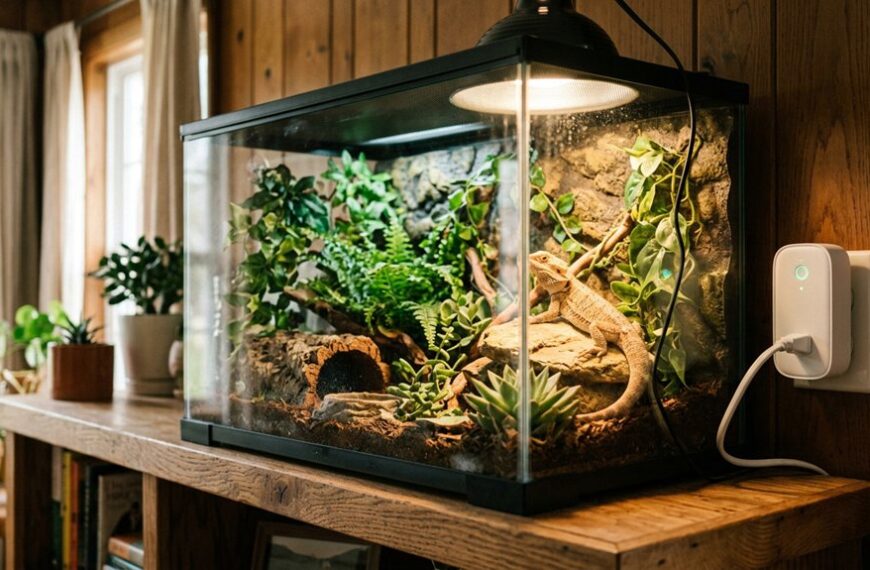
Bearded dragons are ectothermic and rely entirely on external heat sources to maintain their body temperature and metabolic functions. When basking temperatures fall below 95°F or the overall enclosure is too cool, digestion slows dramatically or stops completely.
Food that would normally be processed and eliminated in 24-48 hours can sit in the gut for days or weeks at improper temperatures, allowing it to compact and harden. This is why dragons kept in inadequate setups often develop impaction even without substrate ingestion.
Dehydration
Insufficient hydration is a major contributing factor to impaction. Bearded dragons obtain water from their food, drinking, and occasional soaking. When they become dehydrated, the digestive tract pulls moisture from fecal matter, causing it to become hard, dry, and difficult to pass.
Dehydration often goes unnoticed because bearded dragons don’t drink frequently in captivity. Many keepers assume their dragon is adequately hydrated when it’s actually chronically under-hydrated, setting the stage for impaction.
Oversized Prey Items
Feeding insects or food pieces that are too large for your dragon’s size creates a mechanical blockage risk. The general rule is that prey items should be no larger than the space between the dragon’s eyes, but many keepers ignore this guideline, especially with favorite treats.
Large superworms, adult dubia roaches for juvenile dragons, or improperly sized vegetable chunks can lodge in the digestive tract, particularly when combined with suboptimal temperatures or dehydration.
Underlying Health Issues
Parasites, metabolic bone disease, and other health conditions can compromise digestive function and increase impaction risk. A dragon with metabolic bone disease may have weakened intestinal muscles that cannot move material through the system effectively.
Impaction vs Constipation: What’s the Difference?
While the terms are often used interchangeably, impaction and constipation represent different conditions with distinct causes and treatments. Understanding the difference is crucial for appropriate response and care.
Constipation is difficulty passing stool due to hardened feces or sluggish bowel movements. The dragon may strain, produce small or dry droppings, or go a few days without defecating. Constipation is typically temporary and resolves with increased hydration, warm baths, gentle belly massage, and corrected husbandry. The digestive tract is not physically blocked, material is simply moving slowly or has become too dry.
Impaction is a physical blockage where material cannot pass through the digestive tract at all. The obstruction may be substrate, a foreign object, or severely compacted feces that has hardened into a mass. Impaction requires more aggressive intervention and often veterinary care. The dragon will show more severe symptoms and the condition worsens rapidly without treatment.
Key Differences:
| Factor | Constipation | Impaction |
|---|---|---|
| Duration | 3-5 days without bowel movement | 7+ days with no passage |
| Severity | Mild to moderate discomfort | Severe distress, visible swelling |
| Cause | Dehydration, temperature issues | Physical blockage from substrate/objects |
| Treatment | Home care usually effective | Often requires veterinary intervention |
| Prognosis | Resolves quickly with correction | Can be life-threatening if untreated |
Think of constipation as a traffic slowdown and impaction as a complete roadblock. Both require attention, but impaction is the emergency situation that demands immediate action.
How Do You Know If Your Bearded Dragon Has Impaction?
Recognizing impaction early dramatically improves treatment outcomes. Bearded dragons are prey animals that instinctively hide illness, so by the time symptoms are obvious, the condition may be advanced.
Primary Warning Signs:
- No bowel movement for 7+ days, Adult dragons typically defecate every 2-4 days; juveniles daily or every other day
- Visible abdominal swelling, The belly appears distended, hard, or asymmetrical
- Loss of appetite, Complete refusal of food, even favorite treats
- Lethargy and weakness, Spending all time in one spot, minimal movement
- Dragging back legs, Partial paralysis from pressure on nerves
- Straining without results, Attempting to defecate but producing nothing
Secondary Symptoms:
- Darkened or stressed coloration, particularly a black beard
- Refusal to bask despite proper temperatures
- Regurgitation or vomiting (rare but serious)
- Visible lump or mass in the abdomen
- Behavioral changes like increased aggression or hiding
Physical Examination:
Gently palpate your dragon’s abdomen by supporting the body and using light pressure with your fingertips. A healthy abdomen feels soft and pliable. An impacted abdomen feels firm, distended, or you may feel a distinct hard mass. Never apply heavy pressure as this can cause internal damage.
If your dragon shows multiple symptoms or hasn’t defecated in over a week despite normal husbandry, assume impaction and seek veterinary care immediately. Waiting “to see if it gets better” can mean the difference between simple treatment and emergency surgery.
For more guidance on recognizing health issues, check our comprehensive bearded dragon feeding resources.
What Substrate Prevents Impaction in Bearded Dragons?
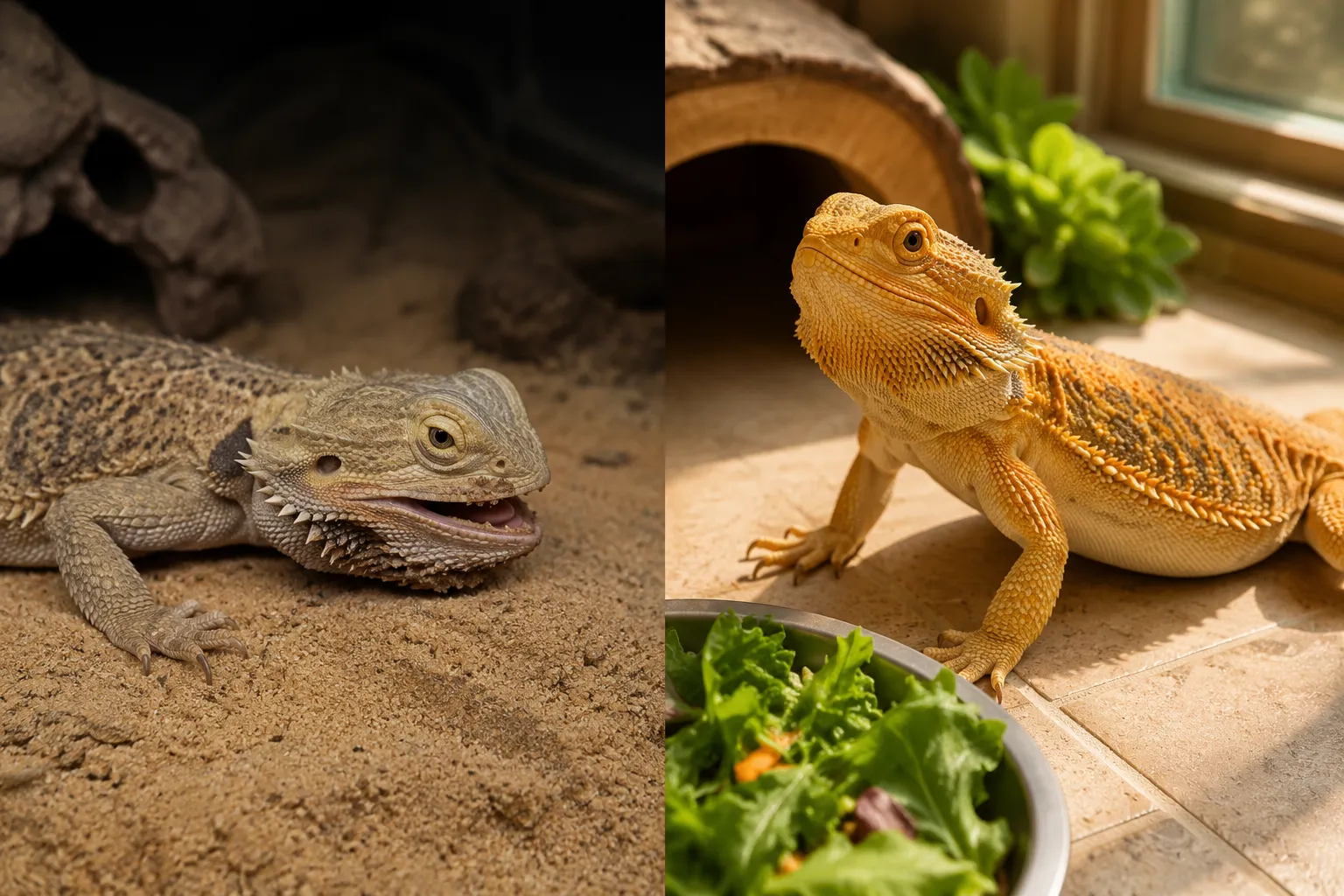
Substrate choice is the single most important decision for preventing impaction. Despite marketing claims, there is no truly “safe” loose substrate for bearded dragons, the risk always exists when ingestible particles are present.
Safest Substrate Options:
Ceramic or Porcelain Tile
The gold standard for bearded dragon enclosures. Tile is non-ingestible, easy to clean, retains heat well, and naturally files down nails. Slate, ceramic, or porcelain tiles from home improvement stores work perfectly. Choose textured (not polished) varieties for better traction.
Reptile Carpet
A solid surface option that’s washable and reusable. However, loose threads can catch claws and toes, and the fabric can harbor bacteria between cleanings. If using reptile carpet, inspect regularly for fraying and have multiple pieces to rotate during washing.
Paper Products
Butcher paper, newspaper, or paper towels provide the safest temporary substrate, especially for juveniles, sick dragons, or quarantine situations. They’re inexpensive, easy to replace, and allow for easy monitoring of feces. The downside is purely aesthetic, they don’t look natural.
Shelf Liner
Non-adhesive shelf liner (the kind with small holes) provides decent traction and is easy to clean. Avoid textured varieties where food can become trapped.
Substrates to AVOID:
- Sand (including “calcium sand” or “digestible sand”), The most common cause of impaction
- Wood chips or shavings, Easily ingested and can cause splinters
- Crushed walnut shells, Sharp edges, highly ingestible
- Coconut fiber, Expands when wet, severe impaction risk
- Pellet substrates, Can be mistaken for food
Many keepers are tempted by naturalistic loose substrates because they look attractive, but the aesthetic appeal isn’t worth the reptile impaction risk. Professional breeders and experienced keepers overwhelmingly use tile or paper products for this reason.
How Much Water Should Bearded Dragons Get to Prevent Impaction?
Proper hydration is essential for digestive health and impaction prevention. Bearded dragons come from arid environments and have evolved to be efficient with water, but captive dragons still need regular hydration to maintain healthy digestion.
Hydration Methods:
Fresh Water Bowl
Always provide a shallow water dish in the enclosure. Many bearded dragons won’t drink from standing water regularly, but some do, especially if the bowl is placed in a visible location. Change the water daily and clean the bowl to prevent bacterial growth.
Regular Soaking
Soak your bearded dragon in lukewarm water (85-92°F) for 10-15 minutes, 2-3 times per week. The water should reach mid-body height, deep enough to drink from but shallow enough that the dragon can stand comfortably. Many dragons will drink during soaks and also absorb some moisture through their vent.
Misting and Spraying
Some dragons prefer to drink water droplets from surfaces. Lightly mist the dragon’s nose or spray the enclosure walls once daily. Watch for licking behavior, if your dragon drinks this way, continue the practice.
Hydrating Foods
Incorporate water-rich vegetables into the diet. Cucumber, butternut squash, and bell peppers provide both nutrition and hydration. However, these should supplement, not replace, direct water access.
Signs of Dehydration:
- Sunken eyes
- Wrinkled or loose skin
- Lethargy
- Loss of skin elasticity (skin doesn’t snap back when gently pinched)
- Thick, stringy saliva
Hydration Needs by Life Stage:
- Juveniles (0-6 months): Daily soaking or misting; they’re growing rapidly and need consistent hydration
- Sub-adults (6-12 months): Soaking 3-4 times weekly
- Adults (12+ months): Soaking 2-3 times weekly, more during shedding or hot weather
Dehydration compounds every other impaction risk factor. A well-hydrated dragon can often pass small amounts of accidentally ingested substrate, while a dehydrated dragon will compact even normal feces into a blockage.
What Foods and Feeding Practices Prevent Impaction?
Diet composition and feeding practices play a crucial role in digestive health and impaction prevention. Beyond avoiding substrate ingestion, what and how you feed your bearded dragon directly impacts their risk level.
Size Matters: The Space-Between-Eyes Rule
Never feed prey items larger than the space between your dragon’s eyes. This applies to insects, vegetable pieces, and any other food. Oversized items can lodge in the throat or digestive tract, creating a mechanical blockage.
For safe insects for bearded dragons, this means:
- Juveniles: Pinhead to 1/4″ crickets, small dubia nymphs
- Sub-adults: 1/4″ to 1/2″ insects
- Adults: 1/2″ to 3/4″ insects (though smaller is often better)
Proper Food Preparation
Chop vegetables into appropriately sized pieces. Leafy greens should be torn or cut into strips no wider than the dragon’s mouth. Hard vegetables like carrots or squash should be grated or cut into small, manageable pieces.
Remove any uneaten insects after 15-20 minutes. Hungry crickets or superworms left in the enclosure may bite your dragon or encourage substrate ingestion as the dragon hunts them.
Balanced Diet Composition
A proper reptile diet supports healthy digestion:
- Juveniles: 80% insects, 20% vegetables
- Adults: 20% insects, 80% vegetables
High-quality staple vegetables include collard greens, mustard greens, turnip greens, and butternut squash. Avoid high-oxalate foods (spinach, beet greens) and goitrogenic vegetables (cabbage, broccoli) as primary staples.
Feeding Location Strategy
Feed your bearded dragon outside the main enclosure or in a designated feeding area with no substrate. This simple practice eliminates the risk of substrate ingestion during feeding frenzies. Use a shallow dish or separate feeding container with a smooth bottom.
Gut Loading and Supplementation
Well-nourished prey items and proper calcium/vitamin supplementation support overall health and digestive function. Dust insects with calcium powder (without D3) at most feedings and calcium with D3 plus multivitamin 2-3 times monthly.
For more detailed feeding guidance, see our guide on how often bearded dragons should eat by age.
How Do Temperature and Lighting Prevent Impaction?
Proper thermal regulation is absolutely critical for digestive function in bearded dragons. These ectothermic reptiles cannot generate their own body heat and depend entirely on external temperatures to power their metabolism, including digestion.
Essential Temperature Ranges:
- Basking spot: 95-105°F (juveniles prefer the higher end)
- Warm side ambient: 85-90°F
- Cool side ambient: 75-85°F
- Nighttime: 65-75°F (can drop lower for adults)
Why Temperature Matters for Digestion:
Bearded dragons need basking temperatures of 95-105°F to properly digest food. At these temperatures, digestive enzymes function optimally, gut motility increases, and food moves through the system efficiently. When temperatures drop below this range, digestion slows or stops entirely.
Food sitting in a cool gut for extended periods begins to ferment and compact rather than digest. This creates the perfect conditions for impaction, even without substrate ingestion. Many cases of impaction occur in dragons with “adequate” temperatures that are actually 5-10 degrees too cool.
Measuring Temperature Correctly:
Use a temperature gun (infrared thermometer) to measure surface temperatures at basking spots and throughout the enclosure. Stick-on dial thermometers and analog gauges are notoriously inaccurate and should not be trusted.
Take measurements at multiple locations:
- Directly under the basking light (where the dragon’s back would be)
- On the substrate surface at the warm end
- On the substrate surface at the cool end
- At dragon height (not floor level) for ambient readings
Lighting Requirements:
Provide 12-14 hours of full-spectrum UVB lighting daily using a high-quality tube bulb (10.0 or 12% UVB) or mercury vapor bulb. UVB enables vitamin D3 synthesis, which is essential for calcium metabolism and overall health. Poor calcium metabolism can contribute to weakened digestive function.
Replace UVB bulbs every 6-12 months even if they still produce visible light, UVB output degrades over time.
Common Temperature Mistakes:
- Using only a heat mat (doesn’t provide adequate basking temperatures)
- Measuring ambient air temperature instead of surface temperature
- Assuming “warm enough” without actually measuring
- Inadequate wattage for tank size
- No temperature gradient (entire tank the same temperature)
Proper temperatures aren’t just about comfort, they’re about survival. A dragon in a 75°F enclosure cannot digest food, period. This is why temperature-related impaction is so common among new keepers who don’t yet understand the critical importance of thermal regulation.

Includes most essentials needed for a bearded dragon habitat

One Purchase, Everything You Need: Get a backpack + lunch bag + pencil case + water bottle sleeve in one order, no more hunting for separate pieces. This 4-in-1 set is designed for ages 3–12, covers all-day school needs from kindergarten to elementary. More cost-effective than buying individually, saving parents more time

Create a Fun & Comfortable Bathing Experience:Designed for small animal bathing pools, this accessory set helps create a gentle flowing water environment that encourages natural soaking and hydration behaviors. Ideal for bearded dragons, leopard geckos, crested geckos, and other small pets.
What Happens If Impaction Goes Untreated?
Untreated impaction is a progressive condition that becomes increasingly dangerous as time passes. Understanding the progression helps emphasize why immediate intervention is critical.
Early Stage (Days 1-7):
The dragon stops defecating and may show decreased appetite. Behavior seems relatively normal but the abdomen begins to feel firmer than usual. At this stage, home intervention (warm baths, gentle massage, hydration) may still resolve the issue if the blockage is minor.
Moderate Stage (Days 7-14):
Complete loss of appetite occurs. The dragon becomes lethargic and spends most time in one location. The abdomen is visibly distended and hard to the touch. Back legs may show weakness or dragging due to nerve compression from the impacted mass. Veterinary intervention is necessary at this point.
Severe Stage (Days 14+):
The dragon is critically ill. Toxins from the blocked digestive system accumulate in the bloodstream, causing organ damage. The dragon may be unable to move, shows signs of pain, and may have darkened coloration. The abdomen is severely swollen. Emergency veterinary care is required, and prognosis is guarded even with treatment.
Potential Complications:
- Intestinal rupture: The blocked intestine can tear, spilling contents into the body cavity and causing fatal sepsis
- Organ failure: Kidneys and liver become overwhelmed by toxin buildup
- Permanent nerve damage: Prolonged pressure on spinal nerves can cause lasting paralysis
- Prolapse: Straining can cause the cloaca or intestine to protrude from the vent
- Death: Without intervention, impaction is often fatal within 2-4 weeks
Why Waiting Is Dangerous:
Many keepers adopt a “wait and see” approach, hoping the dragon will pass the blockage naturally. While minor constipation may resolve on its own, true impaction rarely does. Each day of delay allows the condition to worsen, reduces treatment options, and decreases survival chances.
If your dragon hasn’t defecated in 7+ days and shows other symptoms, assume impaction and seek veterinary care immediately. The cost and stress of an emergency vet visit is far less than the cost of losing your dragon or facing emergency surgery.
How Do Veterinarians Treat Severe Impaction?
When home care fails or impaction is severe, veterinary intervention becomes necessary. Understanding what to expect can help you make informed decisions and act quickly when needed.
Diagnostic Process:
Your veterinarian will begin with a physical examination, palpating the abdomen to feel for masses or blockages. Diagnostic imaging is typically required:
- Radiographs (X-rays): Show the location and extent of the blockage, particularly effective for identifying substrate or foreign objects
- Ultrasound: Provides detailed images of soft tissue and can identify fluid accumulation or organ damage
Blood work may be performed to assess organ function and hydration status, particularly in advanced cases.
Treatment Options:
Medical Management (Mild to Moderate Cases):
- Enemas: Warm water or mineral oil enemas can help soften and flush out impacted material
- Oral laxatives: Mineral oil or lactulose administered orally
- Subcutaneous fluids: Rehydration via fluids injected under the skin
- Warm soaks and massage: Performed by veterinary staff with proper technique
- Hospitalization: Keeping the dragon in optimal conditions with monitoring
Surgical Intervention (Severe Cases):
When medical management fails or the blockage is complete, surgery may be necessary. The veterinarian makes an incision in the abdomen and intestine to manually remove the impacted material. This is major surgery requiring anesthesia, post-operative care, and carries significant risk, but it may be the only option for saving the dragon’s life.
Post-Treatment Care:
After successful treatment, your dragon will need:
- Continued hydration support
- Gradual reintroduction of food (starting with easily digestible items)
- Strict substrate management (tile or paper only)
- Temperature optimization
- Follow-up veterinary visits to ensure recovery
- Possible medications (antibiotics if infection is present, pain management)
Cost Considerations:
Veterinary treatment for impaction varies widely based on severity and location:
- Initial exam and diagnostics: $100-300
- Medical management: $200-500
- Surgery: $500-2,000+
- Hospitalization: $50-150 per day
While these costs can be significant, they’re far less than the emotional cost of losing a beloved pet to a preventable condition.
When to Seek Emergency Care:
Don’t wait for regular business hours if your dragon shows:
- Complete paralysis of back legs
- Severe abdominal swelling
- No bowel movement for 10+ days
- Inability to move or extreme lethargy
- Visible prolapse from the vent
These are emergency situations requiring immediate veterinary attention, even if it means an after-hours emergency clinic visit.
Can Certain Medications or Supplements Cause Impaction?
While less common than substrate or husbandry-related causes, certain medications and supplements can contribute to digestive issues or increase impaction risk in bearded dragons.
Calcium Supplementation:
Excessive calcium supplementation, particularly calcium carbonate, can contribute to constipation and potentially impaction. While calcium is essential for bone health and metabolic bone disease prevention, over-supplementation causes the digestive system to work harder to process the excess.
Stick to recommended dusting schedules: calcium without D3 at most feedings, calcium with D3 2-3 times monthly. More is not better with calcium.
Antibiotics:
Oral antibiotics can disrupt the gut microbiome, potentially slowing digestion and causing constipation. If your dragon is prescribed antibiotics, ensure adequate hydration and consider probiotic supplementation after the antibiotic course is complete (not during, as the antibiotic will kill the beneficial bacteria).
Pain Medications:
Opioid-based pain medications can slow gut motility in reptiles just as they do in mammals. If your dragon requires pain management, discuss this side effect with your veterinarian and implement preventive measures (increased hydration, monitoring bowel movements).
Vitamin Supplements:
Excessive vitamin A or D3 can cause various health issues including digestive upset. Follow manufacturer guidelines for multivitamin supplementation and never exceed recommended doses.
Iron Supplements:
Iron supplementation (rarely needed in bearded dragons) can cause constipation and dark, hard stools. Only supplement iron if specifically prescribed by a veterinarian for diagnosed anemia.
Preventive Measures When Using Medications:
- Increase hydration during any medication course
- Monitor bowel movements closely
- Provide warm soaks more frequently
- Ensure temperatures are optimal for digestion
- Discuss potential side effects with your veterinarian before starting any medication
If your dragon develops constipation or shows signs of impaction while on medication, contact your veterinarian immediately. The medication may need to be adjusted or discontinued, or additional supportive care may be required.
Do Probiotics Help Prevent Impaction in Bearded Dragons?
Probiotics are beneficial bacteria that support digestive health, and they can play a role in maintaining healthy gut function in bearded dragons, though they’re not a primary prevention strategy for impaction.
How Probiotics Support Digestive Health:
A healthy gut microbiome aids in breaking down food, absorbing nutrients, and maintaining regular bowel movements. Probiotics can help:
- Restore beneficial bacteria after antibiotic treatment
- Support digestive function during stress (moving, breeding, illness)
- Improve nutrient absorption
- Maintain gut motility
When Probiotics Are Beneficial:
- After antibiotic treatment: Antibiotics kill both harmful and beneficial bacteria; probiotics help restore balance
- During stress periods: Stress can disrupt the gut microbiome
- After illness or parasites: Recovery often benefits from microbiome support
- For dragons with chronic digestive issues: Some dragons have sensitive systems that benefit from regular probiotic supplementation
Appropriate Probiotic Products:
Use reptile-specific probiotics formulated for the unique gut environment of reptiles. Mammalian probiotics (designed for humans or dogs) may not contain the appropriate bacterial strains for reptile digestive systems.
Reputable reptile probiotic brands include products specifically labeled for reptiles and amphibians. Follow package directions for dosing and frequency.
Probiotics Are NOT a Substitute for Proper Husbandry:
While probiotics can support digestive health, they cannot prevent impaction caused by:
- Loose substrate ingestion
- Improper temperatures
- Dehydration
- Oversized prey items
Think of probiotics as a supportive tool, not a primary prevention strategy. Proper substrate, temperature, and hydration are the foundation of impaction prevention. Probiotics are the supplemental support that optimizes an already healthy system.
Administration Methods:
- Powder: Dust on insects or vegetables
- Liquid: Add to water or administer directly
- Paste: Apply directly to mouth or mix with food
Most dragons tolerate probiotics well with no side effects. If you notice any digestive upset after starting probiotics, discontinue use and consult your veterinarian.
Is Impaction More Common in Young or Old Bearded Dragons?
Impaction risk varies across life stages, with both juveniles and elderly dragons facing elevated risk for different reasons. Understanding age-related vulnerabilities helps target prevention efforts appropriately.
Juvenile Dragons (0-12 Months):
Young bearded dragons face higher impaction risk due to:
- Aggressive feeding behavior: Juveniles are voracious eaters with less precision, frequently ingesting substrate while hunting
- Smaller digestive tracts: Less room for error; even small amounts of substrate can cause blockage
- Rapid growth demands: High feeding frequency means more opportunities for substrate ingestion
- Common husbandry mistakes: New keepers often house juveniles on sand or other loose substrates, not yet understanding the risks
Baby bearded dragons require especially careful substrate management. Many breeders and experienced keepers use paper towels exclusively for dragons under 6 months old.
Adult Dragons (1-8 Years):
Healthy adult dragons with proper husbandry have the lowest impaction risk. Their digestive systems are fully developed, they’re less frantic when feeding, and experienced keepers have usually optimized their care practices.
However, adults can still develop impaction from:
- Accumulated substrate over time
- Sudden husbandry changes
- Underlying health issues
- Accidental ingestion of foreign objects
Senior Dragons (8+ Years):
Elderly bearded dragons face increased risk due to:
- Decreased digestive efficiency: Aging organs don’t function as effectively
- Reduced activity levels: Less movement means slower gut motility
- Underlying health conditions: Kidney disease, organ dysfunction, and other age-related issues
- Weakened immune system: Less resilient to complications
- Arthritis or mobility issues: May have difficulty positioning for defecation
Senior dragons benefit from:
- More frequent hydration (daily soaking)
- Easily digestible foods
- Slightly higher temperatures to support slower metabolism
- Close monitoring of bowel movements
- Regular veterinary check-ups
Special Considerations During Brumation:
During brumation (the reptile equivalent of hibernation), digestion slows or stops completely. Dragons should not have food in their digestive system when entering brumation, as it can rot and cause impaction or infection.
Stop feeding 2-3 weeks before expected brumation, continue offering water, and ensure the dragon has completely emptied its digestive tract before temperatures are lowered.
What Are the Warning Signs of Fecal Impaction?
Recognizing the specific warning signs of fecal impaction allows for early intervention and better outcomes. While some symptoms overlap with other health issues, certain combinations strongly indicate impaction.
Primary Physical Signs:
Absence of Bowel Movements
The most obvious sign is no defecation for 7+ days in adults or 3+ days in juveniles. Keep a simple log of when your dragon defecates to track patterns. Normal frequency varies by age and diet, but complete absence is always concerning.
Abdominal Distension
A swollen, hard, or asymmetrical abdomen indicates material accumulating in the digestive tract. Compare the belly to photos of your dragon when healthy, the difference is often dramatic in impacted dragons.
Visible Mass
In severe cases, you may see or feel a distinct lump or mass in the abdomen. This is the impacted material creating a visible bulge.
Straining Without Results
The dragon positions itself as if to defecate, may strain visibly, but produces nothing. This indicates the body is trying to eliminate waste but cannot due to blockage.
Behavioral Warning Signs:
- Complete loss of appetite: Refusing all food, even favorite treats
- Lethargy: Minimal movement, staying in one spot all day
- Avoiding basking: Not utilizing the basking spot despite proper temperatures
- Stress coloration: Darkened body color, black beard
- Hiding behavior: Unusual for normally social dragons
Neurological Signs:
Dragging Back Legs
Partial paralysis or weakness in the hind legs occurs when the impacted mass presses on spinal nerves. This is a serious sign requiring immediate veterinary attention.
Loss of Coordination
Difficulty walking, stumbling, or inability to climb indicates neurological involvement from pressure or toxin buildup.
What to Do When You Spot Warning Signs:
- Immediately optimize husbandry: Verify temperatures are correct, provide hydration
- Give a warm bath: 15-20 minutes in 85-92°F water, gentle belly massage
- Remove all substrate: Switch to paper towels immediately
- Monitor closely: Check for defecation every few hours
- Contact your veterinarian: If no improvement within 24 hours or if symptoms are severe
Don’t wait for multiple symptoms to appear. If your dragon hasn’t defecated in a week and shows even one other symptom, treat it as impaction and seek help.
Frequently Asked Questions
How long can a bearded dragon go without pooping before it’s impaction?
Adult bearded dragons typically defecate every 2-4 days, while juveniles go daily or every other day. If an adult hasn’t defecated in 7+ days or a juvenile in 3+ days, and other symptoms are present (lethargy, loss of appetite, abdominal swelling), assume impaction and seek veterinary care. However, occasional variation is normal, especially during temperature changes or brumation.
Can you treat impaction at home?
Mild cases may respond to home treatment: warm baths (85-92°F) for 15-20 minutes twice daily, gentle belly massage, increased hydration, and optimized temperatures. However, if there’s no improvement within 24-48 hours, or if symptoms are severe (no bowel movement for 10+ days, paralysis, extreme lethargy), veterinary care is necessary. Never attempt aggressive home treatments like forced feeding of oils or excessive massage, as these can cause internal damage.
Is sand always bad for bearded dragons?
Yes, sand poses significant impaction risk regardless of type. “Calcium sand,” “digestible sand,” and “play sand” are all dangerous. Bearded dragons have poor depth perception and frequently ingest substrate while hunting prey. Even small amounts accumulate over time, creating blockages. Wild bearded dragons live on hard-packed earth and rock, not loose sand. Use tile, reptile carpet, or paper products instead.
What foods help a bearded dragon poop?
Water-rich vegetables like cucumber, butternut squash, and pumpkin can help soften stool and promote bowel movements. A small amount of pureed pumpkin (not pie filling) can act as a mild natural laxative. However, these are supportive measures, not treatments for true impaction. Proper hydration and correct temperatures are more important than specific foods for maintaining regular bowel movements.
Can impaction resolve on its own?
Minor constipation may resolve with improved husbandry, but true impaction rarely resolves without intervention. The longer material sits in the digestive tract, the harder and more compacted it becomes, making natural passage increasingly unlikely. Waiting for spontaneous resolution risks serious complications including intestinal rupture, organ failure, and death. If you suspect impaction, act immediately rather than hoping it will resolve on its own.
How much does impaction surgery cost for a bearded dragon?
Impaction surgery typically costs $500-2,000+ depending on location, severity, and whether complications are present. This includes anesthesia, the surgical procedure, hospitalization, and post-operative care. Initial diagnostics (exam, X-rays, blood work) add another $200-400. While expensive, surgery may be the only option for severe impaction. Prevention through proper husbandry is far more cost-effective than treatment.
Should I give my bearded dragon a laxative?
Never administer human laxatives or medications without veterinary guidance. Some substances safe for humans are toxic to reptiles. If your veterinarian prescribes a laxative (such as mineral oil or lactulose), follow their dosing instructions exactly. Home remedies like olive oil are controversial and can cause aspiration pneumonia if administered incorrectly. Always consult a reptile veterinarian before giving any medication.
Can bearded dragons get impacted from eating too many vegetables?
Vegetable impaction is extremely rare compared to substrate impaction. However, feeding large, hard pieces of vegetables (like whole carrots or large chunks of squash) can potentially cause blockage, especially in juveniles or if temperatures are inadequate for digestion. Always chop vegetables into appropriately sized pieces and ensure proper basking temperatures. A diet too high in fiber without adequate hydration could theoretically contribute to constipation, but this is uncommon with proper care.
How do I know if my bearded dragon is constipated or impacted?
Constipation is temporary difficulty passing stool, usually resolving within a few days with improved hydration and temperatures. Impaction is a physical blockage that doesn’t resolve without intervention. Key differences: constipation involves some straining but may produce small droppings; impaction produces nothing despite straining. Constipation causes mild discomfort; impaction causes severe symptoms like abdominal swelling, paralysis, and complete appetite loss. When in doubt, consult a veterinarian rather than guessing.
What’s the best way to give a bearded dragon a bath for impaction?
Fill a container with lukewarm water (85-92°F, test with a thermometer) to mid-body depth. Place your dragon in the water and allow it to soak for 15-20 minutes. Gently massage the belly in a circular motion from front to back. Many dragons will defecate during or shortly after a bath. Supervise constantly and never leave your dragon unattended in water. Perform baths 2-3 times daily when treating suspected impaction, but if there’s no improvement after 24-48 hours, seek veterinary care.
Can bearded dragons get impacted from eating insects that are too big?
Yes, oversized prey items can cause mechanical blockage in the digestive tract. The general rule is to feed insects no larger than the space between your dragon’s eyes. Large superworms, adult dubia roaches for juveniles, or any prey item that seems disproportionately large poses risk. When combined with suboptimal temperatures or dehydration, oversized prey is more likely to cause problems. Always size prey appropriately for your dragon’s age and size.
Do bearded dragons need probiotics to prevent impaction?
Probiotics support digestive health but are not a primary impaction prevention strategy. They’re most beneficial after antibiotic treatment, during stress, or for dragons with chronic digestive issues. Proper substrate, correct temperatures, adequate hydration, and appropriate feeding practices are the foundation of impaction prevention. Probiotics are a supplemental tool that optimizes an already healthy system, not a substitute for proper husbandry.
Conclusion
Impaction is one of the most preventable yet potentially fatal conditions affecting captive bearded dragons. Understanding what impaction is and how to prevent it empowers you to provide the best possible care for your dragon and avoid this dangerous digestive emergency.
The key prevention strategies are straightforward: use solid substrates like tile or paper products, maintain proper temperature gradients with basking spots of 95-105°F, ensure adequate hydration through regular soaking and water access, feed appropriately sized prey items, and monitor your dragon’s bowel movements regularly. These simple practices eliminate the vast majority of impaction risk.
Take Action Today:
- Evaluate your current setup, If you’re using loose substrate, switch to tile or paper immediately
- Verify temperatures, Use a temperature gun to measure actual basking surface temperatures
- Establish a hydration routine, Schedule regular soaking sessions 2-3 times weekly
- Track bowel movements, Keep a simple log to identify problems early
- Educate yourself, Continue learning about bearded dragon care best practices
If your dragon shows any signs of impaction, no bowel movement for 7+ days, abdominal swelling, lethargy, loss of appetite, or dragging back legs, don’t wait. Begin home treatment immediately with warm baths and optimized husbandry, but contact a reptile veterinarian if there’s no improvement within 24-48 hours or if symptoms are severe.
Remember that prevention is always easier, less expensive, and less stressful than treatment. The small effort required to maintain proper husbandry pays enormous dividends in your dragon’s health, longevity, and quality of life. Your bearded dragon depends on you to provide the conditions necessary for healthy digestion, make impaction prevention a non-negotiable part of your care routine.

1-【Widely Application】The digital LCD monitor can be used in home, office, garage, schools, hotels, laboratories, kindergartens, aquaculture, instrument workshop, warehouse, reptile tank terrarium, aquarium, hermit crab habitat, and other places where temperature/humidity measurement is required.

Precision Health Guardian: Your reptile pets are very sensitive to temperature and humidity, and small changes can affect their comfort and even their health. This humidity thermometer utilizes a built-in high-precision measurement chip that monitors the environment with 0.9°F accuracy, ensuring you are always aware of the actual conditions in your animal's tank. It's not just a matter of caring, it's a consideration for your pet's long-term health.

Precision Health Guardian: Your reptile pets are very sensitive to temperature and humidity, and small changes can affect their comfort and even their health. This humidity thermometer utilizes a built-in high-precision measurement chip that monitors the environment with 0.9°F accuracy, ensuring you are always aware of the actual conditions in your animal's tank. It's not just a matter of caring, it's a consideration for your pet's long-term health.