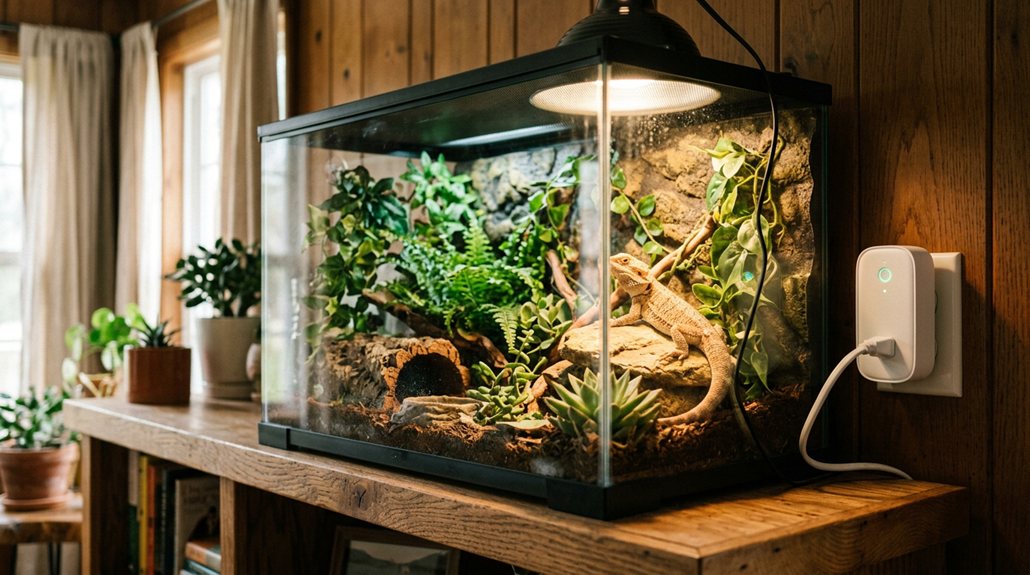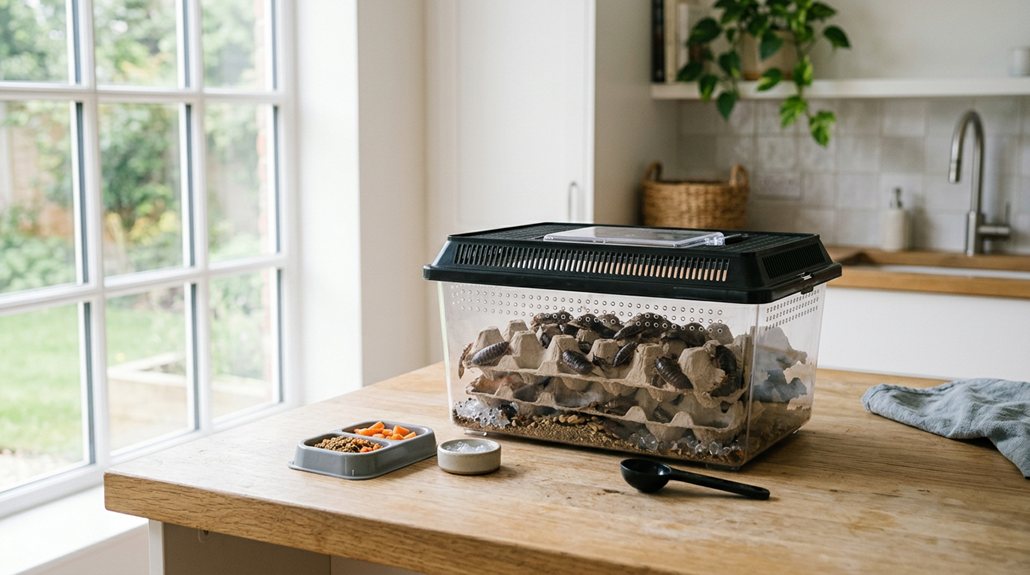
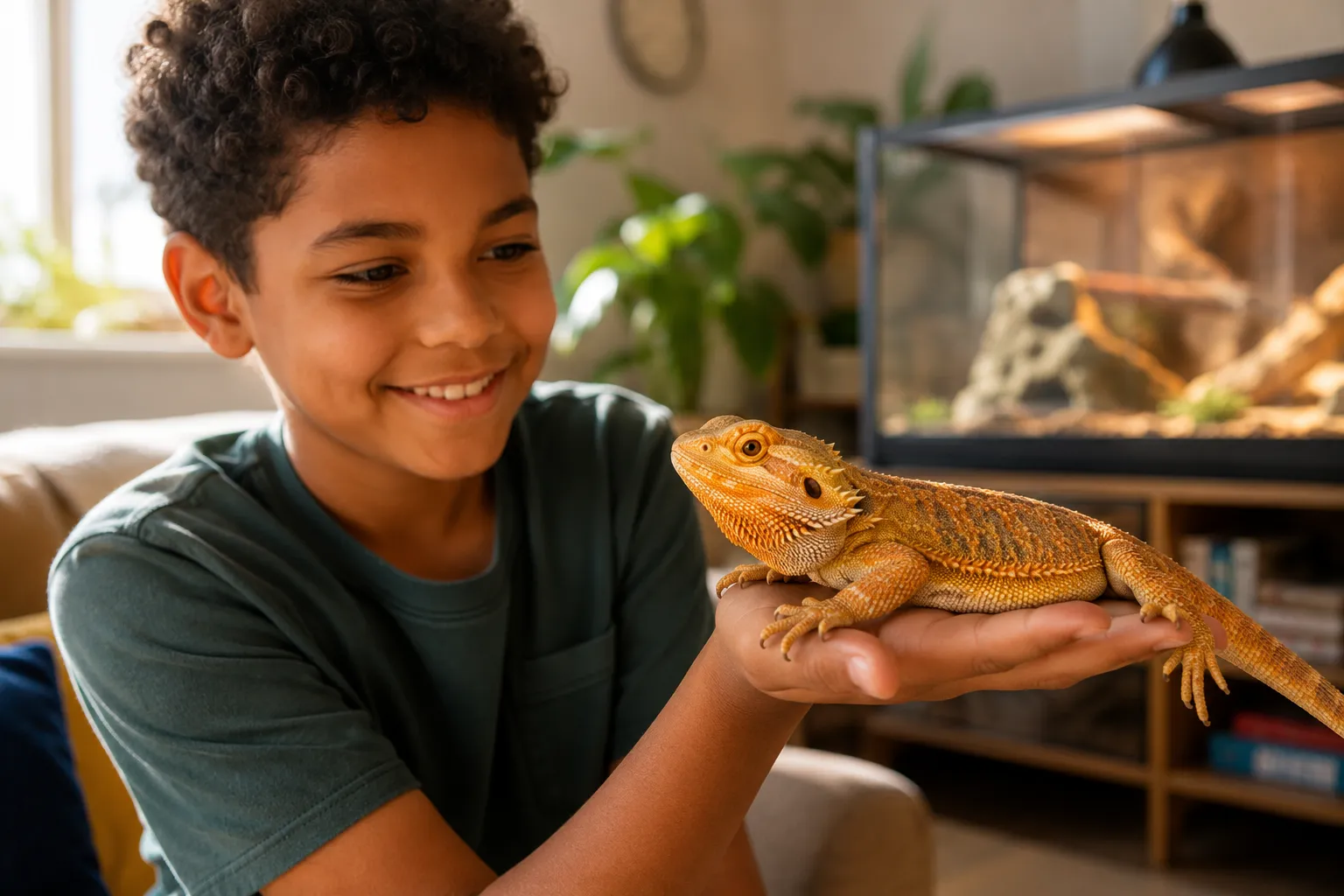
Quick Answer
Bearded dragons can be excellent pets for children aged 8 and older who are ready to handle daily care responsibilities under adult supervision. They’re docile, relatively easy to care for compared to other reptiles, and tolerate handling well, but they require a significant time and financial commitment (10-15 years lifespan, $50-100 monthly costs). Younger children under 8 typically lack the coordination and responsibility needed for safe handling and consistent care routines.
Engaging 3D Night Light Experience: Unveil the enchantment of 3D bearded dragon-themed illusions with our lamp that casts breathtaking images when lit. Meticulously crafted from precision laser-engraved acrylic, it's an essential item for bearded dragon enthusiasts and children.

On your special days, when you want to make your loved ones happy with a special gift, we are always with you with our jewelry,special designs for you.

Realistic Lizard Figurine Toys: 6PCS large lizard figures including Bearded Dragon, Fire Salamander, Chameleons, Coast Horned Lizard, and other realistic reptiles. Each model is inspired by real wild animals, perfect for imaginative play and exploring the animal kingdom.
Key Takeaways
- Best age range: Children 8+ can successfully care for bearded dragons with parental guidance; teenagers often handle full responsibility well
- Daily time commitment: 30-60 minutes for feeding, cleaning, handling, and monitoring health
- Monthly costs: $50-100 for food, electricity (UVB/heat), and supplies; initial setup costs $300-500
- Safety considerations: Salmonella risk requires strict hand-washing; bites are rare and usually don’t break skin
- Temperament advantage: Bearded dragons are calmer and more handleable than most reptiles, making them beginner-friendly
- Lifespan commitment: 10-15 years in captivity means a long-term responsibility through childhood and teen years
- Handling tolerance: Most bearded dragons enjoy or tolerate being held once properly socialized, unlike many reptiles that prefer minimal contact
- Common mistakes: Overfeeding, inadequate UVB lighting, and dropping during handling are the biggest risks kids face
- Comparison to other reptiles: Easier than iguanas or snakes, slightly more demanding than leopard geckos in terms of space and heat requirements
What Age Is Appropriate for a Child to Have a Bearded Dragon?
Children aged 8 and older typically have the maturity, coordination, and attention span needed to care for a bearded dragon with adult supervision. Kids in this age range can follow daily feeding schedules, handle the lizard gently, and understand basic safety rules like hand-washing after contact.
Age-specific guidelines:
- Ages 5-7: Too young for independent care; can participate in supervised feeding and observation but shouldn’t handle the dragon alone
- Ages 8-11: Can manage daily tasks with parental oversight; need reminders about routines and safety protocols
- Ages 12+: Often ready for primary responsibility with parents monitoring health and finances
- Teenagers (14+): Usually capable of full independent care, including recognizing behavioral changes and health issues
Decision rule: Choose a bearded dragon if your child can consistently complete daily chores (feeding pets, making bed) for at least 3-6 months without constant reminders. If they struggle with routine responsibilities, wait another year or two.
Common mistake: Parents assume younger children will “grow into” the responsibility. In reality, a distracted 6-year-old can accidentally harm a bearded dragon through rough handling or forgotten feedings, creating stress for both child and pet.
Are Bearded Dragons Good Pets for Kids Compared to Other Reptiles?
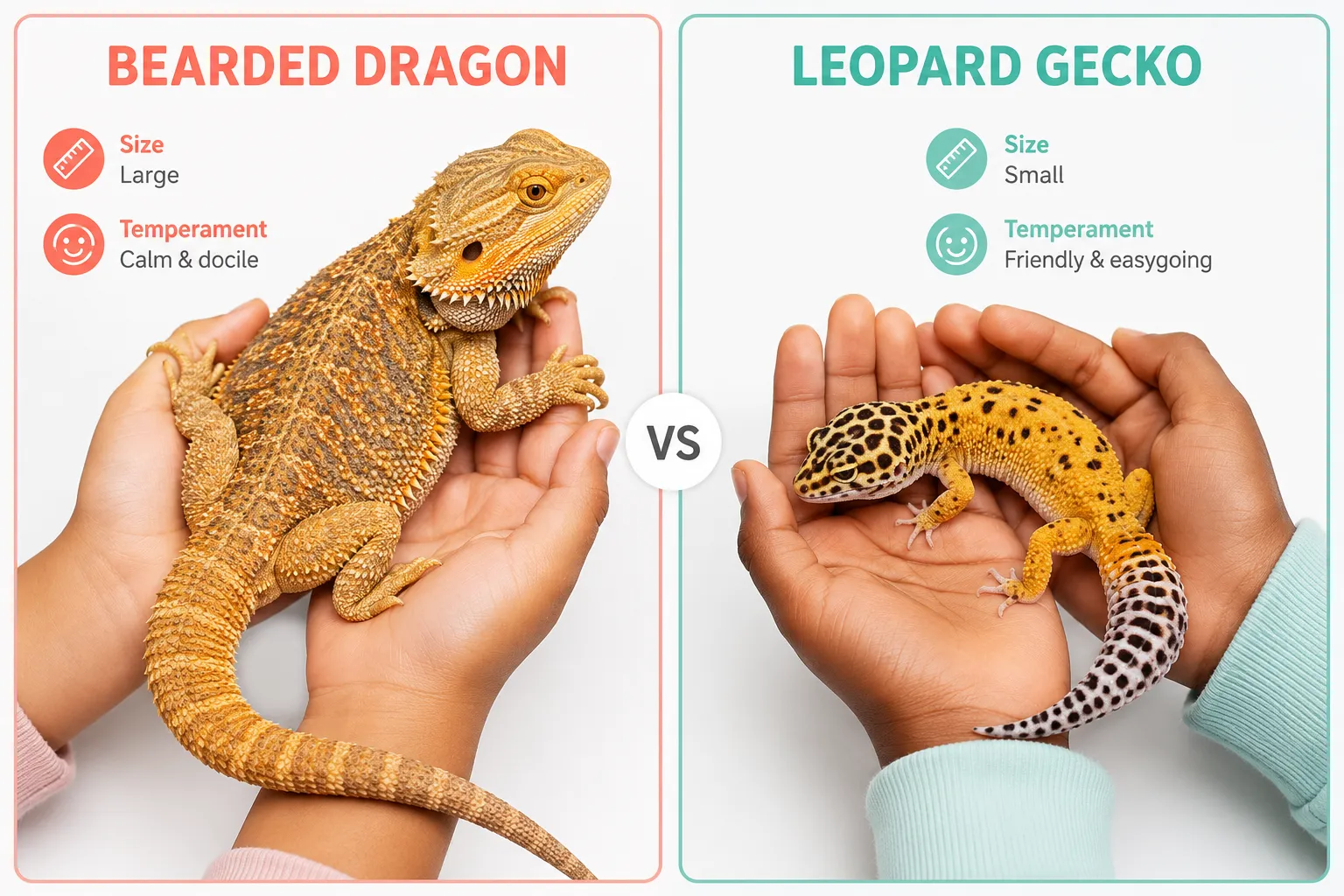
Yes, bearded dragons rank among the best reptile choices for children because of their docile temperament, diurnal (daytime) activity schedule, and tolerance for handling. They’re significantly easier than iguanas, chameleons, or most snake species, though they require more space and equipment than leopard geckos.
Advantages over other reptiles:
- Daytime activity: Kids can interact during after-school hours, unlike nocturnal geckos
- Handleability: Tolerate 15-30 minutes of daily handling without stress
- Size: Large enough (16-24 inches) to handle safely but not intimidating like iguanas
- Feeding simplicity: Eat readily available insects and vegetables; no frozen rodents required
- Visual engagement: Active, curious behavior keeps kids interested
Comparison to leopard geckos (a common alternative):
| Factor | Bearded Dragon | Leopard Gecko |
|---|---|---|
| Tank size | 40-75 gallons | 20-40 gallons |
| Handling tolerance | High (daily) | Moderate (2-3x weekly) |
| Activity time | Daytime | Nighttime |
| Diet complexity | Insects + vegetables | Insects only |
| Initial cost | $300-500 | $150-300 |
| Best for age | 8+ | 7+ |
Choose a bearded dragon if: Your child wants an interactive pet they can handle daily and watch during daylight hours. Choose a leopard gecko if space is limited or your child prefers a lower-maintenance pet.
For more guidance on setting up properly, see our complete tank size guide.
How Much Does It Cost to Own a Bearded Dragon Per Month?
Expect to spend $50-100 per month on ongoing bearded dragon care, with initial setup costs ranging from $300-500. Monthly expenses include live insects ($20-30), fresh vegetables ($10-15), electricity for heating and UVB lighting ($15-25), and occasional substrate replacement ($5-10).
Monthly cost breakdown:
- Live feeders: $20-30 (crickets, dubia roaches, worms)
- Fresh produce: $10-15 (collard greens, squash, occasional fruits)
- Electricity: $15-25 (UVB bulb, basking bulb, ceramic heater)
- Substrate/bedding: $5-10 (replaced monthly or as needed)
- Supplements: $5 (calcium and multivitamin powder, lasts several months)
Initial setup costs:
- Terrarium: $100-200 (40-75 gallon tank)
- Lighting: $50-100 (UVB tube fixture + basking bulb)
- Heating: $30-50 (ceramic heater or under-tank heater)
- Decor/hides: $30-50 (branches, rocks, hiding spots)
- Thermometers/hygrometer: $15-25
- Food/water dishes: $10-20
- The dragon itself: $40-200 (depending on morph and breeder)
Hidden costs to budget for:
- Veterinary care: $50-150 for annual checkups; $200-500 for illness treatment
- Bulb replacements: UVB bulbs need replacing every 6-12 months ($25-40 each)
- Tank upgrades: Baby dragons outgrow smaller tanks within 6-12 months
Money-saving tip: Buy insects in bulk and keep a small breeding colony of dubia roaches to cut feeder costs by 50-70%. Many families also grow their own collard greens or dandelion greens.
Are Bearded Dragons Safe for Toddlers to Handle?
No, bearded dragons are not safe for toddlers (ages 1-4) to handle without constant, hands-on adult supervision. Toddlers lack the fine motor control to hold reptiles gently and may squeeze, drop, or accidentally hurt the dragon. Additionally, toddlers frequently put hands in their mouths, significantly increasing salmonella transmission risk.
Specific risks with toddlers:
- Dropping: Toddlers have poor grip strength and coordination; a fall from 2-3 feet can cause serious injury or death to a bearded dragon
- Rough handling: Young children may grab tails, poke eyes, or squeeze too hard, causing stress or injury
- Salmonella exposure: Toddlers touch their faces 20-30 times per hour, making hand-washing protocols nearly impossible to enforce
- Supervision burden: Requires an adult’s full attention every second, which isn’t realistic for busy parents
Safe interaction guidelines for young children:
- Ages 1-3: Observation only; no direct handling
- Ages 4-5: Can gently pet the dragon while an adult holds it; must wash hands immediately after
- Ages 6-7: Can hold the dragon while sitting on the floor (minimizes fall risk) with adult present
Alternative approach: Let toddlers help with “dragon chores” that don’t involve handling, placing food bowls in the tank, misting vegetables, or watching feeding time. This builds interest and teaches responsibility without safety risks.
Edge case: Some families successfully keep bearded dragons with toddlers in the home by establishing a strict “no touching” rule and keeping the terrarium in a room toddlers can’t access unsupervised.
Do Bearded Dragons Bite Children and Does It Hurt?
Bearded dragons rarely bite children, and when they do, it’s usually a gentle nip that doesn’t break skin or cause significant pain. Most “bites” are actually mistaken feeding responses when a dragon smells food on a child’s fingers. True defensive bites are uncommon because bearded dragons typically display warning signs (hissing, beard puffing, mouth gaping) before resorting to biting.
Bite frequency and severity:
- Probability: Less than 5% of bearded dragons bite regularly; most never bite at all
- Pain level: Comparable to a firm pinch; adults rate it 2-3 out of 10 on pain scales
- Injury risk: Rarely breaks skin in children; may leave temporary red marks
- Infection risk: Low if the area is washed immediately with soap and water
Why bearded dragons bite:
- Feeding response: Fingers smell like insects or vegetables (most common cause)
- Fear/stress: Sudden movements, loud noises, or cornering the dragon
- Territorial behavior: During breeding season, males may become more defensive
- Pain response: If the dragon is injured or sick and being handled
Prevention strategies:
- Wash hands before handling: Remove food smells that trigger feeding responses
- Approach slowly: Let the dragon see your hand coming; don’t grab from above
- Watch body language: Puffed beard, darkened color, or hissing means “leave me alone”
- Support properly: Use two hands to support the body and legs, reducing stress
What to do if bitten:
- Stay calm and don’t jerk your hand away (can cause more injury)
- Gently blow on the dragon’s face to encourage release
- Wash the area thoroughly with soap and water
- Apply antibiotic ointment if skin is broken
- Monitor for signs of infection (rare)
Real-world example: Most experienced bearded dragon owners report their dragons have never bitten anyone. When bites do occur, they’re almost always with new dragons still adjusting to handling or when children forget to wash food-scented hands.
How Much Time Does a Kid Need to Spend Caring for a Bearded Dragon Daily?
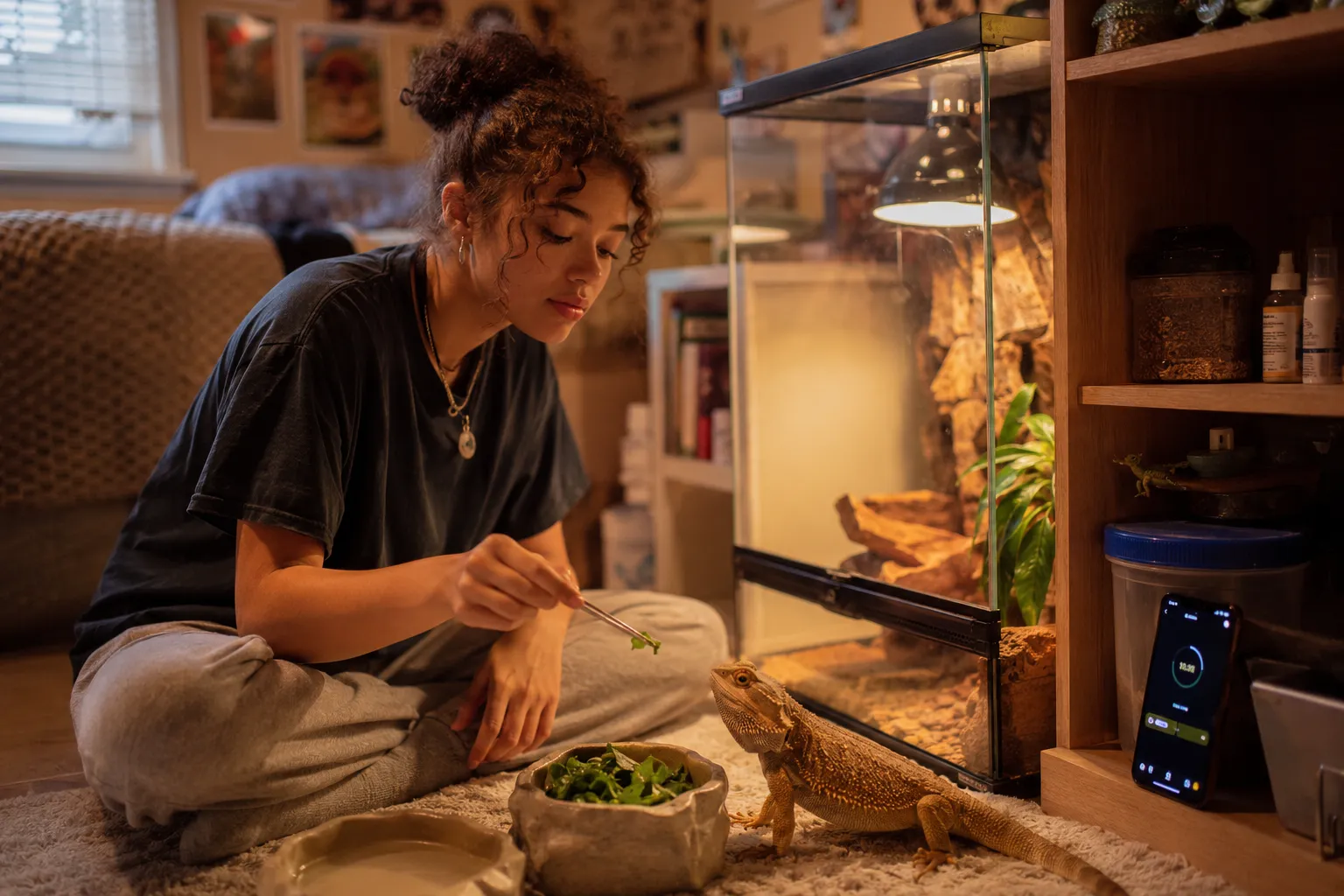
Children should plan to spend 30-60 minutes daily on bearded dragon care, including feeding (10-15 minutes), spot-cleaning (5-10 minutes), handling and socialization (15-30 minutes), and health monitoring (5 minutes). Weekly deep-cleaning adds another 30-45 minutes, and monthly tasks like substrate changes require 45-60 minutes.
Daily care schedule (30-60 minutes total):
Morning routine (10-15 minutes):
- Turn on basking and UVB lights
- Check temperatures (basking spot 95-105°F, cool side 75-85°F)
- Offer fresh vegetables and water
- Remove uneaten food from previous day
Afternoon/evening routine (20-45 minutes):
- Feed live insects (10-15 minutes for juveniles, 5-10 for adults)
- Spot-clean feces and uneaten food (5-10 minutes)
- Handling and interaction time (15-30 minutes)
- Quick health check: eyes clear, movement normal, appetite good (2-5 minutes)
- Turn off lights at consistent bedtime
Weekly tasks (30-45 minutes):
- Deep clean food and water dishes
- Wipe down tank glass and decorations
- Check and adjust humidity levels
- Trim vegetables and prep food for the week
Monthly tasks (45-60 minutes):
- Complete substrate change
- Sanitize entire tank and decorations
- Check UVB bulb output (replace every 6-12 months)
- Weigh dragon and record growth
Time-saving tips:
- Prep vegetables in bulk on weekends; store in containers for daily use
- Keep a care log on your phone to track feeding and cleaning (takes 1 minute daily)
- Use paper towels or reptile carpet instead of loose substrate for faster cleaning
Decision rule: If your child has less than 45 minutes of free time on school days after homework and activities, a bearded dragon may add too much stress. Consider waiting until their schedule opens up or choosing a lower-maintenance pet.
For more details on feeding schedules by age, check our guide on how often bearded dragons should eat.
Can Bearded Dragons Carry Salmonella and Make Kids Sick?
Yes, bearded dragons can carry salmonella bacteria in their digestive systems and shed it in their feces, even when the dragon appears perfectly healthy. However, the infection risk to children is low when families follow proper hygiene protocols, particularly thorough hand-washing after every interaction with the dragon or its habitat.
Salmonella transmission facts:
- Carrier rate: 70-90% of reptiles carry salmonella naturally without symptoms
- Infection risk: Estimated 70,000 reptile-associated salmonella cases annually in the U.S., but most are preventable
- Severity: Usually causes 4-7 days of diarrhea, fever, and stomach cramps; rarely serious in healthy children
- High-risk groups: Children under 5, elderly adults, pregnant women, and immunocompromised individuals face higher complication risks
Prevention protocols (reduces risk by 95%+):
- Hand-washing rule: Wash hands with soap and water for 20 seconds after touching the dragon, tank, or any supplies, every single time
- Kitchen ban: Never wash tank items, food dishes, or the dragon in kitchen sinks or bathtubs used by family members
- Designated supplies: Use separate sponges, towels, and cleaning tools for dragon care only
- No kissing or face contact: Keep the dragon away from faces and mouths
- Supervised handling: Ensure young children wash hands immediately after contact, before touching anything else
Safe handling zones:
- Good: Child’s bedroom, family room, outdoor patio
- Bad: Kitchen, dining table, bathroom shared by family
- Never: Near food preparation areas or where people eat
Signs of salmonella infection in children:
- Diarrhea (sometimes bloody)
- Fever above 100.4°F
- Stomach cramps
- Vomiting
- Symptoms appearing 6-72 hours after exposure
Real-world context: Thousands of families successfully keep bearded dragons with children without salmonella issues by making hand-washing non-negotiable. The risk is comparable to handling raw chicken, manageable with proper hygiene but requiring consistent vigilance.
Edge case: Families with immunocompromised children or children under 5 should consult their pediatrician before bringing home any reptile, as the CDC recommends avoiding reptile ownership in these situations.

Activity Playpen Specially Designed for Bearded Dragons: Measuring a generous 35.8"×35.8"×22.8", this playpen offers ample space for your bearded dragon or lizard to move, stretch, and explore outside their main enclosure. The roomy design supports healthy activity and enrichment, giving your pet a comfortable area to sunbathe and play.

【Safe Material & Durable】Bearded dragon hammock is made of natural seagrass. Natural wooden bridge for reptiles to climb. The jungle vine is made of iron wire inside and soft PU material outside. Reptile plants are made from intentionally non-toxic plastic and the stems were made from iron wire. It creates a dynamic environment with fun hiding spots and intriguing obstacles.

【Warm & Comfortable Material】The lizard bed and pillow are made of durable and breathable canvas, filled with PP cotton. This blanket has a soft and comfortable surface. The hammock is made of canvas material. The hammock is suitable for reptiles to rest and play on
What Happens If a Child Drops a Bearded Dragon?
If a child drops a bearded dragon, the severity of injury depends on the fall height, landing surface, and the dragon’s size. Falls from 2-3 feet onto hard surfaces (tile, hardwood) can cause broken bones, internal injuries, or death, while falls onto carpet or soft surfaces from lower heights may result in minor stress or bruising. Always handle bearded dragons while sitting on the floor or over a soft surface to minimize fall risk.
Injury severity by fall height:
- Under 1 foot (onto carpet/bed): Usually no injury; dragon may be startled
- 1-2 feet (onto carpet): Possible minor bruising or stress; monitor for 24-48 hours
- 2-3 feet (onto hard floor): High risk of broken limbs, jaw injuries, or internal bleeding
- 3+ feet (onto hard floor): Often fatal or requires emergency veterinary care
Common injuries from falls:
- Broken legs or toes: Dragon limps, won’t put weight on limb, visible swelling
- Jaw/mouth injuries: Bleeding from mouth, difficulty eating, facial swelling
- Internal injuries: Lethargy, loss of appetite, labored breathing (requires immediate vet care)
- Tail damage: Tail may break off (autotomy), though bearded dragons don’t regenerate tails like some lizards
Immediate steps if a dragon is dropped:
- Don’t panic: Calmly pick up the dragon and place it in its tank
- Observe for 10-15 minutes: Watch for obvious injuries, bleeding, or abnormal movement
- Check for broken bones: Gently feel legs and tail for unusual angles or swelling (don’t force movement)
- Monitor behavior: Note appetite, activity level, and bathroom habits over next 24-48 hours
- Call a vet if: Dragon won’t move, shows visible injuries, refuses food for 24+ hours, or exhibits labored breathing
Prevention strategies:
- Floor-sitting rule: Children should always sit on the floor when holding the dragon
- Two-hand support: Teach kids to support the dragon’s body with one hand and legs with the other
- Calm environment: No handling during loud activities, parties, or when the child is rushed
- Secure grip: If the dragon starts squirming, place it back in the tank immediately rather than trying to maintain hold
- Practice with supervision: Parents should watch the first 10-20 handling sessions to correct technique
Teaching tip: Have children practice the “safe handling position” with a stuffed animal first. They should sit cross-legged on carpet, hold the animal with both hands, and practice placing it down gently when it “squirms.”
Are Bearded Dragons Good Pets for Teenagers But Not Younger Kids?
Bearded dragons are excellent pets for teenagers (ages 13+) because teens typically have the maturity, responsibility, and independence to handle full care routines without constant parental supervision. However, children ages 8-12 can also successfully care for bearded dragons with appropriate parental oversight, making them suitable for a wider age range than many assume.
Why teenagers excel with bearded dragons:
- Independence: Can manage feeding schedules, cleaning, and health monitoring without daily reminders
- Financial awareness: Often contribute to costs through allowance or part-time jobs
- Problem-solving: Recognize health issues early and research solutions
- Long-term commitment: Better understand the 10-15 year lifespan commitment
- Driving access: Can transport dragon to vet appointments (with parent, if under 18)
Younger kids (8-12) can succeed with:
- Structured routines: Parents create checklists and reminder systems
- Shared responsibility: Parent handles complex tasks (temperature monitoring, vet visits) while child does daily feeding and handling
- Regular check-ins: Parents verify care quality weekly
- Gradual independence: Responsibility increases as child proves consistency
Red flags that a child isn’t ready (any age):
- Frequently forgets to feed or water current pets
- Loses interest in hobbies after 2-3 months
- Resists daily chores or needs constant reminders
- Handles pets roughly or gets frustrated when they don’t cooperate
- Shows no interest in learning about dragon care beyond “it looks cool”
Success story pattern: Many families report that children who successfully care for bearded dragons share common traits: they’ve wanted the pet for 6+ months (not an impulse), they’ve researched care requirements independently, and they’ve demonstrated responsibility with smaller commitments (plants, fish, or helping with family pets).
Decision framework:
- Choose a bearded dragon for teens if: They want a pet they’re fully responsible for and have 45-60 minutes daily for care
- Choose a bearded dragon for younger kids if: Parents are willing to co-manage care and verify routines for 1-2 years
- Wait or choose a different pet if: The child shows inconsistent responsibility or the family lacks time for oversight
For more on understanding your dragon’s needs, explore our bearded dragon care resources.
What Are the Biggest Mistakes Kids Make With Bearded Dragons?
The most common mistakes children make with bearded dragons include overfeeding (especially treats and fatty insects), inadequate UVB lighting leading to metabolic bone disease, inconsistent temperature regulation, and improper handling that stresses the dragon. These errors often stem from lack of knowledge rather than negligence and are easily corrected with proper education and parental oversight.
Top 5 mistakes and how to avoid them:
1. Overfeeding treats and fatty insects
- The mistake: Feeding too many waxworms, superworms, or fruit because the dragon “loves them”
- The consequence: Obesity, fatty liver disease, nutritional imbalances
- The fix: Limit fatty insects to 1-2 times per week; fruits should be less than 10% of diet
- Teaching tip: Create a feeding chart showing proper insect ratios (80% crickets/dubia roaches, 20% variety)
2. Inadequate or expired UVB lighting
- The mistake: Using a regular light bulb instead of UVB, or not replacing UVB bulbs every 6-12 months
- The consequence: Metabolic bone disease, lethargy, loss of appetite
- The fix: Use a 10.0 UVB tube light spanning 2/3 of tank length; mark replacement date on calendar
- Red flag: Dragon stops eating, has weak/trembling limbs, or develops a curved spine
3. Inconsistent temperatures
- The mistake: Not checking basking spot temperature daily; letting it drop below 95°F or rise above 110°F
- The consequence: Poor digestion, respiratory infections, stress
- The fix: Use a digital thermometer with probe; check temps every morning as part of routine
- Target zones: Basking spot 95-105°F, cool side 75-85°F, nighttime 65-75°F
4. Handling when the dragon shows stress signals
- The mistake: Continuing to hold or play with the dragon when it’s puffing its beard, darkening color, or trying to escape
- The consequence: Chronic stress, aggression, loss of trust
- The fix: Teach kids to recognize stress signals and immediately return dragon to tank
- Stress signs: Beard puffing, mouth gaping, hissing, rapid color darkening, frantic movements
5. Poor substrate choices
- The mistake: Using loose substrates (sand, wood chips) that can cause impaction if ingested
- The consequence: Intestinal blockage requiring surgery or causing death
- The fix: Use reptile carpet, tile, or paper towels for dragons under 12 months; only use safe loose substrate for adults
- Warning sign: Dragon hasn’t pooped in 5+ days, appears bloated, or is lethargic
Additional common errors:
- Feeding insects that are too large (should be no wider than space between dragon’s eyes)
- Not providing fresh water daily (many dragons won’t drink stale water)
- Keeping multiple dragons together (causes stress and fighting)
- Forgetting to dust insects with calcium powder 3-4 times per week
Prevention strategy: Create a laminated care checklist for kids to follow daily. Include checkboxes for temperature verification, food types offered, water changed, and health observations. Review the checklist weekly with your child to catch mistakes early.
Learn more about proper nutrition in our guides on what bearded dragons can eat.
Do Bearded Dragons Like Being Held by Kids or Do They Get Stressed?
Most bearded dragons tolerate and even enjoy being held by children once they’re properly socialized, though individual personalities vary significantly. Well-socialized dragons often seek out interaction, climbing onto hands when the tank is opened, while others prefer shorter handling sessions of 10-15 minutes. The key is reading the dragon’s body language and respecting its boundaries rather than forcing interaction.
Signs a bearded dragon enjoys handling:
- Relaxed body: Limbs loose, not rigid or trying to escape
- Calm color: Normal coloration, not darkened or stressed
- Curious behavior: Looks around, explores, may climb on handler
- Seeks warmth: Settles into hand or arm, using body heat
- Regular breathing: Steady, not rapid or labored
Signs a bearded dragon is stressed by handling:
- Beard puffing: Inflates throat pouch, often darkening to black
- Color darkening: Body turns darker brown or black
- Frantic movement: Tries to jump or run away repeatedly
- Mouth gaping: Opens mouth wide (warning signal)
- Rigid body: Tense, stiff posture with legs locked
Factors affecting handling tolerance:
- Age: Babies (0-6 months) stress more easily; adults are typically calmer
- Socialization history: Dragons handled regularly from young age tolerate it better
- Time of day: Most relaxed after basking and eating, not during early morning or late evening
- Handler’s energy: Calm, quiet children get better responses than loud, energetic ones
- Frequency: Daily 15-20 minute sessions build trust; sporadic handling causes stress
Best practices for kid-dragon interaction:
- Start slow: New dragons need 3-5 days to settle before first handling
- Approach from side: Never grab from above (triggers predator response)
- Support fully: Use both hands to support body and legs
- Sit down: Handle while sitting to prevent fall injuries
- Watch the clock: Limit sessions to 15-30 minutes; return dragon if it shows stress
- Create routine: Handle at same time daily so dragon anticipates it
Personality spectrum:
- Social dragons (30-40%): Actively seek interaction, climb on handlers, appear to enjoy attention
- Tolerant dragons (40-50%): Accept handling calmly but don’t seek it out; neutral response
- Shy dragons (10-20%): Prefer minimal handling; stress easily but can improve with patient socialization
Teaching moment: Help kids understand that bearded dragons aren’t like dogs or cats, they don’t crave constant affection. Respecting the dragon’s signals teaches empathy and appropriate boundaries with animals.
Edge case: Some rescue dragons or those from poor breeding situations may never fully enjoy handling due to early trauma. These dragons can still make good pets for observant children who appreciate watching behavior more than physical interaction.
Best Beginner Reptile Pets for Kids Under 10
For children under 10, the best beginner reptiles are leopard geckos (ages 7+), crested geckos (ages 8+), and bearded dragons (ages 8+), in that order. Leopard geckos require the smallest space and simplest care, making them ideal for younger children, while bearded dragons offer more interaction but demand larger setups and more complex care routines.
Top 3 reptiles for kids under 10:
1. Leopard Gecko (Best for ages 7-10)
- Tank size: 20-40 gallons
- Handling: Tolerates 2-3 times weekly, 10-15 minutes
- Care difficulty: Low (no UVB required, simple diet)
- Lifespan: 10-20 years
- Monthly cost: $30-50
- Why it’s best: Smallest space requirement, nocturnal so less daily interaction pressure, hardy and forgiving of minor care mistakes
2. Crested Gecko (Best for ages 8-10)
- Tank size: 20-30 gallons (vertical)
- Handling: Moderate tolerance, gentle required
- Care difficulty: Low-moderate (no UVB, eats prepared diet)
- Lifespan: 15-20 years
- Monthly cost: $30-60
- Why it’s good: No live insects required (eats prepared powder diet), interesting climbing behavior, soft skin less intimidating than scaled reptiles
3. Bearded Dragon (Best for ages 8-10)
- Tank size: 40-75 gallons
- Handling: High tolerance, daily interaction
- Care difficulty: Moderate (UVB required, varied diet)
- Lifespan: 10-15 years
- Monthly cost: $50-100
- Why it’s good: Most interactive and handleable, diurnal schedule matches kids’ routines, engaging personality
Reptiles to avoid for kids under 10:
- Iguanas: Grow very large (5-6 feet), can be aggressive, require massive enclosures
- Chameleons: Extremely delicate, stress easily, require advanced care
- Snakes: Many children (and parents) are uncomfortable with feeding frozen rodents
- Water turtles: Require complex aquatic setups, carry high salmonella risk
- Monitor lizards: Too large and potentially aggressive for children
Comparison table for decision-making:
| Factor | Leopard Gecko | Crested Gecko | Bearded Dragon |
|---|---|---|---|
| Space needed | Smallest | Small | Largest |
| Handling time | Low | Low-Moderate | High |
| Care complexity | Easiest | Easy | Moderate |
| Interaction level | Low | Moderate | High |
| Initial cost | $150-300 | $200-350 | $300-500 |
| Best for personality | Shy kids | Observant kids | Social kids |
Decision framework:
- Choose a leopard gecko if: Space is limited, child is younger (7-8), or family wants lowest maintenance option
- Choose a crested gecko if: Child is interested in unique pets and doesn’t mind less handling
- Choose a bearded dragon if: Child wants an interactive pet they can handle daily and family has space for a large tank
Success tip: Visit a reptile expo or pet store with your child to observe all three species before deciding. Let them watch feeding time and handling to gauge their comfort level and genuine interest.
For more on creating the right environment, see our tank setup guides.
How Long Do Bearded Dragons Live and What Is the Commitment?
Bearded dragons live 10-15 years in captivity with proper care, making them a long-term commitment that will span most of a child’s school years and potentially into college. This lifespan requires families to plan for consistent care through moves, schedule changes, and evolving family circumstances, including who will care for the dragon if the child leaves for college.
Lifespan factors:
- With excellent care: 12-15 years
- With average care: 8-12 years
- With poor care: 4-8 years (often due to metabolic bone disease, obesity, or inadequate heating)
- Record lifespan: Some bearded dragons have lived 18-20 years, though this is rare
Age-based commitment timeline:
- Child age 8 at adoption: Dragon will be with family until child is 18-23 (high school graduation through college)
- Child age 12 at adoption: Dragon will be with family until child is 22-27 (through college and early career)
- Child age 16 at adoption: Dragon may outlive child’s time at home; plan for who takes dragon when child moves out
Life stage care requirements:
Baby/Juvenile (0-12 months):
- Most time-intensive: 3-4 feedings daily, frequent tank cleaning
- Rapid growth requires tank upgrades and diet adjustments
- Higher risk of health issues if care isn’t precise
Adult (1-7 years):
- Stable routine: 1 feeding daily, predictable behavior
- Easiest care period with established habits
- Peak interaction and handling tolerance
Senior (8+ years):
- May develop age-related health issues (arthritis, organ decline)
- Requires more frequent vet checkups
- Diet adjustments for lower activity level
- Increased veterinary costs possible
Questions to ask before committing:
- College plans: Will the child take the dragon to college, or will parents assume care?
- Family stability: Are major moves, divorces, or life changes anticipated?
- Financial security: Can the family afford 10-15 years of monthly costs plus emergency vet care?
- Backup care: Who will care for the dragon during family vacations or emergencies?
Common commitment challenges:
- Year 3-4: Child’s initial excitement wanes; parents must enforce continued care
- High school: Busy schedules with sports, jobs, and social activities reduce available time
- College transition: Family must decide if dragon stays home or goes with child (dorms rarely allow reptiles)
- Vet costs: Unexpected illnesses in years 8-12 can cost $300-800
Success strategy: Create a written “dragon care contract” with your child outlining responsibilities, what happens if care lapses, and the plan for the dragon’s care through college years. Review and update it annually.
Real-world perspective: Many families report that bearded dragons become beloved family pets rather than just “the kid’s pet,” with parents and siblings sharing care duties as children’s schedules change. This shared responsibility often makes the long commitment more manageable.
Learn more about bearded dragon lifespans in our detailed guide on how long bearded dragons live.
Frequently Asked Questions
Can a 6-year-old take care of a bearded dragon?
No, 6-year-olds lack the maturity and coordination to safely care for a bearded dragon independently. They can participate in supervised feeding and observation but shouldn’t handle the dragon alone or manage daily care routines. Wait until age 8+ for primary responsibility with parental oversight.
How often should kids handle their bearded dragon?
Kids should handle bearded dragons for 15-30 minutes daily once the dragon is socialized, preferably at the same time each day to establish routine. Always supervise children under 10 during handling and teach them to watch for stress signals like beard puffing or color darkening that indicate it’s time to return the dragon to its tank.
What size tank does a bearded dragon need for a child’s bedroom?
Bearded dragons need a minimum 40-gallon tank for juveniles and 75-120 gallons for adults, which measures approximately 4 feet long by 18 inches deep. Ensure the child’s bedroom has a sturdy surface (dresser, dedicated stand) that can support 100-150 pounds and isn’t near heating vents or windows that cause temperature fluctuations.
Are bearded dragons expensive to keep?
Bearded dragons cost $50-100 monthly for food, electricity, and supplies, with initial setup costs of $300-500. Annual veterinary checkups add $50-150, and unexpected illnesses can cost $200-500. Budget for UVB bulb replacements ($25-40) every 6-12 months and potential tank upgrades as the dragon grows.
Can bearded dragons recognize their owners?
Yes, bearded dragons can recognize their primary caretakers through sight, smell, and routine, often responding differently to family members versus strangers. They may become more active when their main caretaker approaches the tank and show calmer behavior during handling with familiar people, though their recognition is less sophisticated than dogs or cats.
What happens if a child forgets to feed their bearded dragon?
Adult bearded dragons can safely miss 1-2 feedings without serious harm, though it causes stress and hunger. Juvenile dragons (under 12 months) are more vulnerable and should never miss feedings, as it can impact growth and health. If a child consistently forgets feedings, parents must intervene immediately to prevent malnutrition and consider whether the child is ready for pet ownership.
Do bearded dragons need baths?
Bearded dragons benefit from 10-15 minute lukewarm baths 1-2 times weekly to aid hydration and shedding, though they’re not strictly necessary if humidity and water access are adequate. Kids can help with supervised bath time, which many dragons enjoy, but must ensure water is shallow (belly-deep only) and temperature is tested before placing the dragon in.
Can bearded dragons live with other pets?
Bearded dragons should never share their tank with other reptiles due to stress and disease transmission, but they can coexist in homes with cats and dogs if supervised. Never leave bearded dragons unsupervised with other pets, as even friendly dogs and cats may view them as prey. Keep the terrarium in a room other pets can’t access unsupervised.
What vegetables can kids feed their bearded dragon?
Kids can safely feed bearded dragons collard greens, mustard greens, turnip greens, butternut squash, bell peppers, and occasional treats like blueberries or carrots. Avoid iceberg lettuce (no nutrition), spinach (blocks calcium), and avocado (toxic). Chop vegetables into small pieces and offer fresh daily, removing uneaten portions after 12 hours.
How do you know if a bearded dragon is sick?
Signs of illness in bearded dragons include loss of appetite for 2+ days, lethargy or unusual sleeping patterns, labored breathing, runny or discolored feces, swollen limbs, cloudy eyes, or sudden aggression. Kids should report any behavior changes to parents immediately, and families should establish a relationship with a reptile veterinarian before emergencies occur.
Can bearded dragons eat fruit every day?
No, bearded dragons should only eat fruit 1-2 times per week as treats, comprising less than 10% of their diet. Too much fruit causes diarrhea and nutritional imbalances due to high sugar content. Safe fruit options include grapes (cut in half), apples (no seeds), and watermelon (seedless), but vegetables and insects should form the diet foundation.
What’s the best age bearded dragon to get for a child?
Juvenile bearded dragons aged 3-6 months are ideal for children because they’re past the most fragile baby stage but still young enough to bond with their new family. Avoid dragons under 2 months (too delicate) or adults over 2 years (may have established behaviors harder to modify), unless adopting a known-temperament rescue dragon.
Conclusion
Bearded dragons can be excellent pets for children aged 8 and older who are ready to commit to daily care routines and a 10-15 year lifespan. Their docile temperament, tolerance for handling, and engaging personalities make them one of the best reptile choices for families, though they require more space and financial investment than smaller alternatives like leopard geckos.
Success with a bearded dragon depends on three critical factors: the child’s demonstrated responsibility with existing commitments, the family’s willingness to provide oversight and backup care, and everyone’s understanding that this is a decade-plus commitment that will evolve as the child grows.
Next steps for families considering a bearded dragon:
- Test responsibility: Have your child care for a lower-maintenance pet (fish, hermit crab) or complete daily chores consistently for 3-6 months
- Research together: Read care guides, watch videos, and visit reptile expos with your child to ensure genuine, informed interest
- Budget realistically: Calculate initial setup costs ($300-500) and monthly expenses ($50-100) to ensure long-term affordability
- Find a reptile vet: Locate an exotic animal veterinarian in your area before bringing a dragon home
- Create a care plan: Draft a written agreement outlining daily responsibilities, consequences for neglect, and plans for college years
- Start with proper setup: Invest in a correctly sized tank (40+ gallons), quality UVB lighting, and appropriate heating before bringing the dragon home
For families ready to make the commitment, bearded dragons offer a unique opportunity for children to learn responsibility, empathy, and the rewards of caring for an exotic pet that will be part of the family for years to come. The key is entering the relationship with realistic expectations, proper preparation, and a genuine commitment to meeting the dragon’s needs throughout its entire life.
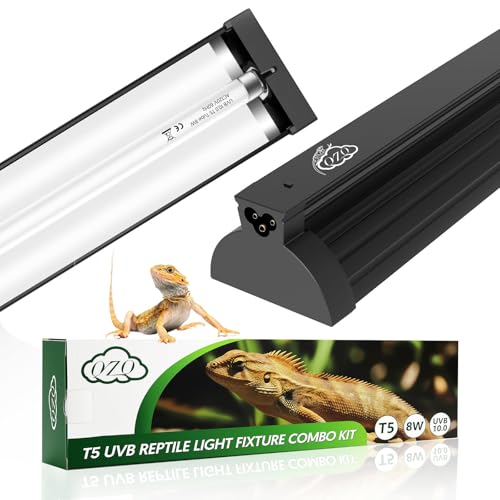
T5 UVB Reptile Light Fixture Combo Kit: The QZQ T5 UVB reptile light features a 5.9ft detachable power cord, a convenient on/off switch, and multiple mounting accessories for easy installation. Whether you're setting up a reptile tank or terrarium, this reptile light fixture meets your reptile lighting needs, providing your pets with the perfect 10.0 UVB lighting environment for healthy growth

T5 UVB Reptile Light Fixture Combo Kit: The QZQ T5 UVB reptile light features a 5.9ft detachable power cord, a convenient on/off switch, and multiple mounting accessories for easy installation. Whether you're setting up a reptile tank or terrarium, this reptile light fixture meets your reptile lighting needs, providing your pets with the perfect 10.0 UVB lighting environment for healthy growth

T5 Reptile Light Fixture with UVB 10.0 Bulb Kit - The REPTIDLDB T5 reptile light fixture comes with a UVB 10.0 bulb kit, offering 10% UVB and 30% UVA output. This lighting system provides a natural and balanced lighting environment, ensuring your reptiles receive the proper UVB radiation for optimal health. The fixture is designed with minimal heat emission, making it perfect for your reptile's habitat without overheating the enclosure. The UVB 10.0 bulb is replaceable, giving you flexibility and convenience in maintaining your reptile’s environment.