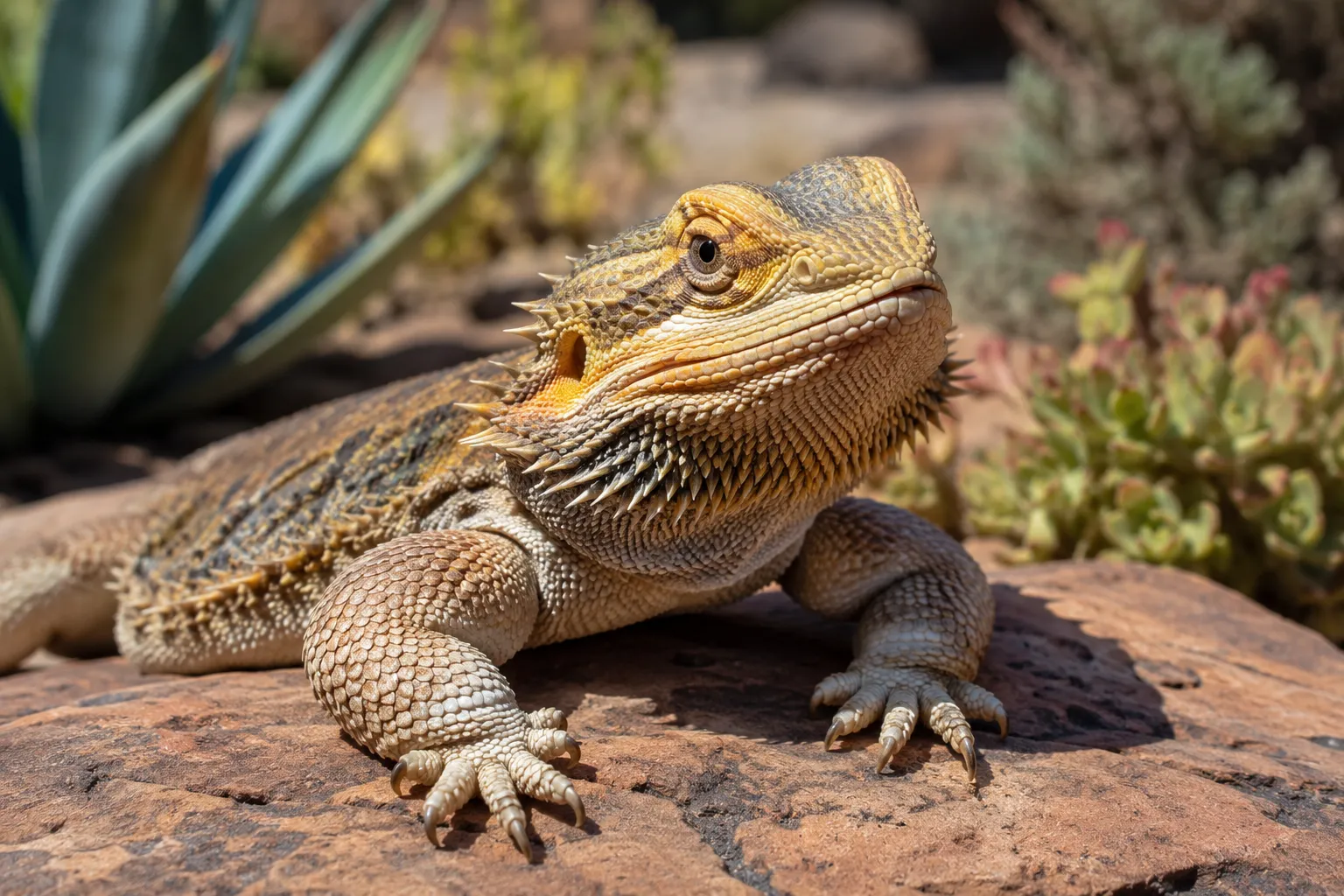
Quick Answer: Metabolic Bone Disease (MBD) shows early warning signs including subtle limb tremors, difficulty climbing or walking, slightly swollen joints, reduced appetite, and a softer-than-normal jaw. Catching these symptoms within the first few weeks dramatically improves treatment outcomes, while late-stage MBD causes permanent skeletal deformities that cannot be reversed.
Key Takeaways
- Trembling limbs and weakness when climbing are often the first visible signs of MBD in bearded dragons and other reptiles
- Soft or rubbery jaw (metabolic bone disease jaw) develops when calcium deficiency becomes moderate to severe
- MBD is caused by insufficient calcium, lack of UVB lighting, or improper vitamin D3 supplementation
- Early-stage MBD can often be reversed with immediate husbandry corrections and veterinary calcium supplementation
- Bearded dragons, chameleons, and iguanas are among the most susceptible species due to their high calcium requirements
- Prevention requires proper UVB lighting (10-12 hours daily), calcium-dusted feeders, and appropriate diet ratios
- Veterinary treatment for early MBD typically costs $150-$400, while advanced cases requiring surgery can exceed $1,000
- Waiting even 2-3 weeks after noticing symptoms can mean the difference between full recovery and permanent disability

Calcium supplement without Vitamin D3 is

Calcium is essential to reptiles for the prevention of metabolic bone disease

Provides high absorption and assimilation because it passes directly into the small intestine.
What Is Metabolic Bone Disease in Reptiles?
Metabolic Bone Disease (MBD) is a group of disorders caused by calcium and phosphorus imbalances that weaken the skeletal system in reptiles. When reptiles don’t absorb enough calcium or can’t metabolize it properly due to insufficient vitamin D3, their bodies pull calcium from their bones to maintain critical blood calcium levels, resulting in soft, brittle, or deformed bones.
MBD isn’t a single disease but rather a syndrome that includes several related conditions:
- Nutritional secondary hyperparathyroidism (the most common form in captive reptiles)
- Rickets (affects growing juveniles specifically)
- Osteomalacia (bone softening in adults)
- Fibrous osteodystrophy (bone tissue replaced with fibrous tissue)
The condition develops when one or more of these factors are present: inadequate dietary calcium, improper calcium-to-phosphorus ratio (should be roughly 2:1), insufficient UVB exposure preventing vitamin D3 synthesis, or lack of dietary vitamin D3 supplementation. Reptiles need vitamin D3 to absorb calcium from their digestive tract, which is why UVB lighting plays such a critical role in prevention.
Common mistake: Many keepers assume that providing calcium powder alone will prevent MBD, but without proper UVB lighting or vitamin D3, reptiles cannot utilize that calcium effectively.
How Do I Know If My Bearded Dragon Has MBD?

Your bearded dragon likely has MBD if you notice trembling or twitching in the limbs, difficulty walking or climbing, lethargy, reduced appetite, or a jaw that feels softer than usual when gently touched. These early signs often appear subtle at first but progress rapidly if husbandry issues aren’t corrected immediately.
Specific early indicators to watch for:
- Muscle tremors or twitching, especially in the legs or tail when the dragon is at rest
- Weakness during climbing, your dragon may slip, struggle to grip branches, or avoid climbing altogether
- Lethargy and reduced activity compared to their normal behavior patterns
- Decreased appetite or difficulty catching and chewing food
- Slightly swollen joints in the legs or toes
- Bowed or curved legs that weren’t present before
- Soft jaw or facial swelling (often called “rubber jaw”)
To check for jaw softness, gently press on the lower jaw with clean hands. A healthy jaw should feel firm and rigid. If it feels slightly pliable or spongy, this indicates moderate to advanced calcium deficiency. Never apply pressure, a light touch is sufficient.
Decision rule: If you notice any two or more of these symptoms together, schedule a veterinary appointment within 24-48 hours. MBD progresses quickly in juveniles, and early intervention is critical. For guidance on normal behavior patterns, see our article on bearded dragon stress signs.
Early Symptoms of MBD vs Late Stage MBD
Early-stage MBD presents with subtle behavioral changes and minor physical symptoms that are often reversible, while late-stage MBD causes permanent skeletal deformities, fractures, and severe disability. The progression from early to late stage can occur in as little as 2-4 weeks in rapidly growing juveniles.
Early-stage MBD symptoms (weeks 1-3):
- Mild limb tremors or twitching
- Slight reduction in grip strength
- Decreased activity level
- Minor appetite changes
- Barely detectable jaw softness
- Subtle postural changes (slightly lower stance)
Mid-stage MBD symptoms (weeks 3-6):
- Obvious muscle tremors and weakness
- Difficulty climbing or walking
- Visible limb bowing or curvature
- Noticeable jaw softening
- Significant appetite loss
- Reluctance to move or bear weight
Late-stage MBD symptoms (beyond 6 weeks):
- Severe skeletal deformities (permanently bowed legs, twisted spine)
- Pathological fractures (bones breaking during normal activity)
- Paralysis of hind limbs in severe cases
- Extreme jaw deformity preventing proper eating
- Stunted growth in juveniles
- Inability to walk or support body weight
Critical distinction: Early-stage symptoms are primarily functional (weakness, tremors) and often reversible with aggressive treatment. Late-stage symptoms involve structural bone damage that is permanent even with treatment. The window for full recovery is typically 2-4 weeks from first symptoms.
Edge case: Some dragons with chronic low-grade calcium deficiency may show minimal symptoms for months before suddenly deteriorating. This is why regular veterinary check-ups and preventive husbandry are essential even when your dragon appears healthy.
Can MBD Be Reversed If Caught Early?
Yes, early-stage MBD can often be reversed completely if diagnosed and treated within the first 2-4 weeks of symptoms appearing. Treatment requires immediate correction of husbandry issues (UVB lighting, calcium supplementation, proper diet) combined with veterinary-prescribed calcium injections or oral supplements, and most dragons show significant improvement within 1-2 weeks of starting treatment.
Reversal potential by stage:
- Very early stage (week 1-2): 90-95% chance of complete recovery with no lasting effects
- Early stage (week 2-4): 70-80% chance of full recovery, minor residual weakness possible
- Mid stage (week 4-8): 40-60% chance of significant improvement, some permanent deformity likely
- Late stage (beyond 8 weeks): Skeletal deformities are permanent, treatment focuses on preventing further deterioration
Treatment protocol for early MBD typically includes:
- Immediate UVB correction, Install proper UVB bulb (10.0 or 12% for bearded dragons) positioned 8-12 inches from basking spot
- Veterinary calcium supplementation, Injectable calcium gluconate or high-dose oral calcium as prescribed
- Daily calcium dusting, Dust all feeder insects with calcium powder (with D3 if UVB is insufficient)
- Diet optimization, Increase calcium-rich greens like collard greens, mustard greens, and turnip greens
- Reduce phosphorus, Limit high-phosphorus foods that block calcium absorption
- Follow-up monitoring, Weekly vet visits for the first month to track bone density improvement
Success factors: Dragons under 12 months old typically respond faster to treatment than adults. Bearded dragons with early MBD caught within the first two weeks often show visible improvement in strength and coordination within 7-10 days of starting treatment.
For proper feeding schedules that support recovery, check our guide on how often bearded dragons should eat by age.
What Causes Metabolic Bone Disease in Lizards?
Metabolic Bone Disease in lizards is caused by three primary factors: insufficient dietary calcium, lack of UVB lighting preventing vitamin D3 synthesis, or improper calcium-to-phosphorus ratios in the diet. These factors often occur together, creating a compounding effect that rapidly depletes calcium stores and weakens bones.
Primary causes ranked by frequency:
Inadequate UVB exposure (most common), Without proper UVB lighting, lizards cannot synthesize vitamin D3, which is essential for calcium absorption. Even with calcium-rich diet, the calcium passes through unabsorbed.
Insufficient dietary calcium, Feeding insects without calcium dusting or providing calcium-poor vegetables creates a negative calcium balance over time.
Improper calcium-to-phosphorus ratio, Foods high in phosphorus (like mealworms, iceberg lettuce, or certain fruits) bind with calcium and prevent absorption. The ideal ratio is approximately 2:1 calcium to phosphorus.
Lack of vitamin D3 supplementation, Indoor reptiles without access to natural sunlight or proper UVB bulbs require dietary vitamin D3 to metabolize calcium.
Incorrect UVB bulb placement or age, UVB bulbs lose effectiveness after 6-12 months even if still producing visible light. Bulbs placed too far from basking spots (beyond 12 inches) provide insufficient UVB.
Contributing factors:
- Rapid growth periods in juveniles increase calcium demands
- Egg production in females depletes calcium reserves
- Kidney or liver disease affecting vitamin D metabolism
- Intestinal parasites reducing nutrient absorption
- All-insect diets without plant matter (in omnivorous species)
Common mistake: Many keepers use compact fluorescent UVB bulbs, which often provide insufficient UVB output. Linear tube UVB bulbs (T5 or T8) are significantly more effective for preventing MBD in most species.
Choose this approach if: You’re setting up a new enclosure, invest in a quality linear UVB fixture from day one rather than trying to correct deficiencies later. For proper enclosure setup, see our guide on what tank size a bearded dragon needs.
How Much Does MBD Treatment Cost at the Vet?
MBD treatment at a reptile veterinarian typically costs $150-$400 for early-stage cases requiring examination, calcium injections, and follow-up visits, while advanced cases needing X-rays, multiple treatments, or surgical intervention can cost $800-$2,000 or more. The total cost depends on disease severity, geographic location, and whether complications like fractures are present.
Typical cost breakdown for early MBD treatment:
- Initial exotic vet examination: $75-$150
- Blood calcium testing: $50-$100
- X-rays (if needed): $100-$250 for two views
- Calcium gluconate injections: $30-$60 per injection (typically 2-4 needed)
- Prescription supplements: $25-$50
- Follow-up visits: $50-$100 each (usually 2-3 required)
Total for uncomplicated early MBD: $200-$400
Advanced MBD treatment costs:
- Multiple X-ray series: $200-$400
- Hospitalization (if needed): $100-$300 per day
- Fracture repair/splinting: $300-$800
- Surgical intervention: $500-$1,500
- Extended treatment protocol: $800-$2,000+
Cost-saving tip: Many reptile veterinarians offer payment plans for expensive treatments. Ask about this option during your first visit if cost is a concern. However, delaying treatment to save money almost always results in higher total costs due to disease progression.
Insurance consideration: Exotic pet insurance policies typically cover MBD treatment if it’s not pre-existing, with premiums ranging from $10-$30 monthly. For a young dragon, insurance can pay for itself if MBD develops.
Edge case: Some veterinarians will teach owners to administer subcutaneous calcium injections at home, reducing the number of office visits required and cutting costs by 30-40%. This option is only appropriate for keepers comfortable with injection techniques.
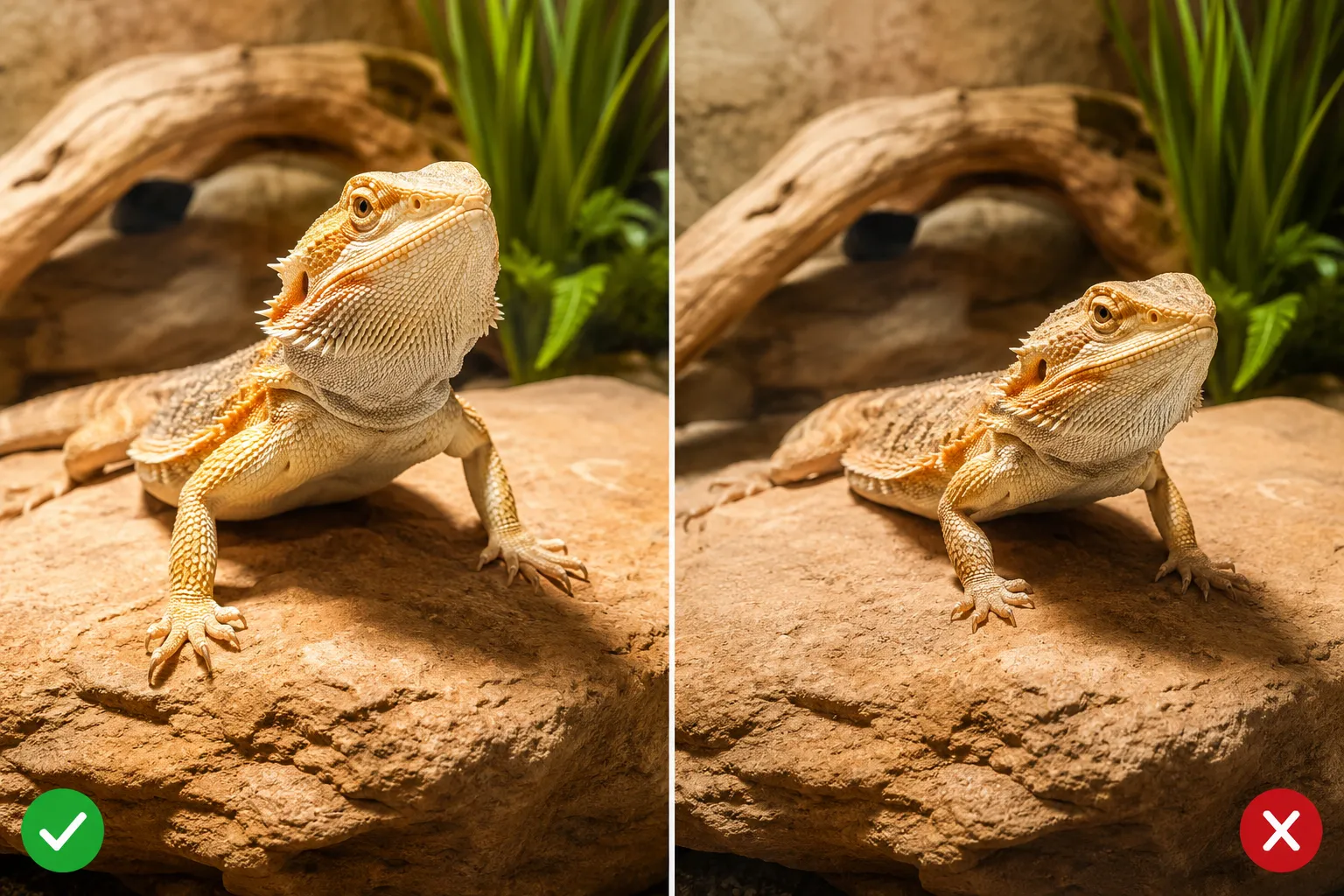
MBD vs Calcium Deficiency: Are They the Same Thing?
MBD and calcium deficiency are closely related but not identical, calcium deficiency is the underlying nutritional problem, while MBD is the resulting disease syndrome that affects the skeletal system. You can have calcium deficiency without visible MBD symptoms in early stages, but all cases of MBD involve calcium deficiency as a root cause.
The relationship explained:
Calcium deficiency is the metabolic state where blood calcium levels drop below normal or calcium absorption is impaired. This triggers the parathyroid glands to release hormones that pull calcium from bones to maintain critical blood calcium levels needed for heart function, muscle contraction, and nerve signaling.
Metabolic Bone Disease is the skeletal damage that results from chronic calcium deficiency. As calcium is continuously pulled from bones, they become weak, soft, and deformed. MBD is the visible, physical manifestation of prolonged calcium deficiency.
Timeline progression:
- Week 0-2: Calcium deficiency begins, blood calcium maintained by pulling from bones, no visible symptoms
- Week 2-4: Early MBD symptoms appear (tremors, weakness) as bone calcium depletion becomes significant
- Week 4-8: Obvious MBD with skeletal changes, deformities beginning
- Week 8+: Advanced MBD with permanent structural damage
Why the distinction matters: Addressing calcium deficiency early (through improved diet and UVB) can prevent MBD from ever developing. Once MBD symptoms appear, more aggressive intervention is needed because bone damage has already begun.
Common mistake: Some keepers think providing calcium powder alone treats MBD, but without addressing the underlying causes (UVB deficiency, vitamin D3 deficiency, improper diet ratios), the calcium won’t be absorbed effectively and MBD will continue progressing.
Which Reptiles Are Most Prone to MBD?
Bearded dragons, chameleons, iguanas, and water dragons are among the most susceptible reptiles to MBD due to their high calcium requirements, rapid growth rates, and dependence on UVB lighting for vitamin D3 synthesis. Herbivorous and omnivorous lizards generally face higher MBD risk than carnivorous species because their natural diets require careful calcium-to-phosphorus balancing.
High-risk species (most prone to MBD):
- Bearded dragons, Fast juvenile growth and high calcium needs during development
- Veiled and panther chameleons, Extremely sensitive to UVB deficiency and calcium imbalance
- Green iguanas, Large size and herbivorous diet create high calcium demands
- Chinese water dragons, Rapid growth and specific UVB requirements
- Leopard geckos, Particularly females during breeding season
- Blue-tongue skinks, Omnivorous diet requires careful balancing
Moderate-risk species:
- Crested geckos, Lower calcium needs but still vulnerable without supplementation
- Uromastyx, Herbivorous diet requires attention to calcium ratios
- Tegus, Large size and rapid growth increase calcium demands
- Monitor lizards, Carnivorous diet provides some calcium but UVB still important
Lower-risk species:
- Ball pythons and other snakes, Whole-prey diet provides complete nutrition including bones
- Corn snakes, Similar to ball pythons, whole prey prevents deficiency
- Carnivorous geckos, Insect-based diet with proper supplementation usually sufficient
Why some species are more vulnerable:
Herbivorous and omnivorous reptiles must extract calcium from plant matter, which is less bioavailable than calcium from bones in whole prey. Species with rapid growth rates (like juvenile bearded dragons) can develop MBD in as little as 3-4 weeks without proper calcium and UVB. Egg-laying females of any species face dramatically increased MBD risk during breeding season due to calcium demands of egg production.
Species-specific note: Chameleons are particularly sensitive because they require both high UVB levels and precise calcium supplementation schedules. Even minor husbandry errors can trigger MBD in chameleons within weeks.
For species-appropriate feeding guidelines, see our article on how many crickets a baby beardie should eat.

T5 Reptile Light Fixture with UVB 10.0 Bulb Kit - The REPTIDLDB T5 reptile light fixture comes with a UVB 10.0 bulb kit, offering 10% UVB and 30% UVA output. This lighting system provides a natural and balanced lighting environment, ensuring your reptiles receive the proper UVB radiation for optimal health. The fixture is designed with minimal heat emission, making it perfect for your reptile's habitat without overheating the enclosure. The UVB 10.0 bulb is replaceable, giving you flexibility and convenience in maintaining your reptile’s environment.
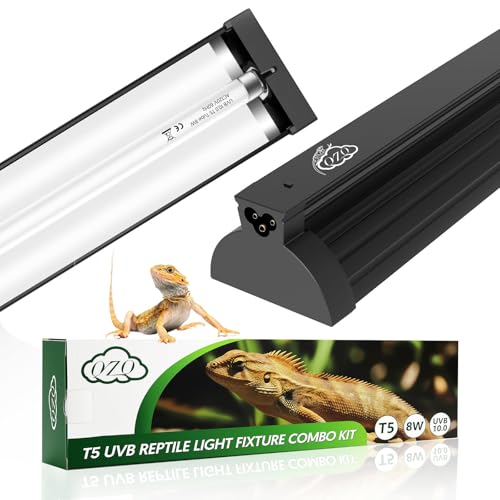
T5 UVB Reptile Light Fixture Combo Kit: The QZQ T5 UVB reptile light features a 5.9ft detachable power cord, a convenient on/off switch, and multiple mounting accessories for easy installation. Whether you're setting up a reptile tank or terrarium, this reptile light fixture meets your reptile lighting needs, providing your pets with the perfect 10.0 UVB lighting environment for healthy growth

【 Complete T5 UVB Lighting Combo Kit】The GREENPAW T5 UVB reptile light fixture comes as a complete lighting kit, including a 8W 10.0 reptile UVB bulb, 12.44-inch terrarium hood, mounting accessories, and power cord. Specifically designed for 16-24 inch reptile terrariums and vivariums. This kit delivers reliable UVB light for reptiles, ideal for new owners.
Do I Need UVB Lighting to Prevent MBD?
Yes, UVB lighting is essential for preventing MBD in most reptile species because it enables them to synthesize vitamin D3 in their skin, which is necessary for calcium absorption from food. Without adequate UVB exposure, reptiles cannot metabolize dietary calcium effectively, even with perfect supplementation, leading to calcium deficiency and eventual MBD.
Why UVB is non-negotiable for most species:
Reptiles synthesize vitamin D3 when UVB radiation (wavelengths 290-320 nm) penetrates their skin. This vitamin D3 is then converted in the liver and kidneys to its active form (calcitriol), which regulates calcium absorption in the intestines. Without this process, dietary calcium passes through the digestive system largely unabsorbed, regardless of how much calcium powder you provide.
UVB requirements by species type:
- Desert species (bearded dragons, uromastyx): Require high UVB output (10.0-12.0 bulbs or 10-12% T5)
- Tropical species (chameleons, water dragons): Require moderate UVB (5.0-7.0 bulbs or 5-7% T5)
- Forest species (crested geckos, some skinks): Require low to moderate UVB (2.0-5.0 bulbs)
- Nocturnal species (leopard geckos): Can survive with dietary D3 alone but benefit from low UVB
Proper UVB setup guidelines:
- Use linear tube bulbs (T5 or T8) rather than compact fluorescents for better coverage
- Position bulbs 8-12 inches from basking spot (check manufacturer specifications)
- Provide 10-12 hours of UVB exposure daily
- Replace bulbs every 6-12 months even if still producing visible light (UVB output degrades over time)
- Remove glass or plastic barriers between bulb and reptile (these block UVB)
- Create UVB gradients so reptiles can self-regulate exposure
Can dietary D3 replace UVB? For most species, no. While some reptiles (particularly nocturnal species like leopard geckos) can survive on dietary vitamin D3 supplementation alone, this approach is less effective than natural UVB synthesis and carries risk of D3 toxicity if over-supplemented. UVB lighting provides a self-regulating system where reptiles can synthesize what they need without risk of overdose.
Common mistake: Using UVB bulbs beyond their effective lifespan. Even though the bulb still produces visible light, UVB output typically drops to ineffective levels after 6-12 months of use. Mark your calendar when installing new bulbs and replace them on schedule.
Edge case: Outdoor housing in appropriate climates can provide natural UVB from sunlight, which is the gold standard. However, this requires safe enclosures, appropriate temperatures, and protection from predators. Window glass blocks UVB, so placing an enclosure near a window provides no UVB benefit.
Common Mistakes That Lead to MBD in Pet Reptiles
The most common mistakes that lead to MBD include using expired or improperly positioned UVB bulbs, feeding insects without calcium dusting, providing calcium-poor vegetables, and maintaining incorrect temperature gradients that reduce appetite and metabolism. These husbandry errors often occur together, creating a perfect storm for rapid MBD development.
Top 10 mistakes ranked by frequency:
Using old UVB bulbs past their effective lifespan, Bulbs appear to work but provide insufficient UVB after 6-12 months
Positioning UVB bulbs too far from basking spot, Effectiveness drops dramatically beyond 12 inches; many keepers place bulbs 18-24 inches away
Skipping calcium dusting on feeder insects, Even occasional missed dustings create calcium deficits over time
Feeding high-phosphorus foods, Mealworms, waxworms, and certain vegetables bind calcium and prevent absorption
Providing calcium without vitamin D3, Indoor reptiles without UVB cannot utilize calcium-only supplements effectively
Using compact fluorescent UVB bulbs, These often provide inadequate UVB coverage compared to linear tubes
Feeding iceberg lettuce or calcium-poor greens, Provides bulk but almost no nutritional value
Incorrect basking temperatures, Too-cool temperatures reduce metabolism and calcium absorption
All-insect diet for omnivores, Bearded dragons and other omnivores need calcium-rich vegetables, not just insects
Inconsistent supplementation schedule, Sporadic calcium dusting creates periods of deficiency
Specific scenarios that accelerate MBD:
- Juvenile dragons fed only crickets without vegetables develop MBD within 4-6 weeks
- Breeding females without calcium supplementation can develop MBD in a single egg-laying cycle
- Rescue reptiles with unknown history often have subclinical MBD that worsens rapidly without intervention
- Winter months when keepers reduce lighting hours can trigger vitamin D3 deficiency
Prevention checklist to avoid these mistakes:
- Replace UVB bulbs every 6 months (mark calendar)
- Measure UVB bulb distance (should be 8-12 inches from basking spot)
- Dust insects with calcium before every feeding
- Provide calcium-rich greens daily (collard, mustard, turnip greens)
- Use calcium with D3 for indoor reptiles without UVB
- Verify basking spot temperature with infrared thermometer
- Feed age-appropriate diet ratios (more insects for juveniles, more vegetables for adults)
- Schedule annual reptile vet check-ups to catch early deficiencies
For safe vegetable options, see our guides on can bearded dragons eat broccoli and can bearded dragons eat kale.
Can Snakes Get Metabolic Bone Disease?
Yes, snakes can develop MBD, but it’s significantly less common than in lizards because most snakes consume whole prey (including bones) that provides complete calcium nutrition. MBD in snakes typically occurs only in cases of severe malnutrition, improper prey items, or underlying metabolic disorders that prevent calcium absorption.
Why snakes rarely develop MBD:
Snakes that eat whole prey (mice, rats, chicks, fish) consume the entire skeletal system of their prey, providing abundant dietary calcium. Unlike herbivorous or insectivorous lizards that must extract calcium from plants or supplemented insects, snakes receive calcium in its most bioavailable form, bones.
Situations where snakes can develop MBD:
- Feeding boneless prey, Snakes fed only muscle meat, fish fillets, or egg without whole prey
- Juvenile snakes fed inadequate prey size, Very small prey may not provide sufficient calcium for growth
- Snakes with kidney disease, Impaired vitamin D metabolism prevents calcium absorption
- Chronic regurgitation, Repeated regurgitation prevents nutrient absorption
- Parasitic infections, Heavy parasite loads can interfere with calcium absorption
- Captive-bred snakes never exposed to UVB, While controversial, some evidence suggests minimal UVB may benefit certain species
Species-specific considerations:
- Garter snakes and water snakes fed fish-only diets may develop MBD because fish bones are less calcium-dense than mammal bones
- Egg-eating snakes face higher MBD risk because eggs provide minimal calcium compared to whole prey
- Snakes fed exclusively chicks may develop deficiencies because young chicks have less ossified skeletons than adult prey
Symptoms of MBD in snakes:
- Kinked or curved spine
- Difficulty moving or striking at prey
- Soft or deformed jaw
- Tremors or muscle spasms
- Inability to constrict prey properly
- Folding or collapsing when handled
Prevention for snakes: Feed appropriately sized whole prey items on a regular schedule. For most common pet snakes (ball pythons, corn snakes, king snakes), a diet of properly sized rodents provides complete nutrition without supplementation. UVB lighting is not required for most snake species but may provide minor benefits.
Edge case: Some advanced keepers provide low-level UVB for diurnal snake species (garter snakes, some rat snakes) as a precautionary measure, though research on UVB benefits for snakes remains limited.
How Long Does It Take for MBD to Develop?
MBD can develop in as little as 3-4 weeks in rapidly growing juvenile reptiles with severe calcium deficiency, while adults with mild deficiency may take 3-6 months to show visible symptoms. The development timeline depends on the reptile’s age, growth rate, species, severity of husbandry errors, and existing calcium reserves.
Development timeline by age and severity:
Juvenile reptiles (under 12 months) with severe deficiency:
- Week 1-2: Subclinical deficiency, no visible symptoms
- Week 2-3: Early symptoms appear (tremors, slight weakness)
- Week 3-4: Obvious MBD symptoms (difficulty climbing, soft jaw)
- Week 4-6: Moderate to severe MBD with skeletal changes
Adult reptiles with moderate deficiency:
- Month 1-2: Subclinical deficiency, subtle behavioral changes
- Month 2-4: Early symptoms develop gradually
- Month 4-6: Visible MBD symptoms appear
- Month 6+: Progressive skeletal deterioration
Factors that accelerate MBD development:
- Rapid growth periods, Juveniles growing quickly have highest calcium demands
- Egg production, Breeding females can develop MBD within a single egg-laying cycle (3-6 weeks)
- Complete absence of UVB, Faster progression than partial UVB deficiency
- Zero calcium supplementation, Accelerates deficiency compared to inadequate supplementation
- High-phosphorus diet, Actively blocks calcium absorption, speeding progression
- Pre-existing deficiency, Rescue animals or those with poor prior care develop symptoms faster
Factors that slow MBD development:
- Adult age, Slower metabolism and growth means slower calcium depletion
- Partial UVB exposure, Even inadequate UVB slows progression compared to none
- Some calcium supplementation, Inadequate but present calcium delays severe symptoms
- Good body condition, Reptiles with healthy weight have better calcium reserves
- Appropriate temperatures, Proper thermal gradients support better calcium metabolism
Critical window: For juvenile bearded dragons, the highest-risk period is 2-6 months of age when growth rate peaks. During this time, even minor husbandry errors can trigger MBD within 2-3 weeks. This is why consistent daily calcium dusting and proper UVB are non-negotiable for young dragons.
Seasonal consideration: MBD development may accelerate during winter months if keepers reduce lighting hours or if natural daylight decreases, reducing vitamin D3 synthesis even with artificial UVB.
Is Soft Jaw Always a Sign of MBD?
Soft jaw (also called rubber jaw) is a classic sign of moderate to advanced MBD, but not all cases of jaw softness indicate MBD, abscesses, trauma, or infections can also cause jaw swelling or softness. However, in the context of other symptoms like weakness, tremors, or poor appetite, soft jaw is highly indicative of MBD and requires immediate veterinary attention.
What soft jaw indicates:
When calcium deficiency becomes moderate to severe, the body pulls so much calcium from the jawbones that they become pliable and soft to the touch. The mandible (lower jaw) is typically affected first because it’s more metabolically active than other bones. This condition is technically called “fibrous osteodystrophy”, the bone tissue is replaced with fibrous connective tissue that lacks rigidity.
How to check for soft jaw safely:
- Wash hands thoroughly
- Gently support your reptile’s head
- Use very light pressure with one finger on the lower jaw
- A healthy jaw should feel completely firm and rigid
- A soft jaw will feel slightly pliable, spongy, or rubbery
- Never apply significant pressure, you’re checking for softness, not testing strength
Other conditions that can mimic soft jaw:
- Abscess, Localized swelling from infection, usually asymmetrical and may have discharge
- Trauma, Recent injury causing swelling or hematoma
- Mouth rot (stomatitis), Bacterial infection causing gum and jaw swelling
- Tumor, Rare but possible, usually presents as hard mass rather than soft tissue
- Gular edema, Fluid retention in throat area, not true jaw softness
Distinguishing MBD soft jaw from other conditions:
- MBD soft jaw is usually symmetrical, affects the entire lower jaw, and occurs with other MBD symptoms (weakness, tremors)
- Abscess is typically one-sided, may have visible puncture or wound, and the reptile may resist jaw manipulation
- Mouth rot includes visible redness, discharge, or dead tissue in the mouth
- Trauma has recent history of injury and may include bruising or bleeding
When soft jaw appears in MBD progression:
Soft jaw is typically a mid-stage symptom, appearing after initial weakness and tremors but before severe skeletal deformities. If you detect soft jaw, the MBD has progressed beyond the earliest stage, but treatment can still prevent permanent damage if started immediately.
Action required: Any suspected soft jaw requires veterinary examination within 24-48 hours. Even if the cause isn’t MBD, jaw softness indicates a serious health problem requiring professional diagnosis and treatment.
What Supplements Prevent MBD in Reptiles?
Calcium powder with vitamin D3 is the primary supplement that prevents MBD in reptiles, applied by dusting feeder insects before each feeding or providing calcium-rich vegetables for herbivorous species. Most reptiles also benefit from a multivitamin supplement containing vitamin A, vitamin E, and other micronutrients, typically provided 1-2 times weekly alongside daily calcium supplementation.
Essential supplements for MBD prevention:
1. Calcium powder (with or without D3):
- Calcium with D3, For indoor reptiles without access to UVB lighting or as backup supplementation
- Calcium without D3, For reptiles with proper UVB lighting, used for daily dusting
- Application: Dust insects before every feeding for juveniles, 5-6 times weekly for adults
2. Multivitamin powder:
- Contains vitamin A, vitamin E, B vitamins, and trace minerals
- Application: 1-2 times weekly (not daily, to avoid vitamin toxicity)
- Choose reptile-specific formulas, not mammal vitamins
3. Calcium with D3 (for specific situations):
- Nocturnal species with limited UVB requirements
- Backup supplementation during winter months
- Reptiles recovering from MBD
- Caution: Can cause D3 toxicity if over-supplemented; follow veterinary guidance
Supplementation schedule by species and age:
Juvenile bearded dragons (0-12 months):
- Calcium (without D3): Daily on insects
- Multivitamin: 2x weekly
- Calcium with D3: 2-3x weekly if UVB is suboptimal
Adult bearded dragons (12+ months):
- Calcium (without D3): 5-6x weekly on insects and vegetables
- Multivitamin: 1-2x weekly
- Calcium with D3: 1-2x weekly as backup
Chameleons:
- Calcium (without D3): Every feeding
- Multivitamin: 2x monthly
- Calcium with D3: 2x monthly (chameleons are sensitive to D3 overdose)
Leopard geckos:
- Calcium with D3: Every other feeding
- Multivitamin: 1x weekly
- Provide calcium dish for licking (without D3)
Application techniques:
- Dusting method: Place insects in a bag or container with calcium powder, shake gently to coat
- Gut-loading: Feed insects calcium-rich foods 24 hours before offering to reptiles
- Vegetable dusting: Lightly sprinkle calcium powder on salads for herbivores
- Calcium dish: Provide a small dish of plain calcium powder for reptiles to lick as needed
Common supplementation mistakes:
- Using human calcium supplements instead of reptile-specific products
- Over-supplementing with D3, causing toxicity
- Inconsistent application (skipping days or weeks)
- Using expired supplements (calcium powder can degrade over time)
- Providing supplements without proper UVB lighting (D3 alone is less effective)
Product selection tips: Choose fine-powder calcium supplements without added phosphorus. Reputable brands include Rep-Cal, Zoo Med, and Repashy. Store supplements in a cool, dry place and replace every 12 months even if not fully used.
For more information on proper nutrition, see our guide on reptile feeding tips.
FAQ
Can MBD kill my bearded dragon?
Yes, untreated MBD can be fatal. Severe cases cause fractures, paralysis, inability to eat, and eventually organ failure as calcium deficiency affects heart and muscle function. However, MBD caught and treated early has excellent survival rates.
How quickly will I see improvement after starting MBD treatment?
Most reptiles show noticeable improvement in strength and coordination within 7-14 days of starting proper treatment, including calcium supplementation and corrected UVB lighting. Complete recovery of bone density takes 2-3 months, and skeletal deformities present before treatment may be permanent.
Can I treat MBD at home without a vet?
No, MBD requires veterinary diagnosis and treatment. While you must immediately correct husbandry issues (UVB, calcium, diet), veterinary-prescribed calcium injections or high-dose oral supplements are essential for reversing the condition. Home treatment alone is insufficient for active MBD.
Is MBD contagious to other reptiles?
No, MBD is not contagious. It’s a nutritional and metabolic disorder, not an infection. However, if multiple reptiles in the same household develop MBD, it indicates a systemic husbandry problem affecting all animals that needs immediate correction.
What’s the difference between calcium powder with D3 and without D3?
Calcium with D3 includes vitamin D3 to help reptiles absorb calcium, essential for species without adequate UVB lighting. Calcium without D3 is for daily use in reptiles with proper UVB exposure, as they synthesize their own D3. Using calcium with D3 daily can cause D3 toxicity.
Can adult bearded dragons get MBD or is it only a juvenile problem?
Adults can definitely develop MBD, though it typically progresses more slowly than in juveniles. Adult females are especially vulnerable during breeding season due to calcium demands of egg production. Adult MBD is often caused by years of marginal husbandry finally depleting calcium reserves.
Will my bearded dragon’s bones return to normal after MBD treatment?
Bones can regain strength and density with treatment, but skeletal deformities (bowed legs, curved spine) that developed during MBD are usually permanent. This is why early detection and treatment are critical, catching MBD before deformities develop allows complete recovery.
How do I know if my UVB bulb is still working?
UVB output cannot be seen with the naked eye. Use a UV meter (solarmeter) to measure output, or simply replace bulbs every 6-12 months regardless of whether they still produce visible light. Most UVB bulbs lose effectiveness long before they burn out.
Can I use natural sunlight instead of UVB bulbs?
Yes, natural unfiltered sunlight is the best UVB source. However, this requires safe outdoor enclosures with appropriate temperatures, shade options, and protection from predators. Window glass blocks UVB, so placing an enclosure near a window provides no benefit. Most keepers find artificial UVB more practical.
What vegetables are highest in calcium for preventing MBD?
Collard greens, mustard greens, turnip greens, and dandelion greens are excellent high-calcium vegetables. Avoid high-oxalate greens like spinach that bind calcium and prevent absorption. For more vegetable options, see our guide on safe vegetables for bearded dragons.
Is there a blood test to diagnose MBD?
Yes, veterinarians can measure blood calcium and phosphorus levels to diagnose MBD. However, blood calcium may appear normal in early stages because the body pulls calcium from bones to maintain blood levels. X-rays showing decreased bone density are often more diagnostic than blood work alone.
Can MBD cause permanent paralysis?
Yes, severe MBD can cause permanent paralysis, typically of the hind limbs, when spinal deformities compress nerves or when calcium deficiency affects nerve function. This is why immediate treatment is critical when any MBD symptoms appear, waiting can result in irreversible damage.
Conclusion
Recognizing the early signs of MBD every keeper should know can mean the difference between complete recovery and permanent disability for your bearded dragon or other reptile. Subtle symptoms like limb tremors, climbing difficulty, reduced appetite, and slight jaw softness are your warning signs that calcium deficiency has progressed to active bone disease. The critical window for full recovery is typically just 2-4 weeks from first symptoms, making immediate action essential.
Take these steps today to protect your reptile:
- Inspect your UVB setup, Verify bulb age (replace if over 6 months old), measure distance from basking spot (should be 8-12 inches), and ensure no barriers block UVB
- Review your supplementation routine, Commit to daily calcium dusting on insects for juveniles, 5-6 times weekly for adults
- Evaluate your reptile’s diet, Ensure proper calcium-rich vegetables and appropriate insect variety
- Schedule a wellness exam, Annual veterinary check-ups catch subclinical deficiencies before symptoms appear
- Monitor for early warning signs, Watch for tremors, weakness, or behavioral changes and act immediately if detected
Remember that MBD is almost entirely preventable with proper husbandry. The investment in quality UVB lighting, appropriate supplements, and nutritious food is minimal compared to the cost and heartbreak of treating advanced MBD. If you notice any concerning symptoms, don’t wait to see if they improve, contact a reptile veterinarian within 24-48 hours. Early intervention saves lives and prevents permanent disability.
For comprehensive care information, explore our resources on bearded dragon health and reptile husbandry.

Highly bio-available source of calcium carbonate
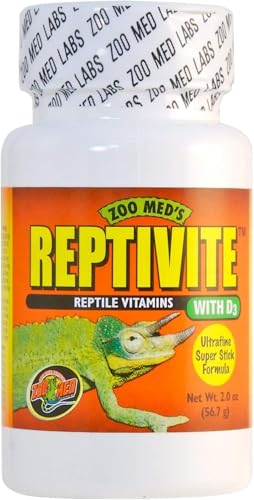
Zoo Med is proud to offer ReptiVite with D3, a complete vitamin, mineral, and amino acid complex specifically formulated for reptiles.

Rep-Cal Ultrafine Powder Is An Excellent Source Of Calcium For All Reptiles And Amphibians