
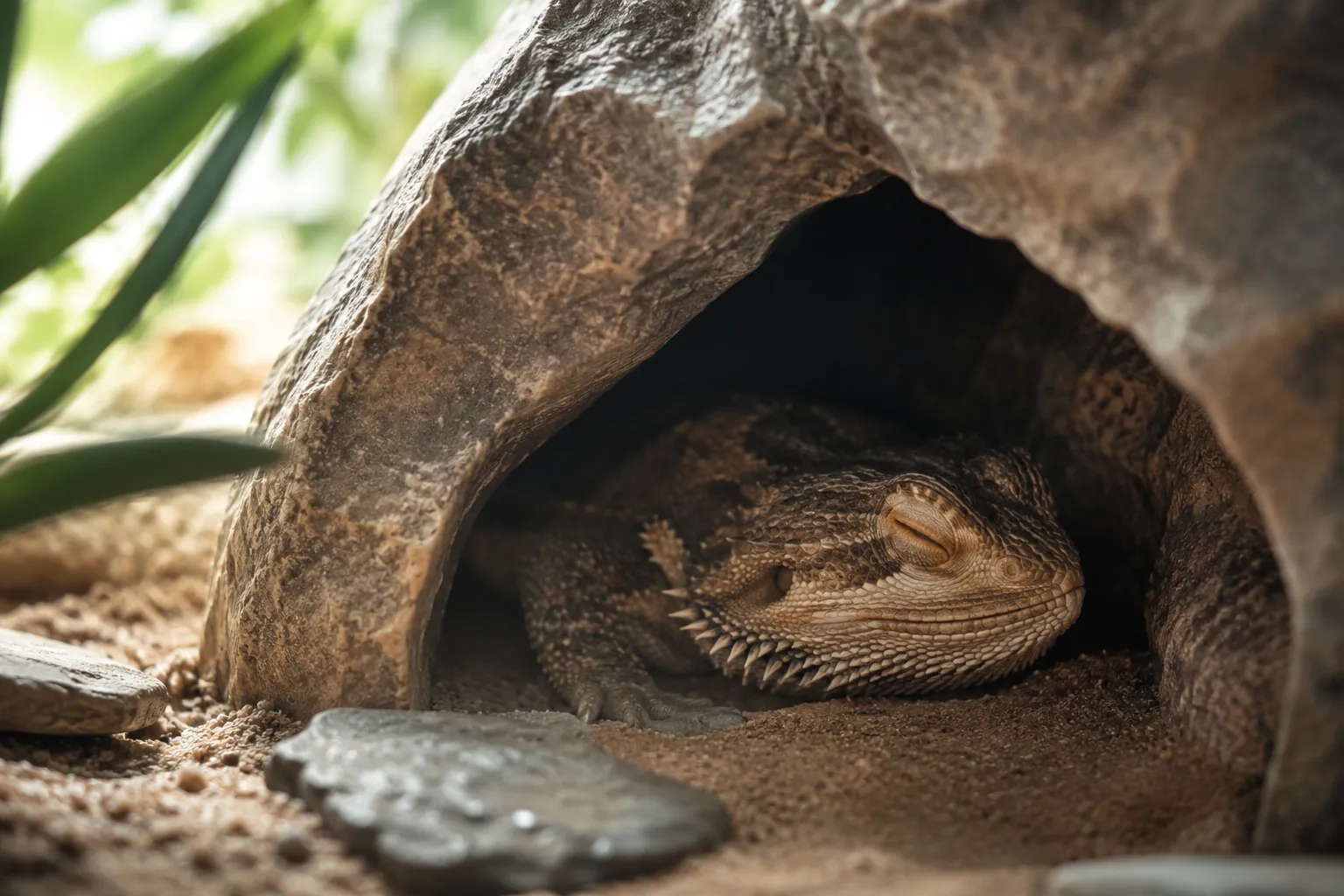
Quick Answer: Generally, you should not wake a brumating bearded dragon unless there are health concerns or the dragon needs hydration. Brumation is a natural dormancy period similar to hibernation, and interrupting it unnecessarily can stress your dragon and disrupt its biological cycle. However, brief wake-ups every 2-3 weeks to offer water are acceptable and sometimes necessary for younger dragons.
Key Takeaways
- Brumation is natural and should not be interrupted without good reason
- Check on your dragon every few days to monitor health without fully waking them
- Offer water every 2-3 weeks by gently waking your dragon for brief hydration sessions
- Never feed during deep brumation as digestion slows dramatically and can cause impaction
- Young dragons under 1 year may brumate for shorter periods or skip it entirely
- Signs of illness require immediate veterinary attention and may necessitate waking your dragon
- Brumation typically lasts 1-4 months depending on age, health, and environmental factors
- Weight loss of 10-15% is normal but more requires intervention
- Temperature drops trigger brumation so maintain proper basking spots if you want to prevent it

TASTY HYDRATION: Banana and honey enhance flavor, promoting voluntary drinking for even picky reptiles

Replenish & Rehydrate: Helps restore hydration, energy, and balance for reptiles during stress, illness, or egg-laying.

HYDRATES & RESTORES: Replenishes hydration and energy during shedding, travel, or stress for routine use
What Is Brumation in Bearded Dragons?
Brumation is a state of dormancy that bearded dragons and other reptiles enter in response to cooler temperatures and shorter daylight hours. Unlike mammalian hibernation, brumating reptiles don’t sleep continuously but instead experience periods of deep rest with occasional brief wake-ups.
During brumation, a bearded dragon’s metabolic rate slows significantly. This means:
- Reduced activity: Your dragon will spend most of the day hiding or sleeping
- No appetite: Food intake drops to zero or near-zero
- Lower body temperature: They seek cooler areas of the enclosure
- Minimal movement: They may stay in one spot for days or weeks
This behavior is completely natural in the wild, where Australian bearded dragons brumate during the cooler winter months (June-August in the Southern Hemisphere). Captive dragons may brumate at any time of year, though it’s most common during fall and winter in the Northern Hemisphere.
Common mistake: Many new owners panic when their dragon stops eating and becomes lethargic, assuming illness. Always check for other symptoms before assuming the worst.
How Long Does Bearded Dragon Brumation Last?
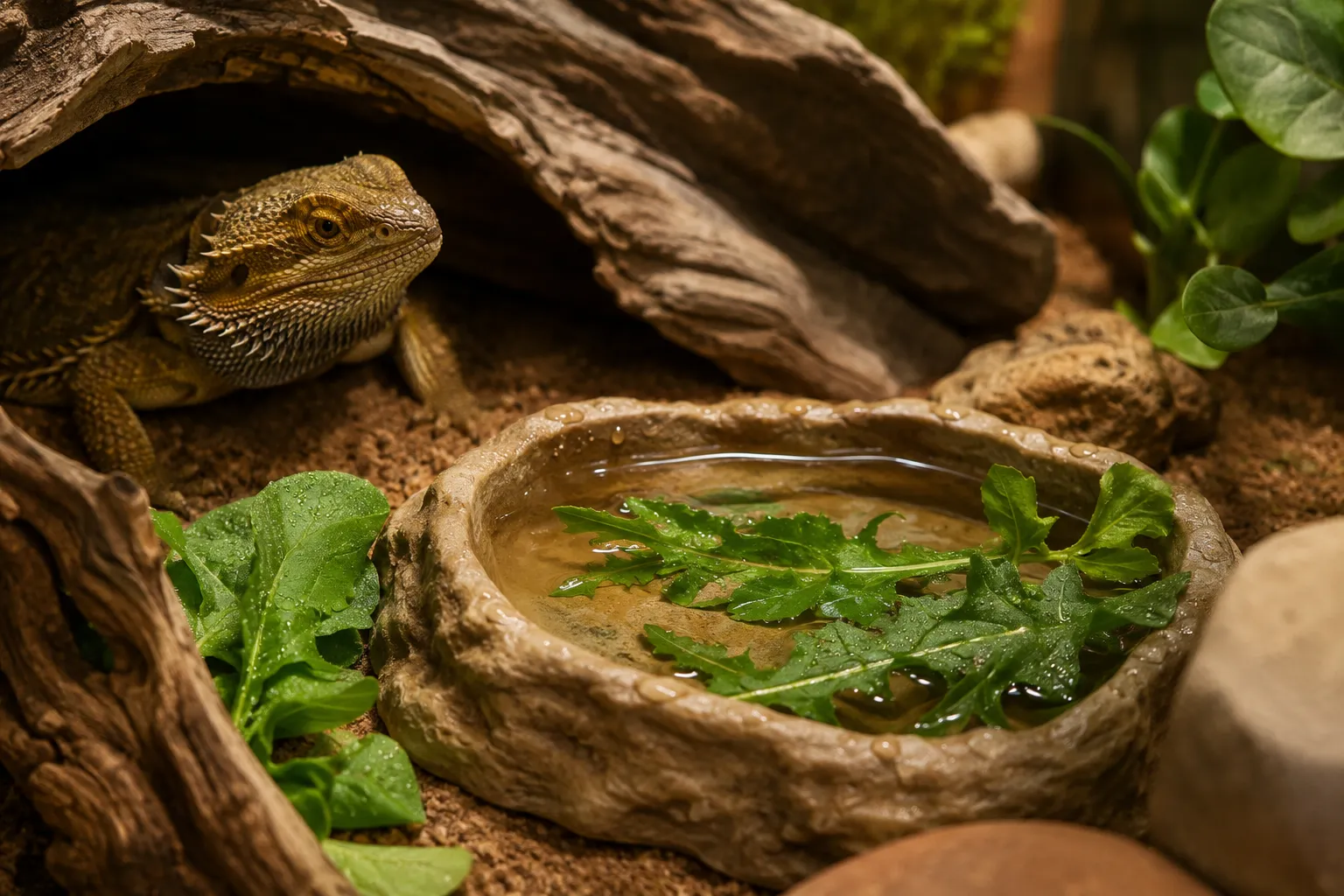
Bearded dragon brumation typically lasts between 1 and 4 months, with most dragons brumating for 6-12 weeks. The duration varies based on several factors including age, health status, and environmental conditions.
Duration by age:
- Adults (2+ years): 2-4 months is common
- Juveniles (1-2 years): 1-2 months, often lighter brumation
- Babies (under 1 year): May not brumate at all, or only 2-4 weeks
The brumation period isn’t always continuous. Some dragons wake up for a few days, eat and drink, then return to brumation. This is normal and shouldn’t be discouraged.
Choose to prevent brumation if: Your dragon is underweight, recovering from illness, or under 10 months old. You can prevent brumation by maintaining consistent temperatures (basking spot 95-105°F) and 12-14 hours of light daily.
Signs My Bearded Dragon Is Brumating vs Sick
Distinguishing between brumation and illness is critical for proper bearded dragon care. A brumating dragon shows specific behavioral patterns that differ from a sick dragon.
Signs of healthy brumation:
- Gradual decrease in appetite over 1-2 weeks
- Seeking cooler areas or hiding more often
- Alert when handled, though less active
- Normal body weight and muscle tone
- Clear eyes and no discharge
- Normal breathing rate
- Bowel movements before entering deep brumation
Signs of illness requiring veterinary attention:
- Sudden loss of appetite with no seasonal pattern
- Sunken eyes or wrinkled skin (dehydration)
- Weight loss exceeding 15% of body weight
- Labored breathing or gaping mouth
- Discharge from eyes, nose, or mouth
- Lethargy combined with dark beard or stress marks
- Inability to lift head or move limbs when handled
Decision rule: If your dragon shows any illness signs OR if you’re uncertain, schedule a vet visit before assuming brumation. A fecal test and physical exam can rule out parasites and other health issues.
For more information on normal sleep patterns versus concerning lethargy, check out our guide on why bearded dragons sleep so much.
Is It Safe to Wake Up a Brumating Bearded Dragon?
Yes, it’s safe to briefly wake a brumating bearded dragon for health checks and hydration, but you should avoid prolonged disturbances. Short wake-ups every 2-3 weeks cause minimal stress and allow you to monitor your dragon’s condition.
Safe wake-up protocol:
- Gently lift your dragon from its hide
- Check body weight and overall condition
- Offer a shallow bath (lukewarm water, 10-15 minutes)
- Allow drinking but don’t force feed
- Return to enclosure after 20-30 minutes
Most dragons will drink during these brief wake-ups, which helps prevent dehydration during the long dormancy period. After drinking, they’ll typically return to their hide and resume brumating.
When waking is necessary:
- Weight loss exceeds 10-15%
- Signs of dehydration appear
- You need to verify health status
- Dragon hasn’t had water in 3+ weeks
When to leave them alone: If your dragon is maintaining weight, shows no distress, and you’ve confirmed they’re healthy, minimize disturbances to once every 2-3 weeks.
What Happens If You Disturb a Bearded Dragon During Brumation?
Occasional disturbances during brumation cause temporary stress but no lasting harm. However, frequent or prolonged interruptions can disrupt the natural cycle and prevent your dragon from getting the rest it needs.
Short-term effects of disturbance:
- Temporary stress response (dark beard, puffing)
- Brief increase in alertness
- Return to brumation within hours
- No significant metabolic disruption
Problems from frequent disturbance:
- Incomplete rest cycle leading to irritability
- Difficulty returning to deep brumation
- Increased stress hormone levels
- Potential impact on breeding cycles in adults
Think of it like waking someone from deep sleep. Once or twice is manageable, but constant interruptions prevent restorative rest. Your dragon won’t suffer permanent damage from occasional checks, but daily handling defeats the purpose of brumation.
Best practice: Mark your calendar for bi-weekly health checks and resist the urge to “check on them” more frequently. Trust that brumation is a natural process your dragon knows how to handle.
Should I Feed My Bearded Dragon During Brumation?
No, you should not feed your bearded dragon during deep brumation. Their digestive system slows dramatically during dormancy, and food sitting in the gut can lead to impaction, bacterial growth, and serious health complications.
Why feeding during brumation is dangerous:
- Digestive enzymes work poorly at low body temperatures
- Food can rot in the gut before being digested
- Risk of impaction increases significantly
- Bacterial infections become more likely
Pre-brumation feeding protocol:
- Stop feeding insects 2 weeks before expected brumation
- Offer only leafy greens for 1 week
- Give a warm bath to encourage final bowel movement
- Ensure the gut is completely empty before deep brumation begins
Some dragons wake briefly during brumation and show interest in food. If your dragon actively seeks food and stays awake for several days, you can offer small amounts of greens (no insects). However, if they eat and then immediately return to hiding, this suggests they’re not truly out of brumation.
Exception: If your dragon fully emerges from brumation (active for 3+ consecutive days, basking normally), you can resume normal feeding. For feeding guidelines, see our bearded dragon feeding guide.

When Do I Need to Wake My Bearded Dragon During Brumation?
You need to wake your bearded dragon during brumation if you observe signs of dehydration, excessive weight loss, or potential illness. Regular bi-weekly checks help you catch these issues early.
Mandatory wake-up situations:
- Severe dehydration: Sunken eyes, wrinkled skin, no urine in 3+ weeks
- Excessive weight loss: More than 15% of starting body weight
- Illness symptoms: Discharge, labored breathing, inability to move normally
- Extended brumation: Beyond 4 months without any wake-ups
- Environmental problems: Tank too cold (below 50°F) or too hot (above 80°F)
Scheduled wake-ups for hydration:
- Every 2-3 weeks for adult dragons
- Every 1-2 weeks for juveniles under 18 months
- Offer lukewarm bath and fresh water
- Keep sessions brief (20-30 minutes maximum)
How to wake safely:
- Gradually increase enclosure temperature over 30 minutes
- Turn on lights to simulate daytime
- Gently remove dragon from hide
- Place in shallow lukewarm bath
- Allow natural waking without forcing activity
If your dragon refuses to wake or seems unresponsive, contact a reptile veterinarian immediately. Normal brumating dragons will rouse with gentle handling, even if they’re groggy.
Brumation vs Hibernation in Reptiles
Brumation and hibernation are both dormancy states, but they differ significantly in how they function. Understanding these differences helps you provide appropriate care during your dragon’s rest period.
Key differences:
| Aspect | Brumation (Reptiles) | Hibernation (Mammals) |
|---|---|---|
| Metabolism | Slowed but active | Nearly stopped |
| Waking | Periodic wake-ups | Continuous sleep |
| Water needs | Still require hydration | No water needed |
| Body temperature | Matches environment | Self-regulated |
| Duration | 1-4 months | 3-7 months typically |
Brumating reptiles remain somewhat aware of their surroundings and will respond to handling, temperature changes, and other stimuli. Hibernating mammals enter such a deep sleep that waking them can be dangerous or impossible.
Why this matters for care: Because brumating dragons still need occasional water and can wake up, you have a responsibility to monitor them. You can’t simply “set and forget” a brumating dragon the way some mammals can hibernate undisturbed.
The term “hibernation” is often used incorrectly for reptiles. Always use “brumation” when discussing bearded dragons and other reptiles to avoid confusion about care requirements.

UVA Benefits: Provides beneficial UVA rays important for the psychological well being of all reptiles

Simulated Sunlight: Most amphibians and reptiles are poikilotherms, whose body temperature changes with their environment. Therefore, sunlight and temperature affect the growth, development and reproduction of reptiles. The REPTI HOME reptile heat lamp is able to simulate sunlight, and create an area for reptiles to bask in the sun, which provide a comfortable habitat for your reptile pet

Create a Basking Area - AIICIOO basking light bulb bearded dragon accessories white lamp provides reptiles to bask in the sun, basking light promoting natural behaviors and enhancing health.The basking bulbs for reptiles provides a warm and comfortable environment for your reptile to relax and basking in, boosting their immune system and overall well-being. The heat lamp bulb features a durable design, giving you the peace of mind that your reptile's terrarium habitat is safe and secure
Can Baby Bearded Dragons Brumate or Just Adults?
Baby bearded dragons under 12 months can brumate, but it’s less common and generally not recommended. Young dragons need consistent nutrition for proper growth and bone development, making brumation potentially risky for their long-term health.
Brumation by age group:
- 0-6 months: Rarely brumate; if they do, it’s usually brief (1-2 weeks)
- 6-12 months: May show brumation behavior but should be discouraged
- 12-18 months: Light brumation (2-4 weeks) is acceptable
- 18+ months: Full brumation (2-4 months) is normal and healthy
Why young dragons should avoid brumation:
- Critical growth period requires consistent nutrition
- Bone development depends on regular calcium intake
- Metabolic bone disease risk increases with feeding gaps
- Immune systems are still developing
How to prevent brumation in young dragons:
- Maintain basking temperature at 100-105°F
- Provide 12-14 hours of UVB lighting daily
- Keep ambient temperature above 75°F
- Offer food daily to encourage eating
- Avoid seasonal temperature drops in the room
If your baby dragon insists on brumating despite your efforts, allow it but limit the duration to 2-3 weeks maximum. Wake weekly for hydration and monitor weight closely. For information on feeding young dragons, see our guide on how many crickets baby beardies should eat.
Choose to allow brumation if: Your dragon is over 12 months, healthy weight, and has been eating well for months prior.
How Often Should I Check on My Brumating Bearded Dragon?
Check on your brumating bearded dragon every 2-3 days for visual health assessments, and wake them every 2-3 weeks for hydration and weight checks. This schedule balances proper monitoring with minimal disturbance.
Daily visual checks (without waking):
- Observe breathing rate and pattern
- Look for any visible discharge or abnormalities
- Check that the dragon hasn’t moved to a dangerous location
- Verify enclosure temperature remains appropriate (65-75°F ambient)
- Ensure hide remains secure and accessible
Bi-weekly active checks (with waking):
- Weigh your dragon and record the measurement
- Offer a lukewarm bath for hydration
- Check skin elasticity (gently pinch skin on back)
- Examine eyes for clarity and normal appearance
- Assess muscle tone and body condition
- Allow drinking from a shallow dish
Weekly checks for juveniles: Dragons under 18 months should be checked and offered water weekly rather than bi-weekly due to their smaller body size and higher dehydration risk.
Record keeping: Maintain a simple log with date, weight, and any observations. This helps you spot trends like gradual weight loss that might not be obvious day-to-day.
Common mistake: Checking too frequently out of worry. Excessive handling causes stress and can prevent your dragon from entering deep brumation, defeating the purpose of the rest period.
Mistakes People Make During Bearded Dragon Brumation
Many well-intentioned owners make errors during their dragon’s first brumation that can cause health problems or unnecessary stress. Learning from these common mistakes helps ensure a safe brumation period.
Top brumation mistakes:
1. Forcing food during brumation
- Problem: Causes impaction and digestive issues
- Solution: Stop feeding once brumation begins; wait for natural emergence
2. Completely ignoring the dragon for months
- Problem: Misses signs of illness or dehydration
- Solution: Visual checks every 2-3 days, active checks every 2-3 weeks
3. Keeping lights and heat on full time
- Problem: Prevents natural brumation cycle
- Solution: Reduce to 8-10 hours of light, lower basking temp to 85-90°F
4. Panicking and waking the dragon constantly
- Problem: Causes stress and disrupts rest cycle
- Solution: Trust the process; limit wake-ups to scheduled checks
5. Allowing brumation in sick or underweight dragons
- Problem: Exacerbates existing health issues
- Solution: Vet check before brumation; prevent it if dragon isn’t healthy
6. Not preparing the dragon properly
- Problem: Food left in gut can cause impaction
- Solution: Stop insects 2 weeks prior, ensure final bowel movement
7. Maintaining summer temperatures
- Problem: Confuses the dragon’s biological signals
- Solution: Allow natural seasonal temperature variation (within safe ranges)
8. Assuming lethargy is always brumation
- Problem: Delays treatment for actual illness
- Solution: Rule out parasites, infection, and other health issues first
For more information on normal versus concerning bearded dragon behavior, explore our behavior guides.
My Bearded Dragon Woke Up From Brumation Early – What Do I Do?
If your bearded dragon wakes from brumation early, gradually reintroduce normal temperatures, lighting, and food over 3-5 days. Don’t rush the process, as their digestive system needs time to restart after the dormancy period.
Post-brumation wake-up protocol:
Days 1-2: Observation and hydration
- Increase basking temperature to 95°F (not full 100-105°F yet)
- Provide 10-12 hours of light
- Offer lukewarm baths daily
- Provide fresh water but no food yet
Days 3-4: Gentle refeeding
- Increase basking to full temperature (100-105°F)
- Extend light to 12-14 hours
- Offer small amounts of soft greens (no insects yet)
- Continue daily baths to stimulate digestion
Day 5+: Normal routine
- Resume full feeding schedule
- Start with easily digestible insects (small crickets, not mealworms)
- Gradually increase portion sizes over a week
- Monitor for normal bowel movements
Signs of successful emergence:
- Active basking behavior
- Normal alertness and responsiveness
- Interest in food
- Regular bowel movements within 3-5 days
- Return to normal activity levels
When early waking is concerning: If your dragon wakes after only 1-2 weeks of brumation and shows signs of illness, schedule a vet visit. True brumation typically lasts at least 4-6 weeks, so very short dormancy periods may indicate an underlying problem.
False starts: Some dragons wake up, stay active for a few days, then return to brumation. This is normal. If your dragon returns to hiding after a week of activity, allow them to continue brumating.
Do Bearded Dragons Need Water During Brumation?
Yes, bearded dragons need water during brumation, though their requirements are much lower than during active periods. Dehydration remains a risk during extended dormancy, making periodic hydration essential for health and survival.
Hydration needs during brumation:
- Offer water every 2-3 weeks for adults
- Offer water every 1-2 weeks for juveniles
- Provide lukewarm baths (85-90°F water)
- Keep sessions brief (10-15 minutes)
- Allow natural drinking without forcing
Signs your dragon needs water:
- Sunken eyes
- Wrinkled or loose skin
- Weight loss exceeding 10%
- No urine production in 3+ weeks
- Skin that doesn’t bounce back when gently pinched
How to hydrate a brumating dragon:
- Gently wake and remove from enclosure
- Place in shallow lukewarm bath (water to mid-leg height)
- Allow soaking for 10-15 minutes
- Most dragons will drink during the bath
- Offer a shallow water dish after the bath
- Return to enclosure once finished
Common mistake: Assuming brumating dragons don’t need water because they’re not active. Even in dormancy, reptiles lose moisture through respiration and skin, making periodic hydration necessary.
Some dragons will drink more readily than others. If your dragon refuses water but shows no dehydration signs and maintains weight, they may be getting sufficient moisture. However, always offer the opportunity every 2-3 weeks.
How to Tell If Brumation Is Over
Brumation is over when your bearded dragon shows sustained activity, consistent basking behavior, and interest in food for 3-5 consecutive days. Brief wake-ups during brumation don’t signal the end of the dormancy period.
Clear signs brumation has ended:
- Consistent basking: Dragon spends several hours daily under heat lamp
- Active exploration: Moving around enclosure, not just hiding
- Food interest: Actively hunting or showing interest in offered food
- Normal alertness: Responsive to movement and interaction
- Regular schedule: Active during normal daytime hours for 3+ days
- Bowel movements: Digestive system has restarted
False emergence signs (dragon will return to brumation):
- Active for only 1-2 days then returns to hiding
- Drinks water but shows no food interest
- Moves briefly but doesn’t bask
- Wakes due to disturbance but immediately seeks hide again
Seasonal timing: Most captive dragons end brumation between late February and April in the Northern Hemisphere, corresponding to spring in their native Australia. However, individual dragons may follow different schedules.
What to do when brumation ends:
- Gradually restore full temperatures and lighting over 3-5 days
- Offer water and baths before introducing food
- Start with small, easily digestible meals
- Resume normal bearded dragon care routine within a week
- Schedule a post-brumation vet check if any concerns arose
Weight expectations: Most dragons lose 5-15% of their body weight during brumation. They should regain this weight within 4-6 weeks of resuming normal eating. If weight doesn’t return to normal, consult a veterinarian.
For more detailed information about the brumation process and timeline, see our comprehensive guide on what brumation is and its signs.
FAQ
Can I prevent my bearded dragon from brumating?
Yes, you can prevent brumation by maintaining consistent temperatures (basking spot 100-105°F, ambient 75-85°F) and providing 12-14 hours of UVB lighting year-round. This is recommended for dragons under 12 months, underweight dragons, or those recovering from illness.
How much weight loss is normal during brumation?
Weight loss of 5-15% is normal during brumation. Adult dragons typically lose 10-50 grams over a 2-3 month period. Weight loss exceeding 15% requires intervention, including more frequent hydration and potentially ending brumation early with veterinary guidance.
Should I turn off the heat lamp during brumation?
No, never turn off heat completely. Maintain a basking spot of 85-90°F and ambient temperature of 65-75°F. Dragons need some warmth to maintain basic metabolic functions. Complete cold can cause health problems or prevent proper brumation.
Can bearded dragons brumate in summer?
Yes, bearded dragons can brumate at any time of year in captivity, though it’s most common in fall and winter. Captive dragons don’t always follow seasonal patterns since they’re not exposed to natural Australian seasons. If your dragon shows brumation behavior in summer, allow it if they’re healthy.
How do I know if my dragon is too cold during brumation?
If ambient temperature drops below 50°F, your dragon is too cold. Signs include inability to wake when handled, extremely slow breathing, or rigid muscles. Maintain ambient temperature between 65-75°F during brumation for safety.
Do female bearded dragons brumate differently than males?
Females and males brumate similarly, but females may brumate before or after egg laying cycles. Gravid (egg-carrying) females should not brumate. If your female is producing eggs, maintain normal temperatures and feeding until the reproductive cycle completes.
Can I handle my bearded dragon during brumation?
Brief handling during scheduled bi-weekly checks is fine, but avoid prolonged or frequent handling. Handle only for health checks, weighing, and hydration sessions. Excessive handling causes stress and disrupts the natural rest cycle.
What temperature should the tank be during brumation?
Maintain a basking spot of 85-90°F (reduced from normal 100-105°F) and ambient temperature of 65-75°F. Never allow temperature to drop below 50°F or exceed 80°F ambient. Provide a temperature gradient so your dragon can thermoregulate.
Should I take my bearded dragon to the vet before brumation?
Yes, a pre-brumation vet check is recommended, especially for first-time brumation. A fecal test can rule out parasites, and a physical exam ensures your dragon is healthy enough for the stress of dormancy. This is particularly important for dragons under 18 months.
Can I wake my dragon to show visitors during brumation?
No, you should not wake your brumating dragon for non-essential reasons like showing visitors. Unnecessary disturbances cause stress and disrupt the natural cycle. Limit wake-ups to scheduled health checks and hydration sessions only.
How long after brumation can I start feeding insects again?
Wait 3-5 days after your dragon fully emerges from brumation before offering insects. Start with easily digestible options like small crickets or hornworms. Avoid mealworms initially as they’re harder to digest.
Is it normal for my dragon to brumate every year?
Yes, many adult bearded dragons brumate annually, though not all do. Some dragons never brumate in captivity, while others brumate consistently every winter. Both patterns are normal as long as your dragon is healthy.
Conclusion
Understanding whether you should wake a brumating bearded dragon comes down to balancing natural behavior with responsible monitoring. While brumation is a healthy, natural process that shouldn’t be interrupted unnecessarily, periodic checks ensure your dragon remains safe and hydrated throughout dormancy.
The key takeaways for managing brumation successfully include allowing the natural cycle to proceed while conducting bi-weekly health checks, offering water every 2-3 weeks, and knowing when intervention is necessary. Never feed during deep brumation, but don’t hesitate to wake your dragon if you observe signs of dehydration, excessive weight loss, or illness.
Your action plan:
- Confirm your dragon is healthy before allowing brumation to begin
- Ensure the gut is completely empty before deep dormancy
- Maintain appropriate temperatures (65-75°F ambient, 85-90°F basking)
- Conduct visual checks every 2-3 days without disturbing
- Wake for hydration and weighing every 2-3 weeks
- Keep detailed records of weight and observations
- Allow natural emergence and gradually restore normal conditions
Remember that every dragon is different. Some brumate for weeks, others for months, and some never brumate at all. Trust your observations, maintain consistent monitoring, and consult a reptile veterinarian whenever you’re uncertain about your dragon’s health during this vulnerable period.
For more comprehensive information about bearded dragon brumation and other aspects of dragon care, explore our complete care guides and feeding resources.

- Perfect for feeding your bearded dragon, turtle, lizard, snake, or shrimp in their tank

Effective shedding aid:Specifically designed to address shedding difficulties in pet reptiles. Its rough surface provides gentle yet effective physical friction, helping to safely remove stubborn stuck shed skin and make the shedding process smoother.

Reptile Necessary: Meet the need of Humidity And Temperature measuring for monitoring reptile's living conditions and health. Easily check your pet's living environment. When there are abnormalities, you can timely discovery through reptile thermometer.


