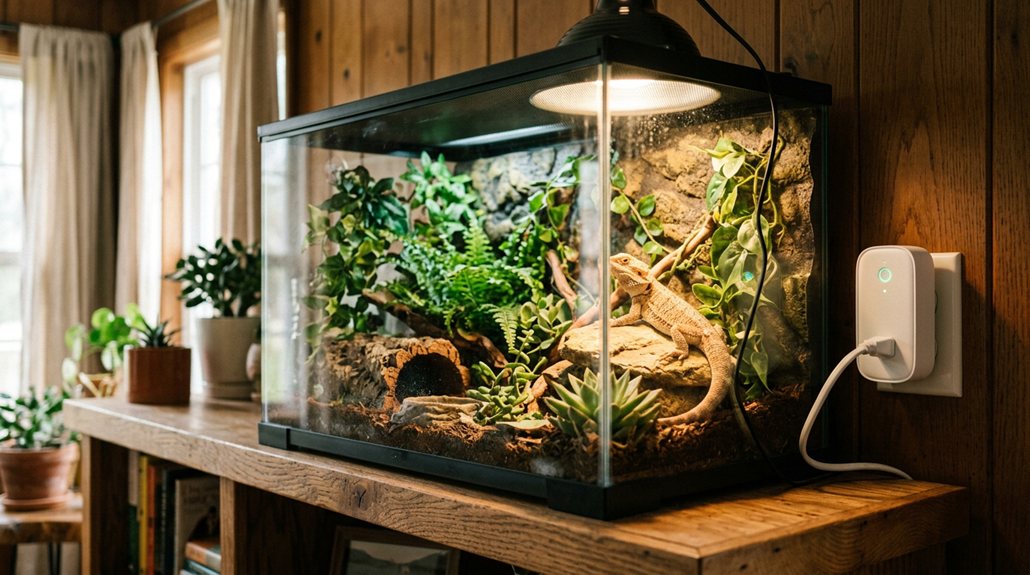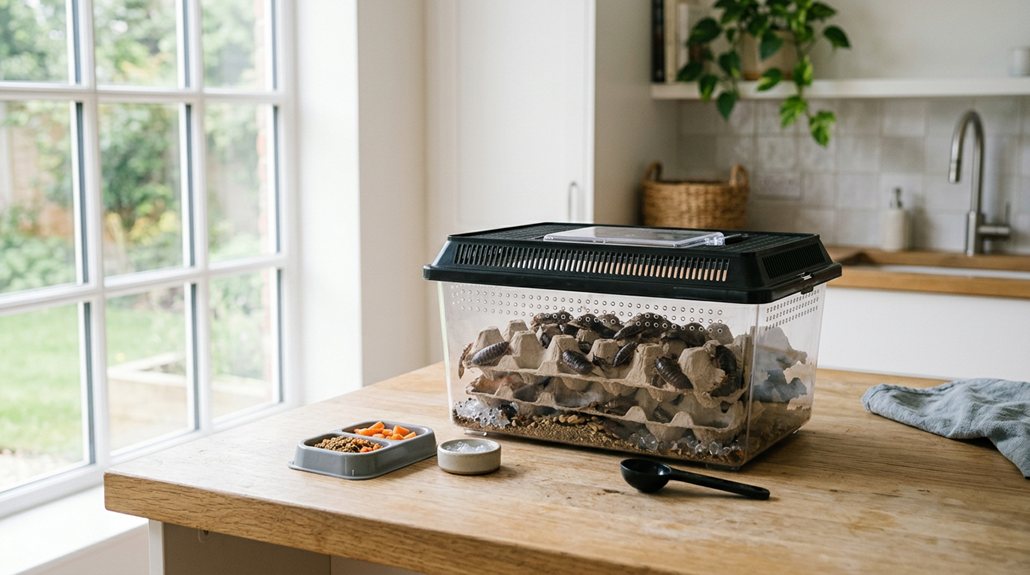
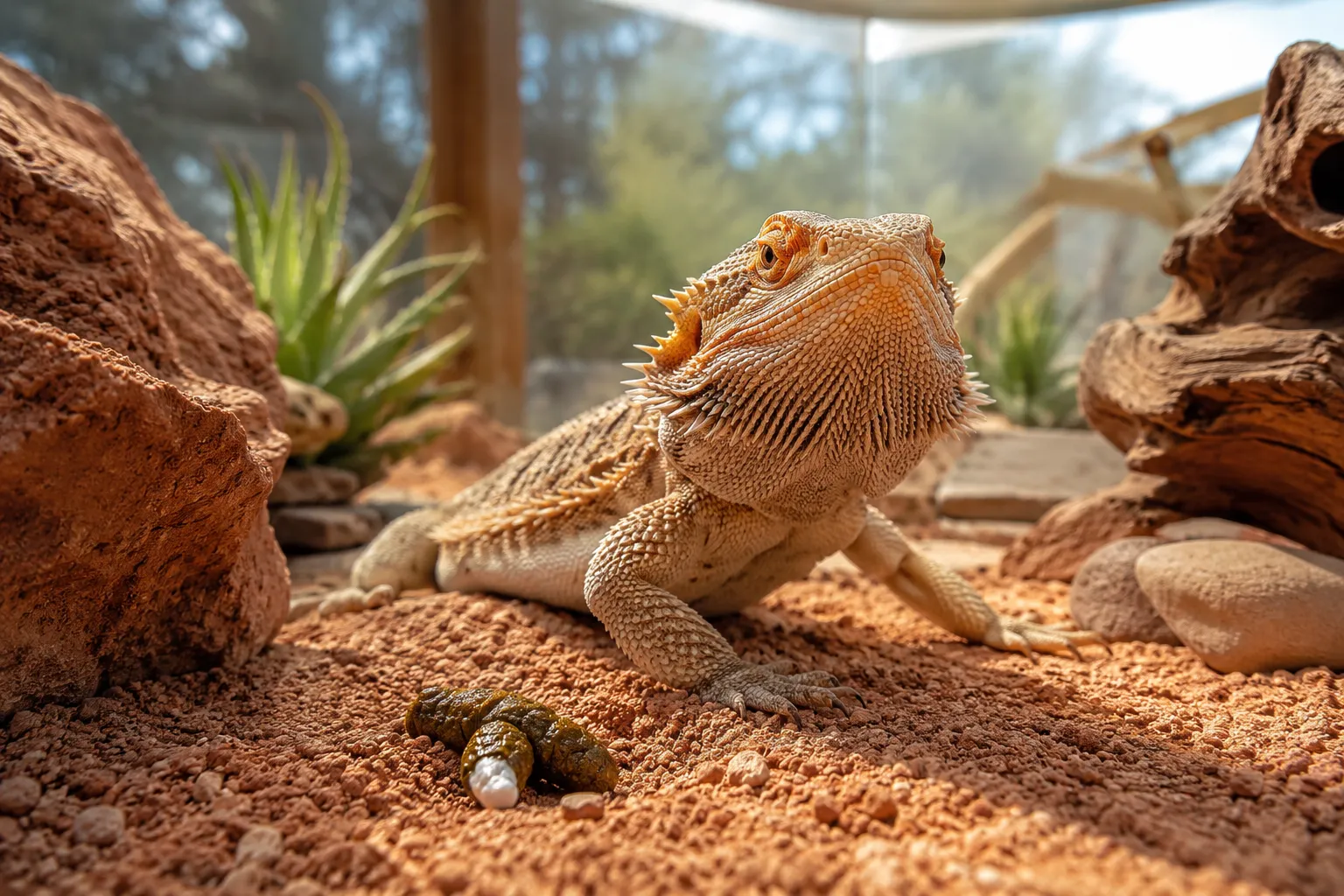
Runny poop in bearded dragons typically signals dietary issues, parasites, stress, or illness. While occasional soft stool isn’t always an emergency, persistent diarrhea lasting more than 24-48 hours requires veterinary attention because it can lead to dehydration and indicate serious health problems like coccidia, pinworms, or bacterial infections.
Key Takeaways
- Healthy bearded dragon poop should be firm, brown, log-shaped with a white or yellow urate cap
- Diet is the most common culprit, too much fruit, watery vegetables, or sudden food changes cause diarrhea
- Parasites like coccidia and pinworms are frequent causes requiring prescription medication
- Baby bearded dragons naturally have slightly softer stool than adults but shouldn’t have watery diarrhea
- Blood in runny stool is a red flag requiring immediate veterinary care
- Stress from habitat changes or improper temperatures can trigger digestive upset
- Home treatment includes reducing fruit, offering more fiber-rich greens, and ensuring proper hydration
- Veterinary intervention is needed if diarrhea persists beyond 48 hours or if the dragon shows lethargy
- Stool samples should be fresh (less than 12 hours old) and kept cool when transported to the vet
- Prevention focuses on proper diet ratios, regular parasite screening, and stress reduction
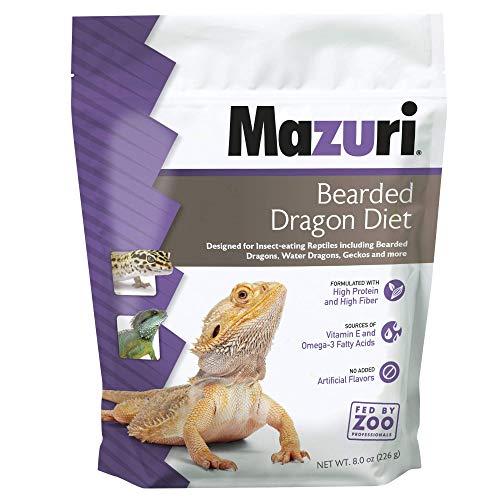
Great source of omega-3 fatty acids and Vitamin E.

Unique textured pellets that bearded dragons love to eat

Age range description: All Stages
What Does Healthy Bearded Dragon Poop Look Like?
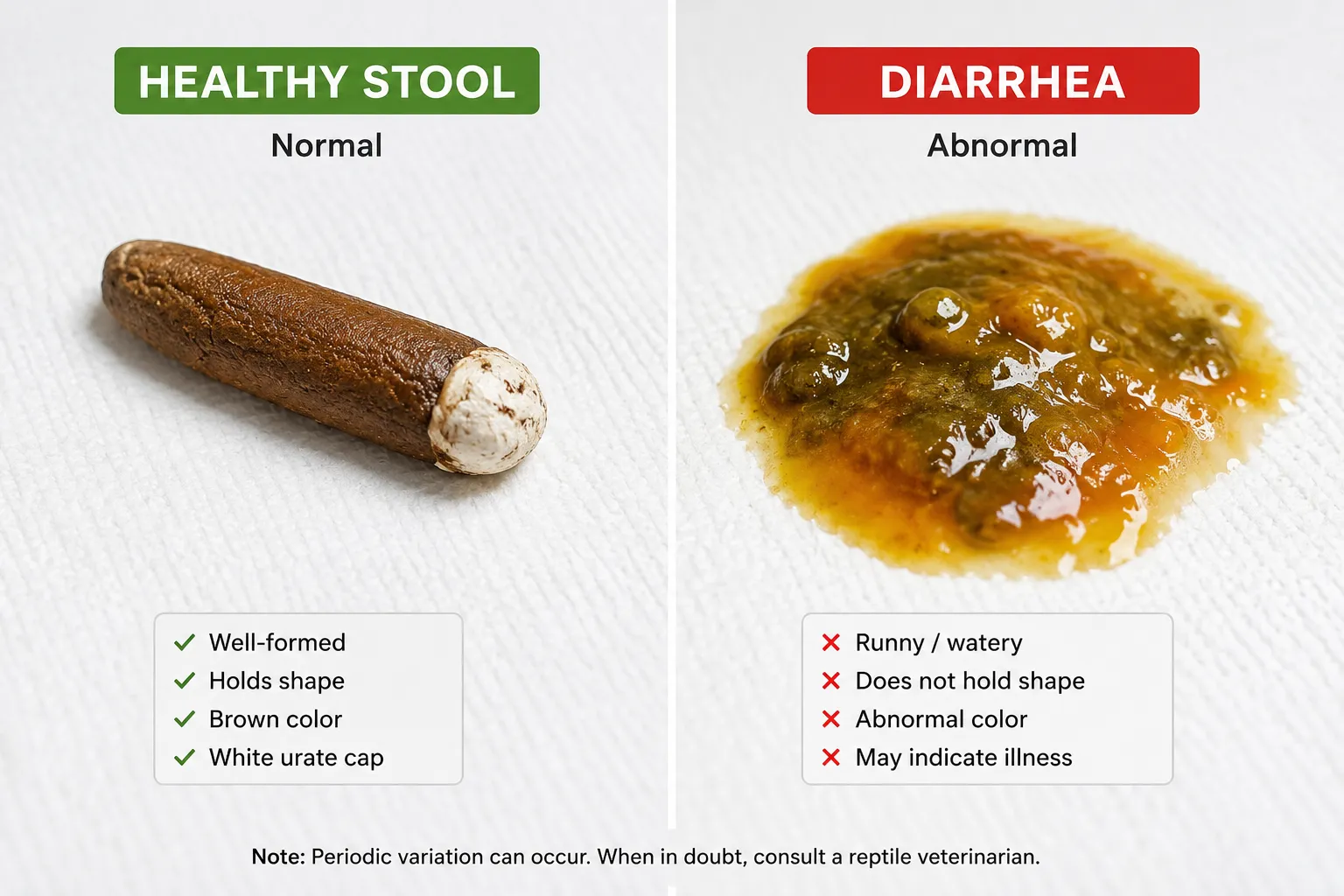
Healthy bearded dragon feces should be firm, brown, and log-shaped with a distinct white or pale yellow urate portion. The brown part contains digested food and should hold its shape without being hard or dry, while the urate (the reptile equivalent of urine) appears as a semi-solid white or cream-colored cap on one end.
Normal poop characteristics:
- Color: Medium to dark brown (varies slightly with diet)
- Consistency: Firm but not rock-hard, similar to a small dog’s stool
- Shape: Oval or log-shaped, intact when picked up
- Urate: White, yellow, or cream-colored, slightly moist but formed
- Frequency: Adults typically defecate every 1-3 days; juveniles daily or every other day
- Odor: Mild earthy smell, not foul or putrid
The urate portion is particularly important to monitor. Orange or very yellow urates can indicate dehydration, while a chalky white appearance is normal. If you notice your dragon’s stool becoming progressively softer or losing its shape, it’s time to investigate potential causes before it develops into full diarrhea.
What Causes Runny Poop in Bearded Dragons?
Runny poop in bearded dragons stems from six primary causes: dietary imbalances, parasitic infections, bacterial overgrowth, stress, improper temperatures, and underlying illness. Diet-related diarrhea is most common in pet dragons and often resolves with feeding adjustments, while parasites require veterinary treatment with prescription medications.
Common causes breakdown:
Dietary triggers:
- Excessive fruit consumption (more than 10% of diet)
- Too many watery vegetables like cucumber or iceberg lettuce
- Sudden diet changes without gradual transition
- Spoiled or contaminated food
- Overfeeding in general
Parasitic infections:
- Coccidia (most common, especially in juveniles)
- Pinworms (nematodes)
- Flagellates
- Cryptosporidium (rare but serious)
Environmental and stress factors:
- Basking temperature too low (below 95°F)
- Recent habitat changes or relocation
- New tank mates or perceived threats
- Handling stress, especially in new pets
Health conditions:
- Bacterial infections (Salmonella, Pseudomonas)
- Viral infections (Adenovirus)
- Impaction attempting to pass
- Organ dysfunction (liver, kidney)
Choose veterinary evaluation if diarrhea persists beyond 48 hours, appears bloody, or accompanies lethargy. For isolated incidents following a fruit-heavy meal, dietary correction alone may resolve the issue within 24 hours.
Is Runny Poop in Bearded Dragons an Emergency?
Runny poop alone is not typically an emergency unless accompanied by blood, extreme lethargy, refusal to eat, or signs of dehydration. A single episode of soft stool often resolves on its own, but diarrhea lasting more than 48 hours requires veterinary attention because reptiles dehydrate faster than mammals.
Seek immediate veterinary care if you observe:
- Blood in the stool (red streaks or dark tarry appearance)
- Black or tar-colored diarrhea indicating upper GI bleeding
- Severe lethargy or inability to lift head
- Sunken eyes or wrinkled skin (dehydration signs)
- Refusal to eat for more than 2-3 days
- Vomiting or regurgitation along with diarrhea
- Seizures or tremors
Monitor at home for 24-48 hours if:
- Stool is soft but not completely liquid
- Dragon remains active and alert
- Appetite is normal or only slightly reduced
- Recent diet included extra fruit or watery vegetables
- No blood or unusual colors present
The key distinction is whether your dragon maintains normal behavior and hydration. A baby bearded dragon with diarrhea requires faster intervention than an adult because their smaller body size makes them more vulnerable to rapid dehydration. When in doubt, contact a reptile veterinarian for guidance rather than waiting.
How to Treat Bearded Dragon Diarrhea at Home
Home treatment for bearded dragon diarrhea focuses on dietary adjustment, hydration support, and stress reduction for cases without blood or severe symptoms. Remove all fruit from the diet immediately, increase fiber-rich greens, ensure proper basking temperatures (100-110°F), and offer a shallow warm water soak for 10-15 minutes daily to support hydration.
Step-by-step home care protocol:
Eliminate dietary triggers immediately
Adjust feeding ratios
- Adults: 80% vegetables, 20% insects temporarily
- Juveniles: 50% vegetables, 50% insects (maintain protein for growth)
- Reduce overall portion size by 25% for 2-3 days
Verify temperature gradients
- Basking spot: 100-110°F for adults, 105-110°F for juveniles
- Cool side: 75-85°F
- Proper digestion requires adequate heat
Provide hydration support
- Offer 10-15 minute warm water soaks (85-90°F) once daily
- Water depth should reach mid-leg, not submerge the dragon
- Many dragons will drink during soaking
Minimize stress
- Reduce handling to essential care only
- Maintain consistent light cycles (12-14 hours)
- Ensure hiding spots are available
Common mistake: Withholding all food. Unless advised by a vet, continue offering appropriate foods in smaller portions. Complete fasting can weaken an already stressed digestive system.
If home treatment doesn’t produce firmer stool within 48 hours, or if the diarrhea worsens, veterinary intervention becomes necessary. For more guidance on proper feeding practices, see our bearded dragon feeding guide.

Parasites vs Diet: What’s Causing the Runny Stool?
Distinguishing between parasitic and dietary diarrhea requires observing duration, appearance, and accompanying symptoms. Dietary diarrhea typically resolves within 24-48 hours of removing trigger foods and appears watery but uniform in color, while parasitic infections cause persistent diarrhea (lasting weeks), often with mucus, foul odor, weight loss, and decreased appetite despite treatment attempts.
Dietary diarrhea indicators:
- Began within 12-24 hours of feeding new food or extra fruit
- Stool is watery but consistent brown or green color
- Dragon maintains normal energy and appetite
- Improves within 48 hours of diet correction
- No mucus or blood present
- No significant weight loss
Parasitic infection indicators:
- Diarrhea persists beyond one week regardless of diet changes
- Stool contains visible mucus (clear or yellow slime)
- Exceptionally foul odor (worse than normal reptile waste)
- Progressive weight loss despite eating
- Decreased appetite over time
- Lethargy or reduced activity
- May see small moving worms in stool (pinworms)
Testing is the definitive answer: The only way to confirm parasites is through fecal examination by a veterinarian. Many bearded dragons carry low levels of parasites without symptoms, but stress or immune suppression can cause populations to explode, triggering diarrhea.
Choose veterinary testing if:
- You’ve corrected diet for 72 hours with no improvement
- Your dragon came from a pet store or breeder without recent fecal testing
- Multiple dragons in your home show symptoms
- The dragon is a recent acquisition (within 3 months)
Annual fecal exams are recommended for all bearded dragons as preventive care, even without symptoms. Coccidia and pinworms are extremely common and easily treated with prescription medications like ponazuril or fenbendazole when caught early.
When to Take Your Bearded Dragon to the Vet for Runny Poop
Take your bearded dragon to a reptile veterinarian if diarrhea persists beyond 48 hours, contains blood, or accompanies symptoms like lethargy, weight loss, or dehydration. While isolated soft stool from dietary causes can be managed at home, persistent or severe diarrhea requires professional diagnosis through fecal testing and potential prescription treatment.
Veterinary visit is necessary when:
- Diarrhea continues for more than 48-72 hours despite dietary correction
- Blood appears in stool (red, pink, or black coloration)
- Mucus is visible (clear or yellow slime coating)
- Weight loss of 5% or more occurs
- Appetite decreases significantly or stops entirely
- Behavioral changes include hiding, lethargy, or aggression
- Dehydration signs appear (sunken eyes, wrinkled skin, skin tenting)
- Foul odor is exceptionally strong or unusual
- You’ve recently acquired the dragon (within 3 months)
- Multiple dragons in your collection show symptoms
What to expect at the vet:
The veterinarian will perform a physical exam and request a fresh fecal sample for microscopic analysis. They’ll check for parasites (coccidia, pinworms, flagellates), bacterial overgrowth, and abnormal cells. Blood work may be recommended if organ dysfunction is suspected.
Treatment typically includes:
- Prescription anti-parasitic medication (ponazuril, fenbendazole, metronidazole)
- Probiotics to restore gut flora
- Subcutaneous fluids if dehydrated
- Dietary recommendations specific to your dragon’s condition
Cost consideration: Expect to pay $75-150 for an exam and fecal test, plus $30-80 for medications. This investment prevents complications like severe dehydration, malnutrition, or chronic parasitic disease that cost significantly more to treat later.
Don’t delay veterinary care hoping the problem resolves on its own. Bearded dragons are experts at hiding illness, and by the time symptoms are obvious, the condition may be advanced.
Can Too Much Fruit Cause Runny Poop in Bearded Dragons?
Yes, excessive fruit consumption is one of the most common dietary causes of runny poop in bearded dragons. Fruit contains high levels of natural sugars and water, which can overwhelm the digestive system and cause osmotic diarrhea when fed in quantities exceeding 5-10% of the total diet.
Why fruit triggers diarrhea:
Bearded dragons evolved in arid Australian environments eating primarily insects and drought-resistant plants. Their digestive systems aren’t designed to process large amounts of sugar or water-rich foods. When fruit makes up more than 10% of their diet, several problems occur:
- Osmotic imbalance: High sugar content draws water into the intestines, creating loose stool
- Rapid fermentation: Sugars ferment quickly in the gut, producing gas and disrupting normal flora
- Reduced fiber: Fruit displaces fiber-rich greens that help form solid stool
- Nutritional imbalance: Excess fruit provides empty calories without essential nutrients
High-risk fruits that commonly cause problems:
- Watermelon (92% water content)
- Grapes (high sugar)
- Oranges and citrus (acidic, high water)
- Mango and papaya (very high sugar)
- Strawberries in excess
Safer fruit options in moderation:
- Blueberries (small portions, 2-3 berries)
- Apples (remove seeds, small pieces)
- Figs (occasional treat)
Proper fruit feeding guidelines:
- Limit fruit to once or twice weekly maximum
- Fruit should comprise no more than 5-10% of total diet
- Always pair fruit with fiber-rich greens in the same meal
- Cut fruit into small pieces to prevent overfeeding
If your dragon develops diarrhea after eating fruit, eliminate all fruit from the diet for at least one week while the digestive system recovers. Focus on staple vegetables like collard greens, mustard greens, and squash. Once stool normalizes, reintroduce fruit very gradually in smaller portions.
What Does Blood in Runny Bearded Dragon Poop Mean?
Blood in runny bearded dragon stool indicates intestinal damage, severe parasitic infection, bacterial enteritis, or potentially serious conditions like impaction or organ disease. This is a veterinary emergency requiring same-day or next-day examination because it signals active bleeding in the digestive tract that can rapidly lead to anemia and shock.
Types of blood and their implications:
Bright red blood (hematochezia):
- Indicates bleeding in the lower intestine or colon
- Common causes: severe parasitic load (coccidia), colitis, rectal injury
- Blood appears as streaks, spots, or coating on stool
- Requires urgent veterinary care within 24 hours
Dark or black tarry stool (melena):
- Indicates bleeding in the upper digestive tract (stomach, small intestine)
- Blood has been digested, creating dark appearance
- More serious than bright red blood
- Possible causes: ulcers, severe bacterial infection, organ disease
- Requires immediate emergency veterinary care
Pink-tinged watery stool:
- Small amount of blood mixed with diarrhea
- Often accompanies severe parasitic infections
- Still requires veterinary attention but slightly less urgent
Common causes of bloody diarrhea:
- Severe coccidia infection (most common in juveniles)
- Pinworm overload causing intestinal irritation
- Bacterial enteritis (Salmonella, Pseudomonas)
- Impaction with sharp substrate or foreign object
- Inflammatory bowel disease
- Tumors or masses (rare, usually in older dragons)
- Cloacal prolapse causing trauma
What NOT to do:
- Don’t wait to see if it resolves on its own
- Don’t attempt home treatment without veterinary diagnosis
- Don’t assume it’s “just” parasites without testing
- Don’t continue feeding normally without guidance
Immediate steps:
- Take a photo of the bloody stool for the veterinarian
- Collect a fresh sample in a sealed container
- Keep the sample refrigerated (not frozen) until the vet visit
- Note when you first observed blood and any other symptoms
- Schedule an emergency appointment
Blood in stool always warrants professional evaluation. Even if the dragon appears otherwise healthy, internal bleeding can progress rapidly in reptiles. Early intervention dramatically improves outcomes for most causes of bloody diarrhea.
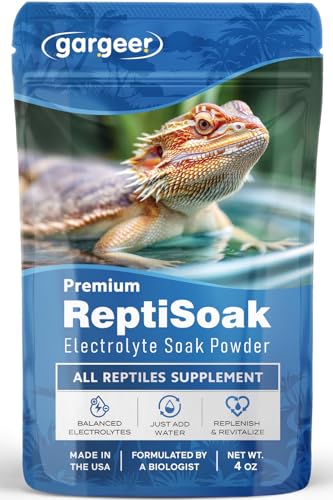
Replenish & Rehydrate: Helps restore hydration, energy, and balance for reptiles during stress, illness, or egg-laying.

✔ HEALTHY - This nutritious blend includes figs, papaya, green beans, cabbage, squash, apple and carrots

HYDRATES & RESTORES: Replenishes hydration and energy during shedding, travel, or stress for routine use
How Long Can a Bearded Dragon Have Diarrhea Before It’s Serious?
Bearded dragons should not have diarrhea for more than 48-72 hours before veterinary intervention becomes necessary. While a single episode of soft stool may resolve with dietary adjustment, persistent diarrhea beyond two days indicates an underlying problem that won’t self-correct and poses increasing risk of dehydration, malnutrition, and electrolyte imbalance.
Timeline and risk assessment:
0-24 hours (Monitor at home):
- Single episode of soft or runny stool
- Dragon remains active and eating
- Recent dietary change or fruit consumption
- Action: Remove trigger foods, increase fiber, ensure proper temperatures
24-48 hours (Increased concern):
- Diarrhea continues despite dietary correction
- Dragon still eating but may be slightly less active
- No blood or severe symptoms present
- Action: Implement full home treatment protocol, prepare for vet visit if no improvement
48-72 hours (Veterinary consultation needed):
- Persistent diarrhea with no improvement
- Possible weight loss beginning
- Appetite may be decreasing
- Action: Schedule veterinary appointment, collect fresh fecal sample
Beyond 72 hours (Urgent veterinary care):
- Significant dehydration risk
- Nutritional deficiencies developing
- Electrolyte imbalances possible
- Immune system compromised
- Action: Immediate veterinary intervention required
Age-specific considerations:
Baby bearded dragons (0-6 months):
- More vulnerable to rapid dehydration
- Seek veterinary care after 24-36 hours of diarrhea
- Smaller body mass means faster decline
- Cannot afford to lose weight during critical growth period
Juvenile bearded dragons (6-12 months):
- Moderate risk tolerance
- Veterinary care recommended after 48 hours
- Still growing and need consistent nutrition
Adult bearded dragons (12+ months):
- Can tolerate slightly longer (48-72 hours)
- Still shouldn’t exceed 3 days without intervention
- Chronic diarrhea causes long-term health problems
Complications from prolonged diarrhea:
- Dehydration: Sunken eyes, wrinkled skin, decreased skin elasticity
- Electrolyte imbalance: Weakness, tremors, seizures in severe cases
- Malnutrition: Weight loss, muscle wasting, weakened immune system
- Secondary infections: Compromised gut allows bacterial overgrowth
- Organ stress: Kidneys and liver work harder to compensate
The general rule: when in doubt, call the vet sooner rather than later. Reptile veterinarians can provide guidance over the phone about whether your dragon needs to be seen immediately or if home treatment is appropriate for another 24 hours. For behavioral concerns that might indicate stress-related digestive issues, see our guide on bearded dragon behavior.
What’s the Best Diet to Firm Up Bearded Dragon Poop?
The best diet to firm up bearded dragon poop emphasizes high-fiber leafy greens (collard greens, mustard greens, turnip greens), eliminates all fruit and watery vegetables temporarily, and maintains appropriate insect protein ratios based on age. This fiber-rich, low-sugar approach allows the digestive system to recover while providing the bulk necessary to form solid stool.
Optimal firming diet components:
Staple vegetables (80-90% of plant matter):
- Collard greens (highest fiber, excellent calcium)
- Mustard greens (high fiber, good nutrition)
- Turnip greens (fiber-rich, calcium-rich)
- Dandelion greens (natural astringent properties)
- Escarole (moderate fiber, low water)
- Butternut squash (cooked, adds bulk)
Vegetables to avoid during recovery:
- Cucumber (96% water)
- Celery (95% water)
- Iceberg lettuce (no nutritional value, high water)
- Tomatoes (acidic, watery)
- Bell peppers temporarily (reintroduce after recovery)
Protein sources:
- Dubia roaches (ideal protein-to-fat ratio)
- Black soldier fly larvae (high calcium)
- Crickets (gut-loaded with nutritious foods)
- Limit mealworms (high fat, harder to digest)
- Avoid wax worms during recovery (too fatty)
Age-appropriate ratios during recovery:
Adults (12+ months):
- 80-90% vegetables (high-fiber greens)
- 10-20% insects
- Zero fruit until stool normalizes for one week
Juveniles (6-12 months):
- 50% vegetables (high-fiber greens)
- 50% insects (maintain growth)
- Zero fruit until recovery
Babies (0-6 months):
- 30-40% vegetables
- 60-70% insects (critical for development)
- Zero fruit
Sample firming meal plan:
Morning feeding:
- Finely chopped collard greens (main portion)
- Small amount of butternut squash
- Dust with calcium powder
Evening feeding (if needed):
- Appropriately sized insects (gut-loaded)
- Dust with calcium/vitamin D3 supplement
Feeding frequency:
- Adults: Once daily
- Juveniles: Twice daily
- Babies: 2-3 times daily
Additional firming strategies:
- Ensure basking temperature reaches 100-110°F for proper digestion
- Maintain consistent feeding schedule
- Avoid sudden diet changes
- Provide proper UVB lighting (10-12% UVB bulb, 10-12 inches from basking spot)
- Keep stress levels low
Common mistake: Adding too much variety during recovery. Stick to 2-3 staple greens consistently rather than rotating through many different vegetables. Consistency helps the digestive system stabilize.
Once stool has been firm and normal for at least one week, gradually reintroduce other vegetables one at a time. Wait 3-4 days between new additions to identify any triggers. Fruit should remain limited to occasional treats (once weekly maximum) even after full recovery.
Do Baby Bearded Dragons Have Runnier Poop Than Adults?
Baby bearded dragons typically have slightly softer stool than adults due to their higher protein diet, faster metabolism, and developing digestive systems, but they should not have watery diarrhea. Normal baby dragon poop is softer and more frequent (often daily) but should still maintain some form and include a visible urate portion.
Normal differences between baby and adult stool:
Baby bearded dragons (0-6 months):
- Consistency: Softer than adults but not liquid
- Frequency: Daily or multiple times per day
- Color: Brown to dark brown, sometimes slightly greenish
- Size: Small, proportional to body size
- Urate: Present but smaller, white or pale yellow
- Shape: May be less formed than adults but not completely shapeless
Adult bearded dragons (12+ months):
- Consistency: Firm, log-shaped, holds together
- Frequency: Every 1-3 days
- Color: Medium to dark brown
- Size: Larger, well-formed
- Urate: Distinct white or cream cap
- Shape: Oval or cylindrical, intact
Why babies have softer stool:
- Higher protein intake: Babies eat 60-70% insects vs. adults’ 20%, and protein digests differently than plant fiber
- Faster metabolism: Rapid growth requires faster digestion, leaving less time for water absorption
- Immature gut flora: Beneficial bacteria populations are still establishing
- Smaller intestinal tract: Less surface area for water reabsorption
When baby dragon poop is abnormal:
- Completely watery with no form
- Persistent diarrhea lasting more than 24 hours
- Absence of urate portion
- Blood or mucus present
- Foul odor beyond normal reptile waste
- Accompanied by lethargy or appetite loss
Special considerations for baby dragons:
Baby bearded dragons are particularly vulnerable to parasites like coccidia, which commonly cause diarrhea in juveniles. Many babies from pet stores or breeders carry parasitic loads that become problematic during the stress of relocation. A fecal exam within the first month of ownership is strongly recommended for all baby dragons.
Proper baby dragon feeding to maintain healthy stool:
- Feed appropriately sized insects (no larger than space between eyes)
- Offer insects 2-3 times daily
- Provide finely chopped greens daily (even if not eaten initially)
- Dust insects with calcium powder at every feeding
- Ensure basking temperature reaches 105-110°F for proper digestion
If your baby dragon’s stool becomes progressively softer or watery, don’t assume it’s normal for their age. Contact a reptile veterinarian for guidance, as babies dehydrate much faster than adults and cannot afford prolonged digestive issues during their critical growth period.
Common Feeding Mistakes That Cause Bearded Dragon Diarrhea
The most common feeding mistakes causing bearded dragon diarrhea include overfeeding fruit, offering watery vegetables as staples, feeding insects that are too large, making sudden diet changes, and providing spoiled or contaminated food. These errors disrupt normal digestion and create conditions for osmotic diarrhea, bacterial overgrowth, or incomplete digestion.
Top feeding mistakes and corrections:
1. Fruit overload
- Mistake: Feeding fruit daily or as a major diet component
- Why it causes diarrhea: High sugar and water content overwhelm digestive system
- Correction: Limit fruit to once weekly, maximum 5-10% of diet
- Safe approach: Treat fruit as an occasional reward, not a staple
2. Watery vegetable staples
- Mistake: Using cucumber, celery, or iceberg lettuce as primary greens
- Why it causes diarrhea: Excessive water content, minimal fiber or nutrition
- Correction: Replace with collard greens, mustard greens, turnip greens
- Safe approach: Watery vegetables should be occasional additions, not daily foods
3. Oversized insects
- Mistake: Feeding insects larger than the space between the dragon’s eyes
- Why it causes diarrhea: Incomplete digestion, gut impaction attempts, stress on digestive system
- Correction: Choose appropriately sized feeders for your dragon’s age and size
- Safe approach: When in doubt, go smaller
4. Sudden diet changes
- Mistake: Switching foods abruptly without transition period
- Why it causes diarrhea: Gut flora can’t adapt quickly, causes digestive upset
- Correction: Transition new foods gradually over 7-10 days
- Safe approach: Mix 25% new food with 75% old, gradually increasing new food ratio
5. Spoiled or contaminated food
- Mistake: Leaving uneaten vegetables in tank for hours, using old insects
- Why it causes diarrhea: Bacterial contamination, mold, toxins
- Correction: Remove uneaten food within 1-2 hours, use fresh insects
- Safe approach: Feed smaller portions, refresh daily
6. Incorrect vegetable preparation
- Mistake: Feeding large chunks, not washing produce, including toxic plants
- Why it causes diarrhea: Choking risk, pesticide exposure, toxins
- Correction: Chop vegetables finely, wash thoroughly, verify safety
- Safe approach: Pieces should be smaller than space between eyes
7. Overfeeding in general
- Mistake: Offering unlimited food, especially to adults
- Why it causes diarrhea: Digestive system overwhelmed, obesity, metabolic issues
- Correction: Feed appropriate portions based on age and size
- Safe approach: Adults need less food than owners typically think
8. Poor insect gut-loading
- Mistake: Feeding insects with no nutritional preparation
- Why it causes diarrhea: Nutritional imbalances, empty calories
- Correction: Gut-load insects 24-48 hours before feeding with nutritious foods
- Safe approach: Use commercial gut-load or fresh vegetables for feeders
9. Inconsistent feeding schedule
- Mistake: Feeding at random times or skipping days then overfeeding
- Why it causes diarrhea: Digestive system can’t establish rhythm, stress response
- Correction: Maintain consistent daily feeding times
- Safe approach: Feed at same time each day, ideally morning after basking
10. Ignoring temperature requirements
- Mistake: Feeding when basking area is too cool (below 95°F)
- Why it causes diarrhea: Cannot digest food properly without adequate heat
- Correction: Verify basking temperature with infrared thermometer before feeding
- Safe approach: Never feed if temperatures aren’t optimal
Prevention checklist:
- ✓ Staple greens make up 80% of adult diet
- ✓ Fruit limited to once weekly maximum
- ✓ Insects appropriately sized and gut-loaded
- ✓ Fresh food daily, remove uneaten portions
- ✓ Basking temperature 100-110°F
- ✓ Consistent feeding schedule
- ✓ Gradual transitions for any diet changes
- ✓ Clean food and water dishes daily
By avoiding these common mistakes, most diet-related diarrhea can be prevented entirely. For more detailed feeding information, visit our bearded dragon food guide.
How to Collect a Bearded Dragon Stool Sample for the Vet
Collect a fresh bearded dragon stool sample (less than 12 hours old) in a clean, sealed plastic container or zip-lock bag, keeping it refrigerated (not frozen) until your veterinary appointment. The sample should include both the brown fecal portion and the white urate if possible, and should be at least the size of a pea for adequate testing.
Step-by-step collection process:
1. Prepare collection materials
- Clean plastic container with lid (small deli container works well)
- Zip-lock bag as backup
- Disposable gloves
- Paper towel or popsicle stick for transfer
- Label with your name, dragon’s name, and collection date/time
2. Timing your collection
- Collect the freshest sample possible (within 1-2 hours of defecation)
- Samples older than 12 hours may not show accurate parasite counts
- Samples older than 24 hours are generally not useful
- If appointment is next day, collect sample the evening before
3. Collection technique
- Put on disposable gloves
- Use paper towel or popsicle stick to transfer stool into container
- Include both brown fecal matter and white urate portion if present
- Collect at least pea-sized amount (more is better)
- Avoid substrate contamination if possible
- If substrate is mixed in, note this for the vet
4. Storage before appointment
- Seal container tightly
- Place in refrigerator (not freezer)
- Keep at 35-40°F
- Do not leave at room temperature
- Transport in cooler with ice pack if appointment is more than 30 minutes away
5. What to document
- Date and time of collection
- Appearance (color, consistency, blood, mucus)
- Recent diet changes
- Duration of diarrhea
- Other symptoms observed
- Take photos if possible
Tips for successful collection:
If your dragon won’t poop on schedule:
- Offer a warm water soak (85-90°F) for 10-15 minutes
- Many dragons defecate during or shortly after soaking
- Place in clean, empty container during soak for easy collection
- Gentle belly massage during soak may stimulate bowel movement
If you can’t get a fresh sample:
- Call the vet’s office for guidance
- Some vets can work with slightly older samples
- You may need to bring the dragon in for collection at the clinic
- Some vets can perform a cloacal wash if necessary
What the vet will test for:
- Parasites (coccidia, pinworms, flagellates)
- Parasite eggs or oocysts
- Abnormal bacteria levels
- Blood cells indicating inflammation
- Undigested food particles
Common mistakes to avoid:
- Don’t freeze the sample (kills some parasites, making them harder to identify)
- Don’t collect from dirty substrate (contamination affects results)
- Don’t wait days to bring in an old sample
- Don’t assume one negative test means no parasites (may need multiple tests)
Cost expectations:
- Fecal examination typically costs $30-60
- Results usually available same day or within 24 hours
- May need follow-up testing after treatment
A proper stool sample is one of the most valuable diagnostic tools for identifying the cause of diarrhea. Taking time to collect and store it correctly ensures accurate results and appropriate treatment for your bearded dragon.
Stress vs Illness: What’s Causing the Runny Stool?
Stress-related diarrhea in bearded dragons typically appears suddenly after a specific trigger event (habitat change, new pet, excessive handling) and resolves within 24-48 hours once the stressor is removed, while illness-related diarrhea persists for days to weeks, progressively worsens, and often accompanies other symptoms like weight loss, lethargy, or appetite changes.
Stress-induced diarrhea characteristics:
Common stress triggers:
- Recent relocation or new home
- Tank cleaning or rearrangement
- New tank mates or perceived threats
- Excessive or rough handling
- Loud noises or vibrations
- Temperature fluctuations
- Bright lights at night
- Breeding season hormonal changes
Stress diarrhea patterns:
- Appears within hours of stressful event
- Single episode or lasts 24-48 hours maximum
- Dragon otherwise appears healthy
- Appetite may decrease temporarily but returns quickly
- Activity level normal or slightly reduced
- Resolves when stressor is removed
- No blood, mucus, or foul odor
Illness-related diarrhea characteristics:
Common illness causes:
- Parasitic infections (coccidia, pinworms)
- Bacterial infections
- Viral infections (Adenovirus)
- Organ dysfunction
- Chronic inflammatory conditions
Illness diarrhea patterns:
- Persists beyond 72 hours
- Progressively worsens over time
- Accompanied by other symptoms (lethargy, weight loss)
- Appetite decreases and doesn’t return
- May include blood, mucus, or severe odor
- Doesn’t improve with stress reduction
- May have recurring episodes
Comparison table:
| Factor | Stress-Related | Illness-Related |
|---|---|---|
| Onset | Sudden, after specific event | Gradual or sudden, no clear trigger |
| Duration | 24-48 hours | 3+ days to weeks |
| Pattern | Improves quickly | Persists or worsens |
| Other symptoms | Minimal | Multiple (lethargy, weight loss) |
| Appetite | Briefly reduced, returns | Progressively decreases |
| Stool appearance | Watery but normal color | May have blood, mucus, abnormal color |
| Response to care | Resolves with stress reduction | Requires veterinary treatment |
Diagnostic approach:
If you suspect stress:
- Identify and remove the stressor
- Minimize handling for 48 hours
- Ensure proper temperatures and lighting
- Provide hiding spots
- Maintain quiet environment
- Monitor for improvement within 24-48 hours
If you suspect illness:
- Document symptoms and duration
- Collect fresh fecal sample
- Schedule veterinary appointment
- Don’t wait for symptoms to worsen
- Implement supportive care (hydration, proper temps)
When it’s both: Sometimes stress can trigger or worsen an underlying illness. For example, a dragon carrying low levels of coccidia may develop clinical symptoms when stressed. The stress suppresses immune function, allowing the parasite population to explode.
Choose veterinary care if:
- Diarrhea persists beyond 48 hours regardless of cause
- You cannot identify or remove the stressor
- Dragon shows additional symptoms
- You’re unsure whether it’s stress or illness
- Dragon is very young (under 6 months)
Prevention strategies:
Minimize stress:
- Maintain consistent routines
- Handle gently and appropriately for age
- Provide adequate hiding spots
- Keep tank in quiet area of home
- Avoid sudden changes
- Quarantine new dragons before introduction
Support immune health:
- Proper nutrition and supplementation
- Correct temperatures and UVB lighting
- Annual veterinary check-ups with fecal exams
- Clean habitat maintenance
- Appropriate tank size and enrichment
Understanding whether diarrhea stems from stress or illness helps you respond appropriately. When in doubt, err on the side of caution and consult a reptile veterinarian. For more information on stress-related behaviors, see our article on why bearded dragons glass surf.
Frequently Asked Questions
Can dehydration cause runny poop in bearded dragons? Paradoxically, dehydration can contribute to diarrhea in bearded dragons because the body attempts to conserve water by pulling it from other sources, disrupting normal digestive function. However, diarrhea more commonly causes dehydration rather than the reverse. Proper hydration through daily water access and occasional soaking helps maintain normal stool consistency.
Should I stop feeding my bearded dragon if it has diarrhea? No, don’t stop feeding entirely unless directed by a veterinarian. Continue offering appropriate foods (high-fiber greens, appropriate insects) in slightly smaller portions. Complete fasting can weaken the digestive system and immune response. Focus on removing trigger foods like fruit and watery vegetables while maintaining nutritious staples.
Can antibiotics cause diarrhea in bearded dragons? Yes, antibiotics can cause temporary diarrhea by disrupting normal gut bacteria populations. This is usually mild and resolves after treatment ends. If your dragon develops severe diarrhea during antibiotic treatment, contact your veterinarian about adding probiotics or adjusting the medication. Never stop prescribed antibiotics without veterinary guidance.
Is green poop normal for bearded dragons? Green poop is normal if your dragon has been eating lots of leafy greens. The color comes from chlorophyll and bile. However, bright green watery diarrhea, especially with a foul odor, may indicate bacterial infection or parasites and requires veterinary evaluation. Normal green stool should still be formed, not liquid.
Can impaction cause diarrhea? Yes, partial impaction can cause diarrhea as liquid stool passes around the blockage. This often appears as watery diarrhea with straining, decreased appetite, and a swollen abdomen. Complete impaction typically causes constipation instead. If you suspect impaction, seek immediate veterinary care as this is a life-threatening emergency.
How often should bearded dragons poop normally? Adult bearded dragons typically defecate every 1-3 days, while juveniles poop daily or every other day, and babies may go multiple times per day. Frequency depends on age, diet, metabolism, and temperature. Consistency and appearance matter more than exact frequency. Sudden changes in bathroom habits warrant attention.
Can too much calcium cause diarrhea? Excessive calcium supplementation can cause digestive upset and potentially diarrhea, though this is less common than other causes. Over-supplementation more typically causes constipation or gout. Follow proper dusting guidelines: daily calcium for juveniles, 3-4 times weekly for adults, with calcium plus D3 only 2-3 times weekly.
Will probiotics help my bearded dragon’s diarrhea? Probiotics designed for reptiles can help restore healthy gut bacteria, especially after antibiotic treatment or during recovery from parasitic infections. However, probiotics alone won’t cure diarrhea caused by parasites, bacterial infections, or dietary issues. Use them as supportive care alongside proper treatment and diet correction.
Can bearded dragons get diarrhea from stress alone? Yes, acute stress can trigger temporary diarrhea lasting 24-48 hours. Common stressors include relocation, excessive handling, habitat changes, or perceived threats. Stress-related diarrhea typically resolves quickly once the stressor is removed and shouldn’t include blood or severe symptoms. Persistent diarrhea beyond 48 hours indicates a problem beyond simple stress.
Should I change my bearded dragon’s substrate if it has diarrhea? Yes, temporarily switching to paper towels or newspaper during diarrhea episodes makes monitoring stool easier, prevents substrate ingestion, and simplifies cleaning. Loose substrates like sand can become contaminated with parasites or bacteria and may be accidentally ingested during feeding. Return to regular substrate only after stool normalizes for at least one week.
Can bearded dragons have diarrhea during brumation? Bearded dragons should not eat during true brumation, so they shouldn’t defecate or have diarrhea. If your dragon is attempting to brumate but still eating occasionally and developing diarrhea, this indicates improper brumation conditions or illness. Consult a veterinarian, as sick dragons should not brumate.
How do I know if my bearded dragon is dehydrated from diarrhea? Signs of dehydration include sunken eyes, wrinkled skin, decreased skin elasticity (skin tenting when gently pinched), lethargy, and sticky mucous membranes. Offer daily warm water soaks and ensure fresh water is always available. Severe dehydration requires veterinary intervention with subcutaneous or intravenous fluids.
Conclusion
Runny poop in bearded dragons signals that something in their diet, environment, or health needs attention. While occasional soft stool from eating too much fruit or experiencing minor stress can resolve quickly with simple adjustments, persistent diarrhea lasting beyond 48 hours requires professional veterinary care to identify and treat underlying causes like parasites or bacterial infections.
Take these actionable steps now:
- Assess the situation: Examine the stool for blood, mucus, or abnormal colors, and note how long the diarrhea has lasted
- Implement immediate dietary changes: Remove all fruit and watery vegetables, focus on high-fiber greens like collard and mustard greens
- Verify husbandry: Check that basking temperatures reach 100-110°F and UVB lighting is appropriate
- Support hydration: Offer daily warm water soaks (85-90°F) for 10-15 minutes
- Monitor closely: Watch for additional symptoms like lethargy, appetite loss, or weight loss
- Collect a fresh stool sample: If diarrhea persists beyond 48 hours, prepare a sample for veterinary testing
- Schedule a vet visit: Don’t wait beyond 72 hours of persistent diarrhea, and seek immediate care if blood appears
Remember that baby bearded dragons require faster intervention than adults due to their vulnerability to dehydration. When in doubt, contact a reptile veterinarian for guidance rather than hoping the problem resolves on its own.
By understanding the difference between dietary diarrhea and illness-related symptoms, you can respond appropriately and give your bearded dragon the best chance for a quick recovery. Prevention through proper diet, regular fecal exams, and stress reduction remains the most effective strategy for maintaining healthy digestion and avoiding runny poop altogether.
Your bearded dragon depends on you to recognize when something’s wrong and take action. Trust your instincts, monitor changes carefully, and never hesitate to seek professional help when symptoms persist or worsen.

Bearded Dragon Funny Lizard Graphic Tee

Bearded Dragon Tarot Card Beardie Mom Beardie Dad Men Women Kids Tee.

Realistic Styling with Fine 3D Printing Workmanship: 3d printed toys crafted from durable skin-friendly PLA material with precision 3D printing. The earth-toned paint replicates the texture and stripe markings of a real bearded dragon, all edges are deburred for safe, pleasant handheld touching.