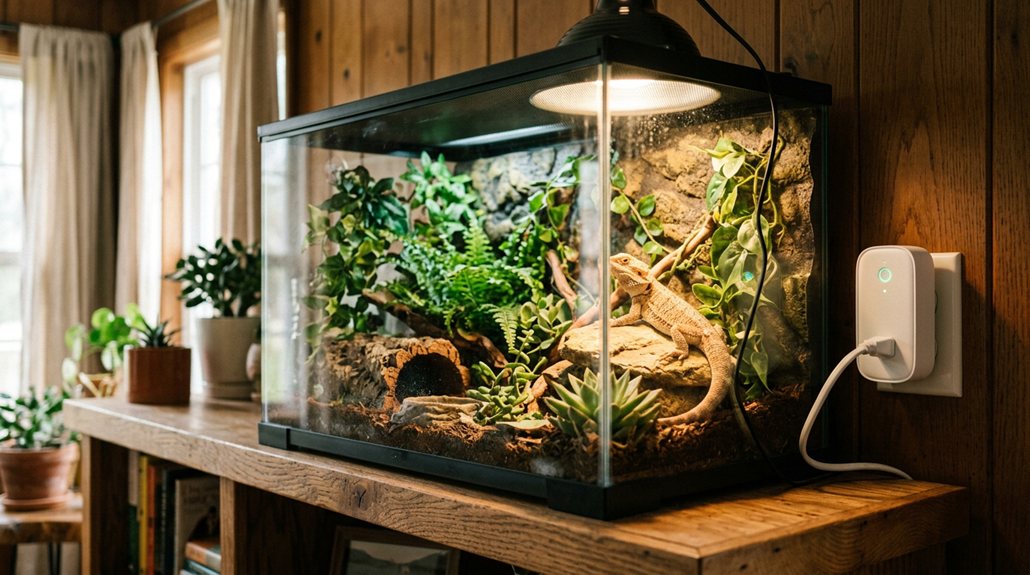
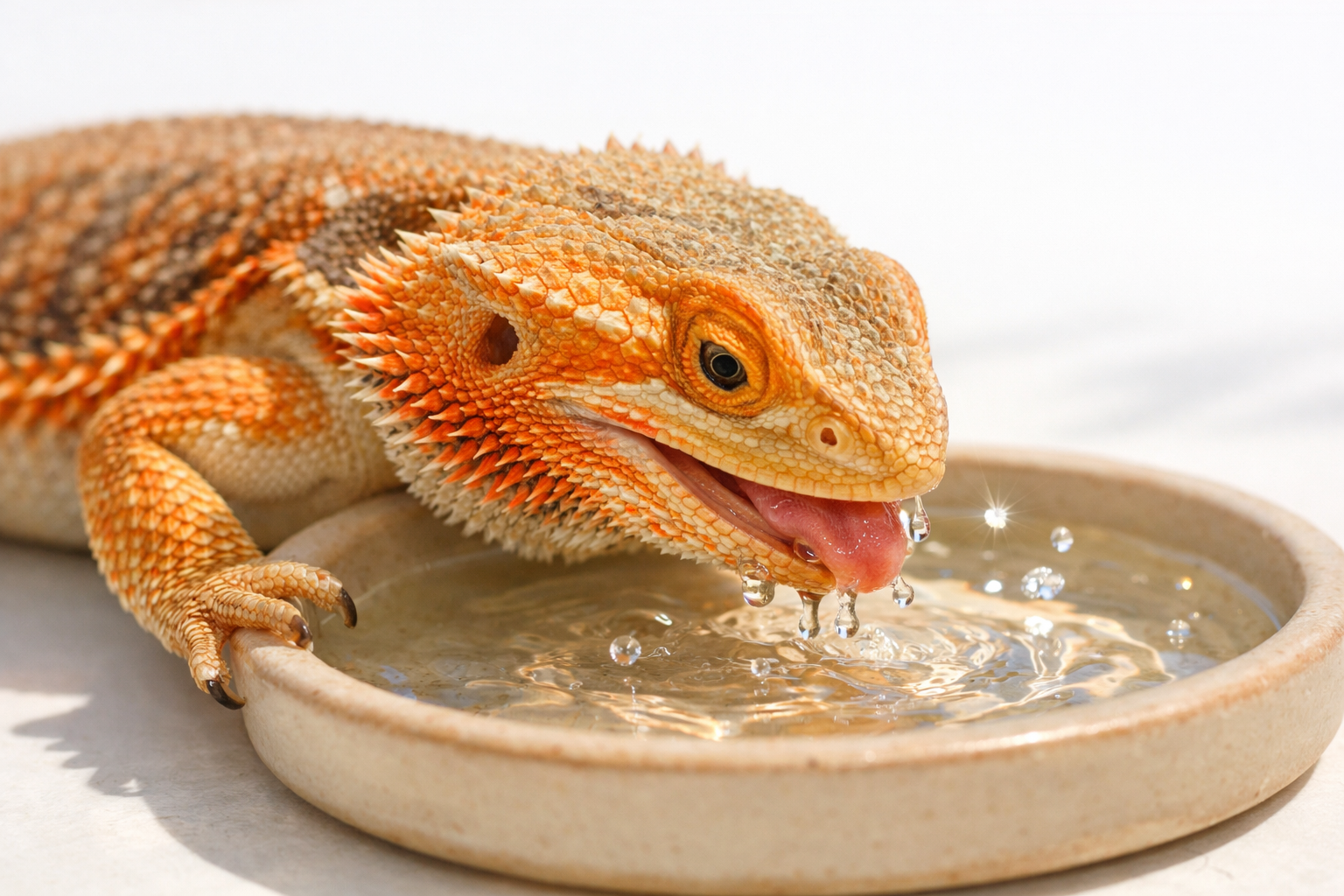
Bearded dragons often don’t drink from water bowls the way other pets do, which leaves many owners wondering if their dragon is getting enough hydration. To get a bearded dragon to drink, you can offer water through multiple methods including shallow water bowls, misting, soaking baths, syringe feeding, or providing water-rich foods like cucumber and bell peppers. Most bearded dragons prefer moving water or need to recognize water through different sensory cues than a static bowl provides.
Key Takeaways
- Bearded dragons may not recognize still water in bowls and often need alternative hydration methods like misting, soaking, or water-rich foods
- Signs of dehydration include sunken eyes, wrinkled skin, lethargy, and loss of appetite, requiring immediate attention
- Soaking your bearded dragon in lukewarm water (85-92°F) for 10-15 minutes, 2-3 times per week helps with hydration and shedding
- Baby bearded dragons need more frequent hydration than adults and should be misted daily
- Syringe feeding water should be done slowly (1-2 drops at a time) along the side of the mouth to prevent choking
- Most bearded dragons can survive 3 days without water, but chronic dehydration causes serious health problems
- Water-rich vegetables like cucumber, bell peppers, and watermelon can supplement hydration but shouldn’t replace direct water access
- If your bearded dragon shows severe dehydration symptoms or refuses water for more than 48 hours, consult a reptile veterinarian immediately

Important Note: Upon first use, please wait about 5 minutes for the internal cotton wick to fully absorb water. This ensures a smooth, consistent mist right from the start.
![MRREPTILE Reptile Fogger Humidifiers Mister, Misting System for Reptiles, Terrarium Fogger Humidifier, 2.8L Large Capacity Reptifogger [UPGRADE]](https://m.media-amazon.com/images/I/41gmTBxGFEL._SL500_.jpg)
【Mister for reptiles】Incl. turtle, chameleon, frog, bearded dragon, iguana, gecko, snake, tortoise, lizard, water dragon, rhinoceros beetle, red-eared slider, etc. Mister is a MUST for creating a humid habitat environment.
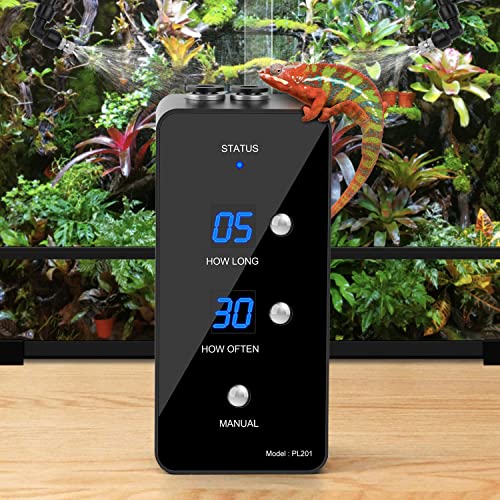
Note: This reptile mister does not come with a built-in water container. You will need to use an extra water bottle or bucket from home as your water reservoir. If your reptile enclosure does not have wire holes, you may need to drill holes in the mesh top.
What Are Signs of Dehydration in Bearded Dragons
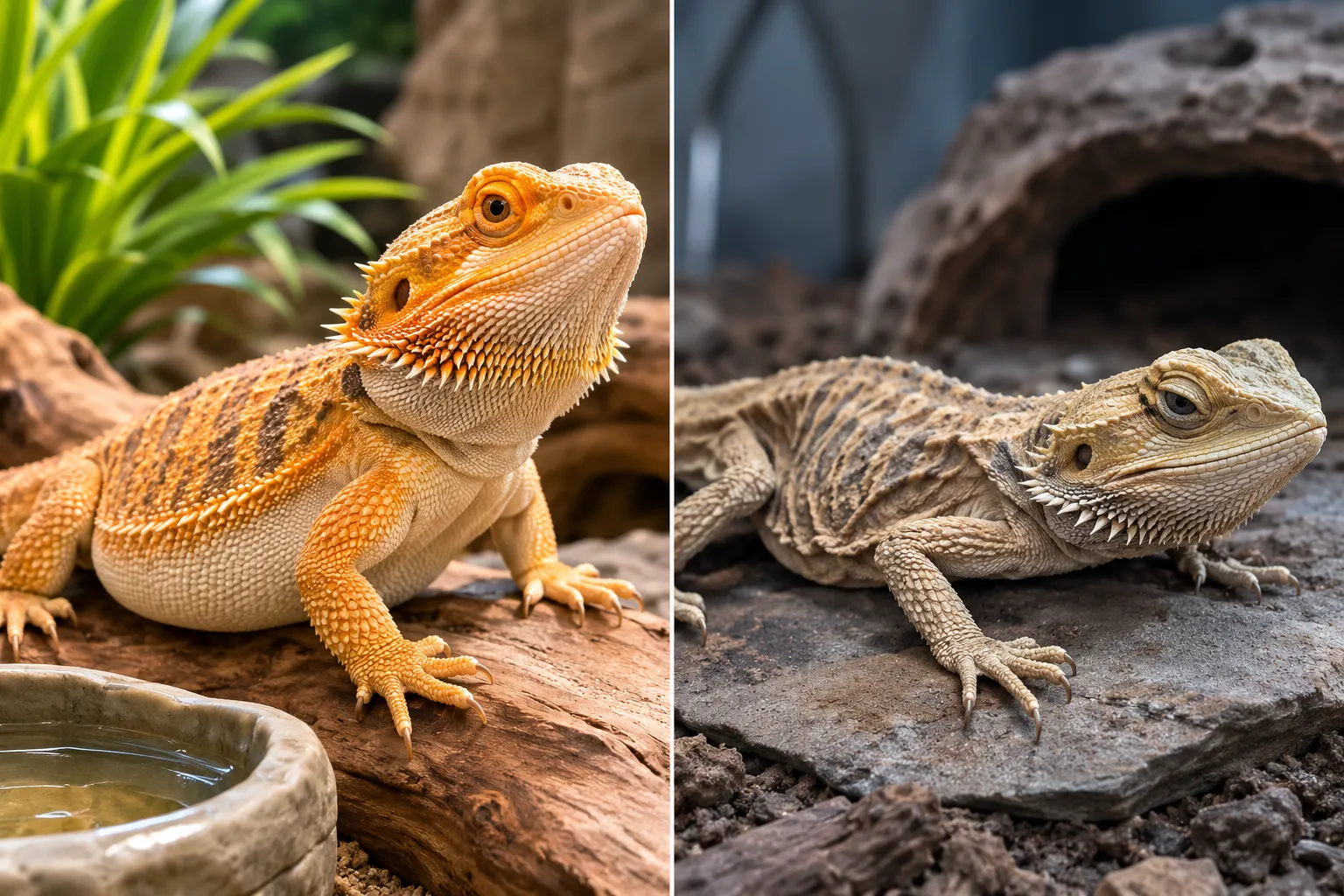
Dehydration in bearded dragons shows up through several physical and behavioral changes that become more pronounced as the condition worsens. The most reliable early signs include sunken eyes, wrinkled or loose skin (especially noticeable when gently pinched), and a lack of energy or appetite.
Physical indicators of dehydration:
- Sunken eyes – Eyes appear recessed into the skull rather than bright and alert
- Skin tenting – When you gently pinch the skin, it stays tented instead of snapping back immediately
- Wrinkled appearance – Skin looks loose and saggy, particularly around the legs and belly
- Dry, sticky mucous membranes – Inside the mouth appears tacky rather than moist
- Decreased urate production – Fewer or no white urates in droppings
Behavioral signs:
- Lethargy and reduced activity levels
- Loss of appetite or refusing food entirely
- Weakness when moving or climbing
- Spending excessive time in the cool zone of the tank
Common mistake: Many owners assume their bearded dragon is just being lazy or picky with food, when dehydration is actually the underlying cause. If you notice two or more of these signs together, address hydration immediately. Severe dehydration requires veterinary intervention, as it can lead to organ failure and death if left untreated.
How Often Do Bearded Dragons Need to Drink Water
Adult bearded dragons typically need access to water daily, though they may not drink every single day depending on their diet and humidity levels. Most healthy adults will drink 2-4 times per week when water is consistently available, while babies and juveniles need more frequent hydration, often daily.
The frequency depends on several factors:
Age-based water needs:
- Babies (0-6 months) – Daily misting and access to water; may drink daily
- Juveniles (6-18 months) – Water access daily; typically drink 3-5 times per week
- Adults (18+ months) – Water access daily; usually drink 2-4 times per week
Environmental factors that increase water needs:
- Higher basking temperatures (above 105°F) increase evaporation and water loss
- Low humidity (below 30%) causes faster dehydration
- Shedding periods require extra hydration
- Brumation preparation in fall months
Diet impact: Bearded dragons eating primarily dry insects and pellets need more direct water than those consuming water-rich vegetables like cucumber, bell peppers, or watermelon.
Choose daily water access if your dragon eats mostly insects and dry foods, or if your tank runs hot and dry. You can reduce active hydration efforts to 3-4 times weekly if you feed water-rich vegetables daily and maintain proper humidity.
Do Bearded Dragons Drink From a Water Bowl or Need a Different Method
Many bearded dragons don’t naturally recognize still water in a bowl as a drinking source because they evolved in arid environments where water typically appears as dew, rain, or moving streams. While some individuals will learn to drink from bowls, most owners need to use alternative methods or train their dragon to recognize bowl water.
Why water bowls often fail:
- Bearded dragons rely heavily on movement to identify water
- Still water doesn’t trigger their drinking instinct
- Poor eyesight for stationary objects at close range
- Natural behavior evolved around licking dew from surfaces
Making water bowls more effective:
- Use a shallow, wide dish (no deeper than your dragon’s chest) to prevent drowning risk
- Place the bowl in a visible, high-traffic area of the tank
- Create movement by dripping water into the bowl or using a small fountain
- Change water daily to keep it fresh and appealing
- Try different bowl colors, some dragons respond better to bright colors
When to use alternative methods: If your bearded dragon ignores the water bowl for more than 2-3 days, supplement with misting, soaking, or offering water via syringe. Baby bearded dragons almost always need alternative methods since they rarely drink from bowls on their own.
Training tip: Gently dip your dragon’s nose near the water surface (not submerged) when you first introduce a bowl. Some dragons will start licking and recognize it as a water source after a few attempts.
How to Get a Bearded Dragon to Drink Using Misting and Soaking
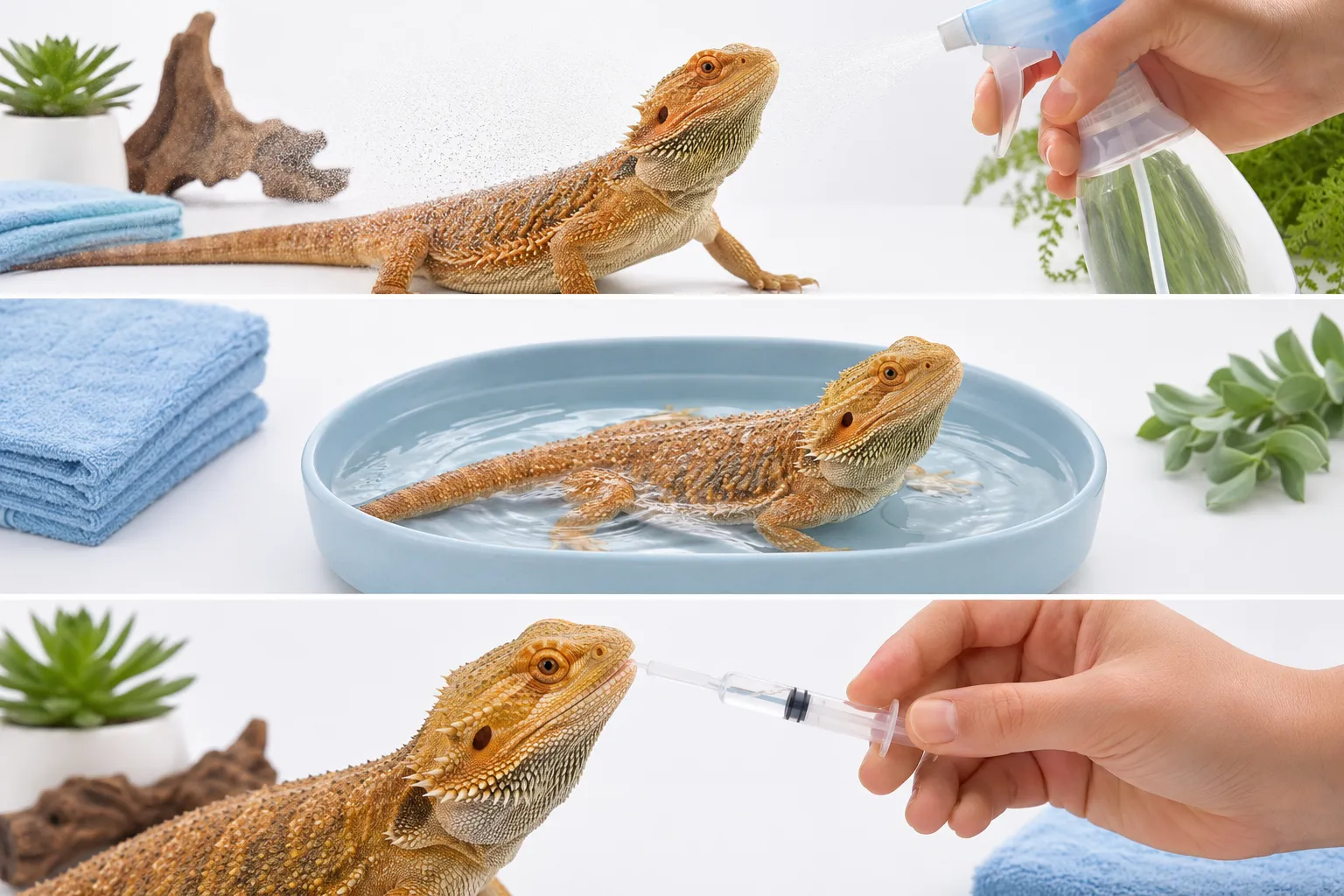
Misting and soaking are two of the most effective hydration methods for bearded dragons, with each serving different purposes. Misting mimics natural dew and encourages licking behavior, while soaking provides full-body hydration and helps with shedding.
Misting technique:
- Use a clean spray bottle filled with dechlorinated or filtered water
- Mist your dragon’s head, back, and the tank walls 1-2 times daily
- Spray in the morning to mimic natural dew patterns
- Watch for licking behavior, many dragons will lick droplets from their nose and body
- Avoid over-misting, which can create excessive humidity and respiratory issues
Best for: Daily hydration maintenance, baby bearded dragons, and dragons that refuse other methods.
Soaking technique:
- Fill a shallow container with lukewarm water (85-92°F), test with a thermometer
- Water depth should reach only to your dragon’s shoulders, never covering the head
- Place your dragon in the water and supervise the entire time
- Soak for 10-15 minutes, 2-3 times per week
- Many dragons will drink during soaking and will also defecate (change water if this happens)
Best for: Moderate to severe dehydration, shedding assistance, and weekly hydration maintenance.
Misting vs. soaking, which is better? Use misting for daily light hydration and to encourage natural drinking behavior. Choose soaking when your dragon shows signs of dehydration, is shedding, or hasn’t had adequate water intake for several days. Most owners use both methods as part of a complete bearded dragon care routine.
Common mistake: Using water that’s too cold causes stress and can lead to respiratory infections. Always test water temperature before misting or soaking, it should feel slightly warm to your touch but not hot.
How to Syringe Feed Water to a Bearded Dragon Safely
Syringe feeding water is a direct hydration method used when a bearded dragon refuses to drink through other means or shows signs of dehydration. This technique requires patience and proper execution to avoid choking or aspiration (water entering the lungs).
What you’ll need:
- 1ml or 3ml oral syringe (no needle) from a pharmacy or pet store
- Dechlorinated or filtered water at room temperature
- Towel for gentle restraint if needed
- Calm, quiet environment
Step-by-step safe syringe feeding:
- Prepare the syringe – Fill with clean water and remove any air bubbles by pressing the plunger until water appears at the tip
- Position your dragon – Hold gently but securely, supporting the body; you can wrap in a towel if the dragon is squirmy
- Approach from the side – Place the syringe tip at the corner of the mouth (not straight on, which can cause choking)
- Administer slowly – Give 1-2 drops at a time, waiting for your dragon to swallow between drops
- Watch for swallowing – Look for throat movement and tongue flicking; never force water faster than they can swallow
- Total amount – Give 0.5-1ml per feeding for babies, 1-3ml for juveniles, 3-5ml for adults
- Frequency – Repeat 2-3 times daily if the dragon is dehydrated and refusing other water sources
Critical safety rules:
- Never tilt the head back – This increases aspiration risk
- Stop if water comes out the nose – This means you’re going too fast
- Don’t force the mouth open – Wait for natural mouth opening or gently press the syringe against the side of the mouth until they open
- Watch for breathing issues – If your dragon gasps, coughs, or has labored breathing after syringe feeding, stop immediately and consult a vet
When to use this method: Syringe feeding is best for short-term situations like illness recovery, post-surgery care, or when a dragon hasn’t drunk water for 48+ hours despite other methods. It shouldn’t become the primary long-term hydration strategy, work on identifying why your dragon won’t drink naturally.
Can Bearded Dragons Get Enough Water From Their Food
Bearded dragons can obtain a significant portion of their hydration from water-rich foods, but most cannot meet 100% of their water needs through diet alone, especially in captive environments with low humidity. Food-based hydration works best as a supplement to direct water access rather than a complete replacement.
High-water-content foods for bearded dragons:
| Food | Water Content | Feeding Frequency |
|---|---|---|
| Cucumber | ~95% | 2-3 times per week |
| Bell peppers | ~92% | Daily (staple) |
| Watermelon | ~92% | Occasional treat |
| Zucchini | ~94% | 2-3 times per week |
| Butternut squash | ~86% | 2-3 times per week |
| Blueberries | ~84% | 1-2 times per week |
Vegetables that provide good hydration:
- Bell peppers (all colors)
- Cucumber (remove seeds for babies)
- Zucchini
- Butternut squash
- Celery (chopped finely)
Fruits for occasional hydration boost:
- Watermelon (seedless)
- Blueberries
- Grapes (cut in half)
Limitations of food-based hydration:
- Bearded dragons eating primarily insects get minimal water from their diet
- Captive environments are typically drier than natural habitats
- Individual water needs vary based on temperature, activity level, and health status
- Some dragons are picky eaters and won’t consume enough water-rich foods
Choose food-based hydration if: Your dragon readily eats vegetables, you maintain proper humidity (30-40%), and you offer water-rich options daily. Always provide a water bowl or alternative hydration method even when feeding high-water foods, as most bearded dragons need both sources to stay properly hydrated.
How Long Can a Bearded Dragon Go Without Drinking Water
A healthy adult bearded dragon can typically survive 3 days without drinking water, though this doesn’t mean it’s safe or healthy to withhold water for that long. Juveniles and babies have lower tolerance and may show dehydration symptoms within 24-48 hours without water.
Survival timeline by age:
- Babies (0-6 months) – 24-48 hours before serious dehydration risk
- Juveniles (6-18 months) – 2-3 days before critical dehydration
- Adults (18+ months) – 3-5 days survival, but health impacts begin after 2 days
Factors that shorten safe time without water:
- High basking temperatures (above 105°F) increase water loss through respiration
- Low humidity environments (below 25%)
- Active shedding periods
- Illness or stress
- Diet consisting primarily of dry insects without water-rich vegetables
Health impacts of water deprivation:
Even if a bearded dragon survives several days without water, the health consequences begin much sooner:
- Day 1-2: Decreased activity, reduced appetite
- Day 2-3: Visible dehydration signs (sunken eyes, skin tenting)
- Day 3-4: Organ stress, potential kidney damage
- Day 4+: Risk of organ failure, permanent damage, or death
When to worry: If your bearded dragon hasn’t drunk water or eaten water-rich foods for 48 hours, take action immediately. Don’t wait to see if they’ll drink on their own, begin misting, soaking, or syringe feeding, and monitor for dehydration symptoms.
Common scenario: Many owners notice their dragon hasn’t drunk from the bowl in several days and panic. Remember that you may not always see your dragon drink, and they may be getting hydration from food or drinking when you’re not watching. Look for dehydration signs rather than relying solely on observed drinking behavior.
What Temperature Should Water Be for Bearded Dragons
Water temperature for bearded dragons should be lukewarm, between 85-92°F (29-33°C), which matches their comfortable body temperature range. Water that’s too cold causes stress and can lead to respiratory infections, while water that’s too hot can burn sensitive skin or cause overheating.
Temperature guidelines by hydration method:
- Water bowls: Room temperature (70-75°F) is acceptable since dragons control their exposure
- Misting: Room temperature to slightly warm (70-80°F)
- Soaking baths: Lukewarm (85-92°F), always test with a thermometer
- Syringe feeding: Room temperature (70-75°F)
Why temperature matters:
Bearded dragons are ectothermic (cold-blooded) and cannot regulate their body temperature internally. Cold water causes their body temperature to drop rapidly, leading to:
- Stress and panic behavior
- Suppressed immune system
- Increased risk of respiratory infections
- Digestive problems if cold water is ingested
How to test water temperature:
- Use an aquarium thermometer – Most accurate method; let it sit in the water for 1-2 minutes
- Touch test – Water should feel slightly warm to your wrist (like baby bath water)
- Never guess – Temperature that feels “warm enough” to your hand may still be too cold for a bearded dragon
Seasonal adjustments: In winter months when room temperature drops, you may need to warm water slightly before offering it. In summer, room temperature water is usually sufficient for bowls and misting, but still warm water for soaking baths.
Common mistake: Using tap water straight from the cold tap for soaking. Always mix hot and cold water to reach the proper temperature, and test before placing your dragon in the bath. A sudden temperature shock can cause serious stress and health issues.
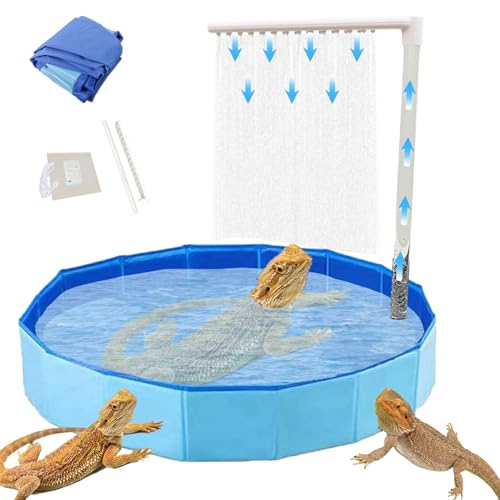
🌈 【Great Bearded Dragon Supplies】: Our Bearded Dragon Bath is foldable and comes with a 5V low-voltage pump for silent, continuous, and stable operation. The faucet, with 26 outlets, ensures uniform water distribution and a gentle flow, providing a comfortable bathing and play experience for bearded dragons, lizards, and other reptiles.

Automatic Water Circulation with 26-Hole Rain Shower: This electric bearded dragon water fountain features a quiet 5V low-voltage pump that keeps water circulating continuously. The 26-hole shower head delivers a gentle, even rainfall-like flow, creating a comfortable bathing experience for bearded dragons, lizards, turtles, snakes, and other small reptiles.

Fun and Comfortable Bathing Experience: This mini bathing tub is designed specifically for small reptiles, providing a comfortable space for soaking and gentle water play. Its playful tub shape encourages natural behaviors like cooling off and water relaxation
Do Baby Bearded Dragons Drink Water Differently Than Adults
Baby bearded dragons have significantly different hydration needs and behaviors compared to adults, requiring more frequent water access and almost always needing alternative hydration methods beyond water bowls. Babies rarely recognize still water in bowls and depend heavily on misting and water-rich foods.
Key differences in baby hydration:
Frequency:
- Babies need daily hydration through misting or soaking
- Adults can go 2-3 days between active hydration sessions
- Babies dehydrate much faster due to higher metabolism and smaller body mass
Methods that work best for babies:
- Daily misting (1-2 times per day) – Most effective primary method
- Light soaking (2-3 times per week for 5-10 minutes)
- Water-rich foods – Finely chopped cucumber, bell peppers
- Syringe feeding – Only if other methods fail; use 0.5ml or less per session
Methods that rarely work for babies:
- Water bowls (babies almost never drink from them)
- Drippers (babies don’t recognize the water source)
- Infrequent soaking (babies need consistent daily hydration)
Why babies need different approaches:
- Size – Tiny bodies lose moisture faster through respiration and skin
- Development – Still learning to recognize water sources
- Activity level – Higher energy expenditure requires more hydration
- Growth demands – Rapid growth increases water needs for cell development
Transitioning to adult hydration methods:
Around 6-12 months of age, you can gradually reduce misting frequency and introduce a water bowl. Watch for these signs that your juvenile is ready:
- Actively exploring the tank and investigating objects
- Eating a variety of foods independently
- Showing interest in or licking the water bowl
- Maintaining healthy hydration without daily misting
Critical safety note for babies: Never soak baby bearded dragons in water deeper than their chest, and never leave them unattended. Babies can drown in very shallow water if they panic or flip over.
Common Mistakes When Trying to Hydrate a Bearded Dragon
Many well-intentioned owners make hydration errors that can stress their bearded dragon or even worsen dehydration. Understanding these common mistakes helps you avoid them and establish effective hydration routines.
Mistake 1: Using a water bowl that’s too deep
Deep water bowls pose a drowning risk, especially for babies and juveniles. Bearded dragons are not strong swimmers and can panic in deep water.
Solution: Use a shallow dish no deeper than your dragon’s chest (about 1 inch for adults, less for babies).
Mistake 2: Forcing water too quickly during syringe feeding
Administering water faster than your dragon can swallow causes choking and aspiration (water in the lungs), which can be fatal.
Solution: Give only 1-2 drops at a time, waiting for visible swallowing between drops. If water comes out the nose, you’re going too fast.
Mistake 3: Over-misting the enclosure
Excessive misting raises humidity too high (above 60%), creating conditions for respiratory infections and bacterial growth.
Solution: Mist 1-2 times daily maximum, focusing on the dragon rather than saturating the entire tank. Maintain humidity between 30-40%.
Mistake 4: Using cold water for soaking
Cold water causes temperature shock, stress, and can trigger respiratory infections.
Solution: Always use lukewarm water (85-92°F) and test with a thermometer before soaking.
Mistake 5: Assuming the dragon is drinking from the bowl
Many owners provide a water bowl and assume their dragon is drinking, when in reality the dragon doesn’t recognize it as water.
Solution: Monitor for dehydration signs regardless of water bowl presence. If you never see your dragon drink and notice dehydration symptoms, add alternative hydration methods.
Mistake 6: Relying solely on food for hydration
While water-rich vegetables help, most bearded dragons cannot meet all hydration needs through food alone, especially in dry captive environments.
Solution: Offer water-rich foods as a supplement, not a replacement for direct water access through bowls, misting, or soaking.
Mistake 7: Inconsistent hydration routine
Providing water sporadically or only when you remember creates chronic low-level dehydration that impacts overall health and lifespan.
Solution: Establish a daily routine, check water bowl daily, mist in the morning, and soak 2-3 times per week. Consistency is key.
Mistake 8: Ignoring early dehydration signs
Waiting until dehydration is severe before taking action makes recovery harder and increases health risks.
Solution: Act immediately when you notice sunken eyes, skin tenting, or lethargy. Don’t wait to see if it gets worse.
Bearded Dragon Won’t Drink Water, What Should You Do
When a bearded dragon refuses to drink water despite your efforts, it’s important to systematically troubleshoot the cause and try multiple hydration strategies. A refusal to drink can indicate environmental issues, health problems, or simply that your dragon doesn’t recognize the water source.
Immediate actions to take:
Step 1: Check for dehydration signs
- Examine eyes (sunken or normal?)
- Test skin elasticity (pinch gently, does it snap back?)
- Assess energy level and appetite
- Check urate color (should be white, not yellow or orange)
Step 2: Try multiple hydration methods in this order:
- Mist the dragon directly – Spray water on their head and nose; watch for licking
- Offer a soaking bath – 10-15 minutes in lukewarm water (85-92°F)
- Provide water-rich foods – Offer cucumber, bell peppers, or watermelon
- Syringe feed water – If other methods fail and dehydration signs are present
Step 3: Evaluate environmental factors
- Temperature check: Is the basking spot too hot (above 110°F)? This can cause stress and appetite loss
- Humidity level: Is humidity below 30%? This increases dehydration risk
- Water bowl placement: Is it in a visible, accessible location?
- Water freshness: Change water daily, stale water is unappealing
Step 4: Consider health issues
If your dragon refuses water for 48+ hours and shows these additional symptoms, a health problem may be the cause:
- Lethargy or weakness
- Loss of appetite for food as well as water
- Unusual sleeping patterns
- Strange behaviors like glass surfing
- Visible illness signs (mucus, swelling, discoloration)
When to see a vet: If your bearded dragon refuses all hydration methods for 48 hours, shows moderate to severe dehydration signs, or displays other illness symptoms, consult a reptile veterinarian immediately. Dehydration can progress to organ failure quickly, especially in babies and juveniles.
Temporary solutions while waiting for a vet appointment:
- Continue offering soaking baths 2-3 times daily
- Syringe feed small amounts of water (1-2ml) every 4-6 hours
- Reduce basking temperature slightly to minimize water loss
- Increase humidity to 40-45% temporarily
Is It Normal for a Bearded Dragon to Drink Too Much Water
Excessive water drinking in bearded dragons is uncommon and usually indicates an underlying health problem rather than normal behavior. While occasional increased drinking during hot weather or shedding is normal, consistently drinking large amounts of water warrants investigation.
What counts as “too much” water:
- Drinking multiple times per day, every day
- Spending extended periods at the water bowl
- Drinking to the point of visible belly distension
- Increased urination with clear, watery urates
Potential causes of excessive drinking:
1. Kidney disease or failure
- Most common serious cause
- Often accompanied by weight loss and lethargy
- Requires veterinary diagnosis and treatment
2. Diabetes (rare in bearded dragons)
- Causes increased thirst and urination
- Usually seen in overweight or elderly dragons
- Needs blood glucose testing by a vet
3. Environmental factors
- Tank too hot (basking spot above 110°F)
- Humidity too low (below 25%)
- Recent change in diet to saltier foods
4. Parasites
- Internal parasites can cause increased thirst
- Often accompanied by diarrhea or weight loss
- Requires fecal testing and treatment
5. Medication side effects
- Some medications increase thirst
- Check with your vet if your dragon is on any medications
Normal increased drinking situations:
- During shedding – Increased water intake helps with the shedding process
- After brumation – Dragons often drink heavily when emerging from brumation
- Hot summer months – Slightly increased drinking is normal if temperatures rise
- After eating salty foods – Occasional increased drinking after treats
When to worry: If your bearded dragon suddenly starts drinking significantly more than usual and the behavior continues for more than 3-4 days, schedule a veterinary appointment. Bring a fresh fecal sample and be prepared to describe any other behavioral or physical changes you’ve noticed.
What to monitor: Keep a simple log for 3-5 days noting how often your dragon drinks, how much they eat, energy levels, and bathroom habits. This information helps your vet diagnose the issue more quickly.
When to Take a Dehydrated Bearded Dragon to the Vet
Knowing when dehydration requires professional veterinary care versus home treatment can be the difference between a quick recovery and serious health complications. Some dehydration cases need immediate medical intervention, while others respond well to home hydration efforts.
Seek immediate veterinary care if:
Severe dehydration symptoms:
- Eyes deeply sunken into the skull
- Skin stays tented for more than 2-3 seconds when pinched
- Complete lethargy (won’t move even when handled)
- Unresponsive or limp
- Hasn’t urinated or defecated in 4+ days
Additional concerning symptoms:
- Seizures or tremors
- Labored breathing or gasping
- Mucus around nose or mouth
- Refusal of all food and water for 3+ days
- Sudden weight loss (more than 10% of body weight)
For babies and juveniles:
- Any moderate dehydration signs lasting more than 24 hours
- Refusal to eat or drink for 48 hours
- Visible weakness or inability to support their own weight
Schedule a vet appointment within 24-48 hours if:
- Mild to moderate dehydration signs persist despite home hydration efforts for 2-3 days
- Your dragon drinks water but dehydration symptoms don’t improve
- Decreased appetite along with dehydration
- Behavioral changes (hiding constantly, aggression, lethargy)
- You’re unsure how to properly hydrate your dragon and need guidance
Home treatment is appropriate when:
- Dehydration signs are mild (slightly sunken eyes, minor skin tenting)
- Your dragon responds to soaking or misting by drinking
- Energy levels and appetite remain relatively normal
- You can successfully syringe feed water if needed
- Symptoms improve within 24-48 hours of home hydration efforts
What to bring to the vet:
- Recent history – When you first noticed symptoms, what hydration methods you’ve tried
- Fecal sample – Fresh sample from the last 24 hours if possible
- Diet log – What your dragon has eaten in the past week
- Tank parameters – Temperature readings, humidity levels, lighting schedule
- Photos or video – Document symptoms if possible
What the vet may do:
- Physical examination and weight check
- Subcutaneous or intravenous fluid therapy
- Blood tests to check organ function
- Fecal testing for parasites
- X-rays if impaction or other issues are suspected
Cost consideration: Emergency vet visits for dehydration typically cost $100-300 for the initial visit and basic treatment, with additional costs for testing and medications. While this seems expensive, treating severe dehydration at home without proper knowledge can lead to death or permanent organ damage, which is far more costly emotionally and financially.
Prevention is cheaper than treatment: Establishing consistent hydration routines and monitoring for early dehydration signs prevents most emergency situations. Regular wellness checks with a reptile vet (annually for healthy adults, every 6 months for babies) catch problems before they become emergencies.
FAQ
How do I know if my bearded dragon is drinking enough water?
A well-hydrated bearded dragon has bright, alert eyes that aren’t sunken, skin that snaps back immediately when gently pinched, consistent energy levels, and regular white urates in their droppings. You should also see normal appetite and active behavior during their wake hours.
Can I use tap water for my bearded dragon?
Tap water is generally safe if your municipal water is treated and tested, but it’s best to let it sit for 24 hours to allow chlorine to evaporate, or use a dechlorinator product. Avoid tap water if your area has high levels of heavy metals or if you use well water without testing it first.
Why does my bearded dragon only drink during baths?
Many bearded dragons only recognize water as drinkable when they’re partially submerged because it mimics natural water sources like puddles or streams. The warmth and sensation of soaking also relaxes them and triggers drinking behavior. This is completely normal and why regular soaking is an important hydration method.
Should I add anything to my bearded dragon’s water?
Plain, clean water is best for daily hydration. Don’t add vitamins, electrolytes, or supplements to drinking water unless specifically directed by a reptile veterinarian for a medical condition. Added substances can make water taste unappealing and discourage drinking.
How much water should a bearded dragon drink per day?
There’s no exact amount since it varies by size, age, diet, and environment, but a healthy adult typically drinks 5-10ml of water per day through various sources (direct drinking, food, misting). Babies may drink 2-5ml daily. Focus on hydration signs rather than measuring exact intake.
Can bearded dragons drink distilled water?
Distilled water is safe occasionally but shouldn’t be the only water source long-term because it lacks beneficial minerals. Filtered or dechlorinated tap water is better for regular use. If you must use distilled water, consider adding a reptile-safe mineral supplement to their diet.
Why is my bearded dragon suddenly drinking a lot of water?
Sudden increased drinking can indicate kidney problems, diabetes, parasites, or environmental issues like excessive heat. If the behavior continues for more than 3-4 days or is accompanied by other symptoms like lethargy or weight loss, consult a reptile veterinarian for diagnosis.
Do bearded dragons drink water at night?
Bearded dragons are diurnal (active during the day) and typically don’t drink at night when they’re sleeping. If you notice your dragon is active and drinking at night, it may indicate stress, improper temperatures, or illness that’s disrupting their normal sleep cycle.
How long should I soak my bearded dragon?
Soak adult bearded dragons for 10-15 minutes in lukewarm water (85-92°F) that reaches shoulder height. Baby bearded dragons should soak for only 5-10 minutes in shallower water. Always supervise the entire soaking session and never leave your dragon unattended.
Can I mist my bearded dragon too much?
Yes, excessive misting raises humidity above 60% and creates conditions for respiratory infections, scale rot, and bacterial growth. Mist 1-2 times daily maximum, focusing on the dragon rather than saturating the entire enclosure. Maintain overall humidity between 30-40% for optimal health.
What’s the best water bowl for a bearded dragon?
Choose a shallow, heavy ceramic or stone bowl that’s wide enough for your dragon to fit comfortably but no deeper than chest height (about 1 inch for adults). Heavy bowls prevent tipping, and light-colored bowls make water more visible. Clean and refill daily.
Should I give my bearded dragon ice water on hot days?
Never give ice-cold water to bearded dragons. Cold water causes temperature shock and stress. If you want to help your dragon cool down on hot days, offer room temperature water and ensure they have access to a cool zone in their tank (75-85°F) away from the basking spot.
Conclusion
Getting a bearded dragon to drink water requires understanding their unique hydration needs and natural behaviors. Most bearded dragons don’t instinctively drink from water bowls like other pets, so successful hydration often means using multiple methods: daily misting, regular soaking baths, offering water-rich vegetables like bell peppers and cucumber, and occasionally syringe feeding when necessary.
Your action plan for proper bearded dragon hydration:
- Provide daily water access through a shallow bowl, even if your dragon doesn’t seem to use it
- Mist 1-2 times daily to encourage natural licking behavior, especially for baby bearded dragons
- Soak 2-3 times per week in lukewarm water (85-92°F) for 10-15 minutes
- Monitor for dehydration signs including sunken eyes, skin tenting, and lethargy
- Offer water-rich foods as part of a balanced diet to supplement hydration
- Maintain proper tank conditions with appropriate temperatures and 30-40% humidity
- Act quickly if dehydration symptoms appear, don’t wait to see if they worsen
Remember that hydration needs vary by age, with baby bearded dragons requiring daily attention and adults needing less frequent but consistent hydration opportunities. Establish a routine that works for your dragon’s individual preferences and stick with it.
If your bearded dragon shows signs of dehydration despite your best efforts, or refuses all hydration methods for more than 48 hours, consult a reptile veterinarian immediately. Early intervention prevents serious health complications and ensures your bearded dragon stays healthy and thriving for their full lifespan.
Proper hydration is one of the most important aspects of bearded dragon care, directly impacting digestion, shedding, organ function, and overall quality of life. With patience and the right techniques, you can ensure your bearded dragon gets the water they need to stay healthy and active.

🌿【 Natural Realistic Rock Waterfall Habitat】: Give your reptile a habitat that feels alive. This block rock-style waterfall recreates the look and sound of a natural stream, triggering your reptile’s instinct to explore, drink, and stay active. The The repilte water fountain is not just a water source or a food feeder—it's a lifelike landscape feature that instantly upgrades the entire enclosure.

Foldable Design for Easy Storage: The flexible structure allows the tub to fold easily for convenient storage. It expands to 19.7 x 3.2 in and folds down to 5.5 x 5.9 x 3.5 in, helping save space when not in use. Suitable for regular bathing and care for reptiles, birds, and other small pets.

MYGIIKAKA chameleon reptile water drinking fountain has the characteristics of low noise, energy saving and environmental protection. The automatic circulation system creates living water for your lizards and other crawling pets, attracting lizards to drink actively. Comes with feeding trough.