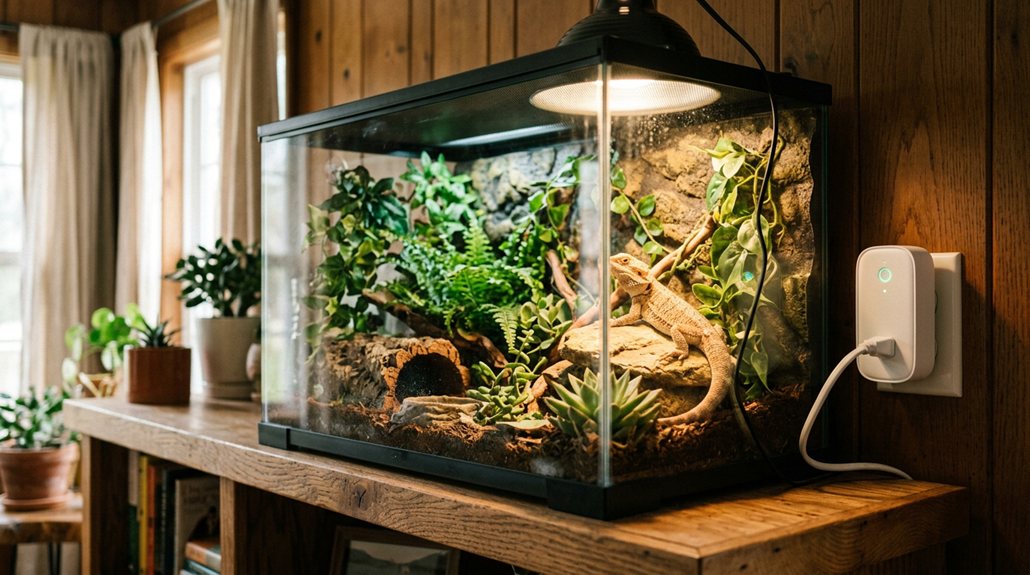
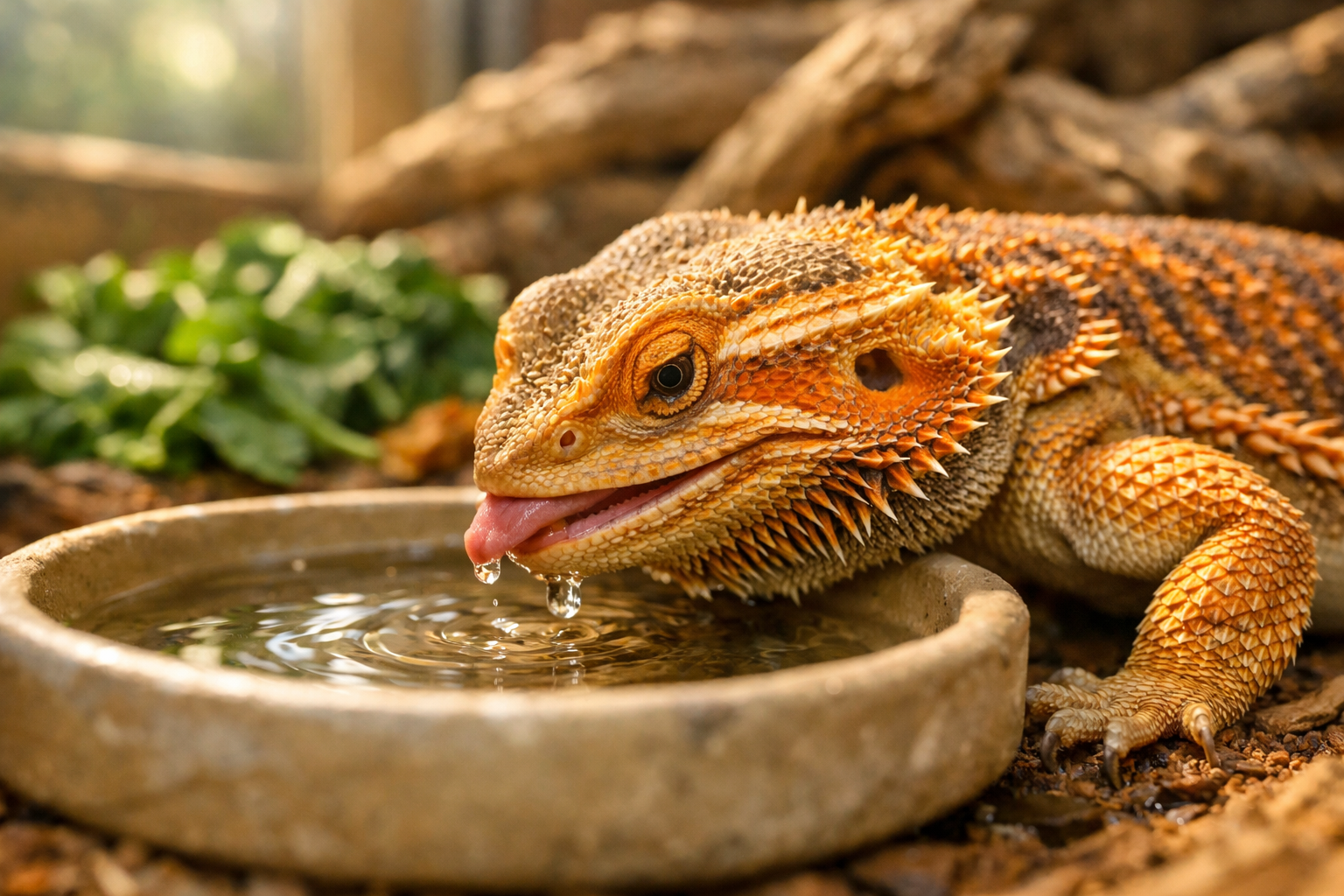
Quick Answer: Yes, bearded dragons do drink water, but not as frequently or obviously as many other pets. They obtain hydration through multiple sources including direct drinking, moisture from vegetables and insects, and absorption during baths. Most healthy adult bearded dragons drink water every few days, though frequency varies based on diet, temperature, and individual needs.
Key Takeaways
- Bearded dragons drink water but often infrequently, sometimes going several days between drinks
- They hydrate through multiple methods: drinking from bowls, absorbing water during baths, and consuming moisture-rich foods
- Baby bearded dragons need more frequent hydration than adults and may require misting or dropper feeding
- Signs of dehydration include sunken eyes, wrinkled skin, lethargy, and loss of appetite
- Tap water is generally safe, but quality varies by location; filtered or dechlorinated water is safest
- A shallow water bowl should always be available, even if your dragon rarely uses it
- Many bearded dragons need to be taught to recognize their water bowl as a drinking source


Available in assorted colors

AESTHETIC & FUNCTIONAL: Designed to meet the feeding and drinking needs of small pets, including turtles, lizards, snakes, and more. Available in multiple colors to add a subtle decorative touch to your terrarium
How Often Do Bearded Dragons Need to Drink Water?
Adult bearded dragons typically drink water every 2-4 days, though some may drink daily while others go up to a week between drinks. The frequency depends on several factors including diet composition, enclosure temperature, humidity levels, and the individual dragon’s metabolism.
Factors that increase water needs:
- High-protein diets with lots of insects require more hydration
- Warmer basking temperatures (above 100°F) increase water loss
- Low humidity environments (below 30%) cause faster dehydration
- Active, growing juveniles need more frequent hydration
- Shedding periods increase hydration requirements
What’s normal for different life stages:
- Hatchlings (0-3 months): Daily hydration through misting, baths, or dropper feeding
- Juveniles (3-12 months): Every 1-2 days, often requiring encouragement
- Adults (12+ months): Every 2-4 days, sometimes longer if eating moisture-rich vegetables
Choose daily misting or baths if your dragon consistently refuses to drink from a bowl, especially during the first year of life. Many keepers find that offering water during morning basking time increases drinking behavior.
Do Bearded Dragons Drink from a Water Bowl or Need a Different Method?
Bearded dragons can drink from water bowls, but many don’t recognize still water as a drinking source without training. In their native Australian habitat, they primarily drink from dew, rain droplets, and moisture on plants, which explains why some dragons ignore bowls entirely.
Water bowl best practices:
- Use a shallow dish (no more than 1-2 inches deep) to prevent drowning risk
- Place the bowl on the cool side of the enclosure, away from basking spots
- Change water daily to prevent bacterial growth
- Choose a heavy ceramic or stone bowl that won’t tip easily
- Position it where your dragon can easily access it without climbing
Alternative hydration methods:
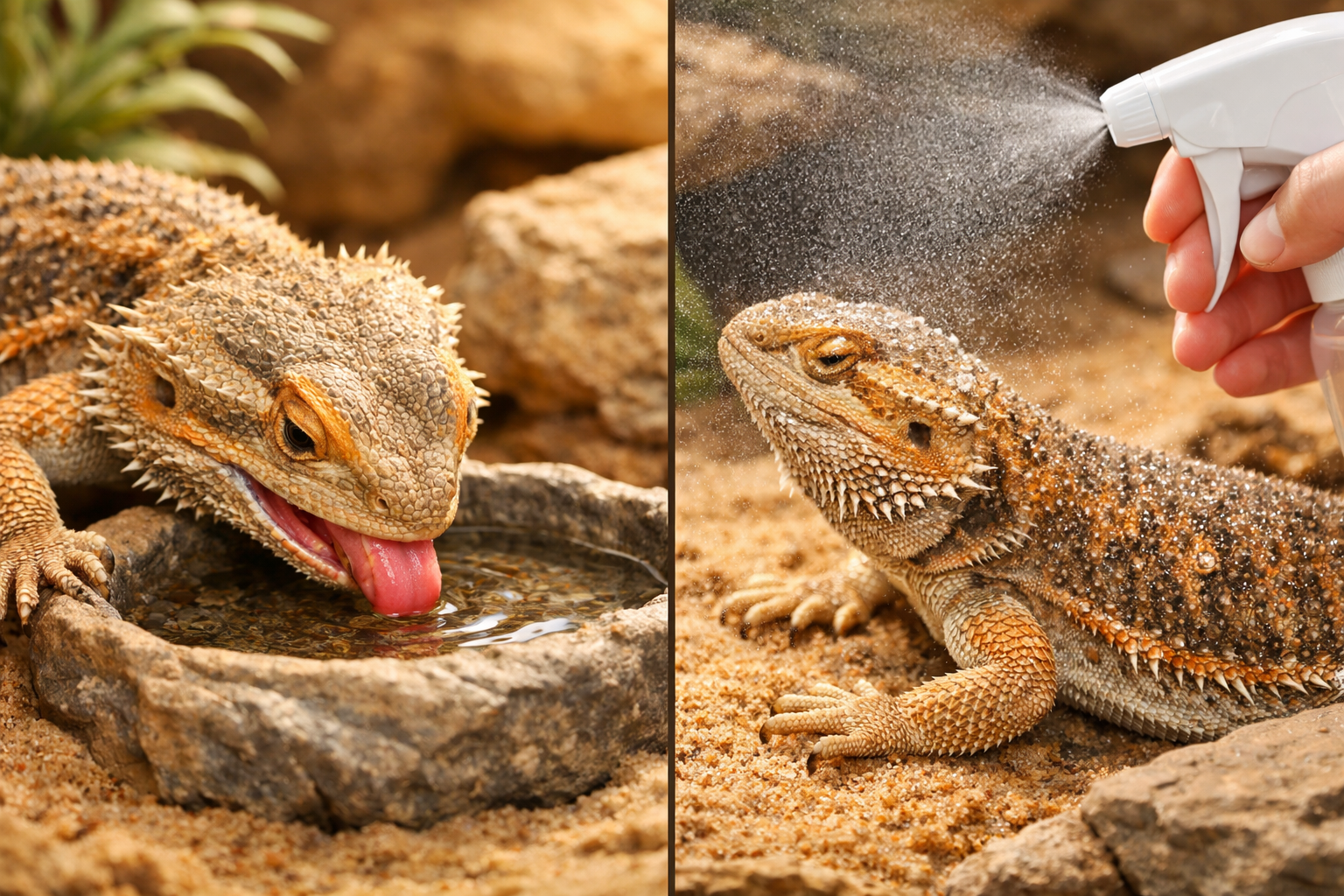
- Misting: Spray water directly on your dragon’s snout or on surfaces they can lick
- Dropper feeding: Use a syringe (without needle) to place water drops on their nose
- Bath time: 10-15 minute soaks in lukewarm water 2-3 times weekly
- Moving water: Some dragons respond better to dripping water or small fountains
Common mistake: Placing the water bowl under the basking light causes rapid evaporation and can make the water too warm for drinking. Always position water sources in cooler areas of the enclosure.
Signs of Dehydration in Bearded Dragons
Dehydration in bearded dragons shows through several physical and behavioral changes. The most reliable indicator is the skin tent test: gently pinch the skin on their back; if it stays tented or returns slowly, dehydration is likely.
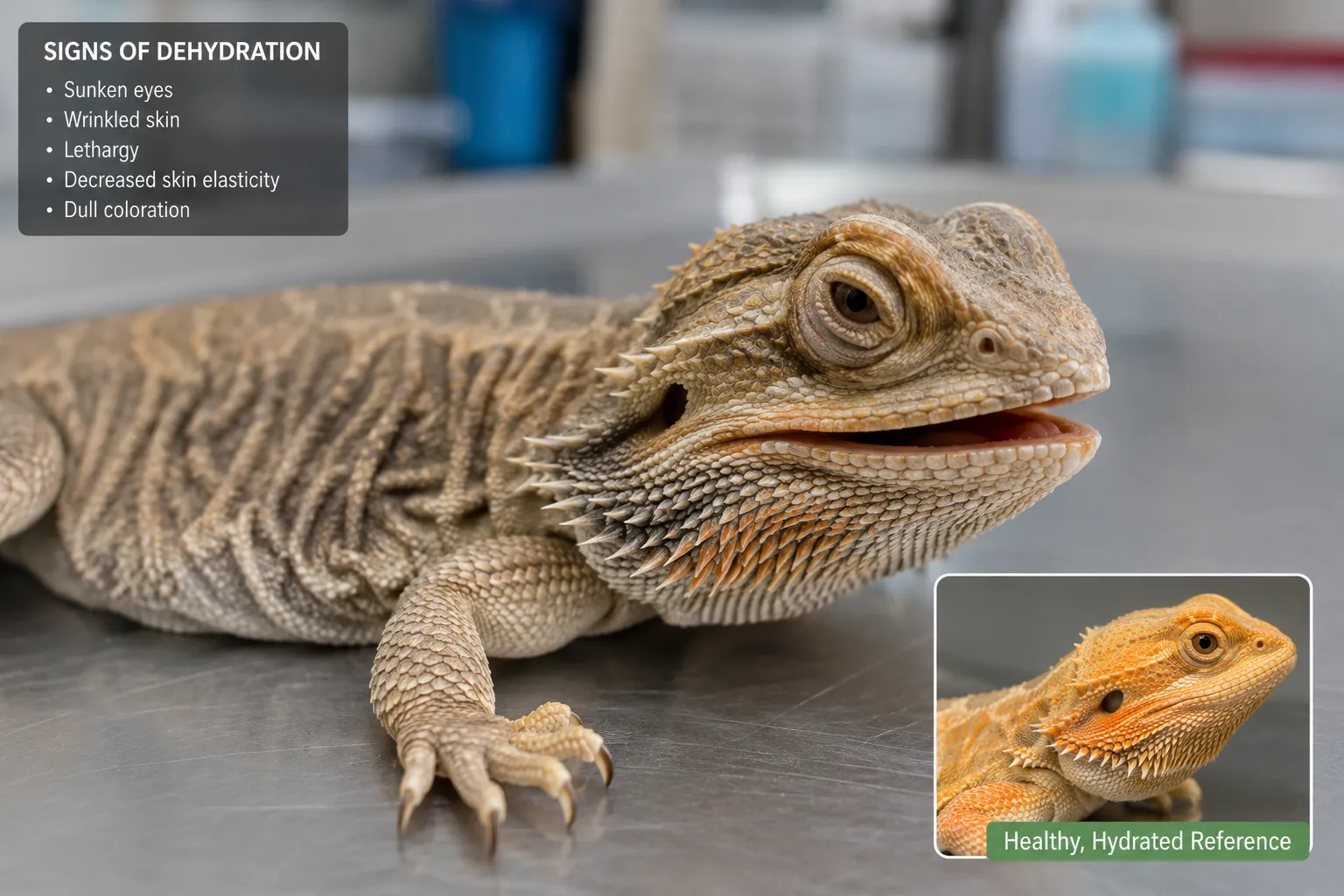
Physical signs of dehydration:
- Sunken eyes: Eyes appear recessed into the skull
- Wrinkled skin: Loose, saggy skin especially along the sides
- Sticky mucous membranes: Inside of mouth feels tacky rather than moist
- Skin elasticity loss: Skin doesn’t snap back quickly when pinched
- Sunken fat pads: Hollows visible on top of the head
Behavioral indicators:
- Lethargy and reduced activity levels
- Loss of appetite or refusing food
- Infrequent or absent bowel movements
- Excessive sleeping outside normal rest periods
- Difficulty shedding or retained shed patches
If you notice multiple dehydration signs, offer immediate hydration through a 20-minute lukewarm bath and contact a reptile veterinarian. Severe dehydration can lead to organ failure and requires professional treatment. For general bearded dragon care guidance, monitor hydration as part of your daily health checks.
My Bearded Dragon Won’t Drink Water: What Should I Do?
If your bearded dragon refuses to drink from their bowl, don’t panic, this is extremely common and doesn’t always indicate a problem. Many dragons simply don’t recognize still water as drinkable or prefer alternative hydration methods.
Immediate steps to encourage drinking:
- Try movement: Gently wiggle your finger in the water bowl to create ripples
- Offer droplets: Place a water drop on their snout; many will lick it instinctively
- Increase vegetables: Offer water-rich foods like cucumber, bell peppers, or zucchini
- Schedule baths: Give 10-15 minute lukewarm baths 3 times weekly
- Change bowl location: Some dragons prefer drinking in different enclosure areas
Training your dragon to drink:
- Place them near the bowl during active morning hours
- Gently tap the water surface to create movement
- Reward drinking behavior with a favorite treat immediately after
- Be patient; some dragons take weeks to learn bowl drinking
When to worry: If your dragon shows dehydration signs (sunken eyes, wrinkled skin, lethargy) AND refuses all hydration methods for more than 3-4 days, consult a reptile veterinarian. Underlying health issues like parasites, impaction, or metabolic bone disease can suppress drinking behavior.
Choose dropper feeding as a temporary solution if your dragon is clearly dehydrated but won’t drink voluntarily. Use a needleless syringe to place small water drops on their snout every few hours until they show improvement.
Can Bearded Dragons Absorb Water Through Their Skin When Bathing?
Yes, bearded dragons can absorb some water through their skin and cloaca (the opening used for waste elimination) during baths, though this isn’t their primary hydration method. Most hydration during bath time actually comes from drinking the bath water, not absorption.
How bath hydration works:
- The cloaca can absorb water directly into the body
- Skin absorption is minimal but does occur, especially in dehydrated dragons
- Most dragons drink bath water through their mouths during soaking
- The warm water stimulates bowel movements, which aids overall health
Proper bathing technique for hydration:
- Use lukewarm water (85-92°F) tested with your wrist
- Fill to belly depth, water should reach their shoulders but not cover their head
- Soak for 10-15 minutes, 2-3 times weekly
- Supervise constantly to prevent drowning
- Gently splash water on their back to encourage drinking
Bath frequency by age:
- Hatchlings: 4-5 times weekly for hydration support
- Juveniles: 3-4 times weekly during growth periods
- Adults: 2-3 times weekly, or more during shedding
Common mistake: Using water that’s too hot or too cold causes stress and discourages drinking. Always test temperature before placing your dragon in the bath. Some keepers find that adding a few drops of reptile electrolyte solution to bath water helps rehydrate sick or stressed dragons, but consult a vet before using supplements.
How Much Water Does a Bearded Dragon Need Per Day?
Bearded dragons don’t have a fixed daily water requirement like mammals do. Their hydration needs depend on size, age, diet, and environmental conditions. A healthy adult typically needs the equivalent of 10-30 milliliters of water every few days, obtained through multiple sources.
Hydration by life stage:
- Hatchlings (0-3 months): 2-5 ml daily from misting, baths, and food
- Juveniles (3-12 months): 5-15 ml daily from various sources
- Adults (12+ months): 10-30 ml every 2-4 days, depending on diet
Hydration sources and their contribution:
| Source | Approximate Daily Contribution |
|---|---|
| Direct drinking | 5-20 ml (when they drink) |
| Leafy greens | 3-8 ml per serving |
| Vegetables | 5-10 ml per serving |
| Insects | 1-3 ml per feeding |
| Bath absorption | 2-5 ml per bath |
Factors that increase water needs:
- Diets high in dry insects like mealworms require more supplemental water
- Basking temperatures above 105°F increase evaporative water loss
- Low humidity (below 30%) accelerates dehydration
- Illness, stress, or parasites increase hydration requirements
- Egg-laying females need significantly more water
Choose a diet rich in moisture-containing vegetables if your dragon rarely drinks directly. Offering cucumber, watermelon (occasionally), and leafy greens can provide substantial hydration without forcing drinking behavior.
Water Bowl vs Misting vs Dropper for Bearded Dragons
Each hydration method has specific advantages and works best in different situations. Most experienced keepers use a combination approach rather than relying on a single method.
Water bowl (primary method for adults):
Pros:
- Always available for self-regulated drinking
- Mimics natural water sources once recognized
- Increases enclosure humidity slightly
- Low maintenance after initial training
Cons:
- Many dragons don’t recognize still water
- Can harbor bacteria if not changed daily
- Risk of drowning for very young dragons
- May increase humidity too much in some setups
Misting (best for juveniles and reluctant drinkers):
Pros:
- Mimics natural dew and rain
- Most dragons instinctively lick droplets
- Helps with shedding
- Good for dragons that ignore bowls
Cons:
- Time-consuming (requires 2-3 daily sessions)
- Can spike humidity too high if overdone
- Doesn’t teach bowl drinking
- Water evaporates quickly under basking lights
Dropper/syringe feeding (emergency or medical use):
Pros:
- Ensures precise hydration amounts
- Essential for sick or dehydrated dragons
- Works when other methods fail
- Allows medication administration
Cons:
- Stressful for the dragon if done frequently
- Risk of aspiration if done incorrectly
- Doesn’t encourage natural drinking behavior
- Requires restraint and handling
Recommended approach by age:
- 0-3 months: Daily misting + shallow bowl + 4-5 weekly baths
- 3-12 months: Shallow bowl + 2-3 weekly baths + occasional misting
- 12+ months: Shallow bowl always available + 2-3 weekly baths as needed
Choose dropper feeding only when your dragon shows dehydration signs and refuses all other methods. For routine hydration, a combination of a water bowl and regular baths works best for most dragons.
Do Baby Bearded Dragons Drink Water Differently Than Adults?
Yes, baby bearded dragons have significantly different hydration needs and behaviors compared to adults. Hatchlings and juveniles require more frequent hydration, smaller water sources, and often need active encouragement to drink properly.
Key differences in baby dragon hydration:
- Frequency: Babies need daily hydration versus every 2-4 days for adults
- Recognition: Young dragons rarely recognize still water as drinkable
- Method preference: Babies respond better to misting and movement than bowls
- Risk factors: Higher drowning risk in deep water dishes
- Metabolism: Faster growth rates demand more consistent hydration
Best practices for hydrating baby bearded dragons:
- Use very shallow dishes: No more than 0.5 inches deep, or use a bottle cap
- Mist 2-3 times daily: Spray water on their snout and enclosure surfaces
- Daily baths: 5-10 minute soaks in belly-deep lukewarm water
- Offer juicy feeders: Gut-loaded insects and occasional hornworms provide moisture
- Monitor closely: Check for dehydration signs daily during the first 6 months
Transitioning to adult hydration methods:
Around 6-8 months, gradually reduce misting frequency while maintaining bowl availability. Most juveniles learn to drink from bowls by 10-12 months if consistently exposed to them. For comprehensive guidance on raising young dragons, see our guide on how to care for a baby bearded dragon.
Common mistake: Assuming a baby dragon will figure out bowl drinking on their own. Most need active training and multiple hydration methods during their first year.

Versatile Design: Multi-purpose reptile tank cleaner made specifically for bearded dragon enclosures and terrariums. Keeps your pet’s habitat clean, odor-free, and hygienic with a powerful formula that tackles waste, grime, and buildup on contact.

Easy Spray, Rinse, and Serve Routine: Spray onto produce, allow it to sit briefly, rinse, then add to your reptile’s bowl.

【Features】:Equipped with 4 reptile sprayer nozzles that simulate a rainforest environment to humidify and cool reptiles for a moist, cool environment.
Is Tap Water Safe for Bearded Dragons or Do They Need Filtered Water?
Tap water is generally safe for bearded dragons in most areas, but water quality varies significantly by location. The main concerns are chlorine, chloramine, heavy metals, and pH levels that can affect your dragon’s health over time.
Tap water safety factors:
- Chlorine: Usually safe in municipal water but can irritate skin and mucous membranes
- Chloramine: More persistent than chlorine and harder to remove
- Heavy metals: Lead, copper, and other metals can accumulate in reptile tissues
- pH levels: Extreme pH (below 6.5 or above 8.5) may cause digestive issues
- Fluoride: Generally safe at municipal water levels
When tap water is acceptable:
- Your local water quality report shows low contaminant levels
- No strong chemical smell or taste
- pH between 6.5-8.0
- You let water sit 24 hours to allow chlorine to evaporate
When to use filtered or treated water:
- Well water with unknown mineral content
- Areas with known water quality issues
- If your dragon shows signs of illness or digestive problems
- When using water for misting (prevents mineral deposits)
Water treatment options:
- Dechlorinator drops: Reptile-safe products remove chlorine and chloramine instantly
- Carbon filters: Remove chlorine, some heavy metals, and improve taste
- Reverse osmosis: Removes nearly all contaminants but also beneficial minerals
- Bottled spring water: Convenient but expensive for regular use
- Aged tap water: Let water sit uncovered 24-48 hours to evaporate chlorine
Choose filtered or dechlorinated water if you notice your dragon avoiding their water bowl despite proper training. Some dragons are sensitive to chlorine taste and will drink more readily when it’s removed. The small investment in a basic carbon filter or dechlorinator often pays off in improved hydration.
Common Mistakes When Giving Bearded Dragons Water
Many well-intentioned keepers make hydration errors that can stress their dragons or create health problems. Avoiding these common mistakes ensures your dragon stays properly hydrated and healthy.
Top hydration mistakes:
1. Water bowl too deep Deep dishes pose drowning risks, especially for juveniles. Use bowls no deeper than your dragon’s chest height. Baby dragons need extremely shallow dishes (0.5 inches maximum).
2. Placing water under basking lights Hot water evaporates quickly and can burn your dragon’s mouth. Always position water bowls on the cool side of the enclosure where temperatures stay below 85°F.
3. Changing water infrequently Stagnant water grows bacteria rapidly in warm enclosures. Change water daily, even if it looks clean. Bearded dragons often defecate in their water bowls, requiring immediate cleaning.
4. Forcing water intake Aggressively dropper-feeding water to a dragon that isn’t dehydrated causes stress and aspiration risk. Only use forced hydration when medically necessary and under veterinary guidance.
5. Using distilled water exclusively While safe, distilled water lacks minerals that dragons obtain from water in nature. If using distilled water long-term, ensure your dragon gets minerals from varied vegetables and proper supplementation.
6. Ignoring individual preferences Some dragons prefer drinking from specific bowl types, locations, or times of day. Experiment with different setups rather than assuming one method works for all dragons.
7. Over-misting the enclosure Excessive misting raises humidity above safe levels (30-40% for bearded dragons), potentially causing respiratory infections. Mist your dragon directly rather than saturating the entire enclosure.
8. Assuming baths replace drinking While baths provide hydration, they shouldn’t be the only water source for healthy adult dragons. Maintain a water bowl even if your dragon bathes regularly.
9. Using ice-cold water Cold water shocks their system and discourages drinking. Always use room temperature or slightly warm water (75-85°F) for bowls and baths.
10. Not monitoring hydration status Many keepers don’t check for dehydration signs until problems become severe. Perform weekly skin tent tests and monitor eye appearance, especially during hot weather or shedding periods.
Choose a consistent daily routine that includes fresh water provision, regular baths, and hydration monitoring. Most hydration problems stem from inconsistent care rather than complex issues.
Do Bearded Dragons Get Water from Their Food Like Vegetables?
Yes, bearded dragons obtain significant hydration from their food, particularly from vegetables and fruits. In fact, a diet rich in moisture-containing plant matter can provide 30-50% of an adult dragon’s total water needs.
Moisture content of common bearded dragon foods:
High-moisture vegetables (80-95% water):
- Cucumber: 95% water
- Celery: 95% water
- Bell peppers: 92% water
- Zucchini: 94% water
- Tomatoes: 94% water (occasional only)
Moderate-moisture greens (75-85% water):
Lower-moisture foods:
- Insects: 60-70% water
- Blueberries: 84% water (treat only)
- Strawberries: 91% water (treat only)
How food-based hydration works:
Adult bearded dragons eating a proper diet (70-80% vegetables, 20-30% insects) receive substantial water from their meals. A typical adult salad containing 2-3 cups of mixed greens and vegetables provides approximately 15-25 ml of water, nearly a full day’s hydration requirement.
Balancing food and water intake:
- Dragons eating mostly dry insects need more supplemental water
- Those consuming daily vegetable salads may drink less frequently
- Fruit should remain an occasional treat despite high water content (too much sugar)
- Gut-loaded insects provide more moisture than unfed insects
Choose a varied diet including moisture-rich vegetables if your dragon is a reluctant drinker. However, never rely solely on food for hydration, always provide a water bowl for supplemental drinking. For more information on bearded dragon feeding, explore our comprehensive nutrition guides.
How to Teach a Bearded Dragon to Drink from a Bowl
Many bearded dragons don’t instinctively recognize still water in a bowl as drinkable. Teaching bowl drinking requires patience, consistency, and understanding of your dragon’s natural behaviors.
Step-by-step training process:
Week 1-2: Introduction and association
- Place a shallow, heavy ceramic bowl on the cool side of the enclosure
- Position it in a visible, easily accessible location
- Change water daily at the same time to establish routine
- Let your dragon investigate the bowl without pressure
Week 3-4: Creating movement and interest
- Gently wiggle your finger in the water when your dragon is nearby
- Place a favorite vegetable partially in the water
- Drip water from your finger into the bowl while your dragon watches
- Try different bowl colors, some dragons prefer specific colors
Week 5-6: Direct encouragement
- Place a water droplet on your dragon’s snout near the bowl
- When they lick it, immediately guide their head toward the bowl
- Gently tap the water surface to create ripples
- Reward any interest in the bowl with praise or a treat
Week 7+: Reinforcement
- Continue daily water changes at consistent times
- Occasionally add movement to remind them the bowl exists
- Maintain the bowl even if they don’t drink daily
- Supplement with baths 2-3 times weekly during training
Training tips that improve success:
- Train during morning hours when dragons are most active and alert
- Use a bowl with contrasting color to the substrate (dark bowl on light substrate)
- Some dragons prefer drinking after basking when body temperature is optimal
- Never force your dragon’s head into water, this creates negative associations
- Be patient; some dragons take months to learn bowl drinking
Signs your training is working:
- Dragon approaches the bowl voluntarily
- Tongue flicking near or at the water
- Head lowering toward the bowl
- Actual drinking behavior (even if infrequent)
Choose a different bowl style or location if your dragon shows no interest after 6-8 weeks of consistent training. Some dragons genuinely prefer alternative hydration methods and may never become regular bowl drinkers, and that’s okay as long as they’re properly hydrated through other means.
Can Bearded Dragons Go Without Water for a Few Days?
Yes, healthy adult bearded dragons can survive several days to a week without direct water access, but this doesn’t mean they should. While they’re adapted to arid environments and can tolerate temporary water scarcity, prolonged water deprivation causes health problems.
Survival timeline without water:
- 24-48 hours: Generally safe for healthy adults with no visible effects
- 3-4 days: Mild dehydration may begin; still reversible without intervention
- 5-7 days: Moderate dehydration likely; health risks increase significantly
- 7-14 days: Severe dehydration; organ damage possible; veterinary care needed
- Beyond 2 weeks: Life-threatening; survival depends on prior health status
Factors affecting water tolerance:
Dragons that tolerate water scarcity better:
- Adults over 18 months old
- Those eating moisture-rich vegetables daily
- Dragons in cooler environments (75-85°F ambient)
- Well-hydrated individuals before water deprivation
- Those in higher humidity (35-40%)
Dragons at higher risk:
- Hatchlings and juveniles under 6 months
- Sick, injured, or stressed individuals
- Those eating primarily dry insects
- Dragons in very warm enclosures (above 90°F ambient)
- Females producing eggs
When water absence is acceptable:
- Brief travel (under 24 hours) with a well-hydrated dragon
- Temporary bowl removal for cleaning (1-2 hours)
- During brumation when metabolic needs decrease significantly
When immediate hydration is critical:
- Any dragon showing dehydration signs (sunken eyes, wrinkled skin)
- After 3+ days without water access
- During illness or recovery from injury
- In hot weather or if enclosure temperatures are elevated
Common mistake: Assuming bearded dragons don’t need water because they come from deserts. Even in their native Australian habitat, they actively seek water sources and drink when available. Chronic mild dehydration shortens lifespan and compromises immune function.
Choose to always provide water access unless there’s a specific short-term reason not to (like a vet-recommended fast before surgery). The “they can survive without it” mindset leads to preventable health problems. For comprehensive care information, visit our bearded dragon care resources.
FAQ
How do I know if my bearded dragon is drinking enough water? Check for clear, bright eyes, elastic skin that snaps back quickly when pinched, regular bowel movements, and active behavior. Healthy hydration shows through plump appearance and moist (not sticky) mouth membranes.
Should I give my bearded dragon water at night? Yes, keep water available 24/7 regardless of time. While bearded dragons are diurnal and rarely drink at night, some individuals do drink during evening hours, and constant access ensures they can hydrate whenever needed.
Can bearded dragons drink too much water? Overhydration is extremely rare in bearded dragons. Their bodies regulate water balance effectively, and they’ll simply stop drinking when satisfied. Forced overhydration through dropper feeding can cause problems, but voluntary drinking is self-limiting.
Why does my bearded dragon poop in their water bowl? This is common behavior because water stimulates bowel movements, and the bowl provides a convenient location. Clean the bowl immediately when this happens and consider placing it in a different location to discourage the habit.
Do bearded dragons need a water bowl if I give them daily baths? Yes, always provide a water bowl even with regular baths. Baths shouldn’t be the sole hydration source because they’re time-limited and don’t allow for self-regulated drinking throughout the day.
How long can a baby bearded dragon go without water? Baby bearded dragons should never go more than 24 hours without hydration access. Their smaller size and faster metabolism make them vulnerable to dehydration much more quickly than adults.
Is it normal for my bearded dragon to never drink from their bowl? While not ideal, some dragons genuinely prefer alternative hydration methods. As long as they’re getting adequate water through baths, misting, and moisture-rich foods, and show no dehydration signs, they can be healthy without bowl drinking.
Should I add vitamins or electrolytes to my bearded dragon’s water? Only add supplements to water under veterinary guidance. Routine supplementation through water isn’t necessary for healthy dragons and can cause imbalances. Use electrolyte solutions only for sick or severely dehydrated dragons.
Can I use a water fountain or dripper for my bearded dragon? Yes, some dragons respond well to moving water from fountains or drippers. However, these require frequent cleaning to prevent bacterial growth and may increase enclosure humidity too much. Monitor both factors carefully.
Why does my bearded dragon drink a lot suddenly? Sudden increased drinking can indicate illness, parasites, kidney problems, or diabetes. If your dragon dramatically changes drinking habits, especially if accompanied by other symptoms, consult a reptile veterinarian promptly.
Do bearded dragons drink more during shedding? Yes, many dragons increase water intake during shedding because hydration helps the process. Offer more frequent baths and ensure fresh water is always available during shed cycles.
What temperature should bearded dragon water be? Room temperature (70-80°F) is ideal for water bowls. For baths, use lukewarm water (85-92°F) that feels comfortable when tested on your wrist, similar to baby bath temperature.
Conclusion
Bearded dragons do drink water, though their hydration habits differ significantly from typical pets. Understanding that they obtain moisture through multiple sources, direct drinking, food consumption, and bathing, helps you provide proper care tailored to your individual dragon’s preferences and needs.
Key actions to ensure proper hydration:
- Always provide a shallow water bowl on the cool side of the enclosure, changed daily
- Offer regular baths 2-3 times weekly for supplemental hydration and health monitoring
- Include moisture-rich vegetables like bell peppers and cucumber in daily meals
- Monitor for dehydration signs weekly through skin tent tests and visual checks
- Adjust methods based on age,babies need daily misting while adults typically manage with bowls and baths
- Be patient with training,many dragons take weeks or months to learn bowl drinking
- Use quality water,filtered or dechlorinated tap water prevents potential health issues
Remember that every bearded dragon is an individual. Some drink daily from bowls, others prefer licking mist droplets, and many rely heavily on moisture from vegetables. What matters most is that your dragon shows no dehydration signs and maintains healthy weight, activity levels, and appearance.
If you’re ever concerned about your dragon’s hydration status, don’t hesitate to consult a reptile veterinarian. Proper hydration is foundational to long-term health, supporting everything from digestion and shedding to immune function and organ health. By understanding and accommodating your dragon’s unique hydration preferences, you’re setting them up for a long, healthy life in your care.
For more comprehensive guidance on keeping your bearded dragon healthy, explore our resources on bearded dragon feeding and general care.
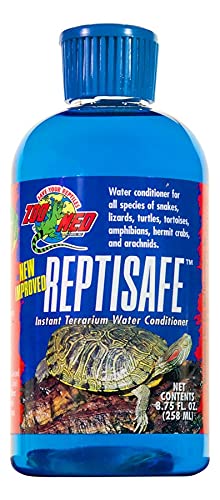
✔️ Great for reptile water bowls, chameleon drip water systems, amphibian enclosures, and aquatic turtle tanks

Instantly makes tap water safe for all aquatic pets

CONDITIONS AQUA-TERRARIUM WATER: Essential care formula for pet reptiles and fragile amphibians.