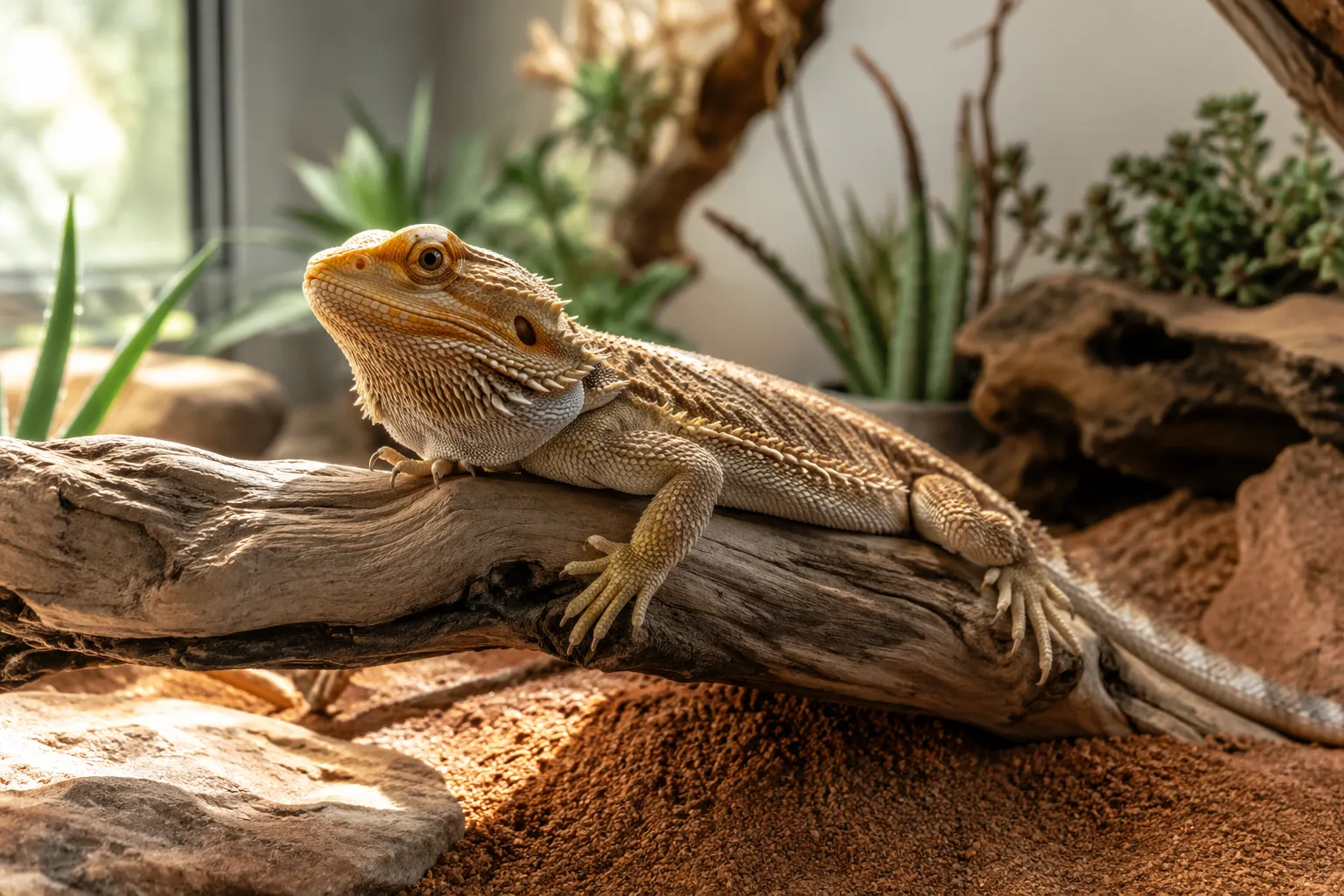
Quick Answer: Bearded dragons do not get lonely in the way social animals do. They are solitary reptiles in the wild and do not require companionship from other bearded dragons to thrive. However, they do benefit from regular interaction with their owners and environmental enrichment to prevent boredom and maintain mental stimulation.
Key Takeaways
- Bearded dragons are naturally solitary reptiles that prefer living alone rather than with other bearded dragons
- They do not experience loneliness but can become bored without proper environmental enrichment
- Regular human interaction (15-30 minutes daily) helps keep them mentally stimulated and builds trust
- Housing two bearded dragons together often leads to stress, competition, and potential injury
- Signs of boredom include glass surfing, lethargy, and repetitive pacing, not loneliness
- Single bearded dragons are perfectly content when provided with proper habitat enrichment
- They can recognize their owners and form bonds through consistent, gentle handling
- Full-time workers can successfully keep bearded dragons as pets with proper setup and routine
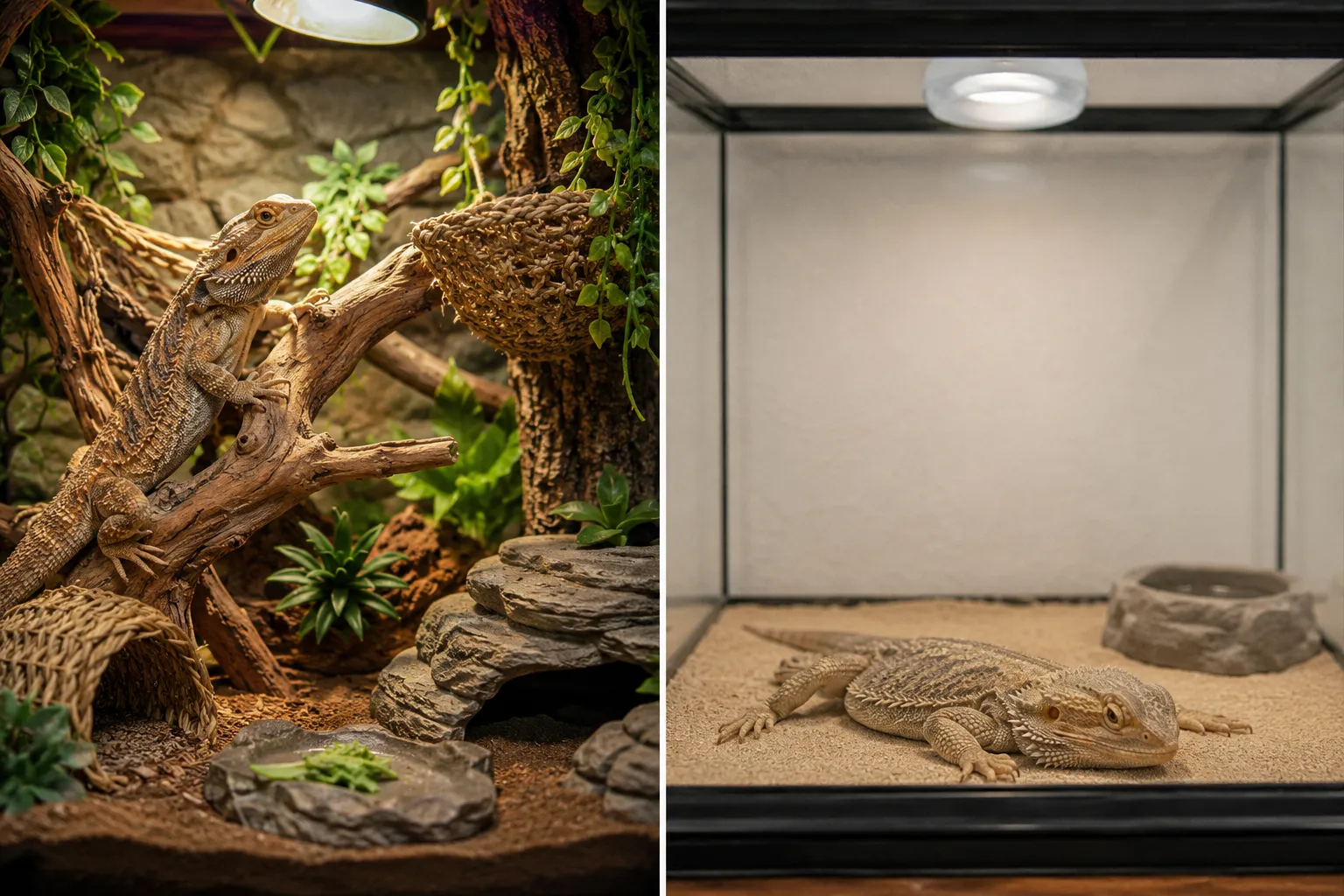
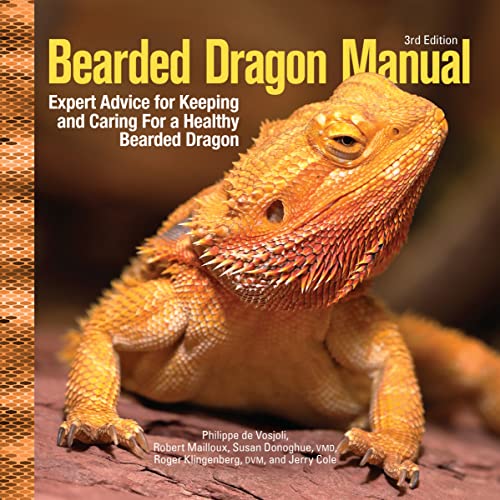


【Enlarged Grip Surface for Better Climbing】: Compared with standard mini climbing holds, these upgraded climbing grips provide more surface area for reptiles to step, climb and explore comfortably
Do Bearded Dragons Need a Companion or Can They Live Alone?
Bearded dragons are perfectly content living alone and actually prefer solitary housing. In their native Australian habitat, adult bearded dragons are territorial and only seek out other dragons during breeding season. Keeping a single bearded dragon is not only acceptable but recommended for their wellbeing.
Unlike social animals such as guinea pigs or rabbits that require companionship, bearded dragons lack the neurological wiring for social bonding with their own species. They don’t form friendships, play together, or seek comfort from other dragons. When multiple bearded dragons are housed together, what may look like peaceful coexistence is often a dominance hierarchy where the submissive dragon experiences chronic stress.
Why single housing is best:
- Eliminates competition for basking spots and food resources
- Prevents territorial aggression and bite injuries
- Reduces stress-related health problems
- Allows you to monitor individual eating and bathroom habits accurately
- Makes temperature gradient management simpler
Choose single housing if you want a healthy, stress-free bearded dragon. The only exception is temporary breeding situations managed by experienced reptile keepers, and even then, dragons should be separated immediately after mating.
Can You Keep Two Bearded Dragons Together in the Same Tank?
Keeping two bearded dragons together in the same tank is strongly discouraged by reptile veterinarians and experienced keepers. Even in large enclosures, cohabitation typically results in stress, injury, or death for one or both dragons. The risks far outweigh any perceived benefits.
Bearded dragons establish dominance hierarchies through behaviors like head bobbing and arm waving. The dominant dragon will claim the best basking spot, eat first, and may prevent the submissive dragon from accessing food or proper temperatures. This chronic stress weakens the immune system and shortens lifespan.
Common problems with cohabitation:
- Bite injuries: Dominant dragons may bite toes, tails, or limbs, sometimes causing permanent damage
- Food competition: Submissive dragons often become malnourished because they’re too stressed to eat
- Temperature monopolization: The dominant dragon claims the basking spot, leaving the other unable to thermoregulate properly
- Size mismatch dangers: Larger dragons may seriously injure or kill smaller tank mates
- Breeding stress: Males will constantly harass females, and two males will fight aggressively
Even dragons that appear to “get along” for months can suddenly turn aggressive. The submissive dragon’s stress often goes unnoticed until serious health problems develop. If you want multiple bearded dragons, house them in separate enclosures with their own heating, lighting, and proper tank size.
Signs That My Bearded Dragon Is Lonely or Depressed
Bearded dragons don’t experience loneliness, but they can show signs of boredom, stress, or illness that owners sometimes misinterpret as depression. Understanding the real causes behind these behaviors helps you address the actual problem rather than adding an unwanted tank mate.
Behaviors often mistaken for loneliness:
- Glass surfing: Frantically scratching at tank walls usually indicates stress from improper temperatures, tank size too small, or seeing their reflection
- Lethargy: Excessive sleeping or inactivity typically signals incorrect temperatures, illness, or brumation (seasonal dormancy)
- Loss of appetite: Usually caused by temperature issues, illness, or stress from environmental factors, not lack of companionship
- Hiding constantly: May indicate the dragon feels unsafe due to too much activity around the tank, incorrect lighting, or illness
- Repetitive pacing: Often a sign of boredom from lack of environmental enrichment, not loneliness
What your dragon actually needs:
If your bearded dragon shows these behaviors, check temperatures with a reliable thermometer (basking spot should be 95-105°F for adults), ensure proper UVB lighting, verify tank size is adequate, and add enrichment like climbing branches, hiding spots, and varied textures. Schedule a vet visit if behaviors persist after environmental corrections.
The solution is rarely adding another dragon. Instead, focus on proper care and regular interaction with you, their owner.
How Much Interaction Does a Bearded Dragon Need From Its Owner?
Bearded dragons benefit from 15-30 minutes of daily interaction with their owners to provide mental stimulation and build trust. This interaction serves a different purpose than social companionship, it’s about environmental enrichment and habituation to handling, which reduces stress during necessary care tasks.
Regular handling helps your bearded dragon recognize you as a safe presence rather than a threat. Well-socialized dragons become calmer during tank cleaning, feeding, and veterinary visits. However, there’s a balance, too much handling can cause stress, while too little can result in a skittish, defensive dragon.
Ideal interaction schedule:
- Daily handling: 15-30 minutes for adult dragons, 5-10 minutes for babies
- Best timing: Mid-morning after they’ve warmed up under their basking light
- Avoid: Right after eating (can cause regurgitation) or during brumation
- Quality over quantity: Calm, gentle sessions are better than frequent stressful interactions
Enrichment activities beyond handling:
- Supervised exploration in a dragon-proofed room
- Outdoor time in a secure enclosure on warm days (above 75°F)
- Rearranging tank decor monthly to provide novelty
- Hand-feeding favorite treats like hornworms occasionally
- Providing different textures to explore (smooth rocks, rough branches, soft fabric)
Watch for stress signals during interaction: darkened beard, hissing, puffing up, or trying to escape. If these occur, return your dragon to its tank and try again later with a gentler approach. Some dragons are naturally more tolerant of handling than others, respect your individual dragon’s personality.
Do Bearded Dragons Recognize Their Owners and Bond With Them?
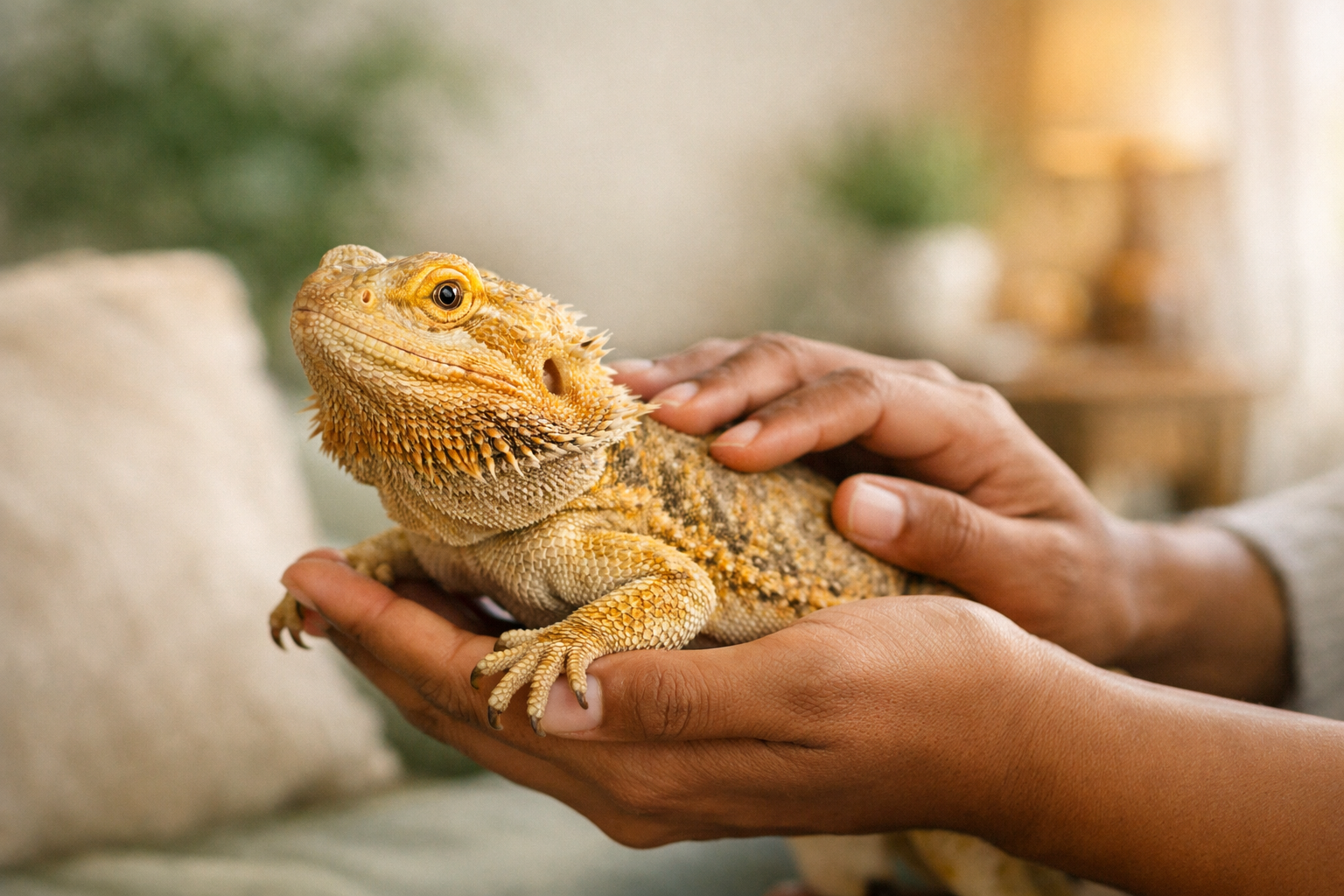
Bearded dragons can recognize their owners and form a type of bond based on positive association and trust, though this differs significantly from the emotional bonds dogs or cats form. Research suggests reptiles can distinguish between different people based on visual cues, scent, and routine patterns.
Your bearded dragon learns to associate you with positive experiences like food, warmth during handling, and safe exploration time outside the tank. Over time, well-socialized dragons often show preference for their primary caregiver, appearing calmer and more relaxed when handled by familiar people compared to strangers.
Signs your bearded dragon recognizes you:
- Becoming alert and moving toward the front of the tank when you approach
- Remaining calm during handling while being defensive with unfamiliar people
- Readily accepting food from your hand
- Relaxing body posture (not puffing up or darkening beard) in your presence
- Seeking out your hand for climbing or warmth
Building trust with your dragon:
- Consistency: Handle your dragon at similar times each day
- Positive reinforcement: Offer favorite foods during or after handling sessions
- Gentle approach: Always approach from the side (not above, which mimics predators)
- Respect boundaries: Put them back if they show stress signals
- Patience: Trust building takes weeks to months, especially with baby bearded dragons
This recognition and trust is valuable for reducing stress during necessary care, but it doesn’t mean your dragon is lonely without you. They’re content in their properly set-up habitat whether you’re home or away, as long as their physical needs are met.
What Happens If I Leave My Bearded Dragon Alone for a Week?
Leaving a bearded dragon alone for a week requires careful preparation but is manageable for adult dragons with the right setup. Unlike social animals that suffer from separation anxiety, bearded dragons don’t experience emotional distress from your absence, their primary concerns are maintaining proper temperatures, hydration, and food access.
Preparation checklist for week-long absence:
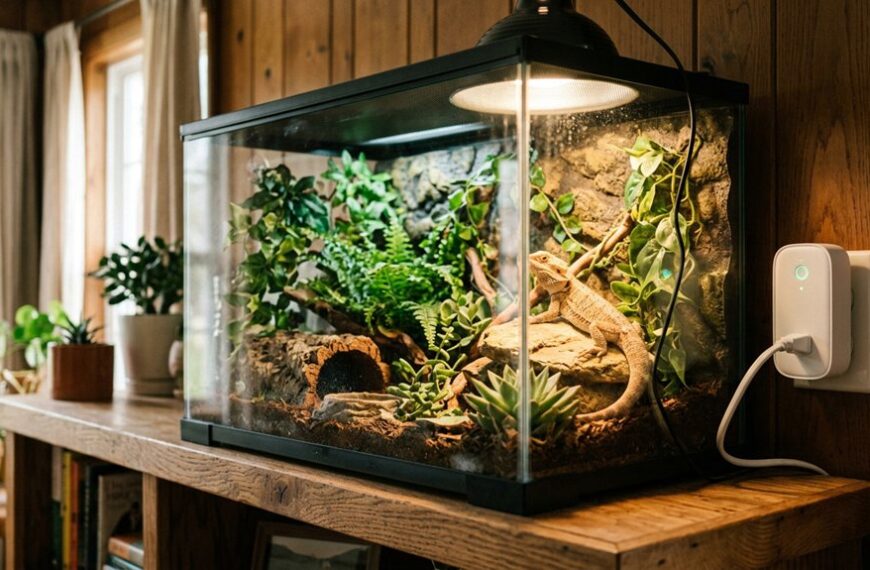
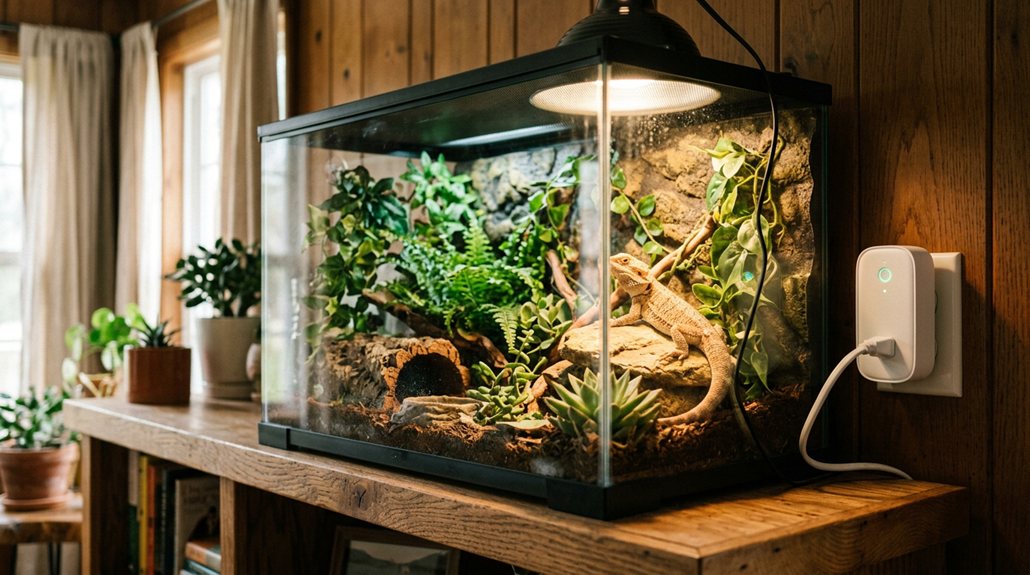
- Lighting timers: Set automatic timers for both heat lamps and UVB lights (12-14 hours on, 10-12 hours off)
- Temperature monitoring: Use a reliable thermostat to maintain basking spot at 95-105°F
- Backup power: Consider a generator or battery backup for critical heating equipment
- Pet sitter visits: Arrange for someone to check on your dragon every 2-3 days minimum
- Pre-portioned food: Leave clear feeding instructions with appropriate portions of greens and insects
- Water source: Provide a shallow water dish; some dragons will drink from it
What your pet sitter needs to do:
- Verify temperatures are correct using your thermometer
- Offer fresh greens and appropriate insects (mealworms, dubia roaches)
- Remove uneaten food and waste
- Refresh water dish
- Observe for signs of illness or distress
- Text you photos to confirm wellbeing
Age considerations:
Adult bearded dragons handle short absences better than babies. Baby bearded dragons require daily feeding and more frequent monitoring, making week-long trips more challenging. If you have a baby dragon, consider boarding with a reptile-experienced pet sitter or veterinary clinic instead.
The common mistake is assuming your dragon will “miss you.” They won’t experience loneliness, but they do need their physical care routine maintained consistently. Equipment failure (burned-out bulbs, thermostat malfunction) poses the real risk, not your absence itself.
Is a Bearded Dragon a Good Pet for Someone Who Works Full Time?
Bearded dragons are excellent pets for full-time workers because they don’t require constant attention or interaction throughout the day. Their care needs fit well into morning and evening routines, and they’re perfectly content spending daytime hours basking and resting in their properly equipped habitat.
Unlike dogs that need multiple walks or cats that may become destructive when bored, bearded dragons are naturally inactive for much of the day. They bask under their heat lamp, occasionally move to cooler areas, eat, and rest, activities that don’t require human presence.
Why bearded dragons suit working professionals:
- Low time commitment: 15-30 minutes daily for feeding, spot cleaning, and interaction
- No separation anxiety: Don’t experience stress from being alone during work hours
- Predictable schedule: Feeding and care tasks happen on your schedule, not theirs
- Weekend deep cleaning: Major tank maintenance fits into days off
- Quiet pets: No barking, meowing, or noise complaints
- Long lifespan: With proper care, they live 8-12 years, providing long-term companionship
Daily routine for working owners:
Morning (10-15 minutes):
- Turn on lights if not on timers
- Offer fresh greens and vegetables
- Spot clean any waste
- Quick health check
Evening (15-20 minutes):
- Offer protein (insects) if feeding day
- Handling/interaction time
- Refresh water
- Turn off lights if not on timers
Common mistake: Feeling guilty about being away during the day and overcompensating with excessive handling in the evening. Your dragon needs rest time too. Consistent, moderate interaction is better than sporadic intense sessions.
The key is having the proper setup before you bring your dragon home: automatic timers for lighting, reliable heating equipment, and appropriate tank size. With these in place, your work schedule won’t negatively impact your dragon’s wellbeing.
My Bearded Dragon Is Hiding All the Time, Is It Lonely?
A bearded dragon that hides constantly is not lonely but is likely experiencing stress, illness, incorrect temperatures, or inadequate acclimation time. Hiding is a natural stress response in reptiles, signaling that something in their environment feels unsafe or uncomfortable.
Common causes of excessive hiding:
- Incorrect temperatures: If the basking spot is too cool (below 95°F) or too hot (above 110°F), dragons retreat to hides
- New environment stress: Recently acquired dragons need 1-2 weeks to adjust before regular handling
- Too much activity: Tanks in high-traffic areas or near loud TVs can cause chronic stress
- Inadequate UVB lighting: Poor lighting can cause lethargy and hiding behavior
- Illness or parasites: Sick dragons often hide; watch for other symptoms like weight loss or abnormal stool
- Brumation: Seasonal dormancy causes increased hiding and sleeping in fall/winter
How to address hiding behavior:
- Check temperatures: Use a temperature gun to verify basking spot is 95-105°F and cool side is 75-85°F
- Verify UVB: Replace UVB bulbs every 6-12 months even if they still produce visible light
- Reduce stressors: Move the tank to a quieter location if needed
- Provide appropriate hides: One hide on the warm side, one on the cool side
- Give adjustment time: New dragons need patience; avoid handling for the first week
- Schedule a vet visit: If hiding persists with other symptoms (weight loss, lethargy, abnormal stool)
What hiding is NOT:
Hiding is not a sign your dragon needs a companion. Adding another dragon to the tank will increase stress dramatically and worsen the problem. The solution is always environmental correction or medical treatment, never cohabitation.
Once you’ve addressed the underlying cause, most bearded dragons become more active and visible. Some individual dragons are naturally more shy than others, respect their personality while ensuring their physical needs are met.

【Safe Material & Durable】Bearded dragon hammock is made of natural seagrass. Natural wooden bridge for reptiles to climb. The jungle vine is made of iron wire inside and soft PU material outside. Reptile plants are made from intentionally non-toxic plastic and the stems were made from iron wire. It creates a dynamic environment with fun hiding spots and intriguing obstacles.

Versatile Design: Multi-purpose reptile tank cleaner made specifically for bearded dragon enclosures and terrariums. Keeps your pet’s habitat clean, odor-free, and hygienic with a powerful formula that tackles waste, grime, and buildup on contact.

Complete 26-Piece Desert Habitat Set Create a coordinated desert wasteland terrarium with a woven hammock, reptile hide, water dish, skull accents, desert plants, hanging vine, climbing branch and suction cups. A full reptile tank accessories set for building a more finished enclosure.
Do Baby Bearded Dragons Need More Attention Than Adults?
Baby bearded dragons require significantly more frequent care and attention than adults, though this relates to their rapid growth and feeding needs rather than emotional neediness. Babies need daily feeding, more frequent tank maintenance, and careful monitoring to ensure proper development.
Baby vs. adult care comparison:
| Care Aspect | Baby (0-6 months) | Adult (18+ months) |
|---|---|---|
| Feeding frequency | 2-3 times daily | Once daily or every other day |
| Protein percentage | 80% insects, 20% greens | 20% insects, 80% greens |
| Tank cleaning | Daily spot cleaning essential | Every 2-3 days acceptable |
| Handling time | 5-10 minutes daily | 15-30 minutes daily |
| Growth monitoring | Weekly measurements | Monthly checks |
| Vet checkups | Every 3 months | Annually |
Why babies need more attention:
- Rapid growth: Babies grow quickly and need frequent high-protein meals to support development
- Smaller meals, more often: Their small stomachs require multiple daily feedings
- Socialization window: Early handling creates calmer adults, but sessions must be brief to avoid stress
- Health monitoring: Babies are more vulnerable to metabolic bone disease and other growth-related issues
- Frequent waste: More meals mean more cleaning to prevent bacterial growth
Time commitment reality:
Expect to spend 45-60 minutes daily caring for a baby bearded dragon versus 20-30 minutes for an adult. This includes multiple feeding sessions, more thorough cleaning, and careful observation. If you work full time, you’ll need to feed your baby before work, at lunch (or have someone else do it), and in the evening.
Common mistake: Thinking a baby dragon needs constant companionship or will be “lonely” during the day. Babies don’t need more social interaction, they need more food, proper temperatures, and brief, gentle handling sessions to build trust. The increased time commitment is about meeting their physical growth needs, not emotional ones.
By 12-18 months, your dragon will transition to an adult feeding schedule, and daily care time decreases significantly. For detailed guidance, see our baby bearded dragon care guide.
How to Keep a Single Bearded Dragon Entertained and Happy
Keeping a single bearded dragon mentally stimulated focuses on environmental enrichment rather than social companionship. A well-enriched habitat with variety and novelty prevents boredom and promotes natural behaviors, resulting in a healthier, more active dragon.
Essential enrichment strategies:
1. Habitat complexity:
- Multiple climbing branches at different heights and angles
- Varied substrate textures (tile, reptile carpet, paper)
- Rocks and platforms for different basking options
- Live or artificial plants for visual interest and hiding spots
- Background images on tank walls (desert scenes, rock formations)
2. Rotation and novelty:
- Rearrange decor monthly to create a “new” environment
- Rotate different hides and climbing structures
- Change feeding locations occasionally
- Introduce new safe textures (smooth river rocks, cork bark)
3. Feeding enrichment:
- Hand-feed occasionally to build trust
- Place greens in different locations rather than always in the same bowl
- Let insects roam the tank for hunting practice (supervised)
- Offer variety: hornworms, dubia roaches, mealworms
- Try different vegetables: bell peppers, zucchini, carrots
4. Outside-the-tank activities:
- Supervised exploration in a dragon-proofed room
- Outdoor time in a secure enclosure (temperature above 75°F, no pesticides)
- Shallow water baths for hydration and enrichment
- Different surfaces to explore (carpet, tile, grass, smooth wood)
5. Visual stimulation:
- Position tank where your dragon can observe household activity (but not high-traffic stress)
- Provide a view of windows (but prevent overheating from direct sun)
- Some dragons enjoy watching TV or fish tanks (monitor for stress)
What NOT to do:
- Don’t add another bearded dragon for “company”, this creates stress, not enrichment
- Avoid toys designed for mammals (balls, wheels), dragons don’t play like mammals
- Don’t use mirrors, dragons see their reflection as a rival and become stressed
- Skip laser pointers, these can damage reptile eyes and provide no benefit
Signs your enrichment is working:
Your dragon should be alert during active hours, explore its habitat regularly, maintain a healthy appetite, and show interest in its surroundings. A well-enriched dragon doesn’t need a companion, it has everything necessary for mental and physical wellbeing in its properly designed habitat.
Will My Bearded Dragon Get Stressed If I Handle It Too Much?
Yes, excessive handling can stress bearded dragons even when they appear calm. While regular interaction is beneficial, too much handling disrupts their natural routine, interferes with thermoregulation, and can lead to chronic stress that weakens their immune system.
Bearded dragons are ectothermic (cold-blooded) and rely on external heat sources to maintain proper body temperature. Extended handling sessions remove them from their heat source, forcing their metabolism to slow down. This affects digestion, immune function, and overall health.
Signs of handling-related stress:
- Darkened or black beard: Primary stress indicator
- Puffing up or flattening body: Defensive posture
- Hissing or opening mouth: Clear “leave me alone” signal
- Attempting to escape: Scrambling or jumping from your hands
- Tail twitching: Agitation or annoyance
- Loss of appetite: Chronic stress suppresses feeding
- Increased defecation: Stress can trigger bowel movements
Healthy handling guidelines:
- Duration: 15-30 minutes maximum per session for adults, 5-10 minutes for babies
- Frequency: Once daily is sufficient; more isn’t better
- Timing: Mid-morning after basking, never right after eating
- Temperature awareness: Keep sessions shorter in cool rooms
- Rest days: Skip handling if your dragon shows stress signals or during brumation
Individual variation:
Some bearded dragons tolerate more handling than others. A dragon that readily climbs onto your hand and remains relaxed with a normal-colored beard can handle longer sessions. A dragon that consistently shows stress signals needs shorter, less frequent interaction.
Common mistakes:
- Passing your dragon between multiple people in one session
- Handling during feeding time or immediately after meals
- Forcing interaction when your dragon retreats or hides
- Handling during shedding (skin is sensitive and uncomfortable)
- Not recognizing subtle stress signals and continuing to handle
The goal is building trust through consistent, positive interactions, not maximizing handling time. Quality matters more than quantity. A dragon that experiences brief, pleasant handling sessions will be calmer and more trusting than one subjected to frequent, prolonged sessions that cause stress.
Common Mistakes When Keeping Bearded Dragons as Pets
New bearded dragon owners often make preventable mistakes that stem from misunderstanding their reptile’s needs or applying mammal-care logic to reptiles. Avoiding these common errors ensures your dragon thrives rather than merely survives.
Top mistakes and corrections:
1. Cohabitation:
- Mistake: Housing multiple dragons together to prevent “loneliness”
- Reality: Causes stress, injury, and competition for resources
- Solution: Always house bearded dragons individually in separate tanks
2. Inadequate heating:
- Mistake: Using heat rocks or under-tank heaters as primary heat source
- Reality: Bearded dragons need overhead basking lights to thermoregulate properly
- Solution: Provide a basking spot of 95-105°F using overhead heat lamps
3. Poor UVB lighting:
- Mistake: Using incorrect UVB bulbs or not replacing them regularly
- Reality: Inadequate UVB causes metabolic bone disease and other serious health issues
- Solution: Use reptile-specific UVB bulbs (10.0 or 12% strength) and replace every 6-12 months
4. Incorrect diet:
- Mistake: Feeding only insects or only vegetables, or offering inappropriate foods
- Reality: Diet needs change with age; babies need more protein, adults need more vegetables
- Solution: Follow age-appropriate feeding schedules and avoid dangerous foods like fireflies or avocado
5. Tank too small:
- Mistake: Keeping adult dragons in 40-gallon or smaller tanks
- Reality: Adults need minimum 75-gallon tanks, preferably 120-gallon
- Solution: Plan for adult size from the start; see our tank size guide
6. Misinterpreting behavior:
- Mistake: Thinking glass surfing or hiding means loneliness
- Reality: These behaviors indicate stress, incorrect temperatures, or illness
- Solution: Check environmental parameters and address the actual cause
7. Handling errors:
- Mistake: Handling too much, too soon, or during inappropriate times
- Reality: New dragons need adjustment time; excessive handling causes stress
- Solution: Wait one week before handling new dragons; limit sessions to 15-30 minutes
8. Substrate dangers:
- Mistake: Using loose substrates (sand, wood chips) that can cause impaction
- Reality: Bearded dragons may ingest loose substrate, causing potentially fatal blockages
- Solution: Use tile, reptile carpet, or paper for safer options
9. Neglecting veterinary care:
- Mistake: Skipping regular checkups or waiting too long when illness appears
- Reality: Reptiles hide illness until it’s advanced; early intervention is critical
- Solution: Annual vet visits for adults, every 3 months for babies, immediate care for concerning symptoms
10. Improper supplementation:
- Mistake: Not dusting insects with calcium and vitamins
- Reality: Captive diets lack nutrients found in wild food sources
- Solution: Dust insects with calcium (with D3) 3-4 times weekly for babies, 2-3 times for adults
The overarching mistake is treating bearded dragons like social mammals rather than solitary reptiles. They don’t need companions, constant interaction, or entertainment in the way dogs or cats do. They need proper temperatures, lighting, diet, and habitat, get these right, and your dragon will thrive alone.
Bearded Dragon vs Leopard Gecko: Which Is More Social?
Neither bearded dragons nor leopard geckos are truly social animals, but bearded dragons generally tolerate and respond to human interaction more readily than leopard geckos. Both species are solitary in the wild and should be housed individually, but their temperaments and interaction styles differ significantly.
Bearded dragons:
- More tolerant of handling once acclimated
- Often appear to “enjoy” being out of their tank
- Can recognize owners and show preference for familiar people
- More active during the day (diurnal), matching human schedules
- Larger size makes them easier to handle safely
- More expressive body language (beard color changes, arm waving, head bobbing)
Leopard geckos:
- Generally more skittish and prefer minimal handling
- Nocturnal (active at night), less interactive during human waking hours
- Can become tolerant of handling but rarely seek it out
- Smaller and more delicate, requiring gentler handling
- Less obvious body language and facial expressions
- Tend to be more hands-off pets
Interaction comparison:
If you want a reptile that tolerates regular handling and interaction, bearded dragons are the better choice. They’re often described as the “dogs of the reptile world” because they’re relatively interactive and can become quite calm with their owners. However, this doesn’t mean they’re social, they’re simply more tolerant of human interaction than many other reptile species.
Leopard geckos suit owners who prefer observing their pets rather than handling them frequently. They’re excellent for people who want a lower-maintenance reptile that doesn’t require daily interaction.
Important clarification:
Neither species needs a companion of their own kind. Both are solitary and should be housed alone. The question isn’t which is “more social” with other reptiles (neither is), but which tolerates human interaction better. For that, bearded dragons win, but remember that even the most handleable bearded dragon is still a solitary reptile that doesn’t experience loneliness.
Choose based on your interaction preferences, not on the animal’s need for companionship, because neither needs it.
Frequently Asked Questions
Can bearded dragons feel love or affection toward their owners?
Bearded dragons don’t experience love or affection in the mammalian sense, but they can form positive associations with their owners based on trust and routine. They recognize people who provide food, warmth, and gentle handling, and may show preference for familiar caregivers over strangers. This is learned behavior and positive association rather than emotional bonding.
How long can a bearded dragon be left alone safely?
Adult bearded dragons can be left alone for 2-3 days maximum with proper preparation (automatic lighting timers, adequate food and water). For longer absences up to a week, arrange for a pet sitter to check every 2-3 days. Baby bearded dragons should not be left alone for more than 24 hours due to their frequent feeding requirements.
Do bearded dragons get sad when their owner is away?
No, bearded dragons do not experience sadness or separation anxiety when their owner is away. They lack the neurological structures associated with these complex emotions in mammals. As long as their physical needs (temperature, lighting, food) are met, they’re content whether you’re present or absent.
Should I get two bearded dragons so they can keep each other company?
No, you should never house two bearded dragons together for companionship. They are solitary animals that experience stress, not comfort, from cohabitation. Multiple dragons compete for resources, establish dominance hierarchies, and often injure each other. If you want multiple dragons, house them in completely separate enclosures.
What’s the best way to bond with my bearded dragon?
Bond with your bearded dragon through consistent, gentle handling sessions (15-30 minutes daily), hand-feeding favorite treats occasionally, and maintaining a predictable routine. Approach from the side rather than above, support their body fully during handling, and return them to their tank if they show stress signals. Trust builds over weeks to months.
Can a bearded dragon die from loneliness?
No, bearded dragons cannot die from loneliness because they don’t experience this emotion. However, they can become ill or die from inadequate care, stress from improper housing, or boredom from lack of environmental enrichment. The solution is always better husbandry, not adding a companion dragon.
Is it cruel to keep a bearded dragon alone?
No, it is not cruel to keep a bearded dragon alone, in fact, it’s the recommended and most humane housing method. Bearded dragons are naturally solitary and prefer living alone. Providing proper habitat, temperature, lighting, diet, and occasional human interaction meets all their needs. Forcing cohabitation is actually cruel because it causes chronic stress.
How do I know if my bearded dragon is happy?
A happy, healthy bearded dragon is alert during active hours, has a good appetite, maintains normal coloration (not constantly dark or stressed), explores its habitat, basks regularly, and remains calm during gentle handling. Consistent weight, regular bowel movements, and active behavior during daylight hours all indicate wellbeing.
Do bearded dragons recognize their names?
Bearded dragons can learn to respond to their names through association with positive experiences like food or handling, but they don’t understand language the way mammals do. They recognize the sound pattern and associate it with your presence and routine, not the actual concept of having a name.
What happens if I never handle my bearded dragon?
A bearded dragon that’s never handled will likely become skittish and defensive, making necessary care tasks (tank cleaning, vet visits, health checks) stressful for both you and the dragon. While they don’t need handling for emotional wellbeing, regular gentle interaction makes them calmer and easier to care for long-term.
Can bearded dragons live with other types of reptiles?
No, bearded dragons should never be housed with other reptile species. Different species have different temperature, humidity, and dietary needs, and may carry diseases or parasites that don’t affect their own species but can harm others. Additionally, size differences create predator-prey dynamics, and territorial behavior causes stress.
How much does it cost to keep a bearded dragon entertained?
Environmental enrichment for bearded dragons is relatively inexpensive. Basic items like branches, rocks, and hides can be found naturally (properly cleaned) or purchased for $20-50 total. Rearranging existing decor costs nothing. The main ongoing costs are proper food variety and maintaining correct temperatures and lighting, not entertainment items.
Conclusion
Bearded dragons do not get lonely. These naturally solitary reptiles thrive when housed individually and don’t require companionship from other bearded dragons to be happy and healthy. What they do need is proper environmental setup, regular interaction with their owners, and habitat enrichment to prevent boredom.
The key takeaway for bearded dragon enthusiasts is understanding that your dragon’s wellbeing depends on meeting their physical needs, correct temperatures, appropriate UVB lighting, proper diet, and adequate space, not on providing social companionship. Signs that owners often interpret as loneliness (glass surfing, hiding, lethargy) actually indicate environmental problems or health issues that need addressing.
Your action steps:
- House your bearded dragon alone in an appropriately sized tank (minimum 75 gallons for adults)
- Provide daily interaction of 15-30 minutes to build trust and provide mental stimulation
- Enrich the habitat with climbing structures, varied textures, and monthly rearrangement
- Monitor behavior for signs of stress or illness, not loneliness
- Maintain proper care including temperatures (95-105°F basking spot), UVB lighting, and age-appropriate diet
If you’re considering getting a bearded dragon, rest assured that a single dragon with proper care will be perfectly content. If you already have a dragon and worry about loneliness, focus your energy on optimizing their habitat and maintaining consistent, gentle interaction. Your dragon doesn’t need a companion, it needs you to provide excellent care and occasional attention.
For more guidance on creating the best environment for your bearded dragon, explore our resources on proper tank setup, understanding bearded dragon behavior, and comprehensive care guides. Your solitary dragon is counting on you to meet their needs, and companionship isn’t one of them.

Interactive Feeder Ball: Hollow ball design allows you to place live insects, vegetables, or greens inside to encourage natural foraging behavior and mental stimulation for bearded dragons, lizards, and geckos, serving as a versatile bearded dragon toy.

Enrichment Set - Our bearded dragon enrichment toys package includes a hollow vegetable feeder ball and a suction cup bell ball to turn mealtime into engaging play while stimulating natural foraging behaviors

Package Includes: You will receive a feeder ball, a feed toy with bell and suction cups in the package for your dear pets